
The Triangular Trade TransAtlantic Slave Trade DEFINITION Triangular
- Slides: 36
The Triangular Trade (Trans-Atlantic Slave Trade)
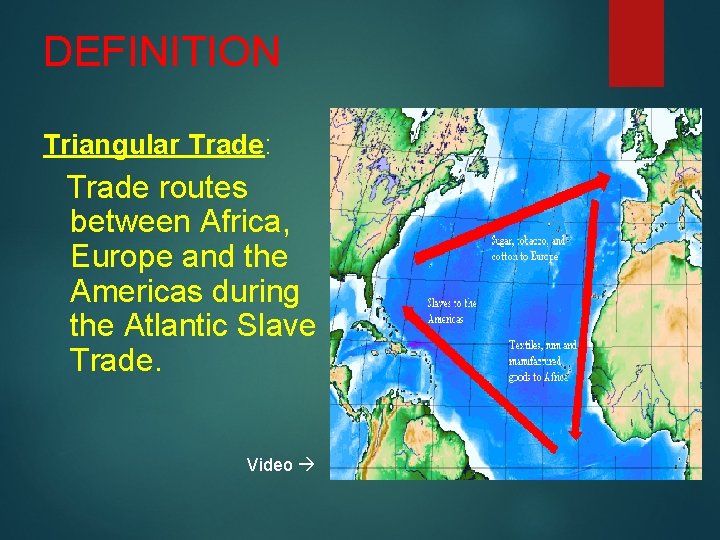
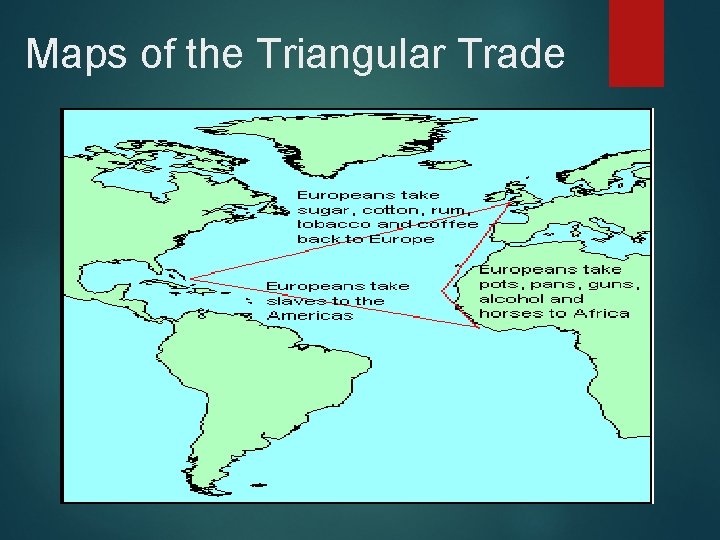
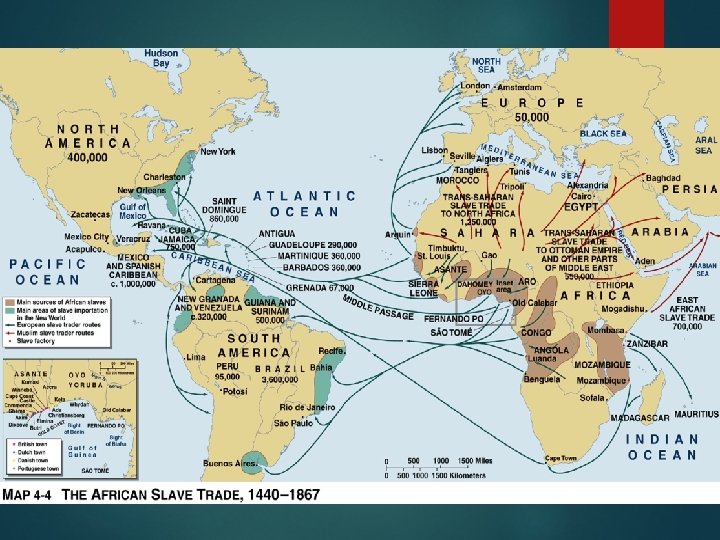
DEFINITION Triangular Trade: Trade routes between Africa, Europe and the Americas during the Atlantic Slave Trade. Video
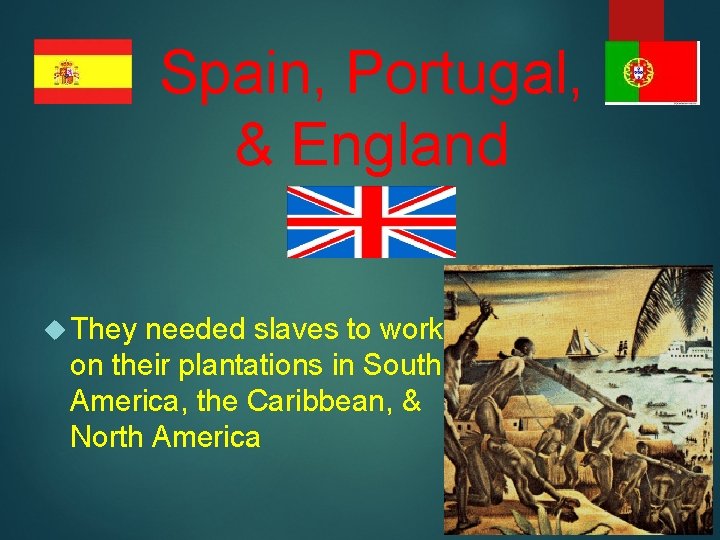
Spain, Portugal, & England They needed slaves to work on their plantations in South America, the Caribbean, & North America
ENGLAND At beginning, only a few slaves came to English colonies. But when tobacco, cotton & rice plantations grew in the colonies, slave trade increased. Britain was given control over much of slave trade had a monopoly
Maps of the Triangular Trade
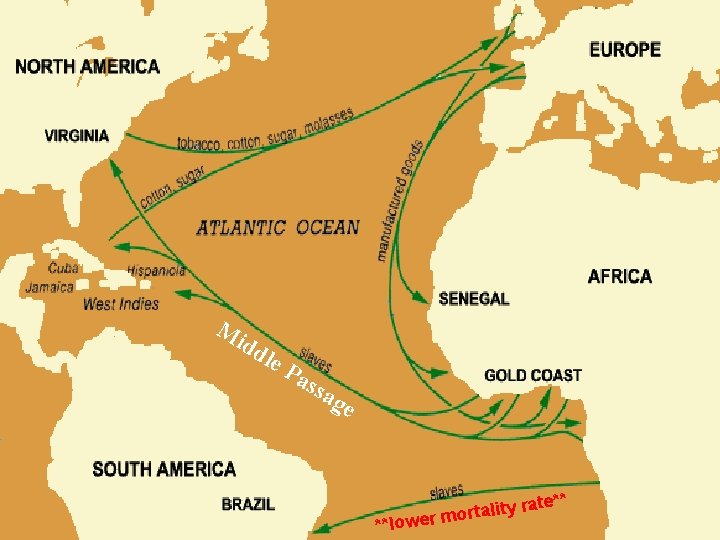
Mi dd le Pa ss ag e * ity ra l a t r o m *lower te**
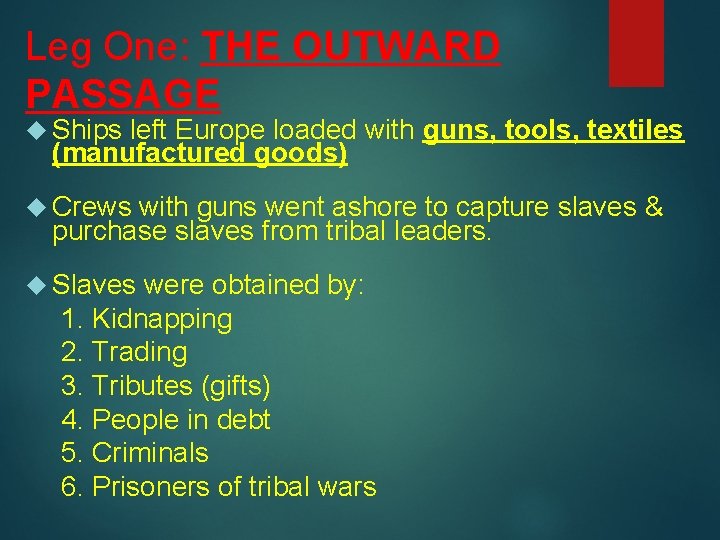
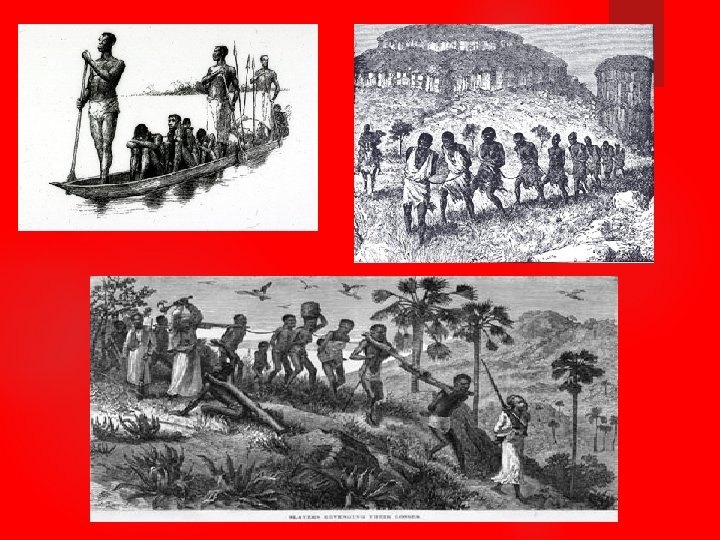
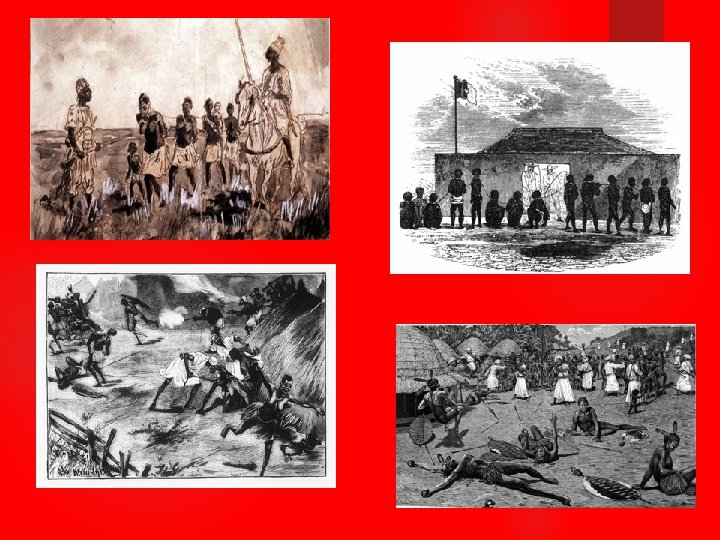
Leg One: THE OUTWARD PASSAGE Ships left Europe loaded with guns, tools, textiles (manufactured goods) Crews with guns went ashore to capture slaves & purchase slaves from tribal leaders. Slaves were obtained by: 1. Kidnapping 2. Trading 3. Tributes (gifts) 4. People in debt 5. Criminals 6. Prisoners of tribal wars
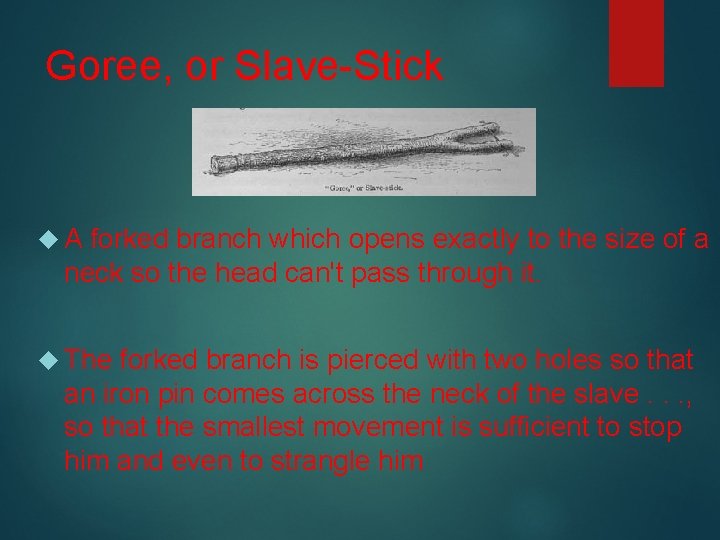
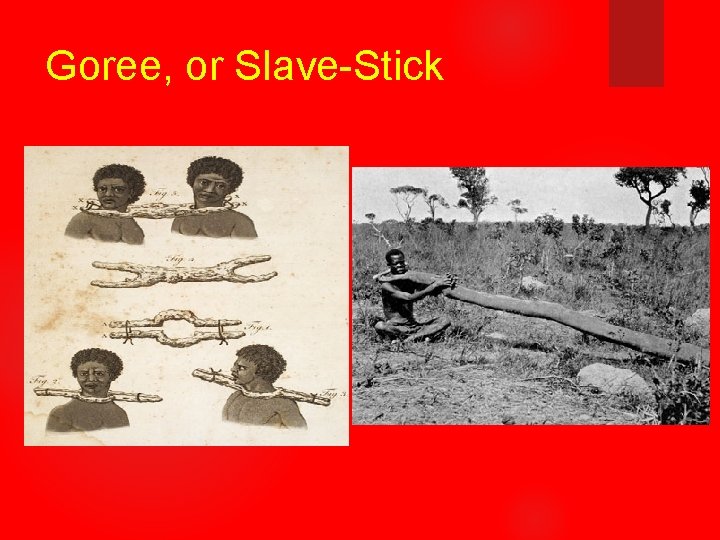
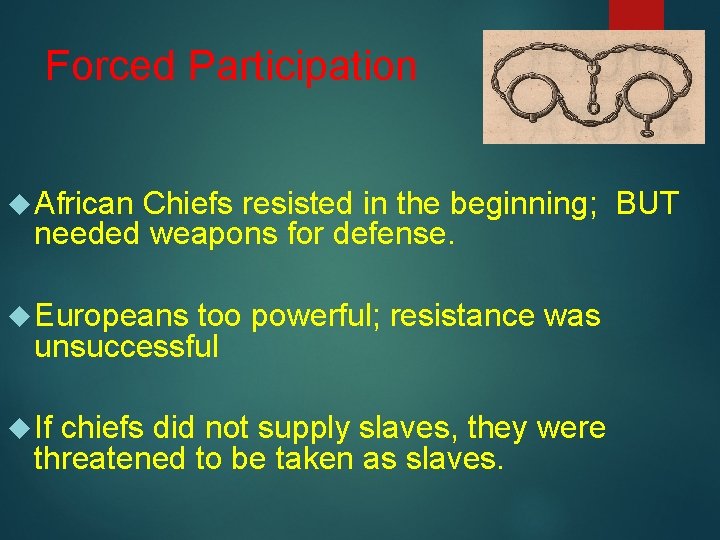
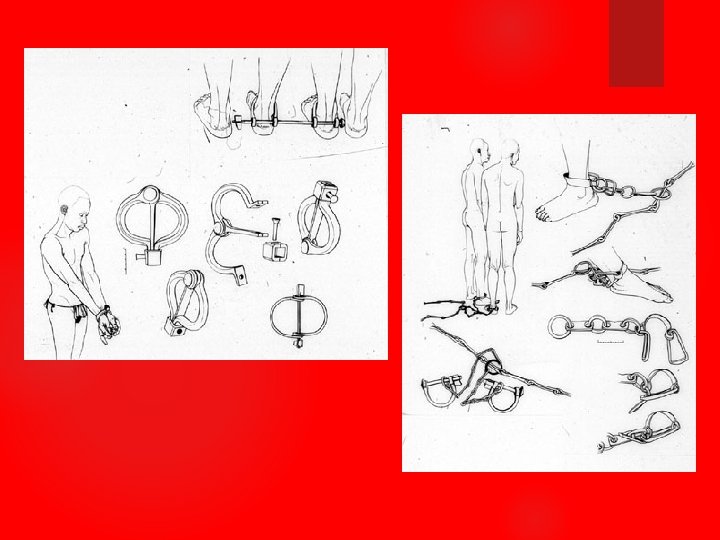
Goree, or Slave-Stick A forked branch which opens exactly to the size of a neck so the head can't pass through it. The forked branch is pierced with two holes so that an iron pin comes across the neck of the slave. . . , so that the smallest movement is sufficient to stop him and even to strangle him
Goree, or Slave-Stick
Forced Participation African Chiefs resisted in the beginning; BUT needed weapons for defense. Europeans too powerful; resistance was unsuccessful If chiefs did not supply slaves, they were threatened to be taken as slaves.
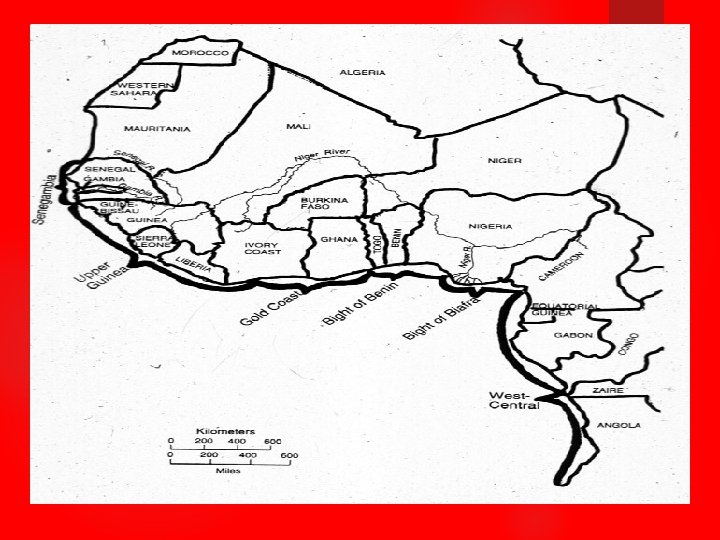
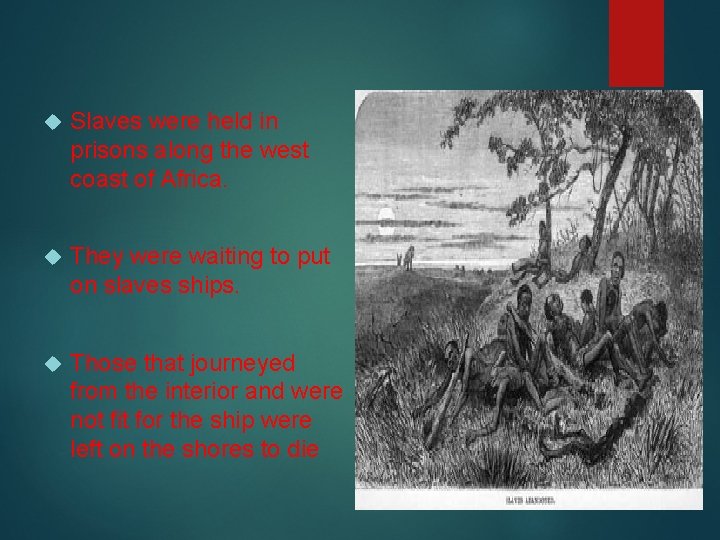
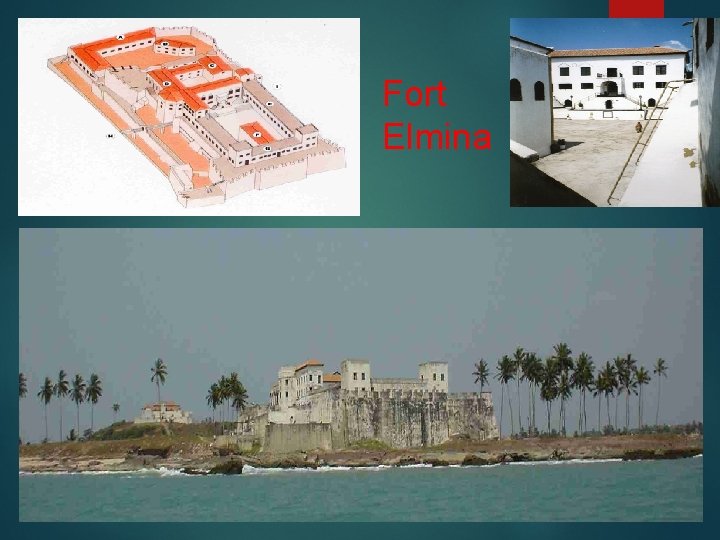
Slaves were held in prisons along the west coast of Africa. They were waiting to put on slaves ships. Those that journeyed from the interior and were not fit for the ship were left on the shores to die
Fort Elmina
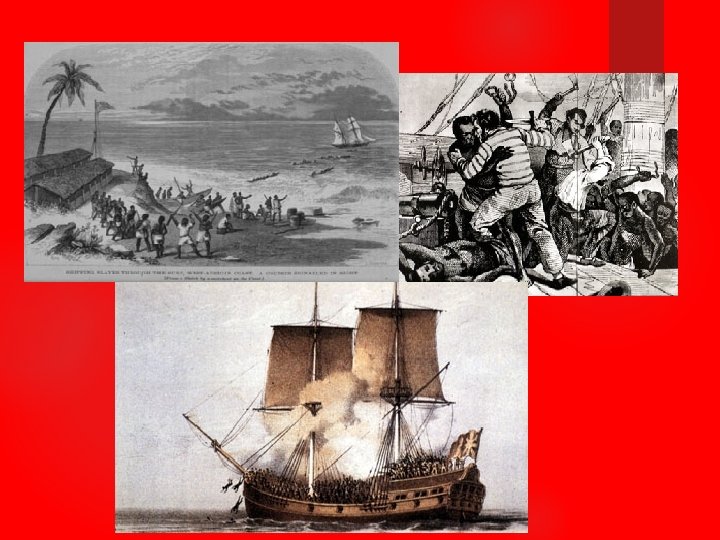
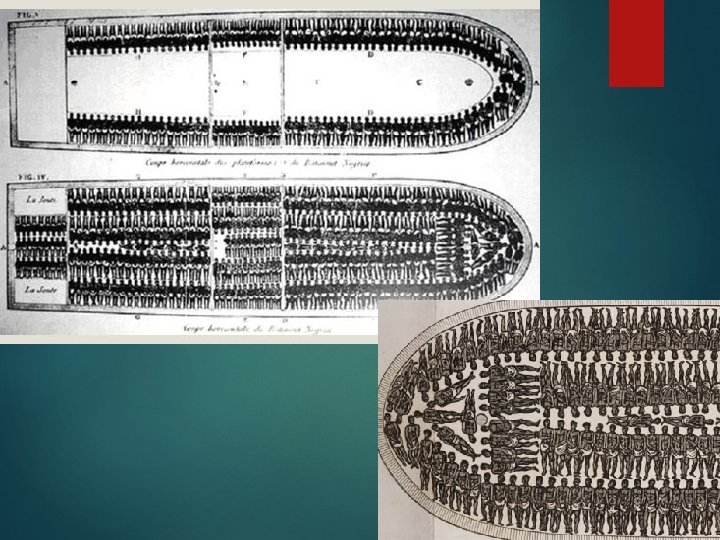
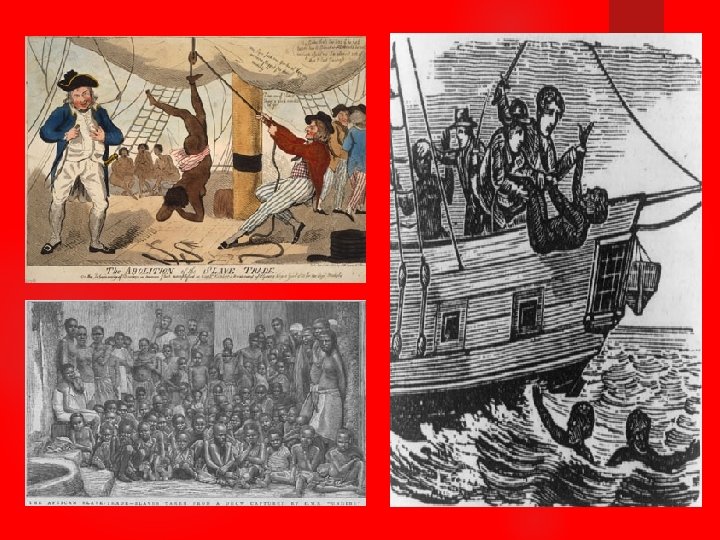
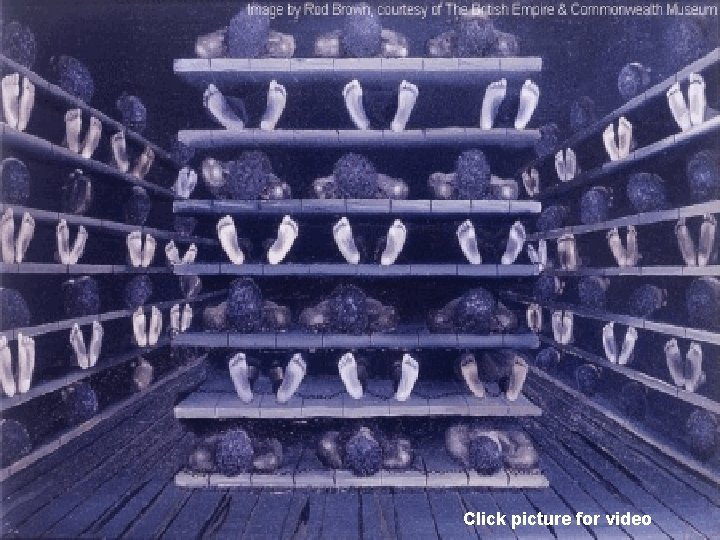
Leg Two: THE MIDDLE PASSAGE - Voyage from Africa to Americas - Ships sailed across Atlantic Ocean from Africa to Americas, carrying slaves & gold - Journey took 5 -12 weeks - DISGUSTING CONDITIONS - Some Africans tried to jump ship, refused to eat & rebelled. - Loss of slave’s life = loss of $ for sailors.
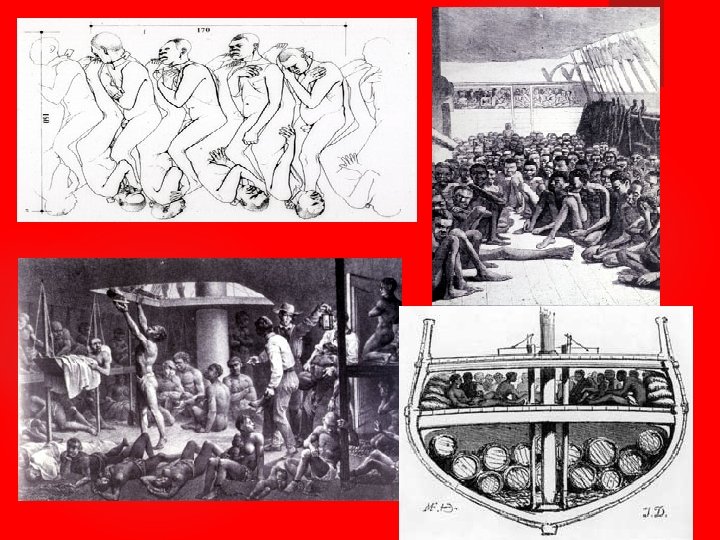
Leg Two: THE MIDDLE PASSAGE “Loose packing”: captains took fewer slaves in hope to reduce sickness & death. “Tight packing”: captains carried as many slaves as their ship could hold many died on voyage
Click picture for video
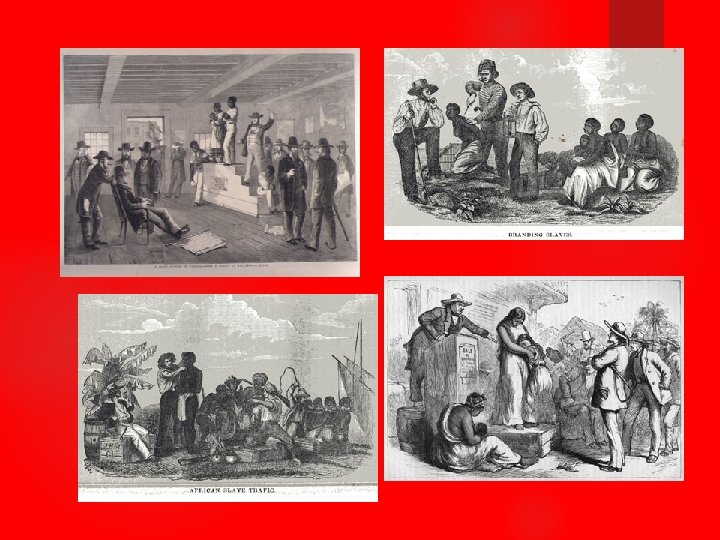
Leg Three: THE HOMEWARD PASSAGE Africans sold at auctions in Americas Money from sale would buy cargo of raw materials: cotton, sugar, spices, rum, chocolate or tobacco. In Europe, converted raw materials into finished products.
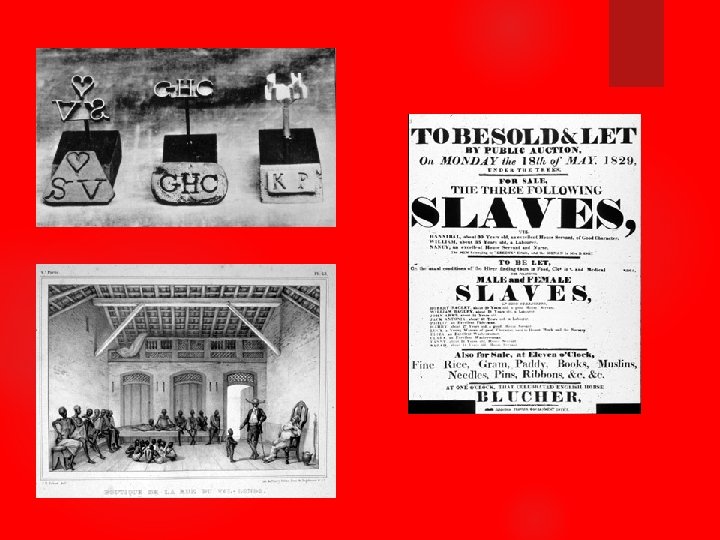
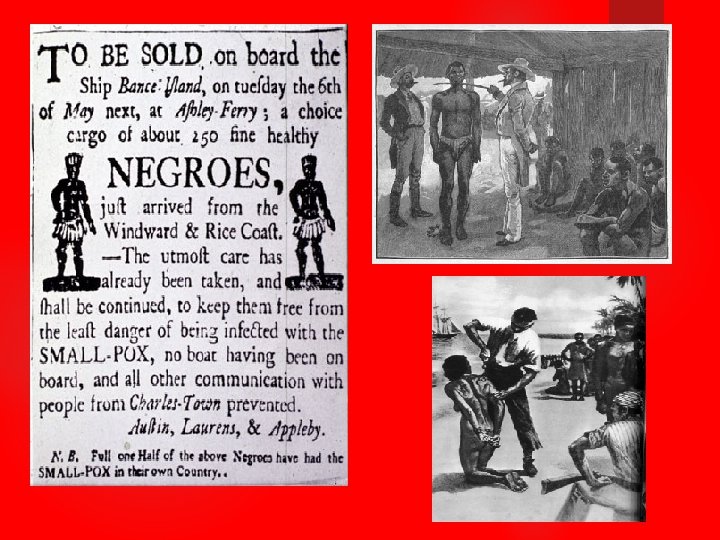
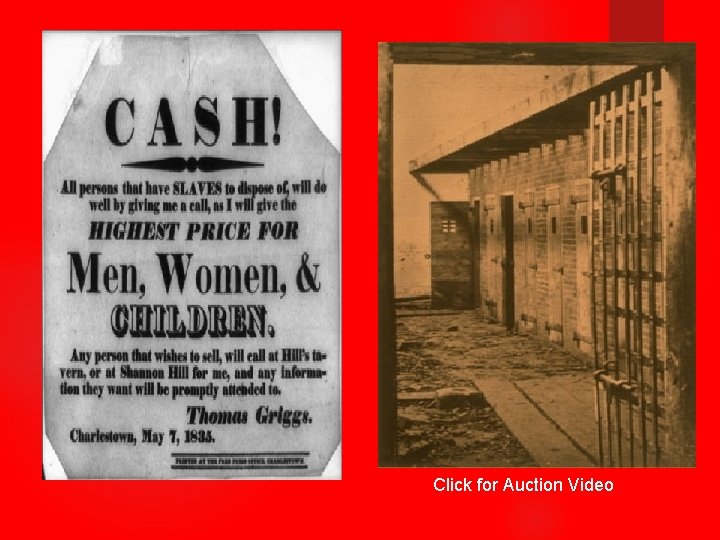
Auctions (don’t write down) 1. There were 3 ways slaves were auctioned off: Public Auctions: - They put tar on the slaves to hide any sores and cuts - Slaves were inspected - An auction to took place and the higher bidder would get to purchase the slave. - Bids were taken as long as an inch of a candle burned. - Slaves were branded - Families were separated - They were given a European name.
Auctions (don’t write down) 2. Private Auctions: - Similar to public auctions - They were indoors and red markers would be placed on the door to indicate an auction.
Auctions (don’t write down) 3. A Scramble: - They would take place on the docks or on the deck of the ship - There would be a fixed price per head - Slave owners would go in and grab who they wanted to purchase.
AUCTIONS American born slaves who had skills were most expensive African born slaves were less $, as they had to be “broken in” Age, sex, & skills determined cost Slaves with many scars considered too rebellious 3 ways: public auction, private auction, or scramble
Click for Auction Video
SLAVERY ABOLISHED IN BRITISH EMPIRE 1807 = slave trade abolished in British Empire no slaves carried from Africa in British ships. 1834 = Emancipation Act: slaves under 6 yrs. old freed; field hands over 6 worked for 6 more years; house slaves worked 10 more years Britain gave 20 million pounds in compensation to former slave owners (slaves received nothing) 1838 all slaves given complete freedom Slavery in USA not abolished until 1865
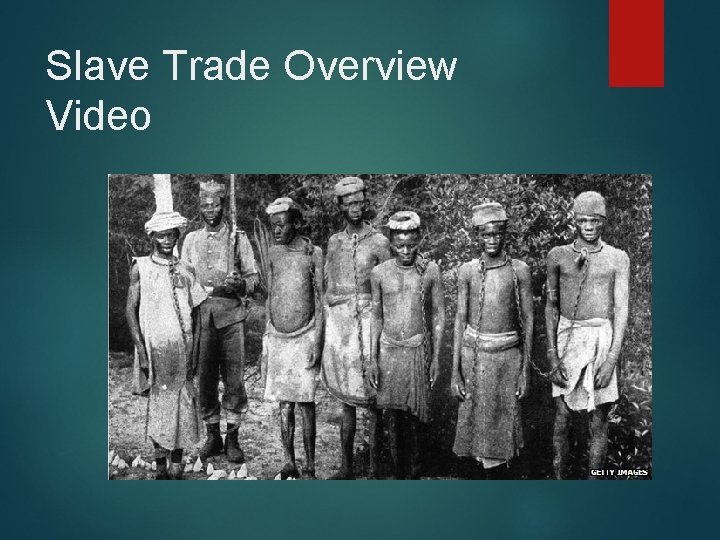
Slave Trade Overview Video
The Atlantic Slave Trade in Two Minutes http: //www. slate. com/articles/life/the_history_of_americ an_slavery/2015/06/animated_interactive_of_the_histo ry_of_the_atlantic_slave_trade. html