
The TraumaInformed Classroom Strategies for Working with Students

- Slides: 45
The Trauma-Informed Classroom Strategies for Working with Students, Families & Yourself Anita Ellis School Counselor Alpha Hart Lewis Elementary aellis@cpsk 12. org Roisin Eagleburger School Counselor Blue Ridge Elementary reagleburger@cpsk 12. org November 7, 2016
Working with Traumatized Children How Structured, Sensory Interventions Help
trau·ma 1. a deeply distressing or disturbing experience. "a personal trauma like the death of a child" emotional shock following a stressful event or a physical injury that overcomes the coping mechanisms, which may be associated with physical shock and sometimes leads to long-term neurosis. 2. MEDICINE - physical injury.
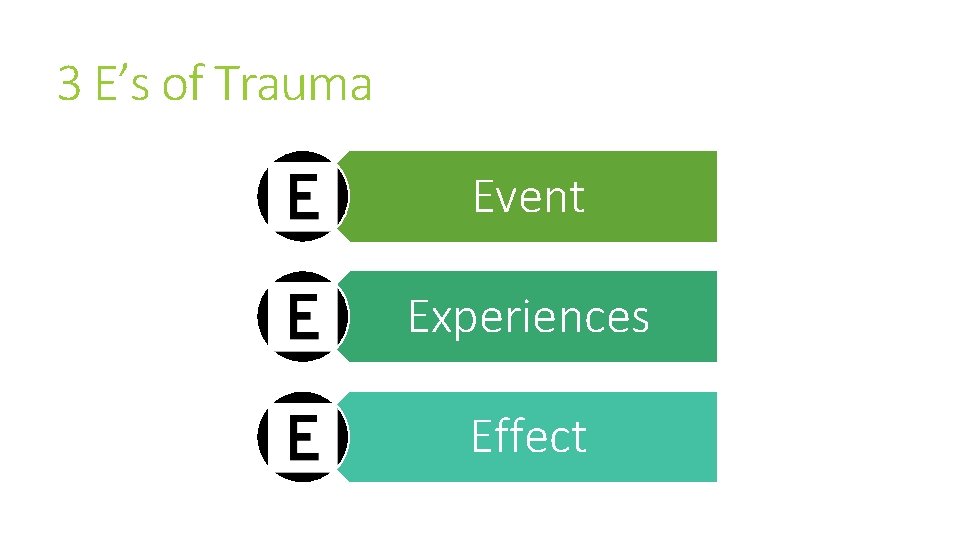
3 E’s of Trauma Event Experiences Effect
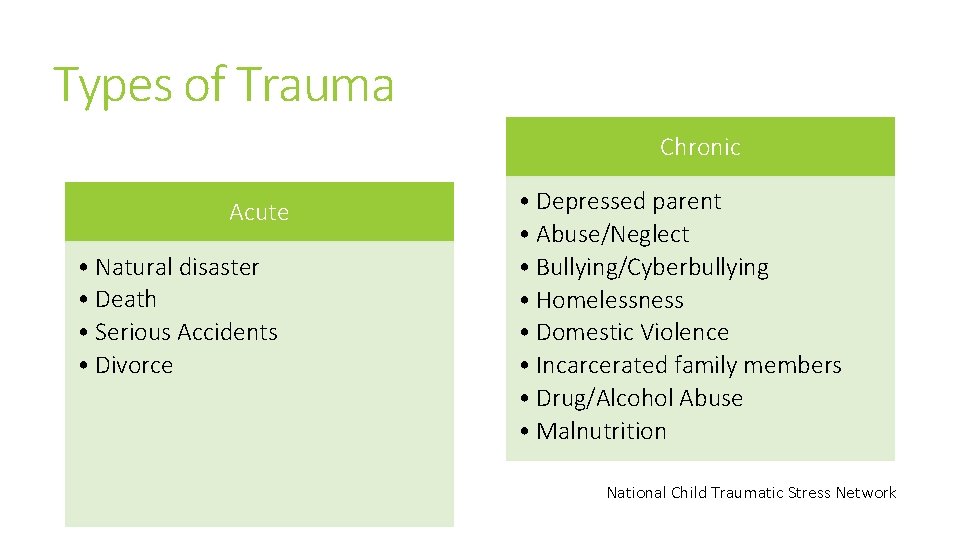
Types of Trauma Chronic Acute • Natural disaster • Death • Serious Accidents • Divorce • Depressed parent • Abuse/Neglect • Bullying/Cyberbullying • Homelessness • Domestic Violence • Incarcerated family members • Drug/Alcohol Abuse • Malnutrition National Child Traumatic Stress Network
Prevalence of Trauma 50% of children in poverty experience trauma 60%-70% of youth in the juvenile justice system experience trauma
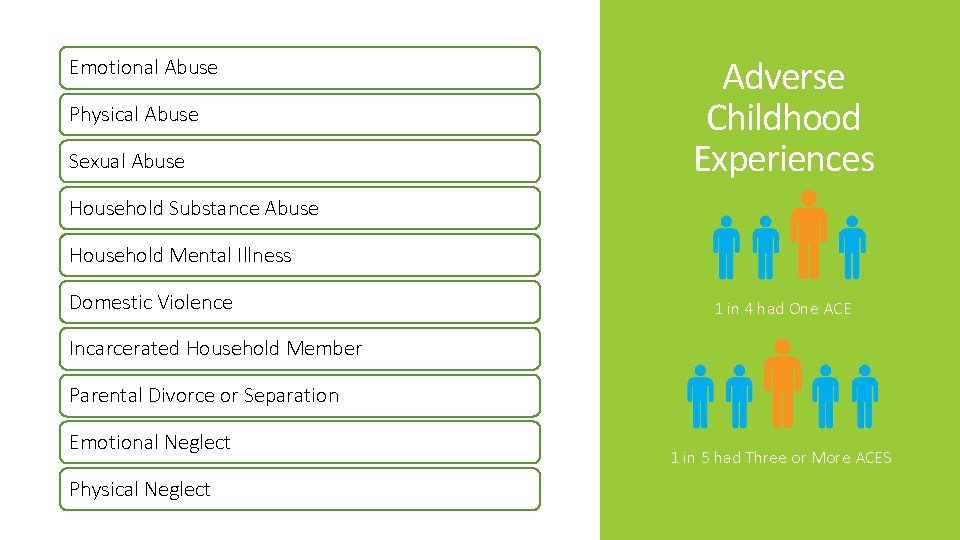
Emotional Abuse Physical Abuse Sexual Abuse Adverse Childhood Experiences Household Substance Abuse Household Mental Illness Domestic Violence 1 in 4 had One ACE Incarcerated Household Member Parental Divorce or Separation Emotional Neglect Physical Neglect 1 in 5 had Three or More ACES
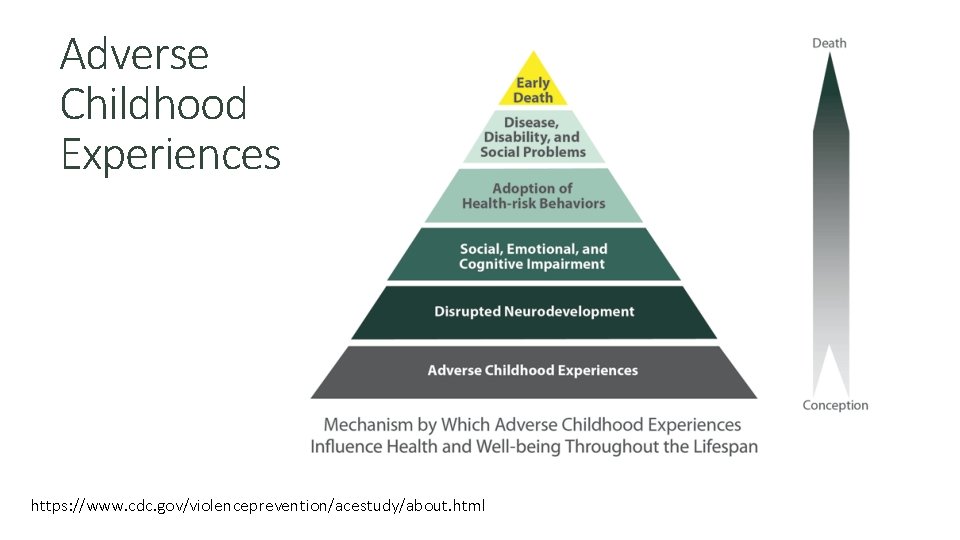
Adverse Childhood Experiences https: //www. cdc. gov/violenceprevention/acestudy/about. html
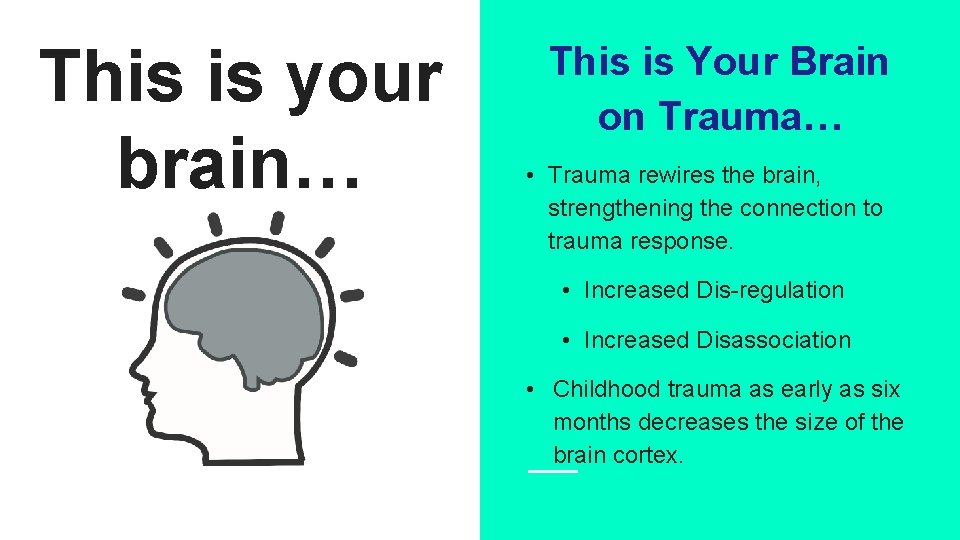
This is your brain… This is Your Brain on Trauma… • Trauma rewires the brain, strengthening the connection to trauma response. • Increased Dis-regulation • Increased Disassociation • Childhood trauma as early as six months decreases the size of the brain cortex.
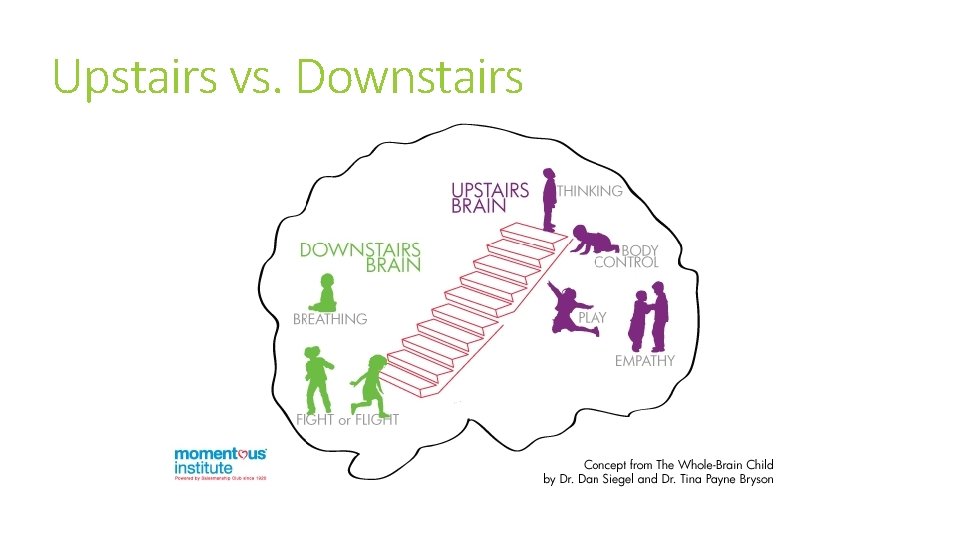
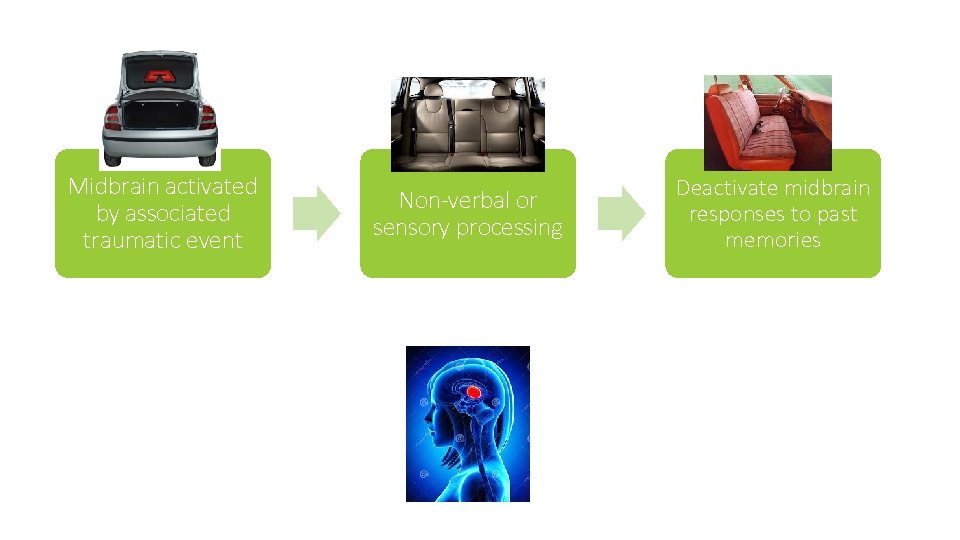
Neuroscience has confirmed… • • • Trauma is experienced in the mid-brain No reason, logic or language “feeling brain” or “survival brain” Mid-brain has no ability to make sense of what has happened Difficult to access trauma Implicit memory: stored through our senses • Trauma treatment must use sensory & non-verbal methods
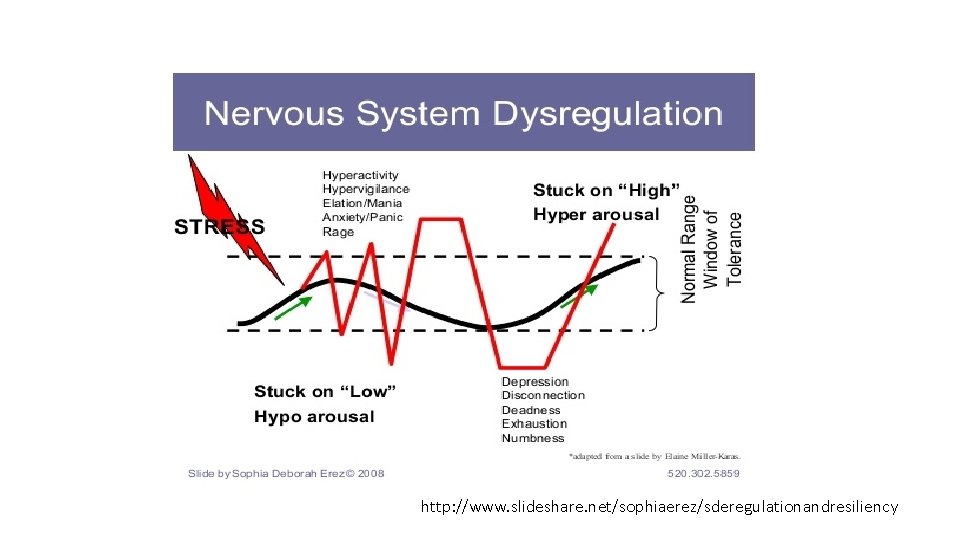
http: //www. slideshare. net/sophiaerez/sderegulationandresiliency
Upstairs vs. Downstairs
Midbrain activated by associated traumatic event Non-verbal or sensory processing Deactivate midbrain responses to past memories
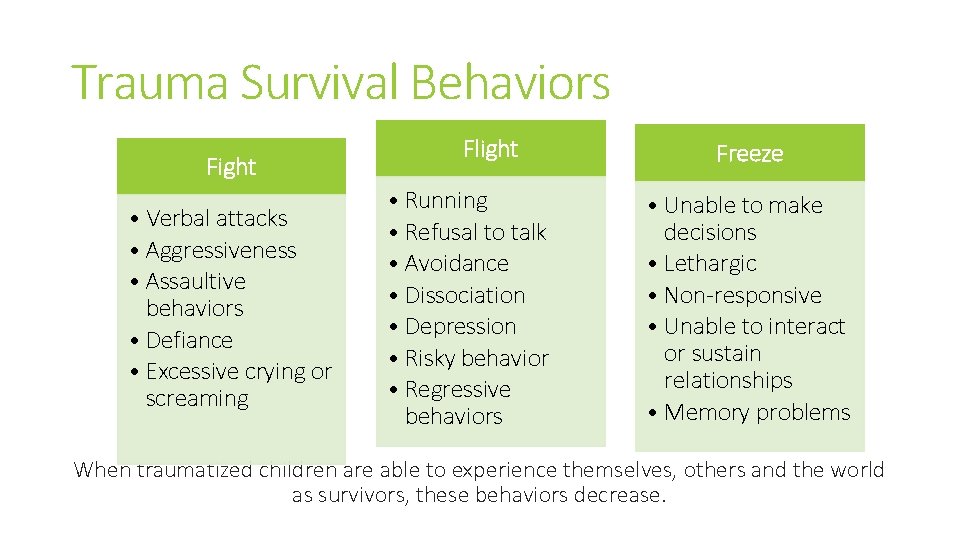
Trauma Survival Behaviors Fight • Verbal attacks • Aggressiveness • Assaultive behaviors • Defiance • Excessive crying or screaming Flight • Running • Refusal to talk • Avoidance • Dissociation • Depression • Risky behavior • Regressive behaviors Freeze • Unable to make decisions • Lethargic • Non-responsive • Unable to interact or sustain relationships • Memory problems When traumatized children are able to experience themselves, others and the world as survivors, these behaviors decrease.
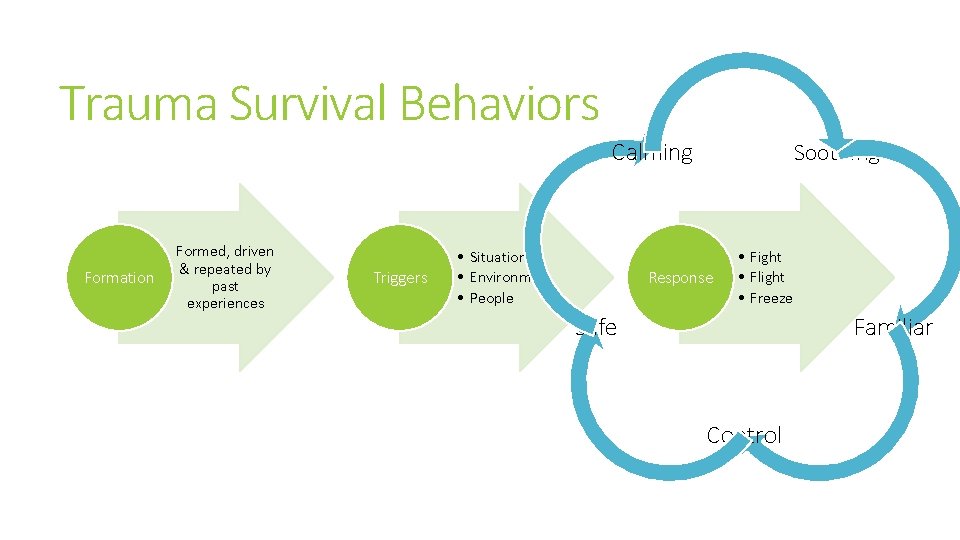
Trauma Survival Behaviors Calming Formation Formed, driven & repeated by past experiences Triggers • Situations • Environment • People Soothing Response • Fight • Flight • Freeze Safe Familiar Control
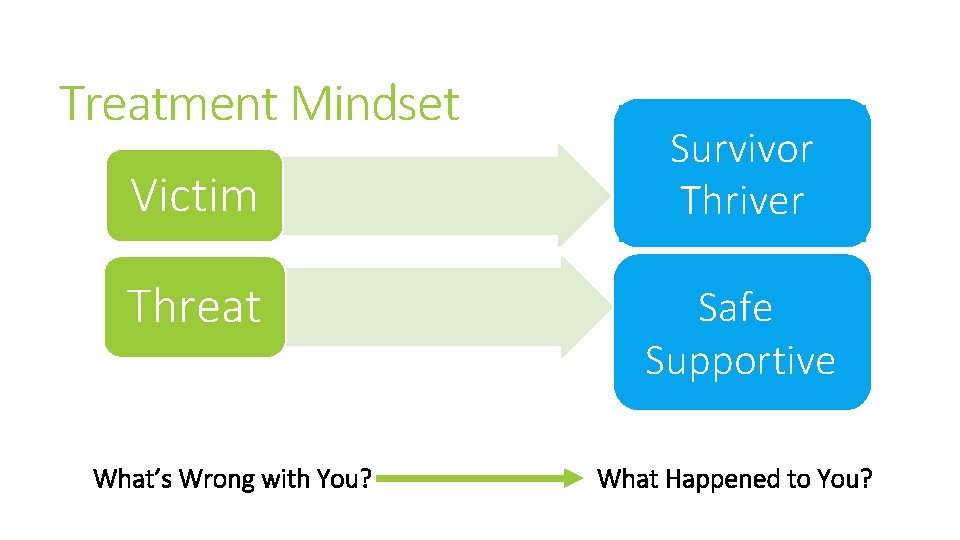
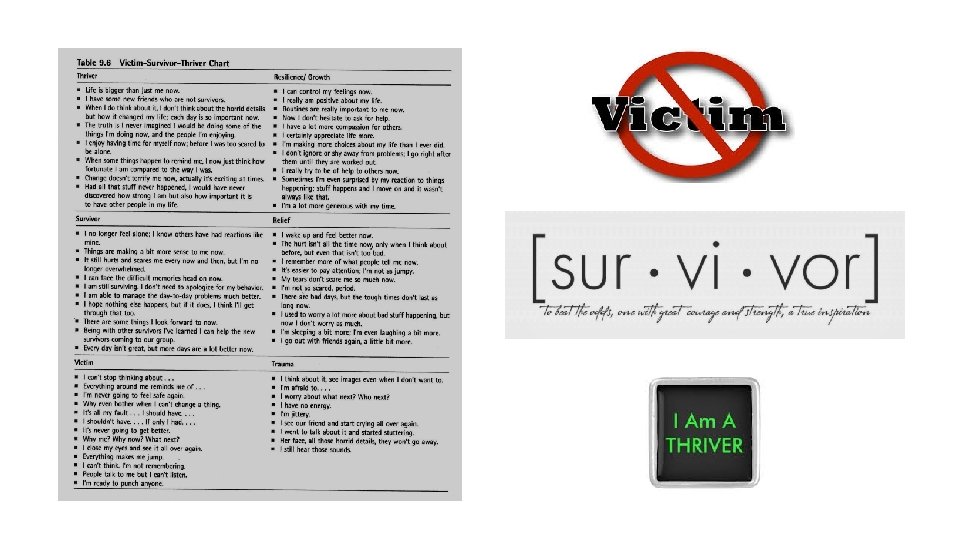
Treatment Mindset Victim Threat What’s Wrong with You? Survivor Thriver Safe Supportive What Happened to You?
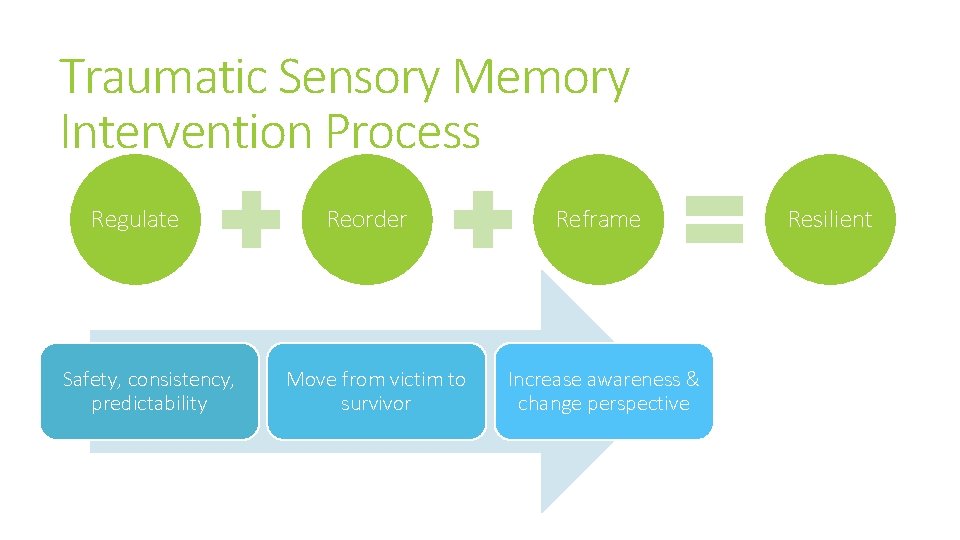
Traumatic Sensory Memory Intervention Process Regulate Safety, consistency, predictability Reorder Move from victim to survivor Reframe Increase awareness & change perspective Resilient
Restores Traumatic Sensory Memory Intervention Process Safety Power Control
Classroom Implications Changing Our Mindsets
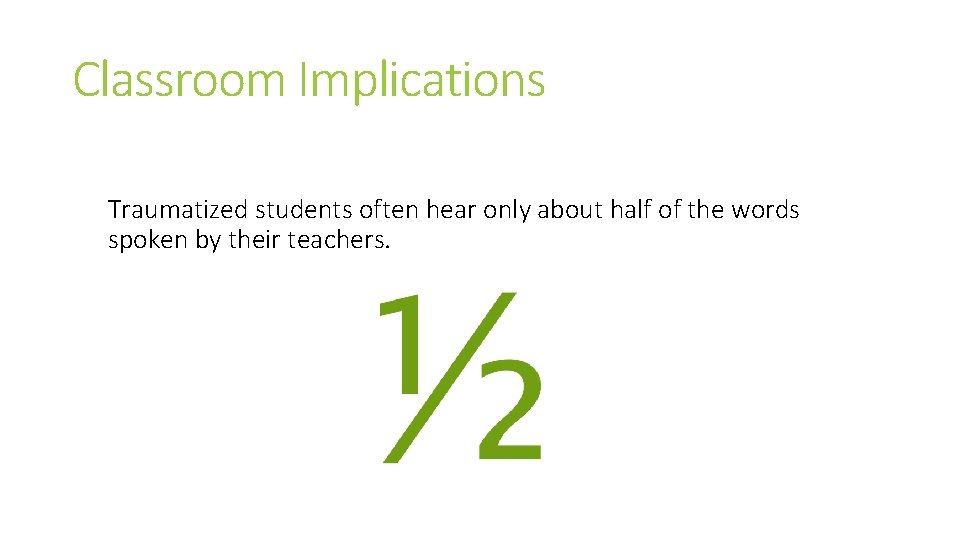
Classroom Implications Traumatized students often hear only about half of the words spoken by their teachers.
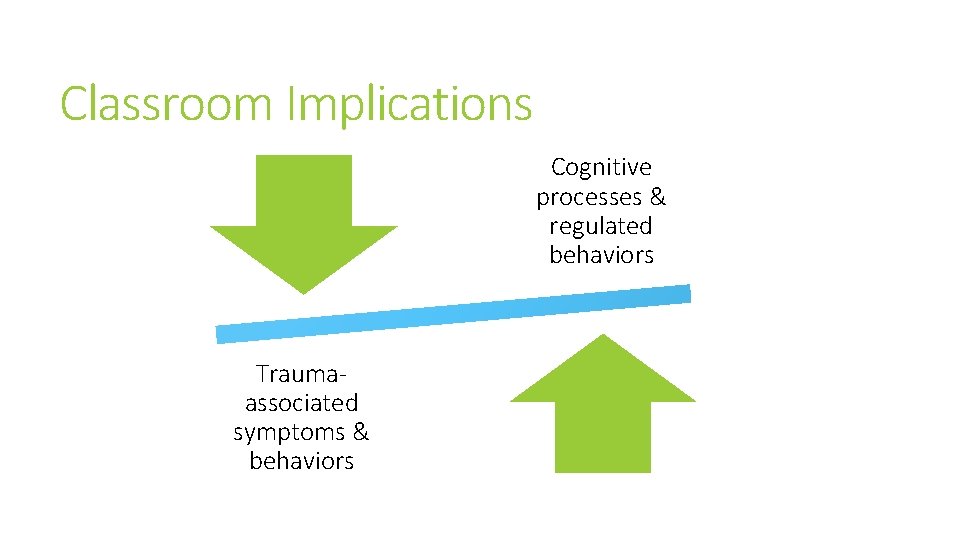
Classroom Implications Cognitive processes & regulated behaviors Traumaassociated symptoms & behaviors
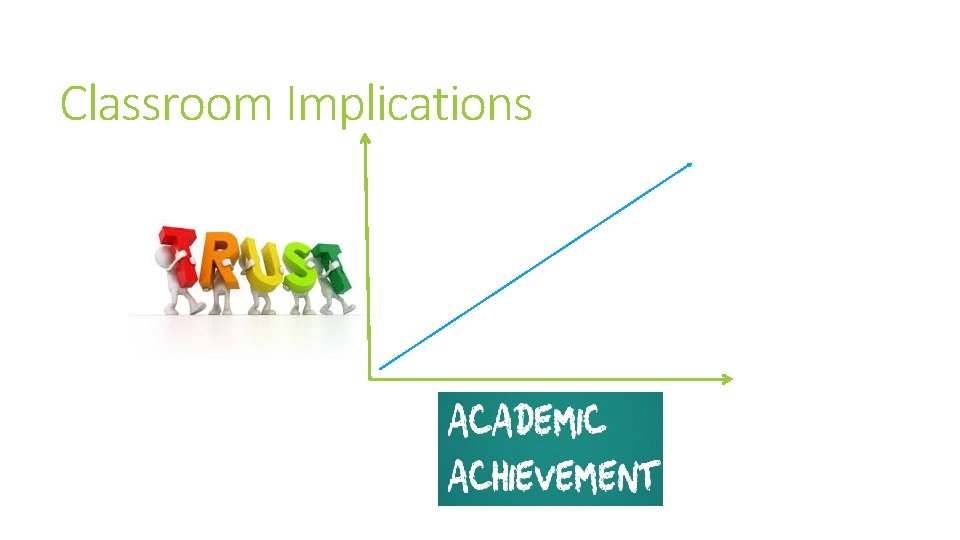
Classroom Implications
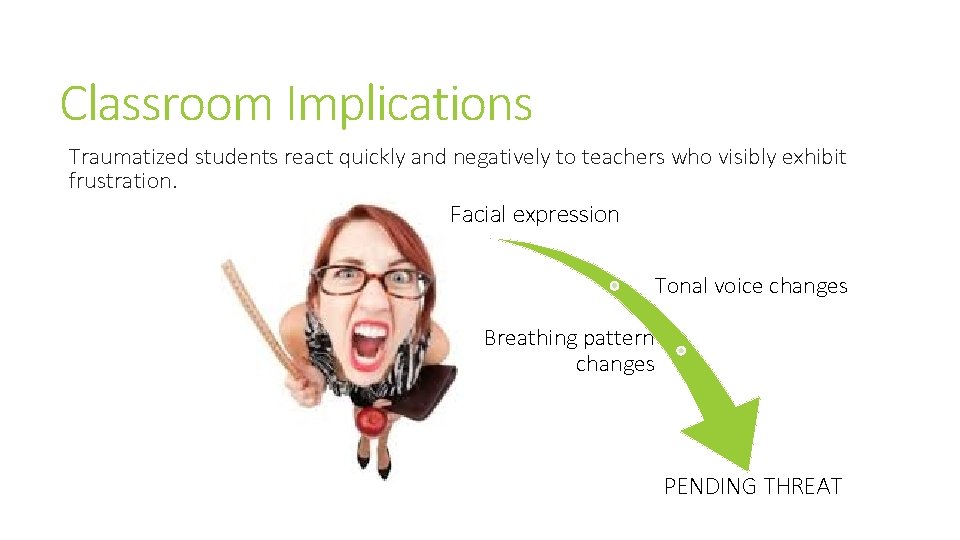
Classroom Implications Traumatized students react quickly and negatively to teachers who visibly exhibit frustration. Facial expression Tonal voice changes Breathing pattern changes PENDING THREAT
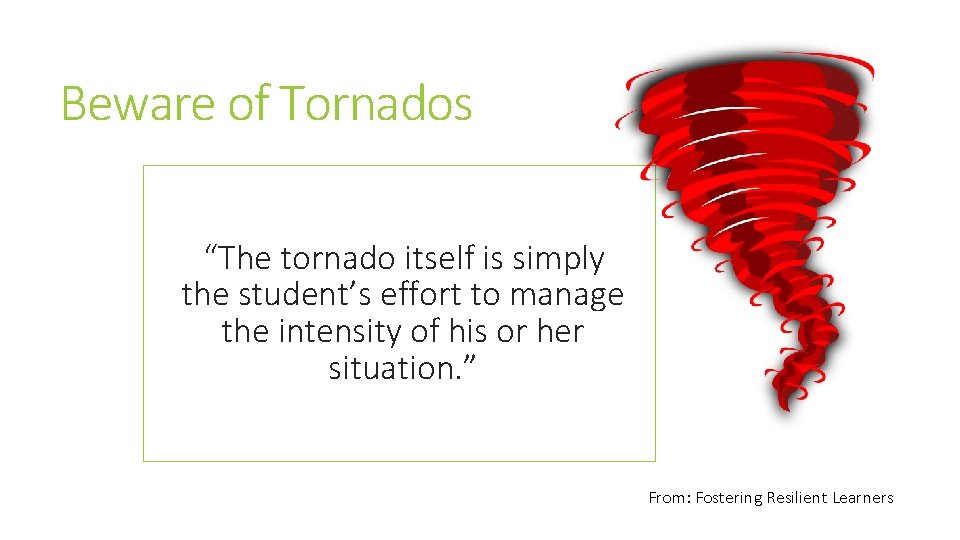
Beware of Tornados “The tornado itself is simply the student’s effort to manage the intensity of his or her situation. ” From: Fostering Resilient Learners
Strategies Classroom-based Interventions
Identify Your Triggers
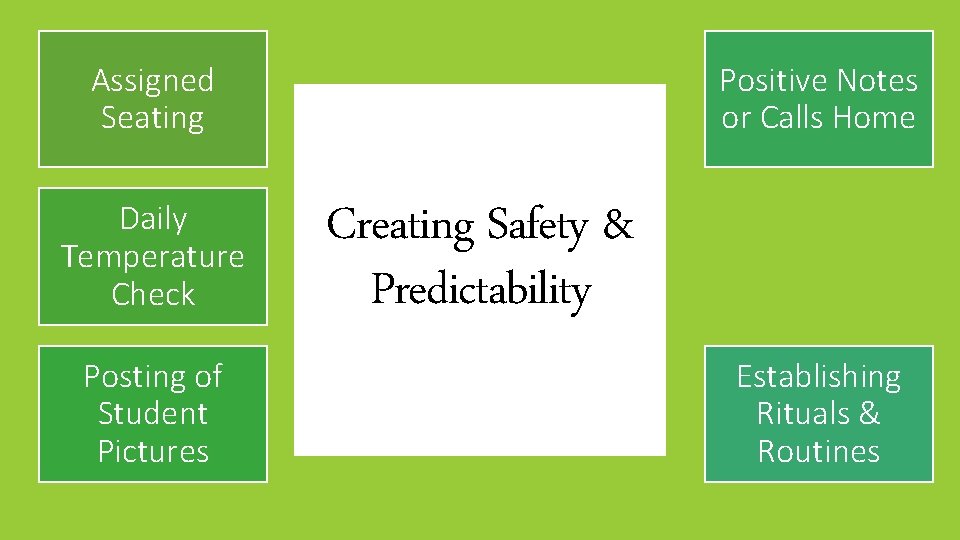
Positive Notes or Calls Home Assigned Seating Daily Temperature Check Posting of Student Pictures Creating Safety & Predictability Establishing Rituals & Routines
Power of 7 Seconds
Holding Worries “I will hold your worry for you for now. I think you could use a break from that worry. It will still be there at the end of the day, so let me know if you would like it back before you go home. ”
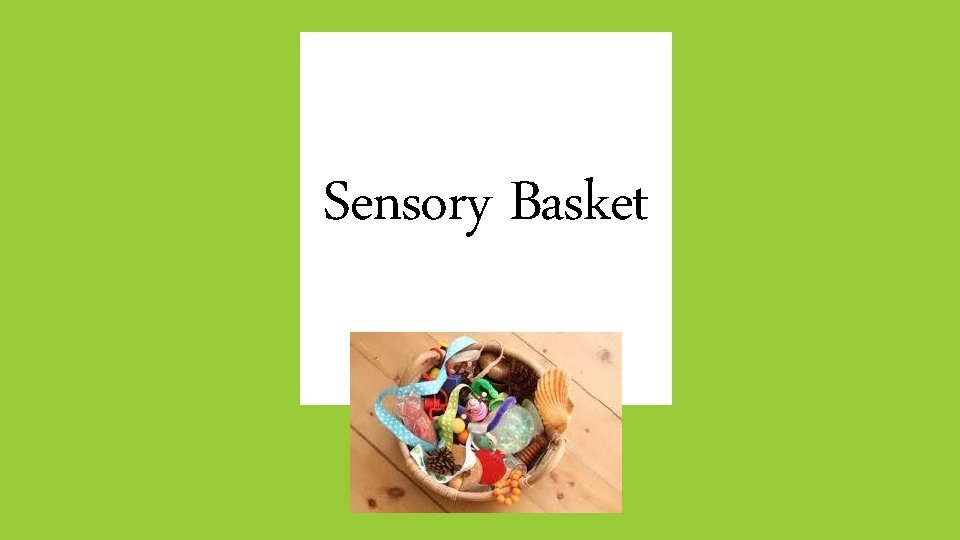
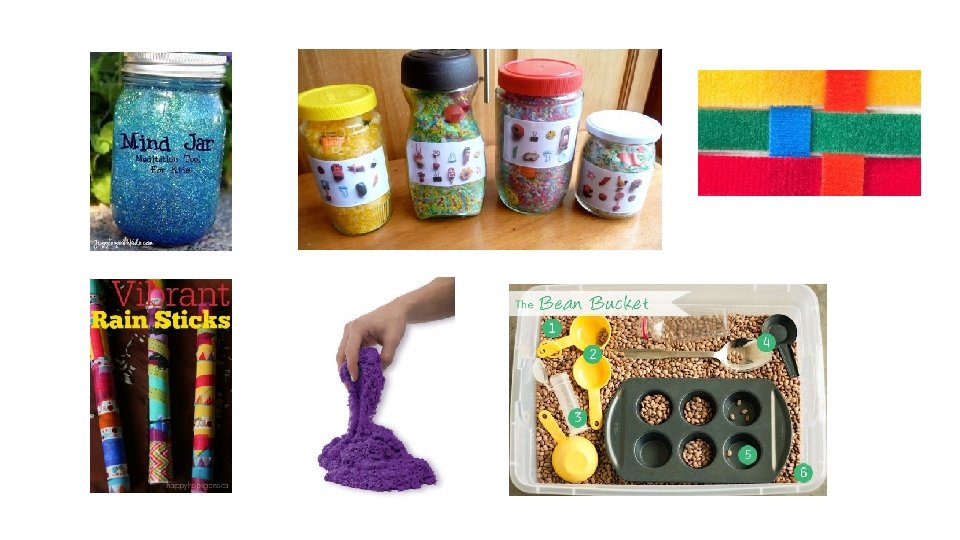
Sensory Basket
Drawing It’s an Intervention
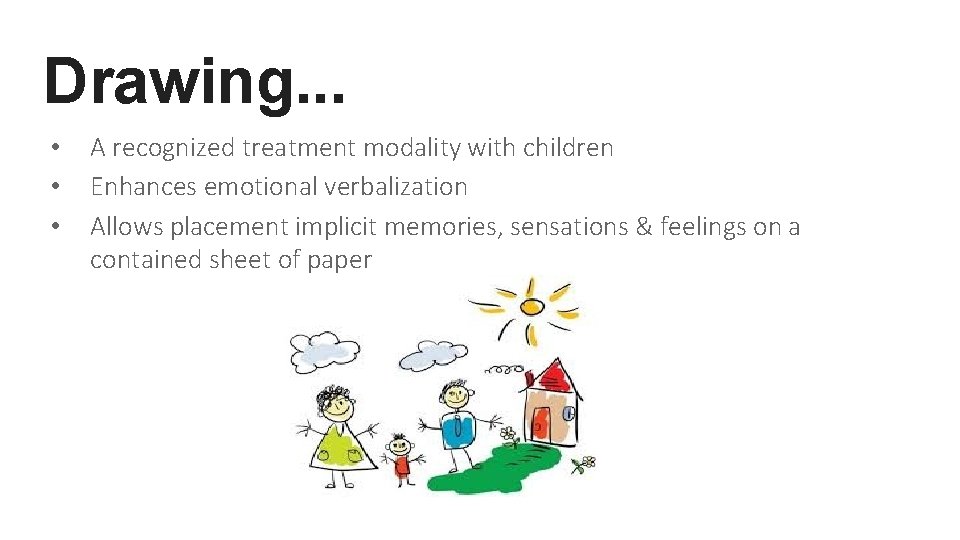
Drawing. . . • • • A recognized treatment modality with children Enhances emotional verbalization Allows placement implicit memories, sensations & feelings on a contained sheet of paper
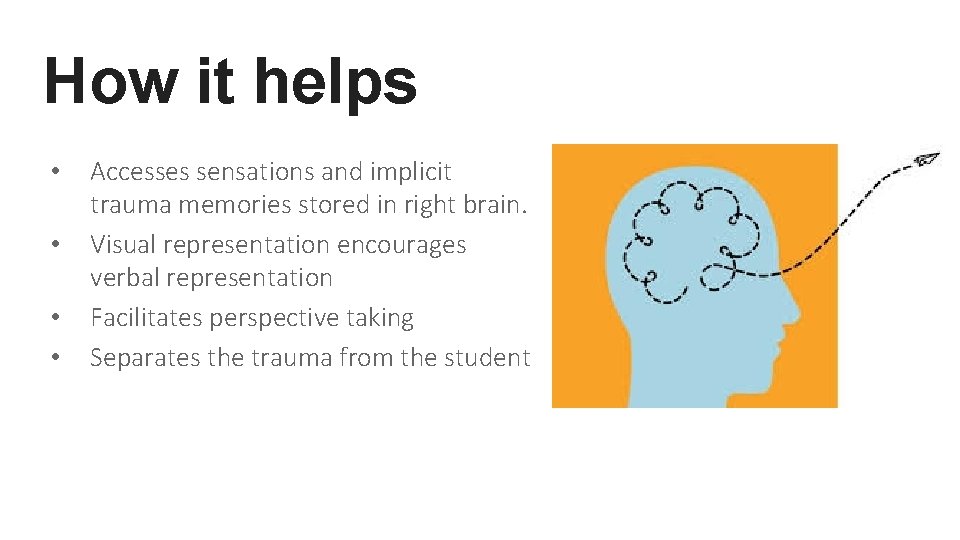
How it helps • • Accesses sensations and implicit trauma memories stored in right brain. Visual representation encourages verbal representation Facilitates perspective taking Separates the trauma from the student
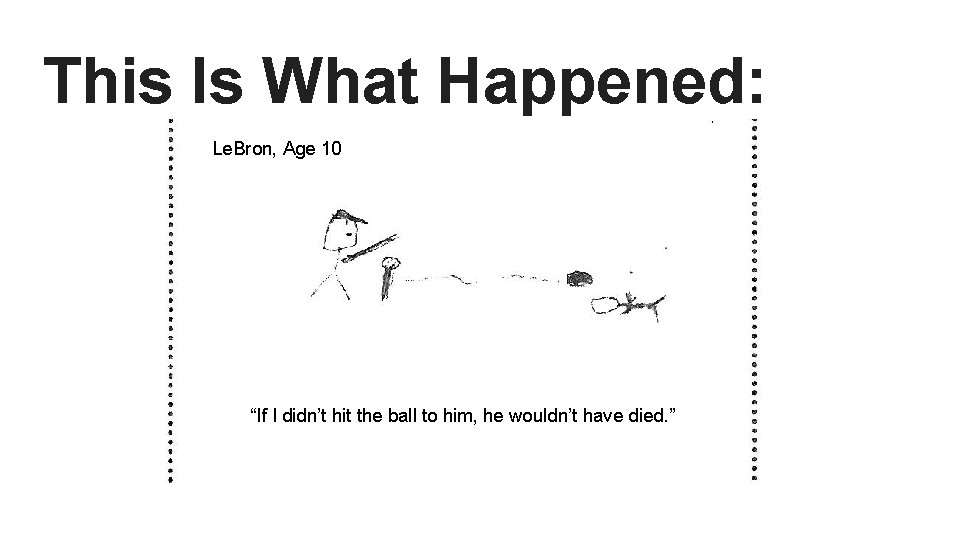
This Is What Happened: Le. Bron, Age 10 “If I didn’t hit the ball to him, he wouldn’t have died. ”
Let’s Intervene Keep In Mind. . . Never assume you know what you are looking at Children give meaning and validity to their drawings Best to be general in queries What, where, was, but never why
Possible Questions Can you tell me about this picture? Can you tell me about this? (point to the part of drawing that interests you) What is happening to you or to that person? Where were you when this happened? Was anyone else there? What else happened? What did you do? What’s missing?
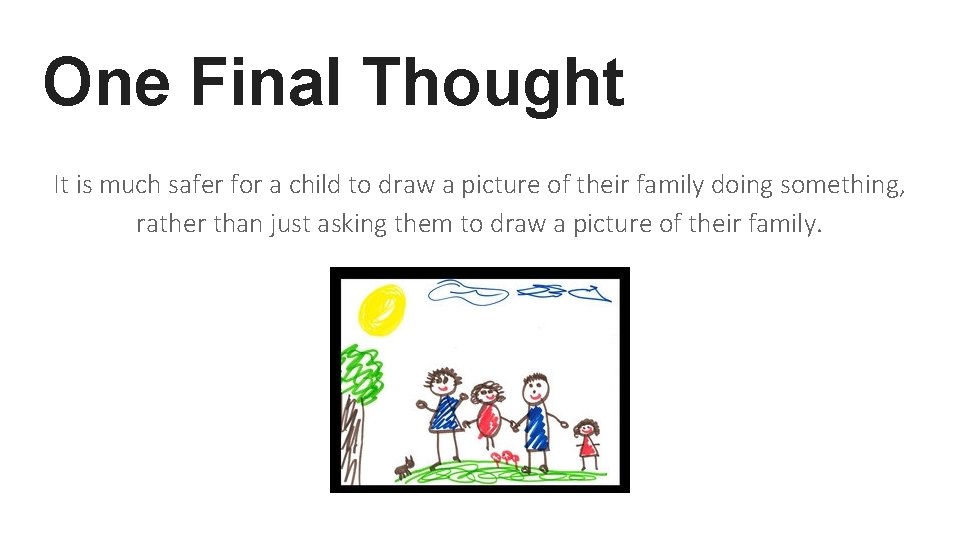
One Final Thought It is much safer for a child to draw a picture of their family doing something, rather than just asking them to draw a picture of their family.
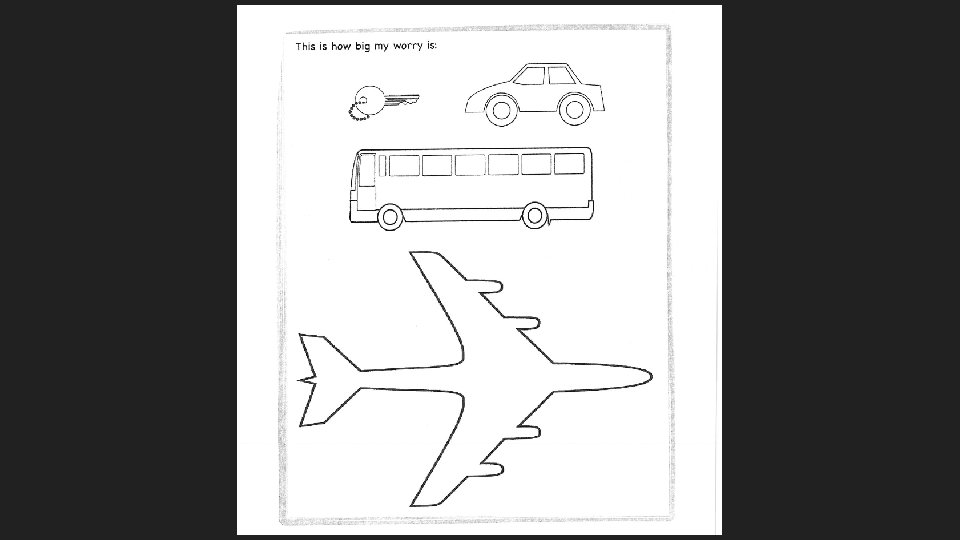
Some example s. . .
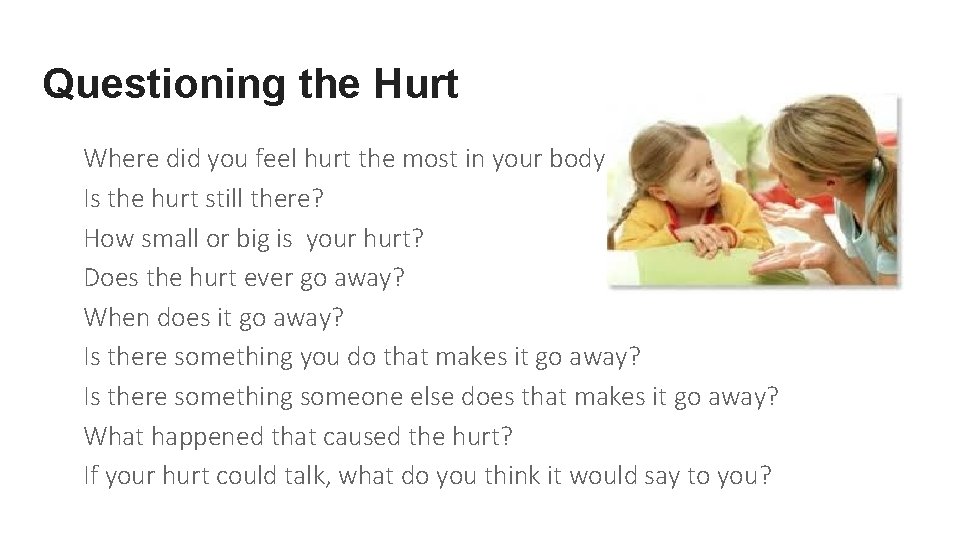
Questioning the Hurt Where did you feel hurt the most in your body? Is the hurt still there? How small or big is your hurt? Does the hurt ever go away? When does it go away? Is there something you do that makes it go away? Is there something someone else does that makes it go away? What happened that caused the hurt? If your hurt could talk, what do you think it would say to you?
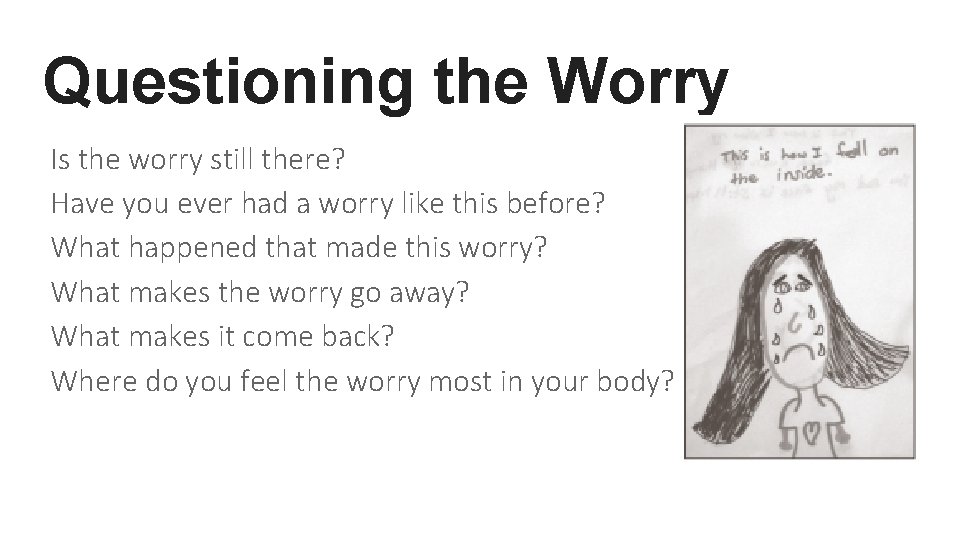
Questioning the Worry Is the worry still there? Have you ever had a worry like this before? What happened that made this worry? What makes the worry go away? What makes it come back? Where do you feel the worry most in your body?
Wrapping it up… Use sensory interventions because they engage the same part of the brain where trauma memories are stored See students as more than their story Forever changed, not forever damaged