
The Transition Zone and Uppermost Lower Mantle in

![Getting Water Into the LM Shieh et al. [1998]](https://slidetodoc.com/presentation_image_h2/fc11b8fcde3a404d44634c9eb61a1181/image-49.jpg "Getting Water Into the LM Shieh et al. [1998]")
- Slides: 51
The Transition Zone and Uppermost Lower Mantle in Subduction Zones Justin Revenaugh Anna Courtier Geology and Geophysics University of Minnesota
Outline • All about water – Quick review of water in mantle – New seismic constraints – Conclusions
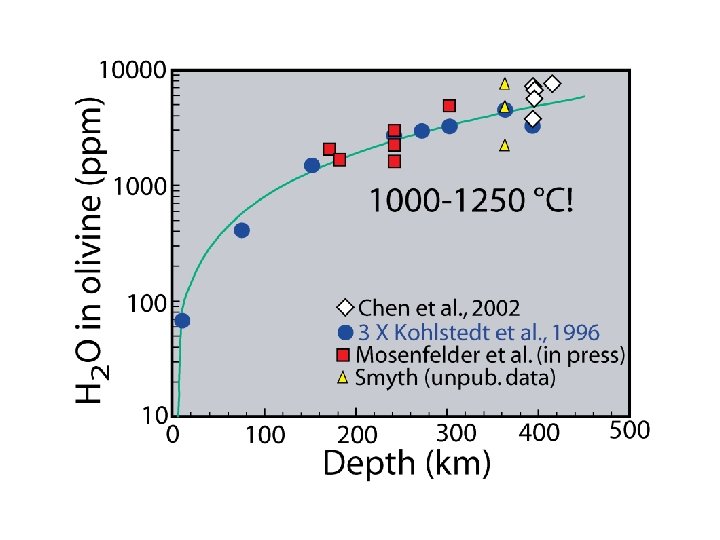
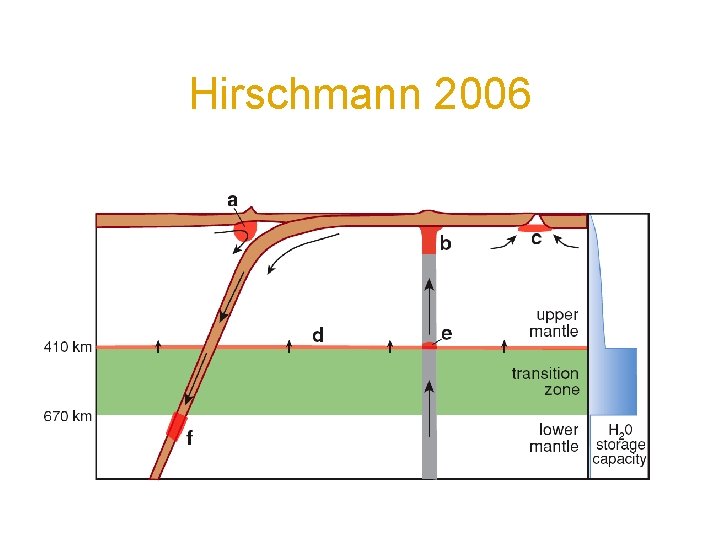
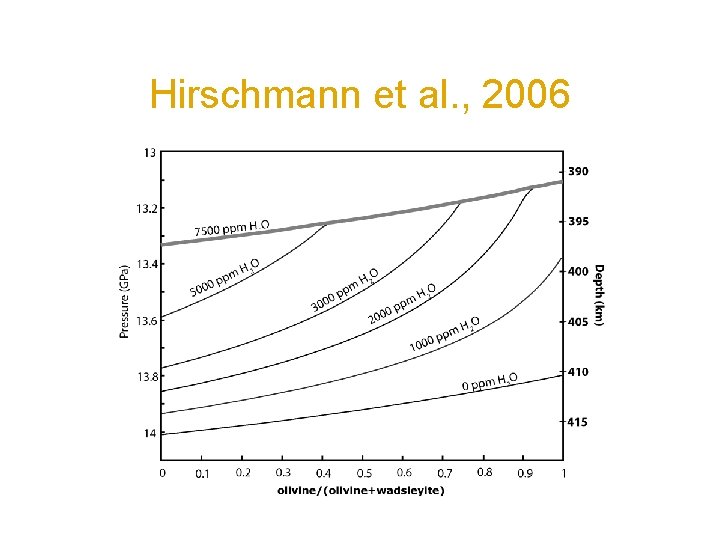
Hirschmann 2006
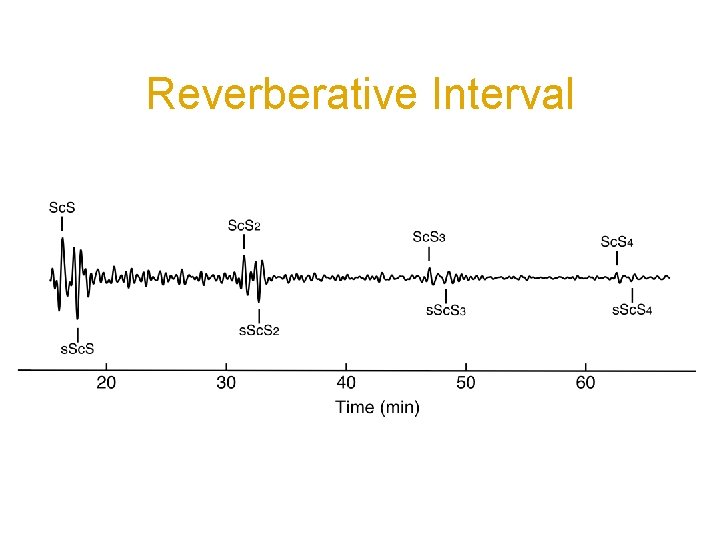
Reverberative Interval
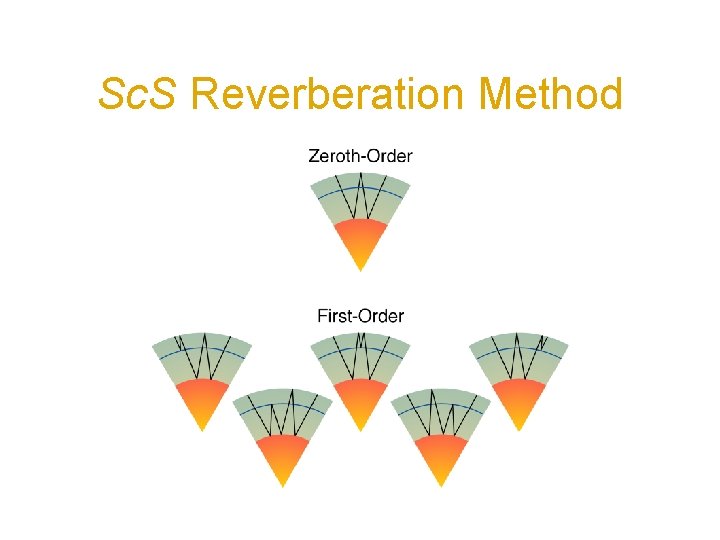
Sc. S Reverberation Method
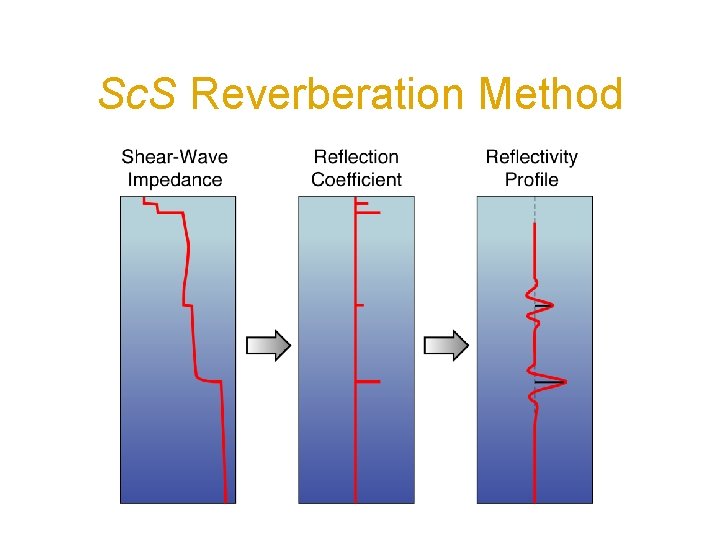
Sc. S Reverberation Method
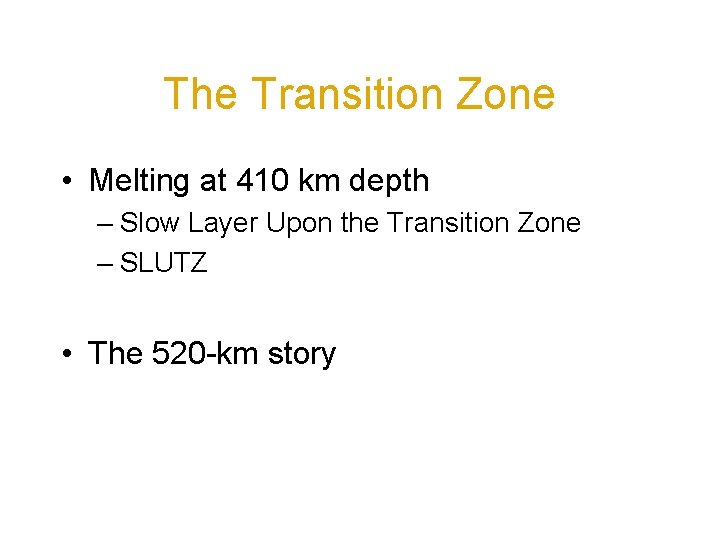
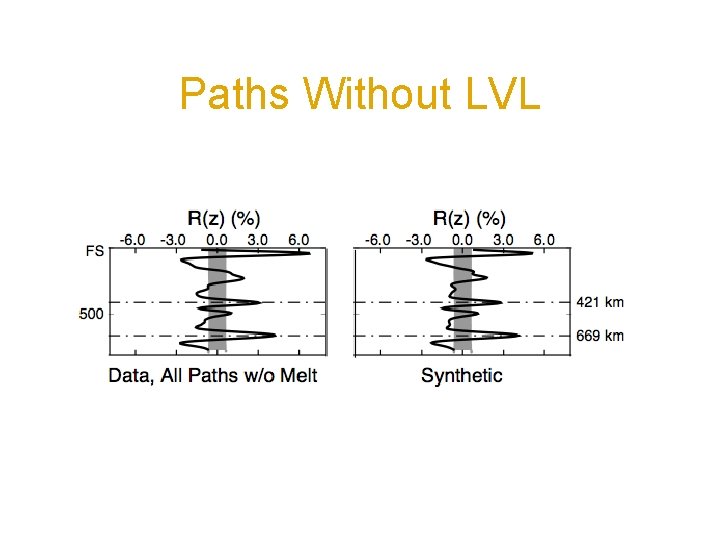
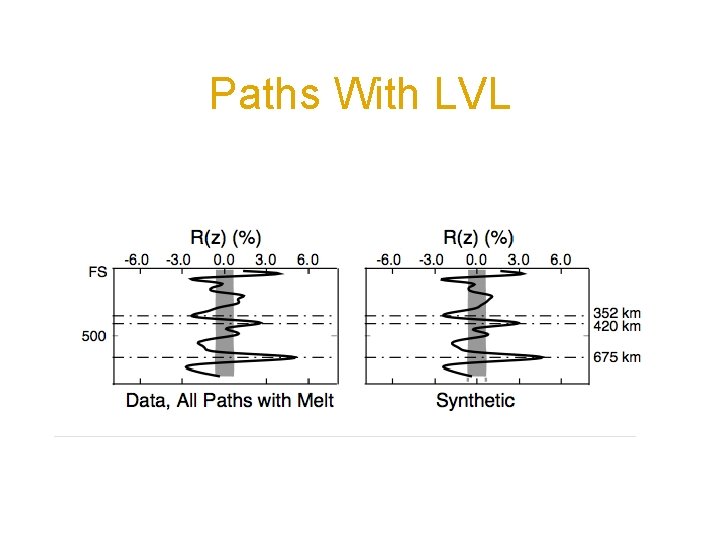
The Transition Zone • Melting at 410 km depth – Slow Layer Upon the Transition Zone – SLUTZ • The 520 -km story
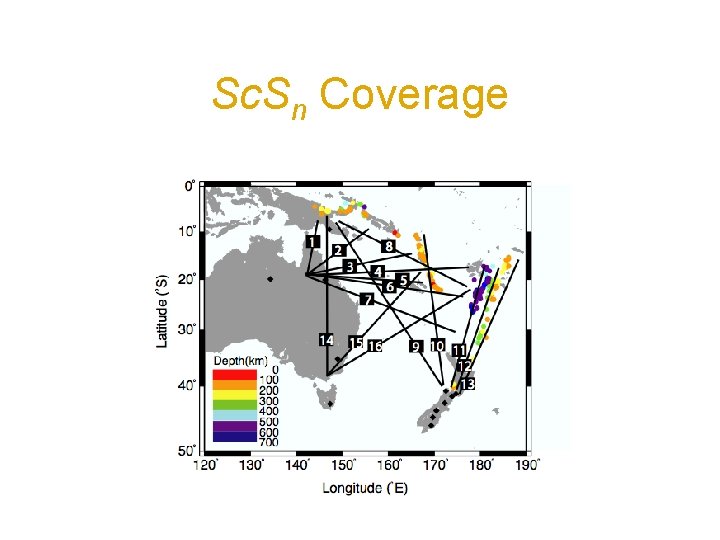
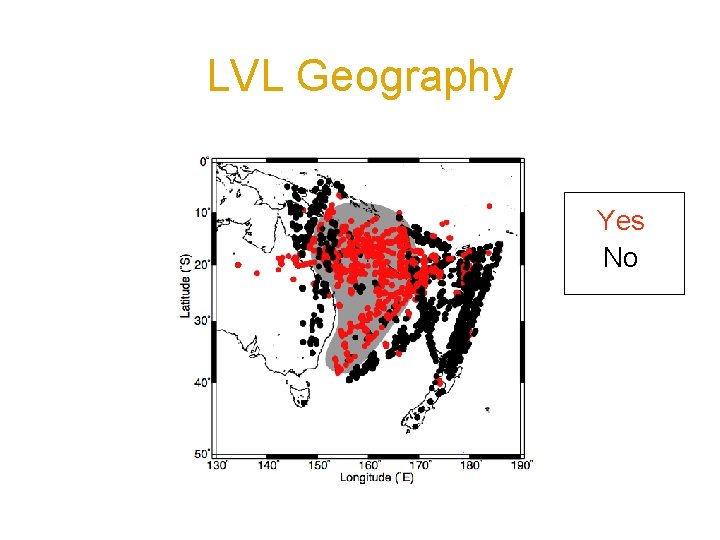
Sc. Sn Coverage
Paths Without LVL
Paths With LVL
LVL Geography Yes No
Problems! • Melt layer is too thick! • Not obvious upwelling zones
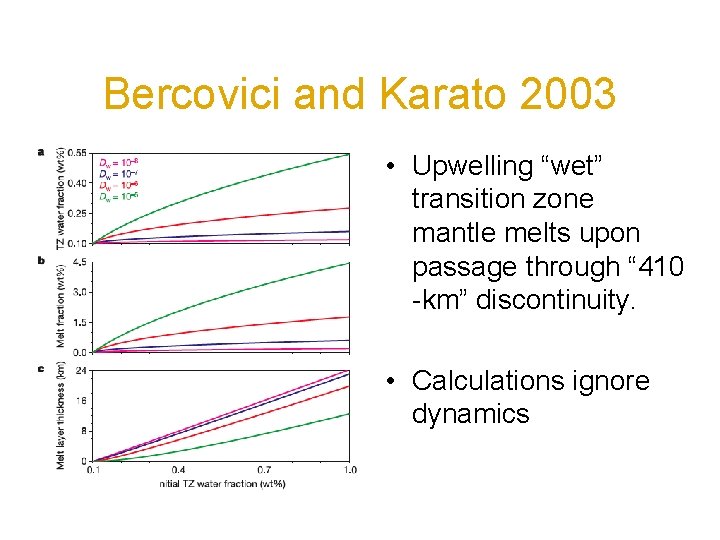
Bercovici and Karato 2003 • Upwelling “wet” transition zone mantle melts upon passage through “ 410 -km” discontinuity. • Calculations ignore dynamics
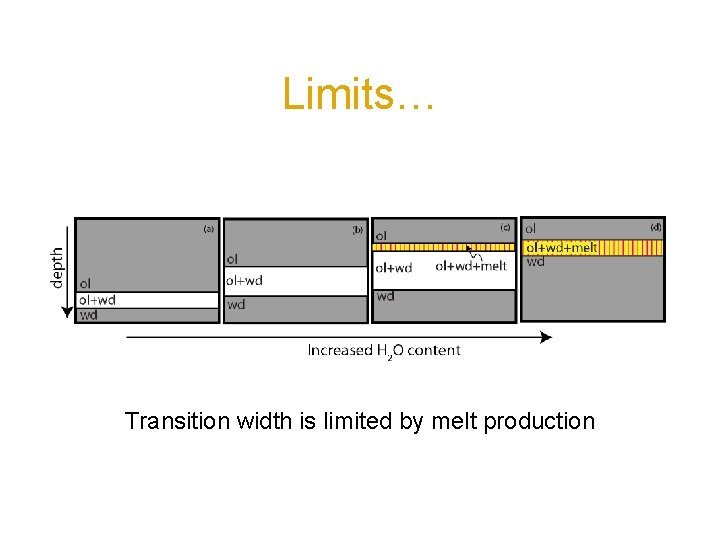
Limits… Transition width is limited by melt production
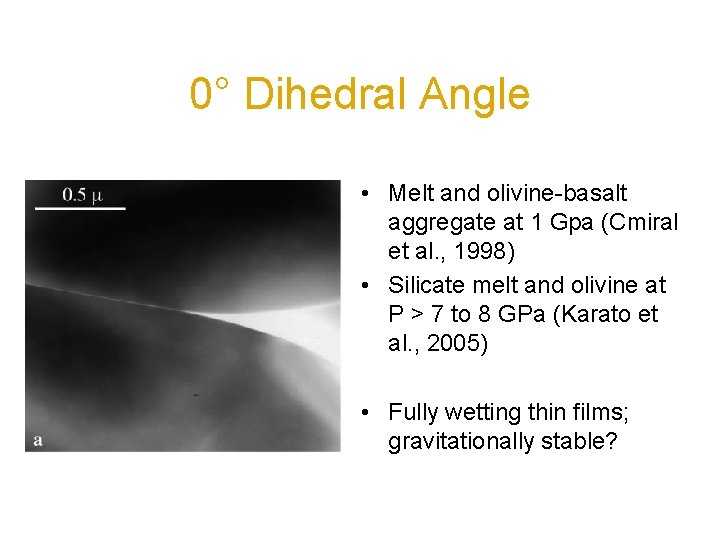
0° Dihedral Angle • Melt and olivine-basalt aggregate at 1 Gpa (Cmiral et al. , 1998) • Silicate melt and olivine at P > 7 to 8 GPa (Karato et al. , 2005) • Fully wetting thin films; gravitationally stable?
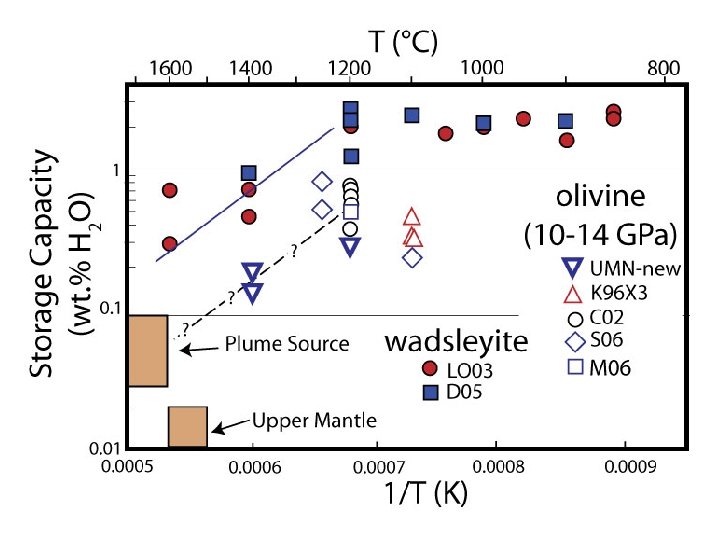
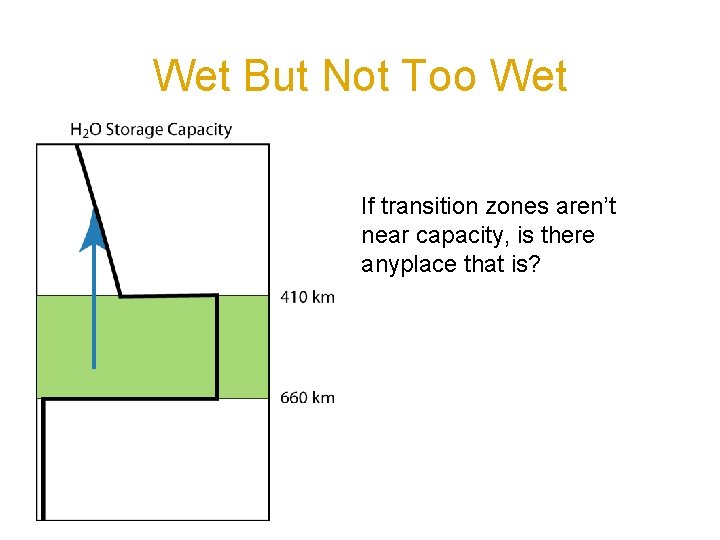
Wet But Not Too Wet If transition zones aren’t near capacity, is there anyplace that is?
Obayashi et al. , EPSL 2006
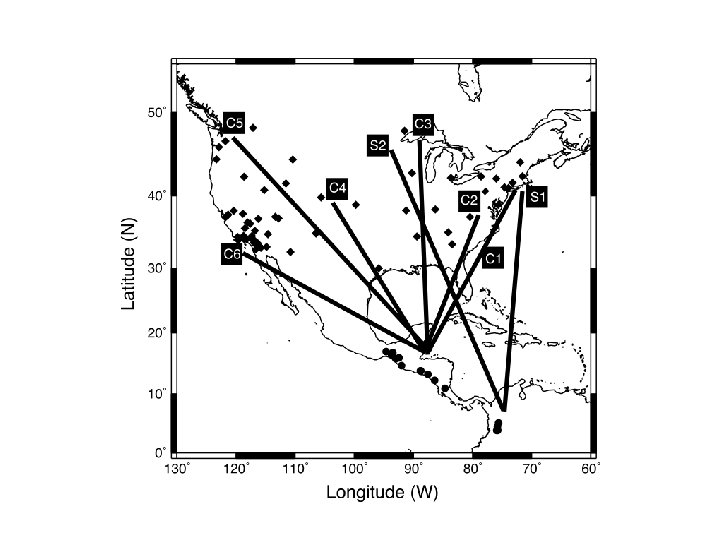
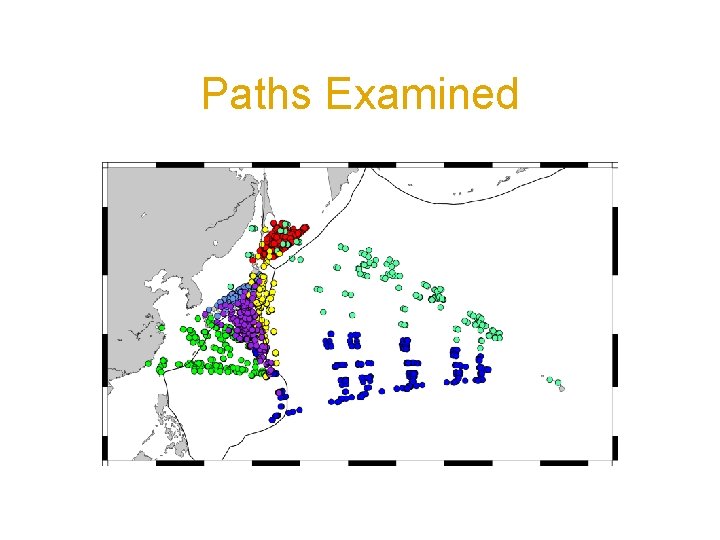
Paths Examined
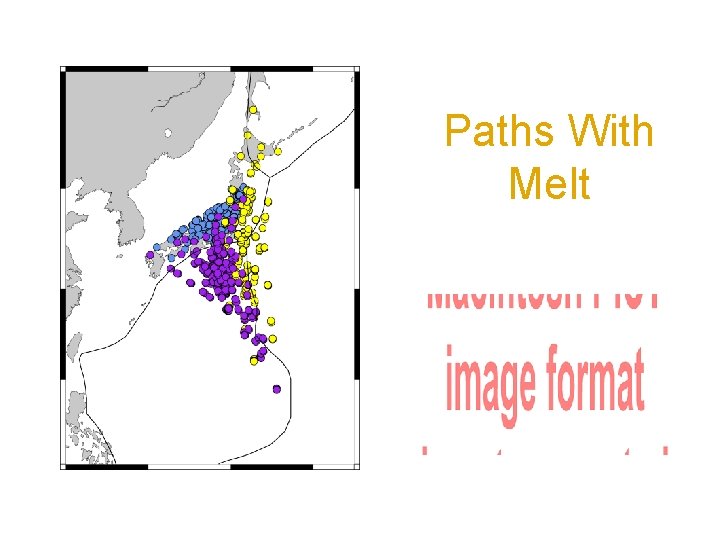
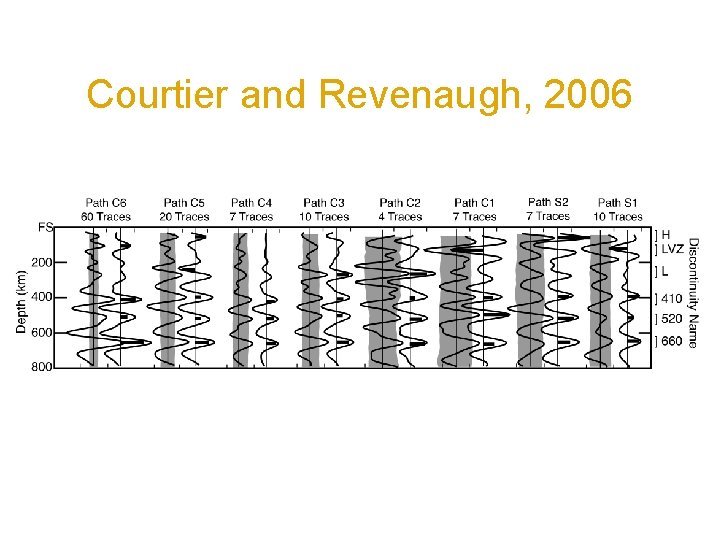
Paths With Melt
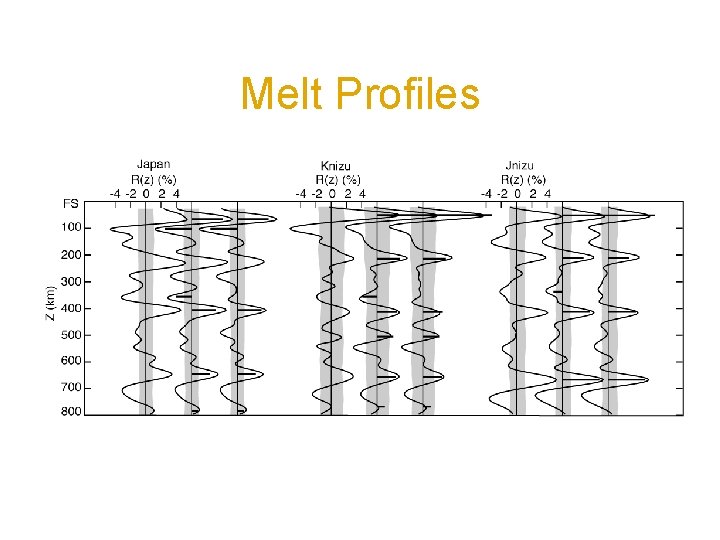
Melt Profiles
Courtier and Revenaugh, 2006
Hirschmann et al. , 2006
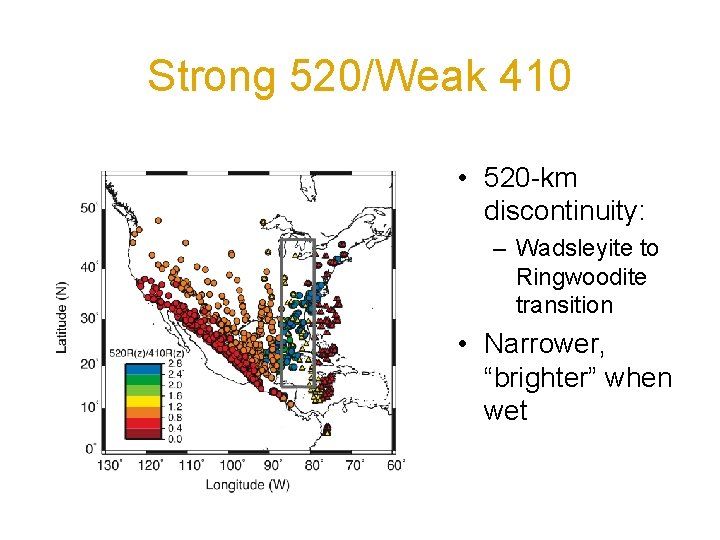
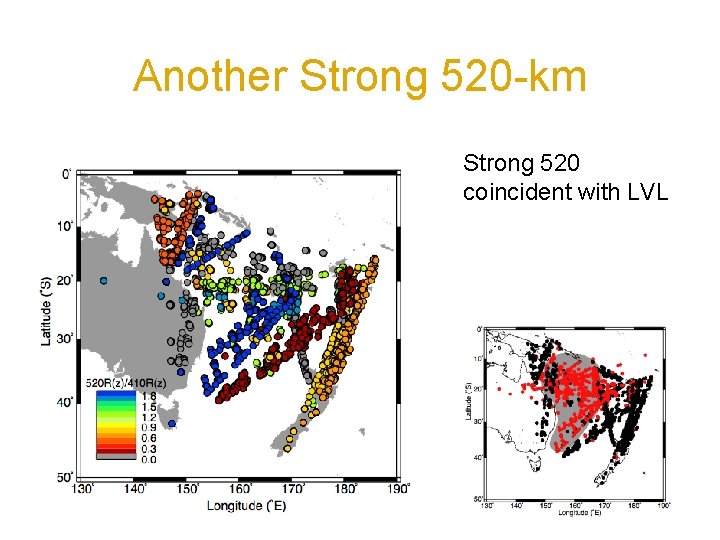
Strong 520/Weak 410 • 520 -km discontinuity: – Wadsleyite to Ringwoodite transition • Narrower, “brighter” when wet
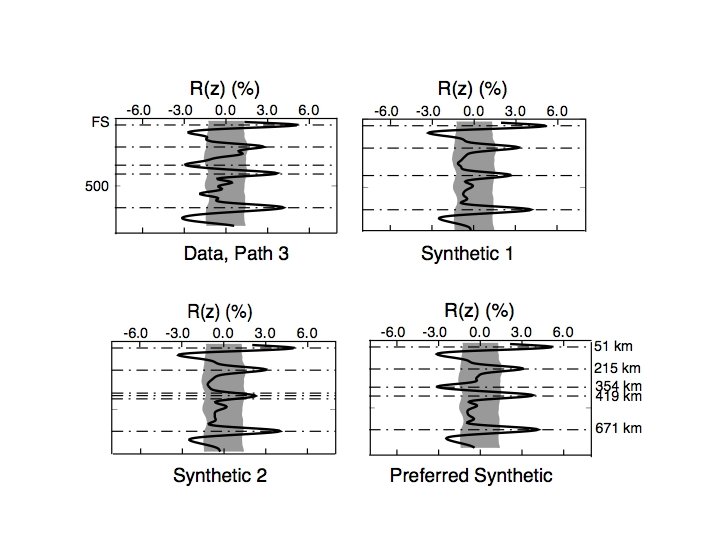
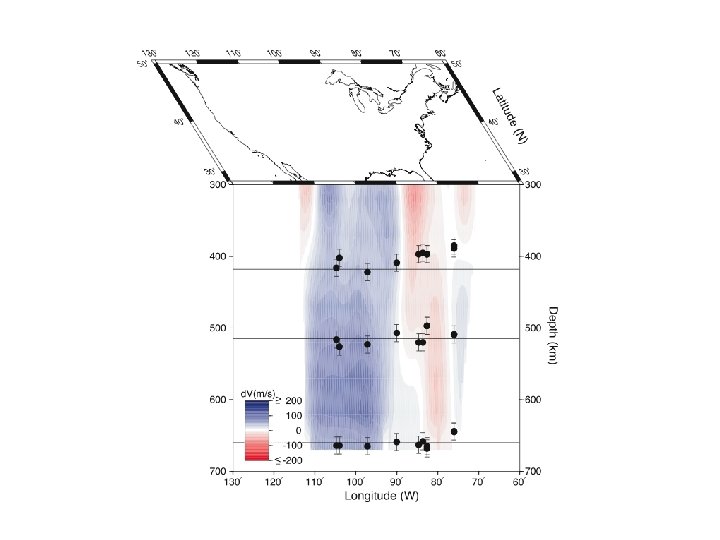
Another Strong 520 -km Strong 520 coincident with LVL
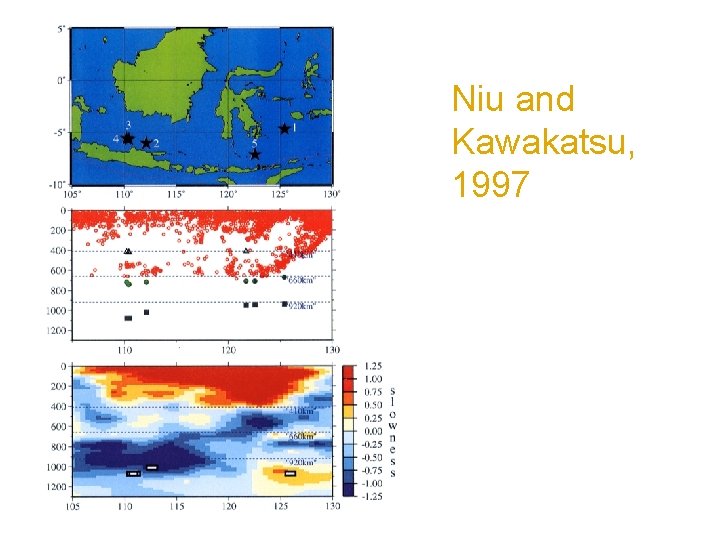
Niu and Kawakatsu, 1997
Niu, et al. 2002
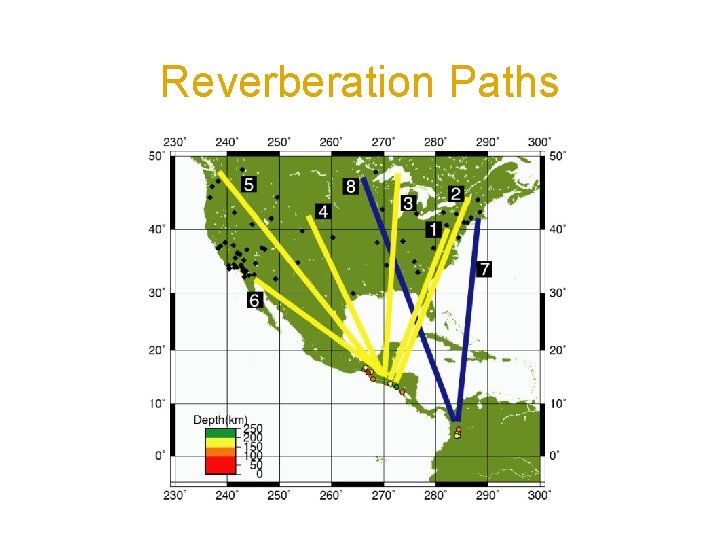
Reverberation Paths
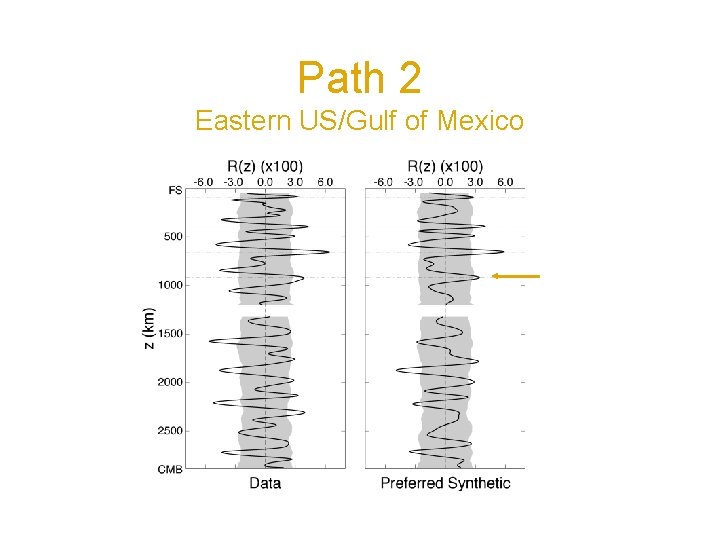
Path 2 Eastern US/Gulf of Mexico
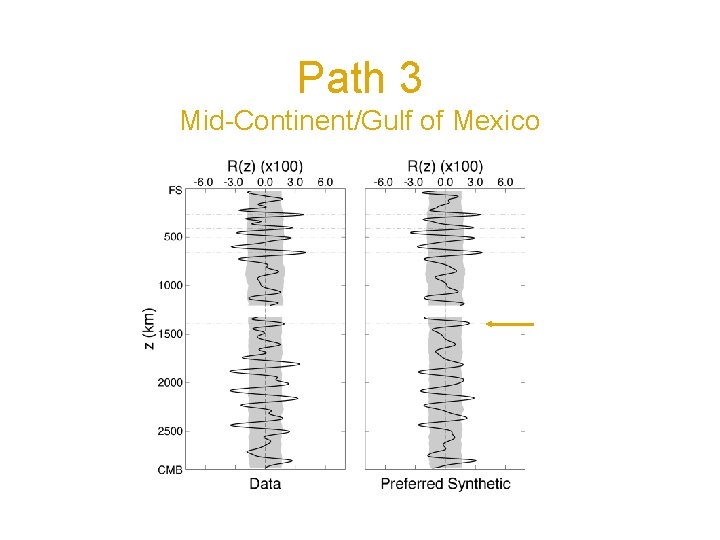
Path 3 Mid-Continent/Gulf of Mexico
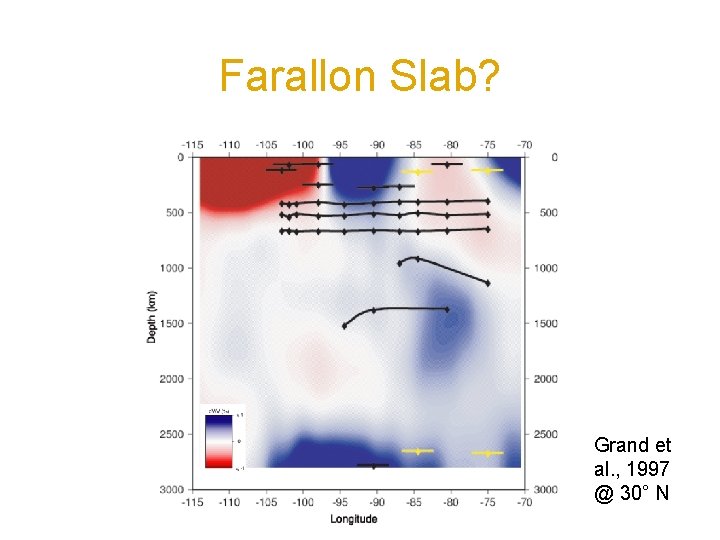
Farallon Slab? Grand et al. , 1997 @ 30° N
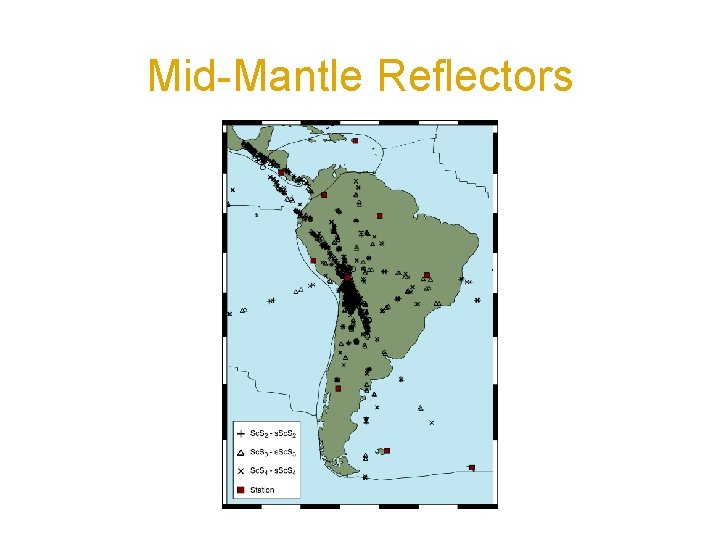
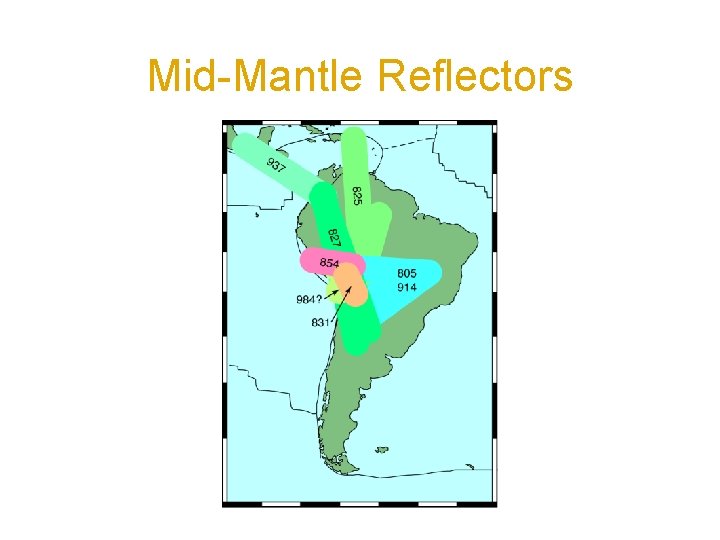
Mid-Mantle Reflectors
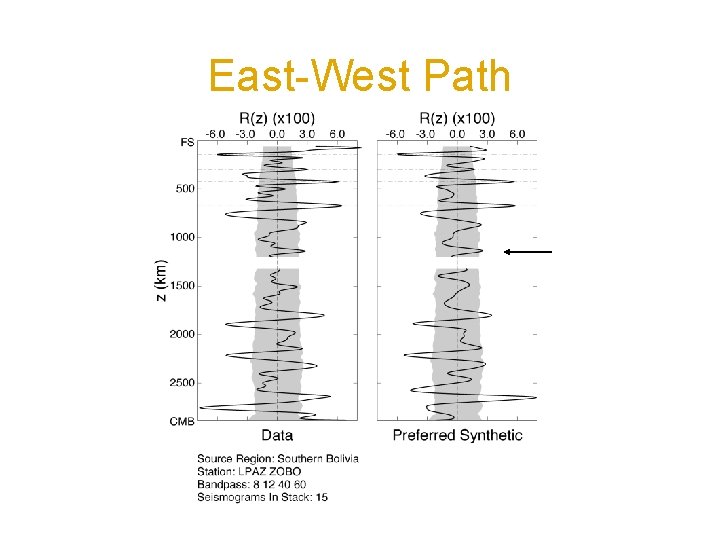
East-West Path
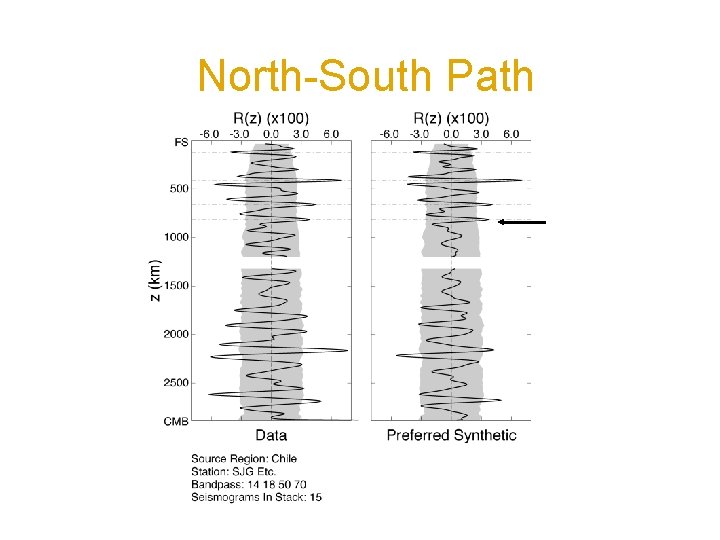
North-South Path
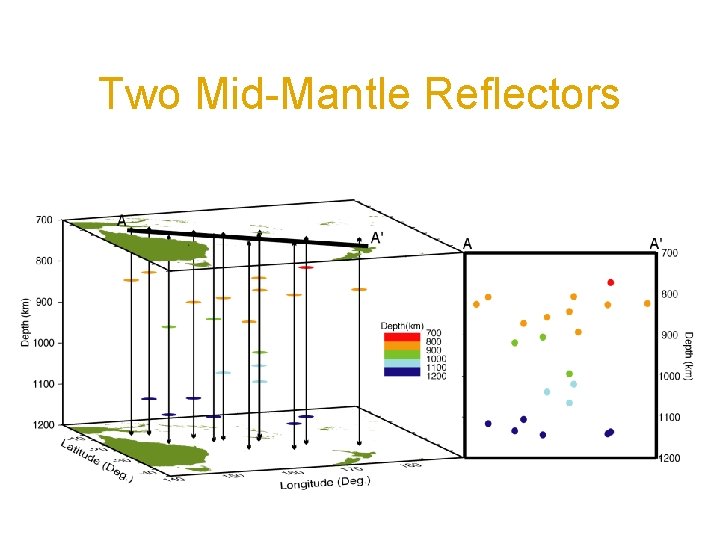
Mid-Mantle Reflectors
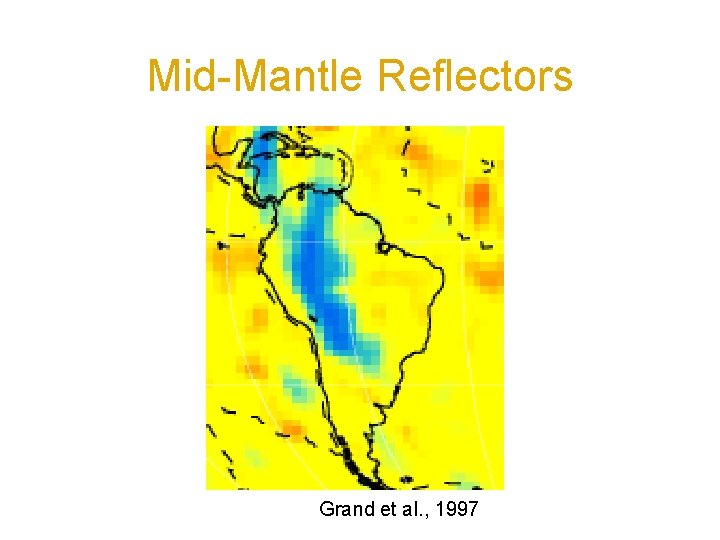
Mid-Mantle Reflectors Grand et al. , 1997
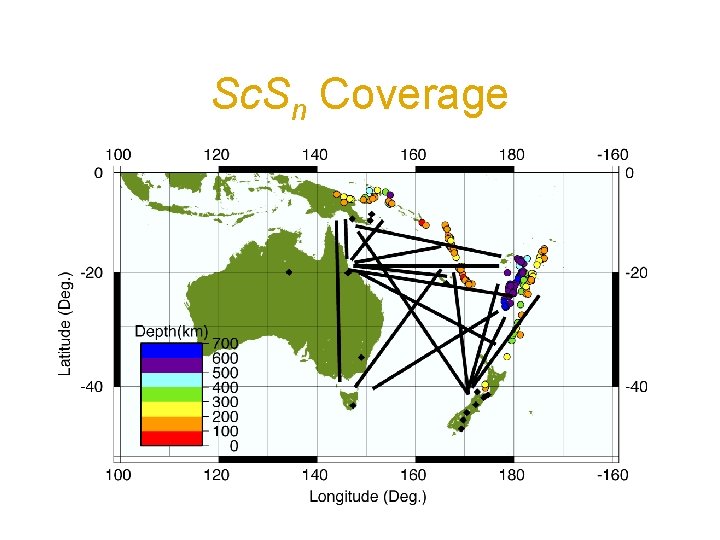
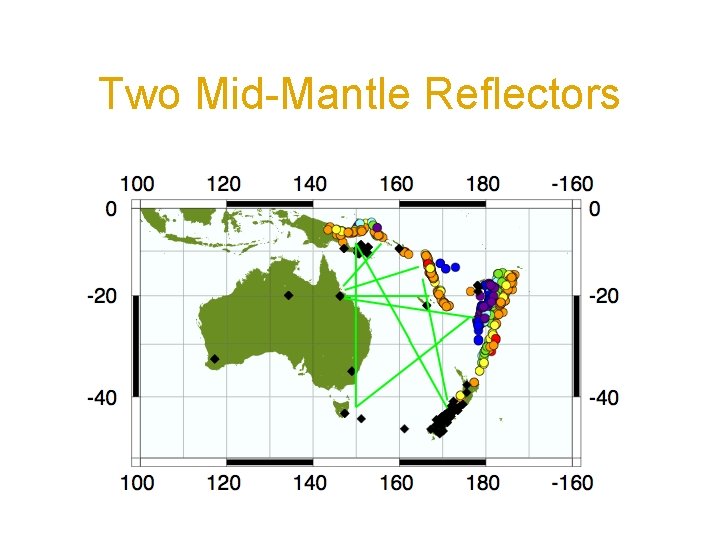
Sc. Sn Coverage
Two Mid-Mantle Reflectors
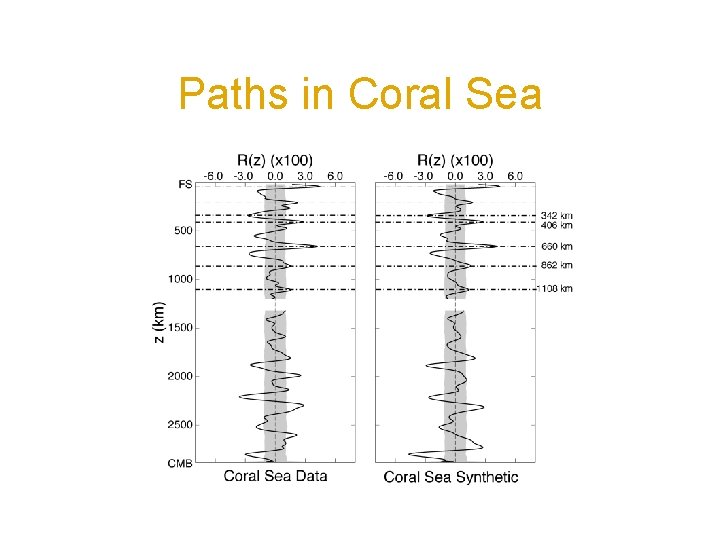
Paths in Coral Sea
Two Mid-Mantle Reflectors
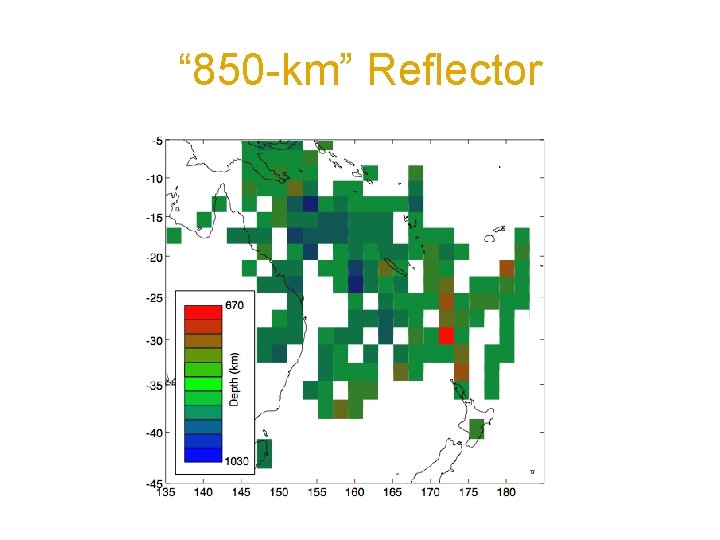
“ 850 -km” Reflector
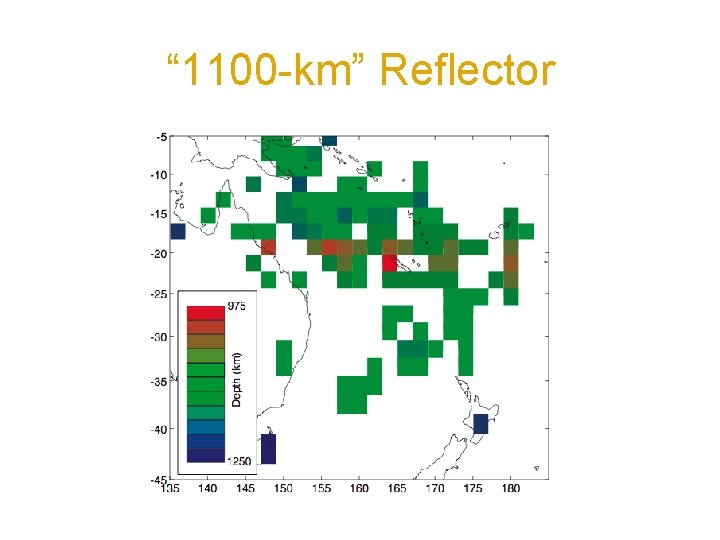
“ 1100 -km” Reflector
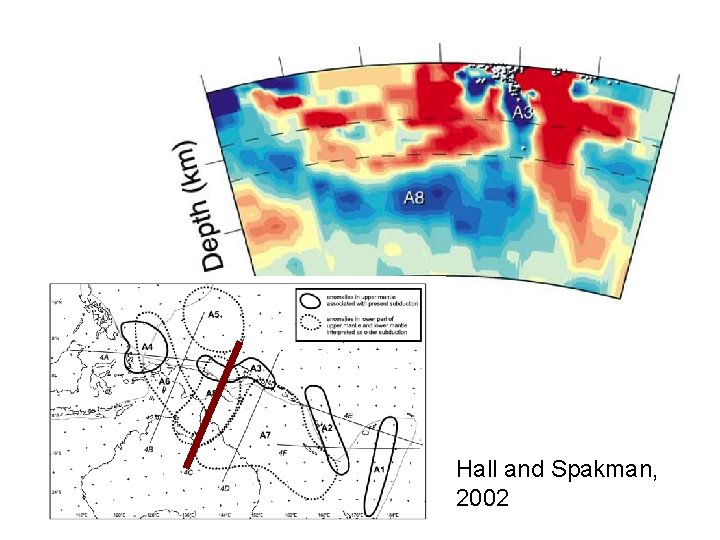
Hall and Spakman, 2002
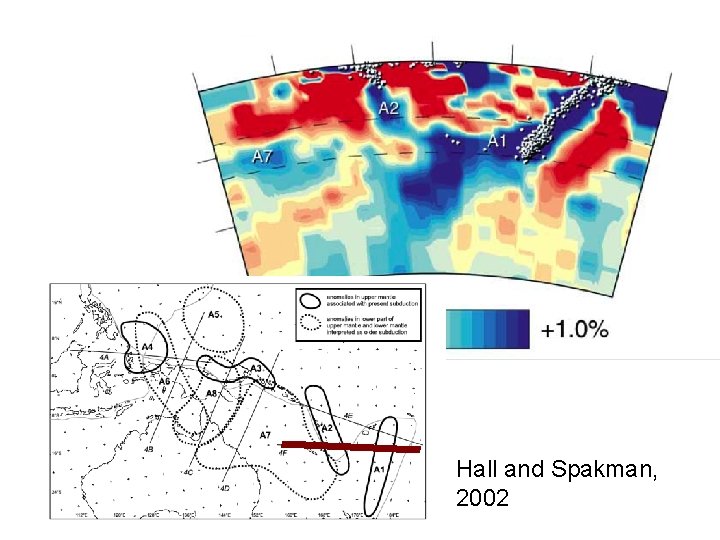
Hall and Spakman, 2002
Getting Water Into the LM Shieh et al. [1998]
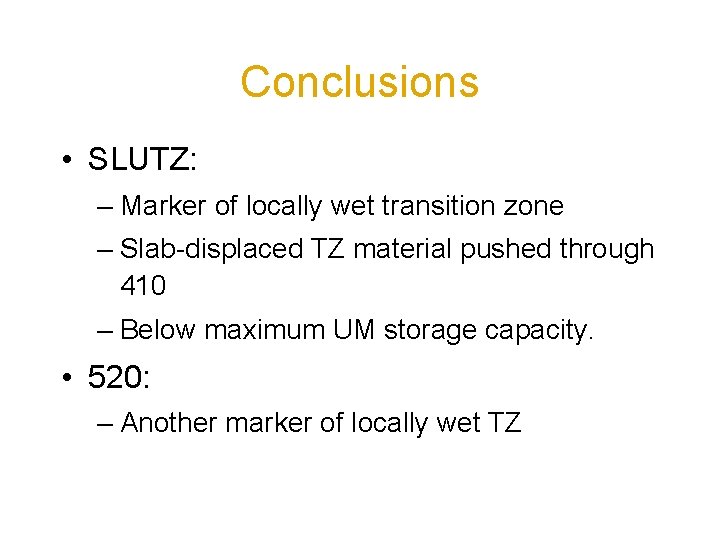
Conclusions • SLUTZ: – Marker of locally wet transition zone – Slab-displaced TZ material pushed through 410 – Below maximum UM storage capacity. • 520: – Another marker of locally wet TZ
Conclusions • Frequent lower mantle reflectors – Associated with mid-mantle slabs – Signal of dewatering? – Decarbonatization? • Lower mantle “wet pools” – Triggers for LIPs? – Agents of eustasy? – Chemical filters?