
The Transformation of Europe 1450 1750 1 Important

- Slides: 32
The Transformation of Europe, 1450 -1750 1) Important Cultural Changes – the Renaissance, Reformation and Enlightenment allowed European minds to escape social and intellectual boundaries 2) Political Consolidation – strong centralized states meant kings had power and money to control lands and sponsor trade 3) Technological Advances – allowed states to increase riches through trade, build on invention and develop capitalism
Important Cultural Changes
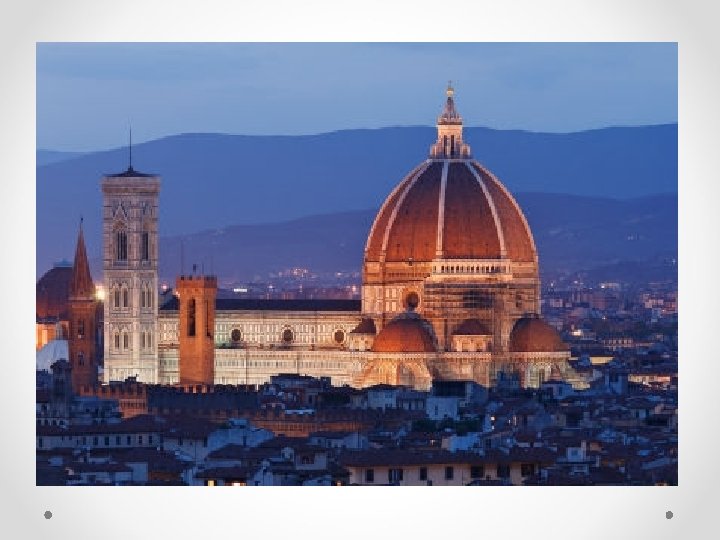
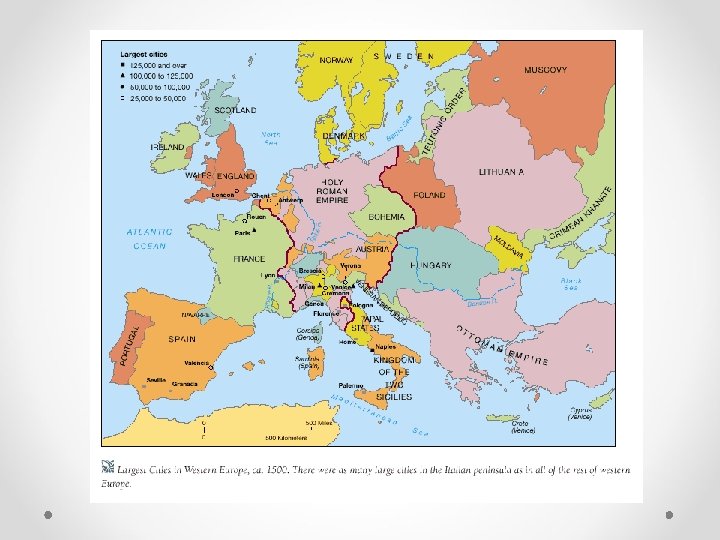
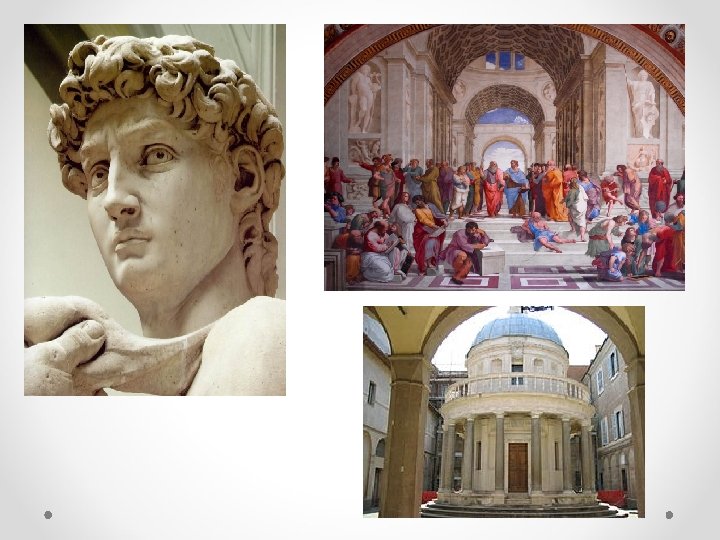
The Italian Renaissance • • “Rebirth” of intellectual and artistic creativity Renewed interest in classical civilizations Began in city-states of Italy Made possible by wealth created by commerce Roman Catholic Church’s power challenged Secularism and individualism important Competition spurred accomplishments
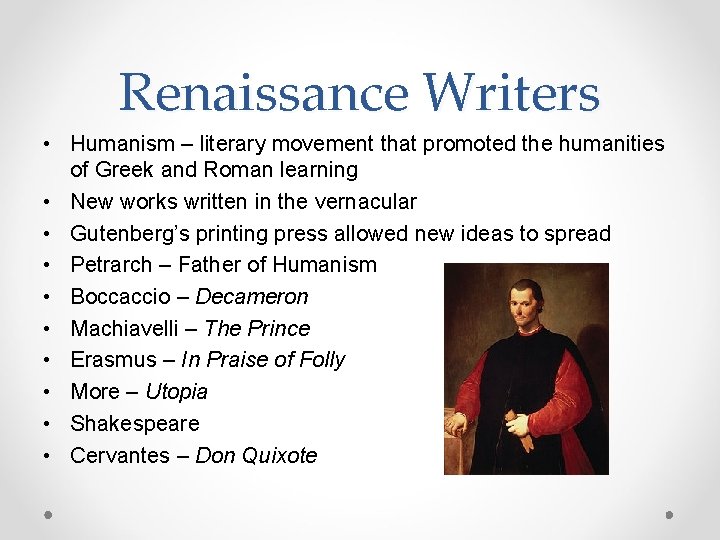
Renaissance Writers • Humanism – literary movement that promoted the humanities of Greek and Roman learning • New works written in the vernacular • Gutenberg’s printing press allowed new ideas to spread • Petrarch – Father of Humanism • Boccaccio – Decameron • Machiavelli – The Prince • Erasmus – In Praise of Folly • More – Utopia • Shakespeare • Cervantes – Don Quixote
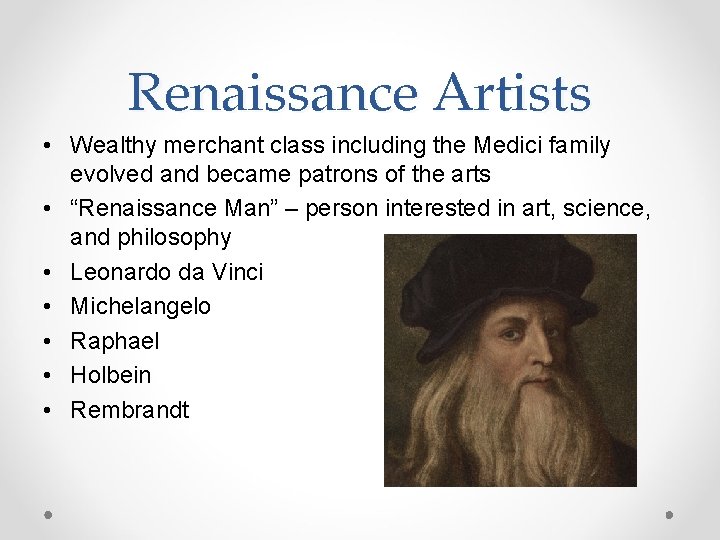
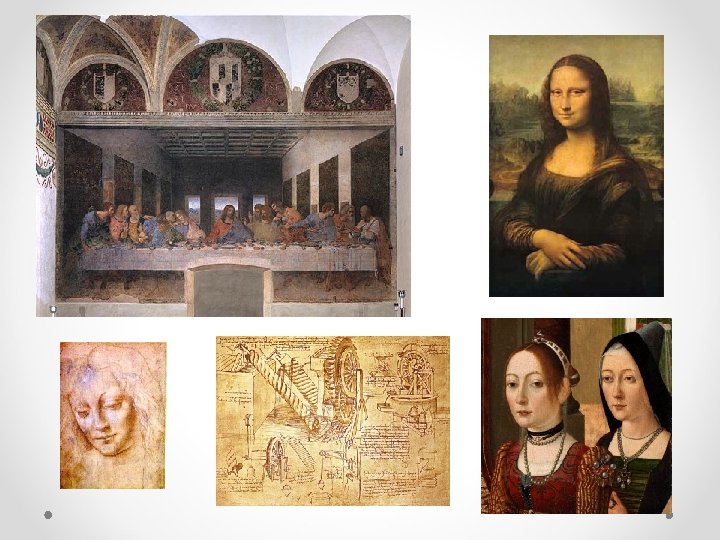
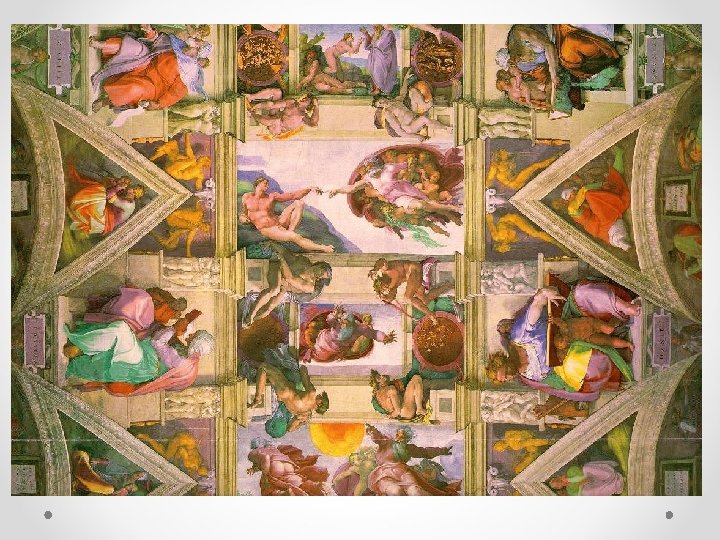
Renaissance Artists • Wealthy merchant class including the Medici family evolved and became patrons of the arts • “Renaissance Man” – person interested in art, science, and philosophy • Leonardo da Vinci • Michelangelo • Raphael • Holbein • Rembrandt
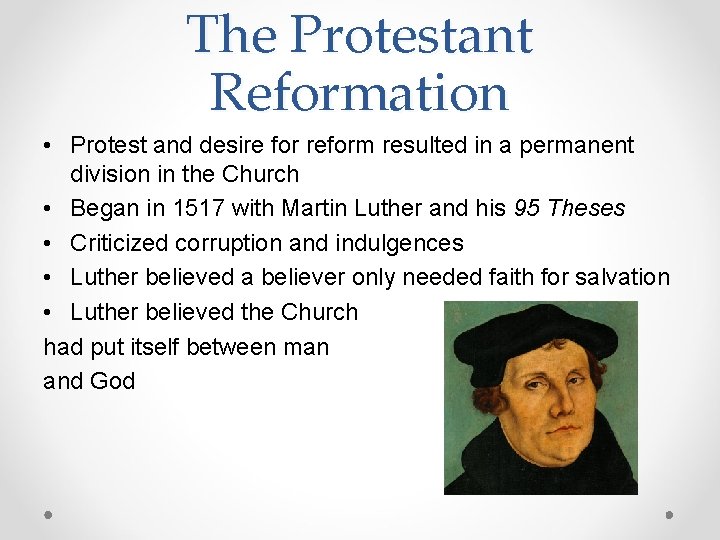
The Protestant Reformation • Protest and desire for reform resulted in a permanent division in the Church • Began in 1517 with Martin Luther and his 95 Theses • Criticized corruption and indulgences • Luther believed a believer only needed faith for salvation • Luther believed the Church had put itself between man and God
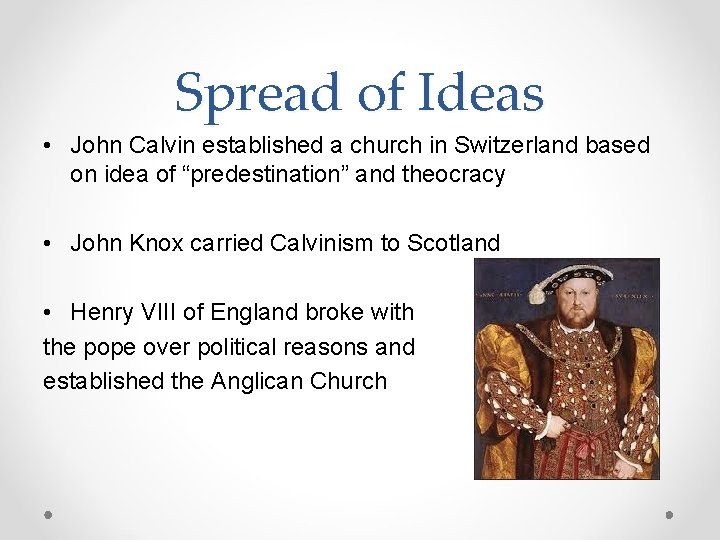
Spread of Ideas • John Calvin established a church in Switzerland based on idea of “predestination” and theocracy • John Knox carried Calvinism to Scotland • Henry VIII of England broke with the pope over political reasons and established the Anglican Church
The Catholic Response • Slow to respond but maintained control in southern Europe • Council of Trent addressed abuses • Did no compromise or change doctrine • Banned illegal indulgences, educated priests • Society of Jesus (Jesuits) formed
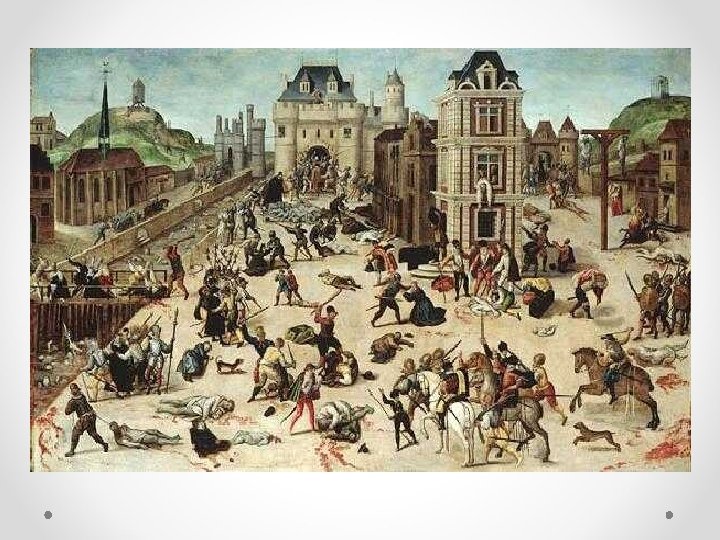
Religious Wars • Tension led to war between Protestants and Catholics • Edict of Nantes granted tolerance in France (1598) • Thirty Years War in HRE (1618 -1648) ended with Treaty of Westphalia • English Civil War had roots with Catholic leaning Stuart kings • Eventually Europeans accepted diversity • Some groups left for the Americas
The Scientific Revolution • Humanism shaped attitudes toward science • Started basing knowledge on direct observation and mathematics • Relied on human reason for understanding • Further weakened the Catholic church • Contrasted with medieval scholasticism • Over time people began to accept new ideas about the natural world • New religious thought emerged, called Deism • Rational thinking led to Enlightenment
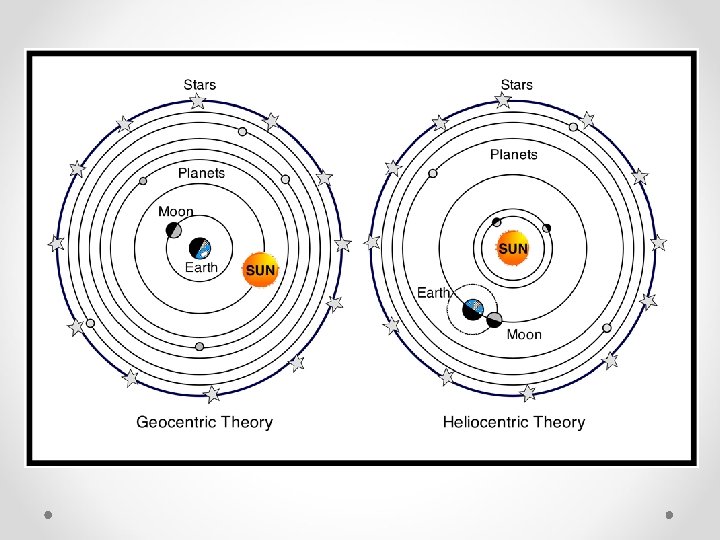
New Science • Copernicus – based math tables on Nasir al-Din, refuted Ptolemy’s geocentric theory and devised heliocentric theory • Brahe and Kepler – used the Copernicus model to develop math supporting elliptical orbits • Galileo – first to study heavens with telescope, discovered Milky Way, observed moon, Jupiter, condemned and tried by Church • Newton – described principles of motion, universal law of gravity
Political Consolidation
Political Upheaval • Hundred Years War between France and England over territory and crown • Thirty Years War became war of independence for some European states • English War of the Roses was civil war over crown • Wars of Spanish and Austrian Succession over ruling issues and territory • Great Northern War between Russia and Sweden over Baltic territory • Seven Years War fought over territory and trade
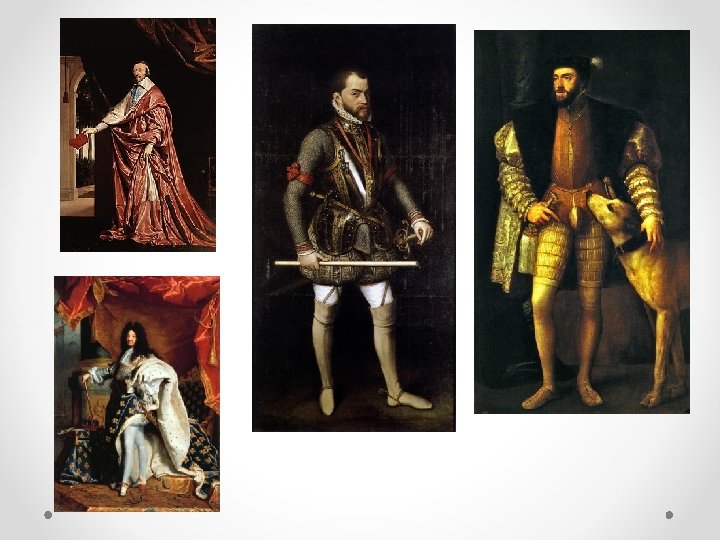
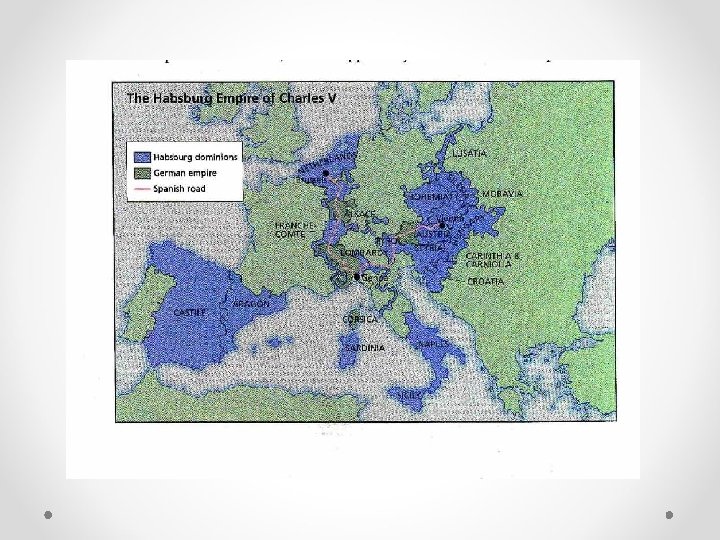
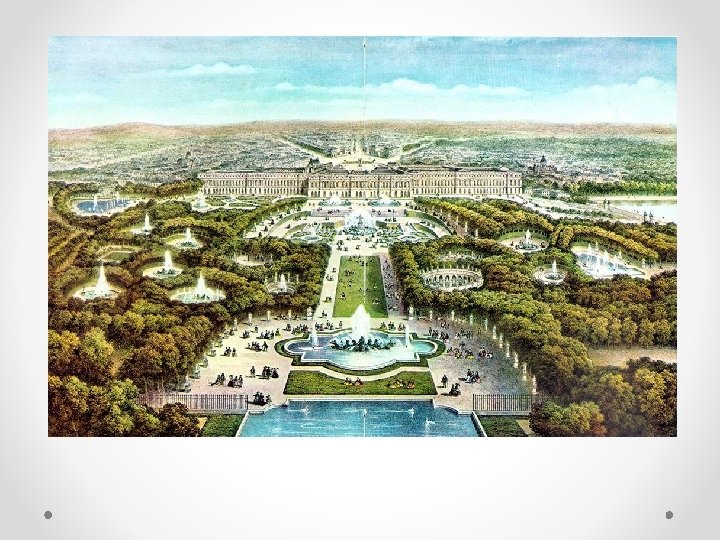
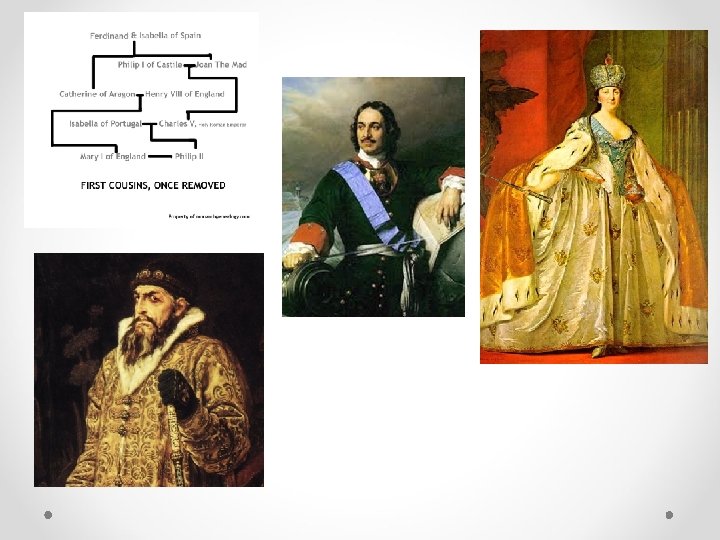
Absolutism in Europe • Religious crisis gave monarchs opportunity • Hapsburgs controlled much of Europe • Charles V and Philip II extended control across German state and into New World • French Kings believed in “divine right” • Louis XIII under Cardinal Richelieu limited power of nobles • Louis XIV used Versailles and war to make France most powerful in Europe, revoked Edict of Nantes
Absolutism in Russia • Moscow princes expanded control in 1400 s • Ivan III drove out Mongols, took title of “tsar” and declared Russia “Third Rome” • Cossacks were recruited to settle territory • Centralization continued under Ivan IV • Economy based on feudalism with boyars and serfs • Romanovs came to power after “Time of Troubles” • Peter the Great wanted “Window on the West” • Westernized Russia, fought wars, built St. Petersburg • Peter instituted military, social, education reform
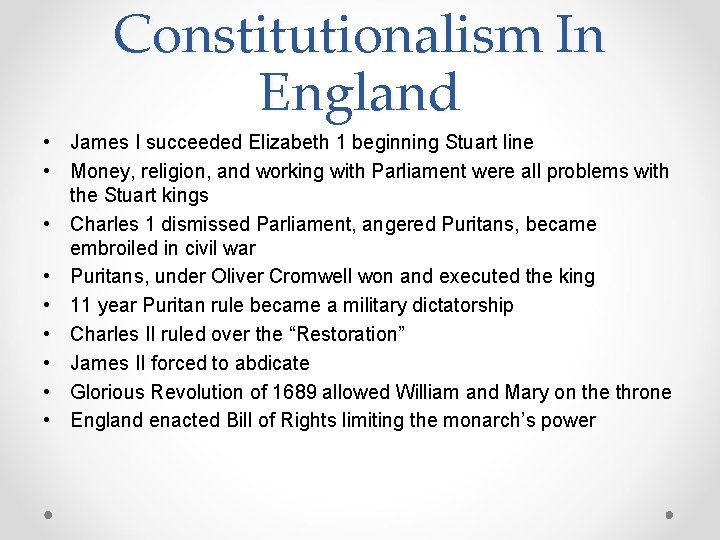
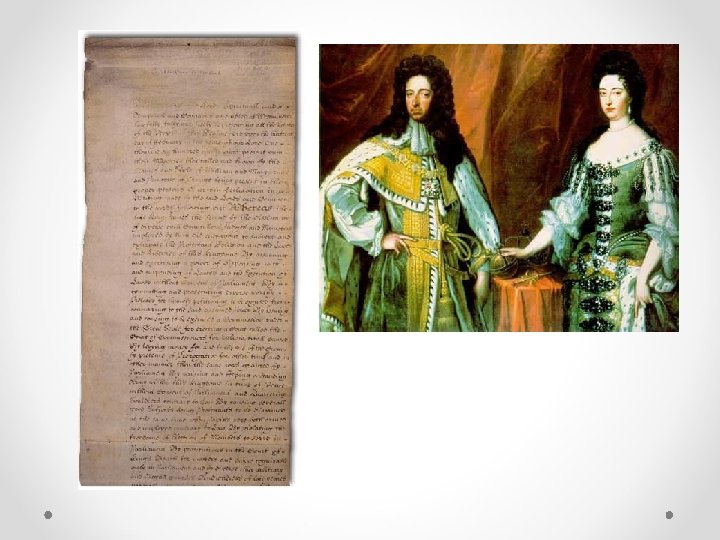
Constitutionalism In England • James I succeeded Elizabeth 1 beginning Stuart line • Money, religion, and working with Parliament were all problems with the Stuart kings • Charles 1 dismissed Parliament, angered Puritans, became embroiled in civil war • Puritans, under Oliver Cromwell won and executed the king • 11 year Puritan rule became a military dictatorship • Charles II ruled over the “Restoration” • James II forced to abdicate • Glorious Revolution of 1689 allowed William and Mary on the throne • England enacted Bill of Rights limiting the monarch’s power
The Enlightenment • • • New emphasis on human abilities and accomplishments Based on ideas of laws of nature and reason Inspired by Scientific Revolution Sought to apply laws of nature to government Believed in liberty, equality, happiness, rationality, reason, and progress • Led to the Age of Revolutions (American, French and Latin America)
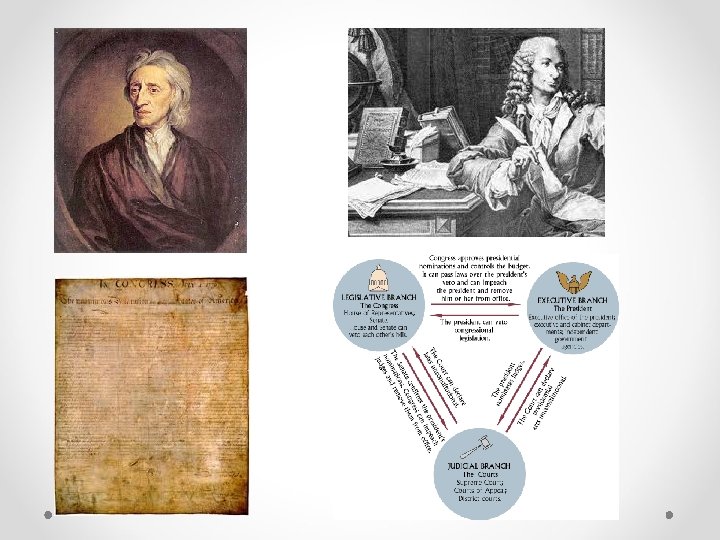
Enlightened Thinkers • • In France, called “philosophes” Enlightened ideas spread in salons Thomas Hobbes – believed man needed monarchy John Locke – Second Treatise of Government suggested “social contract” and “consent of the governed” • Montesquieu – separation of powers • Voltaire – freedom of speech and religion • Rousseau – wrote Social Contract, “Man is born free and everywhere he is in chains. ”
Enlightened Economics • Mercantilism – the responsibility of the government to promote the state’s economy with tax revenues, favorable balance of trade, and colonization (control of resources) • Adam Smith – The Wealth of Nations analyzed natural laws of supply and demand, laissez-faire, and capitalism • Capitalism – economic system based on private ownership of property and where individuals seek profit