
The Traditional and Modern Marketing Mix D IV

- Slides: 8
The Traditional and Modern Marketing Mix D IV Logistik Bisnis Tamadara Hilman
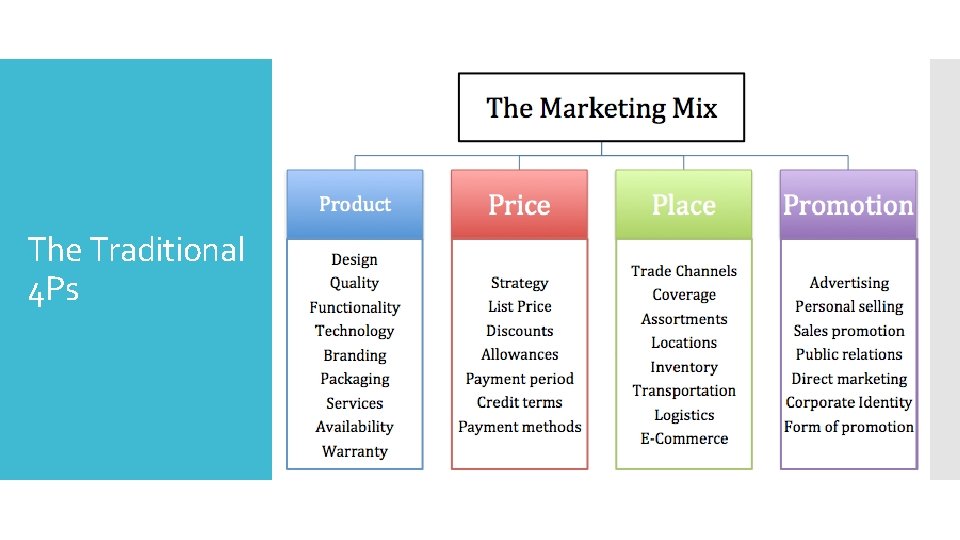
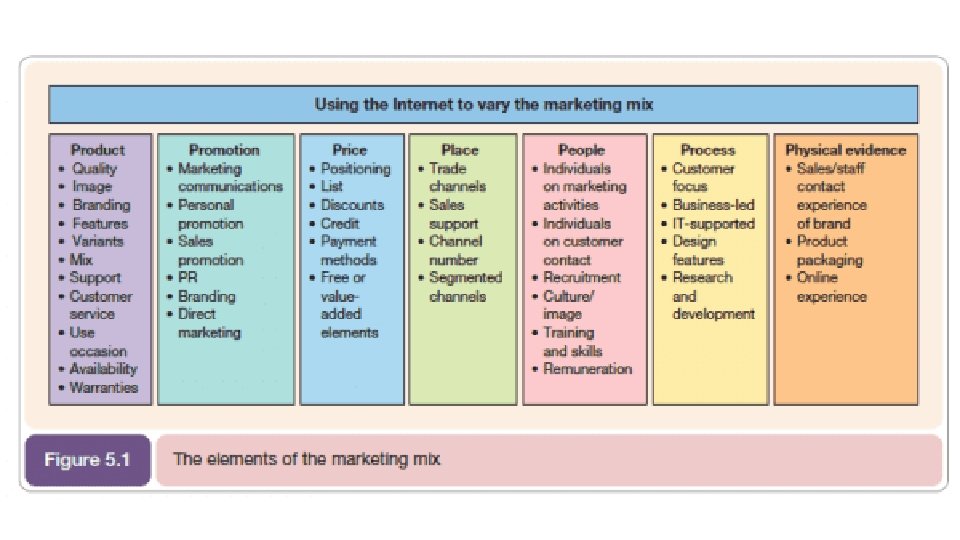
What is Marketing Mix? Mc. Carthy (1964) offered the “marketing mix”, often referred to as the “ 4 Ps”, as a means of translating marketing planning into practice (Bennett, 1997). Marketing mix is not a scientific theory, but merely a conceptual framework. The tools can be used to develop both long-term strategies and short-term tactical programs (Palmer, 2004). Marketing mix is a controllable part of marketing tools that affects the demand increases it (Jonathan Ivy, 2008: 298). Marketing mix is coordinated systematic approach in order to have effective influence on persuading the customers.
Product is defined as a physical product or service to the consumer for which he is willing to pay. It includes half of the material goods, such as furniture, clothing and grocery items and intangible products, such as services, which users buy (Singh (2016)).
Price is one of the most important marketing mix items and also of the market: Price Increase profit Increase market share Quickly adapt to environmental changes Indicates competitive situation Affects company sale’s and profitability
Place is the element of the marketing mix, similar to distribution, which include decisions and actions related to the movement of goods from the producer to the consumer - Matola (2009). Uznienė (2011) argues that marketing distribution function is to perceived as a marketing channel, whose purpose - to make the service become not only more accessible but also easier accessible to a friendly user.
Promotion Promotion, which helps to increase consumer awareness in terms of their products, leads to higher sales and helps to build brand loyalty. Thus, the promotion of the marketing mix is a tool that helps disseminate information, encourage the purchase and affects the purchase decision process.
The Traditional 4 Ps