
The Theory of Evolution Natural Selection and Artificial
- Slides: 27
The Theory of Evolution: Natural Selection and Artificial Selection
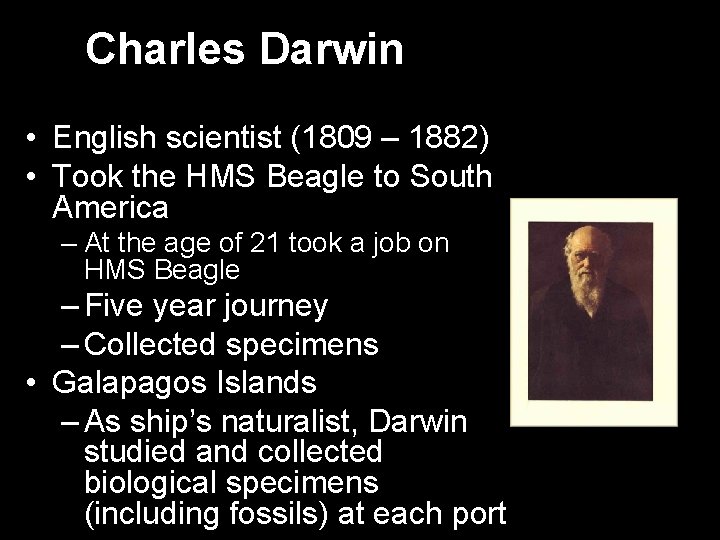
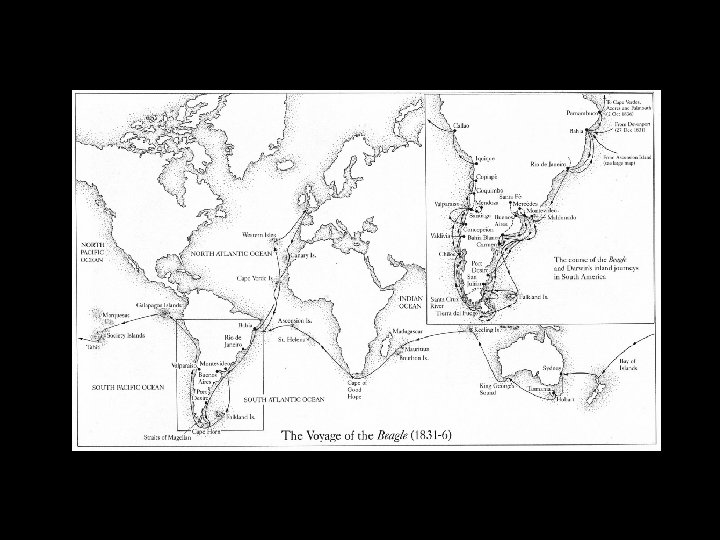
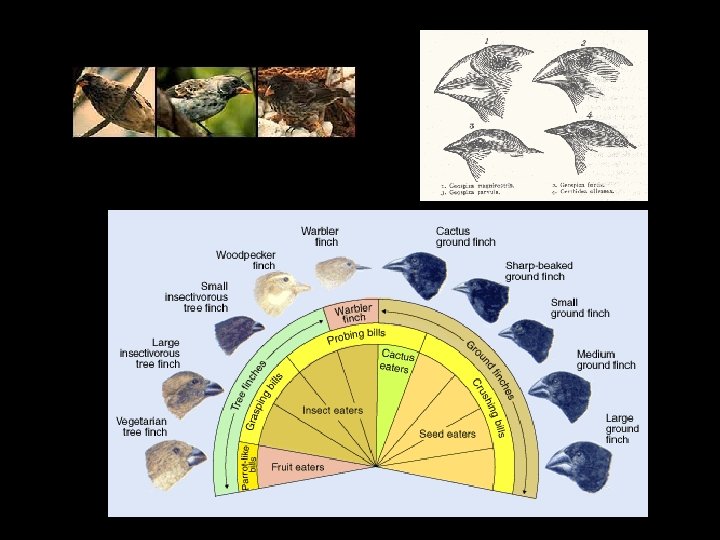
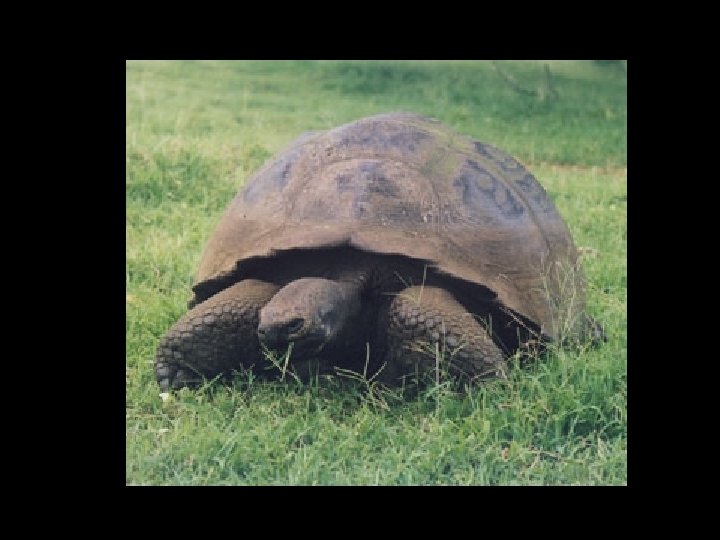
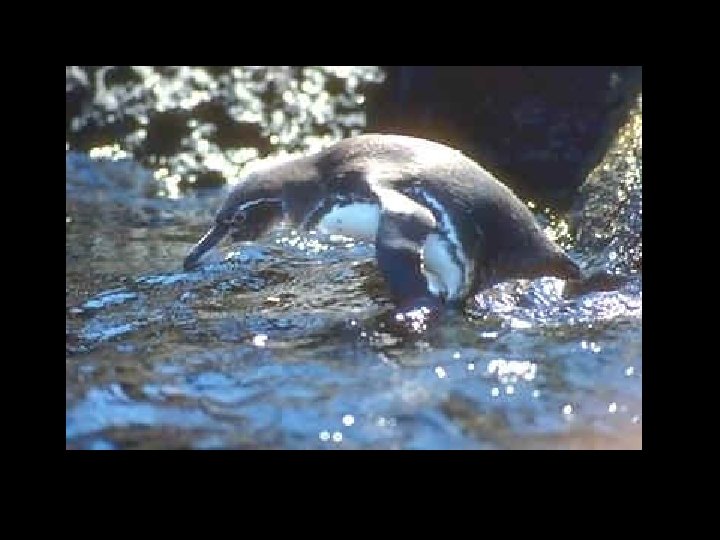
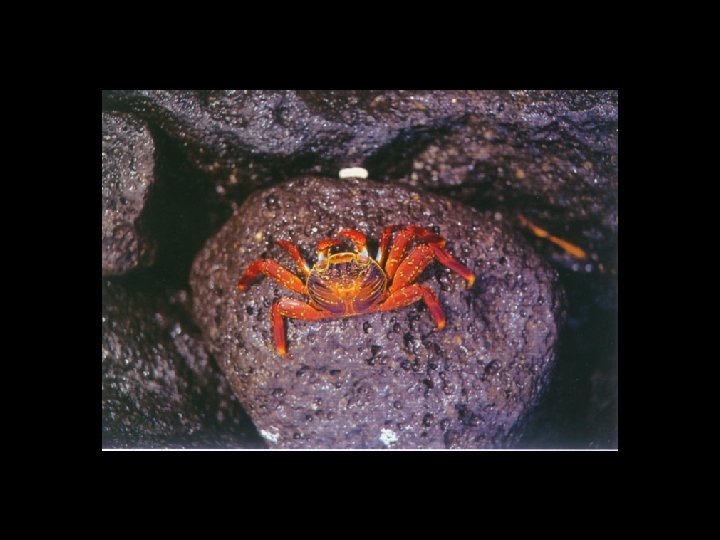
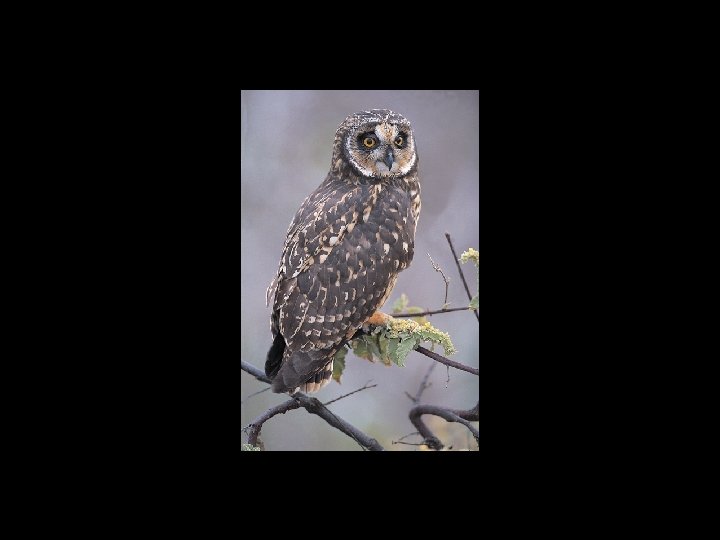
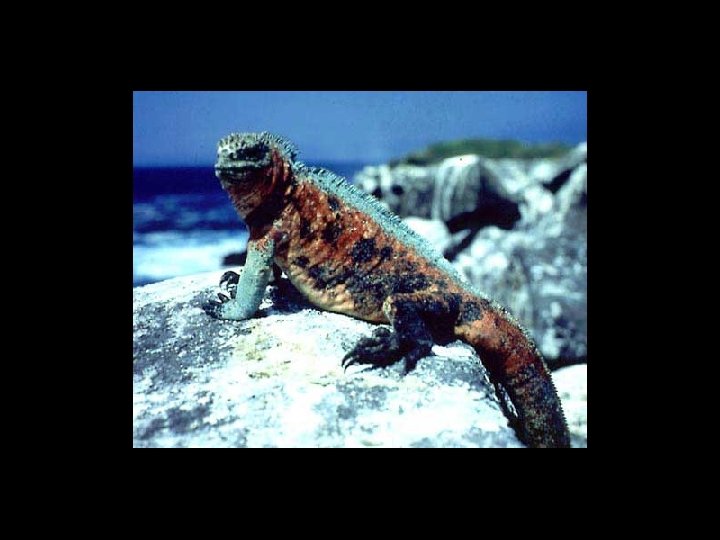
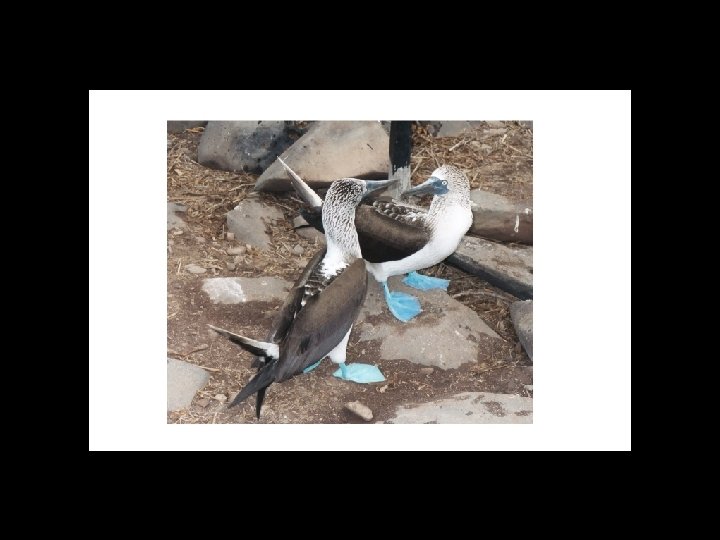
Charles Darwin • English scientist (1809 – 1882) • Took the HMS Beagle to South America – At the age of 21 took a job on HMS Beagle – Five year journey – Collected specimens • Galapagos Islands – As ship’s naturalist, Darwin studied and collected biological specimens (including fossils) at each port
Darwin and Natural Selection • For the next 22 years, Darwin developed his theory. – Other scientists’ findings influenced Darwin…. • Charles Lyell – Geologic processes are result of gradual changes that happen over time • Malthus – Animals produce more offspring that can survive – Animals must struggle to survive
Darwin’s Conclusions: • Populations possess an enormous reproductive potential • Population sizes remain stable (Malthus) • Resources are limited • Individuals compete for survival • There is variation among individuals in a population • Only the most fit individuals survive to reproduce • Evolution occurs as advantageous traits accumulate over time
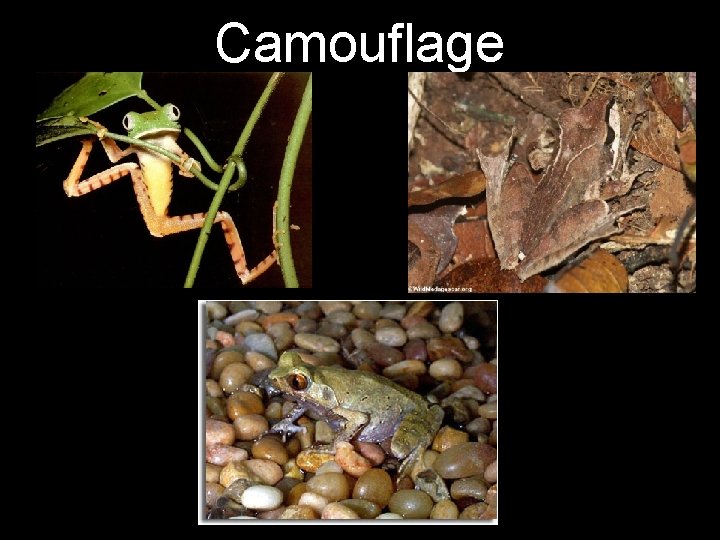
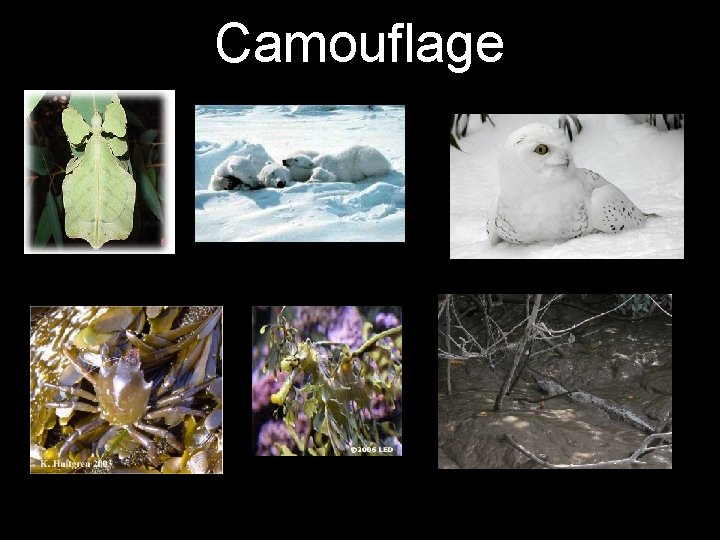
Adaptations • An adaptation is any variation that aids in an organism’s chance for survival. • Types of adaptations: – Mimicry – structural adaptation that enables one species to resemble another species – Camouflage - blending with surroundings
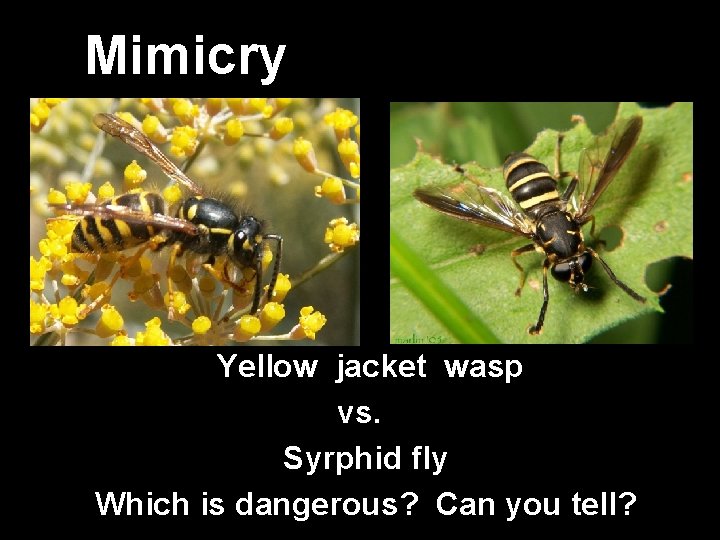
Mimicry Yellow jacket wasp vs. Syrphid fly Which is dangerous? Can you tell?
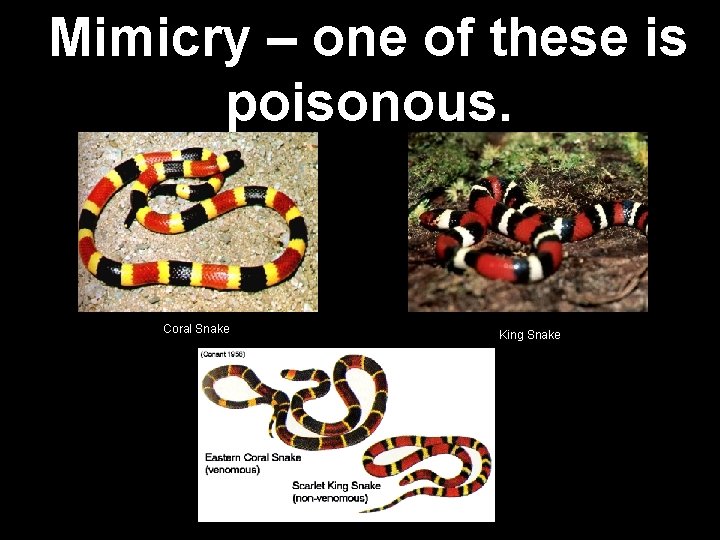
Mimicry – one of these is poisonous. Coral Snake King Snake
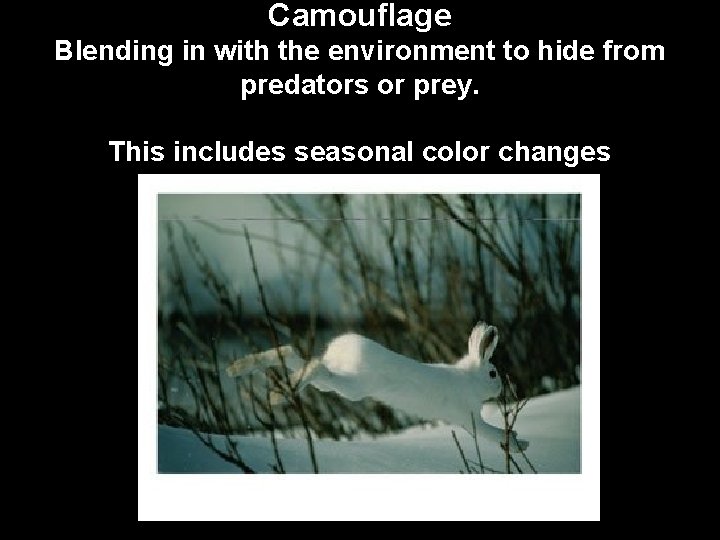
Camouflage Blending in with the environment to hide from predators or prey. This includes seasonal color changes
Camouflage
Camouflage
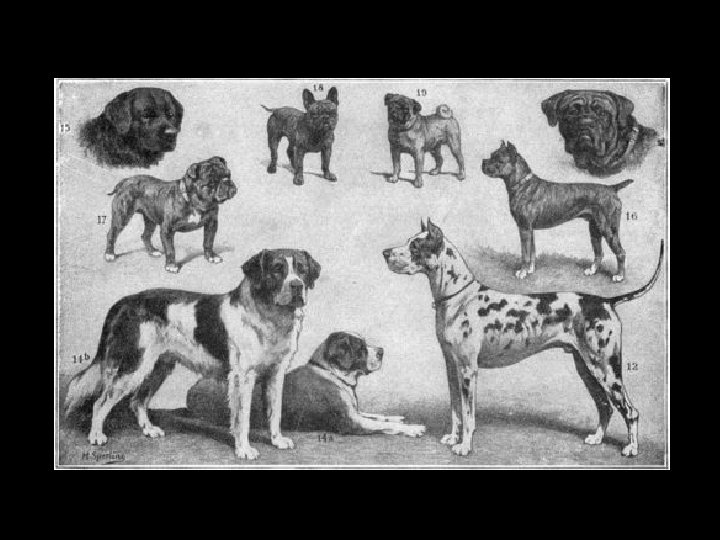
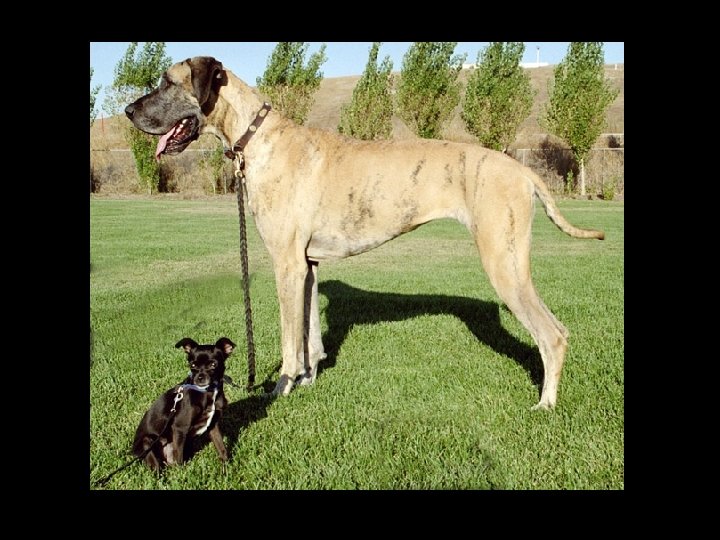
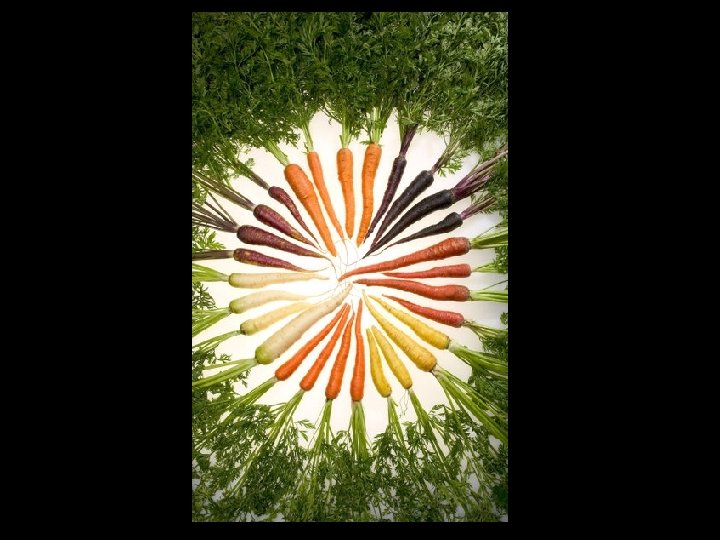
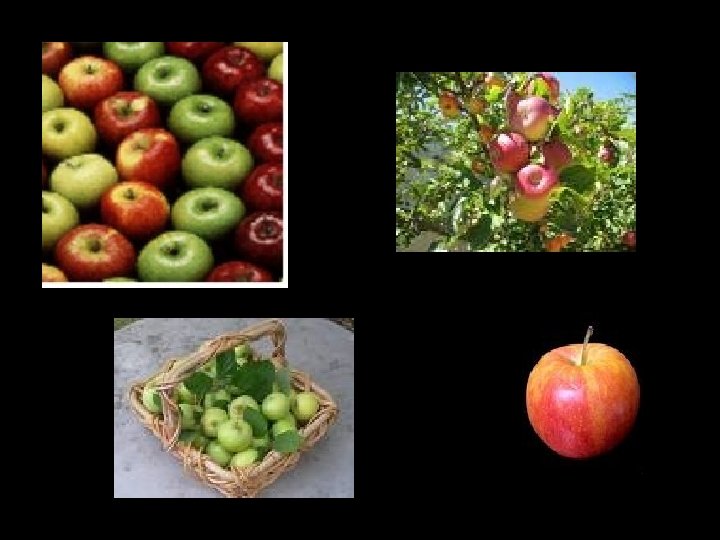
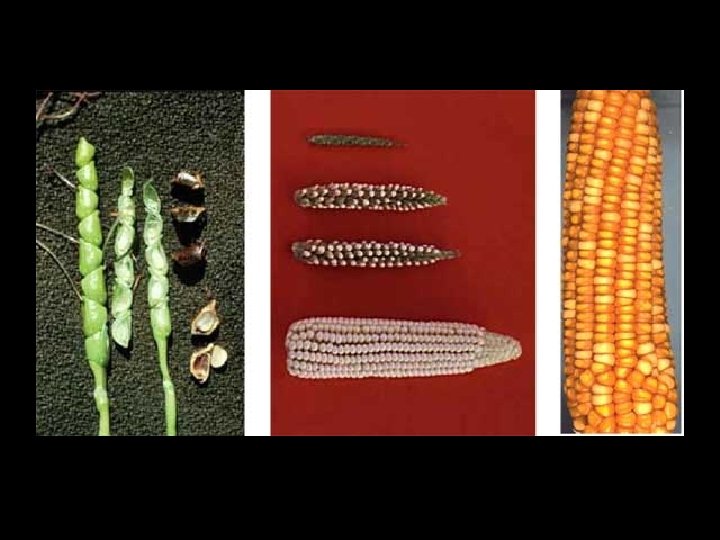
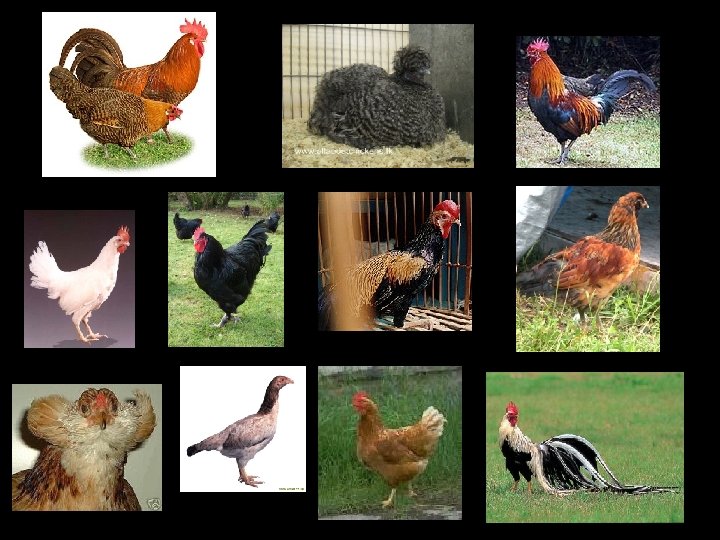
Artificial Selection • Definition: breeding organisms with specific traits for those traits • Selective Breeding – Most of the time occurs because human preferences or needs. – Shows that organisms can change through breeding.
Evolution is… the change in the heritable traits of a population or species from generation to generation.
Natural Selection Definition: mechanism for change in a population – Favorable traits are chosen – Change in genotype genetics – a force in nature that works like artificial selection – Who or what has a better chance of survival long enough to reproduce.