
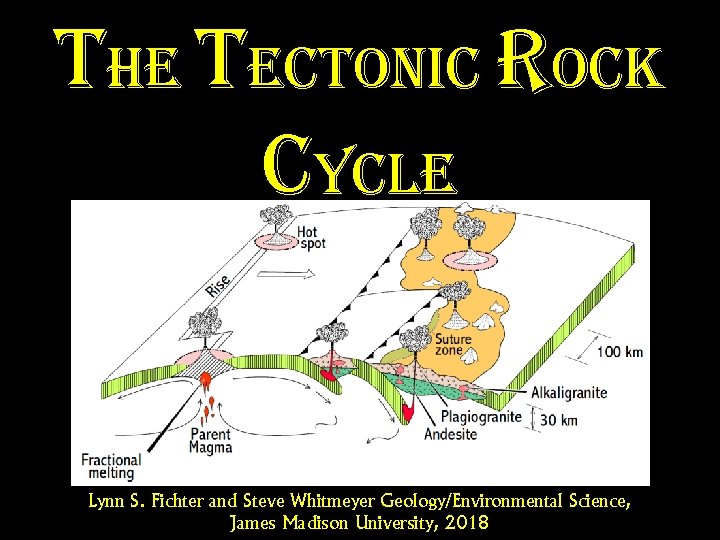
the tectonic Rock cycle Lynn S Fichter and
- Slides: 10
the tectonic Rock cycle Lynn S. Fichter and Steve Whitmeyer Geology/Environmental Science, James Madison University, 2018
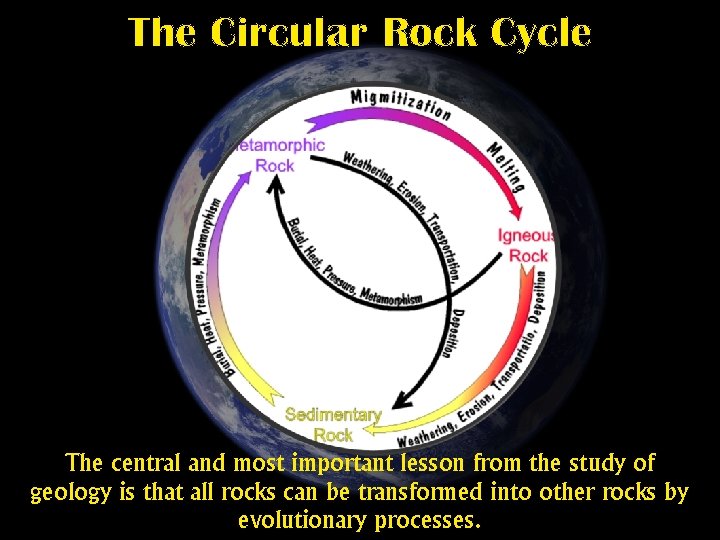
The Circular Rock Cycle The central and most important lesson from the study of geology is that all rocks can be transformed into other rocks by evolutionary processes.
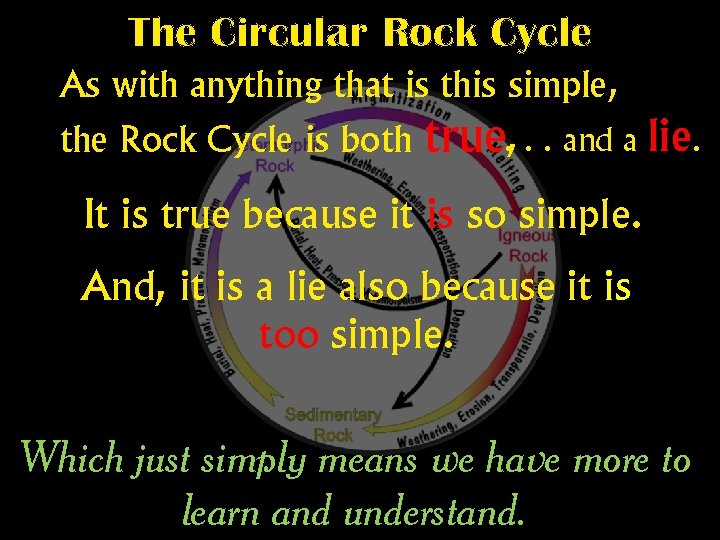
The Circular Rock Cycle As with anything that is this simple, the Rock Cycle is both true. , . . and a lie. It is true because it is so simple. And, it is a lie also because it is too simple. Which just simply means we have more to learn and understand.
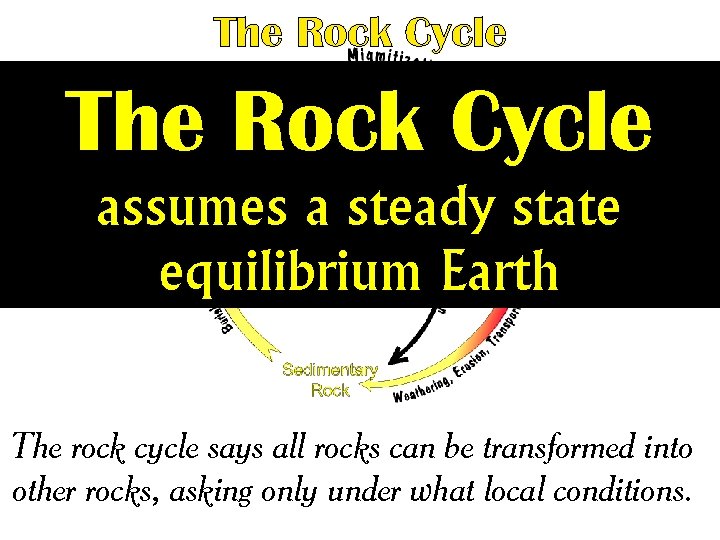
The Rock Cycle assumes a steady state equilibrium Earth The rock cycle says all rocks can be transformed into other rocks, asking only under what local conditions.
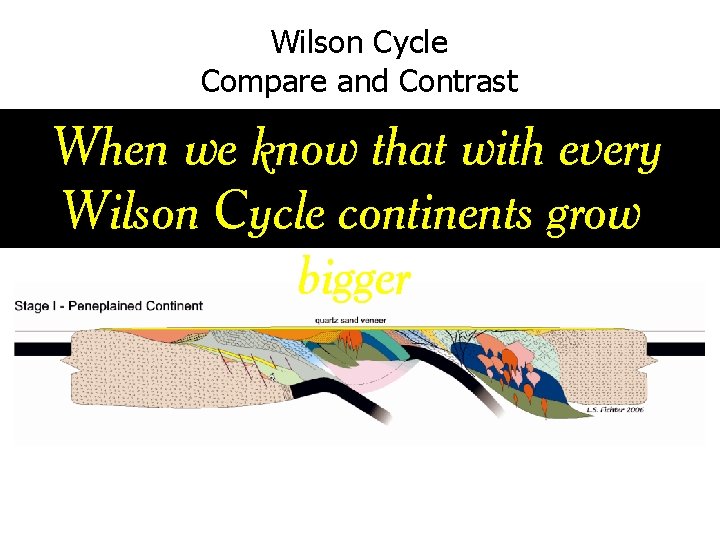
Wilson Cycle Compare and Contrast When we know that with every Wilson Cycle continents grow bigger
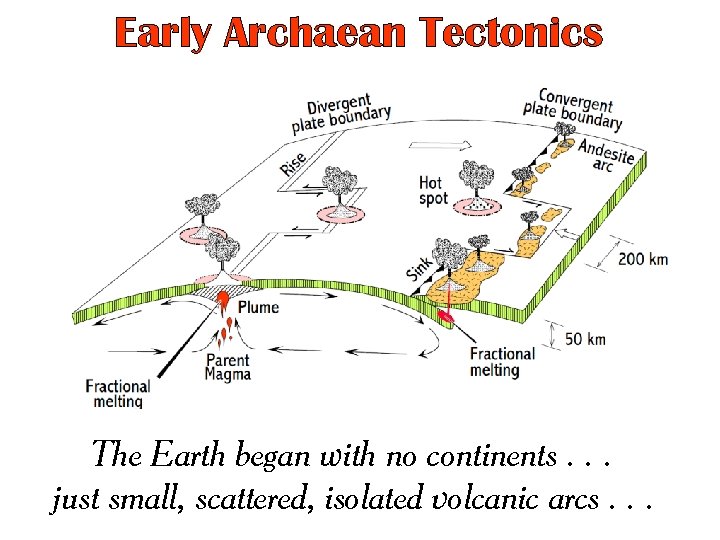
Early Archaean Tectonics The Earth began with no continents. . . just small, scattered, isolated volcanic arcs. . .
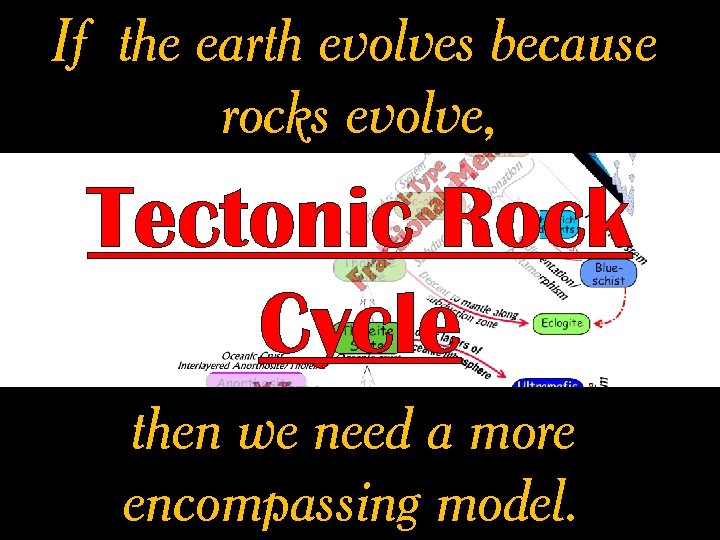
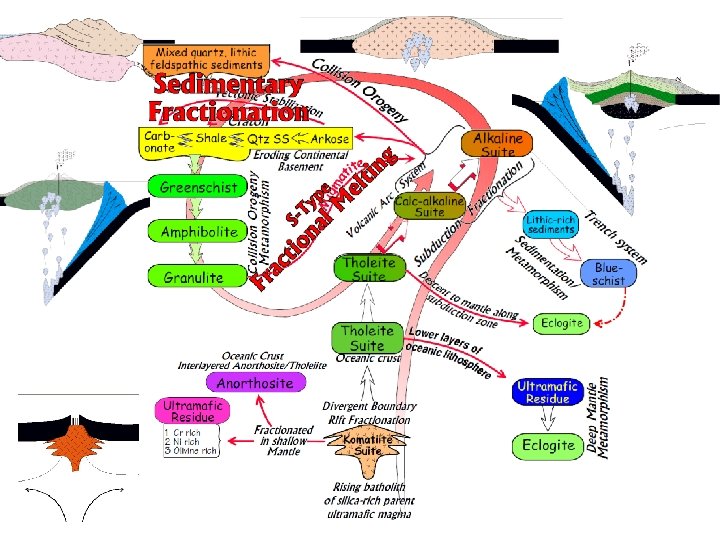
If the earth evolves because rocks evolve, Tectonic Rock Cycle then we need a more encompassing model.
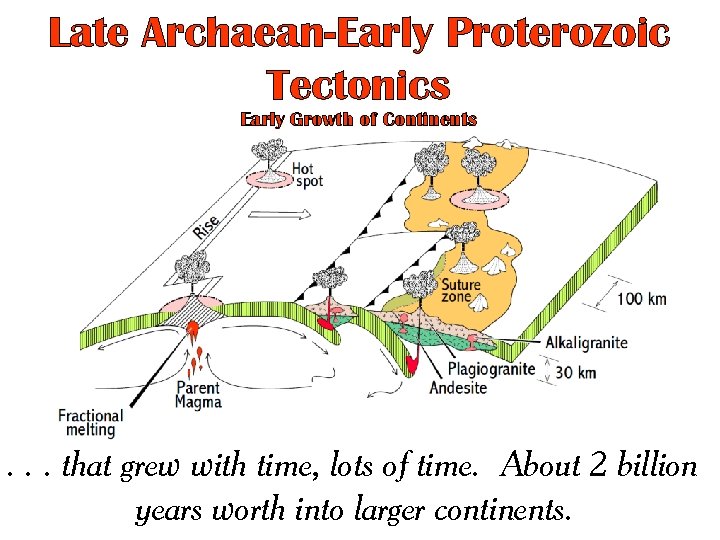
Late Archaean-Early Proterozoic Tectonics Early Growth of Continents . . . that grew with time, lots of time. About 2 billion years worth into larger continents.
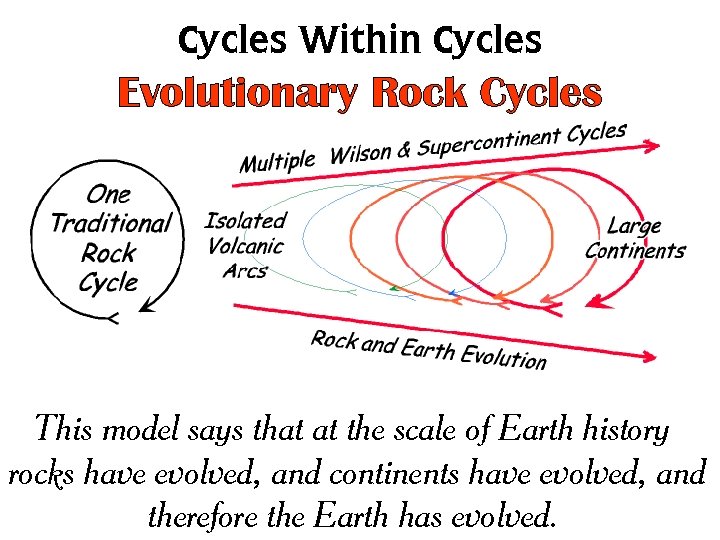
Cycles Within Cycles Evolutionary Rock Cycles This model says that at the scale of Earth history rocks have evolved, and continents have evolved, and therefore the Earth has evolved.