
THE SUN Structure of the Sun Is it

- Slides: 30
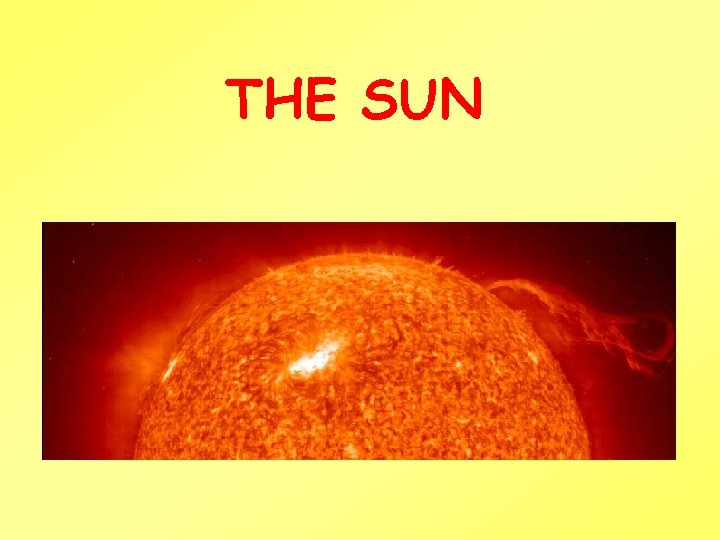
THE SUN
Structure of the Sun • Is it true that if you look directly at the sun it can damage your eyes? • YES! • The sun contains all known elements • contains 70% Hydrogen
3 Distinct Solar Regions • The CORE • The INNER ZONES • The ATMOSPHERE • Each layer has distinctive characteristics.
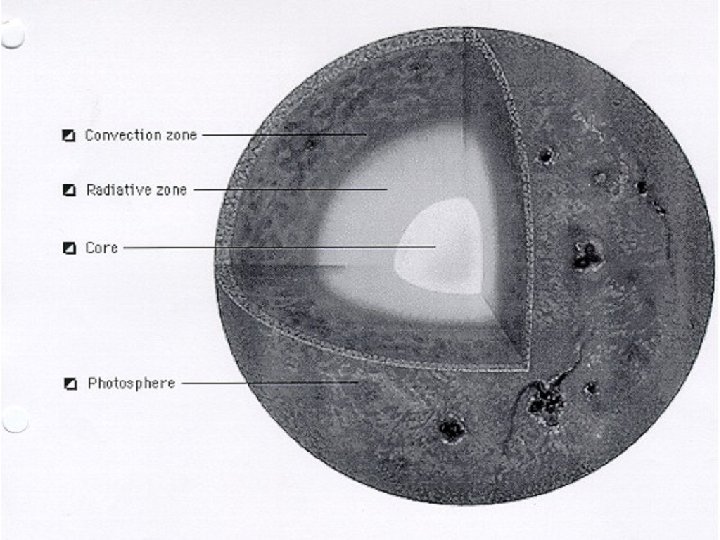
The Core • The center of sun • 10% of sun’s diameter o • 15, 000 C • made entirely of gas • intense gravitational pressure causing NUCLEAR FUSION
Why is nuclear fusion so important? • This is what produces the heat we feel on earth. • H atoms collide to form He • The sun changes more than 600 million tons of H into He each second!
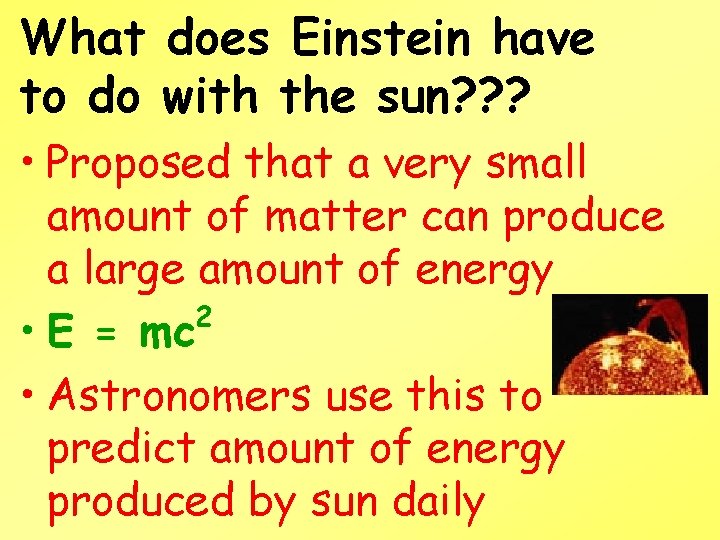
What does Einstein have to do with the sun? ? ? • Proposed that a very small amount of matter can produce a large amount of energy 2 • E = mc • Astronomers use this to predict amount of energy produced by sun daily
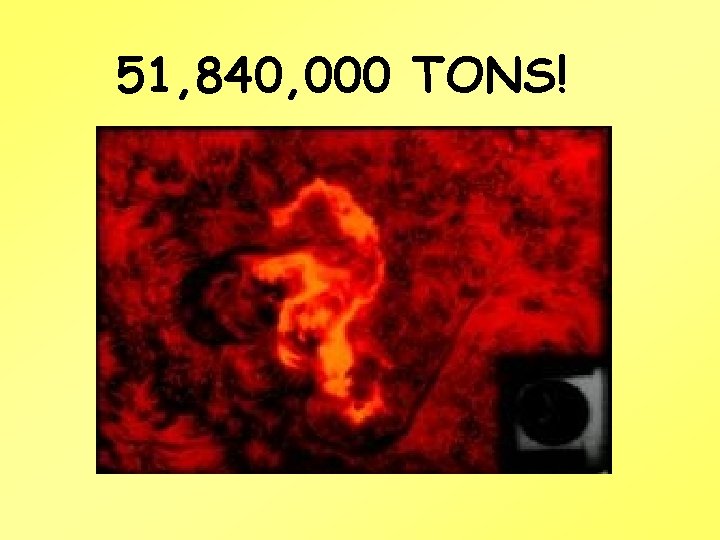
51, 840, 000 TONS!
Sun’s Inner Zones • Radiative Zone: surrounds core • energy moves by radioactive waves o • Temp = 2, 500, 000 C
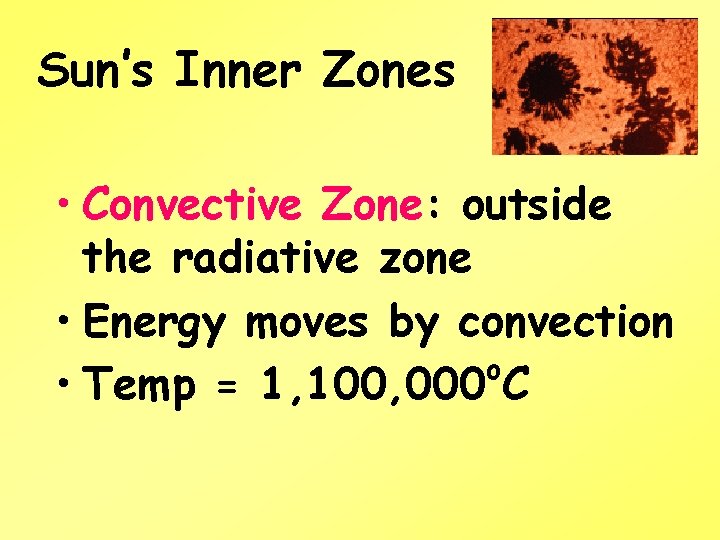
Sun’s Inner Zones • Convective Zone: outside the radiative zone • Energy moves by convection o • Temp = 1, 100, 000 C
The Atmosphere • Surrounds the convective zone • The atmosphere has 3 regions • The PHOTOSPHERE • The CHROMOSPHERE AND • The CORONA
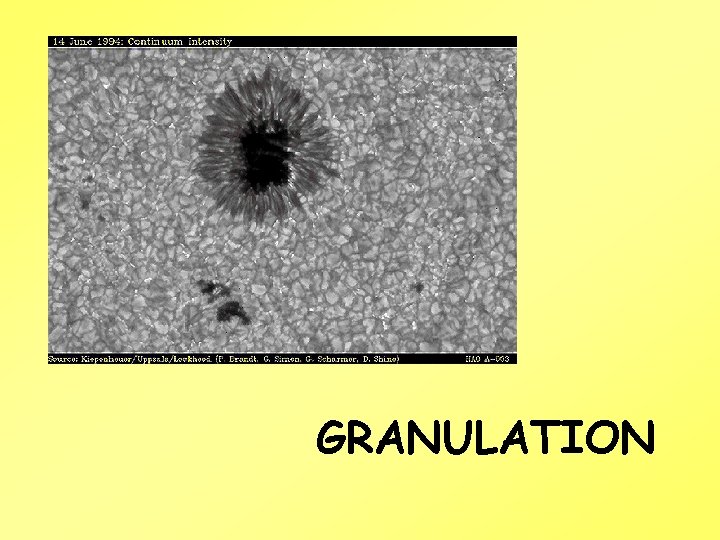
The Photosphere • The inner most layer o • Temp = 6, 000 C • has grainy appearance called granulation caused by the convection of gases in the convective zone • produces the visible light we see from the sun
GRANULATION
The Chromosphere • Above photosphere • called the color sphere • gases also moved by convection and transfer energy to the corona • usually not seen because of the bright photosphere
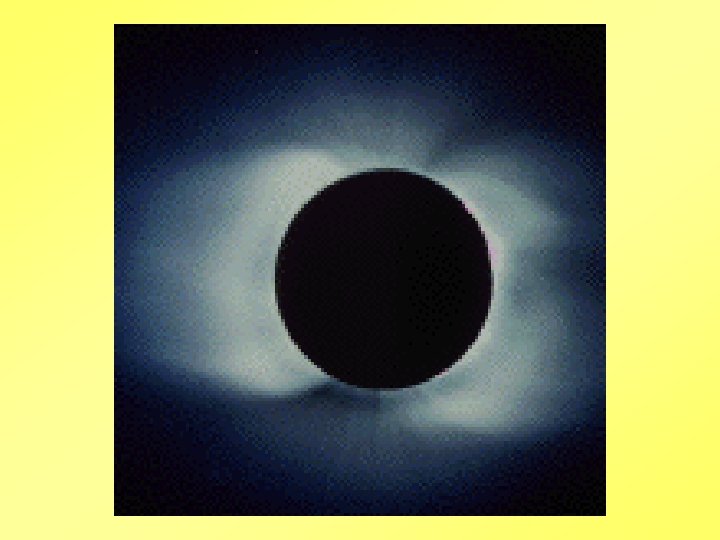
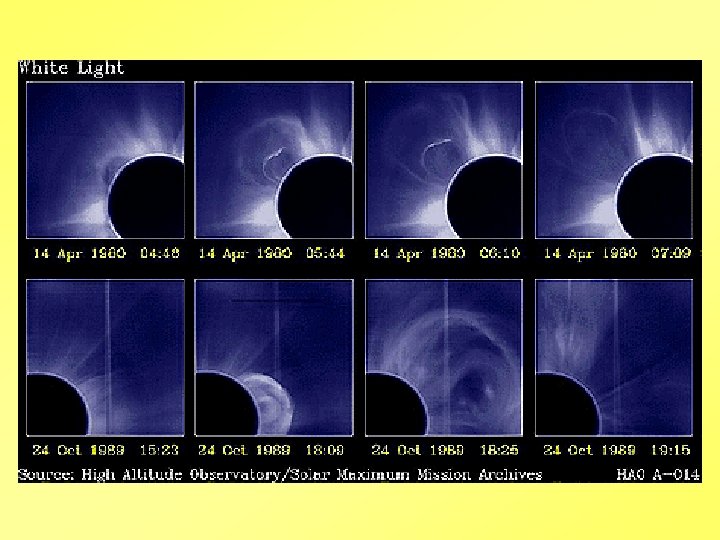
The Corona • Outer surface of the sun • Blends into space • Huge cloud of gas • prevents most atomic particles from escaping into space • when particles do escape they form solar winds
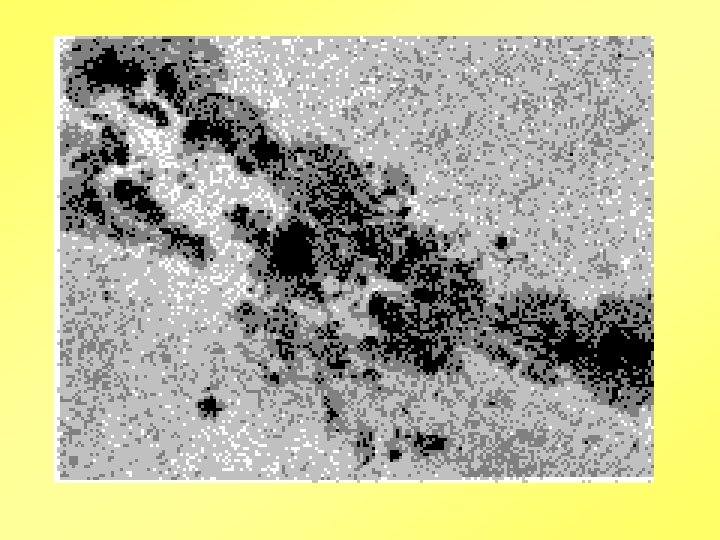
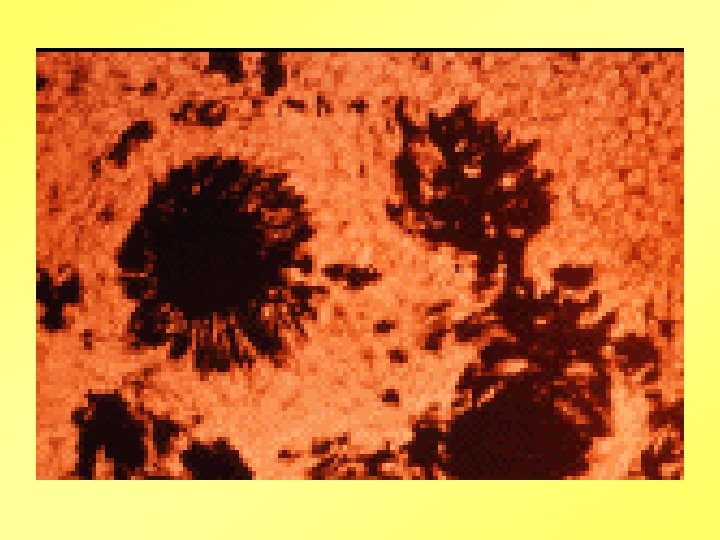
Types of Solar Activity 1. Sunspots • cool, dark areas of gas w/in the photosphere caused by powerful magnetic fields Sunspot Movie
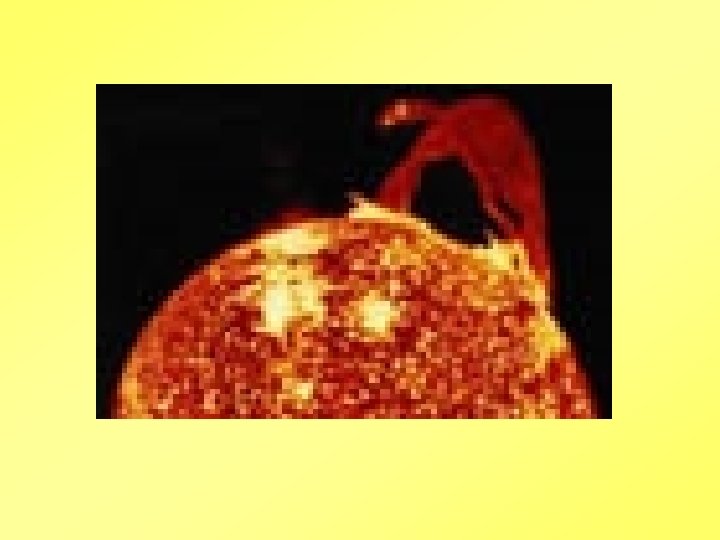
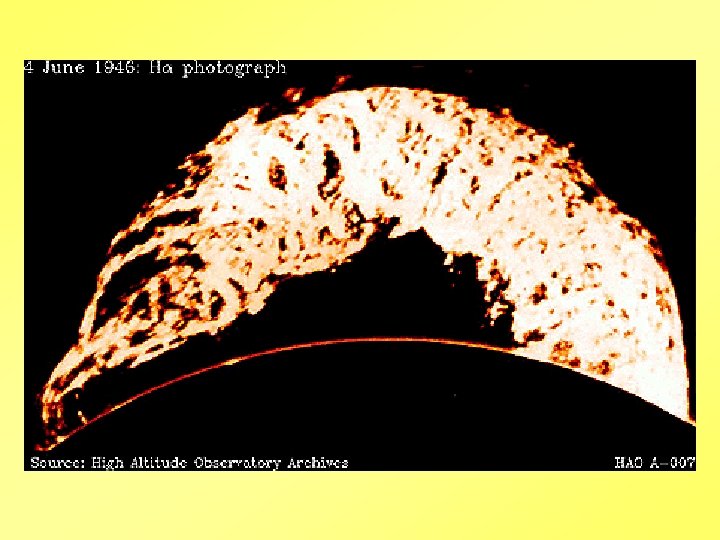
Types of Solar Activity 2. Prominences • Great clouds of glowing gases that form huge arches that can reach 90, 000 km above sun’s surface • Can last for weeks to months
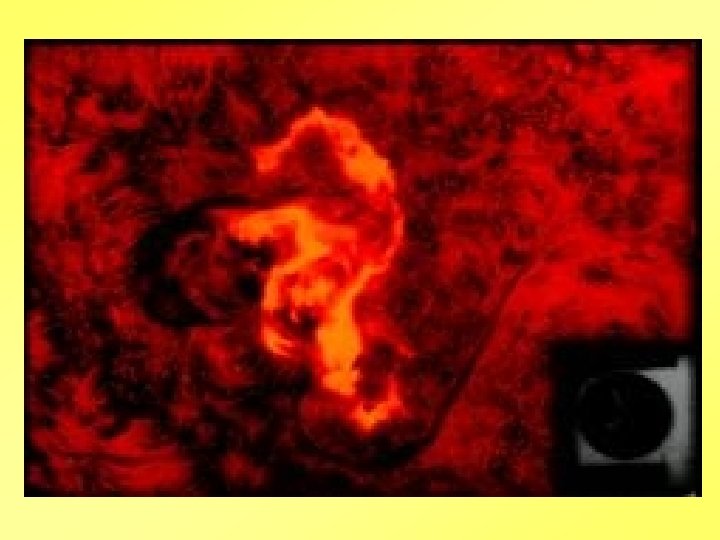
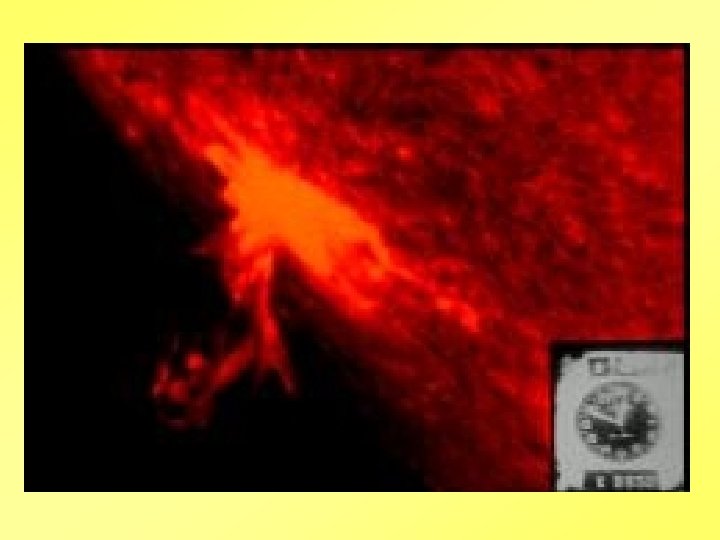
Types of Solar Activity 3. Solar Flares • Extremely violent • sudden outward eruption of electrically charged atomic particles • can extend out for 1000’s km • usually occur near sunspots
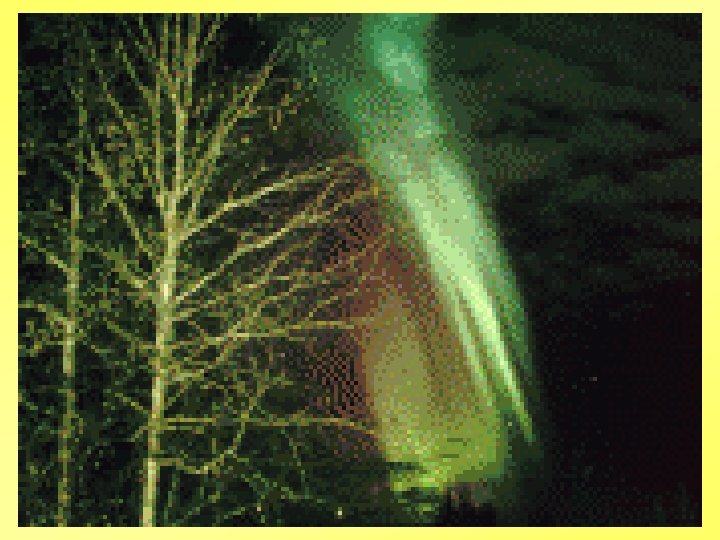
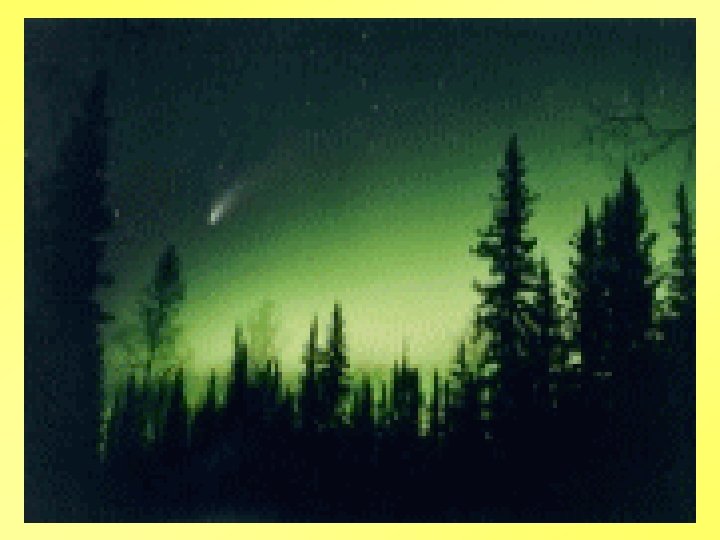
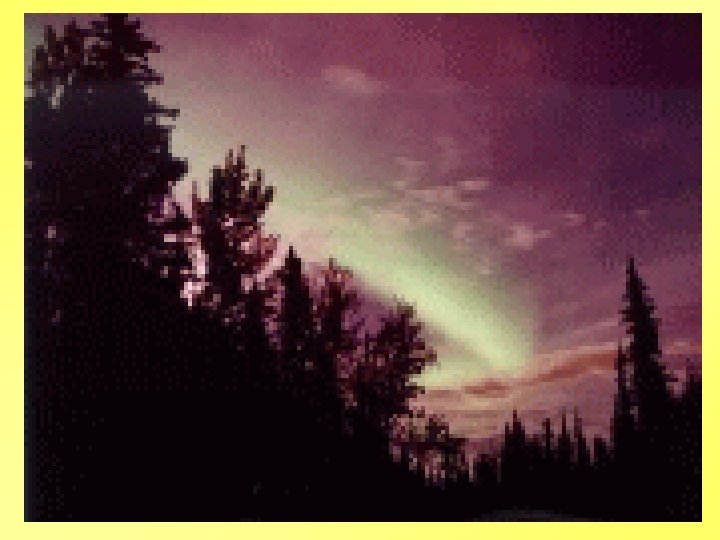
Types of Solar Activity 4. Auroras • caused by solar winds that approach earth • guided by earth’s magnetic poles • depending on the pole where they occur they are either northern or southern lights