
The Structure of Story The Human Enigma Humans
![What is culture? “The sum total of a set of shared beliefs, values, [and]](https://slidetodoc.com/presentation_image_h2/0c51d77f819a2be21703cc0b6c705835/image-14.jpg "What is culture? “The sum total of a set of shared beliefs, values, [and]")
- Slides: 52
The Structure of Story
The Human Enigma
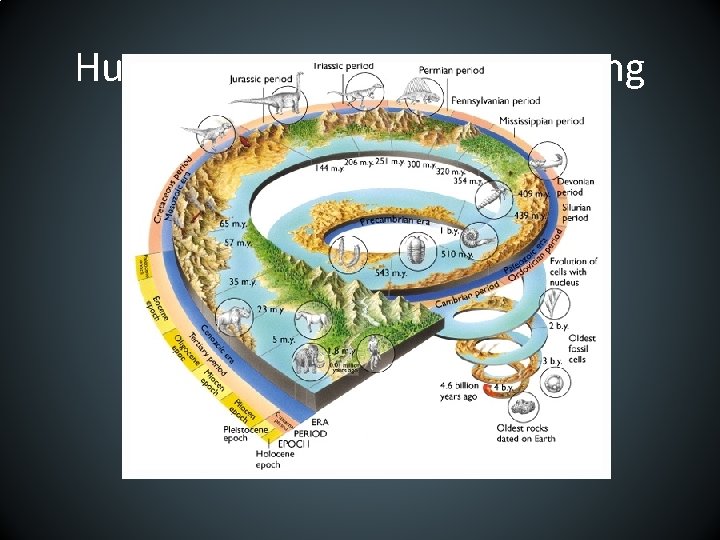
Humans are young—very young
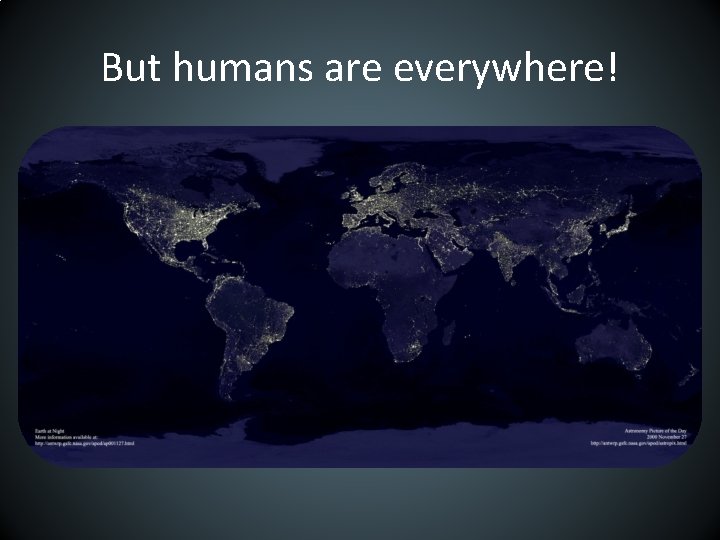
But humans are everywhere!
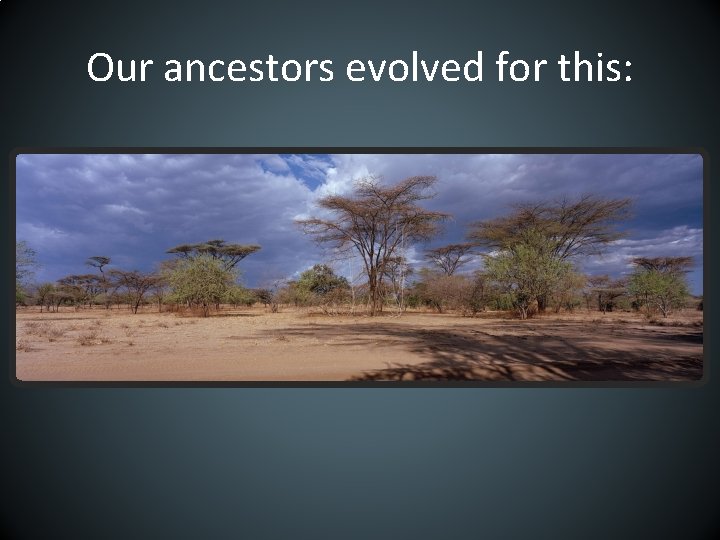
Our ancestors evolved for this:
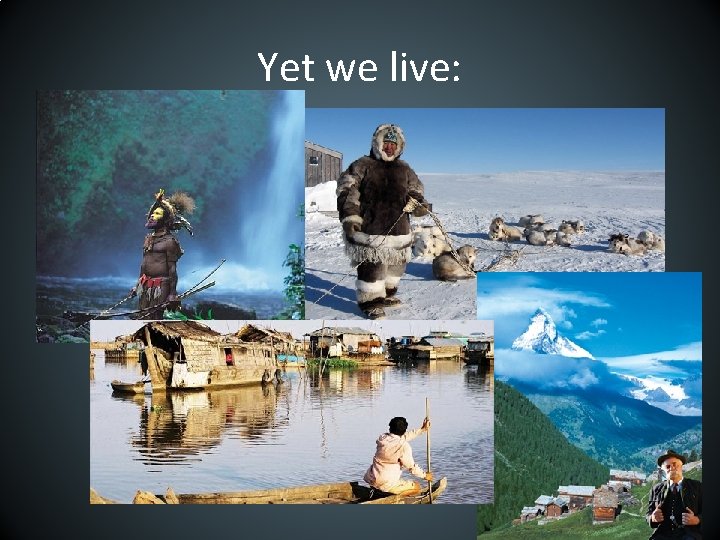
Yet we live:
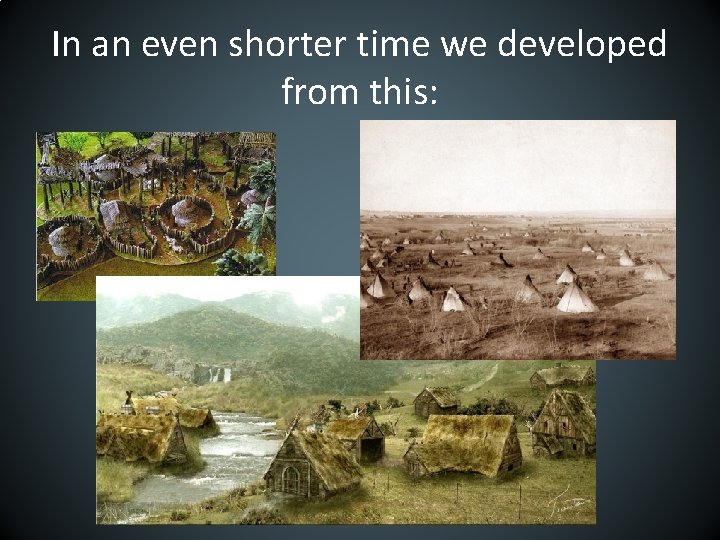
In an even shorter time we developed from this:
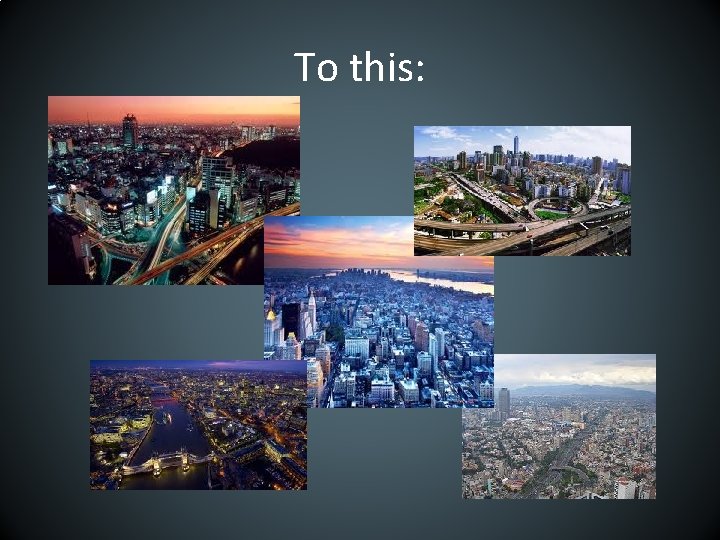
To this:
How can we account for this?
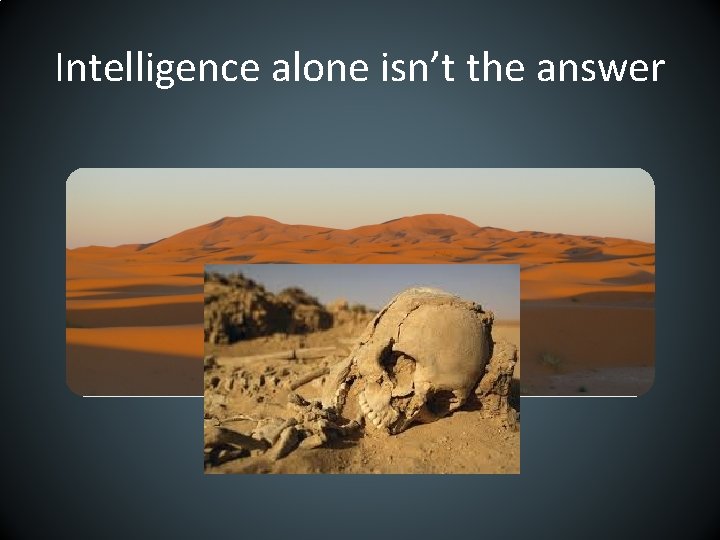
Intelligence alone isn’t the answer
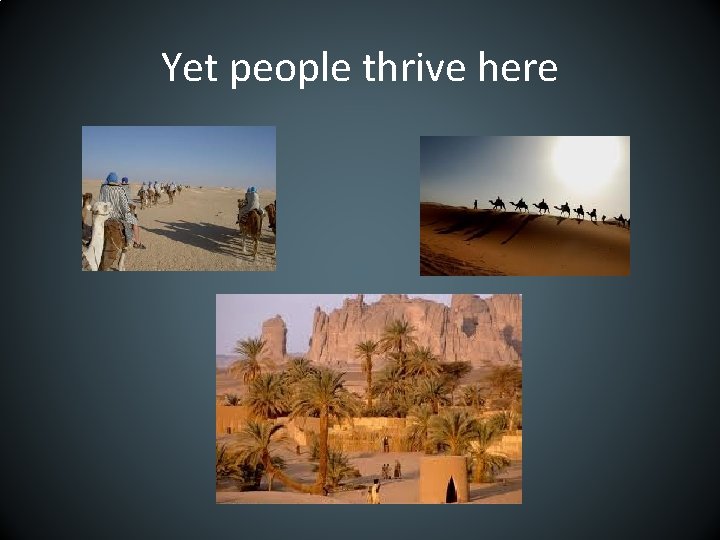
Yet people thrive here
We need something more.
We need culture.
What is culture? “The sum total of a set of shared beliefs, values, [and] practices. ”
What is culture? Non-genetic, non-epigenetic, socially transmitted information
Culture is an inheritance system.
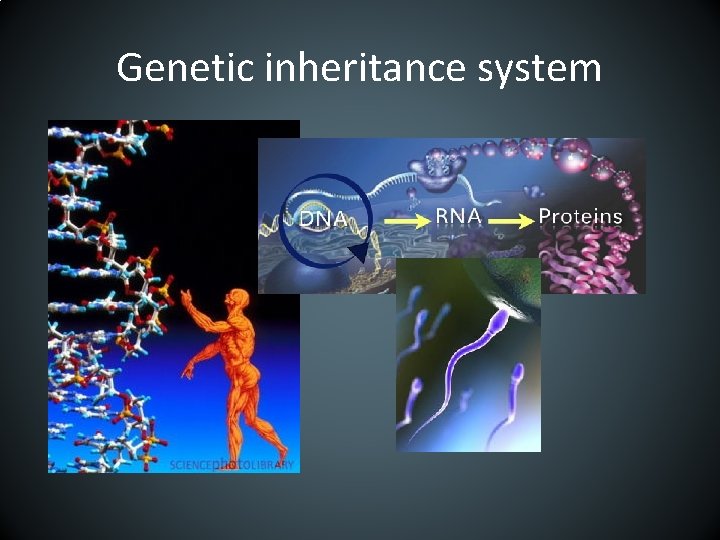
Genetic inheritance system
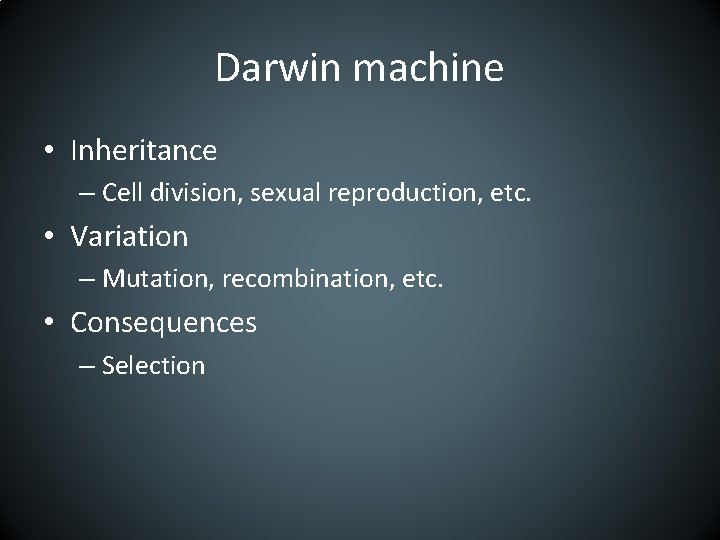
Darwin machine • Inheritance – Cell division, sexual reproduction, etc. • Variation – Mutation, recombination, etc. • Consequences – Selection
Is culture a Darwin machine?
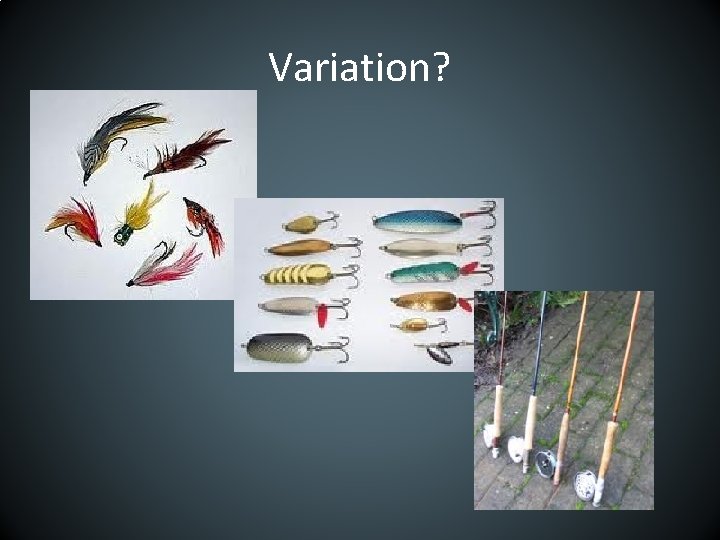
Variation?
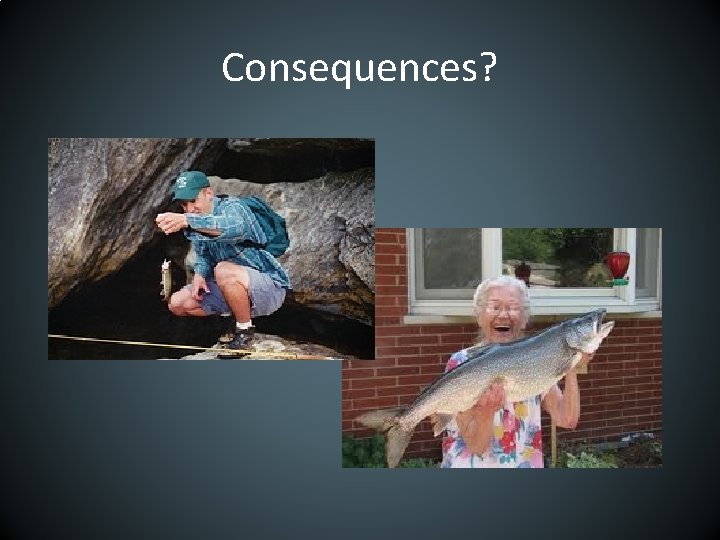
Consequences?
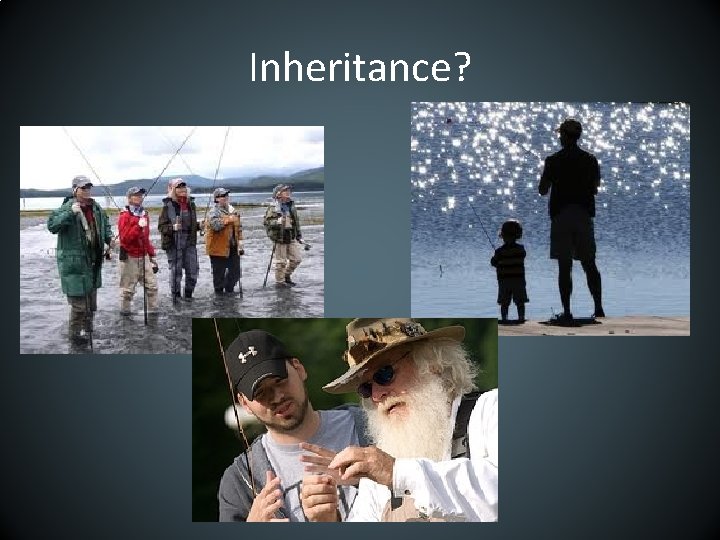
Inheritance?
Genes are not unique.
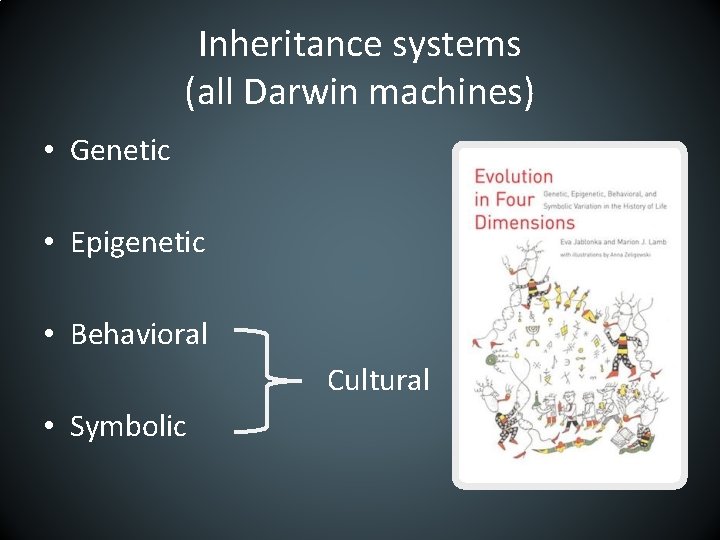
Inheritance systems (all Darwin machines) • Genetic • Epigenetic • Behavioral Cultural • Symbolic
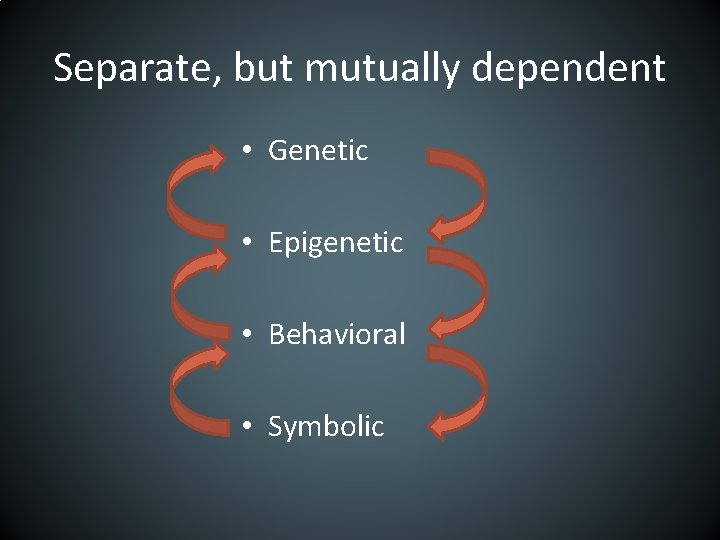
Separate, but mutually dependent • Genetic • Epigenetic • Behavioral • Symbolic
Why should we care?
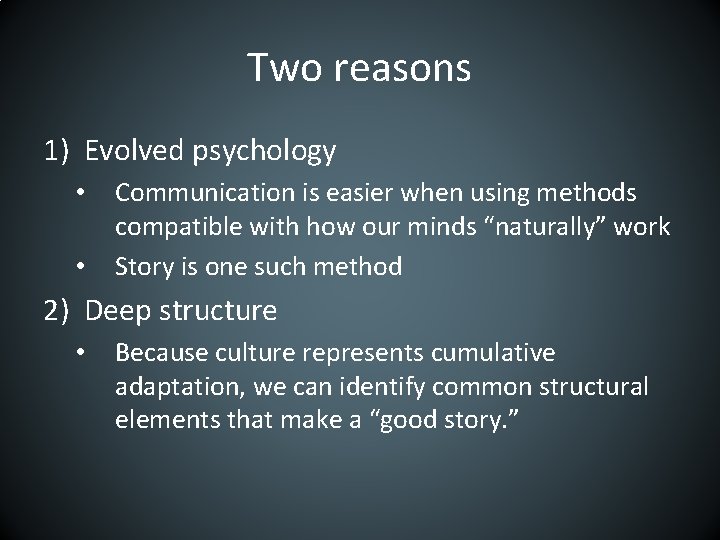
Two reasons 1) Evolved psychology • • Communication is easier when using methods compatible with how our minds “naturally” work Story is one such method 2) Deep structure • Because culture represents cumulative adaptation, we can identify common structural elements that make a “good story. ”
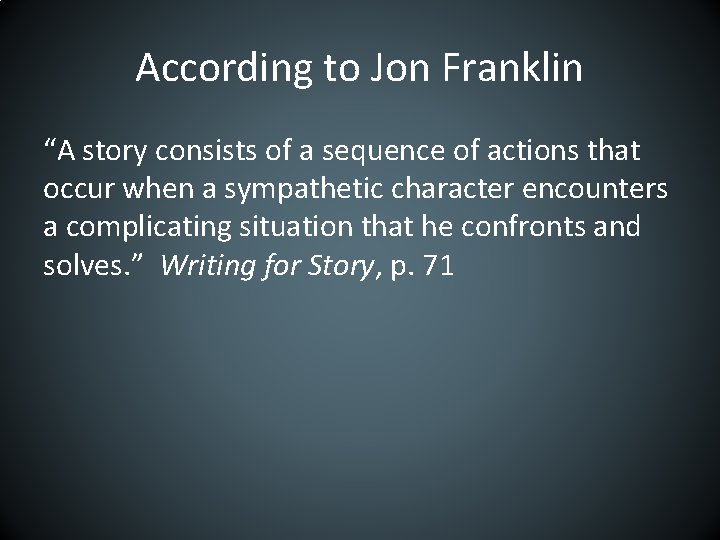
According to Jon Franklin “A story consists of a sequence of actions that occur when a sympathetic character encounters a complicating situation that he confronts and solves. ” Writing for Story, p. 71
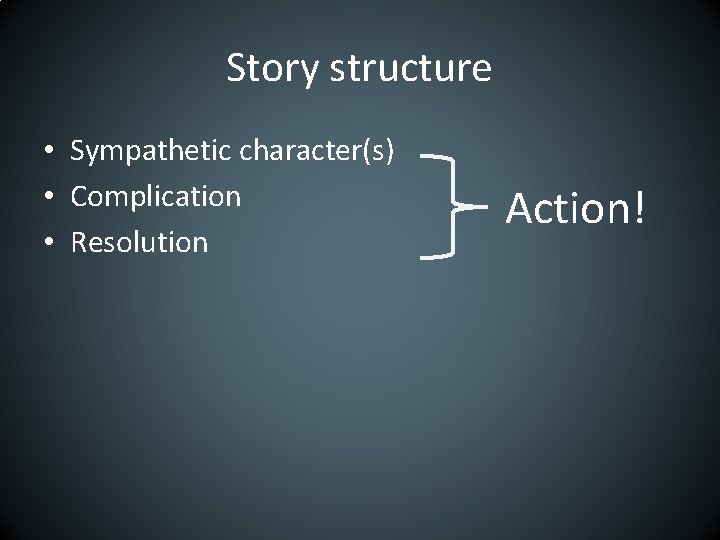
Story structure • Sympathetic character(s) • Complication • Resolution Action!
Complication • Poses problems – Don’t have to be awful • Raise tension or suspense – Only relieved with story’s resolution • External • Internal
What makes a good complication? • Something basic – Hate, love, pain, death, etc. – Taps into basic, evolved psychology • Something significant – Stolen car – Fly on the nose
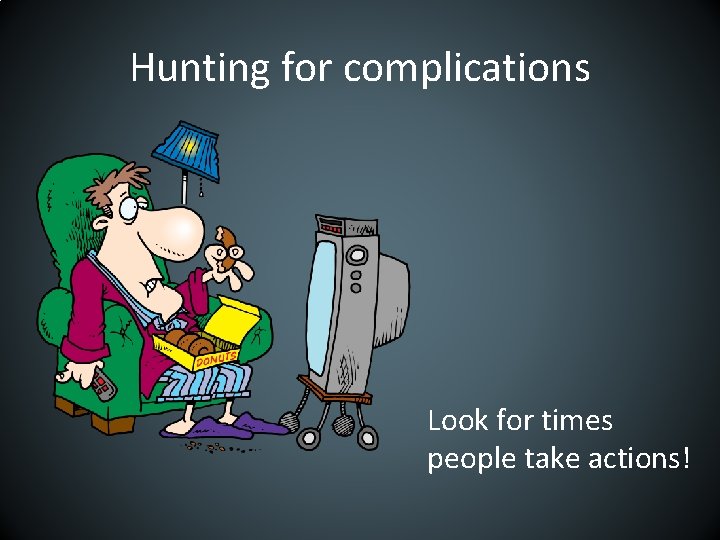
Hunting for complications Look for times people take actions!
Complications can be a great source for story ideas
But be careful!
Not every complication has a resolution!
Every resolution, on the other hand…
Resolution • Any change that resolves the complication • Destroys tension
• Complications without resolutions are useless to the storyteller • Violate our primal need for stories – Why listen to information that doesn’t offer change? – The audience wants to learn something the easy way!
Resolutions are of greatest value when they are constructive
Resolution must come directly from the character’s actions.
Resolution must come directly from the character’s actions!!!
To be powerful, the character’s actions, psychological or physical, should be significant.
Resolution must come directly from the character’s actions!
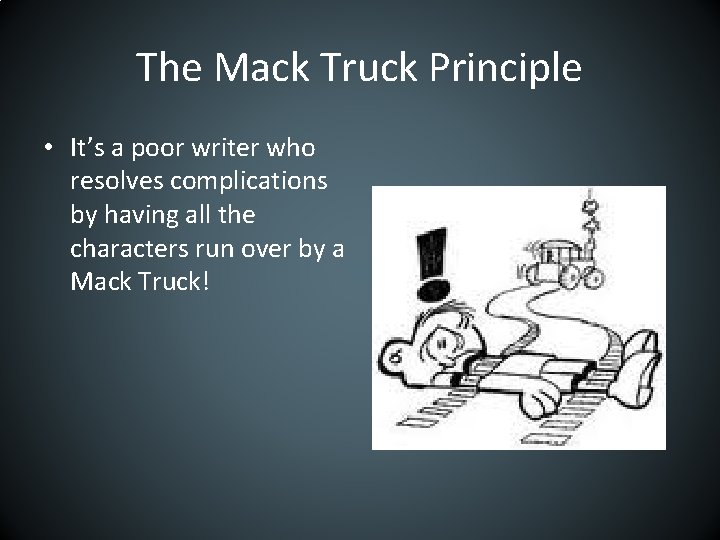
The Mack Truck Principle • It’s a poor writer who resolves complications by having all the characters run over by a Mack Truck!
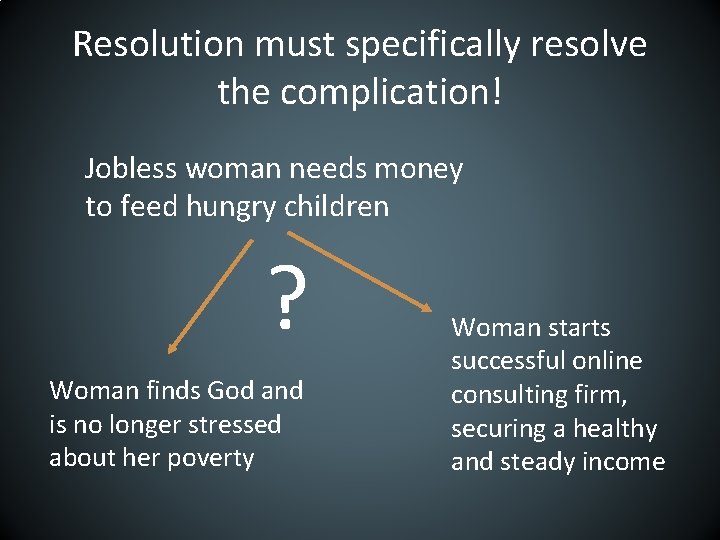
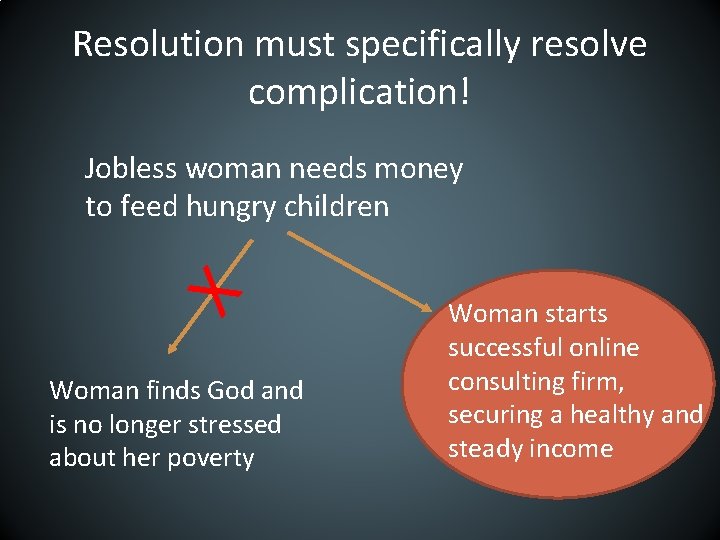
Resolution must specifically resolve the complication! Jobless woman needs money to feed hungry children ? Woman finds God and is no longer stressed about her poverty Woman starts successful online consulting firm, securing a healthy and steady income
Resolution must specifically resolve complication! X Jobless woman needs money to feed hungry children Woman finds God and is no longer stressed about her poverty Woman starts successful online consulting firm, securing a healthy and steady income
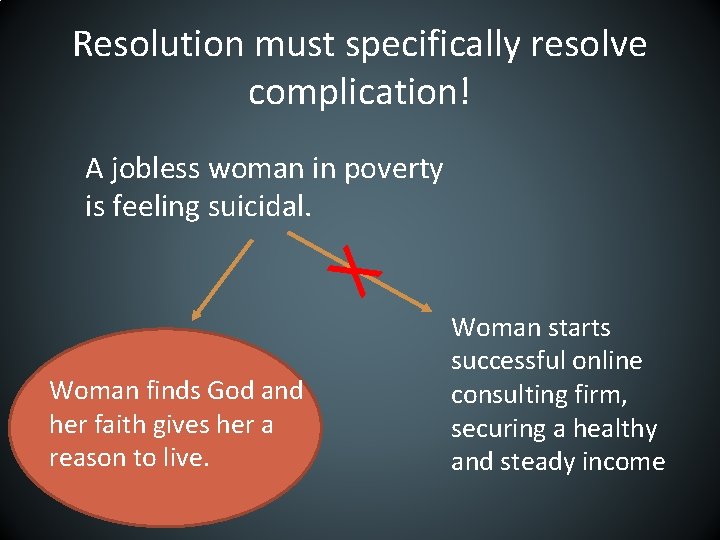
Resolution must specifically resolve complication! X A jobless woman in poverty is feeling suicidal. Woman finds God and her faith gives her a reason to live. Woman starts successful online consulting firm, securing a healthy and steady income
Character • Recall that the complication is basic – The character has to be unique • How your character views the story tells you what details you need to move the story forward. – What does your character do? – Why does your character do it? • Your character should change as a result of the complication and resolution.
When you are the main character: • Chances are you know yourself too well • We’re all multi-faceted characters with myriad interests • Only some of these are useful or relevant
Let actions toward resolution dictate which parts of yourself (or any character) make it into the story.
Let’s practice some of these ideas In groups of 3 -4, identify the character, complication, resolution, and actions toward resolution in “Mrs. Kelly’s Monster. ”
Personal Narratives • Select some story from your past – Complication – Actions – Resolution • • Show don’t tell Write for a general audience Don’t moralize! Not a personal essay!