
The Structure of Argument 2 The Structure of



- Slides: 14
The Structure of Argument (2)
The Structure of Argument (2) • • How to identify premises and conclusions in argument How to identify ambiguous argument structure & hidden assumptions How to write a summary How to distinguish between an argument and an explanation
Ambiguous Argument Structure
Ambiguous Argument Structure When an argument is unclear, look for the most reasonable idea to believe; in other words, give the benefit of the doubt.
Ambiguous Argument Structure Ask yourself: What is the most reasonable conclusion?
For Example
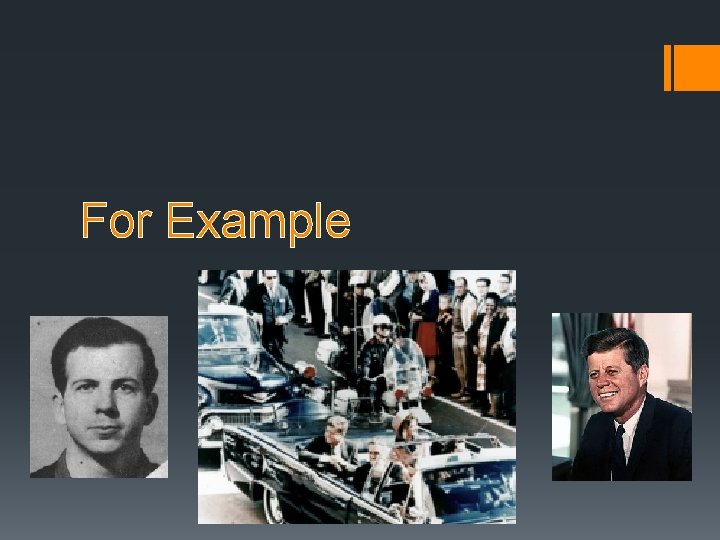
For Example One of these two arguments is probably true. Which is more reasonable? President John F. Kennedy was assassinated by Lee Harvey Oswald, a troubled loner, Communist, and former US Marine. Oswald acted alone, fired all four shots that led to Kennedy’s death, and was himself killed by Jack Ruby, who also acted alone, according to the Warren Commission report of 1964. President John F. Kennedy was assassinated by Lee Harvey Oswald, who fired three of the four shots that led to Kennedy’s death. Oswald was a member of a conspiracy to kill the President, as concluded by an HSCA committee report in 1979. Jack Ruby may have killed Oswald to cover up the conspiracy.
Good times.
Occam’s razor
Occam’s razor “What can be done with fewer assumptions is done in vain with more. ” —William of Occam, some 14 th-century Euro-dude
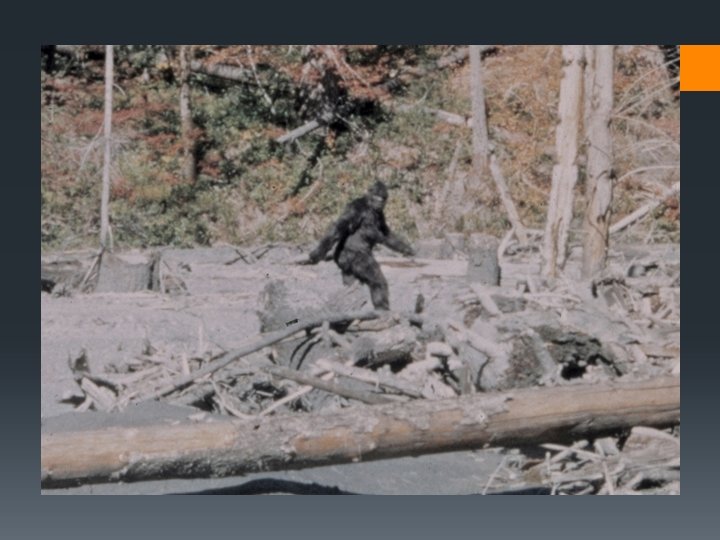
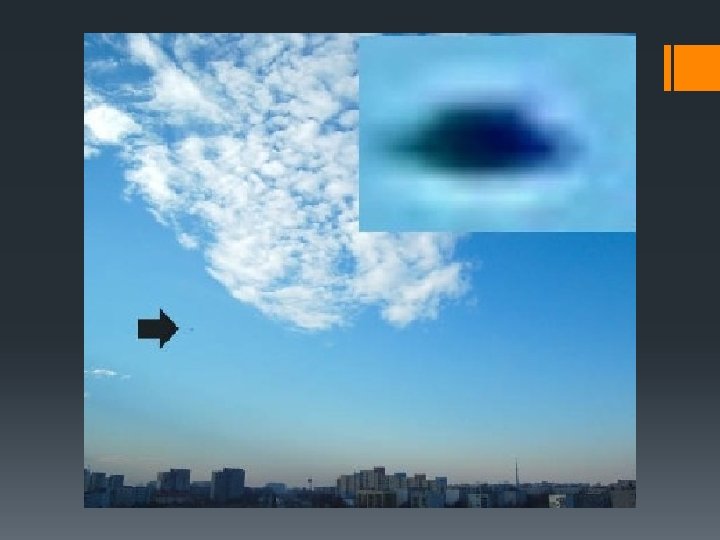
Occam’s razor Medicine follows this principle: “…you should strive to come up with the simplest possible explanation for the phenomena you observe. In medicine, that means we try to find a single diagnosis to explain all that we see in a patient. Occam’s razor, it’s called—the art of shaving the diagnosis to the simplest, most elegant solution. —Dr. Lisa Sanders, New York Times Magazine
Occam’s razor
Occam’s razor
Occam’s razor