
The Structure and Function of Cells l Cell
- Slides: 25
The Structure and Function of Cells l. Cell Theory l. Organelles l. Cell Diversity
The Cell Theory 3 Parts –All organisms are made up of one or more cells –All cells carry out life processes –All cells arise from pre-existing cells
Who is Responsible for this cell theory? ? A whole bunch of dead scientists…. . – Anton Von Leeuwenhoek – Robert Hooke – Matthais Schleiden – Theodor Schwann – Carolis Linnaeus
The Parts of a Cell (organelles)
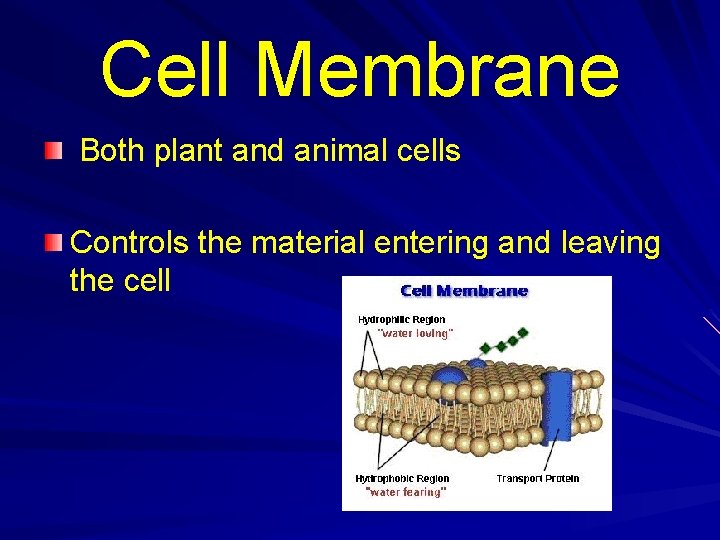
Cell Membrane Both plant and animal cells Controls the material entering and leaving the cell
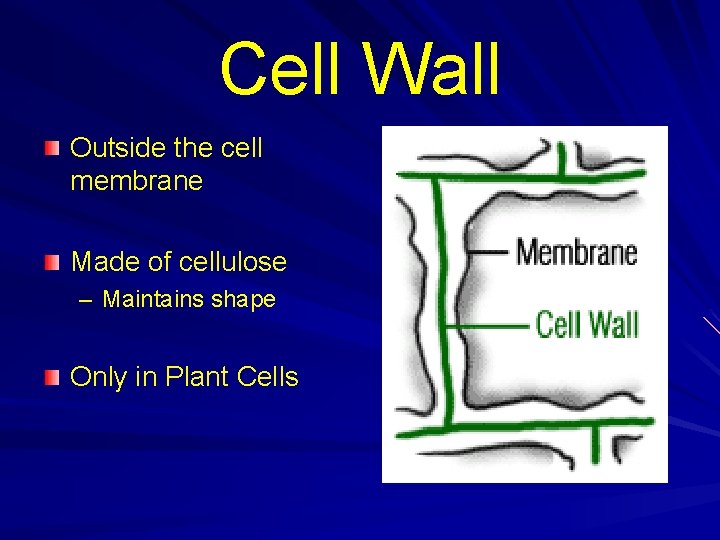
Cell Wall Outside the cell membrane Made of cellulose – Maintains shape Only in Plant Cells
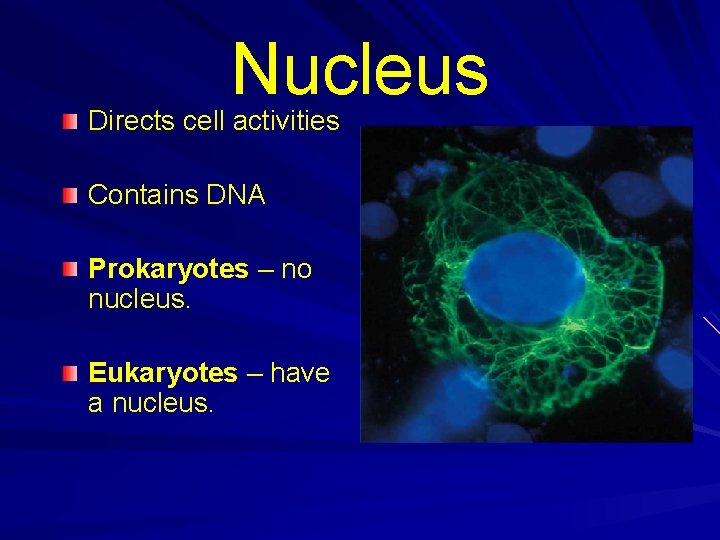
Nucleus Directs cell activities Contains DNA Prokaryotes – no nucleus. Eukaryotes – have a nucleus.
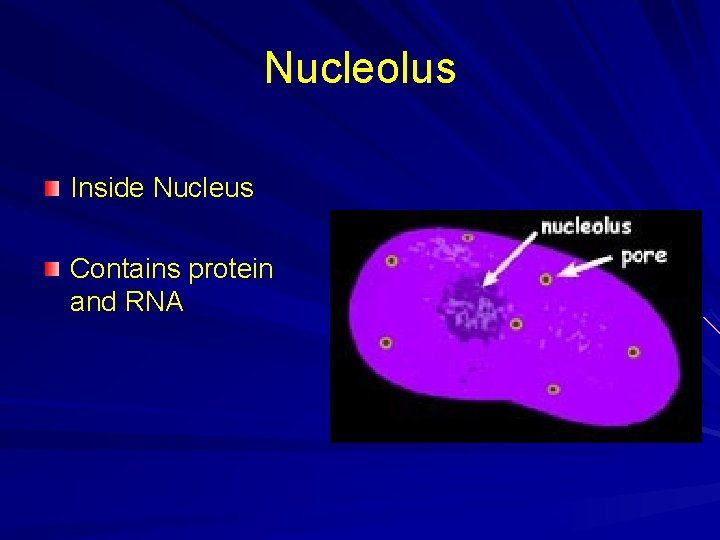
Nucleolus Inside Nucleus Contains protein and RNA
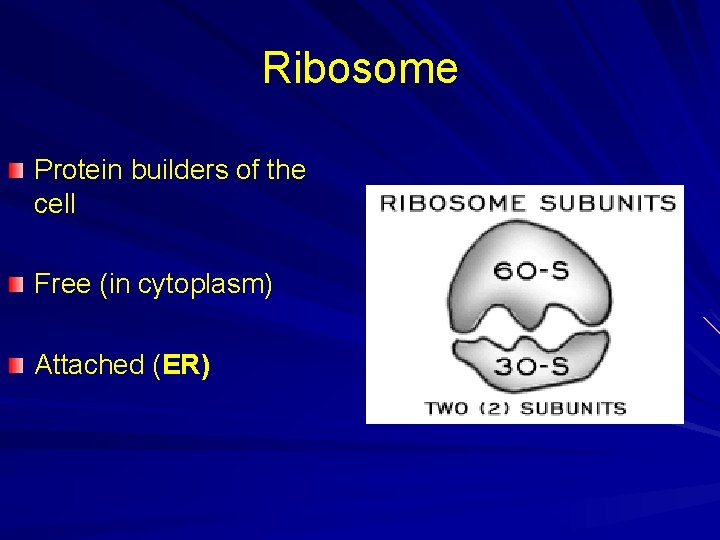
Ribosome Protein builders of the cell Free (in cytoplasm) Attached (ER)
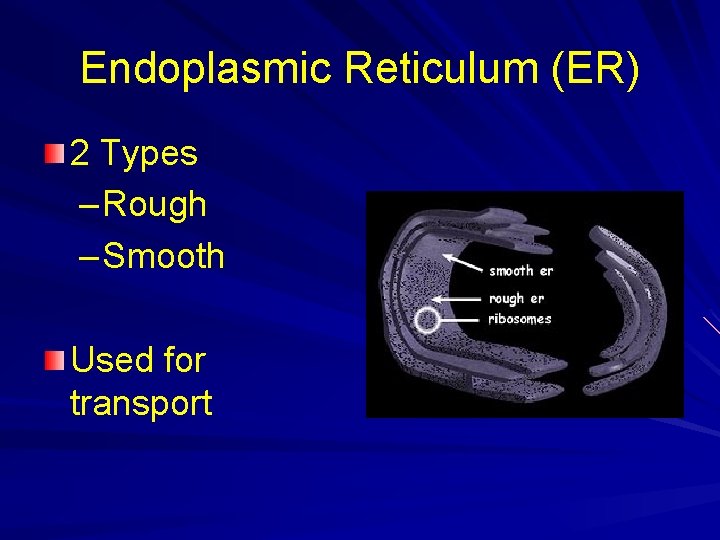
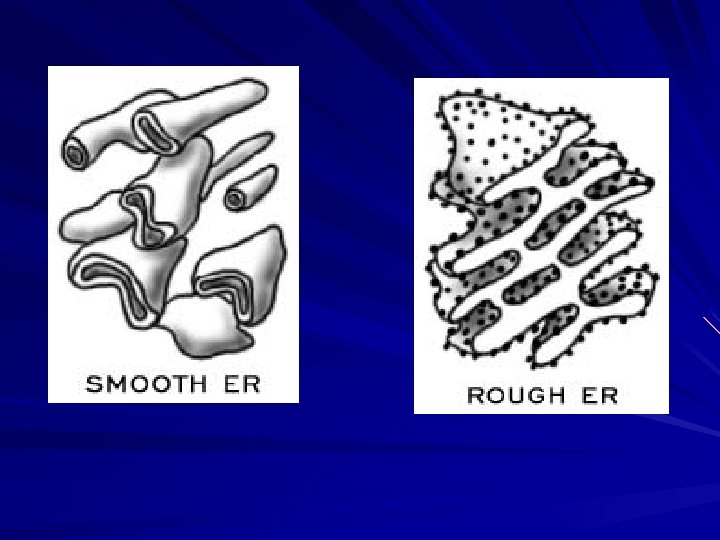
Endoplasmic Reticulum (ER) 2 Types – Rough – Smooth Used for transport
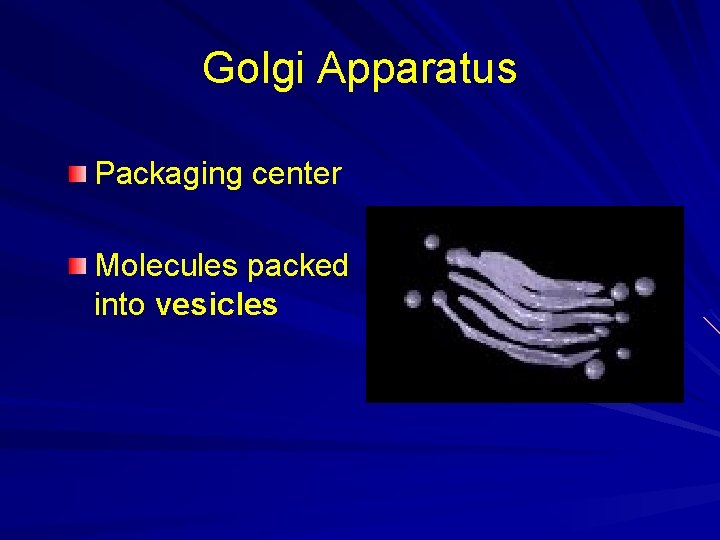
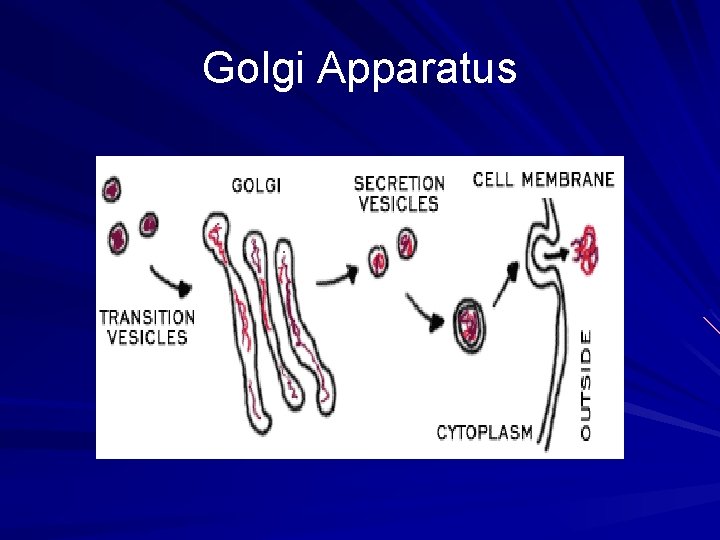
Golgi Apparatus Packaging center Molecules packed into vesicles
Golgi Apparatus
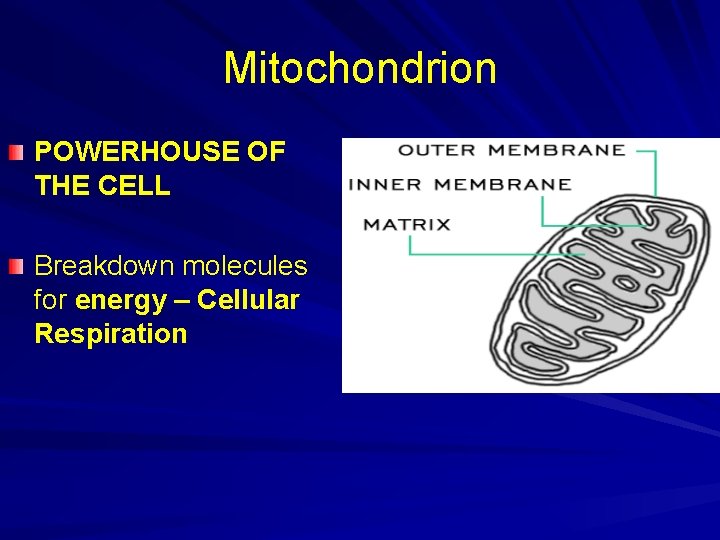
Mitochondrion POWERHOUSE OF THE CELL Breakdown molecules for energy – Cellular Respiration
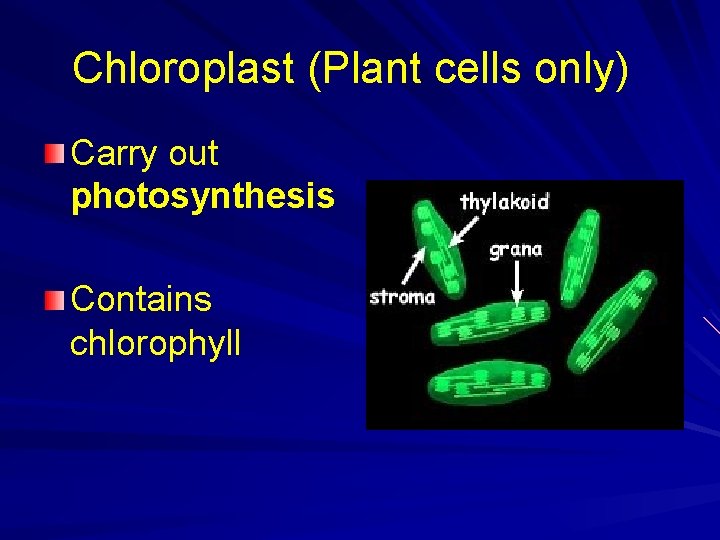
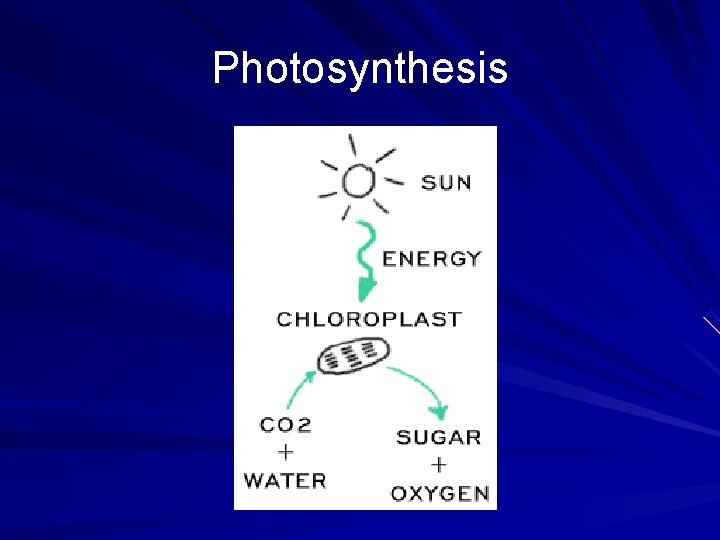
Chloroplast (Plant cells only) Carry out photosynthesis Contains chlorophyll
Photosynthesis
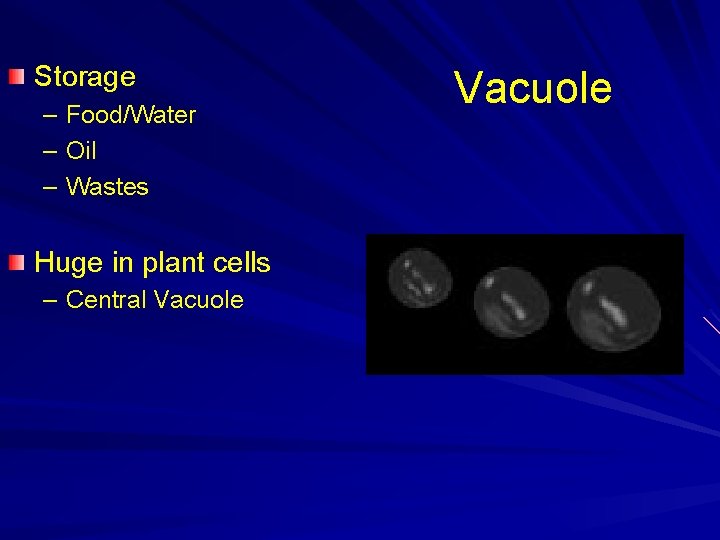
Storage – Food/Water – Oil – Wastes Huge in plant cells – Central Vacuole
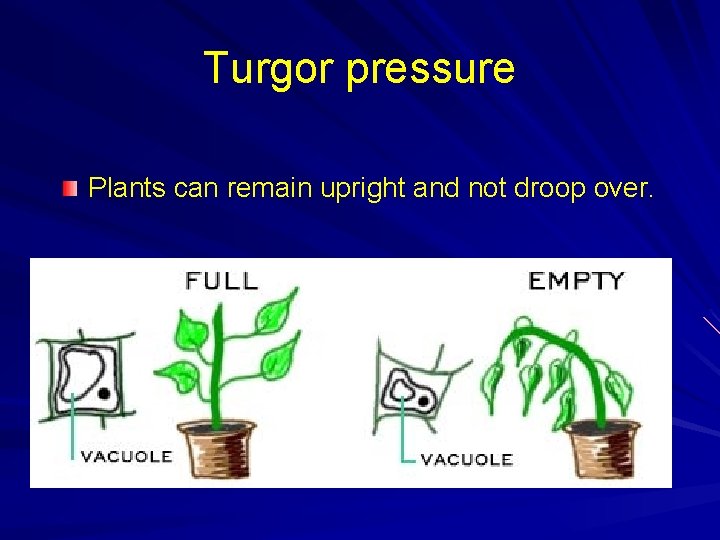
Turgor pressure Plants can remain upright and not droop over.
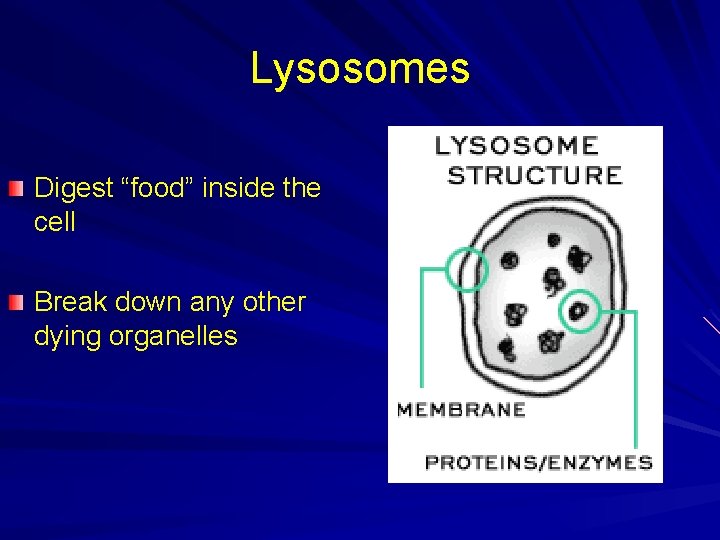
Lysosomes Digest “food” inside the cell Break down any other dying organelles
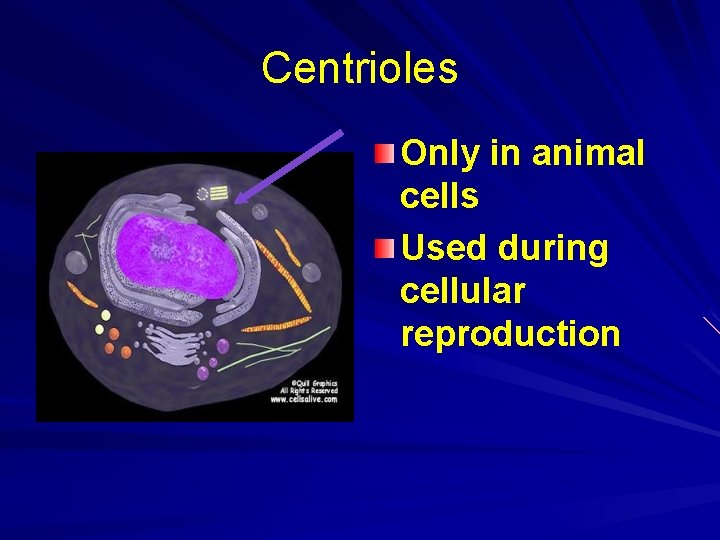
Centrioles Only in animal cells Used during cellular reproduction
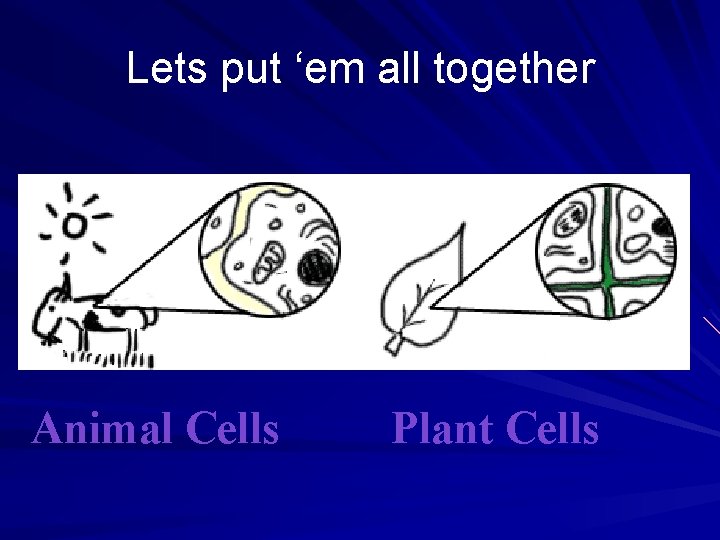
Lets put ‘em all together Animal Cells Plant Cells
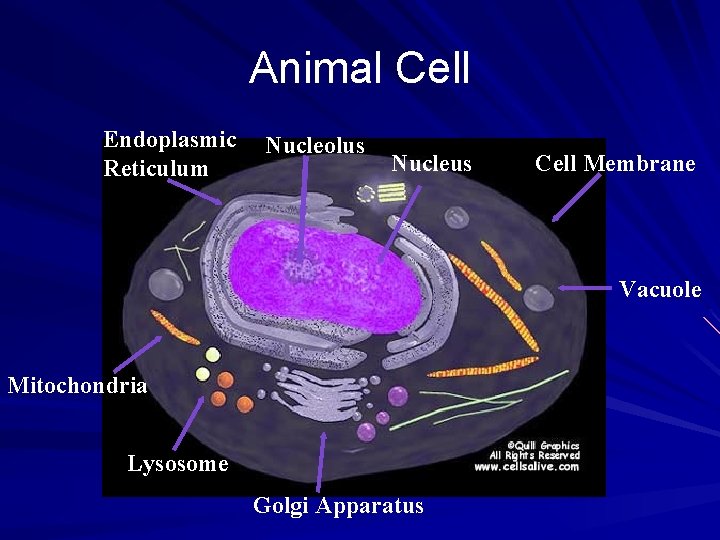
Animal Cell Endoplasmic Reticulum Nucleolus Nucleus Cell Membrane Vacuole Mitochondria Lysosome Golgi Apparatus
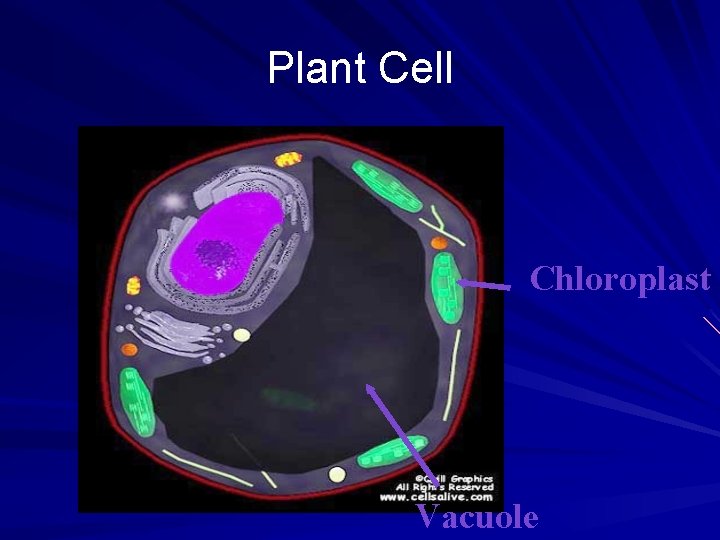
Plant Cell Chloroplast Vacuole
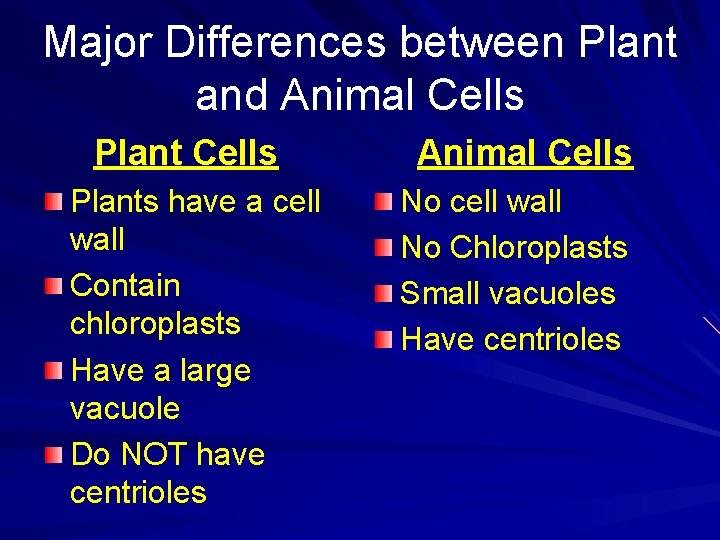
Major Differences between Plant and Animal Cells Plants have a cell wall Contain chloroplasts Have a large vacuole Do NOT have centrioles Animal Cells No cell wall No Chloroplasts Small vacuoles Have centrioles
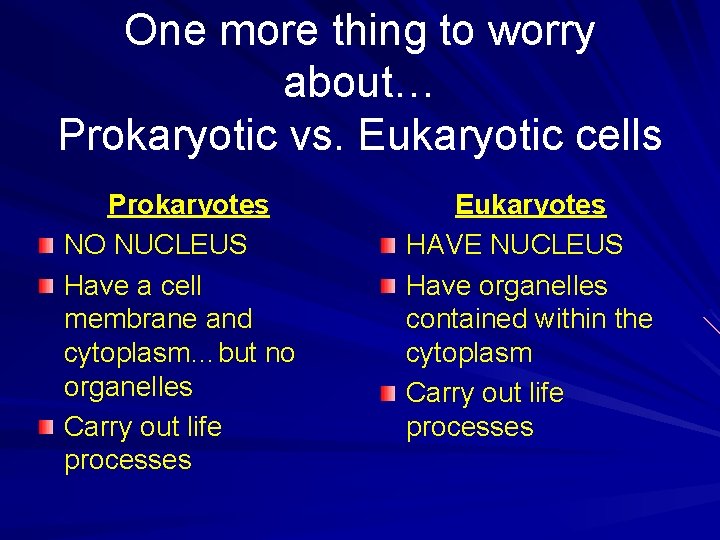
One more thing to worry about… Prokaryotic vs. Eukaryotic cells Prokaryotes NO NUCLEUS Have a cell membrane and cytoplasm…but no organelles Carry out life processes Eukaryotes HAVE NUCLEUS Have organelles contained within the cytoplasm Carry out life processes