
The Star Life Cycle Integrated Science What is



- Slides: 29
The Star Life Cycle Integrated Science
What is a star? • A mass of gas and plasma that is held together by its own gravity and uses chemical reactions to make its own light.
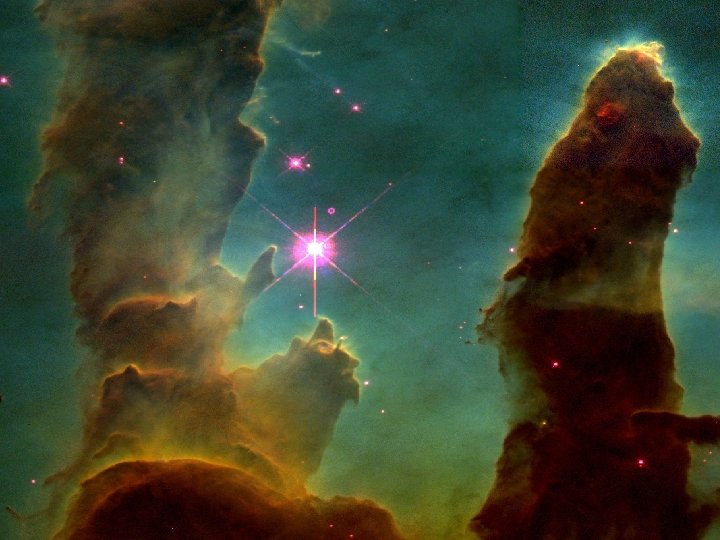
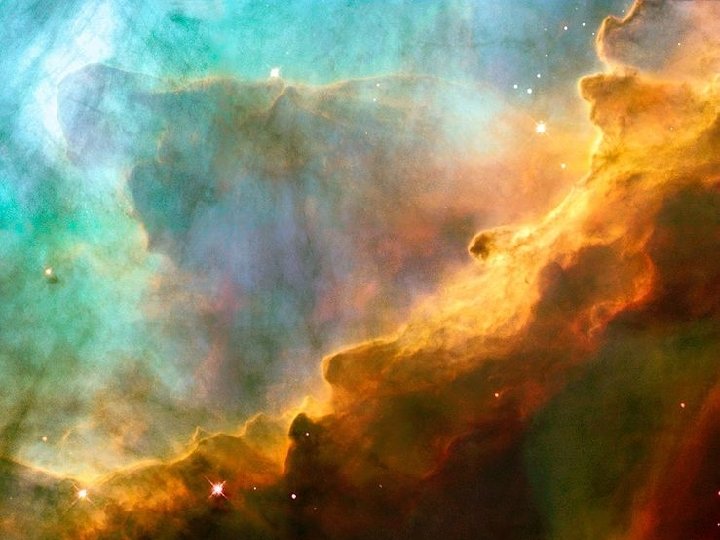
Where do stars come from? • Stars form from Nebulas. – Nebula • A cloud of dust, hydrogen, helium, and plasma. • A star forming region. • May be the source of planets and other bodies in space.
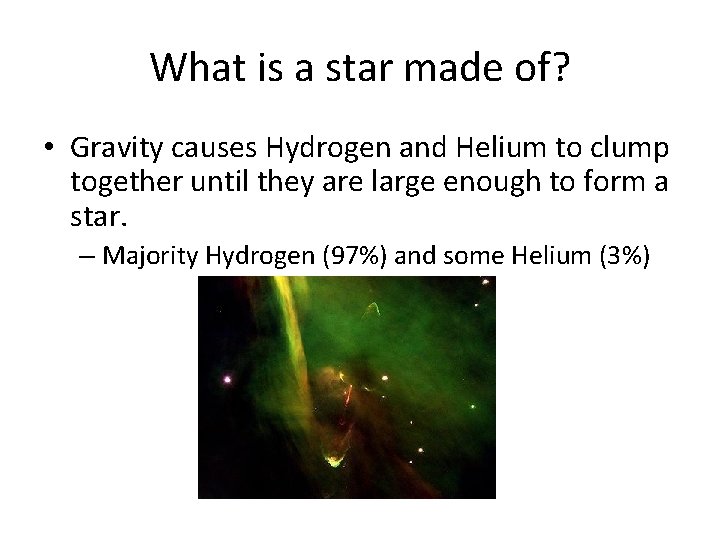
What is a star made of? • Gravity causes Hydrogen and Helium to clump together until they are large enough to form a star. – Majority Hydrogen (97%) and some Helium (3%)
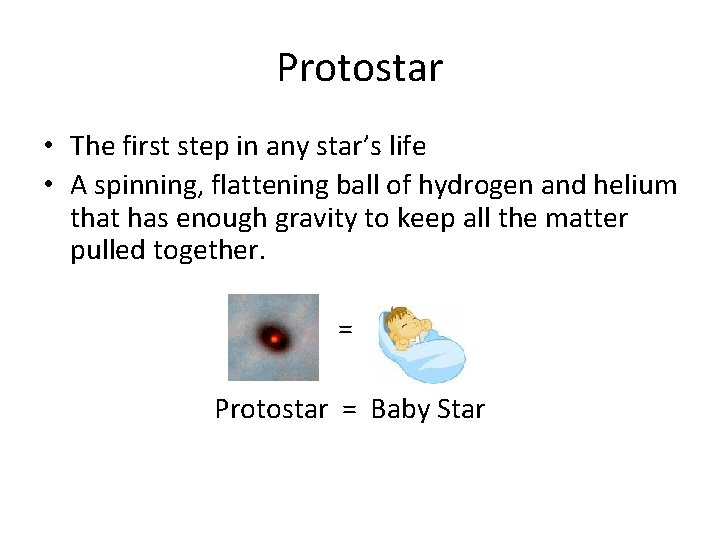
Protostar • The first step in any star’s life • A spinning, flattening ball of hydrogen and helium that has enough gravity to keep all the matter pulled together. = Protostar = Baby Star
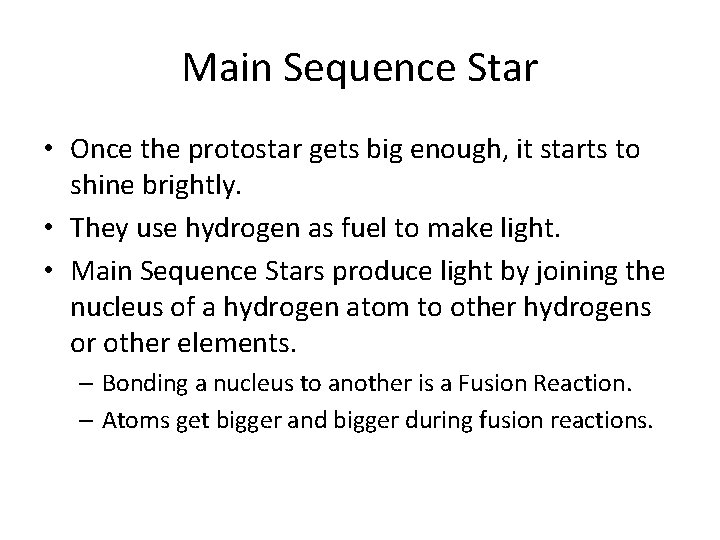
Main Sequence Star • Once the protostar gets big enough, it starts to shine brightly. • They use hydrogen as fuel to make light. • Main Sequence Stars produce light by joining the nucleus of a hydrogen atom to other hydrogens or other elements. – Bonding a nucleus to another is a Fusion Reaction. – Atoms get bigger and bigger during fusion reactions.
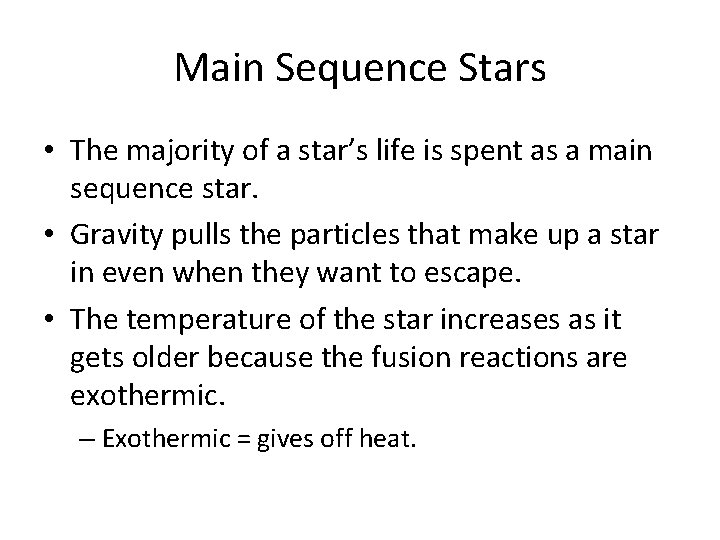
Main Sequence Stars • The majority of a star’s life is spent as a main sequence star. • Gravity pulls the particles that make up a star in even when they want to escape. • The temperature of the star increases as it gets older because the fusion reactions are exothermic. – Exothermic = gives off heat.
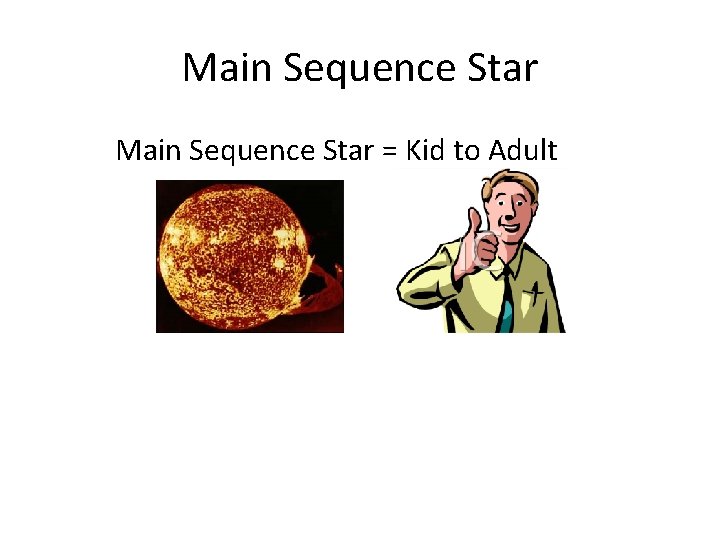
Main Sequence Star = Kid to Adult
Main Sequence Stars • When stars run out of hydrogen they leave the “main sequence” part of their life cycle. • With the hydrogen gone, all stars will start to use helium as fuel. • The star begins to heat up and expand when helium is burned.
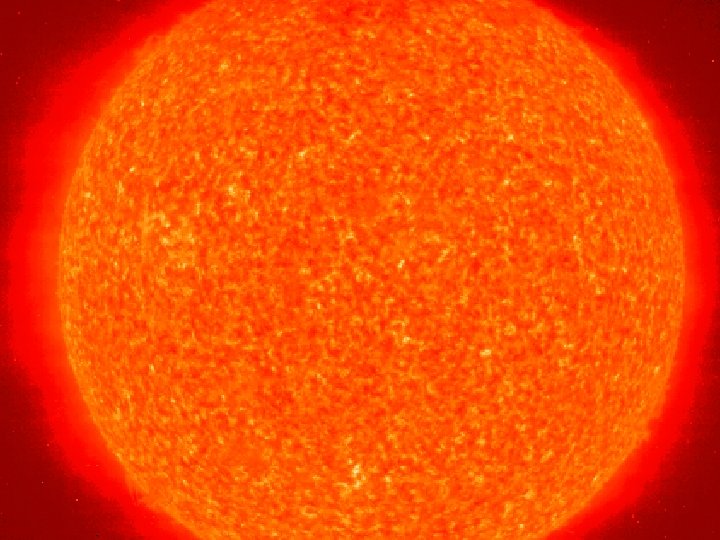
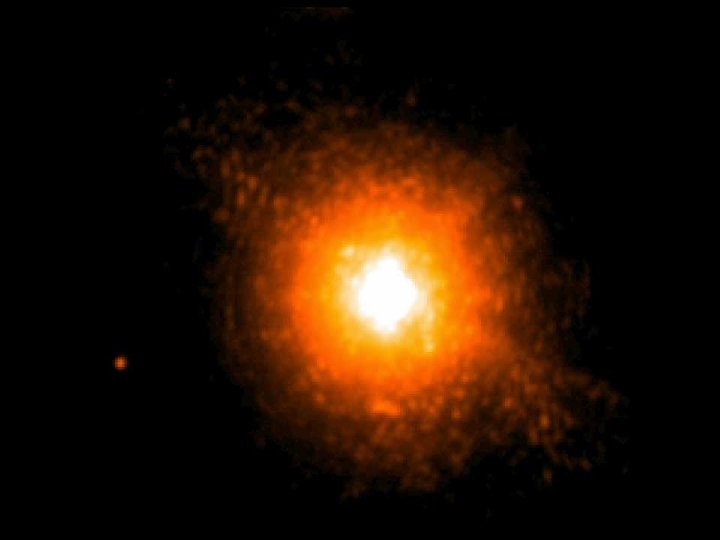
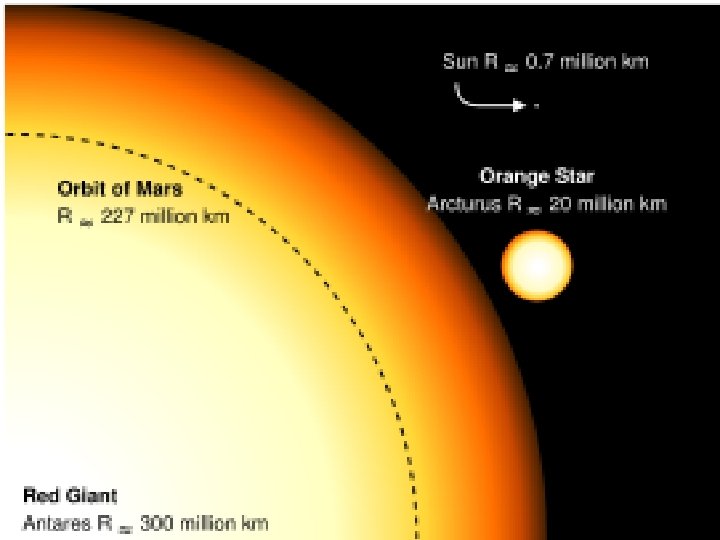
Red Giants • Red Giants use helium as fuel. – Helium is fused together to make carbon. • They are much larger and cooler than main sequence stars. • Becoming a Red Giant is the first step in star death.
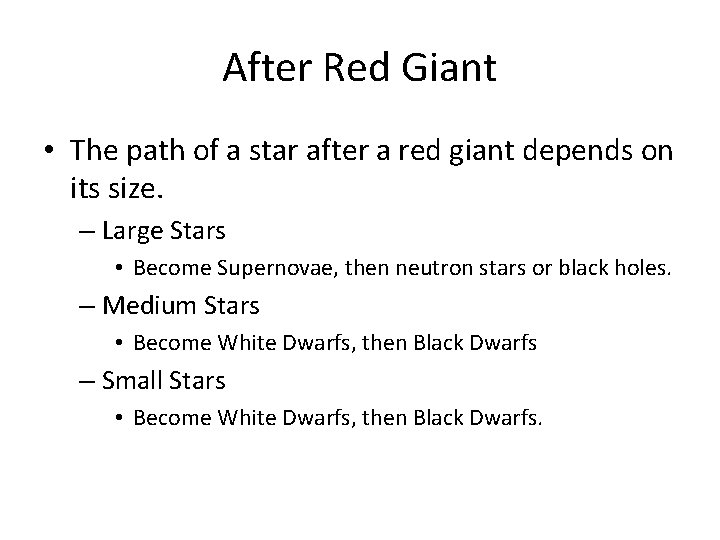
After Red Giant • The path of a star after a red giant depends on its size. – Large Stars • Become Supernovae, then neutron stars or black holes. – Medium Stars • Become White Dwarfs, then Black Dwarfs – Small Stars • Become White Dwarfs, then Black Dwarfs.
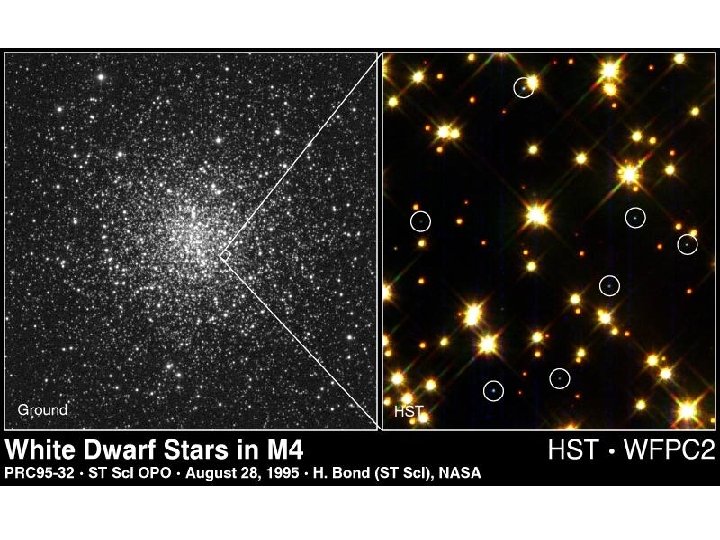
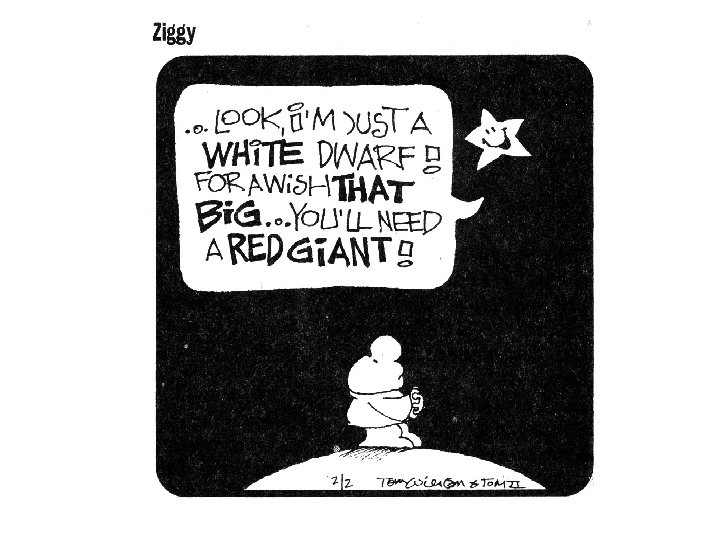
Small and Medium Stars • Once all the Helium is gone they shrink and become very small, very dense white dwarf stars. • Most White Dwarfs are about the size of Earth. • One spoonful of a white dwarf star would weigh several tons!
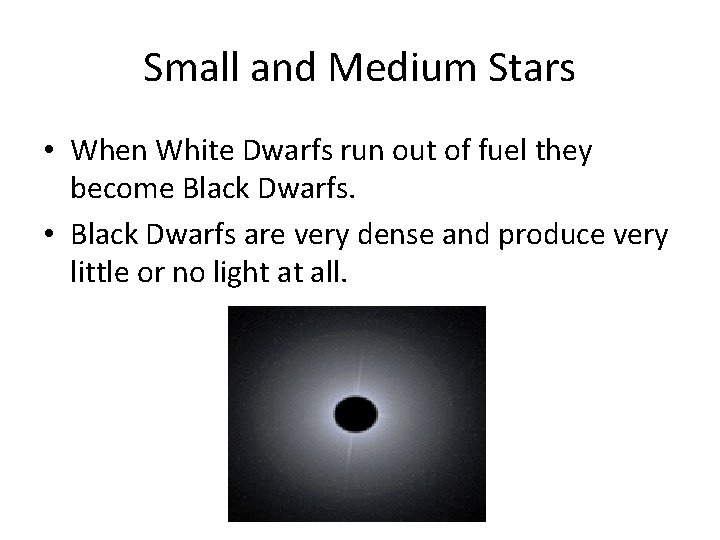
Small and Medium Stars • When White Dwarfs run out of fuel they become Black Dwarfs. • Black Dwarfs are very dense and produce very little or no light at all.
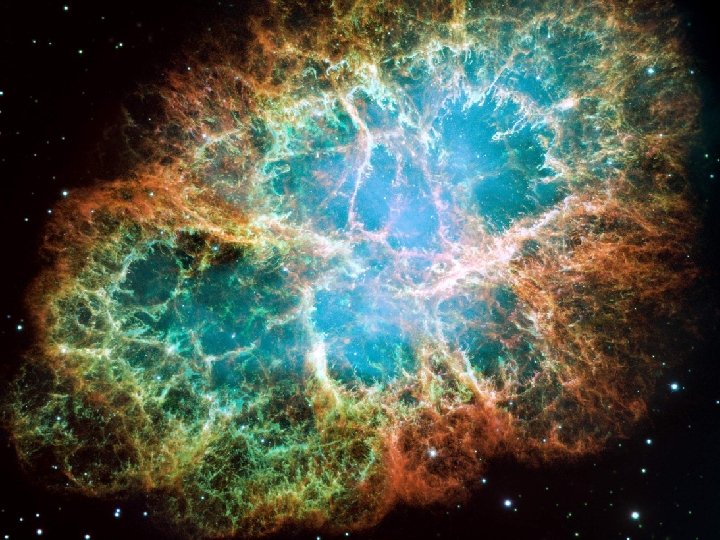
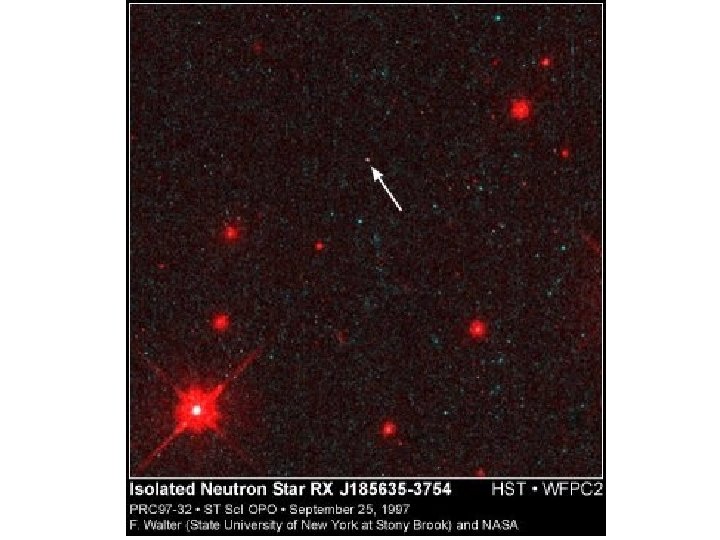
Large Stars • Large Stars can explode in an explosion called a supernova. • Supernova explosions happen when the protons get too close to each other. – They begin to repel like magnets of the same charge would • What is left after the supernova explosion is called a neutron star.
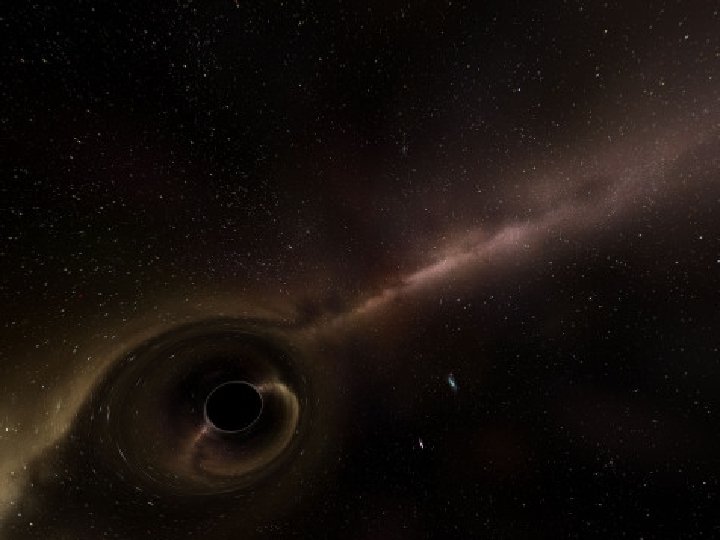
Large Stars • If the explosion is large enough, a neutron star does not form and a black hole forms instead. • Black holes are stars that have collapsed on themselves • Black holes are so dense and have such a strong gravitational force that light can’t even escape from them. • Anything that falls into a black hole is crushed.