
The Southern Colonies Plantations and Slavery The Plantation




- Slides: 19
The Southern Colonies: Plantations and Slavery
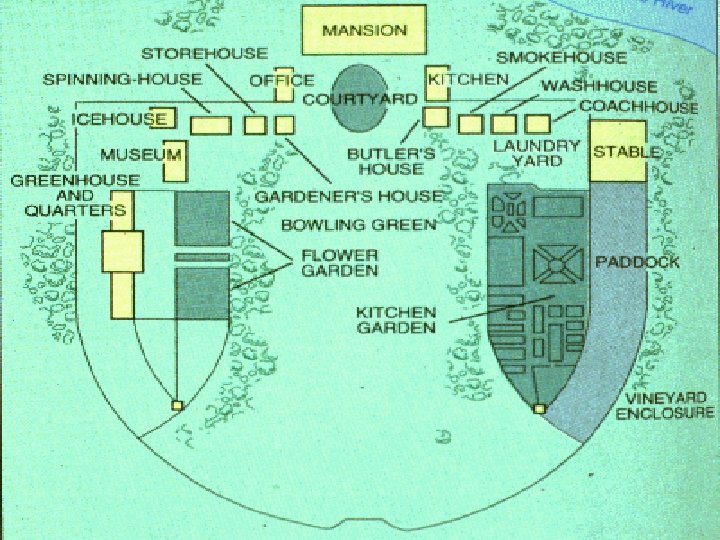
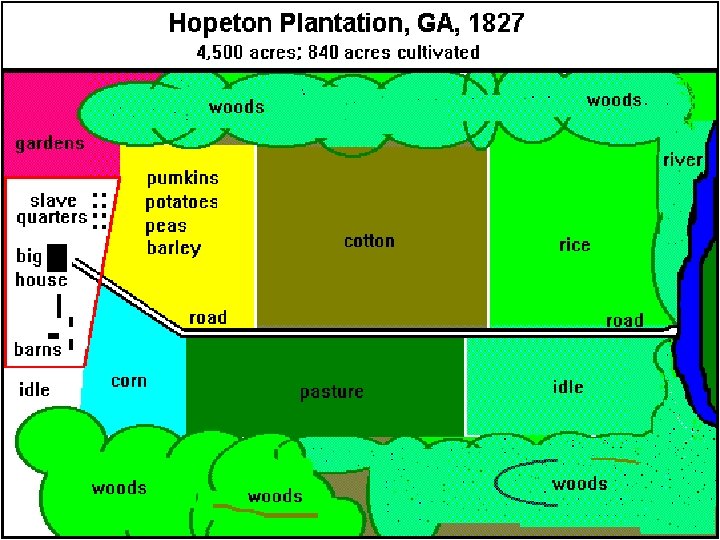
The Plantation Economy • Characteristics of Plantation • Almost year round growing season • Cash crops – Rice – tobacco – indigo – Labor intensive • Near waterways – easy to transport crops • Self-sufficient = few large cities
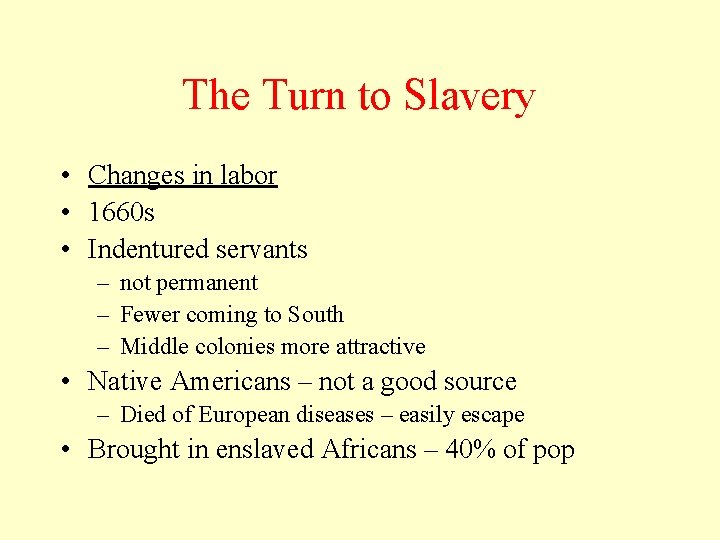
The Turn to Slavery • Changes in labor • 1660 s • Indentured servants – not permanent – Fewer coming to South – Middle colonies more attractive • Native Americans – not a good source – Died of European diseases – easily escape • Brought in enslaved Africans – 40% of pop
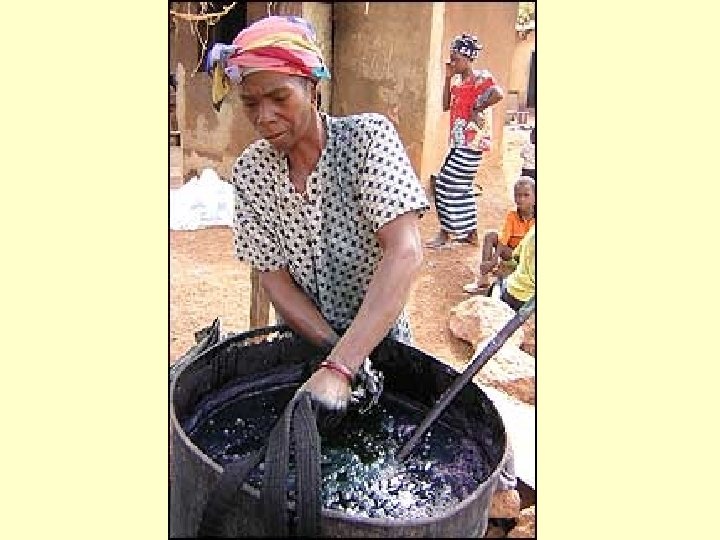
Plantations Expand • Slavery allows plantations to grow • Drain swamps - new land for crops • Rice – Labor intensive – requires skill – Slaves from West Africa – rice region • Indigo – Eliza Lucas introduced it South Carolina – Plant gives a blue dye
The Planter Class • Economics & Political Power • More slaves working = produce more crops – Planter class becomes wealthy • Small landowners cannot compete – Sell land & move west • Planter Class gain political & economic power
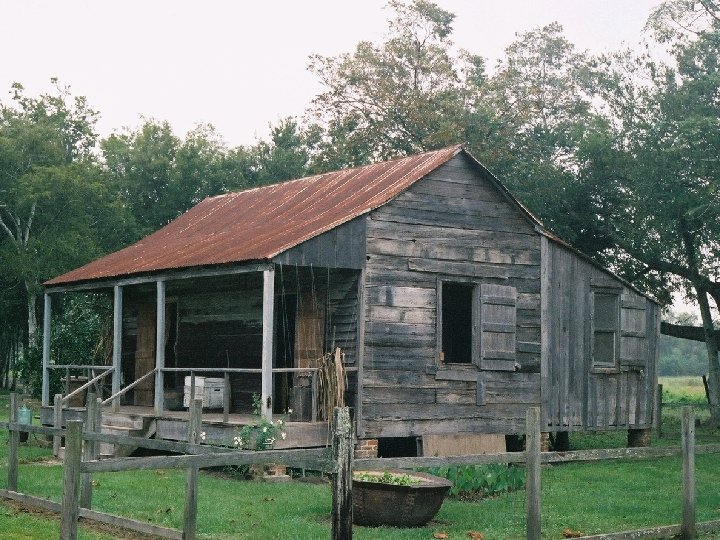
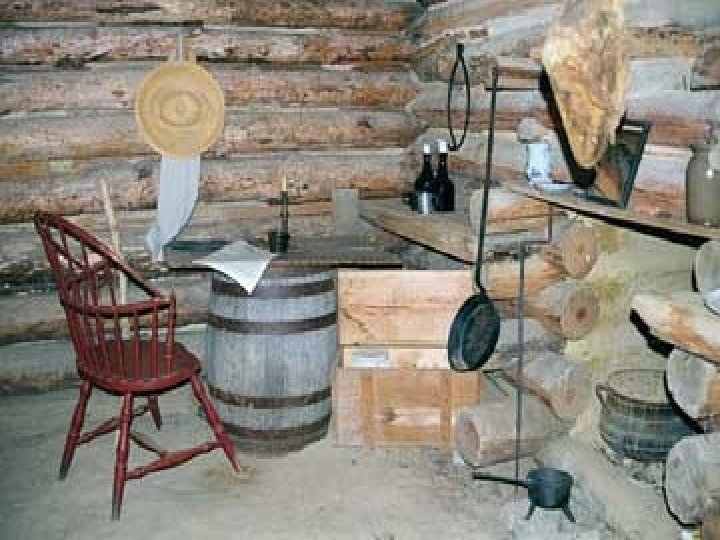
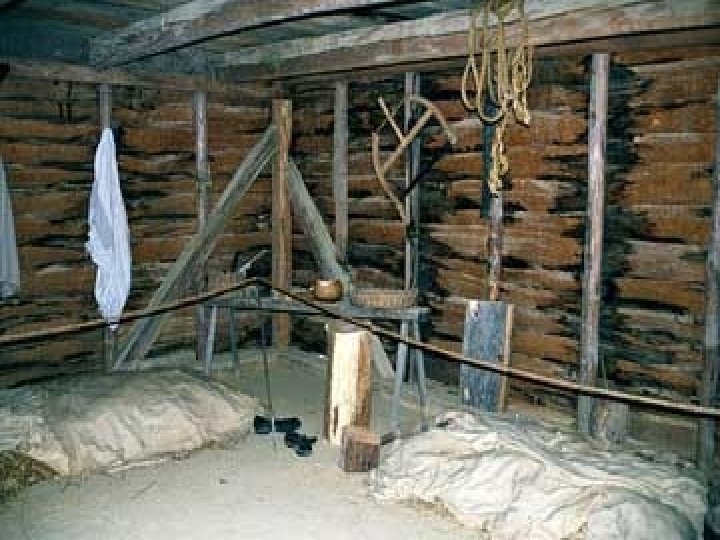
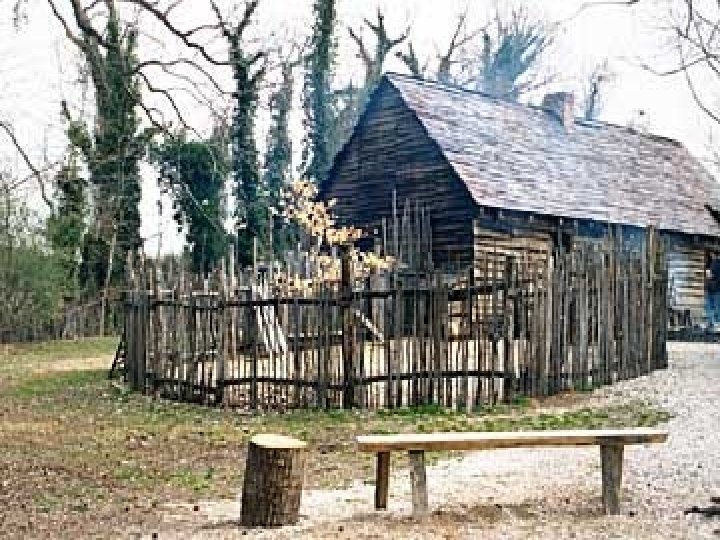
Life Under Slavery • • • Conditions & Treatment Supervised by an overseer Work 15 hours a day Whipped for wrong doings Lived small one-room cabins – Sometimes had a garden
Life Under Slavery • Conditions & Treatment • Unique culture develops – Music – dance – stories - spirituals – African – American culture • Combination of Anglo & African culture • Christianity – Helps slaves endure
Resistance to Slavery • Ways of resisting • Work slow – damage goods – purposely do things wrong • Rebellion – Stono Rebellion – 1730 • • Slaves capture weapons Kill white planters March to Spanish Florida Caught and executed
Resistance to Slavery • Result of Stono Rebellion – Slave codes • Forbidden to leave plantation w/out a pass • Slaves cannot gather in large groups • Illegal to teach slaves to read & write