
The Skeletal System The Fetal Skull The fetal
- Slides: 19
The Skeletal System
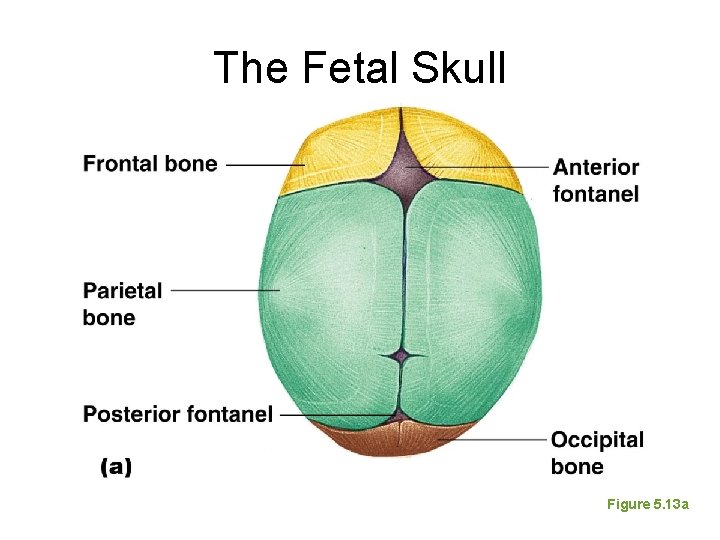
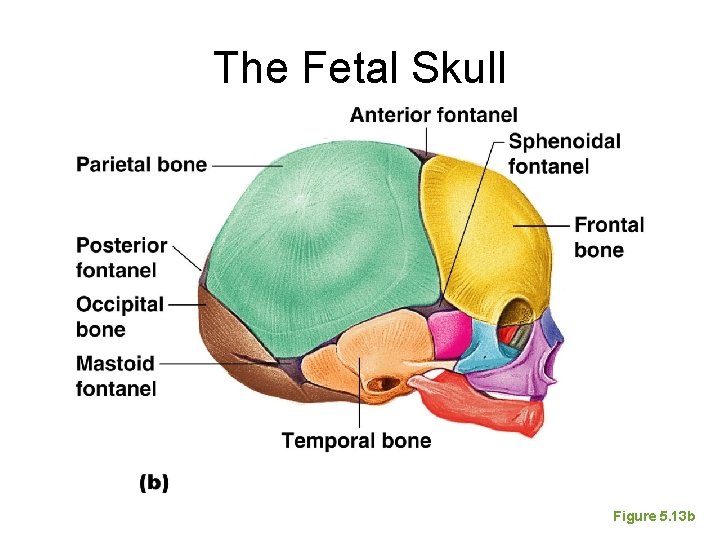
The Fetal Skull • The fetal skull is large compared to the infant’s total body length • Fontanels—fibrous membranes connecting the cranial bones – Allow the brain to grow – Convert to bone within 24 months after birth
The Fetal Skull Figure 5. 13 a
The Fetal Skull Figure 5. 13 b
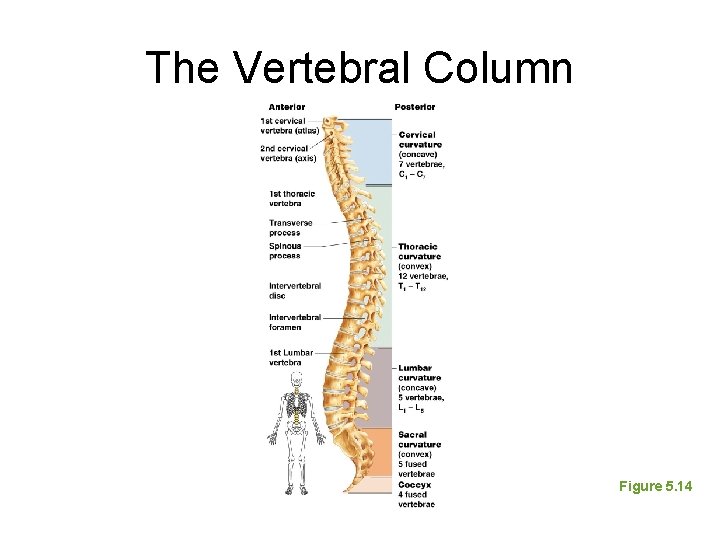
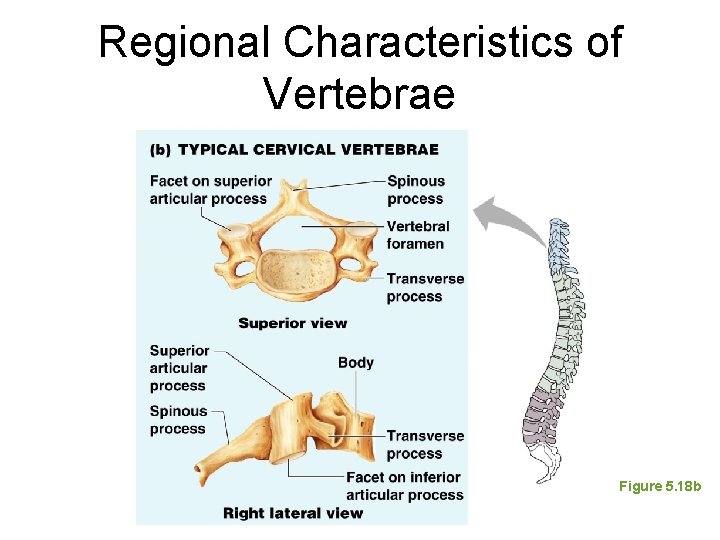
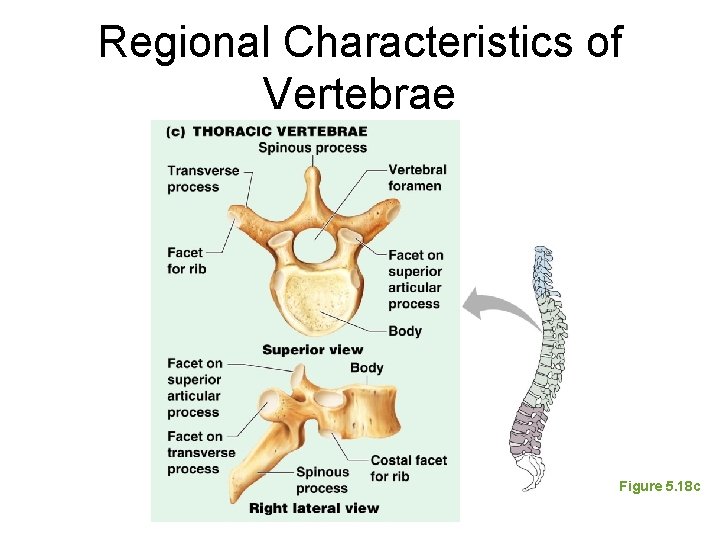
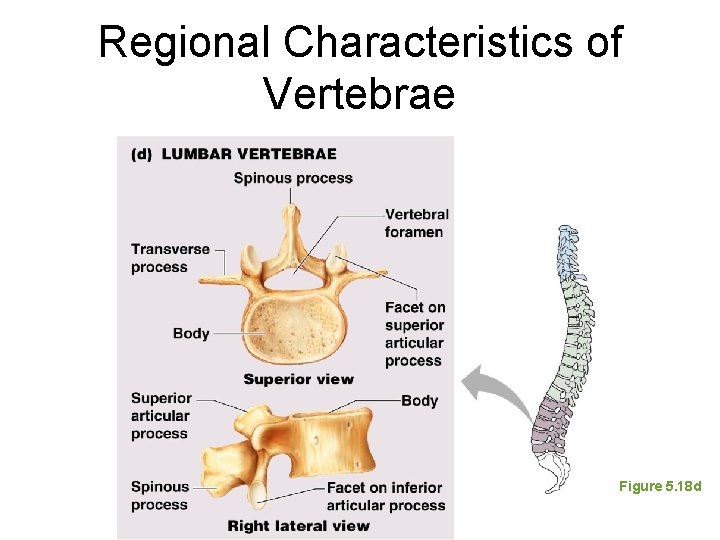
The Vertebral Column • Each vertebrae is given a name according to its location – There are 24 single vertebral bones separated by intervertebral discs • Seven cervical vertebrae are in the neck • Twelve thoracic vertebrae are in the chest region • Five lumbar vertebrae are associated with the lower back
The Vertebral Column • Nine vertebrae fuse to form two composite bones – Sacrum – Coccyx
The Vertebral Column Figure 5. 14
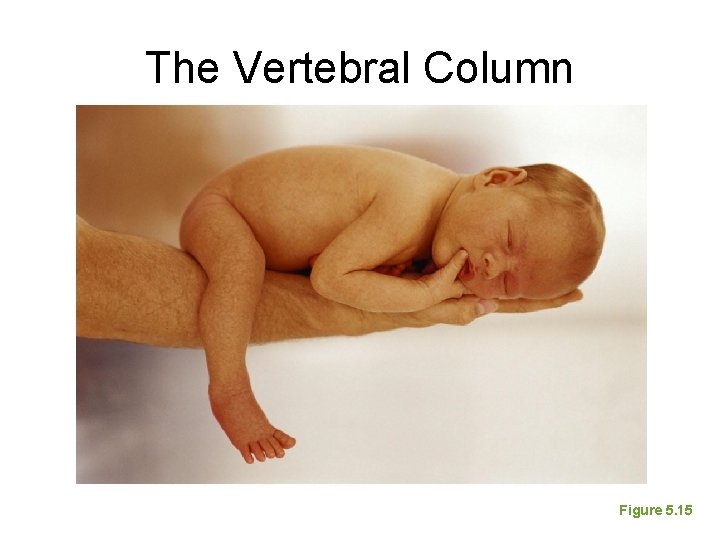
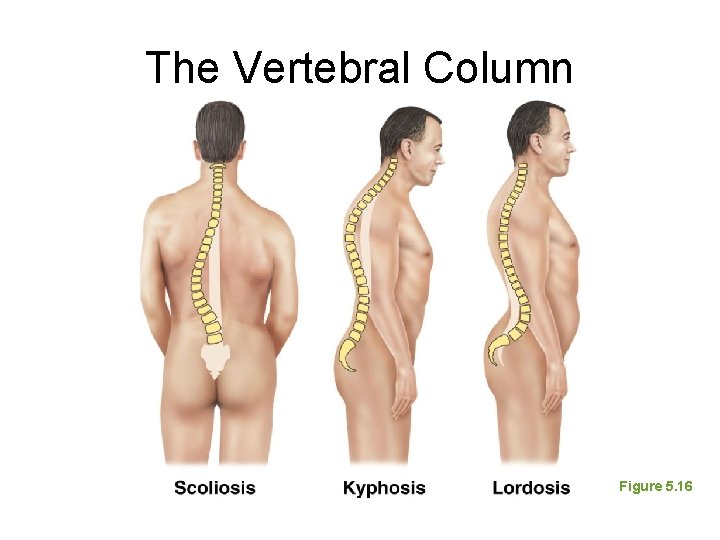
The Vertebral Column • The spine has a normal curvature – Primary curvatures are the spinal curvatures of the thoracic and sacral regions • Present from birth – Secondary curvatures are the spinal curvatures of the cervical and lumbar regions • Develop after birth
The Vertebral Column Figure 5. 15
The Vertebral Column Figure 5. 16
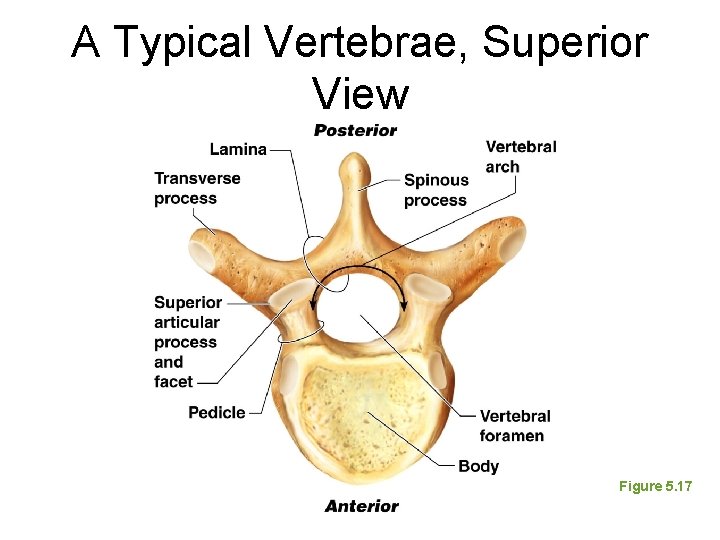
A Typical Vertebrae, Superior View Figure 5. 17
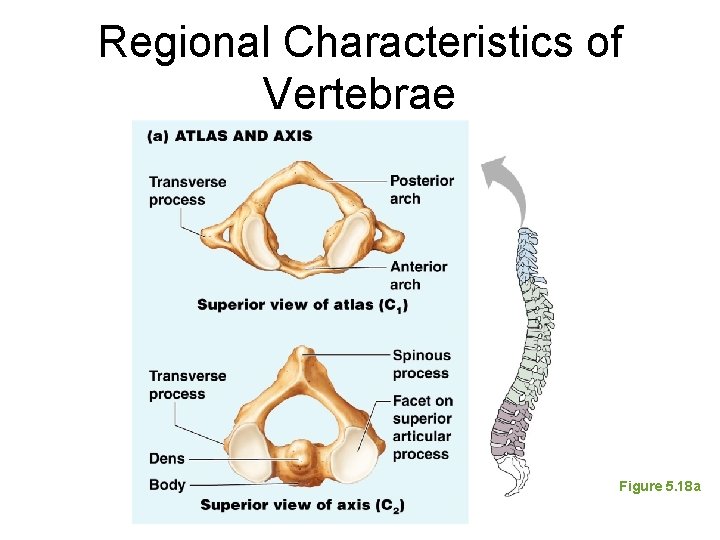
Regional Characteristics of Vertebrae Figure 5. 18 a
Regional Characteristics of Vertebrae Figure 5. 18 b
Regional Characteristics of Vertebrae Figure 5. 18 c
Regional Characteristics of Vertebrae Figure 5. 18 d
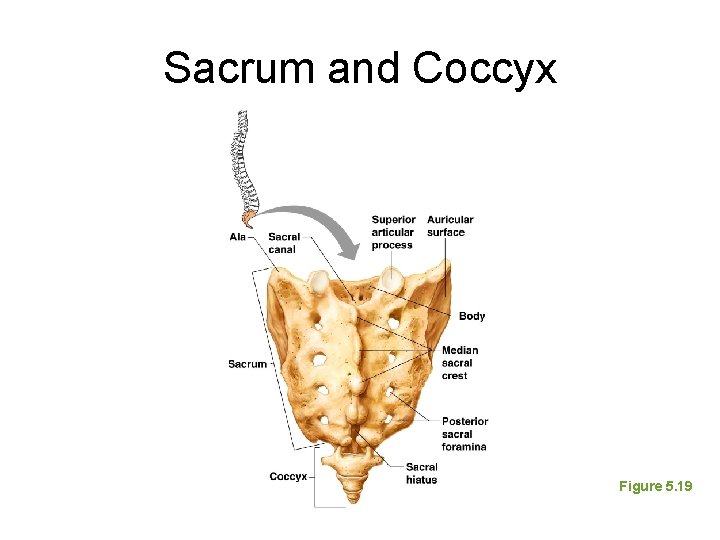
Sacrum and Coccyx • Sacrum – Formed by the fusion of five vertebrae • Coccyx – Formed from the fusion of three to five vertebrae – “Tailbone, ” or remnant of a tail that other vertebrates have
Sacrum and Coccyx Figure 5. 19
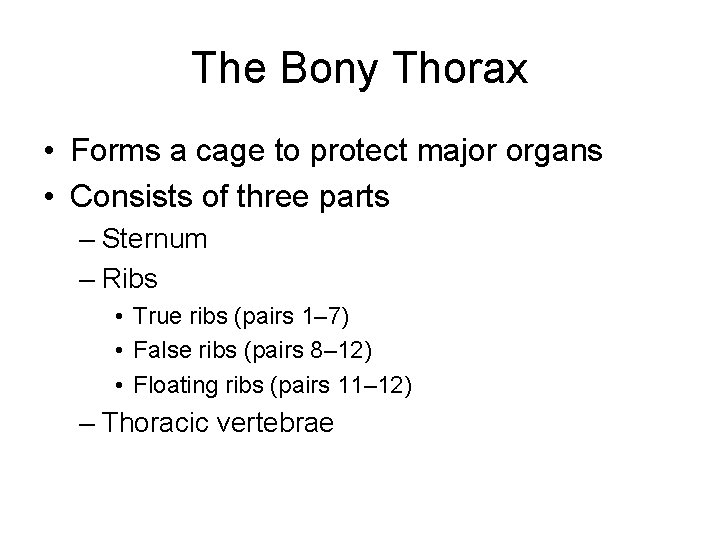
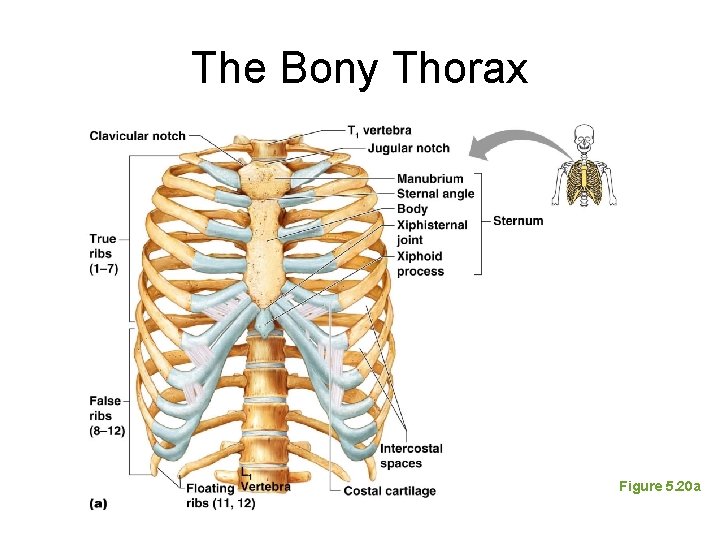
The Bony Thorax • Forms a cage to protect major organs • Consists of three parts – Sternum – Ribs • True ribs (pairs 1– 7) • False ribs (pairs 8– 12) • Floating ribs (pairs 11– 12) – Thoracic vertebrae
The Bony Thorax Figure 5. 20 a