
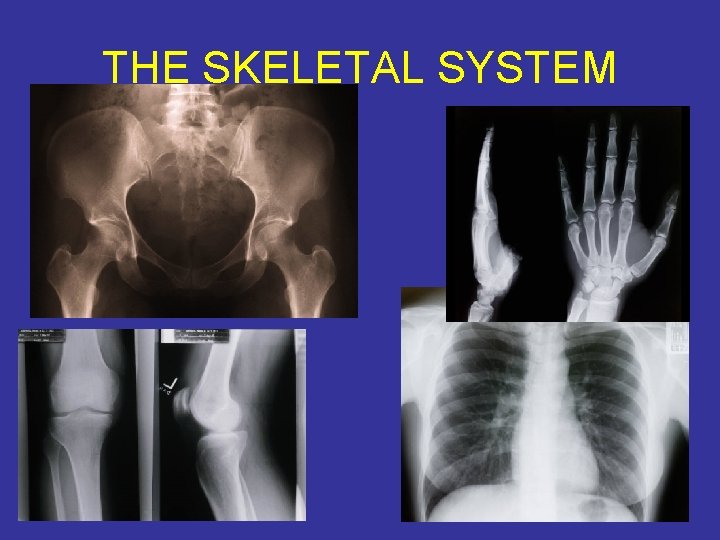
THE SKELETAL SYSTEM Functions of Skeletal System SUPPORT
- Slides: 38
THE SKELETAL SYSTEM
Functions of Skeletal System • SUPPORT: Hard framework that supports and anchors the soft organs of the body. • PROTECTION: Surrounds organs such as the brain and spinal cord. • MOVEMENT: Allows for muscle attachment therefore the bones are used as levers. • STORAGE: Minerals and lipids are stored within bone material. • BLOOD CELL FORMATION: The bone marrow is responsible for blood cell production.
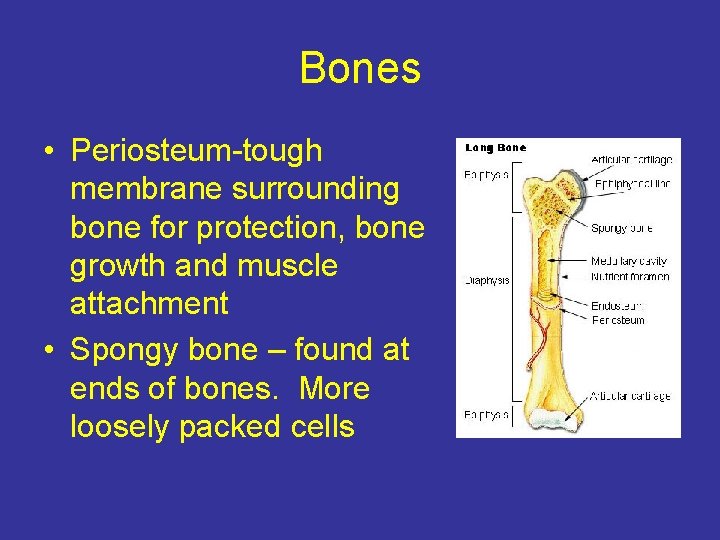
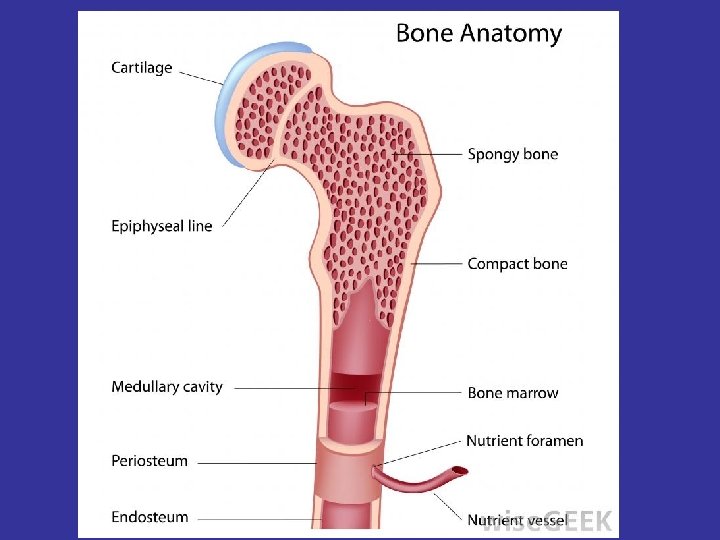
Bones • Periosteum-tough membrane surrounding bone for protection, bone growth and muscle attachment • Spongy bone – found at ends of bones. More loosely packed cells
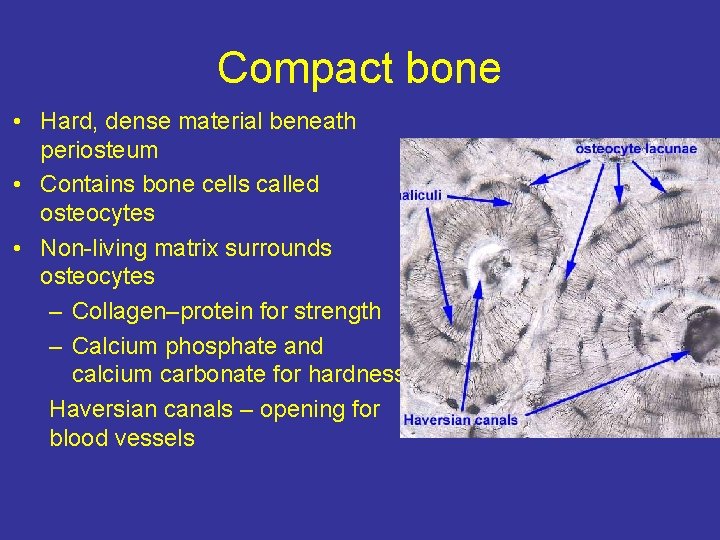
Compact bone • Hard, dense material beneath periosteum • Contains bone cells called osteocytes • Non-living matrix surrounds osteocytes – Collagen–protein for strength – Calcium phosphate and calcium carbonate for hardness Haversian canals – opening for blood vessels
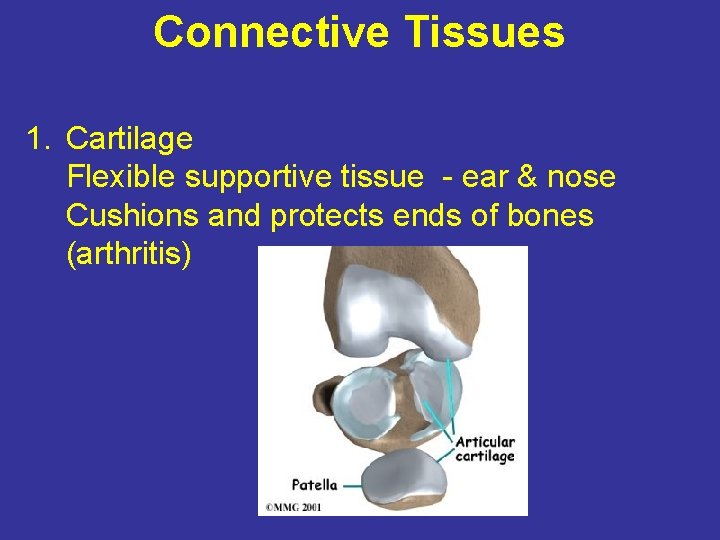
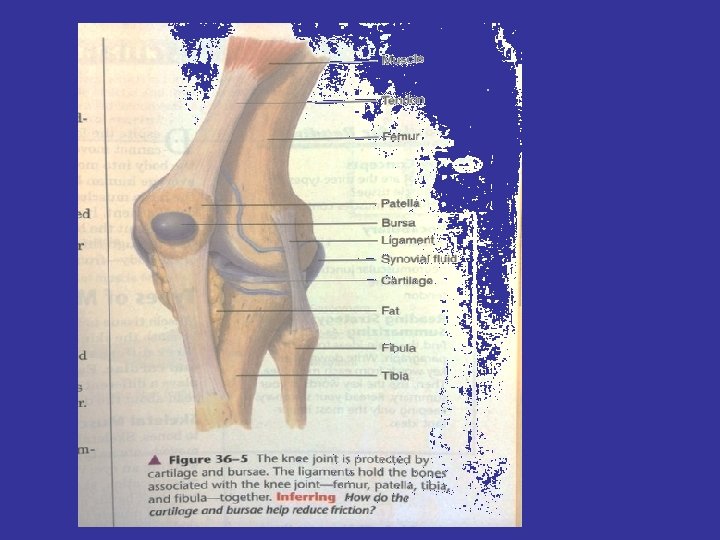
Connective Tissues 1. Cartilage Flexible supportive tissue - ear & nose Cushions and protects ends of bones (arthritis)
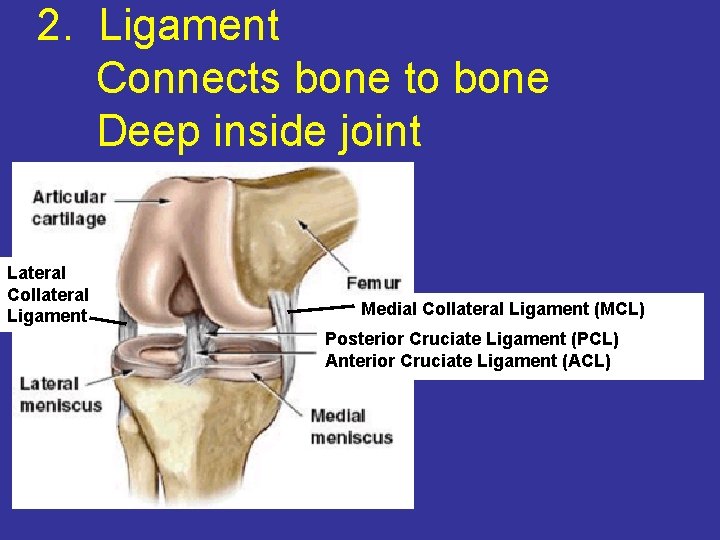
2. Ligament Connects bone to bone Deep inside joint Lateral Collateral Ligament Medial Collateral Ligament (MCL) Posterior Cruciate Ligament (PCL) Anterior Cruciate Ligament (ACL)
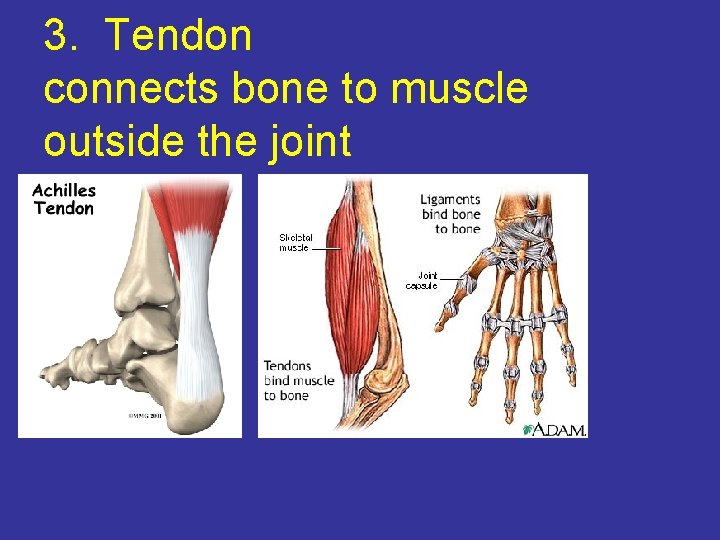
3. Tendon connects bone to muscle outside the joint
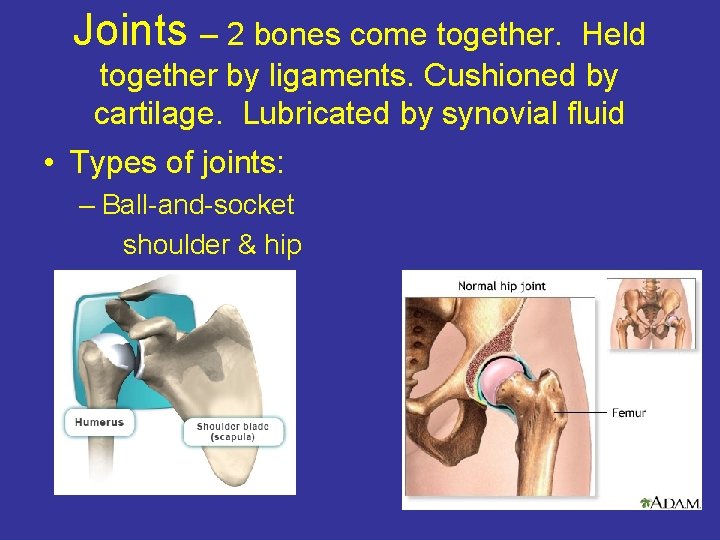
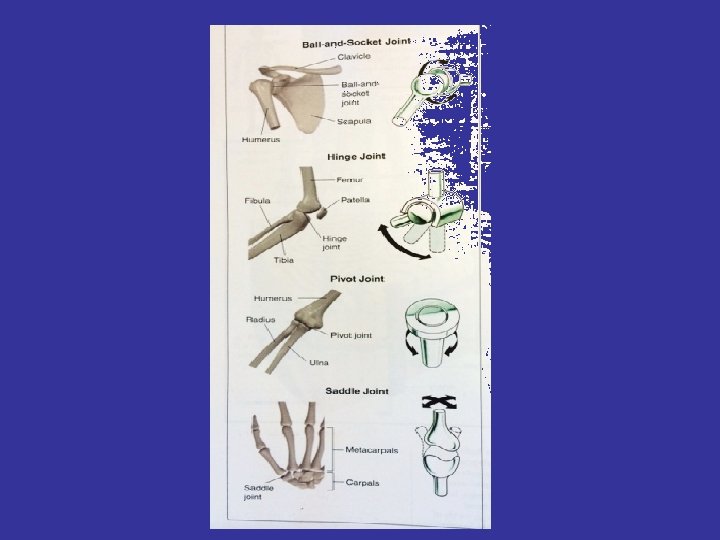
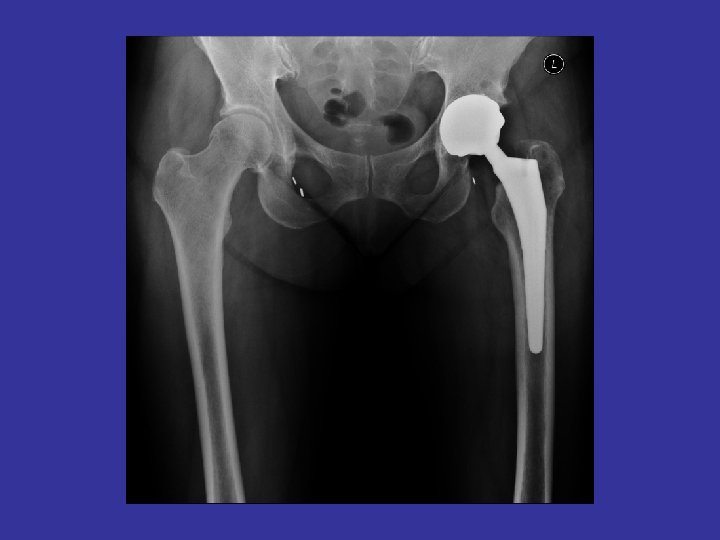
Joints – 2 bones come together. Held together by ligaments. Cushioned by cartilage. Lubricated by synovial fluid • Types of joints: – Ball-and-socket shoulder & hip
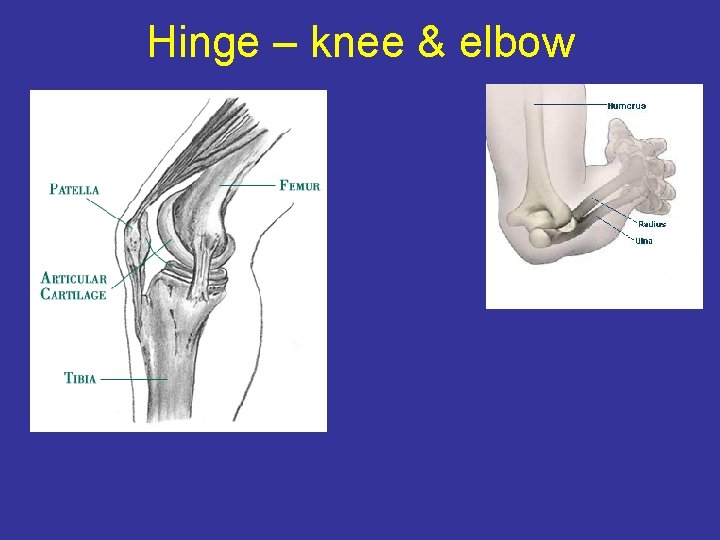
Hinge – knee & elbow
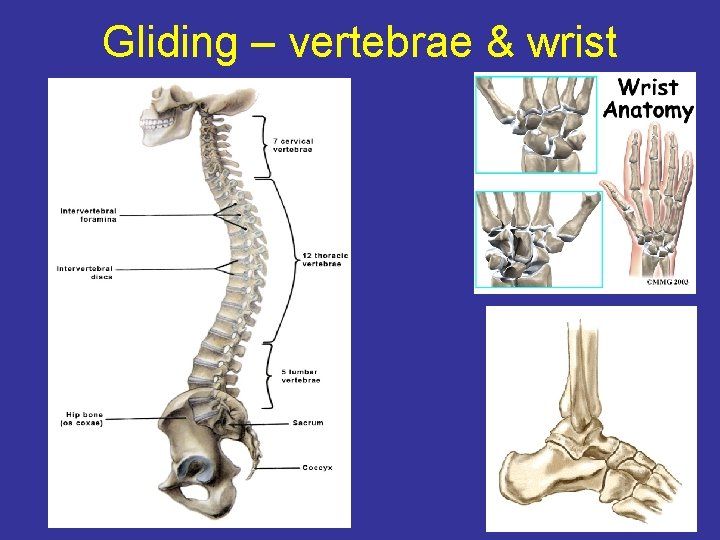
Gliding – vertebrae & wrist
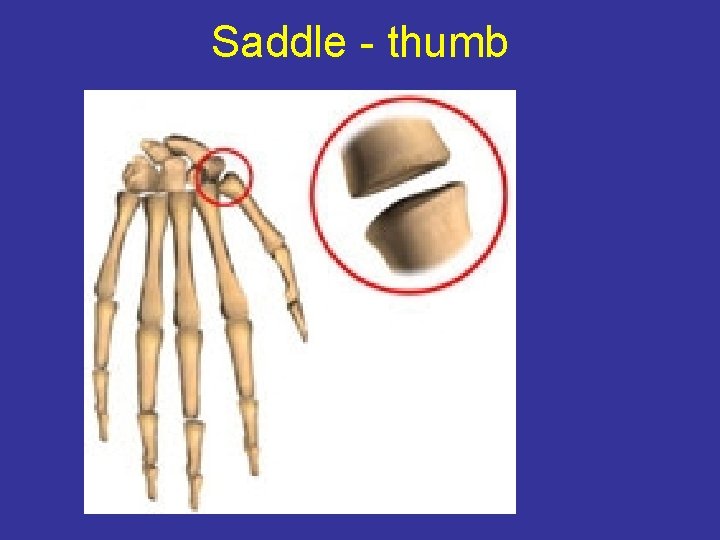
Saddle - thumb
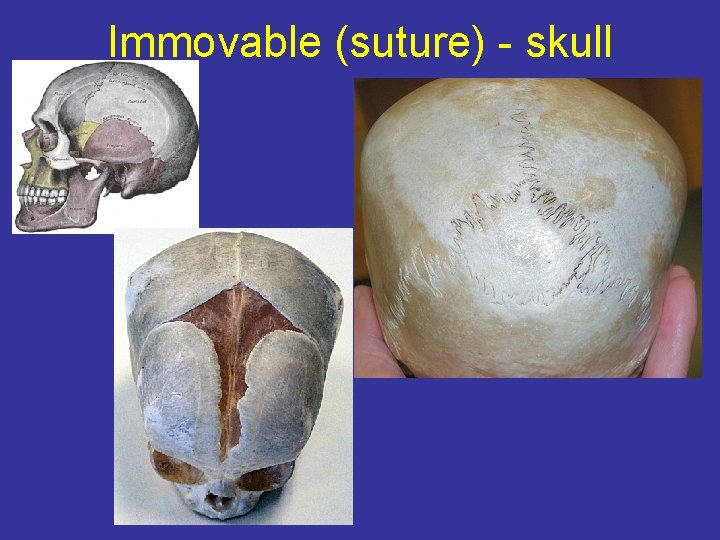
Immovable (suture) - skull
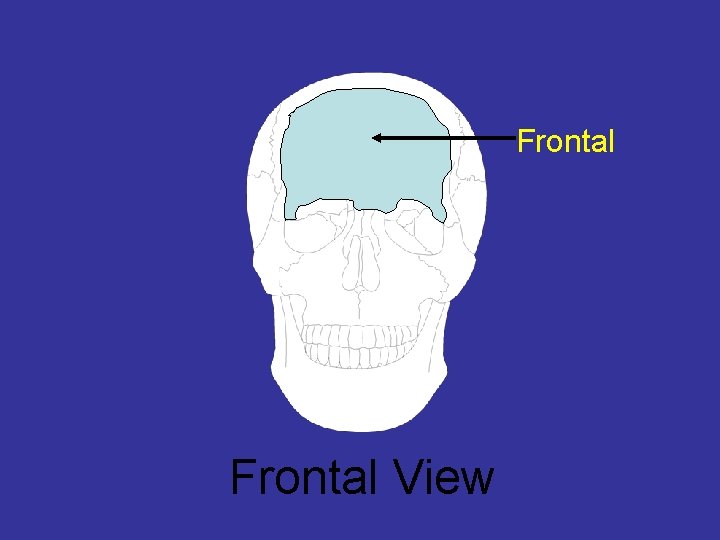
Frontal View
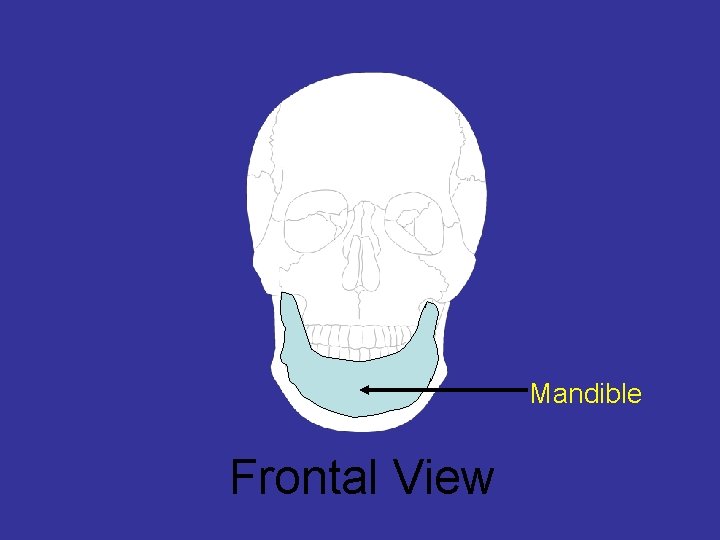
Mandible Frontal View
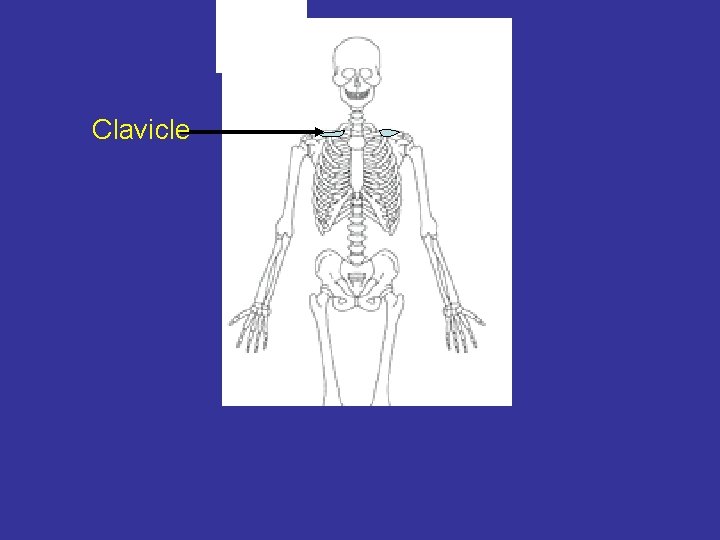
Clavicle
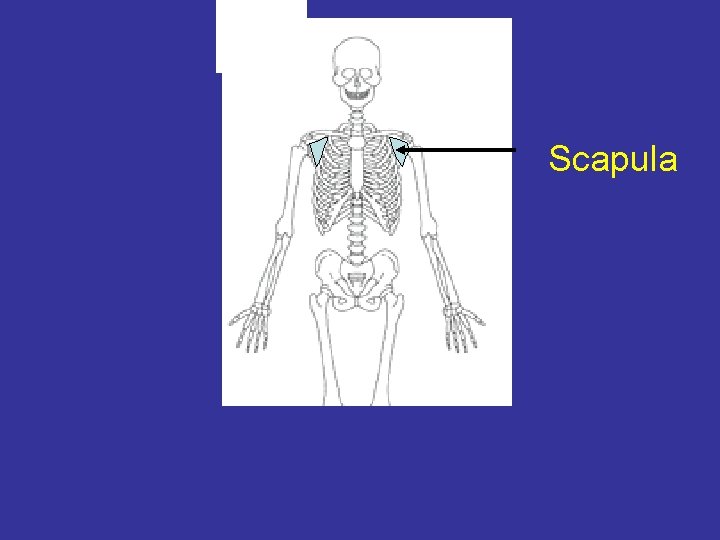
Scapula
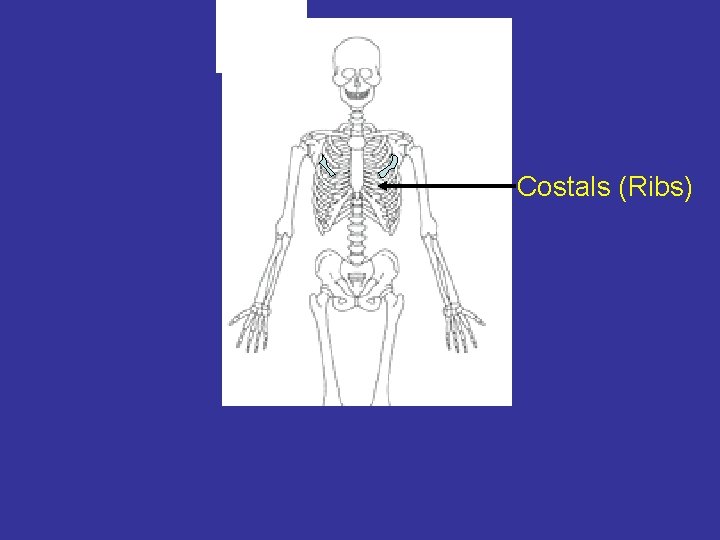
Costals (Ribs)
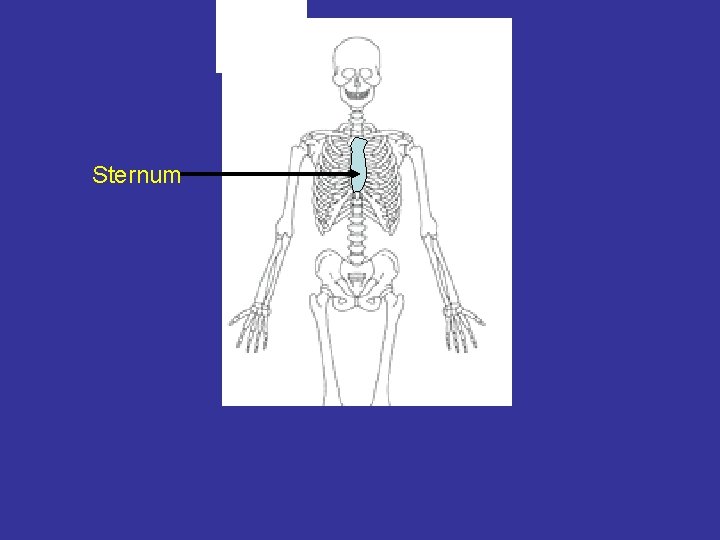
Sternum
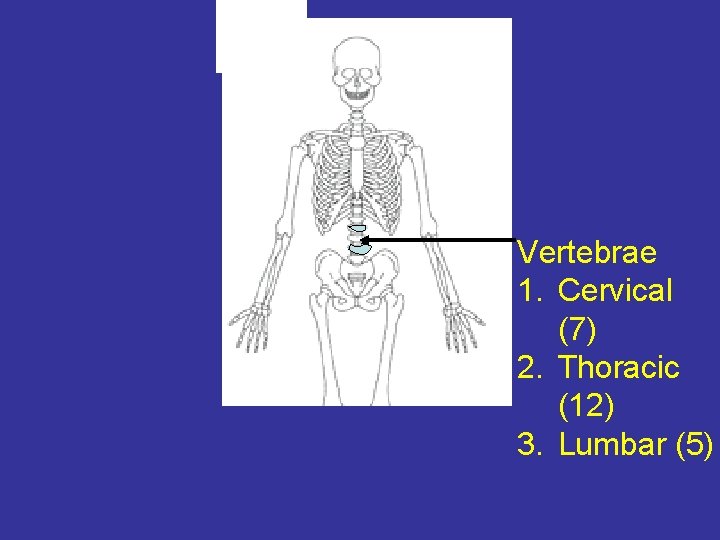
Vertebrae 1. Cervical (7) 2. Thoracic (12) 3. Lumbar (5)
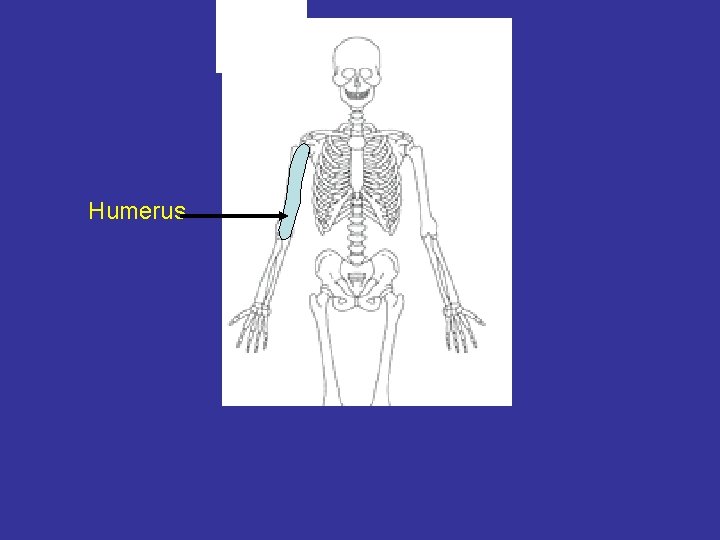
Humerus
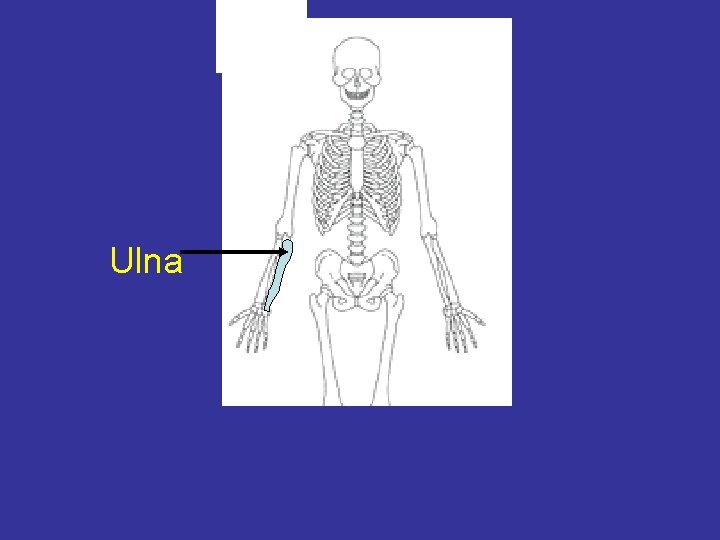
Ulna
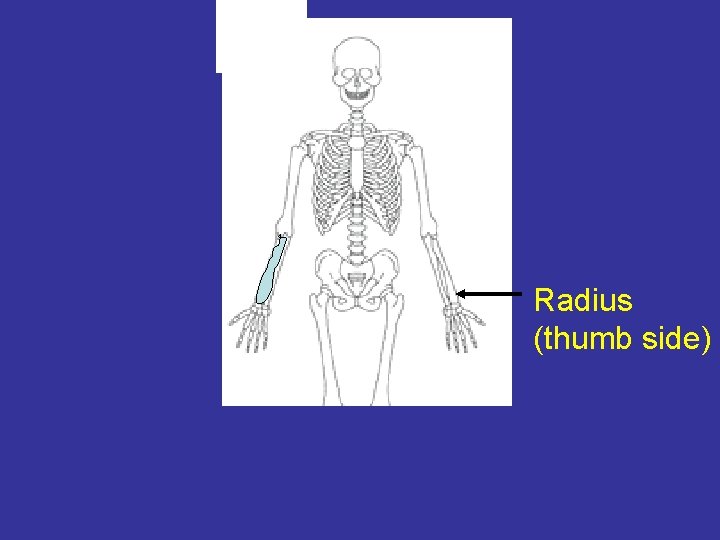
Radius (thumb side)
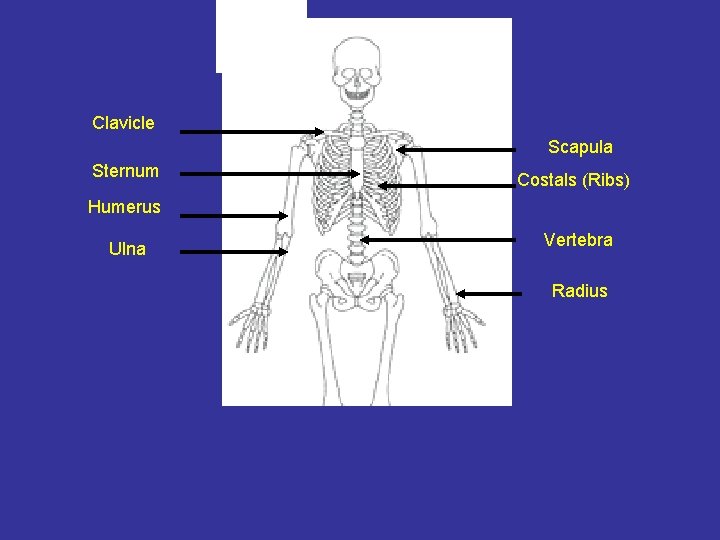
Clavicle Scapula Sternum Costals (Ribs) Humerus Ulna Vertebra Radius
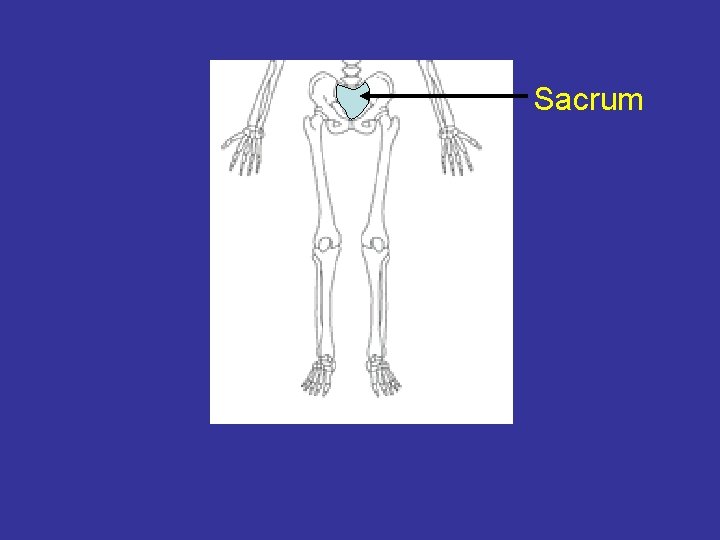
Sacrum
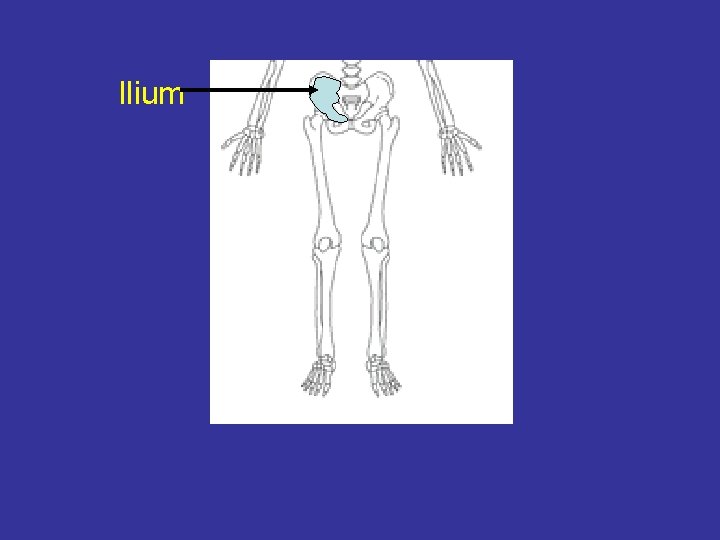
Ilium
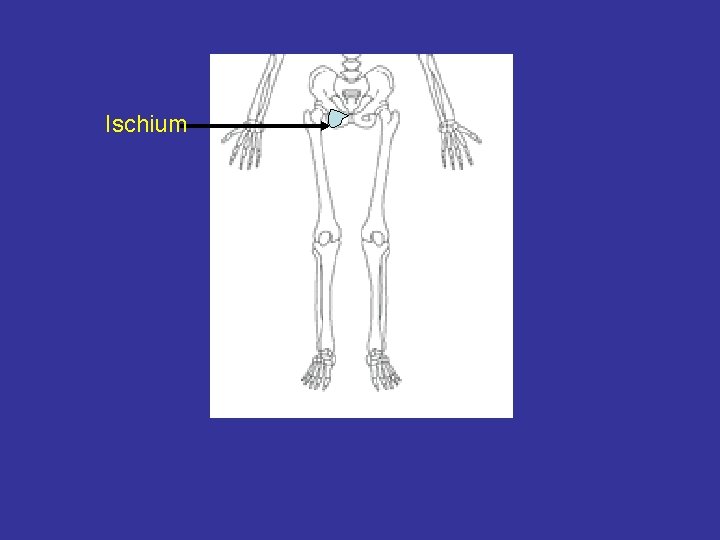
Ischium
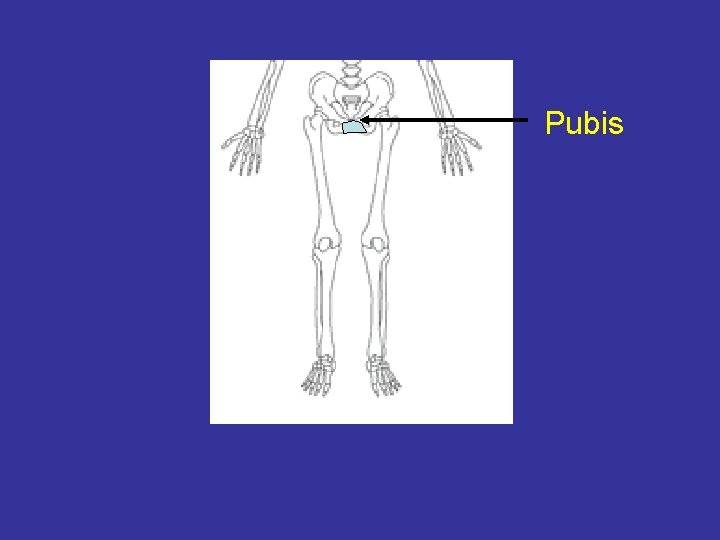
Pubis
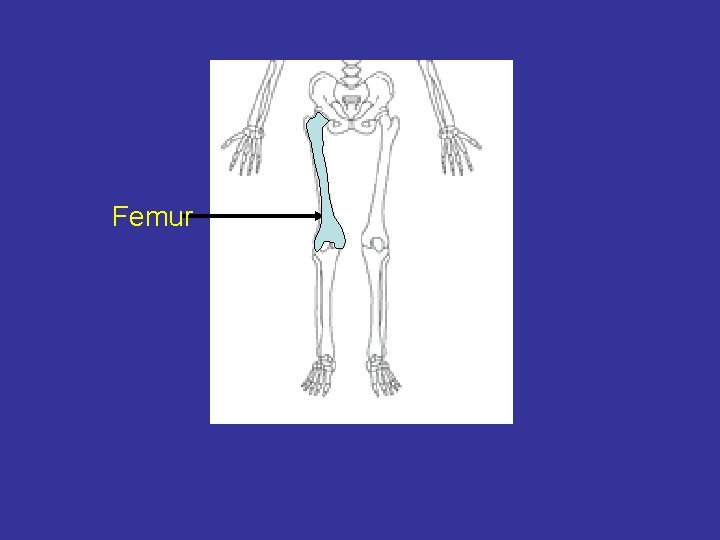
Femur
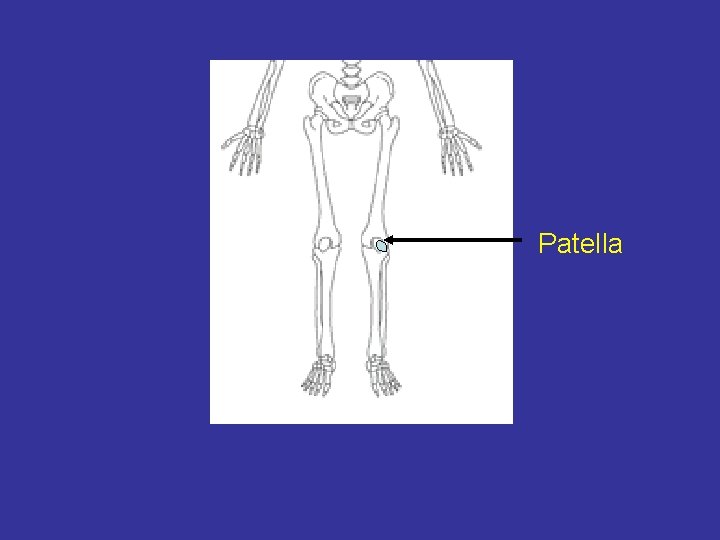
Patella
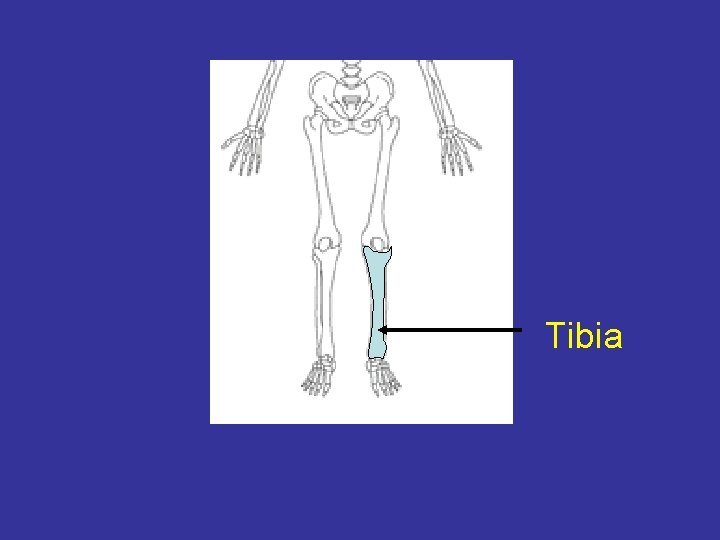
Tibia
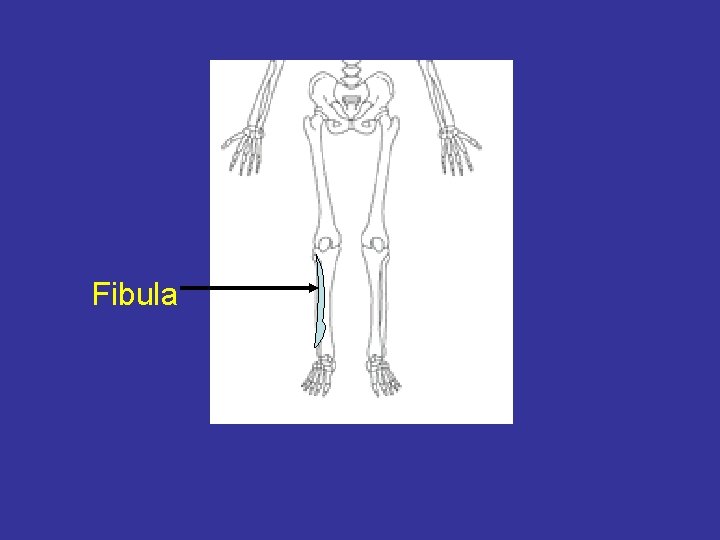
Fibula
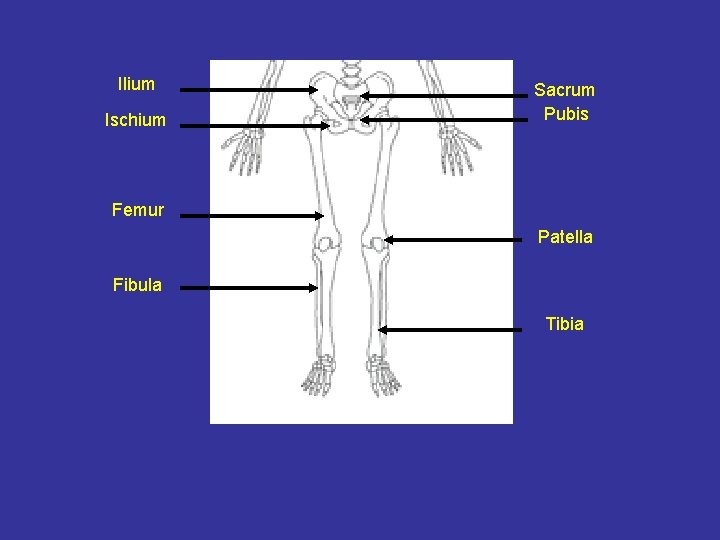
Ilium Ischium Sacrum Pubis Femur Patella Fibula Tibia
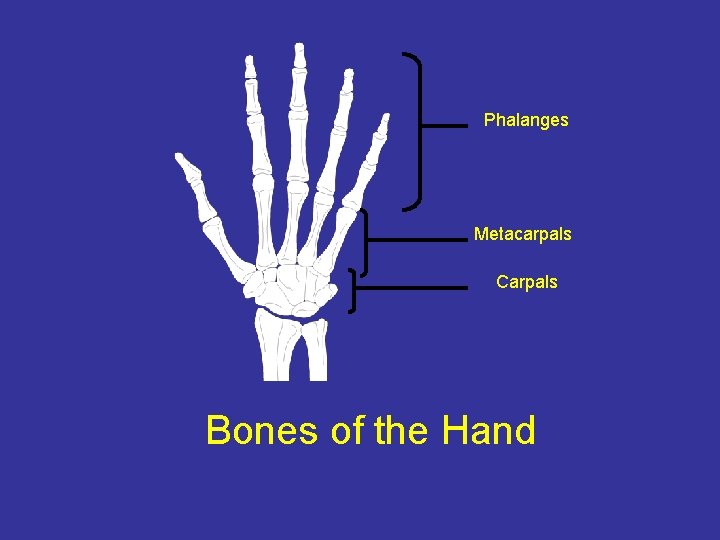
Phalanges Metacarpals Carpals Bones of the Hand
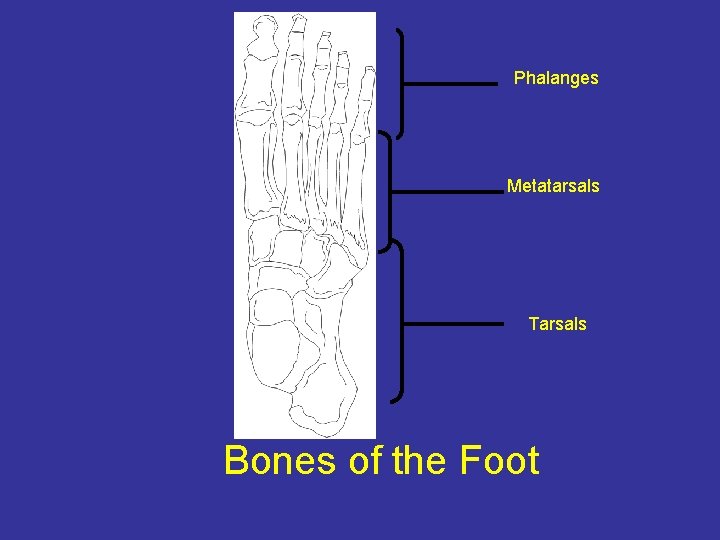
Phalanges Metatarsals Tarsals Bones of the Foot