
The Skeletal System By Ericka Maria Structures and
The Skeletal System By: Ericka & Maria
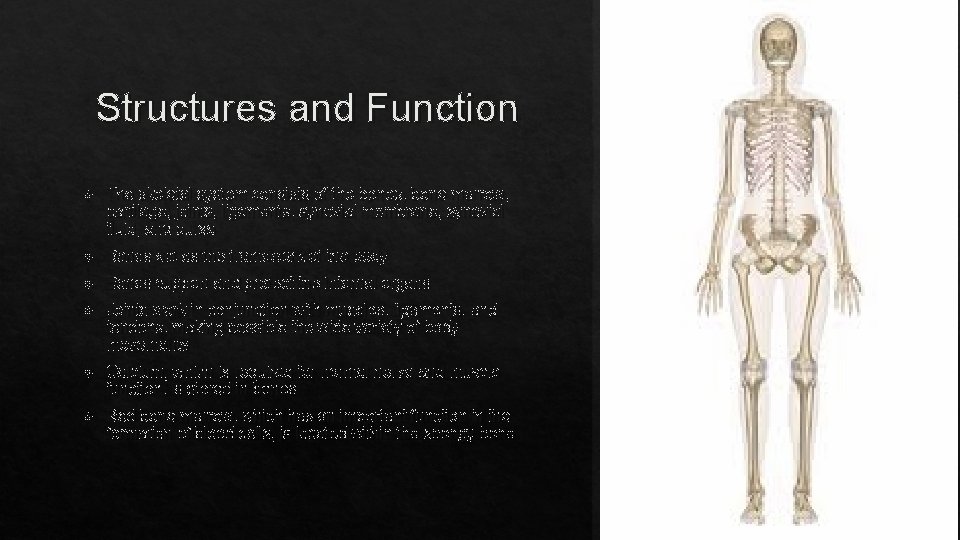
Structures and Function The skeletal system consists of the bones, bone marrow, cartilage, joints, ligaments, synovial membrane, synovial fluid, and bursa Bones act as the framework of the body Bones support and protect the internal organs Joints work in conjunction with muscles, ligaments, and tendons, making possible the wide variety of body movements Calcium, which is required for normal nerve and muscle function, is stored in bones Red bone marrow, which has an important function in the formation of blood cells, is located within the spongy bone

Formation of Bones A baby’s skeleton begins as fragile membranes and cartilage, but after three months it starts turning into bone in a process called ossification, which continues through adolescence Even after growth is completed, the process of new bone formation continues as osteoclasts break down old or damaged bone and osteoblasts help rebuild the bone
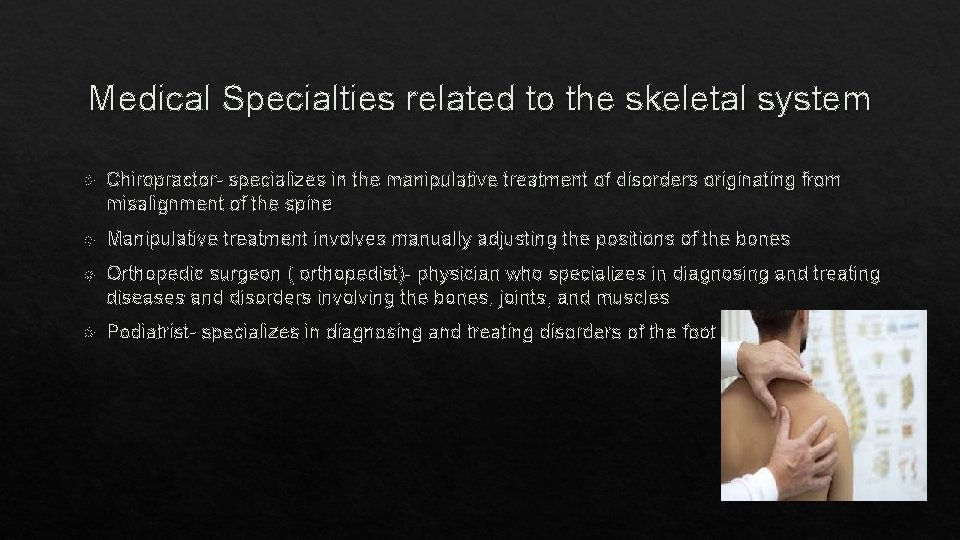
Medical Specialties related to the skeletal system Chiropractor- specializes in the manipulative treatment of disorders originating from misalignment of the spine Manipulative treatment involves manually adjusting the positions of the bones Orthopedic surgeon ( orthopedist)- physician who specializes in diagnosing and treating diseases and disorders involving the bones, joints, and muscles Podiatrist- specializes in diagnosing and treating disorders of the foot
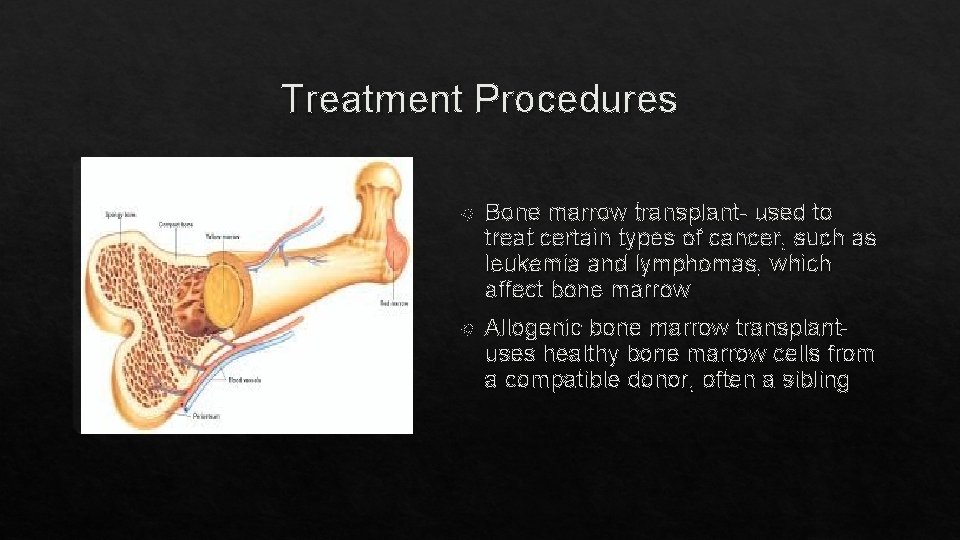
Treatment Procedures Bone marrow transplant- used to treat certain types of cancer, such as leukemia and lymphomas, which affect bone marrow Allogenic bone marrow transplantuses healthy bone marrow cells from a compatible donor, often a sibling
Medical Devices ORTHOTIC- MECHANICAL APPLIANCE, SUCH AS A LEG BRACE OR A SPLINT, THAT IS SPECIALLY DESIGNED TO CONTROL, CORRECT, OR COMPENSATE FOR IMPAIRED LIMB FUNCTION PROSTHESIS- IS A SUBSTITUTE FOR A DISEASED OR MISSING BODY PART, SUCH AS A LEG THAT HAS BEEN AMPUTATED
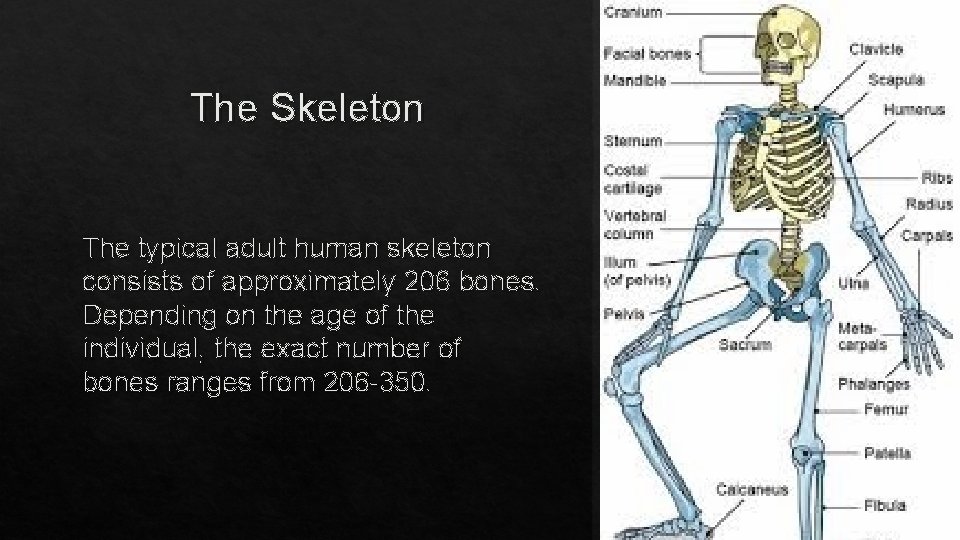
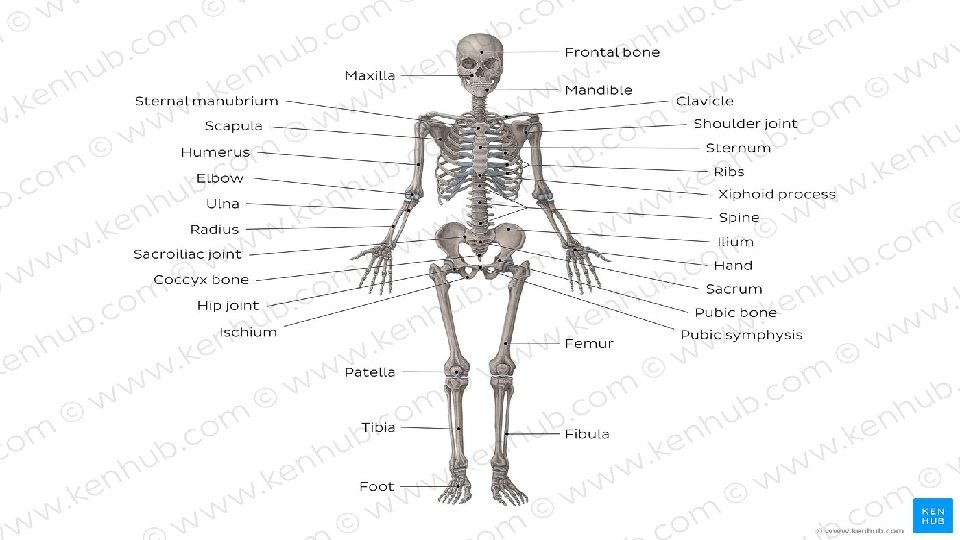
The Skeleton The typical adult human skeleton consists of approximately 206 bones. Depending on the age of the individual, the exact number of bones ranges from 206 -350.
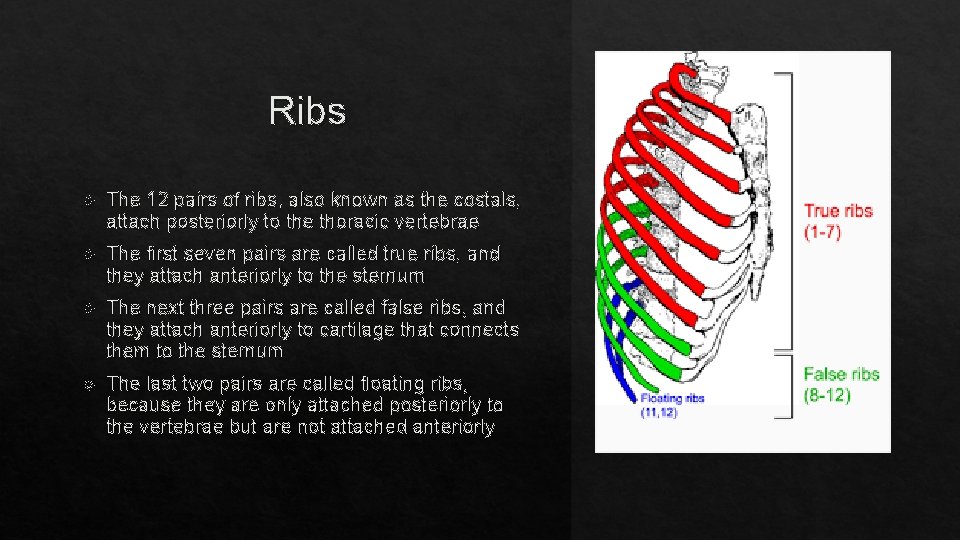
Ribs The 12 pairs of ribs, also known as the costals, attach posteriorly to the thoracic vertebrae The first seven pairs are called true ribs, and they attach anteriorly to the sternum The next three pairs are called false ribs, and they attach anteriorly to cartilage that connects them to the sternum The last two pairs are called floating ribs, because they are only attached posteriorly to the vertebrae but are not attached anteriorly
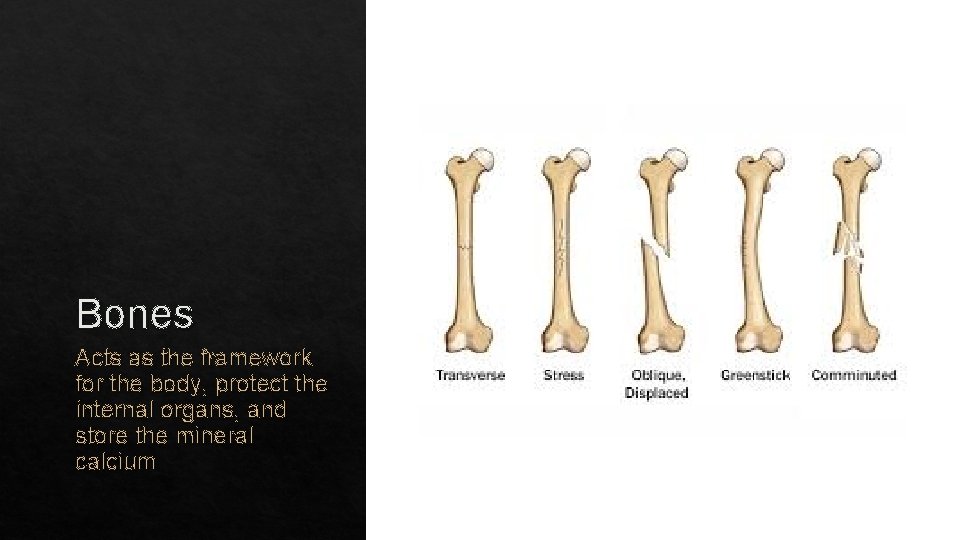
Bones Acts as the framework for the body, protect the internal organs, and store the mineral calcium
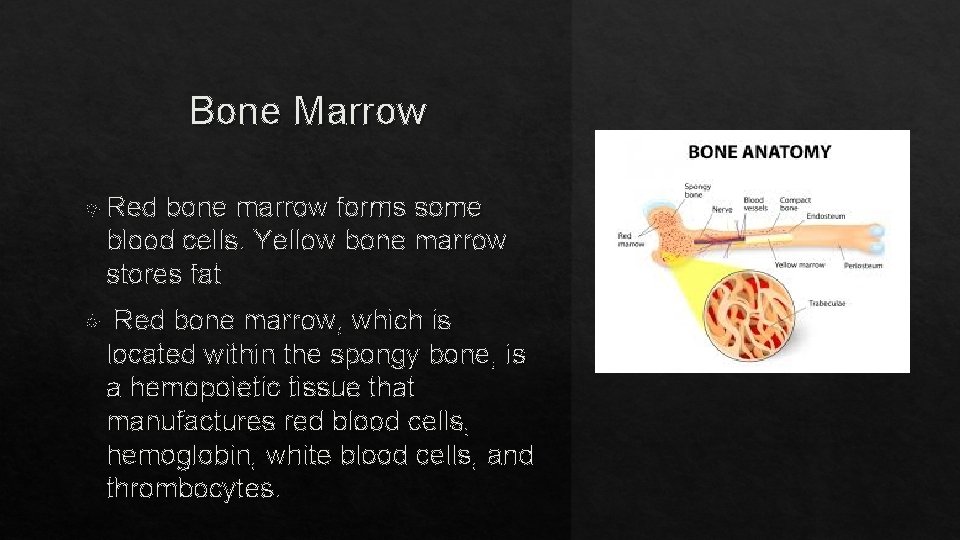
Bone Marrow Red bone marrow forms some blood cells. Yellow bone marrow stores fat Red bone marrow, which is located within the spongy bone, is a hemopoietic tissue that manufactures red blood cells, hemoglobin, white blood cells, and thrombocytes.
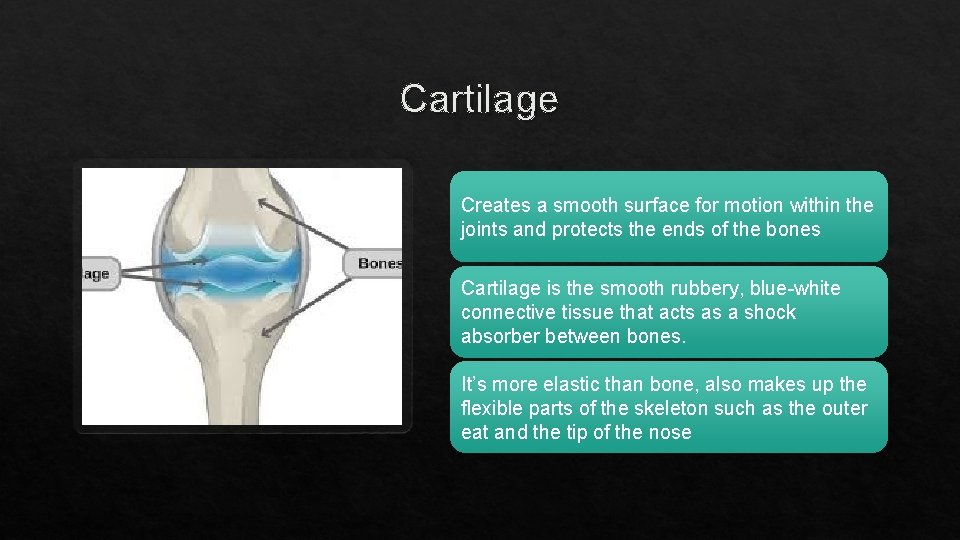
Cartilage Creates a smooth surface for motion within the joints and protects the ends of the bones Cartilage is the smooth rubbery, blue-white connective tissue that acts as a shock absorber between bones. It’s more elastic than bone, also makes up the flexible parts of the skeleton such as the outer eat and the tip of the nose
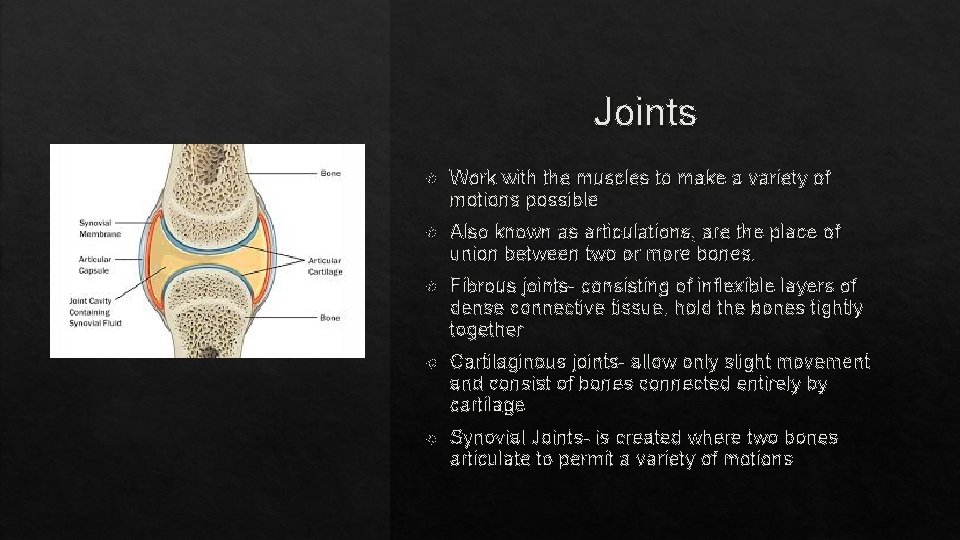
Joints Work with the muscles to make a variety of motions possible Also known as articulations, are the place of union between two or more bones. Fibrous joints- consisting of inflexible layers of dense connective tissue, hold the bones tightly together Cartilaginous joints- allow only slight movement and consist of bones connected entirely by cartilage Synovial Joints- is created where two bones articulate to permit a variety of motions
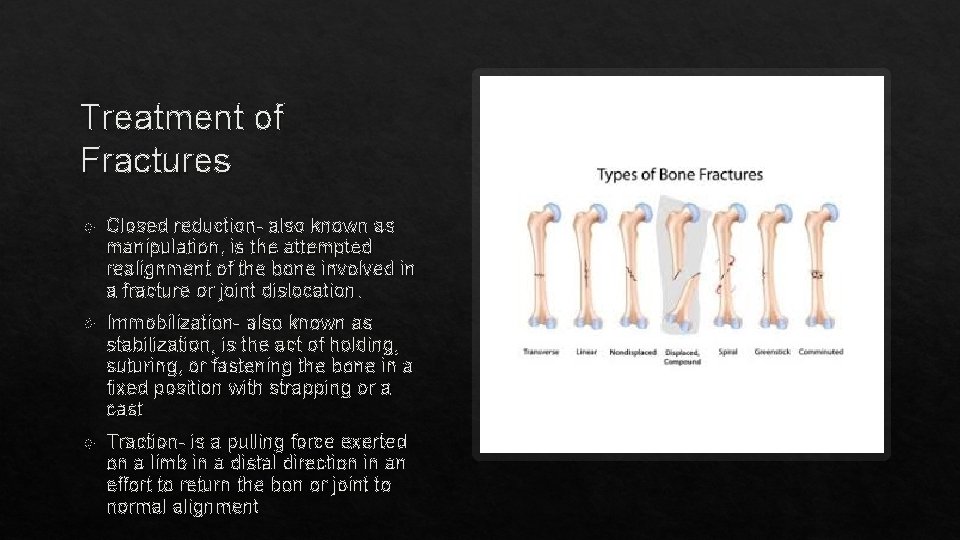
Treatment of Fractures Closed reduction- also known as manipulation, is the attempted realignment of the bone involved in a fracture or joint dislocation. Immobilization- also known as stabilization, is the act of holding, suturing, or fastening the bone in a fixed position with strapping or a cast Traction- is a pulling force exerted on a limb in a distal direction in an effort to return the bon or joint to normal alignment

Kahoot https: //create. kahoot. it/kahoots/my-kahoots
- Slides: 15