
The Six Kingdoms Taxonomy What is classification Classification
- Slides: 29
The Six Kingdoms Taxonomy
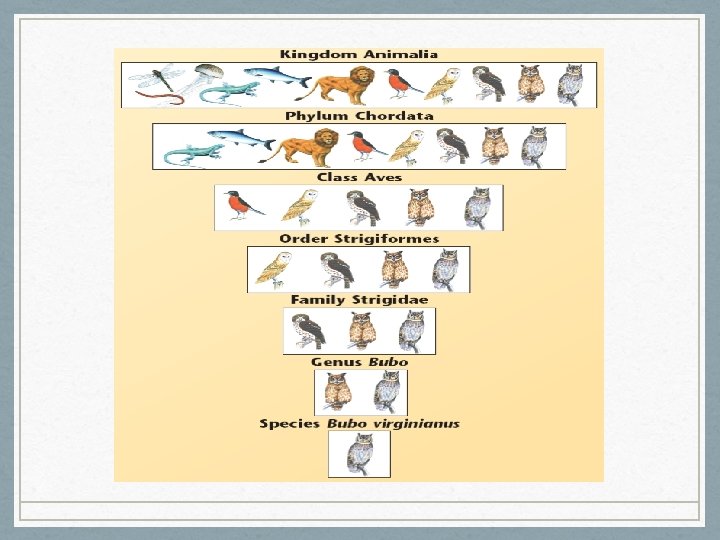
What is classification? • Classification is the grouping of living organisms according to similar structures and functions.
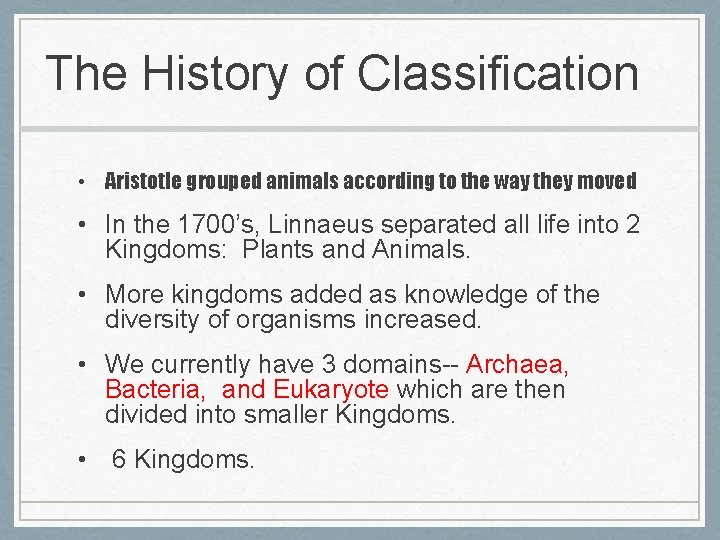
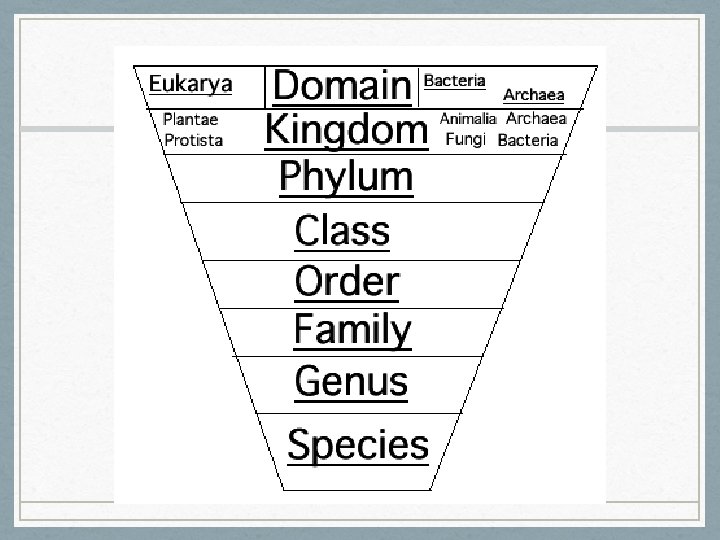
The History of Classification • Aristotle grouped animals according to the way they moved • In the 1700’s, Linnaeus separated all life into 2 Kingdoms: Plants and Animals. • More kingdoms added as knowledge of the diversity of organisms increased. • We currently have 3 domains-- Archaea, Bacteria, and Eukaryote which are then divided into smaller Kingdoms. • 6 Kingdoms.
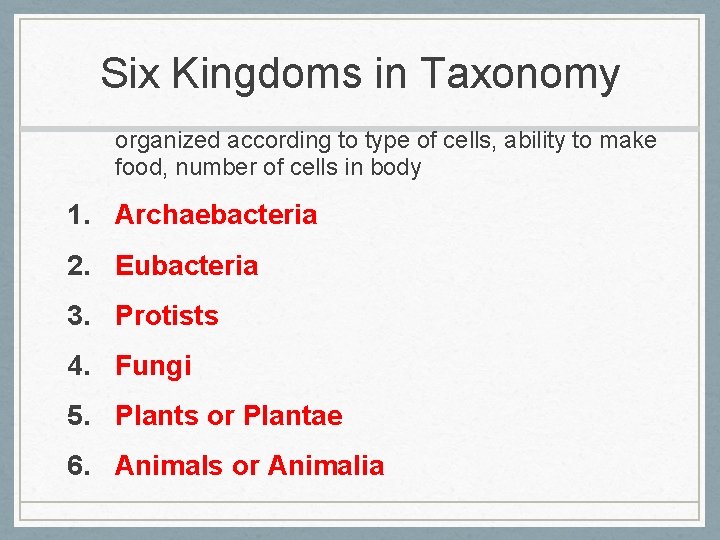
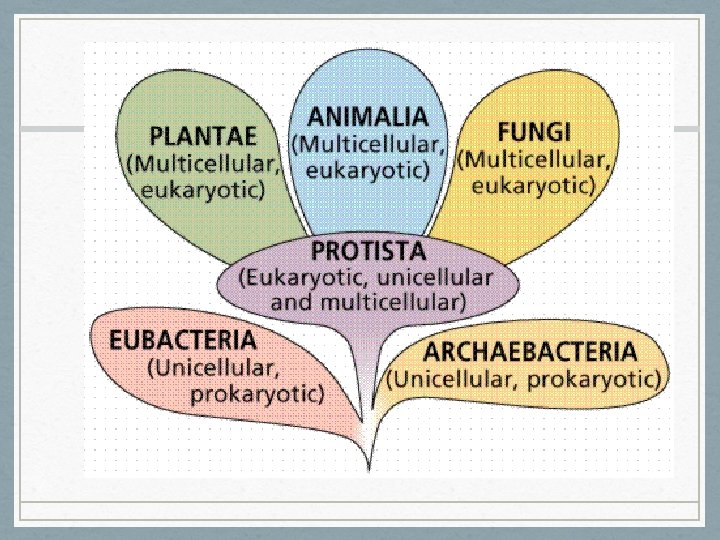
Six Kingdoms in Taxonomy organized according to type of cells, ability to make food, number of cells in body 1. Archaebacteria 2. Eubacteria 3. Protists 4. Fungi 5. Plants or Plantae 6. Animals or Animalia
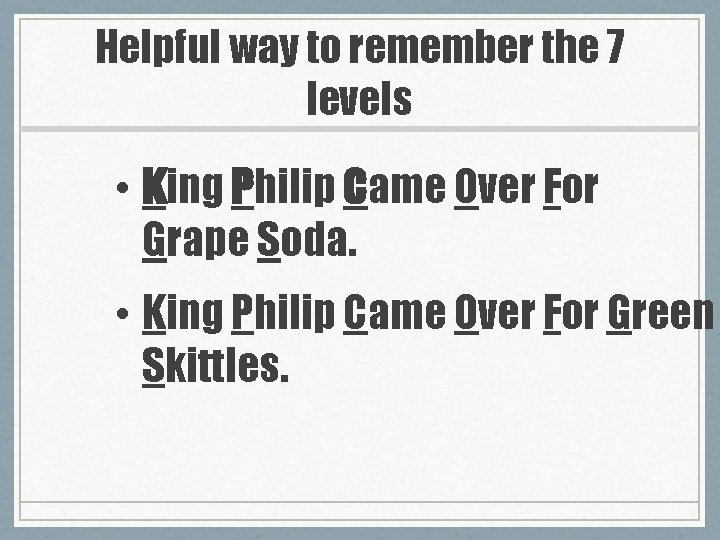
Helpful way to remember the 7 levels • King Philip Came Over For Grape Soda. • King Philip Came Over For Green Skittles.
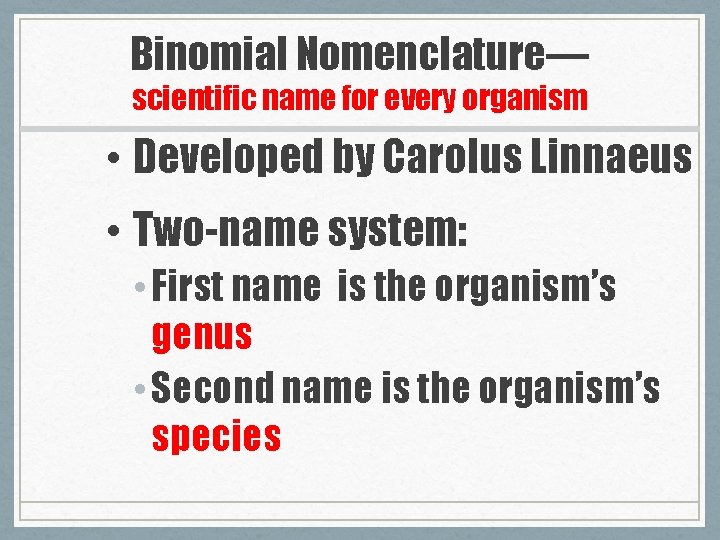
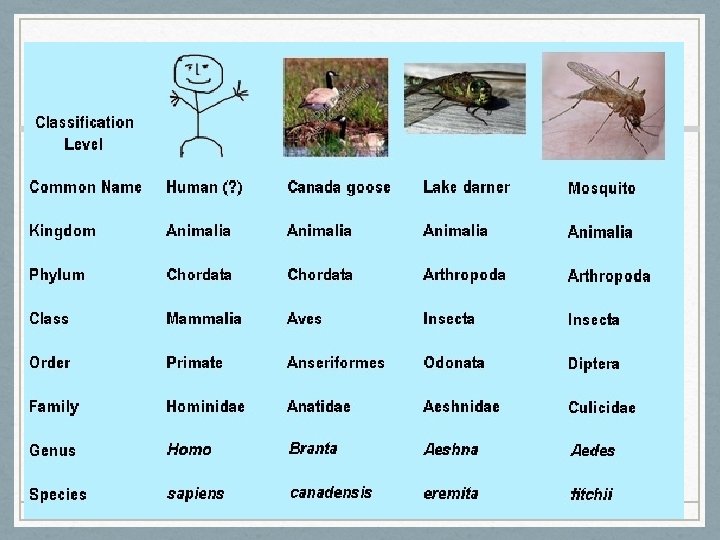
Binomial Nomenclature— scientific name for every organism • Developed by Carolus Linnaeus • Two-name system: • First name is the organism’s genus • Second name is the organism’s species
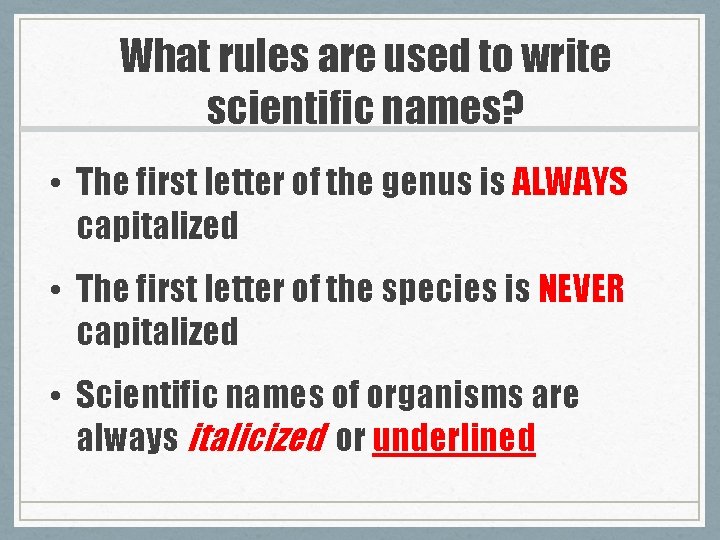
What rules are used to write scientific names? • The first letter of the genus is ALWAYS capitalized • The first letter of the species is NEVER capitalized • Scientific names of organisms are always italicized or underlined
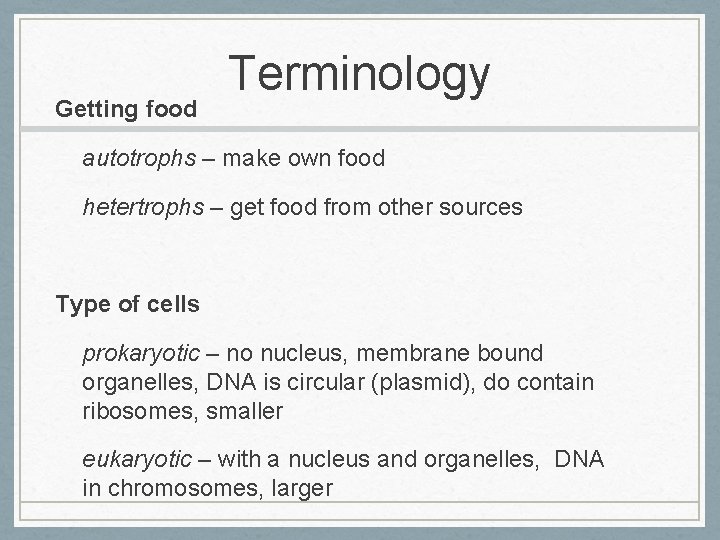
Getting food Terminology autotrophs – make own food hetertrophs – get food from other sources Type of cells prokaryotic – no nucleus, membrane bound organelles, DNA is circular (plasmid), do contain ribosomes, smaller eukaryotic – with a nucleus and organelles, DNA in chromosomes, larger
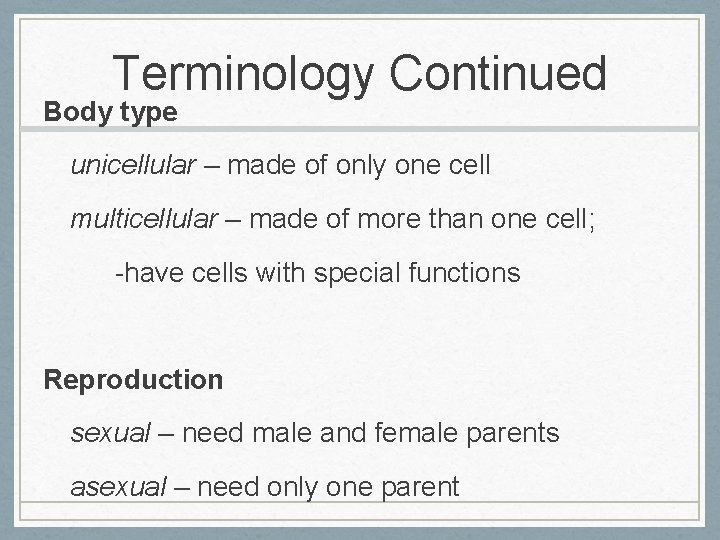
Terminology Continued Body type unicellular – made of only one cell multicellular – made of more than one cell; -have cells with special functions Reproduction sexual – need male and female parents asexual – need only one parent
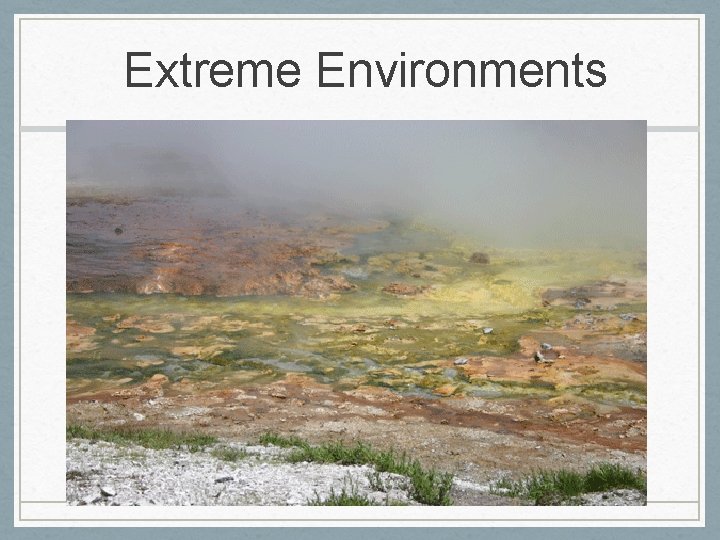
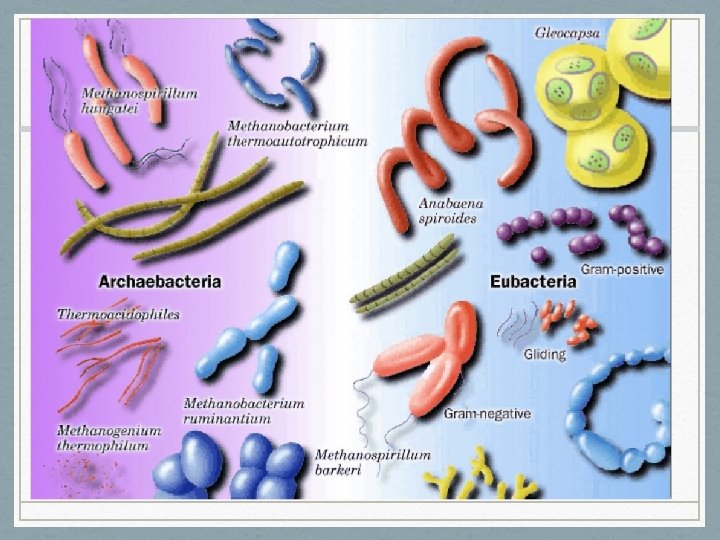
Archaebacteria -”ancient bacteria” -existed before dinosaurs -live in extreme environments -hot springs -acidic environment -methane -unicellular prokaryotes -some autotrophs, some heterotrophs
Extreme Environments
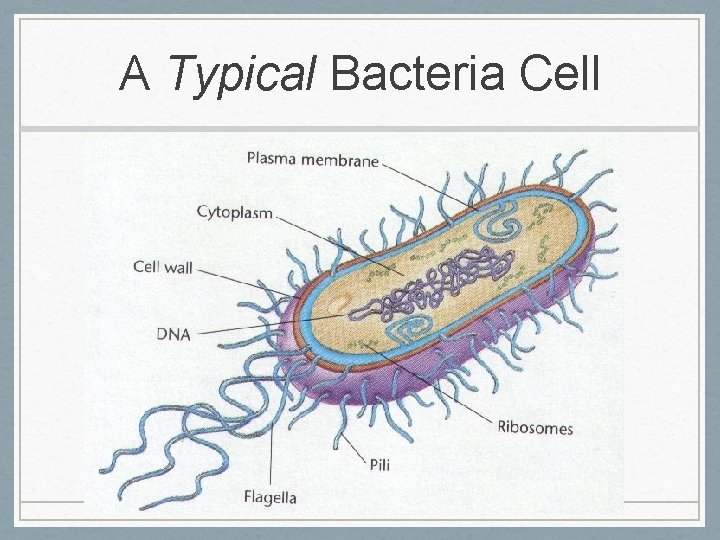
Eubacteria Chemical makeup is different from that of archaebacteria. -unicellular prokaryote -some autotrophs, some heterotrophs
A Typical Bacteria Cell
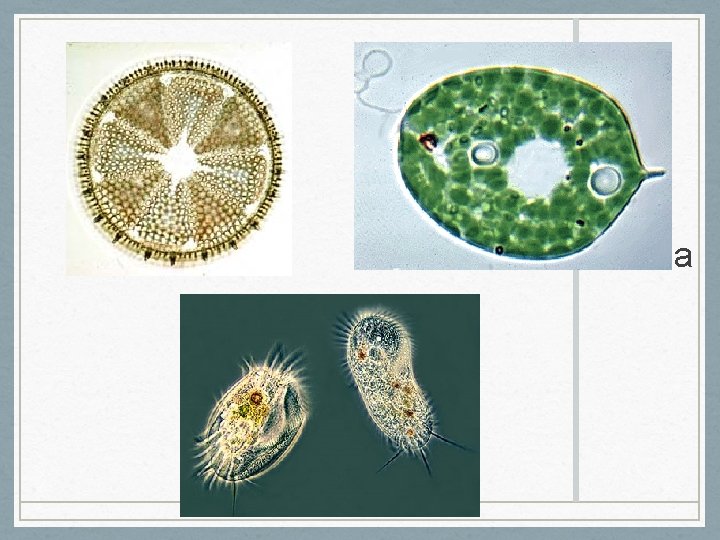
Protists -“odds and ends” kingdom because its organisms are pretty different from one another -most unicellular, some multicellular -eukaryotes -some autotrophs, some heterotrophs
Protozoa
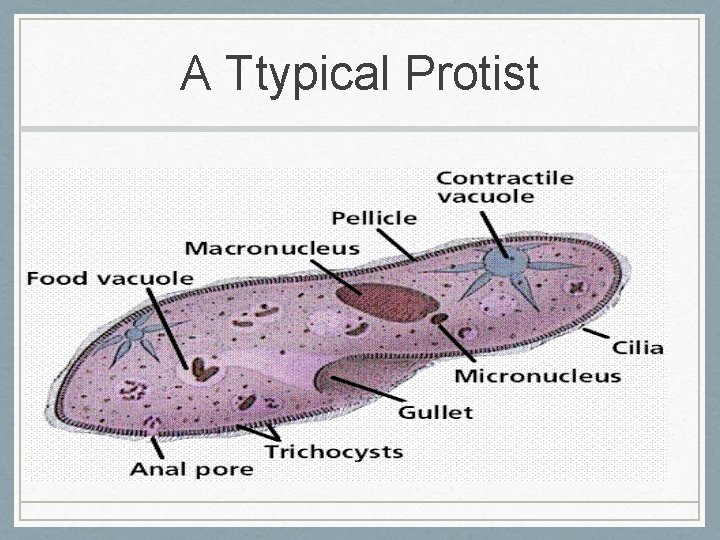
A Ttypical Protist
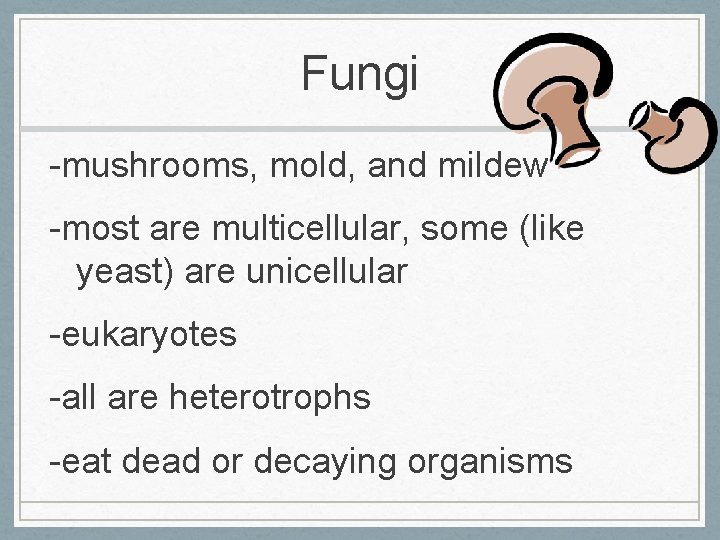
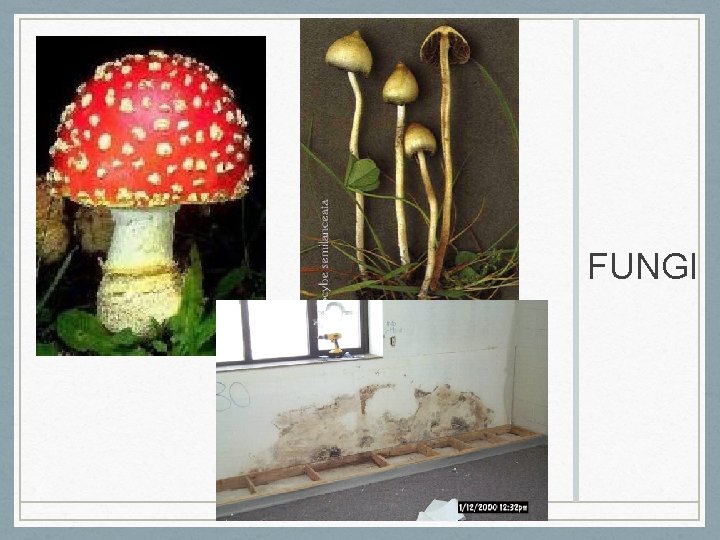
Fungi -mushrooms, mold, and mildew -most are multicellular, some (like yeast) are unicellular -eukaryotes -all are heterotrophs -eat dead or decaying organisms
FUNGI
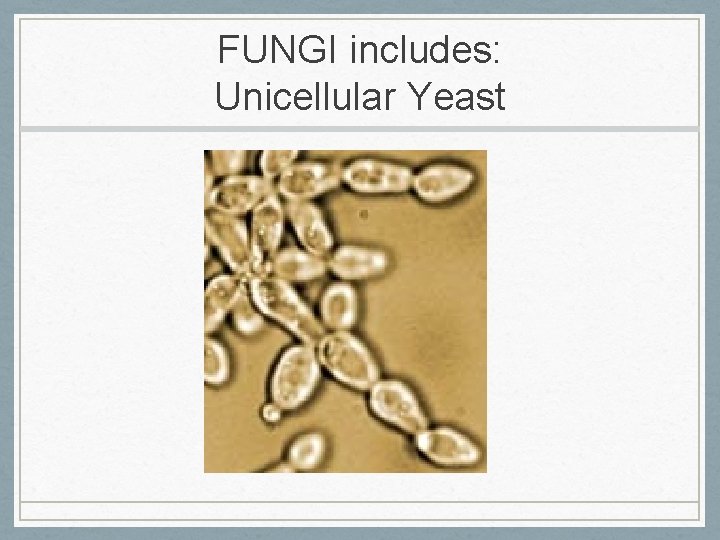
FUNGI includes: Unicellular Yeast
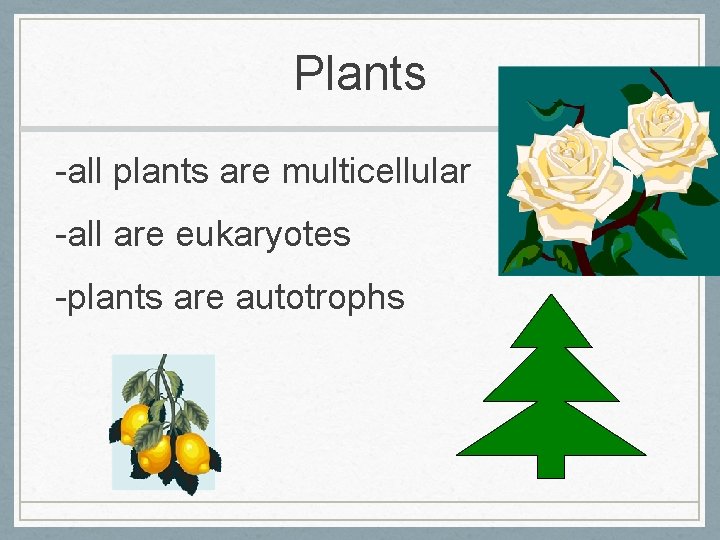
Plants -all plants are multicellular -all are eukaryotes -plants are autotrophs
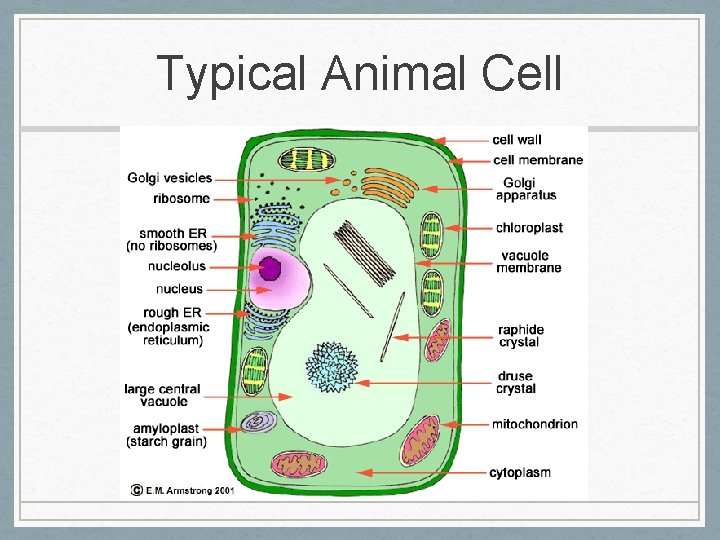
Typical Animal Cell
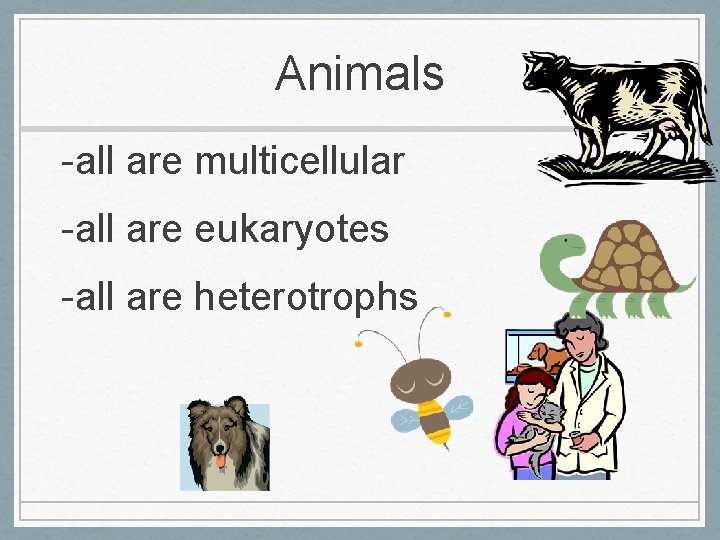
Animals -all are multicellular -all are eukaryotes -all are heterotrophs
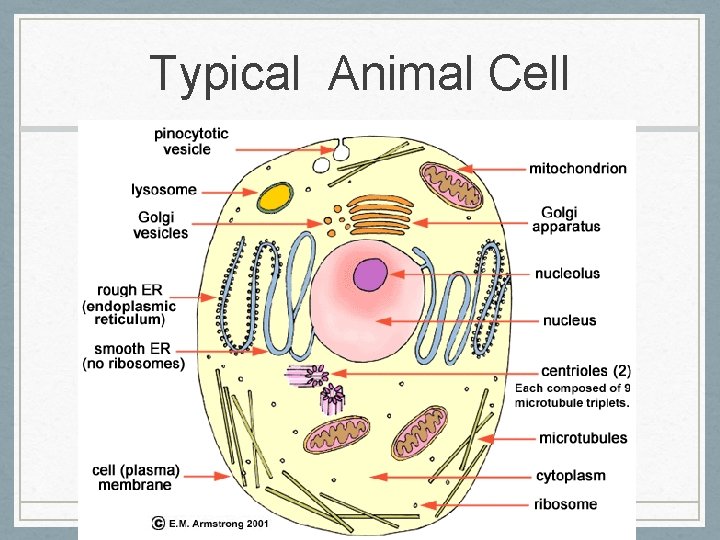
Typical Animal Cell
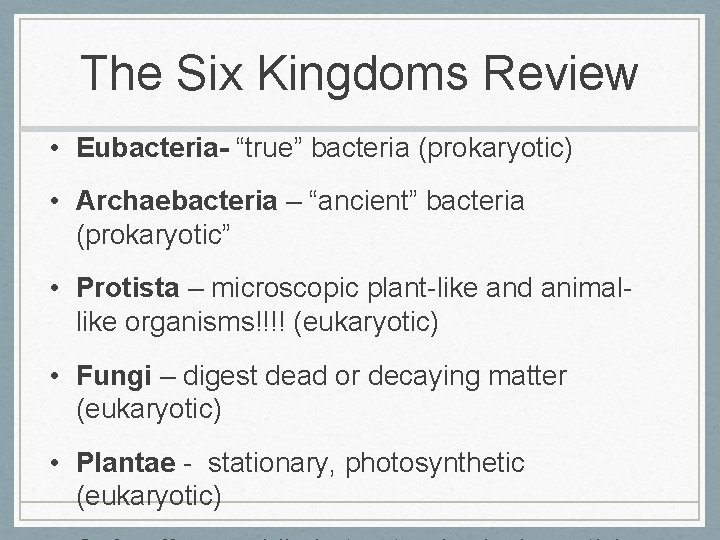
The Six Kingdoms Review • Eubacteria- “true” bacteria (prokaryotic) • Archaebacteria – “ancient” bacteria (prokaryotic” • Protista – microscopic plant-like and animallike organisms!!!! (eukaryotic) • Fungi – digest dead or decaying matter (eukaryotic) • Plantae - stationary, photosynthetic (eukaryotic)