
The Senses Introduction and Receptors Major Groups of

- Slides: 18
The Senses: Introduction and Receptors
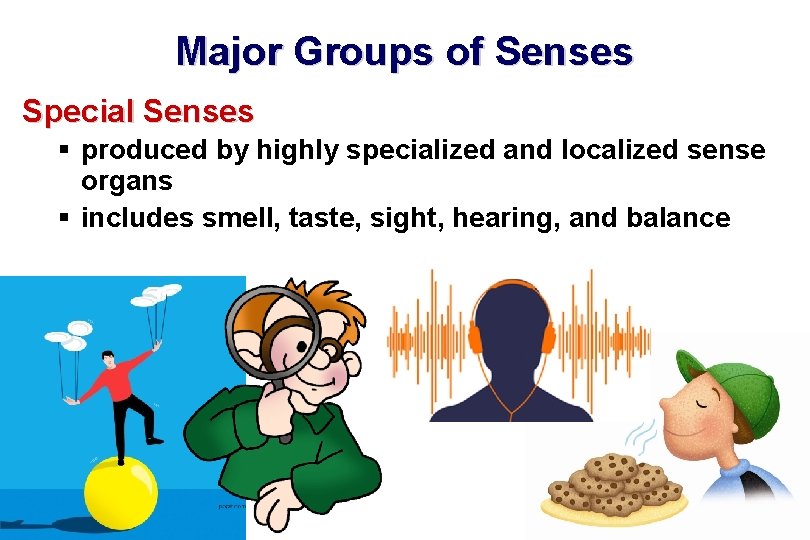
Major Groups of Senses Special Senses § produced by highly specialized and localized sense organs § includes smell, taste, sight, hearing, and balance
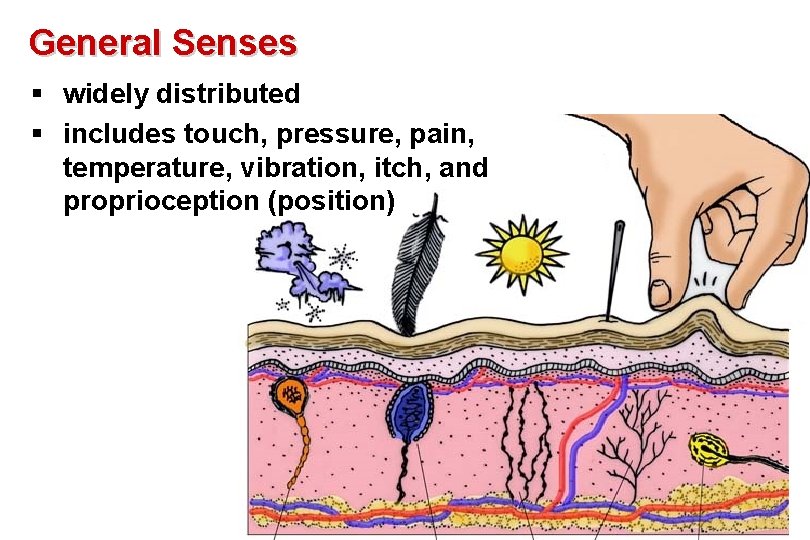
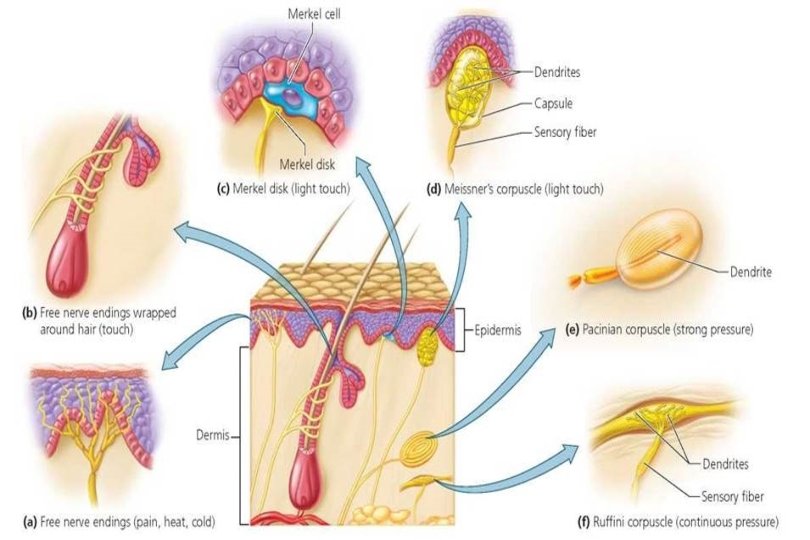
General Senses § widely distributed § includes touch, pressure, pain, temperature, vibration, itch, and proprioception (position)
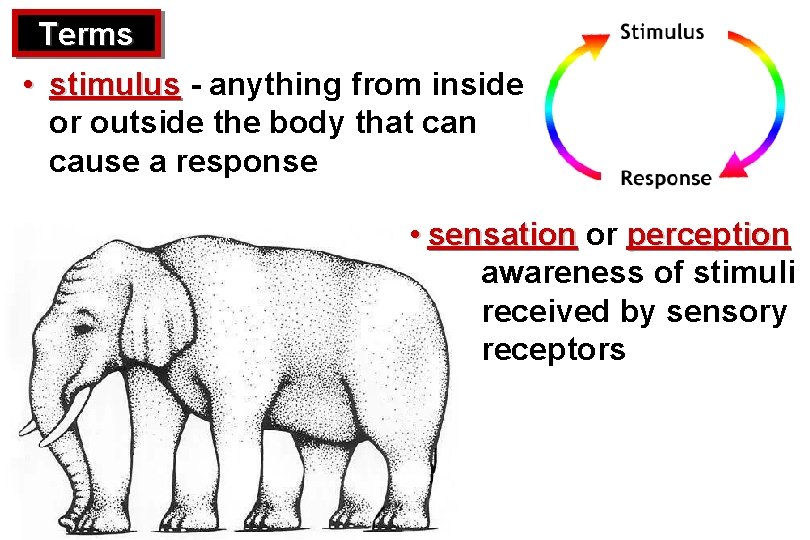
Terms • stimulus - anything from inside or outside the body that can cause a response • sensation or perception awareness of stimuli received by sensory receptors
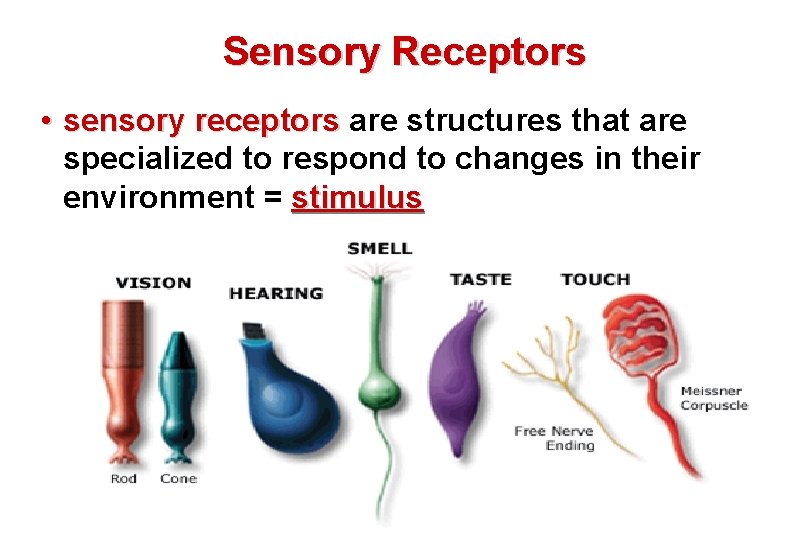
Sensory Receptors • sensory receptors are structures that are specialized to respond to changes in their environment = stimulus
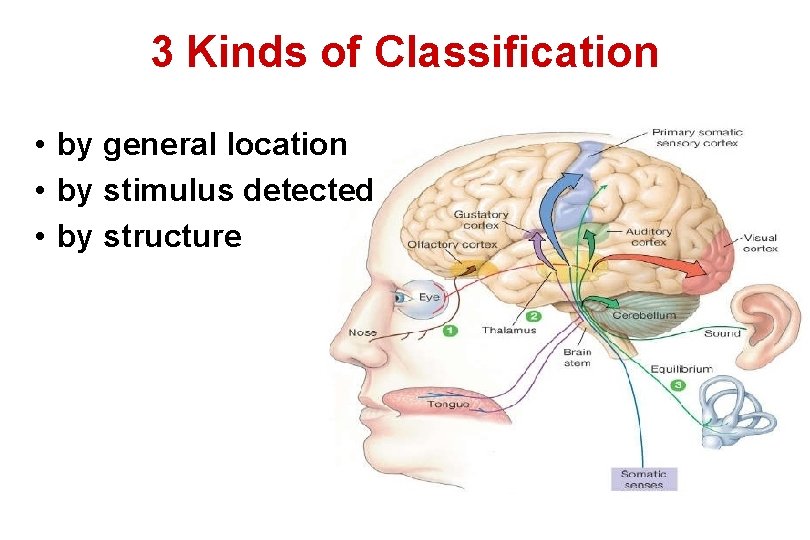
3 Kinds of Classification • by general location • by stimulus detected • by structure
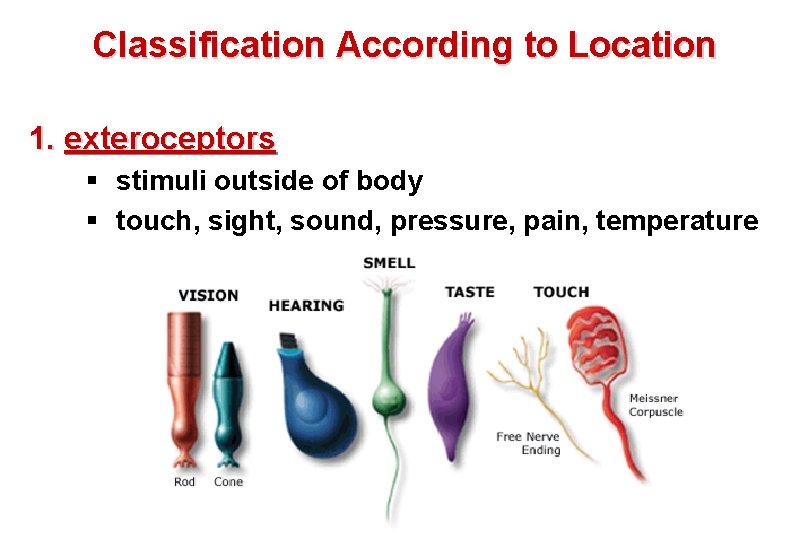
Classification According to Location
Classification According to Location 1. exteroceptors § stimuli outside of body § touch, sight, sound, pressure, pain, temperature
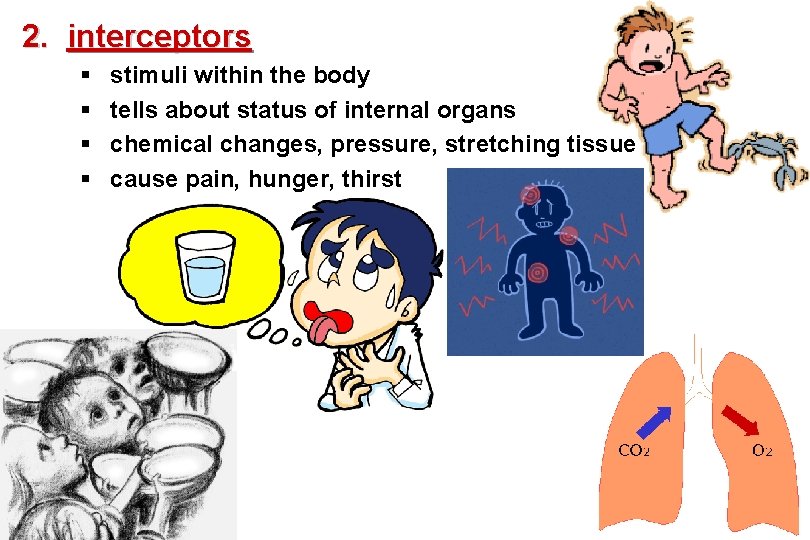
2. interceptors § § stimuli within the body tells about status of internal organs chemical changes, pressure, stretching tissue cause pain, hunger, thirst
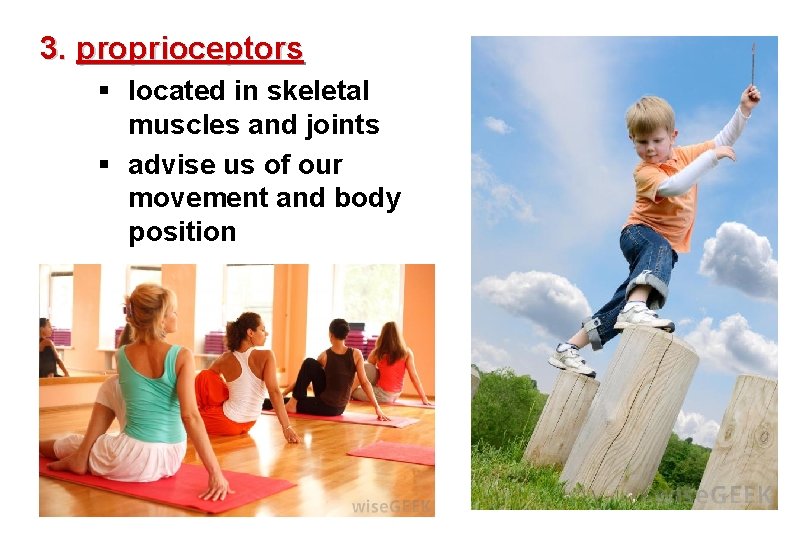
3. proprioceptors § located in skeletal muscles and joints § advise us of our movement and body position
Classification According to Stimulus
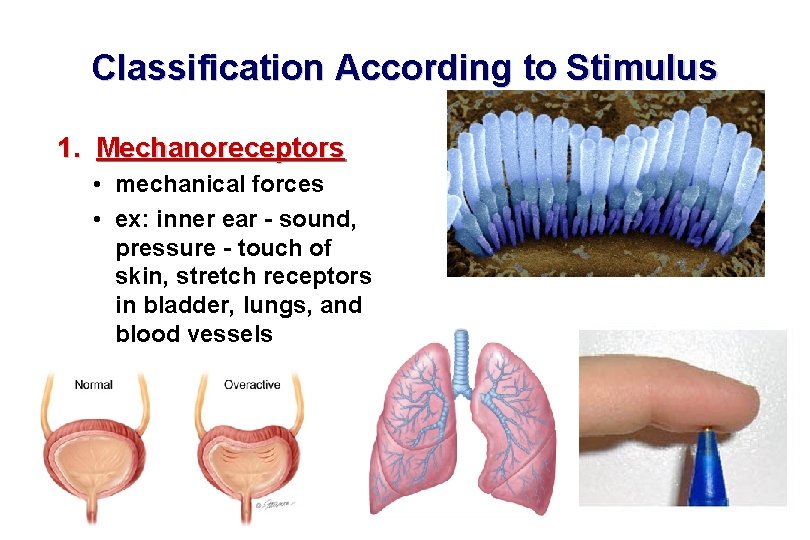
Classification According to Stimulus 1. Mechanoreceptors • mechanical forces • ex: inner ear - sound, pressure - touch of skin, stretch receptors in bladder, lungs, and blood vessels
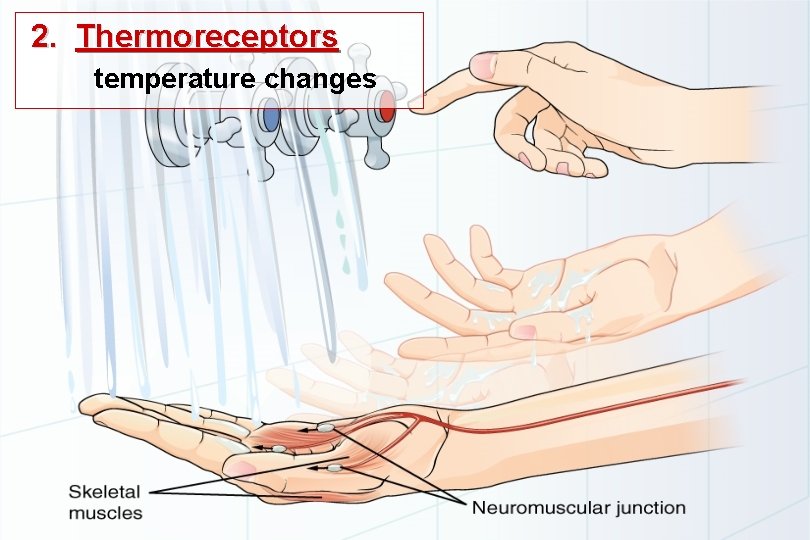
2. Thermoreceptors temperature changes
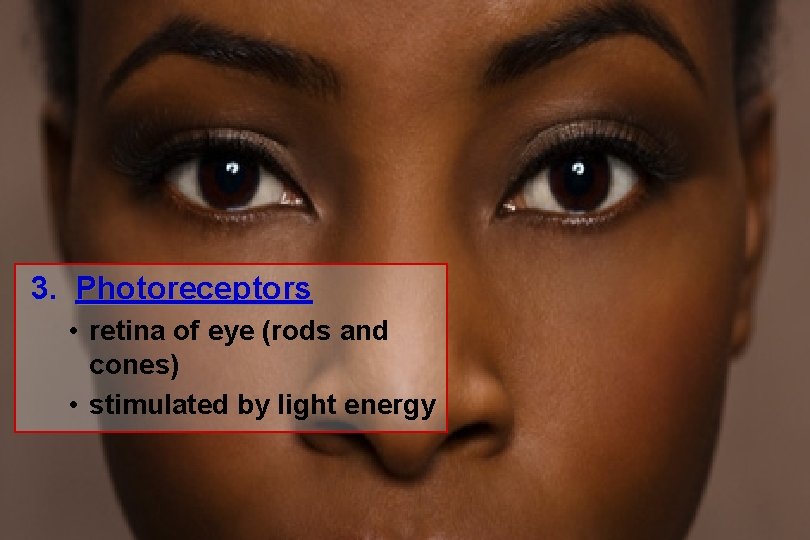
3. Photoreceptors • retina of eye (rods and cones) • stimulated by light energy
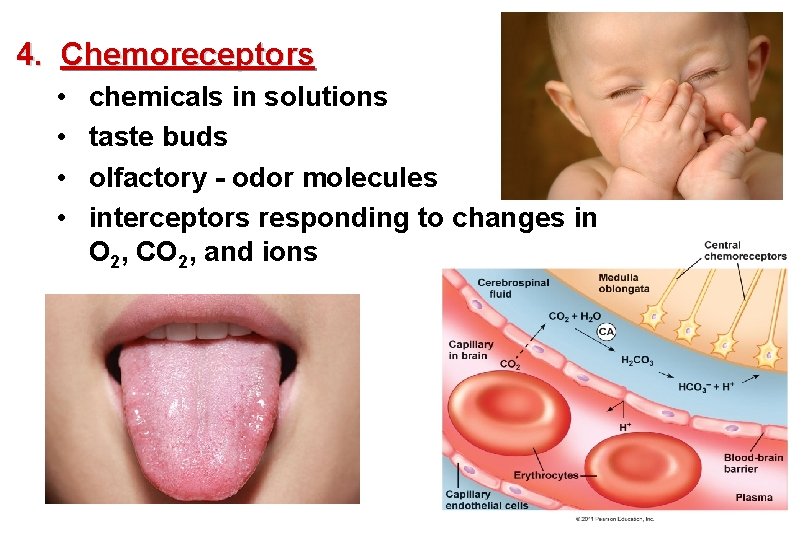
4. Chemoreceptors • • chemicals in solutions taste buds olfactory - odor molecules interceptors responding to changes in O 2, CO 2, and ions
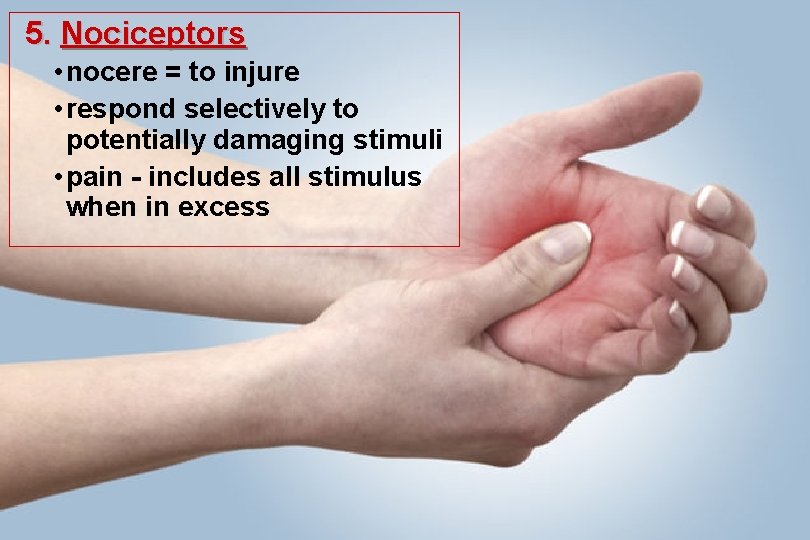
5. Nociceptors • nocere = to injure • respond selectively to potentially damaging stimuli • pain - includes all stimulus when in excess
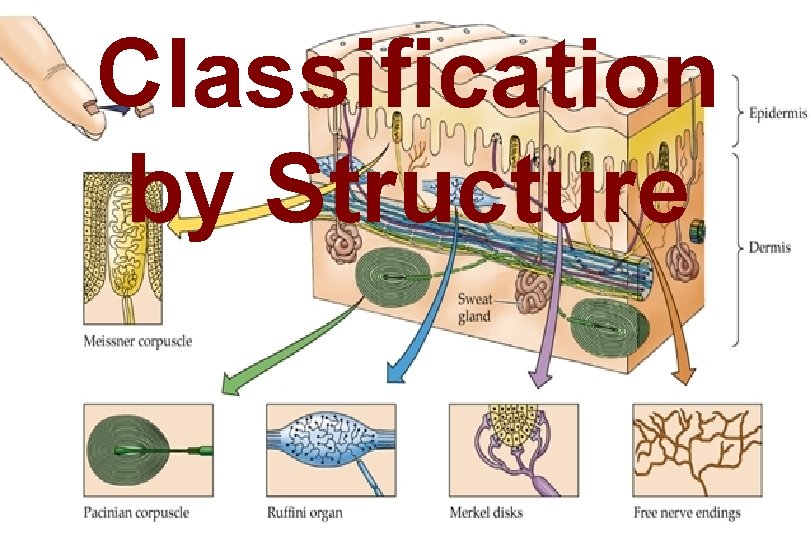
Classification by Structure