
The Seeds of War Mr Whites World History
- Slides: 14
The Seeds of War Mr. White’s World History Class
Big Questions l After this section, we should be able to answer this question: ¡ How did the main causes of World War I combine to cause the war?
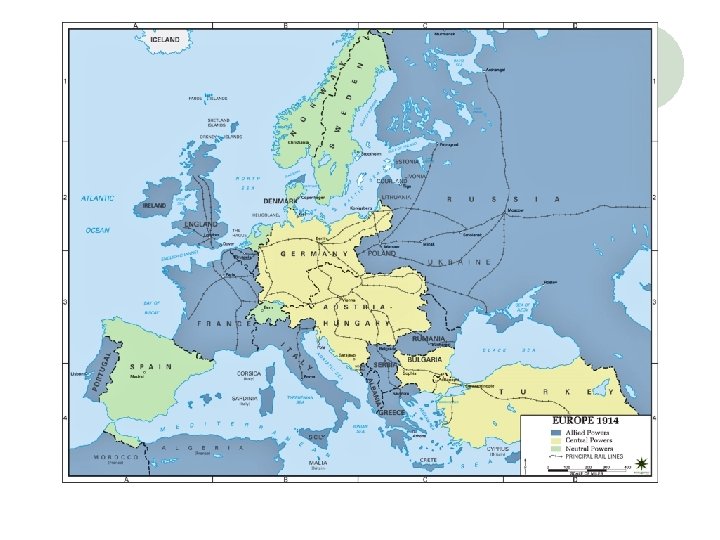
The Situation in Europe Before World War I Between the French Revolution and World War I, some changes had taken place in Europe l 1871 – German states united and defeated France quickly and completely in the Franco. Prussian War l ¡ Took the territory of Alsace-Lorraine These German states then formed into Germany, unified by German nationalism l Italy had formed from many small Italian states, unified by Italian nationalism l
The MAIN Causes l World War I had four main causes, easy to remember by using the word “MAIN” ¡Militarism ¡Alliance Systems ¡Imperialism and rivalries ¡Nationalism l Each of these causes made the war more likely to happen in the way that it did
Imperialism and European Rivalries l Rivalries between European nations began to grow before World War I – because… ¡ Industrialization and economic competition ¡ Imperialism – desire to take colonies
Imperialism and European Rivalries, 2 l Different nations had different imperialist motivations Great Britain – wanted to keep the seas open to navigation, keep the balance of power in Europe ¡ France – Alsace-Lorraine had been taken by Germany in the last war, wanted to take it back ¡ Germany – wanted to protect its colonies, take some from the Ottoman Empire ¡ Austria-Hungary – wanted the Balkans, and the Aegean Sea ¡ Russia – wanted the Bosporus, Dardanelles, and the Black Sea ¡
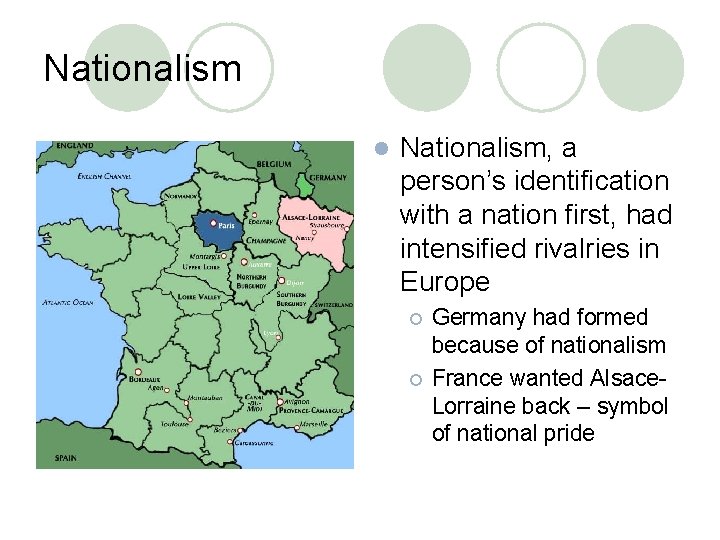
Nationalism l Nationalism, a person’s identification with a nation first, had intensified rivalries in Europe ¡ ¡ Germany had formed because of nationalism France wanted Alsace. Lorraine back – symbol of national pride
Slavic Nationalism Many Slavic people in the Balkans believed that they should have their own nation l Austria-Hungary thought this would lead to revolts by Slavs l Austria-Hungary took over Bosnia. Herzegovina in 1908 l Serbia, a neighbor, called on Russia to do something about this ¡ Russia couldn’t – too weak from the war with Japan ¡
Militarism l Militarism is… ¡ The glorification of war and the military – so… l Many European nations were prepared to use the military to solve national problems European nations had begun to assess other nation’s military strength l Military leaders argued that countries had to match the readiness of their rivals l ¡ All European nations except Great Britain adopted conscription, or mandatory military service for men
Military Plans Many European nations adopted to-theminute strategic plans that would go into effect when the war started l Germans – had adopted the Schlieffen plan in the case of war with both France and Russia l Russians would take a long time to mobilize ¡ Germans would attack the French and take Paris in six weeks ¡ Germans would then move their forces over to attack Russia ¡
Other Military Plans l Other nations had military plans, as well ¡ France – Plan XVII; attack Germans in Alsace. Lorraine and take it back ¡ Austria-Hungary – Plans B and R; plans for fighting in the Balkans or against Russia ¡ Russia – Plans G, A, and 19; would trade lives, land, and losses for time to mobilize ¡ Britain – Didn’t really have any plans for fighting this war; didn’t want to fight on the continent
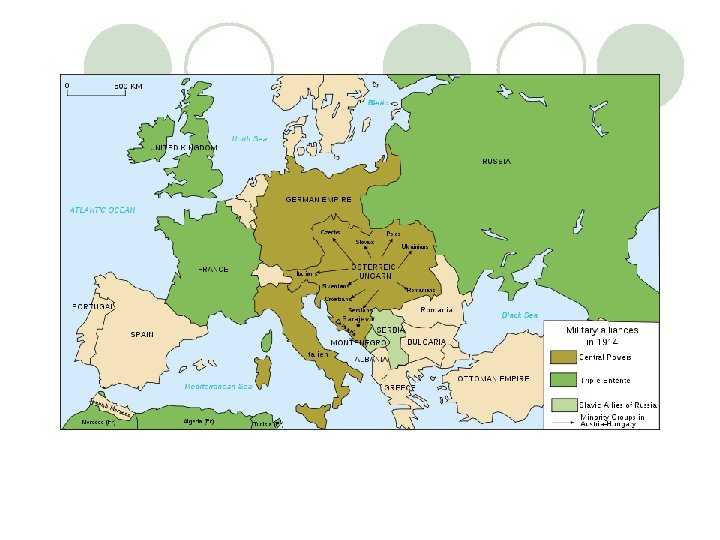
Alliance Systems l By 1882, Germany, Austria-Hungary, and Italy had formed the Triple Alliance ¡ Opposed l By to any aggression by France 1892, France and Russia signed an alliance against German or Austro. Hungarian aggression l France and Great Britain entered into an entente in 1907 – not an alliance, but an understanding between nations