
The Scope of Biology Exploring from the global
The Scope of Biology
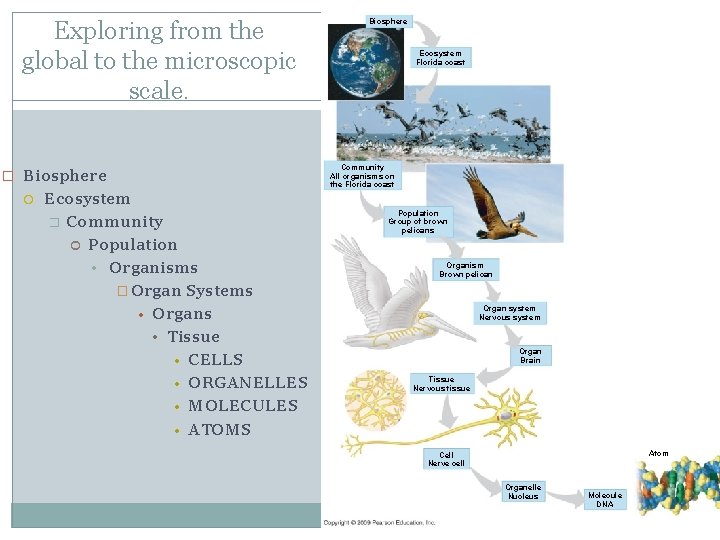
Exploring from the global to the microscopic scale. � Biosphere Ecosystem � Community Population • Organisms � Organ Systems • Organs • Tissue • CELLS • ORGANELLES • MOLECULES • ATOMS Biosphere Ecosystem Florida coast Community All organisms on the Florida coast Population Group of brown pelicans Organism Brown pelican Organ system Nervous system Organ Brain Tissue Nervous tissue Atom Cell Nerve cell Organelle Nucleus Molecule DNA
2 Types of Cells – Prokaryotic cells – – – Simple and small Cell membrane but NO nucleus Bacteria are prokaryotic – Eukaryotic cells – – – Possess organelles separated by membranes Nucleus Plants, animals, and fungi are eukaryotic
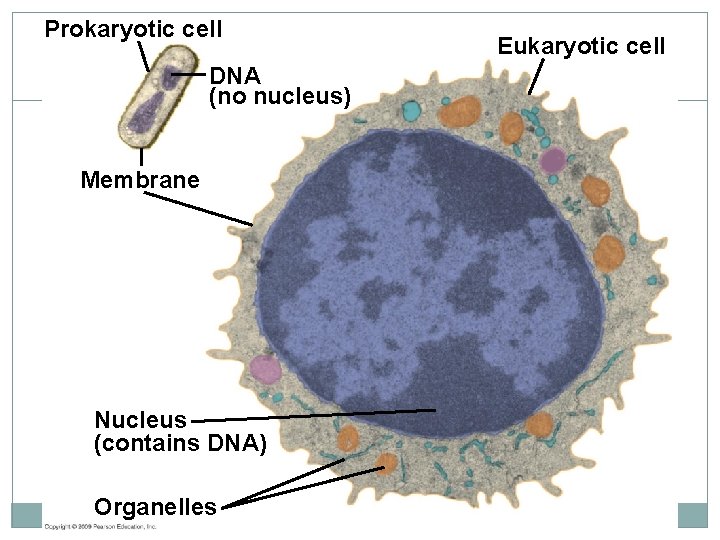
Prokaryotic cell DNA (no nucleus) Membrane Nucleus (contains DNA) Organelles Eukaryotic cell
Think… �What type of cells are humans comprised of?
3 Domains of Life – Bacteria—prokaryotic, and most are unicellular and microscopic – Archaea—like bacteria, are prokaryotic, and most are unicellular and microscopic – Eukarya—are eukaryotic and contain a nucleus and organelles
3 Domains of Life �Domain Bacteria and Domain Archaea comprise the prokaryotes �Domain Eukarya includes all eukaryotic organisms
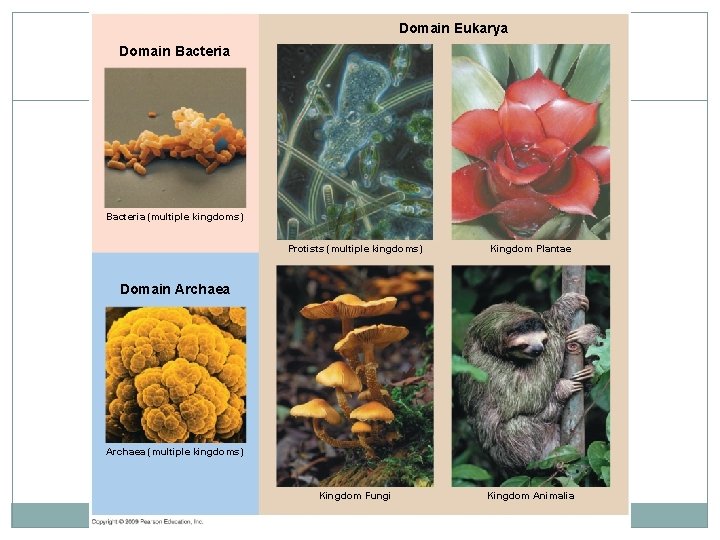
Domain Eukarya Domain Bacteria (multiple kingdoms) Protists (multiple kingdoms) Kingdom Plantae Kingdom Fungi Kingdom Animalia Domain Archaea (multiple kingdoms)
Think… �Which domain do we belong to?
Taxonomy �Taxonomy is the branch of biology that names and classifies species into groups �Currently 1. 6 million known species �Estimated 5 -50 million not yet identified
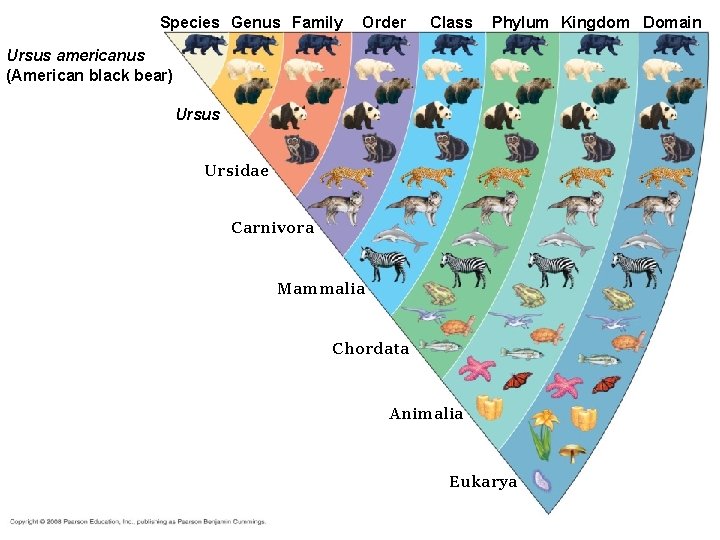
Species Genus Family Order Class Phylum Kingdom Domain Ursus americanus (American black bear) Ursus Ursidae Carnivora Mammalia Chordata Animalia Eukarya

Human Taxonomy
Think… �What classifies a species? �How many species of dogs are there? �How many species of insects are there?
What makes something living? �Demo….
The Characteristics of Life
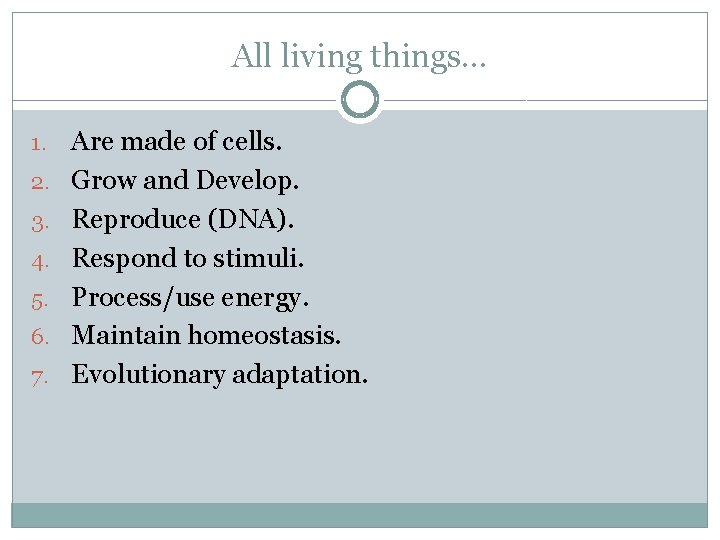
All living things… 1. 2. 3. 4. 5. 6. 7. Are made of cells. Grow and Develop. Reproduce (DNA). Respond to stimuli. Process/use energy. Maintain homeostasis. Evolutionary adaptation.
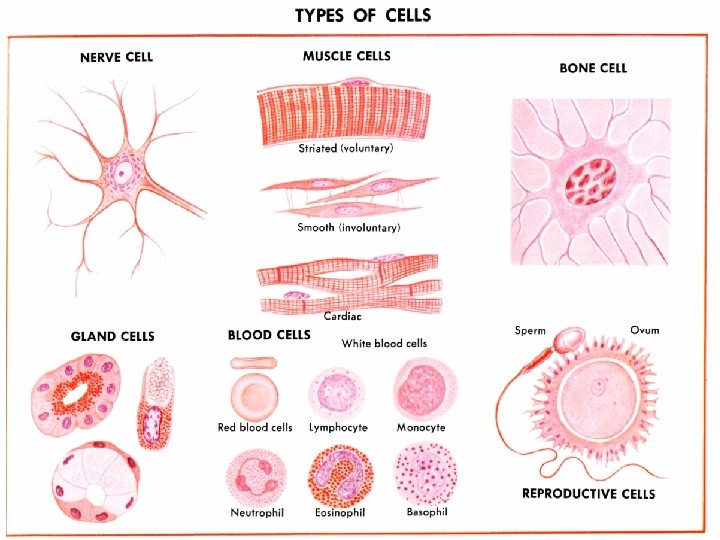
1. Made of Cells �Cells are organized. �Cells are differentiated (have specific functions). �Humans are comprised of about 85 different types of cells.
2. Growth and Development �What is the difference?
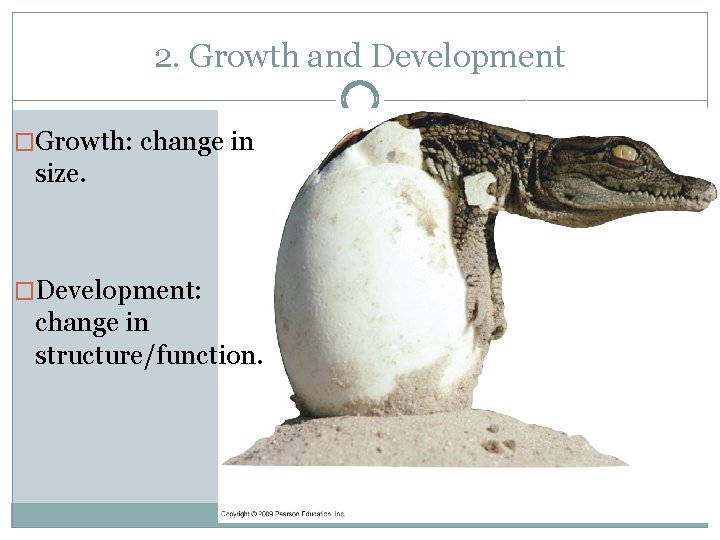
2. Growth and Development �Growth: change in size. �Development: change in structure/function.
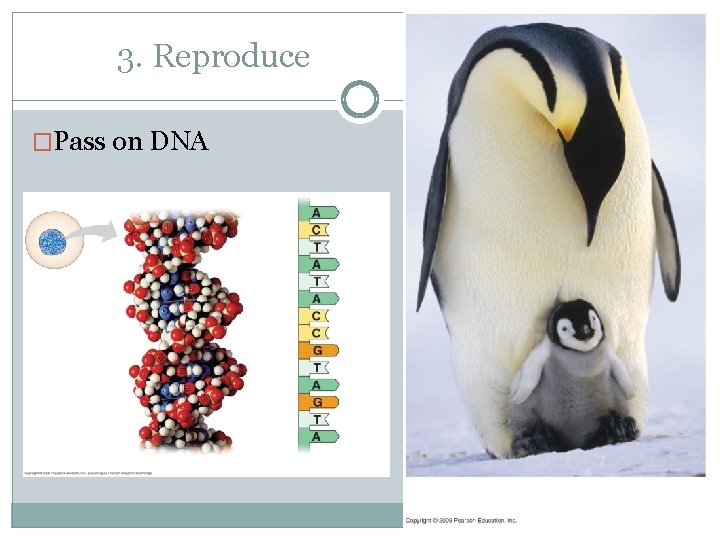
3. Reproduce �Pass on DNA
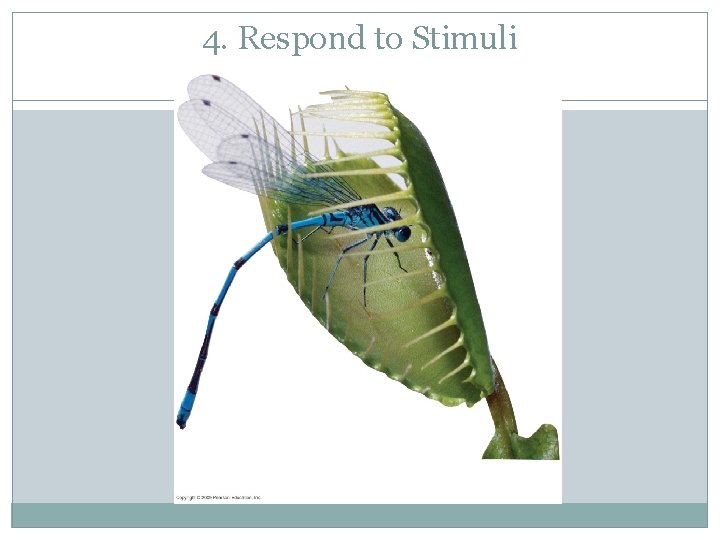
4. Respond to Stimuli
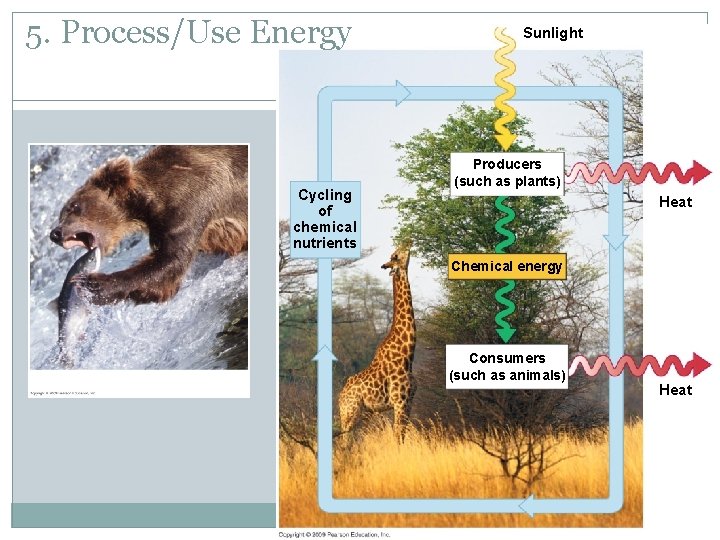
5. Process/Use Energy Cycling of chemical nutrients Sunlight Producers (such as plants) Heat Chemical energy Consumers (such as animals) Heat
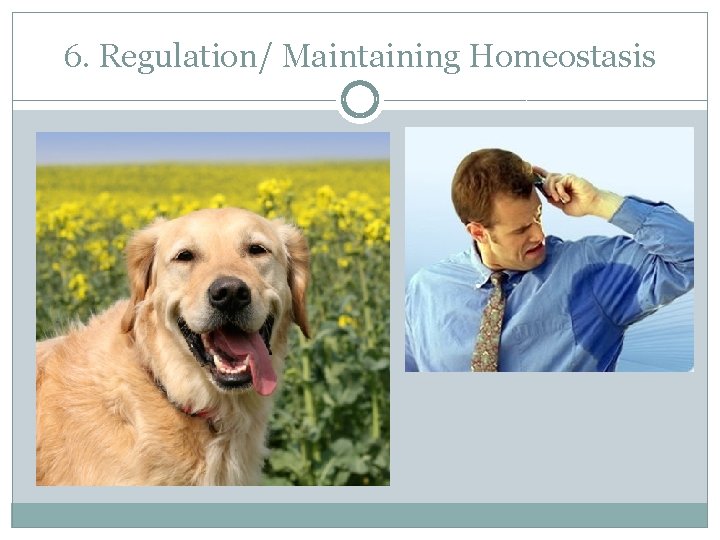
6. Regulation/ Maintaining Homeostasis
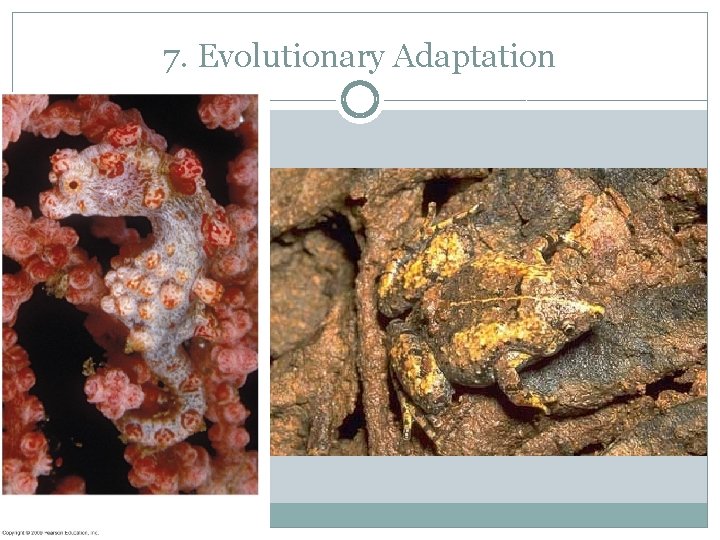
7. Evolutionary Adaptation
- Slides: 25