
The Scientific Revolution Enlightenment New Models and Methods

- Slides: 58
The Scientific Revolution & Enlightenment New Models and Methods
By the 17 th Century, many changes had begun to occur: � Scientists all over Europe kept in touch � Science became a big business � Newton’s theory of the Universe ◦ Huge influence on both scientific & political/social thinking � Application of Science to Industry � Popularized Science
Themes of the Scientific Revolution � Science = a philosophy � Science is practical � Science creates repercussions in theology & philosophy ◦ Deism: “Clockwork Universe” ◦ Traditional churches of all kinds were threatened by new ideas about man and God.
More Themes � Science created repercussions in thought, as well. political ◦ Scientific Revolution led to a belief in democracy & freedom � Rational order in the universe – it was possible scientifically, politically, and socially
Leaders of the Scientific Revolution � Bacon (English 1561 -1626) � Descartes (French 1596 -1650) � Locke (English 1632 -1704) � **All rejected mysticism & earlier science � **All asked for proof of knowledge
Induction vs. Deduction � Medieval scientists believed in the ideas of Aristotle: Deductive Method: look at the “whole” and make hypotheses about it � Bacon rejected the deductive method & advocated the Inductive method: look at the parts and make hypotheses about the whole.
Sir Francis Bacon: Empiricist � 1620: Novum Organum: explains the inductive method “from particular to general” “from concrete to abstract. ” � A posteriori knowledge is only true fact. � 1623: The Advancement of Learning � Scientists based theories on B’s ideas, but he had little practical effect because he ignored mathematics.
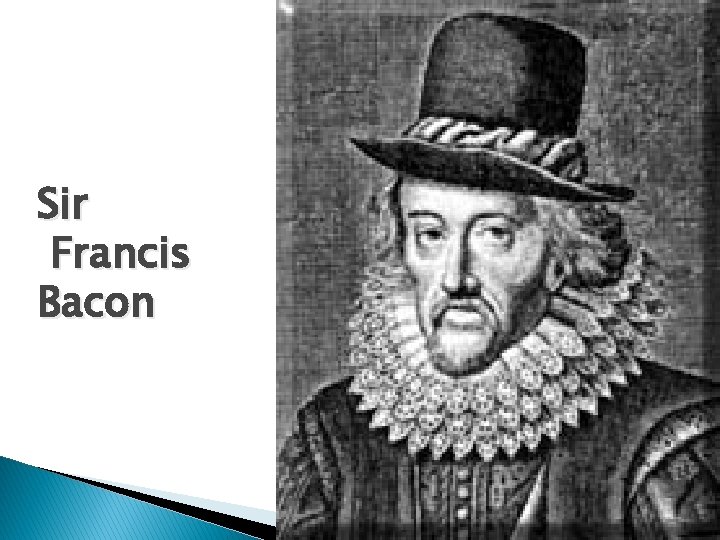
Sir Francis Bacon
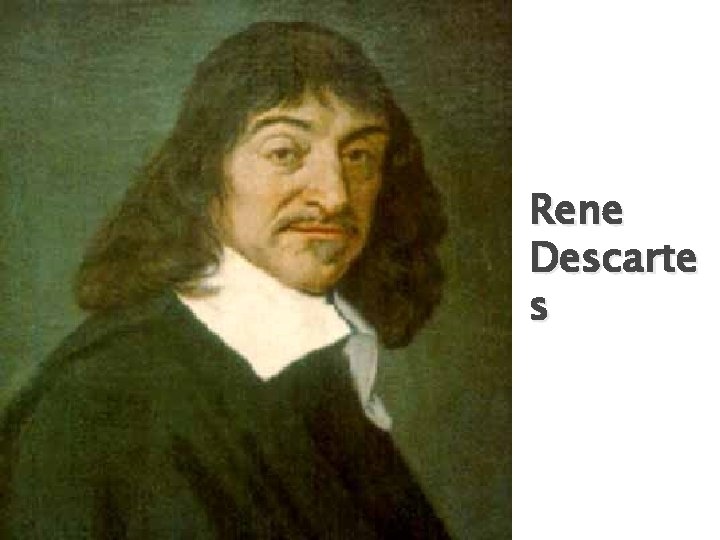
Rene Descartes: Rationalist � Tried to use reason to explain the world— didn’t trust the senses. � 1637: Discourse on Method: emphasis on deduction & math ◦ math = “a form of non-empirical knowledge. ” � 1641: Meditations on the First Philosophy: ◦ “Radical Doubt” ◦ Doubted everything as a methodological tool: “mischievous Devil” idea
More Ideas of Descartes � “Cogito ergo sum”—proves existence of himself & God based on the fact he “knows” he is a “thinking thing. ” � A priori knowledge is basis of all other knowledge. � Radical distinction between mind & body— dualism. Man is an incorporeal mind in a mechanical body (similar to Plato) ◦ Contact is made in the pineal gland, but he doesn’t explain how.
Rene Descarte s
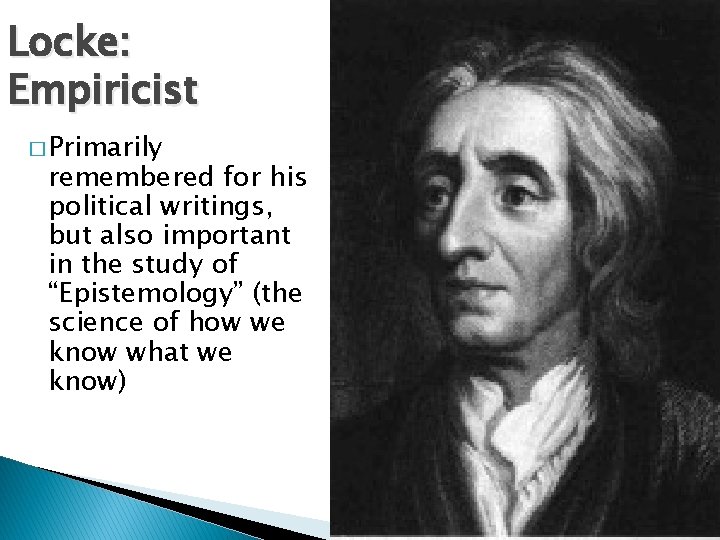
Locke: Empiricist � Primarily remembered for his political writings, but also important in the study of “Epistemology” (the science of how we know what we know)
Important Works � “A Letter Concerning Toleration” 1689 � “Two Treatises of Civil Government” 1690 � “Essay concerning Human Understanding” 1690
Important Ideas of Locke � “Tabula Rosa” All knowledge comes from sense impressions made on the mind from birth. ◦ At birth the mind is like a “blank slate” ◦ Our picture of the world is built up of the impressions which are imprinted on our mind through numerous observations during our lifetime.
More Important Ideas � Man is a “rational” being that can be improved by education and proper upbringing. � Provided a “scientific” reason for reform � Toleration, respect for reason, optimism about human perfectibility, and political freedom were all hallmarks of the Enlightenment that stemmed from Locke.
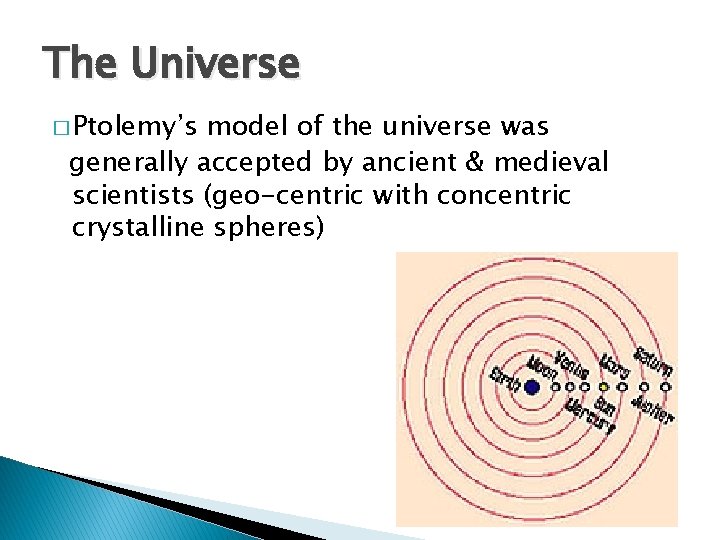
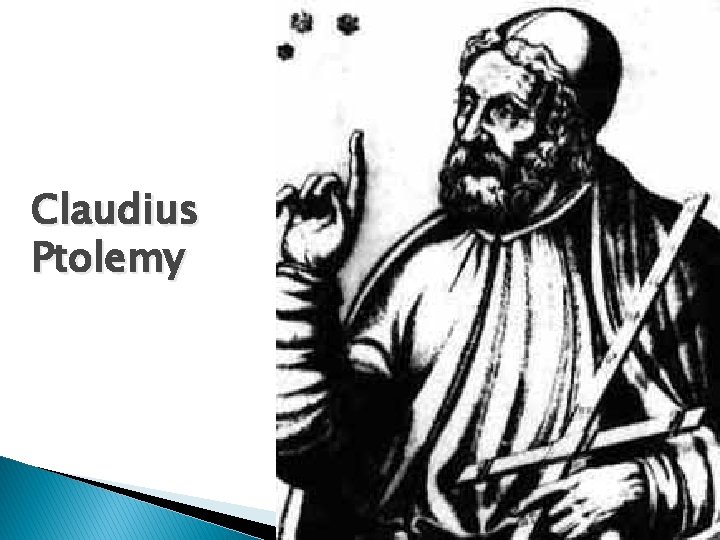
The Universe � Ptolemy’s model of the universe was generally accepted by ancient & medieval scientists (geo-centric with concentric crystalline spheres)
Claudius Ptolemy
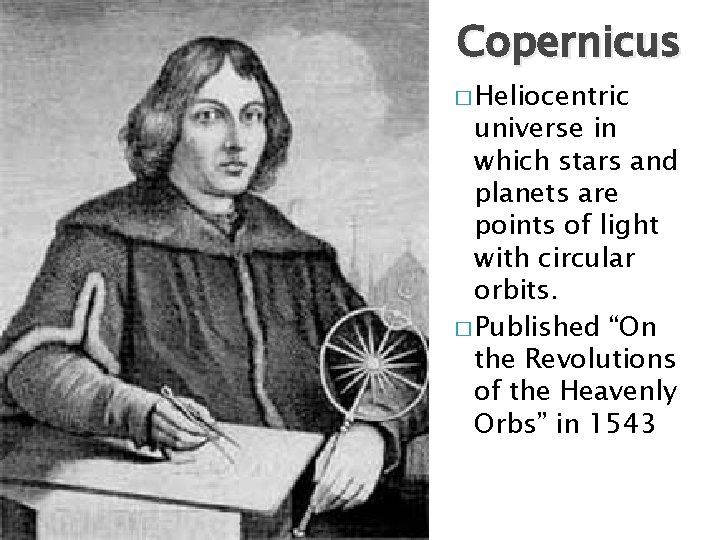
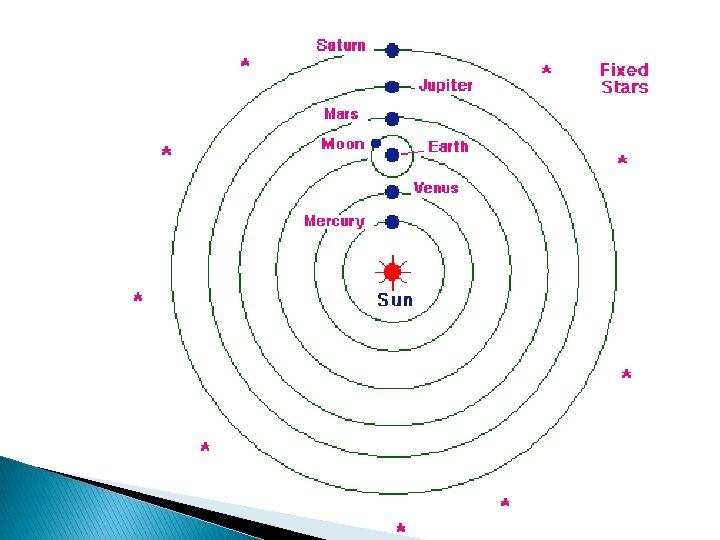
Copernicus � Heliocentric universe in which stars and planets are points of light with circular orbits. � Published “On the Revolutions of the Heavenly Orbs” in 1543
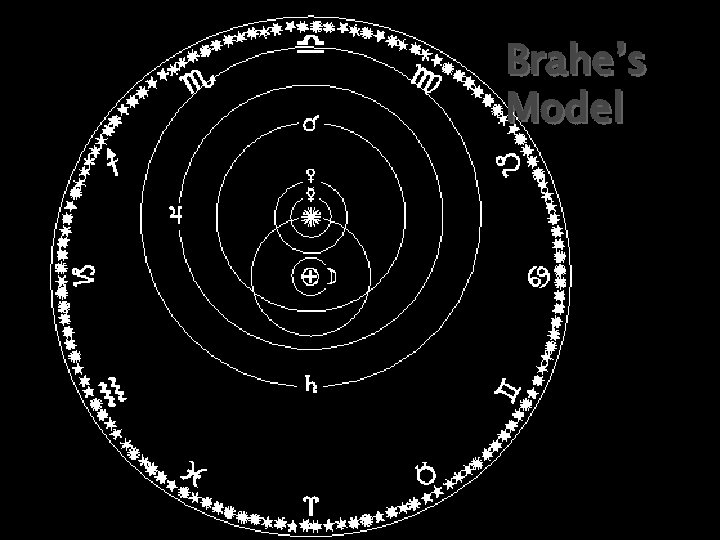
Tycho Brahe � Danish Imperial Mathematician � Observed the heavens and decided that all of the heavenly bodies orbited around the sun, except for the earth and its moon, and that the sun and its planetary system revolved around the earth.
Brahe’s Model
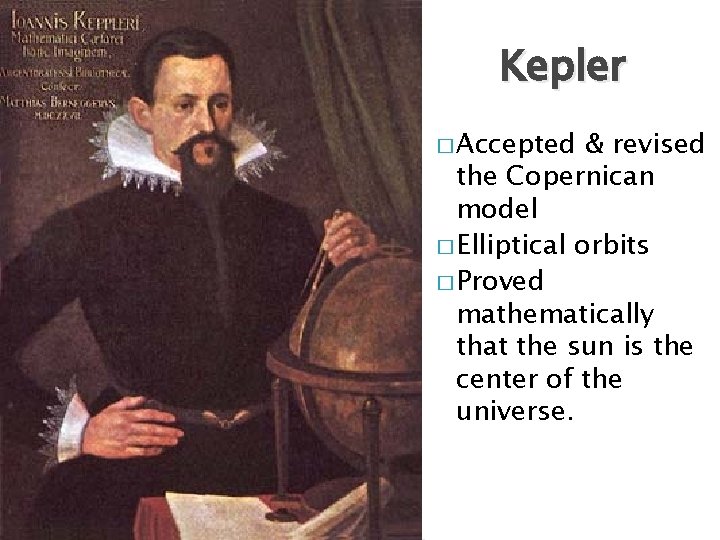
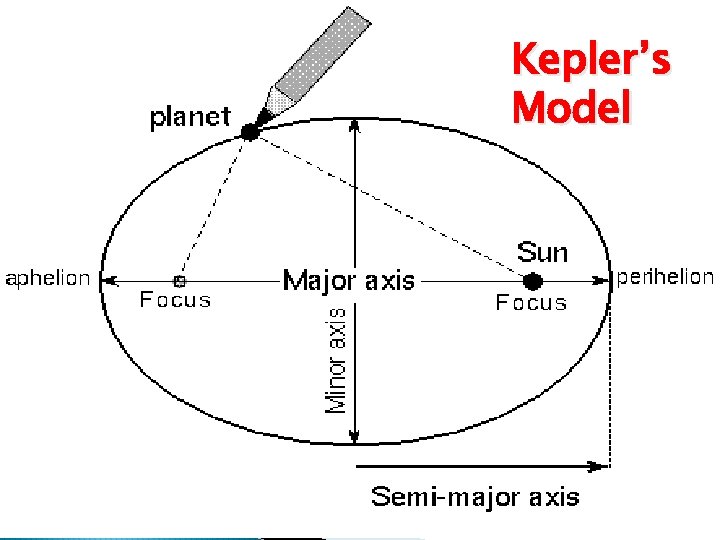
Kepler � Accepted & revised the Copernican model � Elliptical orbits � Proved mathematically that the sun is the center of the universe.
Kepler’s Model
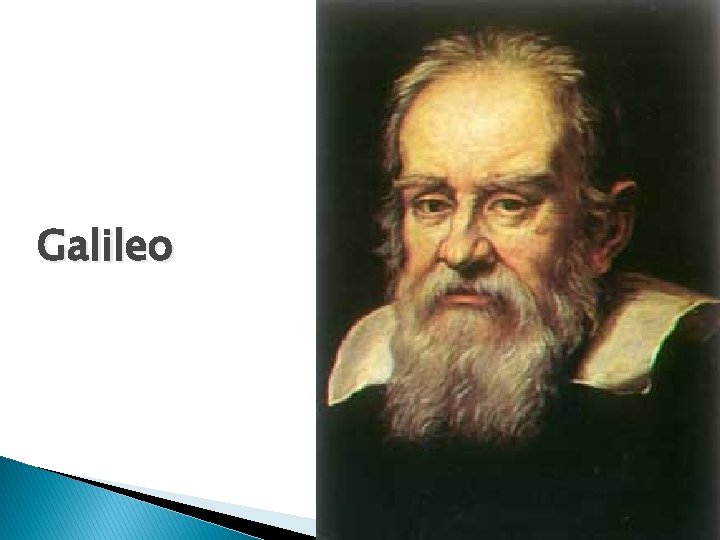
Galileo � Improved the telescope and used it to observe the moon, stars, and other heavenly bodies � 1610: Published “Starry Messenger” in which he claimed there were mountains on the moon and moons around Jupiter. � 1613: Sunspots discovered
Controversy with the Church � Between 1613 and 1616, Galileo wrote a series of letters concerning the truth of the Copernican model. ◦ The 1616 letter came to the attention of an influential Cardinal who had it put on the Index of Prohibited Books. ◦ He was ordered NOT to hold Copernican views.
More Controversy � 1624 -30: Galileo wrote “Dialogue Concerning the Two Chief Systems of the World: Ptolemaic & Copernican” ◦ Banned immediately ◦ Put on Trial in 1633 and found guilty of breaking the 1616 sentence. ◦ Put under house arrest where he was supervised by officers of the Inquisition.
Galileo
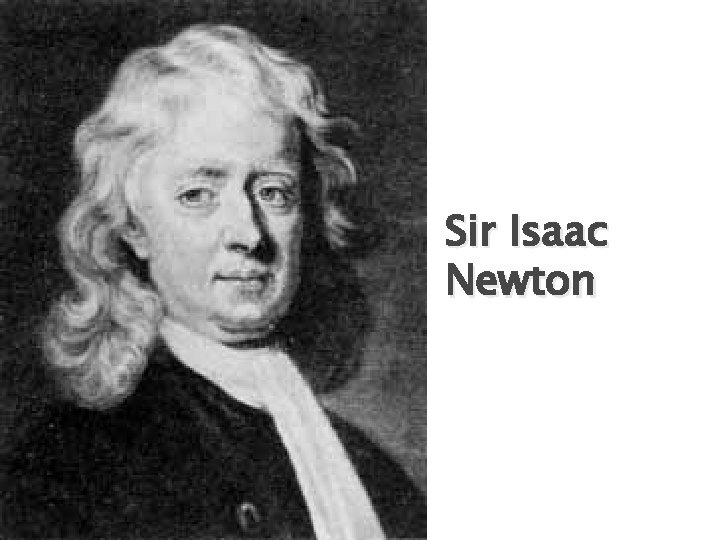
Sir Isaac Newton � 1668: built the first reflecting telescope � Laws of motion � Law of universal gravitation � 1687: Published “Principia Mathematica” � 1704: Published “Optics” in which he included his explanation of differential calculus as an appendix. ◦ Developed calculus independent of Leibniz
Sir Isaac Newton
The Enlightenment � Centered in France, but not limited to it. � 18 th century philosophical, political, and societal thinking � Official dates: 1687 (“Principia” – 1789 (French Revolution began) � Popularized by the creation of the Encyclopedia by Diderot � Enlightenment philosophers were called “philosophes. ”
Philosophes � Philosophes had differing beliefs about issues, such as the perfect form of government, etc. , but they all shared a basic unity of thought.
Similarities � All applied reason to their analysis of society � All believed in progress and looked optimistically toward the future � All sought reform to establish and protect human liberties � All attacked the abuses of the Old Regime
Main Sources of Ideas � NEWTON: Application of his ideas of empirical experience, rationality of the world, and the existence of natural laws � LOCKE: Application of his political ideals and his theory that man can be improved by his environment � BRITISH GOVERNMENT: By the 1700’s, England had the most democratic gov’t in Europe -- a model for the utopian ideals of many philosophes
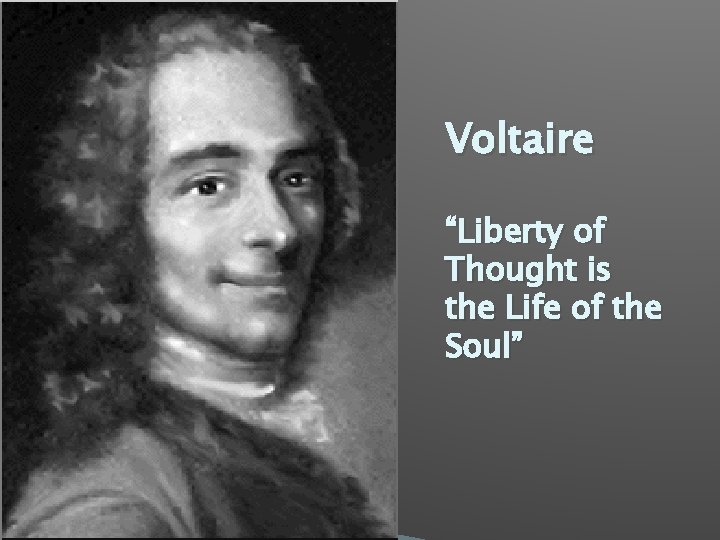
Voltaire (1694 -1778) � Longest-lived, most prolific philosophe � Believed the universe is governed by natural laws which can’t be changed by man. � Rejected the idea of innate ideas and held that knowledge is acquired through experience which is interpreted by reason. � Man and human nature are basically good � Deist—very critical of organized religion � Satirist—very famous for Candide
Voltaire “Liberty of Thought is the Life of the Soul”
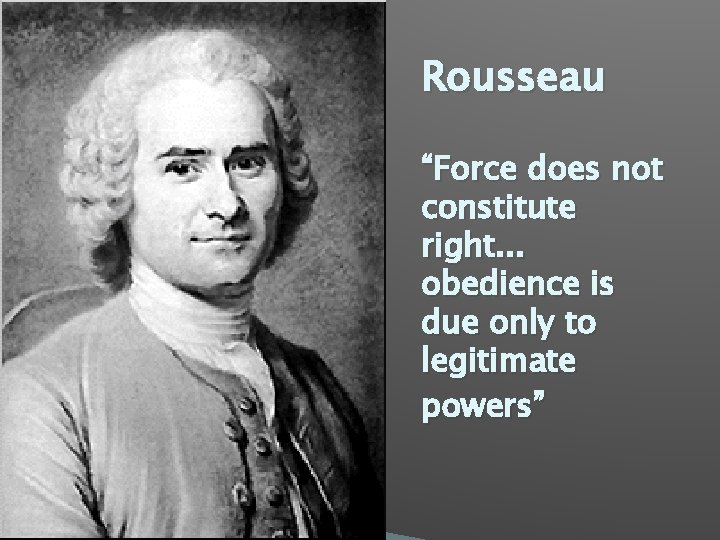
Rousseau (1712 – 1778) �A romantic, he differed from the rest by questioning the generally accepted faith in reason and science as a means to a good life � Civilization was a disease that had corrupted man and led him into slavery ◦ “Man is born free, but everywhere he is in chains. . . (Social Contract)
Social Contract � All men begin in a state of nature, where they are “benevolent natives. ” ◦ Human nature is innately good—man is corrupted by society. � The first person to fence off his property ruined this idyllic state of affairs and created a need for government—thus a social contract was made between citizens. � A social contract was a deal made among the people themselves in which the supreme authority was to be the general will.
Laws � Individuals gave up all of their rights to the new state and agreed to follow the laws for the benefit of all mankind. � Laws were made by all men in a direct democracy. � When a citizen votes, he is guided by the general will which has as its object the good of the whole community.
Liberty � Defined by Rousseau as obedience to selfimposed law. � Since the general will is the expression of the individual wills of the citizens determining what is good for the community, any individual who refuses to obey the law must be ”forced to be free, ” or forced to follow the laws.
Government � Direct democracy, an agent of the people � Revolution is advisable, if the government no longer serves the needs of the people, and it can be changed whenever the people wish.
Rousseau “Force does not constitute right. . . obedience is due only to legitimate powers”
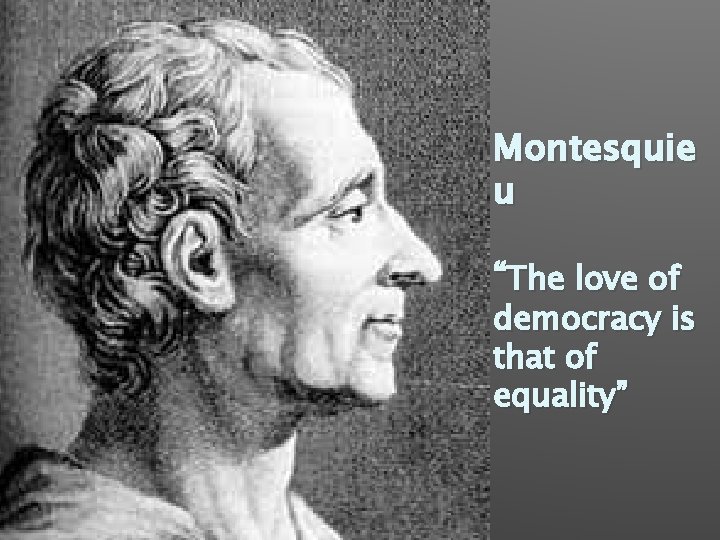
Montesquieu (1689 – 1755) � Most famous book: The Spirit of the Laws � Relativist: no one best form of government exists. ◦ Good government should vary with the circumstances of the nation—education, climate, soil, size, religion, customs, etc. ◦ Despotism most suited to large nations in hot areas, while democracy worked best in small, cool regions.
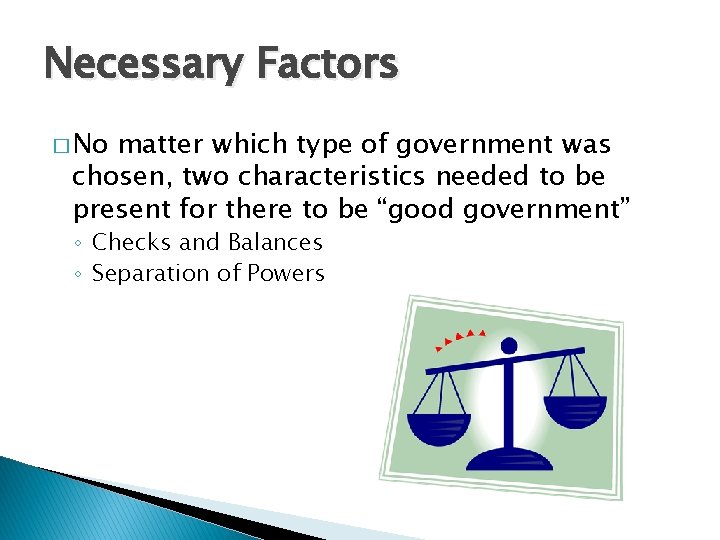
Necessary Factors � No matter which type of government was chosen, two characteristics needed to be present for there to be “good government” ◦ Checks and Balances ◦ Separation of Powers
Montesquie u “The love of democracy is that of equality”
Diderot (1713 – 1784) � Editor-in-chief of the Encyclopedie (vol. 1 published in 1751) ◦ Extensive compendium of human knowledge ◦ Propagandistic—designed to show up the faults of society and to promote rationalism, science, a respect for natural law, and the need for reform to create social progress ◦ Censored by the Catholic church
Beccaria (1738 – 1794) � Italian jurist � Three natural laws of justice: ◦ Punishments should be used to deter crimes and reform the criminal ◦ Severe punishment was not necessary for this purpose ◦ Punishment needed to be certain and quick and just � Advocated the abolition of torture & capital punishment � Wrote “Crimes & Punishments”
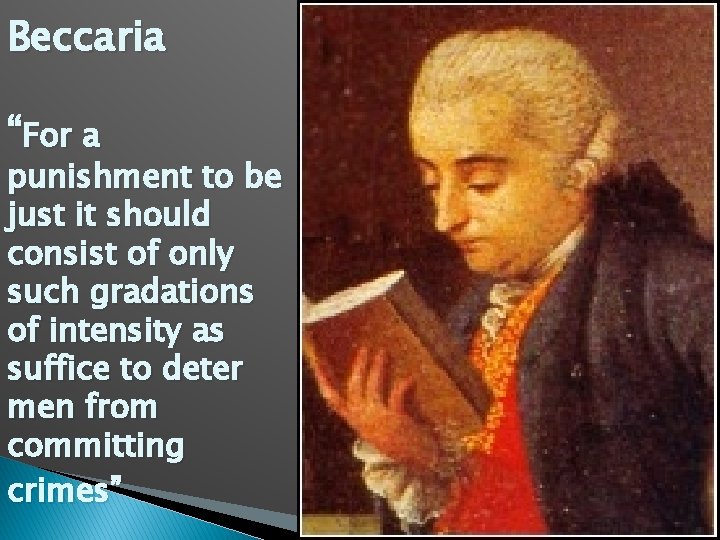
Beccaria “For a punishment to be just it should consist of only such gradations of intensity as suffice to deter men from committing crimes”
Economic Reformers � Physiocrats: a group of economic thinkers who believed in the existence of natural economic laws. ◦ Economic harmony would result when these natural laws were left alone to operate freely ◦ Called for a laissez-faire economy
Quesnay � Leader of the physiocrats � Believed that agriculture was the basis of a country’s economy. � Fierce attack on mercantilism
Quesnay “Let it be, let it pass”
Adam Smith (1727 – 1790) � Father of Modern Capitalism/Laissez-Faire ◦ argued against the protection of home industries by imposing tariffs ◦ Argued that in the long run it would be to the nation’s advantage not to restrict imports by tariffs. � Government interference justified only for the purpose of defense or to extend or protect the rights and liberties of citizens � Wanted funding of public education.
Most Famous Quote � Every individual. . . generally, indeed, neither intends to promote the public interest, nor knows how much he is promoting it. By preferring the support of domestic to that of foreign industry he intends only his own security; and by directing that industry in such a manner as its produce may be of the greatest value, he intends only his own gain, and he is in this, as in many other cases, led by an invisible hand to promote an end which was no part of his intention.
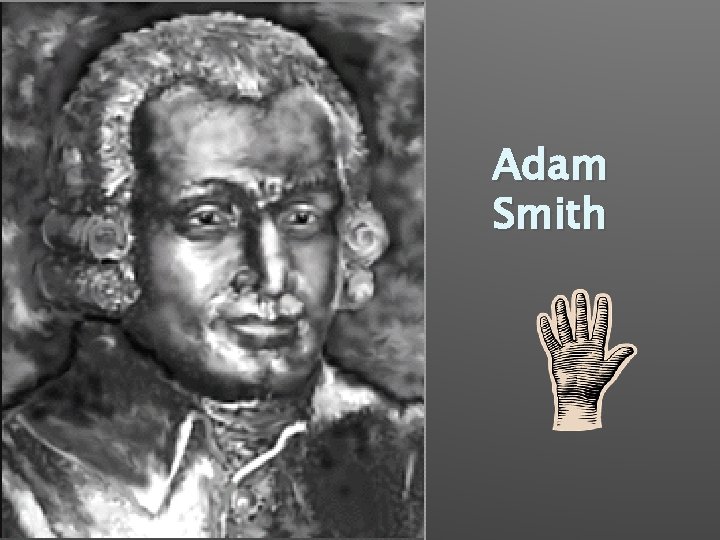
Adam Smith
Enlightened Absolutism � Ideas of enlightenment thinkers became popular with some absolute monarchs � Monarchs tried to justify their despotic rule by claiming that they were governing in the interests of the people. � Some enlightened despots really did care about the condition of the people are were willing to offer limited reforms as long as the reforms did not jeopardize their power.
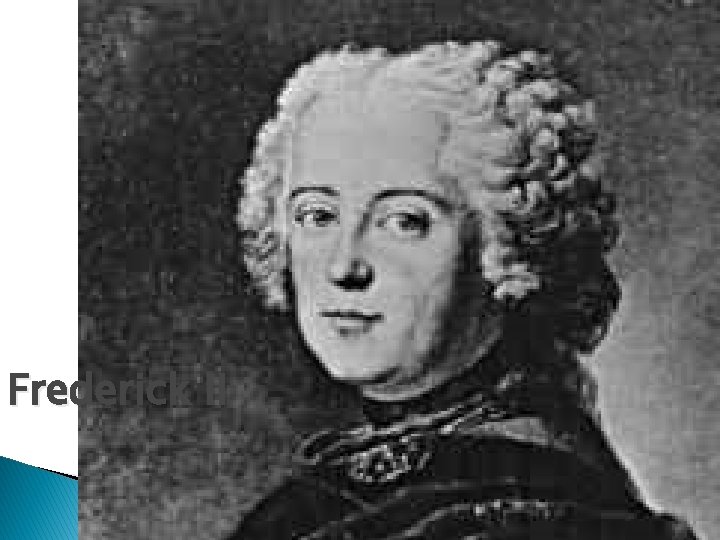
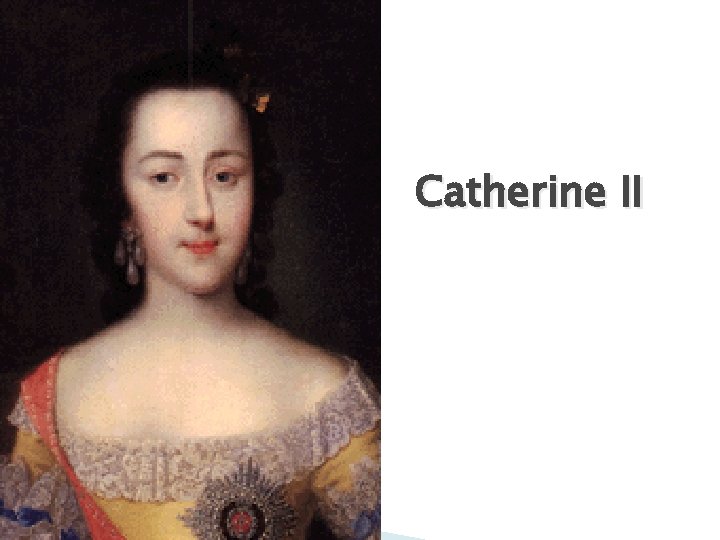
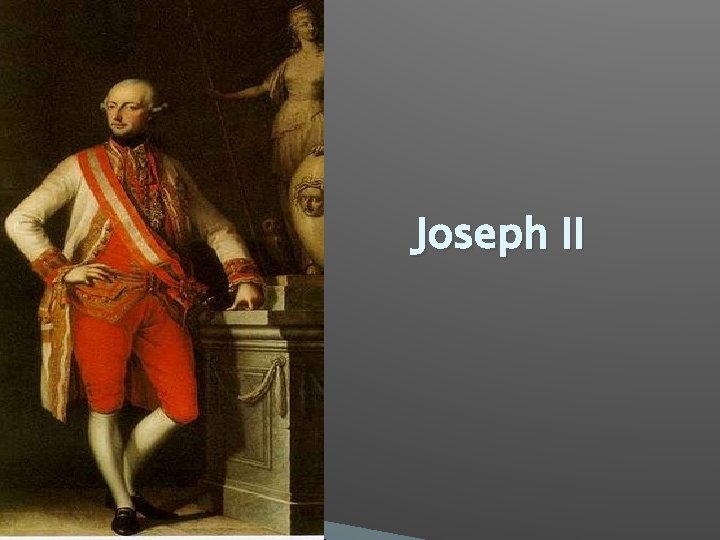
Enlightened Monarchs � Enlightened Monarchs included: ◦ Frederick II (the Great) of Prussia ◦ Catherine II (the Great) of Russia ◦ Joseph II of Austria � All of these monarchs sought to provide educational opportunities, hospitals, and cultural opportunities to at least some portion of their population.
Frederick II
Catherine II
Joseph II