
THE SCIENTIFIC METHOD IN SOCIOLOGY THE BASIC SCIENTIFIC

THE SCIENTIFIC METHOD IN SOCIOLOGY
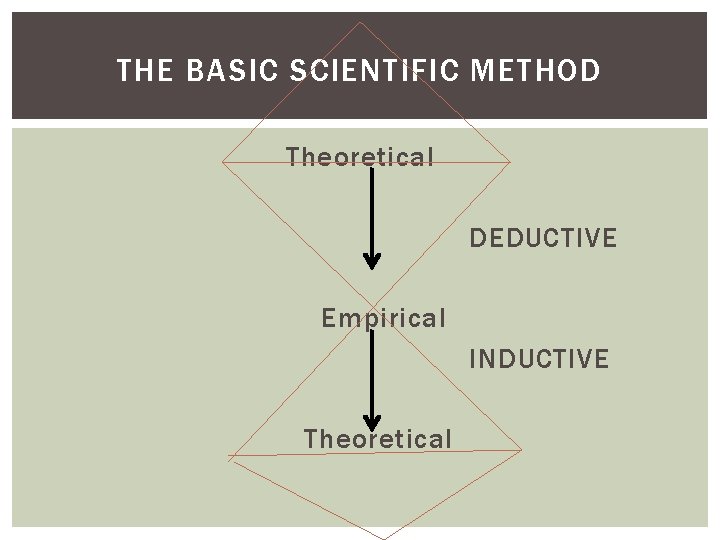
THE BASIC SCIENTIFIC METHOD Theoretical DEDUCTIVE Empirical INDUCTIVE Theoretical
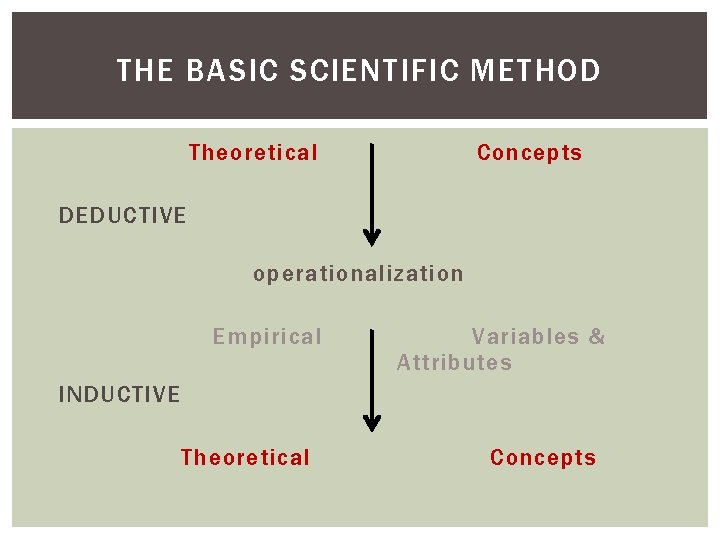
THE BASIC SCIENTIFIC METHOD Theoretical Concepts DEDUCTIVE operationalization Empirical Variables & Attributes INDUCTIVE Theoretical Concepts
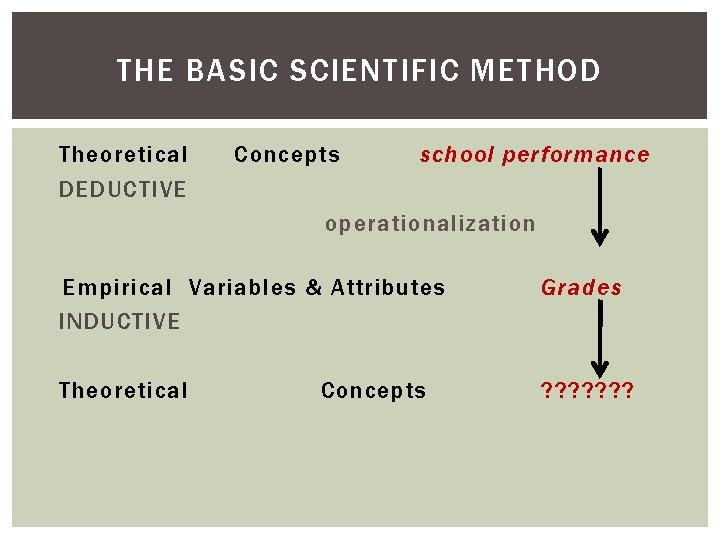
THE BASIC SCIENTIFIC METHOD Theoretical DEDUCTIVE Concepts school performance operationalization Empirical Variables & Attributes INDUCTIVE Grades Theoretical ? ? ? ? Concepts

Durkheim. pptx
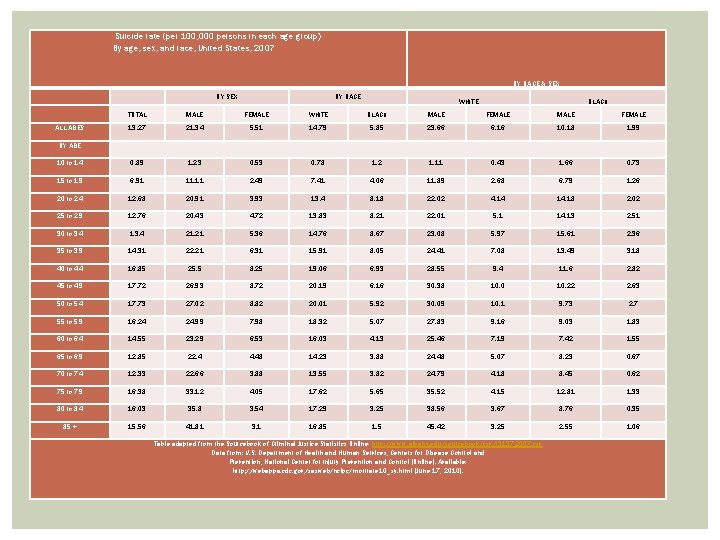
Suicide rate (per 100, 000 persons in each age group) By age, sex, and race, United States, 2007 BY RACE & SEX BY RACE WHITE BLACK TOTAL MALE FEMALE WHITE BLACK MALE FEMALE 13. 27 21. 34 5. 51 14. 79 5. 85 23. 66 6. 16 10. 18 1. 99 10 to 14 0. 89 1. 23 0. 53 0. 78 1. 2 1. 11 0. 43 1. 66 0. 73 15 to 19 6. 91 11. 11 2. 49 7. 41 4. 06 11. 89 2. 68 6. 79 1. 26 20 to 24 12. 68 20. 91 3. 93 13. 4 8. 18 22. 02 4. 14 14. 18 2. 02 25 to 29 12. 76 20. 43 4. 72 13. 83 8. 21 22. 01 5. 1 14. 13 2. 51 30 to 34 13. 4 21. 21 5. 36 14. 76 8. 67 23. 08 5. 97 15. 61 2. 36 35 to 39 14. 31 22. 21 6. 31 15. 91 8. 05 24. 41 7. 08 13. 49 3. 18 40 to 44 16. 85 25. 5 8. 25 19. 06 6. 93 28. 55 9. 4 11. 6 2. 82 45 to 49 17. 72 26. 93 8. 72 20. 19 6. 16 30. 38 10. 0 10. 22 2. 63 50 to 54 17. 73 27. 02 8. 82 20. 01 5. 92 30. 09 10. 1 9. 73 2. 7 55 to 59 16. 24 24. 99 7. 98 18. 32 5. 07 27. 83 9. 16 9. 03 1. 83 60 to 64 14. 55 23. 29 6. 53 16. 03 4. 13 25. 46 7. 19 7. 42 1. 55 65 to 69 12. 85 22. 4 4. 48 14. 23 3. 88 24. 48 5. 07 8. 23 0. 67 70 to 74 12. 33 22. 66 3. 88 13. 55 3. 82 24. 79 4. 18 8. 45 0. 62 75 to 79 16. 38 33. 12 4. 05 17. 62 5. 65 35. 52 4. 15 12. 81 1. 33 80 to 84 16. 03 35. 8 3. 54 17. 29 3. 25 38. 56 3. 67 8. 76 0. 35 85 + 15. 56 41. 81 3. 1 16. 85 1. 5 45. 42 3. 25 2. 55 1. 06 ALL AGES BY AGE Table adapted from the Sourcebook of Criminal Justice Statistics Online- http: //www. albany. edu/sourcebook/csv/t 31372007. csv Data from: U. S. Department of Health and Human Services, Centers for Disease Control and Prevention, National Center for Injury Prevention and Control [Online]. Available: http: //webappa. cdc. gov/sasweb/ncipc/mortrate 10_sy. html [June 17, 2010].
MAIN TYPES OF RESEARCH METHODS USED IN SOCIOLOGY Surveys and Interviews Observation / Participant Observation Experiments Secondary data analysis
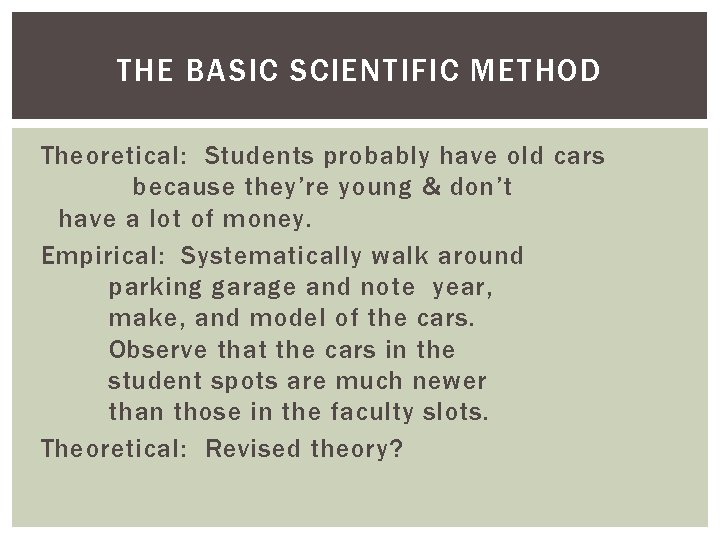
THE BASIC SCIENTIFIC METHOD Theoretical: Students probably have old cars because they’re young & don’t have a lot of money. Empirical: Systematically walk around parking garage and note year, make, and model of the cars. Observe that the cars in the student spots are much newer than those in the faculty slots. Theoretical: Revised theory?
HOW MIGHT WE USE THESE METHODS TO EXAMINE STUDENTS’ EXTRACURRICULAR INVOLVEMENT AT TU? Surveys and Interviews Observation / Participant Observation Experiments Secondary data analysis

ETHICS IRB- Institutional Review Board ASA- Code of Ethics GENERAL PRINCIPLES. Professional Competence Integrity Professional and Scientific Responsibility Respect for People's Rights, Dignity, and Diversity Social Responsibility
ETHICAL CHALLENGES Two experiments on obedience to authority Milgram (1961) Zimbardo (1971)
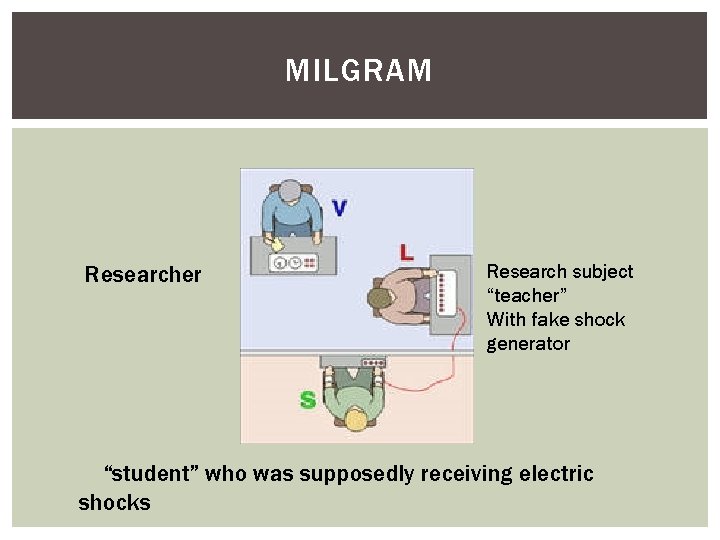
MILGRAM Researcher Research subject “teacher” With fake shock generator “student” who was supposedly receiving electric shocks
THE MILGRAM EXPERIMENT Researcher told research subject “teacher” to deliver increasing shocks when the “student” gave an incorrect answer. How many of the 100 research subjects would obey and deliver what they thought was the maximum XXX shock to the “student”? http: //www. youtube. com/watch? v=yr 5 cjyok. VUs
RESULTS Research subject psychological injury Greater understanding of obedience Applications
ZIMBARDO PRISON EXPERIMENT Mock prison at Stanford 24 UGs randomly assigned to play prisoners and guards 6 x 9 cells will 3 “prisoners” each- 24 hrs a day “guards” on 8 hour shifts Original term of experiment: 14 days Actual term: 6 days http: //www. dailymotion. com/video/x 2 ya 1 j_sta nford-prison-experiment_news? search_algo=2
RESULTS Abusive “guards” Stressed anxious “prisoners” Dehumanizing and abusive interaction Loss of clear notion that this was just an experiment Ethical problems? Ecological validity?
APPLICATION TO TWO CASES Laud Humphreys and the Tearoom Trade Tuskegee Syphilis Study
QUESTIONS 1) What was the goal of the research? 2) Which research methods were used? 3) Which, if any, ethics were violated? 4) Did the information learned justify the ethical violations? 5) Can you think of a more ethical way to get the same information?
- Slides: 18