
The Scientific Method A mnemonic way to remember
The Scientific Method A mnemonic way to remember all the steps.

What is a mnemonic device? It is something easy to remember that helps you remember more complicated things.
What is the Scientific Method? Over the last few thousand years of the development of knowledge a problems solving process has been developed. After some refinement this VERSION is useful to remember all the parts and to provide a pattern to write a report to share your discover(ies) with others.
P. R. E. A. C. H. P urpose R esearch E xperiment A nalysis of the data (so you need data here) C onclusion and evaluation H ypothesis, what the experiment was all about testing to prove of disprove.
Purpose IF you look in books and different websites and other resources you will find many versions. They will all claim to speak the on truth of the Scientific Method steps. All of versions are trying to get to the point of you start with the Purpose, Observation, Objective, Problems, Questions. There is always some sort of WHY are we trying to find. After all of this there is a question you want to solve, or find the answer.
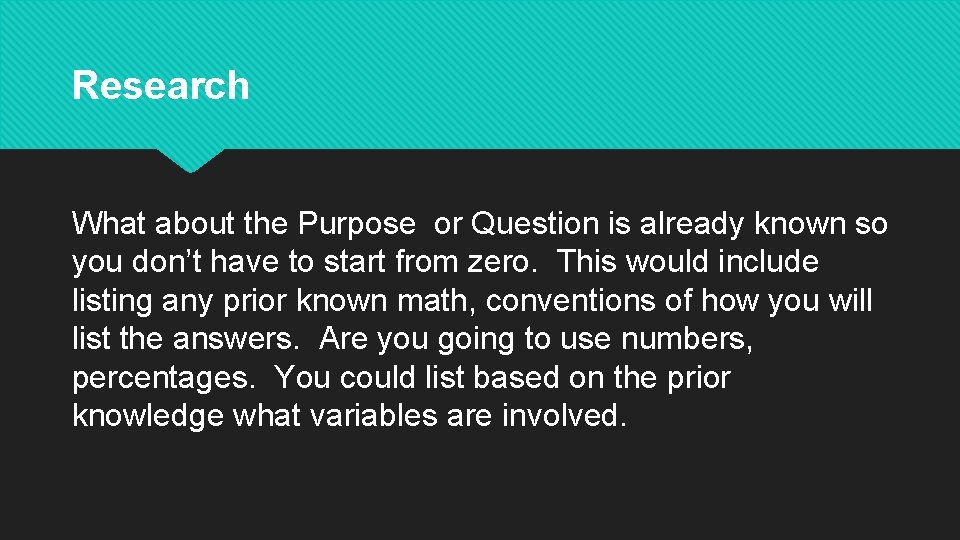
Research What about the Purpose or Question is already known so you don’t have to start from zero. This would include listing any prior known math, conventions of how you will list the answers. Are you going to use numbers, percentages. You could list based on the prior knowledge what variables are involved.
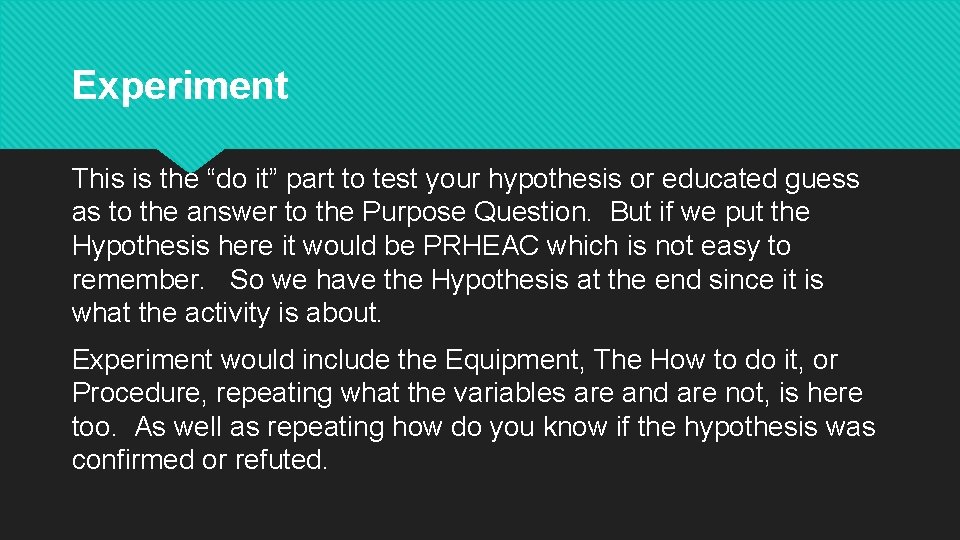
Experiment This is the “do it” part to test your hypothesis or educated guess as to the answer to the Purpose Question. But if we put the Hypothesis here it would be PRHEAC which is not easy to remember. So we have the Hypothesis at the end since it is what the activity is about. Experiment would include the Equipment, The How to do it, or Procedure, repeating what the variables are and are not, is here too. As well as repeating how do you know if the hypothesis was confirmed or refuted.
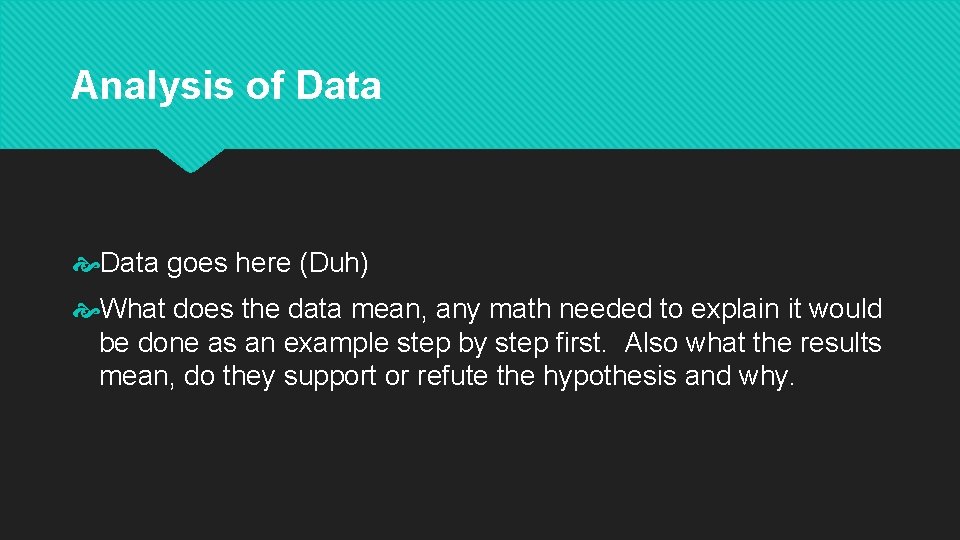
Analysis of Data goes here (Duh) What does the data mean, any math needed to explain it would be done as an example step by step first. Also what the results mean, do they support or refute the hypothesis and why.
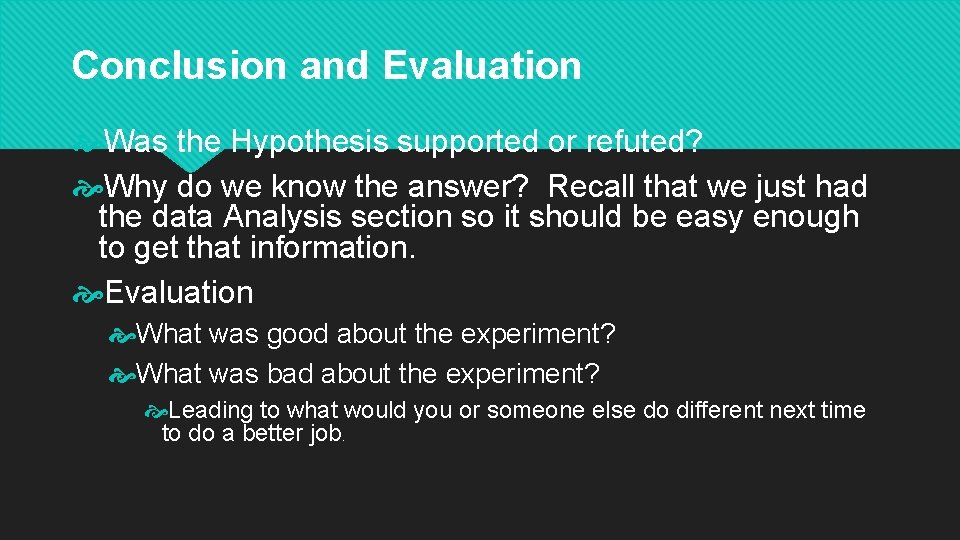
Conclusion and Evaluation Was the Hypothesis supported or refuted? Why do we know the answer? Recall that we just had the data Analysis section so it should be easy enough to get that information. Evaluation What was good about the experiment? What was bad about the experiment? Leading to what would you or someone else do different next time to do a better job.
Hypothesis This is the educated guess as to what ‘you’ think is the solution to the Purpose Question. It is okay if the answer is refute. You make a guess you check it out and it may not be correct.
A simple experiment as an example You are in the business of selling ice-cream and you need to know if green pea ice cream is going to be a big seller here. In China it is sold at most corner convenience stores. The Purpose is to see if you should be putting a lot of money into stocking up on this flavor as ice cream does have a limited life, you do not want too much. Research – ice cream is popular and people do like to try new flavors. Your Hypothesis is that everyone will love it. (I know this goes at the end on PREACH)
Experiment - you will give out free samples of green pea ice cream and the traditional, chocolate, vanilla, strawberry choices to everyone at the school at 1400 people and record data by age group, gender. The information you are testing is which one do they report to like best. We will discuss variable types later. Right now you want to rank the flavors. You will ask people to give their ‘love’ of the flavors on an a scale of 0 -10 which allows for ties and they hate it answers.
Analysis of Data Here you would have the recorded data in a the RAW form, or just written down neatly. Then you will do the math to show the ranking. As an example Chocolate has an average score of 8. 5 Vanilla has an average score or 8. 5 Strawberry has an average score of 6. 2 Green Pea has and average of 1. 2
Conclusion The Green Pea ice cream was not all that popular, so putting a lot of money into it would not be a good bet for making a lot of money. Evaluation What was right – you got answers What was wrong, you did not report by age, maybe this is really popular with a certain age group – maybe Kinder thought it was a 10 out of 10, or it could have been all the teachers (don’t bet on this science teacher voting that way but this is a fantasy example) What to do different, analyze all the data. Does the temperature of the day make a difference, or before or after eating school food.
- Slides: 14