
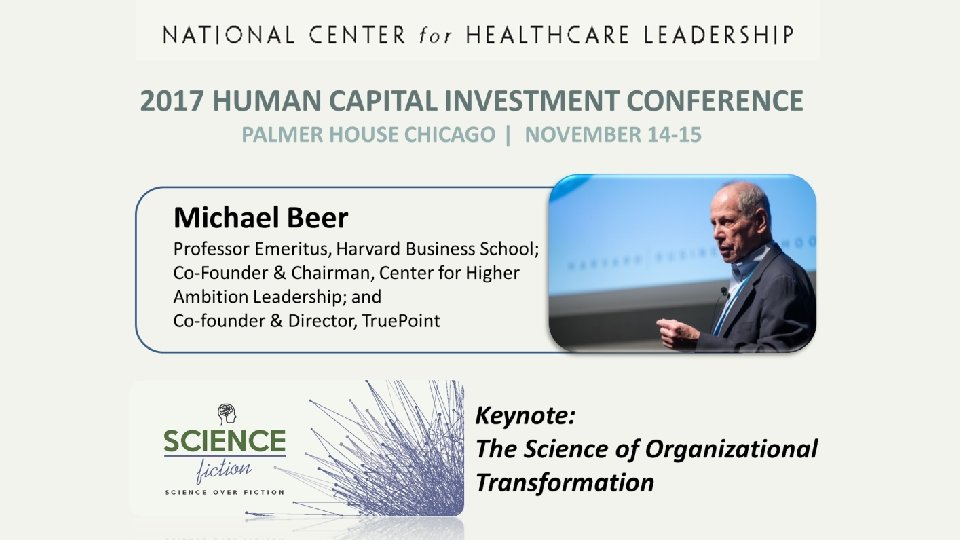
The Science of Organizational Transformation Why its Not
- Slides: 22
The Science of Organizational Transformation: Why its Not Easy and What to Do About It The power of honest, collective and public conversations Copyright © President & Fellows of Harvard College
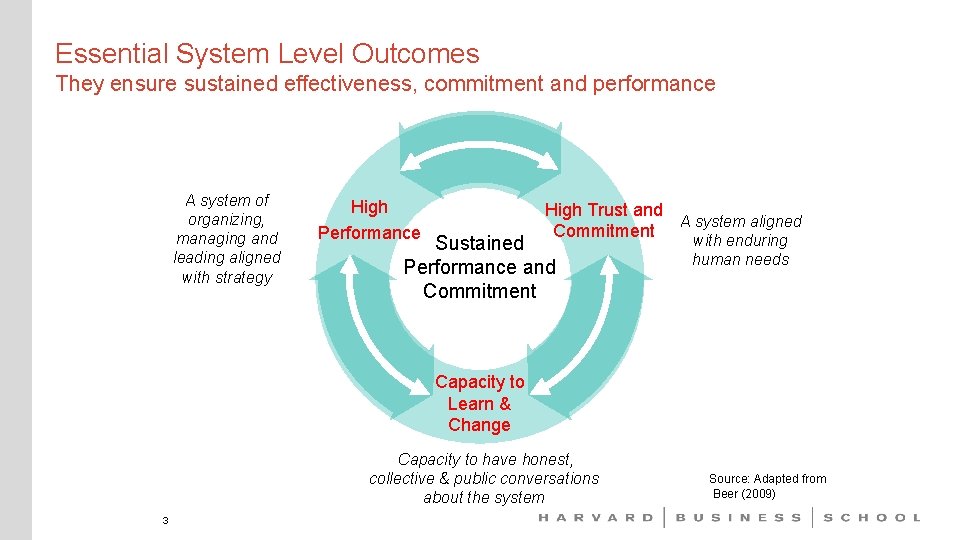
Essential System Level Outcomes They ensure sustained effectiveness, commitment and performance A system of organizing, managing and leading aligned with strategy High Performance High Trust and A system aligned Commitment with enduring Sustained Performance and Commitment human needs Capacity to Learn & Change Capacity to have honest, collective & public conversations about the system 3 Source: Adapted from Beer (2009)
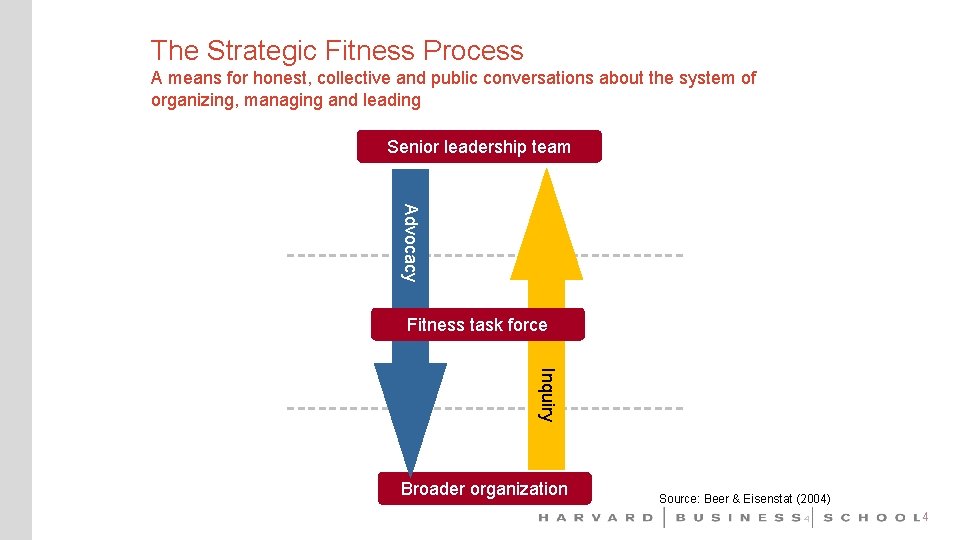
The Strategic Fitness Process A means for honest, collective and public conversations about the system of organizing, managing and leading Senior leadership team Advocacy Fitness task force Inquiry Broader organization Source: Beer & Eisenstat (2004) 4 4
The Transformation at Becton Dickinson Becoming a more innovative company We were genuinely concerned about growth. We …. . sat down with…. . the leadership team and we put it to them. …. I explicitly remember that we sat down and I said you guys may not want to think about employing the Strategic Fitness Process (SFP), we’ve done it in the past, we believe that a fitness process, …. would really do us a lot of good and I think it was during that discussion that someone said … ’Let’s really go looking for insights, criticisms, ideas regarding our growth agenda because we’re spending more and more money and we’re not seeing good results. ’ We had probably been through a couple of acquisitions that …weren’t quite right and a couple of products that sort of died upon launch. Unlike 2000 when I took over as CEO when we employed SFP to deal with very poor performance, as well as problems with a new enterprise system, dating of orders, and hostile shareholders, this time …. we…had a Higher Ambition to achieve – becoming a more innovative company that will grow faster. – Ed Ludwig, CEO 5
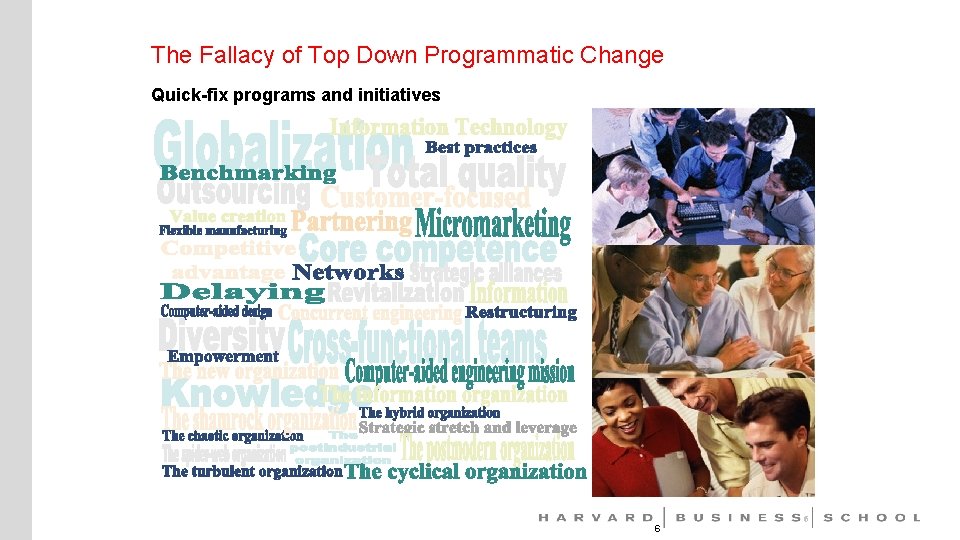
The Fallacy of Top Down Programmatic Change Quick-fix programs and initiatives 6 6
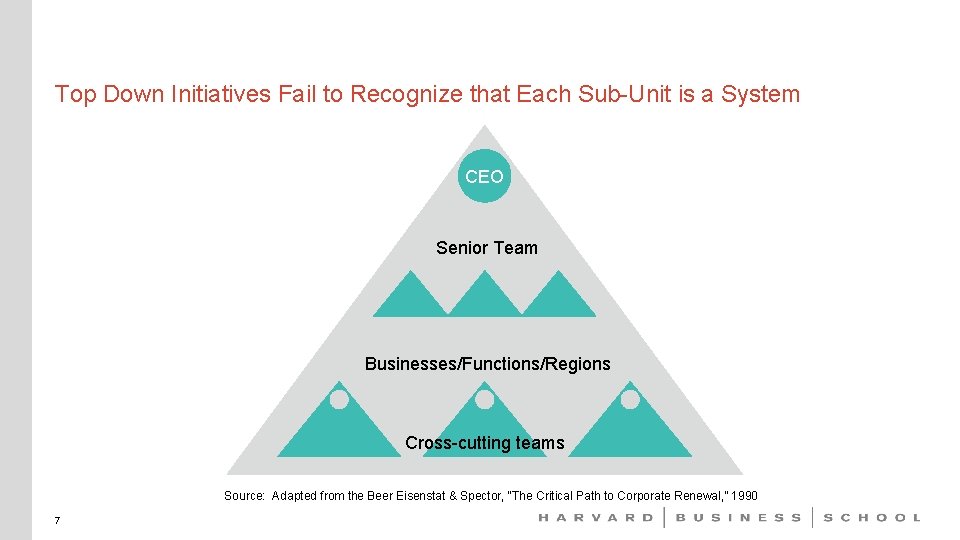
Top Down Initiatives Fail to Recognize that Each Sub-Unit is a System CEO Senior Team Businesses/Functions/Regions Cross-cutting teams Source: Adapted from the Beer Eisenstat & Spector, “The Critical Path to Corporate Renewal, ” 1990 7
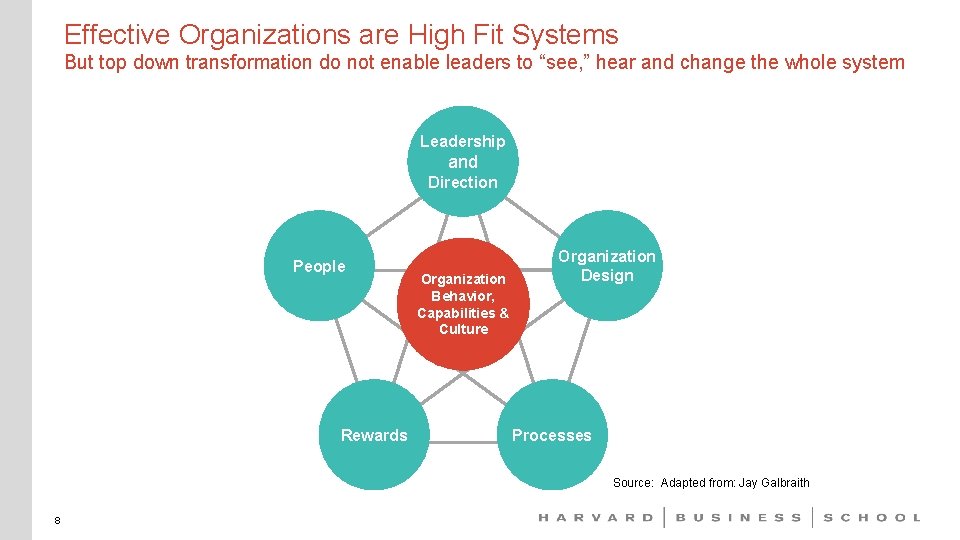
Effective Organizations are High Fit Systems But top down transformation do not enable leaders to “see, ” hear and change the whole system Leadership and Direction People Rewards Organization Behavior, Capabilities & Culture Organization Design Processes Source: Adapted from: Jay Galbraith 8
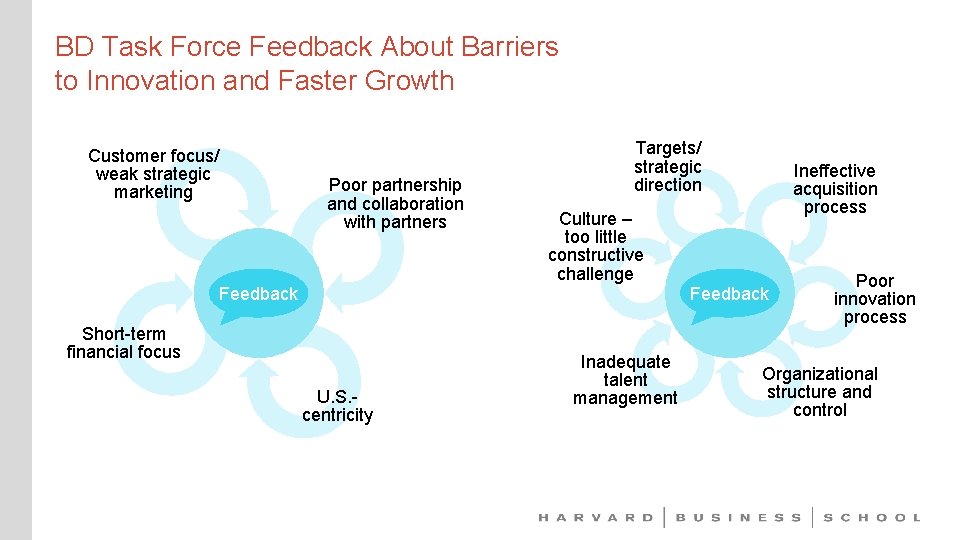
BD Task Force Feedback About Barriers to Innovation and Faster Growth Customer focus/ weak strategic marketing Poor partnership and collaboration with partners Targets/ strategic direction Ineffective acquisition process Culture – too little constructive challenge Feedback Short-term financial focus U. S. centricity Inadequate talent management Poor innovation process Organizational structure and control
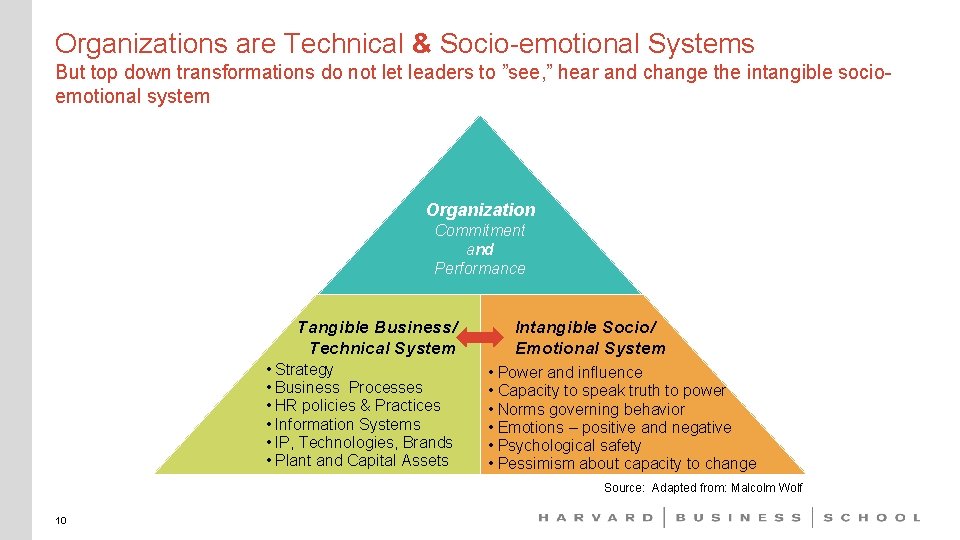
Organizations are Technical & Socio-emotional Systems But top down transformations do not leaders to ”see, ” hear and change the intangible socioemotional system Organization Commitment and Performance Tangible Business/ Technical System • Strategy • Business Processes • HR policies & Practices • Information Systems • IP, Technologies, Brands • Plant and Capital Assets Intangible Socio/ Emotional System • Power and influence • Capacity to speak truth to power • Norms governing behavior • Emotions – positive and negative • Psychological safety • Pessimism about capacity to change Source: Adapted from: Malcolm Wolf 10
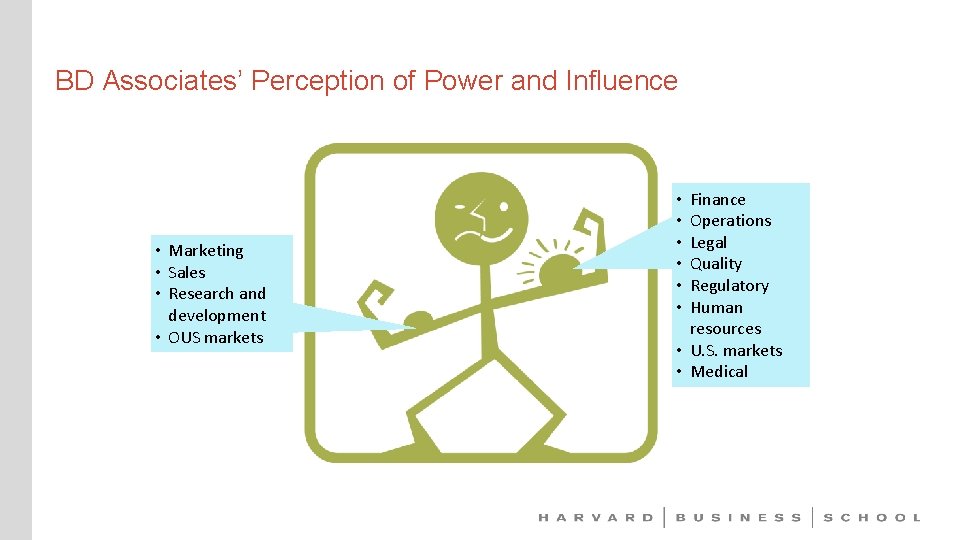
BD Associates’ Perception of Power and Influence • Marketing • Sales • Research and development • OUS markets Finance Operations Legal Quality Regulatory Human resources • U. S. markets • Medical • • •
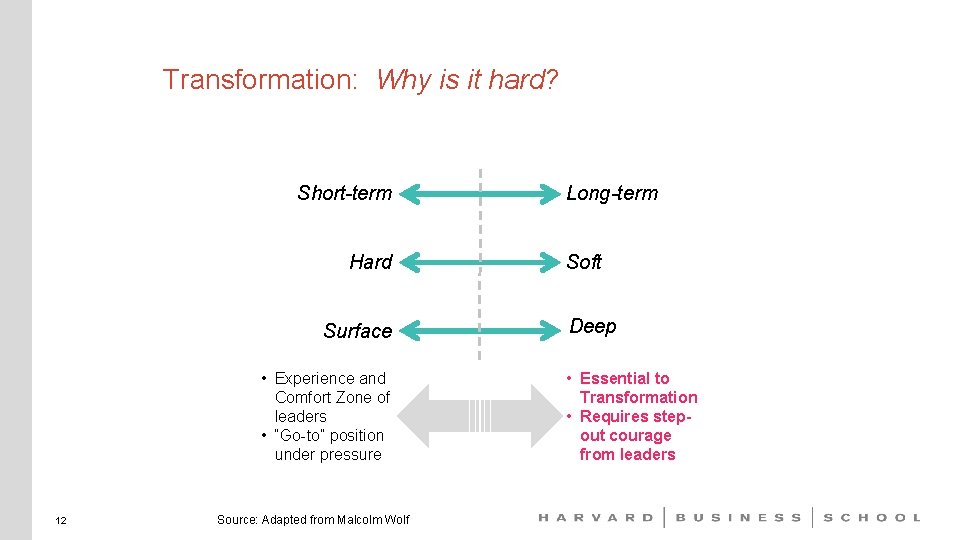
Transformation: Why is it hard? Short-term Hard Surface • Experience and Comfort Zone of leaders • “Go-to” position under pressure 12 Source: Adapted from Malcolm Wolf Long-term Soft Deep • Essential to Transformation • Requires stepout courage from leaders
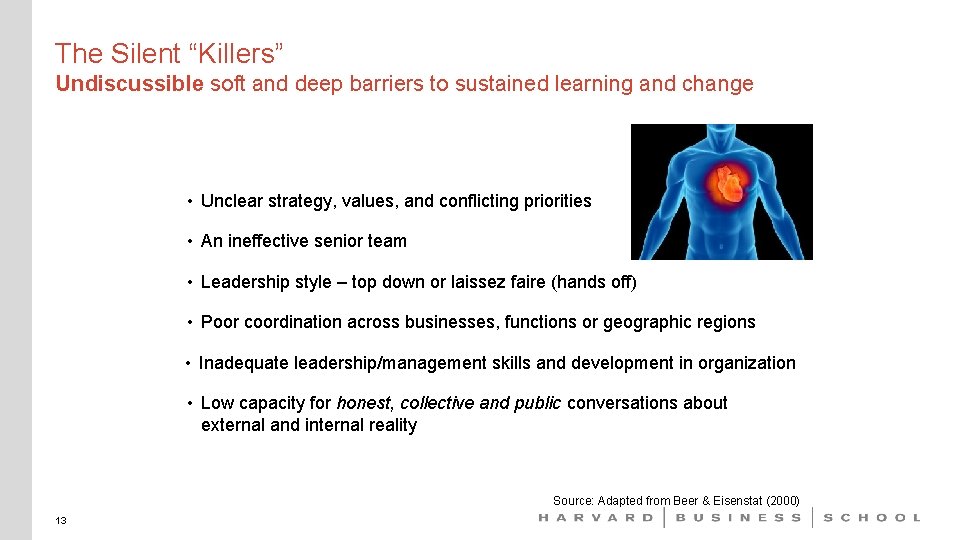
The Silent “Killers” Undiscussible soft and deep barriers to sustained learning and change • Unclear strategy, values, and conflicting priorities • An ineffective senior team • Leadership style – top down or laissez faire (hands off) • Poor coordination across businesses, functions or geographic regions • Inadequate leadership/management skills and development in organization • Low capacity for honest, collective and public conversations about external and internal reality Source: Adapted from Beer & Eisenstat (2000) 13
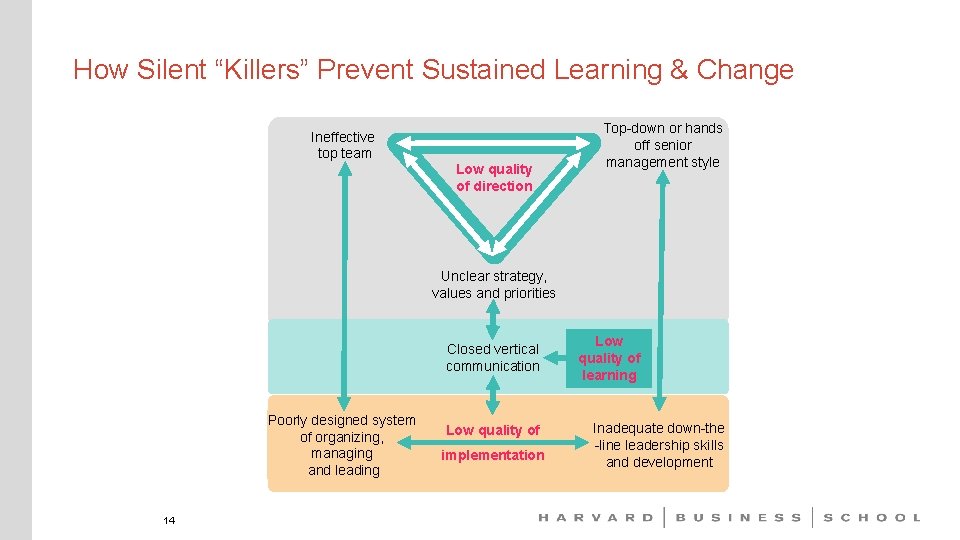
How Silent “Killers” Prevent Sustained Learning & Change Ineffective top team Low quality of direction Top-down or hands off senior management style Unclear strategy, values and priorities Closed vertical communication Poorly designed system of organizing, managing and leading 14 Low quality of implementation Low quality of learning Inadequate down-the -line leadership skills and development
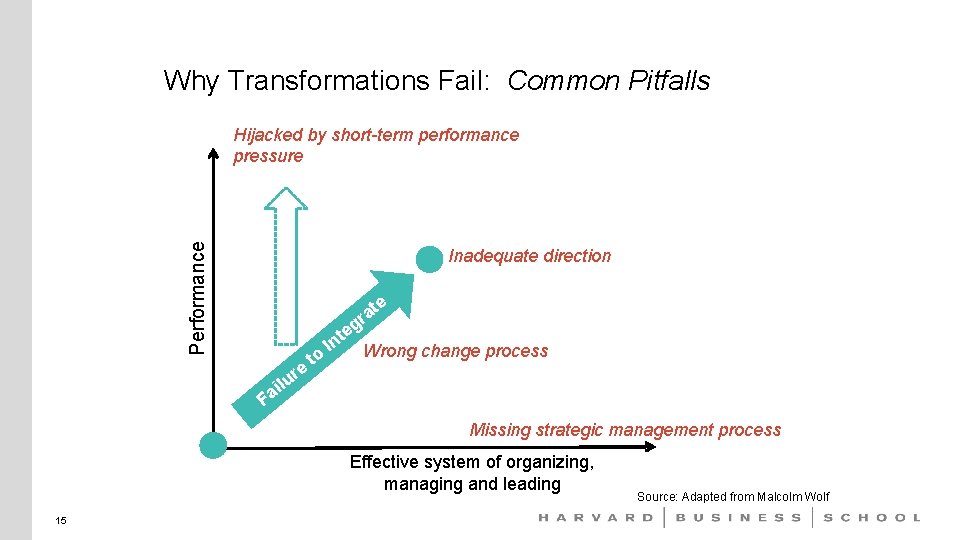
Why Transformations Fail: Common Pitfalls Performance Hijacked by short-term performance pressure Inadequate direction e t ra g e r li u to I e nt Wrong change process Fa Missing strategic management process Effective system of organizing, managing and leading 15 Source: Adapted from Malcolm Wolf
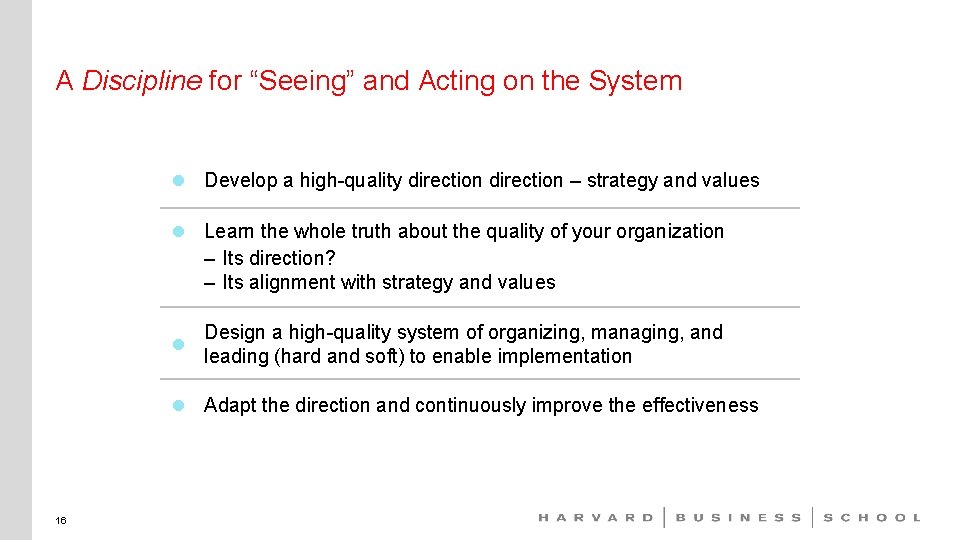
A Discipline for “Seeing” and Acting on the System Develop a high-quality direction – strategy and values Learn the whole truth about the quality of your organization ‒ Its direction? ‒ Its alignment with strategy and values Design a high-quality system of organizing, managing, and leading (hard and soft) to enable implementation Adapt the direction and continuously improve the effectiveness 16
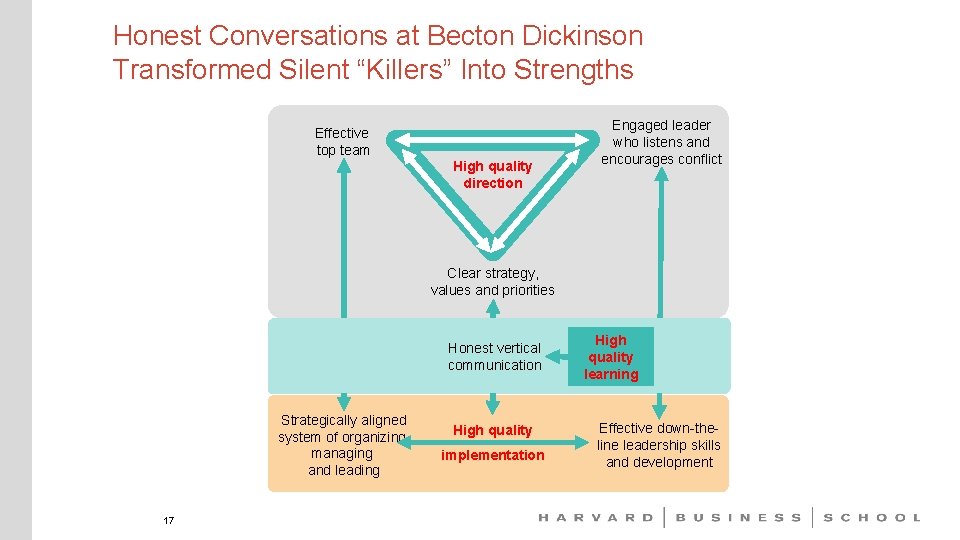
Honest Conversations at Becton Dickinson Transformed Silent “Killers” Into Strengths Effective top team High quality direction Engaged leader who listens and encourages conflict Clear strategy, values and priorities Honest vertical communication Strategically aligned system of organizing, managing and leading 17 High quality implementation High quality learning Effective down-theline leadership skills and development
Former CEO Ed Ludwig Who Kicked Off SFP in 2010 I don’t think it would’ve happened as rapidly without SFP. I’m absolutely convinced that this is an energy concentrator, an action accelerator simply because everyone is [engaged]. It’s not so much about eliminating resistance as it’s about getting everyone to go in the same direction. Now, there [was] some passive resistance. For example, creating a new chief marketing office was a very controversial move in a company that had some pockets of excellence in marketing … so you need conviction … I think SFP took our vague concern about innovation, a notion that something was not quite right … – that was un-actionable to … a clear compelling action plan for change. It accelerated the transformation. 18
CEO Vince Forlenza Implemented BD’s Successful Transformation – 2011 -2016 ü Doubled NPD 8% to 16% ü Revenue up 26% ü Stock price up 39% - well above S&P 500 Index The work that we [with SFP] kicked off started to really energize the transformation of BD in multiple dimensions … So all of those things happened because of SFP. Sure, I had a lot of these ideas, but … SFP was giving a voice to the organization so they could have dialog with me and with Kozy and with others. But I didn’t have the whole thing scoped out in my head. It was this information from SFP that enabled me to refine my thinking. 19
20
21
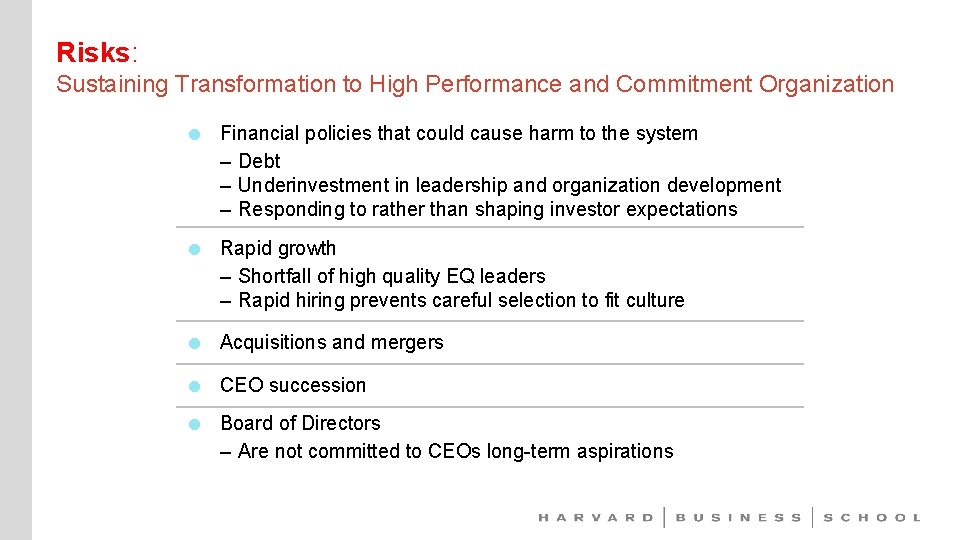
Risks: Sustaining Transformation to High Performance and Commitment Organization Financial policies that could cause harm to the system ‒ Debt ‒ Underinvestment in leadership and organization development ‒ Responding to rather than shaping investor expectations Rapid growth ‒ Shortfall of high quality EQ leaders ‒ Rapid hiring prevents careful selection to fit culture Acquisitions and mergers CEO succession Board of Directors ‒ Are not committed to CEOs long-term aspirations