
The Roman Empire 750 B C 500 A
The Roman Empire 750 B. C. - 500 A. D.
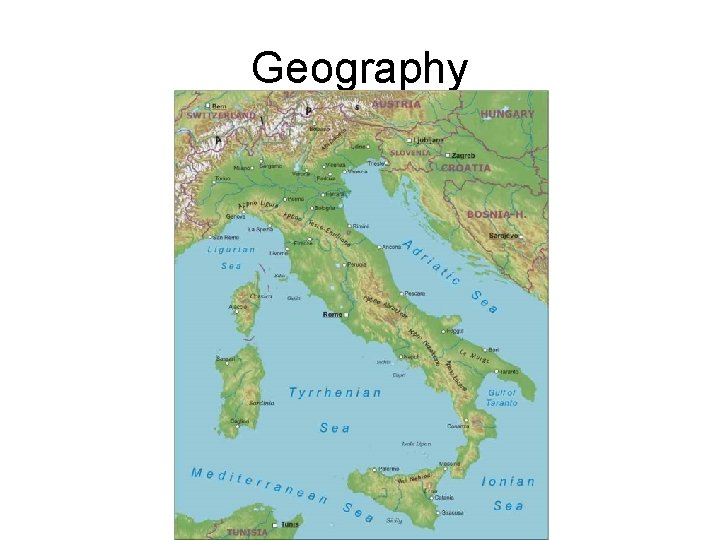
Geography
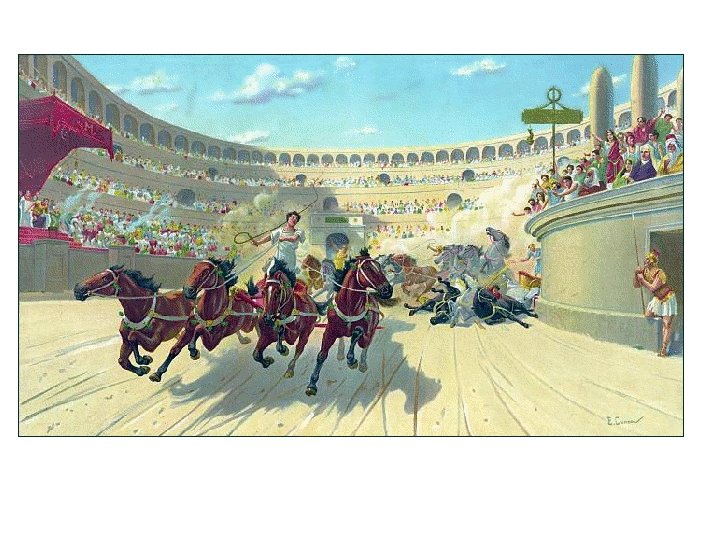
Etruscans Take Over Rome • 616 BC • Built Rome’s first city walls and sewer • Introduced building techniques such as arch • Introduced alphabet and number system • Introduced gladiator games and chariot races • Influenced styles of sculpture and painting
Rome Becomes a Republic • Etruscans expelled 509 BC • Rome became a Republic – Elected officials governed – Study graphic on p. 166
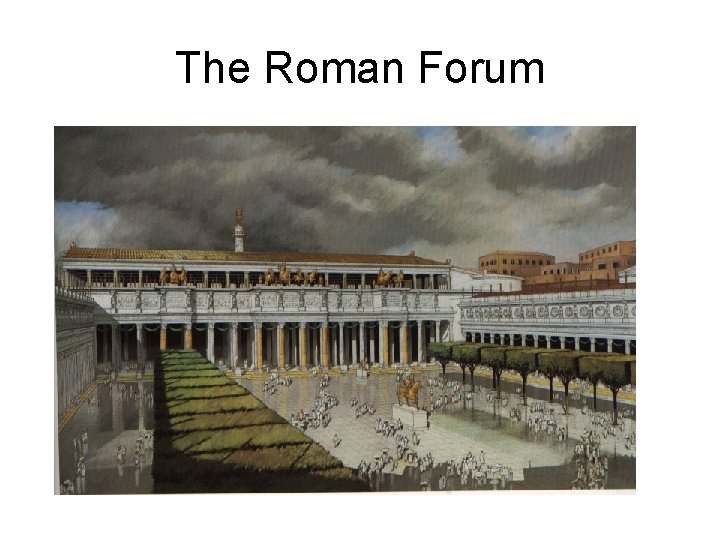
The Roman Forum
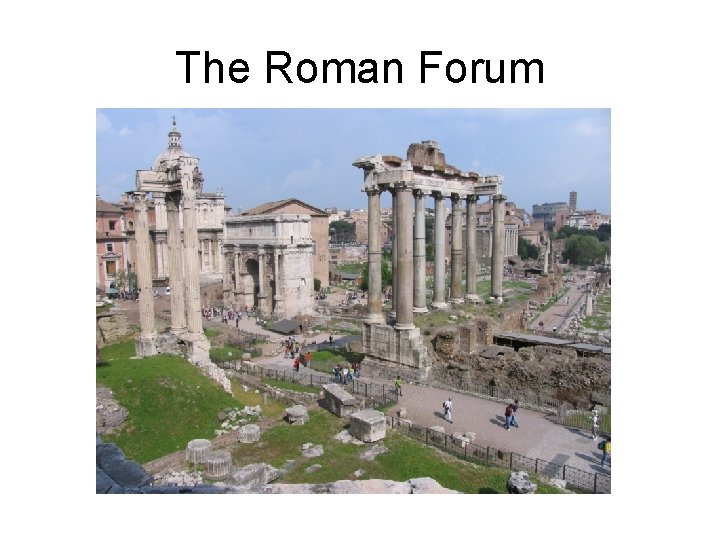
The Roman Forum
The Power of the Republic Grows • Builds a strong military – All male property owners between 17 and 46 required to fight during wars • Conquered the rest of Italy by 265 BC • Conquered Carthage in North Africa to become the leading Mediterranean power • Allies with Greece to defeat Macedonia and Persia, then conquers Greece itself – Influenced by Greek culture and religion
Rome Becomes an Empire • Social unrest leads to revolts • Military commanders emerge as political leaders, engage in civil war • Julius Caesar, great military commander, becomes dictator in 44 BC – Ends republic – Murdered in 43 BC
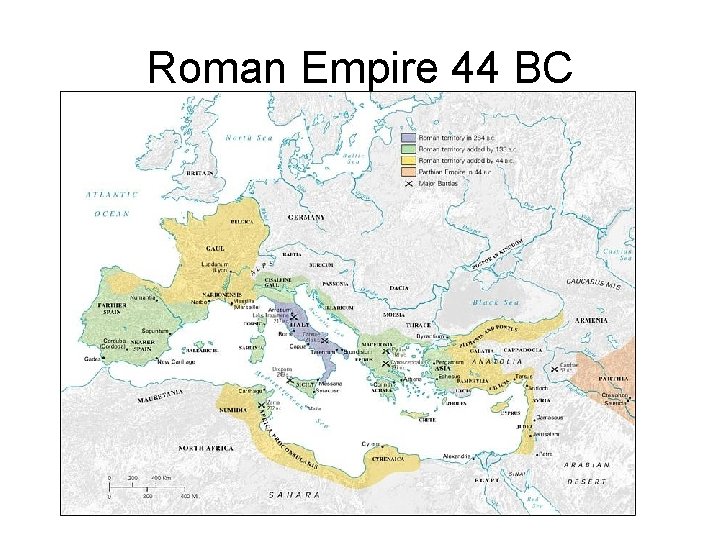
Roman Empire 44 BC
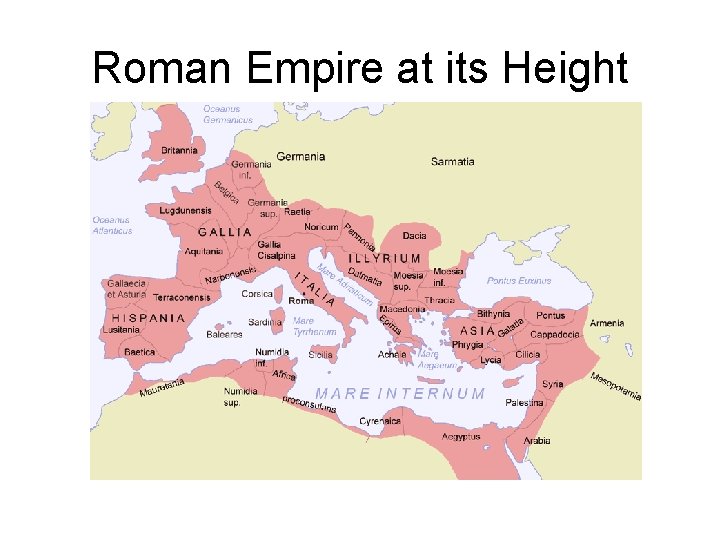
Roman Empire at its Height
Battles for Power • After Julius Caesar’s death, civil wars abound as leaders struggle for power – Marc Antony and Cleopatra • Octavian, a. k. a. Augustus, ruled from 27 BC to AD 14 – His reign was the beginning of 200 years of relative peace and prosperity, known as the Pax Romana
Pax Romana Factors bringing unity to the empire • Stable government and legal system throughout empire • 50, 000 miles of roads built • Trade flourishes
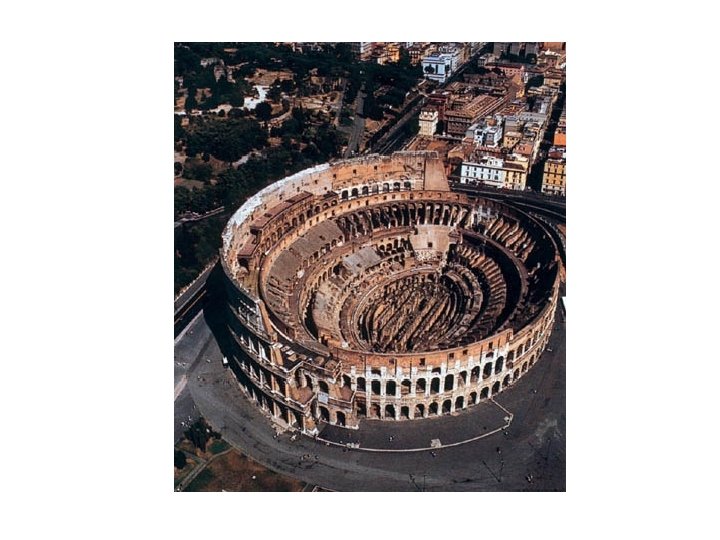
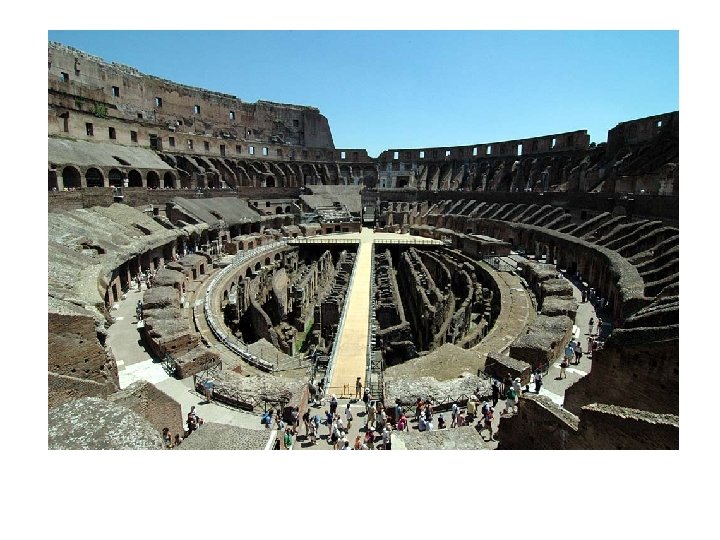
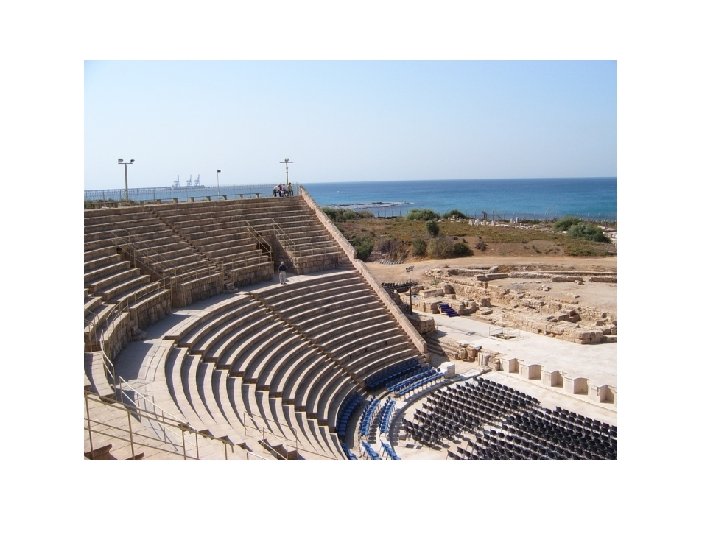
Roman Society and Culture • Religion – Many gods accepted – Greek gods were most popular • Education – Rich males educated in their homes by tutors • Entertainment – Theater, chariot races, and gladiators • Health – People gathered at public baths
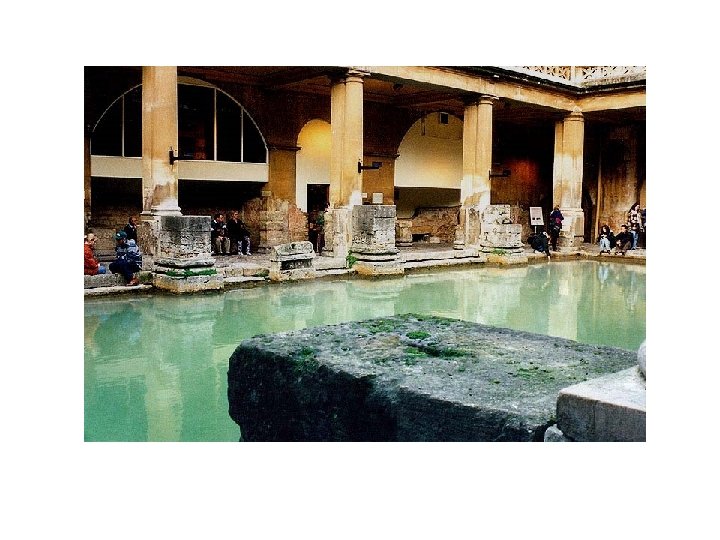
A Public Bath It was very cheap to use a Roman bath. A visitor, after paying his entrance fee, would strip naked and his clothes to an attendant. He could then do some exercising to work up a sweat before moving into the tepidarium which would prepare him for the caldarium which was more or less like a modern sauna. The idea, as with a sauna, was for the sweat to get rid of the body's dirt. After this a slave would rub olive oil into the visitor's skin and then scrap it off with a strigil. The more luxurious establishments would have professional masseurs to do this. After this, the visitor would return to the tepidarium and then to frigidarium to cool down. Finally, he could use the main pool for a swim or to generally socialise. Bathing was very important to the Ancient Romans as it served many functions.
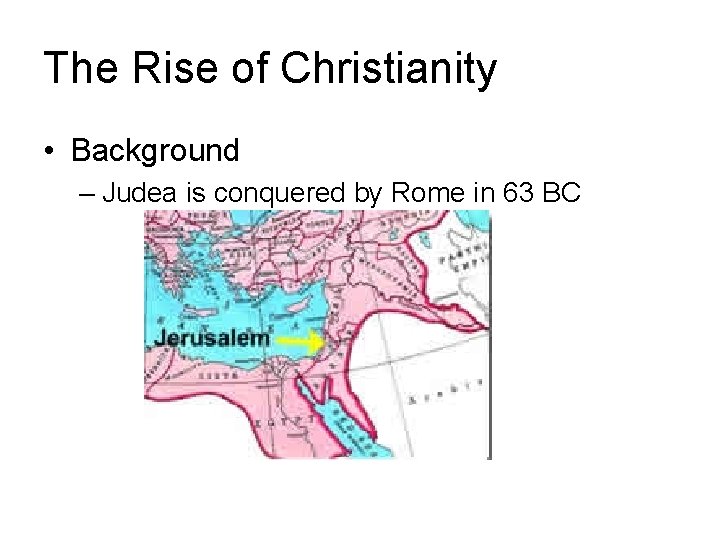
The Rise of Christianity • Background – Judea is conquered by Rome in 63 BC
Background • Jews refuse to accept Roman religion • Romans allow Jews to practice their religion as long as they pay tribute and maintain order • Some revolt, others wait patiently for the promised Messiah, who was to reestablish the kingdom of Israel
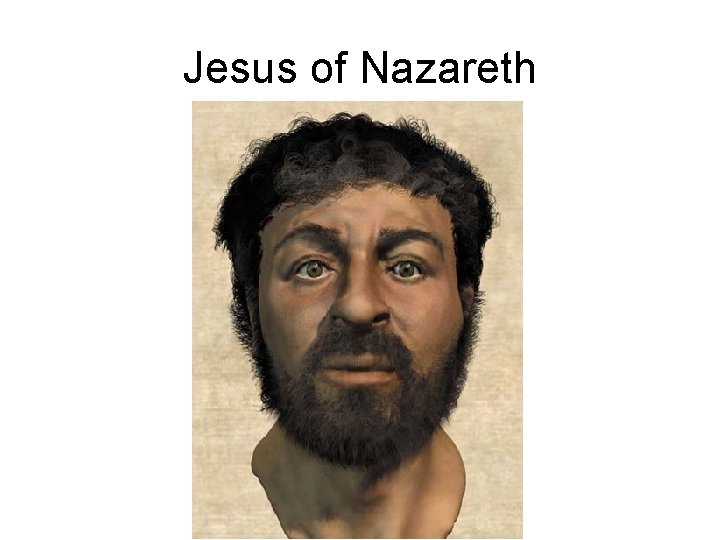
Jesus of Nazareth
Jesus of Nazareth • At around the age of 30, gained a large following through his preaching and performing of miracles • Preached a message of humility, mercy, love, and dependence on God • Instructed people to repent and to become a part of God’s kingdom
Jesus of Nazareth • Many thought he was the promised Messiah, or “King of the Jews” • Leaders, both Jewish and Roman, felt threatened by him • Executed by crucifixion
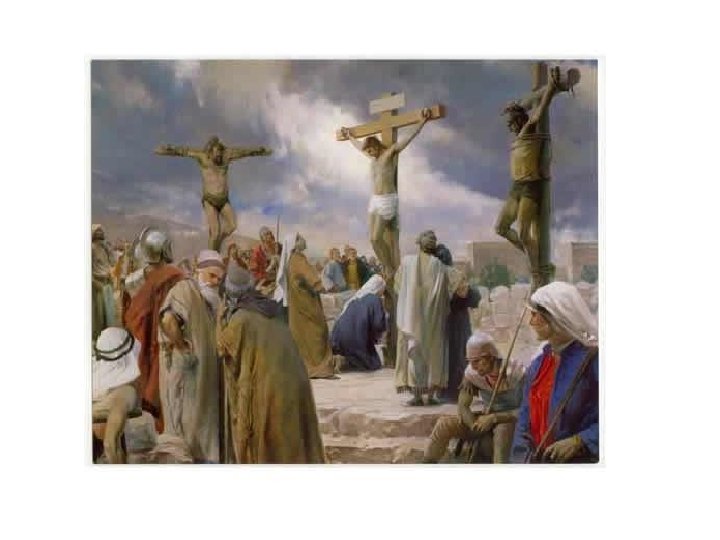
The Main Event • Many of Jesus’ followers claimed to have seen him alive after he was crucified and buried • This was proof that he was the promised Messiah • Followers claimed that he had established the Kingdom of God instead of a physical kingdom
Christianity Spreads • Apostles spread the word that Jesus is the promised Messiah • Small, close-knit communities develop
Acts 2: 42 -47 They devoted themselves to the apostles' teaching and to the fellowship, to the breaking of bread and to prayer. Everyone was filled with awe, and many wonders and miraculous signs were done by the apostles. All the believers were together and had everything in common. Selling their possessions and goods, they gave to anyone as he had need. Every day they continued to meet together in the temple courts. They broke bread in their homes and ate together with glad and sincere hearts, praising God and enjoying the favor of all the people. And the Lord added to their number daily those who were being saved.
Paul • Jewish leader who persecuted Christians • Claims to have encountered Jesus on the road to Damascus • Became a Christian apostle • Took the Christian message to non-Jewish people
Persecution • Jews offended at the idea of Jesus as Messiah and wish to prevent its spread • Romans offended that Christians refuse to pay tribute or homage to the emperor • Martyrs: people who die for their faith and thus inspire others to believe
Roman Acceptance • In AD 313 Emperor Constantine becomes a Christian and makes Christianity legal in the empire
The Message of Christianity • On going to heaven – John 3: 16 – Ephesians 2: 8 -10 • On repentance – “Therefore, if anyone is in Christ, the new creation has come: [a] The old has gone, the new is here! 18 All this is from God, who reconciled us to himself through Christ and gave us the ministry of reconciliation: 19 that God was reconciling the world to himself in Christ, not counting people’s sins against them. ” (2 Corinthians 5: 17 -19) • On material possessions and money – Matthew 6: 19 -34 – 1 Timothy 6: 6 -10
The Fall of the Empire • • • Weak leadership Economic problems Attila the Hun Barbarian Germanic tribes 476: last emperor in Western Empire overthrown
- Slides: 33