
The Role of Moral Elevation in PTSD and


- Slides: 13
The Role of Moral Elevation in PTSD and Moral Injury Adam Mc. Guire, Ph. D Postdoctoral Fellow VISN 17 Center of Excellence for Research on Returning War Veterans Texas A&M University Baylor University
Outline • • Background Define Moral Elevation Link with PTSD and Moral Injury What’s Next? Research Focus: Integrating prosocial or “other-praising” emotions into trauma treatment
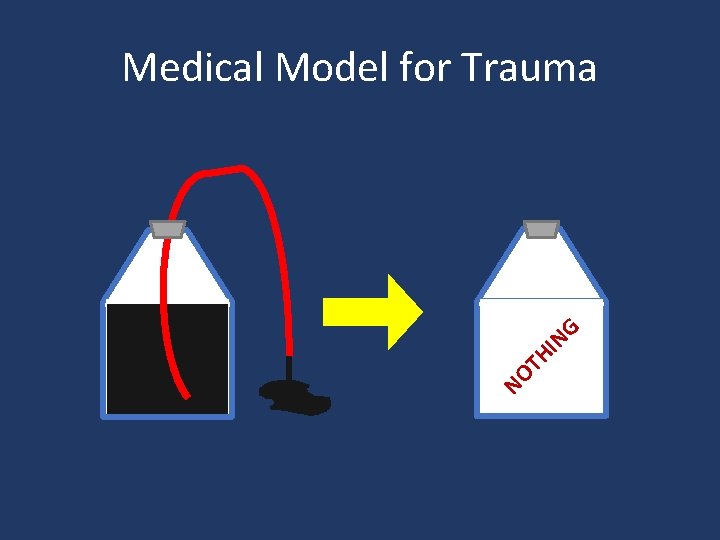
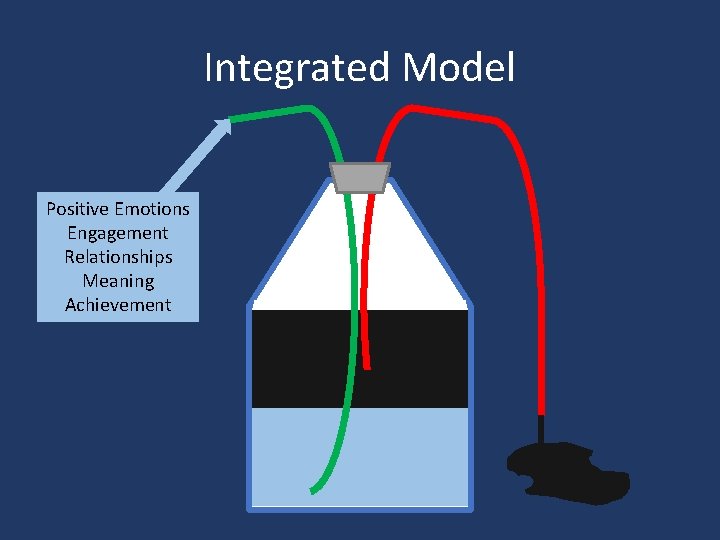
NO TH I NG Medical Model for Trauma
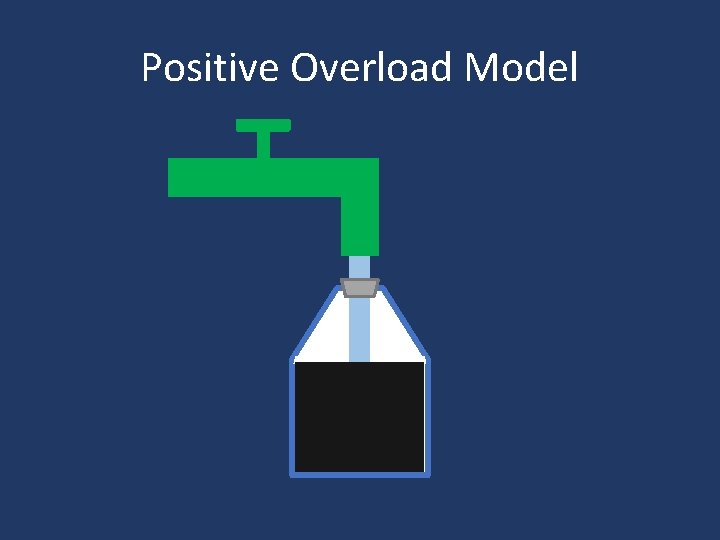
Positive Overload Model
Integrated Model Positive Emotions Engagement Relationships Meaning Achievement
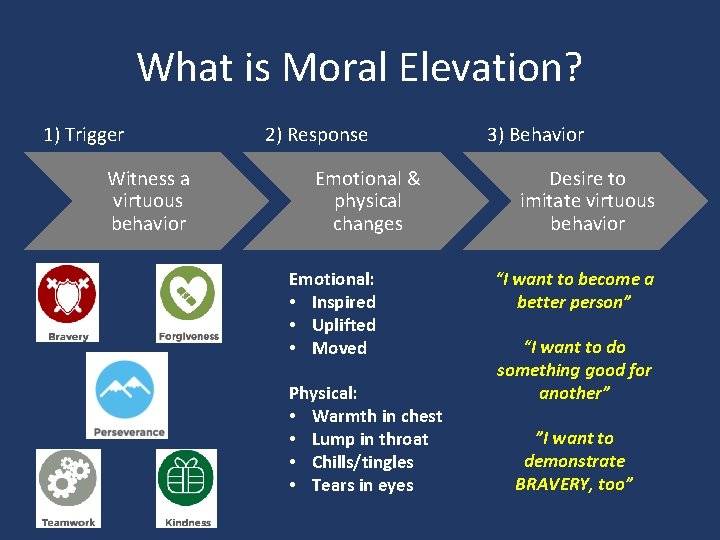
What is Moral Elevation? 1) Trigger Witness a virtuous behavior 2) Response Emotional & physical changes Emotional: • Inspired • Uplifted • Moved Physical: • Warmth in chest • Lump in throat • Chills/tingles • Tears in eyes 3) Behavior Desire to imitate virtuous behavior “I want to become a better person” “I want to do something good for another” ”I want to demonstrate BRAVERY, too”
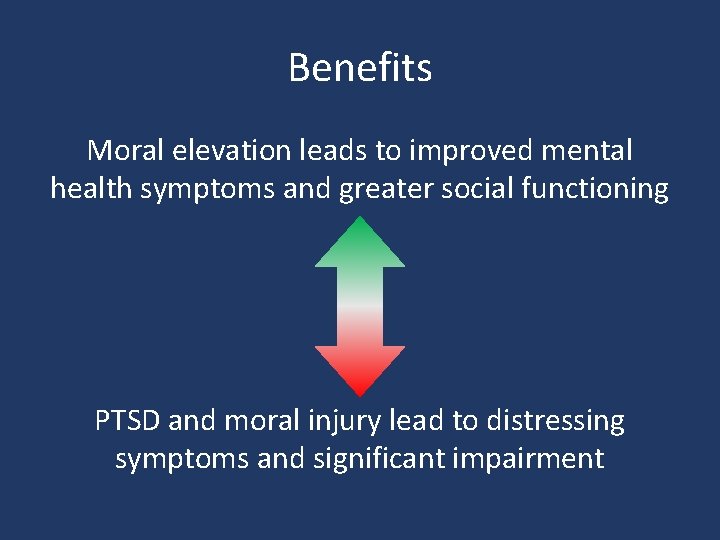
Benefits Moral elevation leads to improved mental health symptoms and greater social functioning PTSD and moral injury lead to distressing symptoms and significant impairment
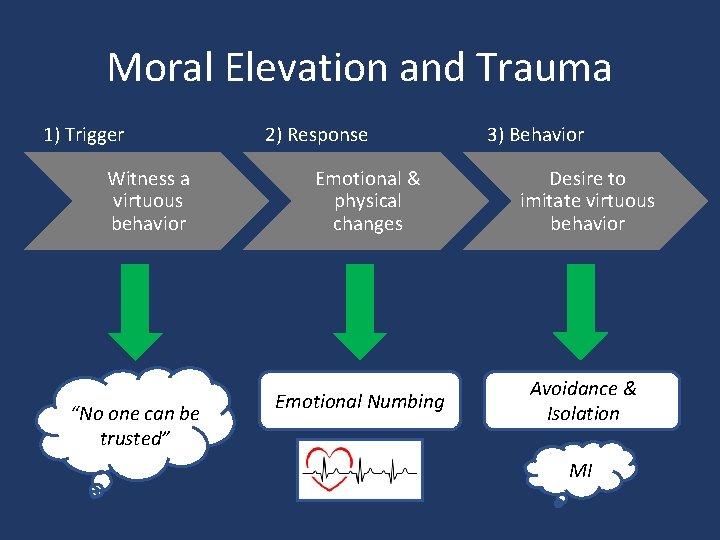
Moral Elevation and Trauma 1) Trigger Witness a virtuous behavior “No one can be trusted” 2) Response Emotional & physical changes Emotional Numbing 3) Behavior Desire to imitate virtuous behavior Avoidance & Isolation MI
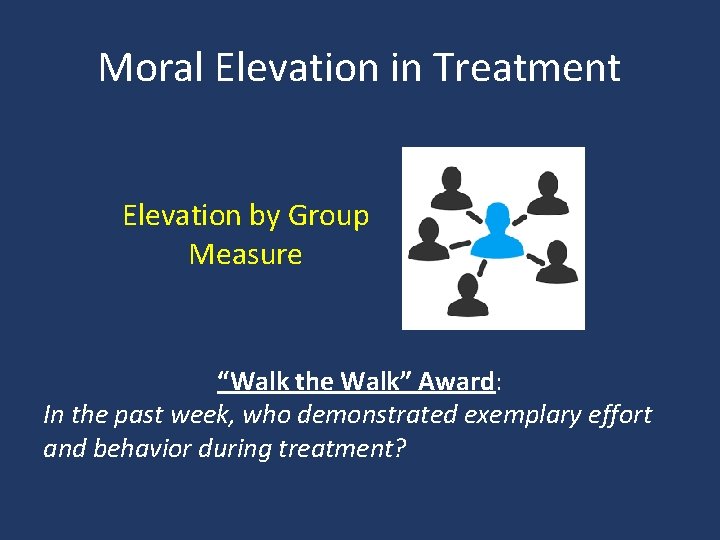
Moral Elevation in Treatment Elevation by Group Measure “Walk the Walk” Award: In the past week, who demonstrated exemplary effort and behavior during treatment?
Moral Elevation in Treatment Higher moral elevation linked with more group engagement, lower PTSD avoidance symptoms, and lower moral injury distress
What’s Next? Phase 1: Experimental Study – Cognitive, emotional, & physiological changes Phase 2: Develop specific interventions
Thank You! EMAIL: adam. mcguire@va. gov