
THE ROLE OF APPEARANCE AND ATTRACTIVENESS IN CAREERS

- Slides: 31
THE ROLE OF APPEARANCE AND ATTRACTIVENESS IN CAREERS 2 ND FEBRUARY 2018 SOPO, THE BALTIC SEA TRISTRAM HOOLEY
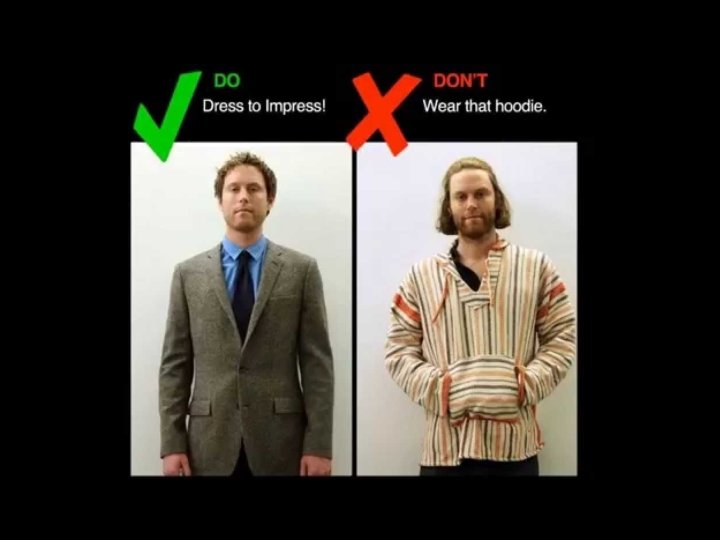
HAS ANYONE…. Ever got a job because of the way that they look? Ever not got a job because of the way that they look? Ever felt that someone else has got a job because of the way that they look? Thought about how they look before they went for an interview? Thought about how they look before they went to work? Advised someone else on how to present themselves?
ABOUT THIS STRAND OF WORK Draws on research and a series of papers that I have undertaken since 2014 with Julia Yates, Beth Cutts and Kiran Bagri Kaur.
OVERVIEW Career image Practitione r responses Implication s
OVERVIEW Career image Practitione r responses Implication s
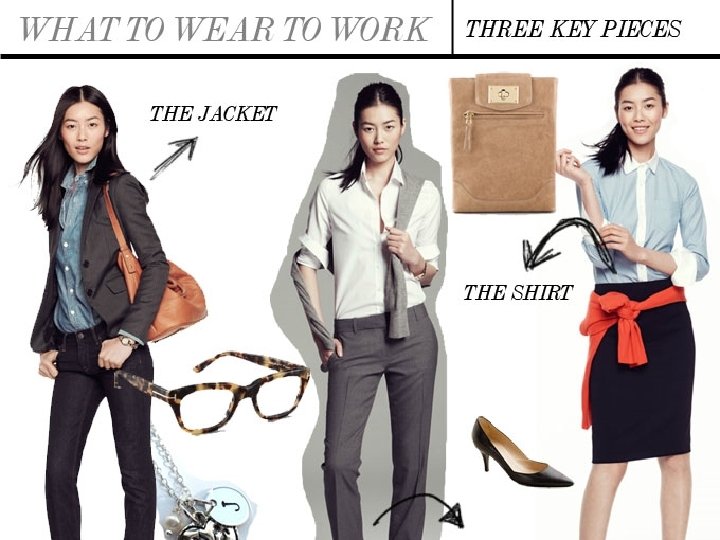
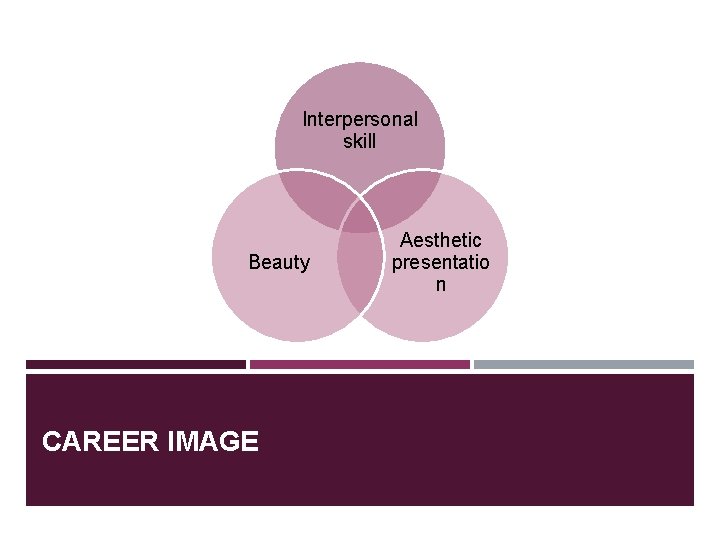
Beauty/physical attractiveness contribute to a range of positive career -related outcomes e. g. salary, promotion, increased self-esteem. APPEARANCE AND ATTRACTIVENESS MATTER TO CAREER How you dress and present yourself can enhance these effects and also signal your social position, values and attachment to social groups. Physical and aesthetic attributes also interact with inter-personal skills with further benefits available to the charming and socially skilled. All of these issues interact in turn with financial, social and cultural capital.
Interpersonal skill Beauty CAREER IMAGE Aesthetic presentatio n
Career image is a dynamic construct. It can vary depending on our efforts (we can dress up) CAREER IMAGE IS NOT FIXED It can also vary depending on the environment (we can understand meet expectations or otherwise). It is possible to learn more about career image and to take steps to enhance your career image. We can therefore theorise that purposeful interventions around career image may lead to career advantage.
GRADUATE DRESS CODE Qualitative study with 13 current students about career image in their transition to work. Major themes: Being judged on appearance (tattoos, make-up, hair, facial hair) Using appearance to fit in Being yourself Gender – it is simpler for men
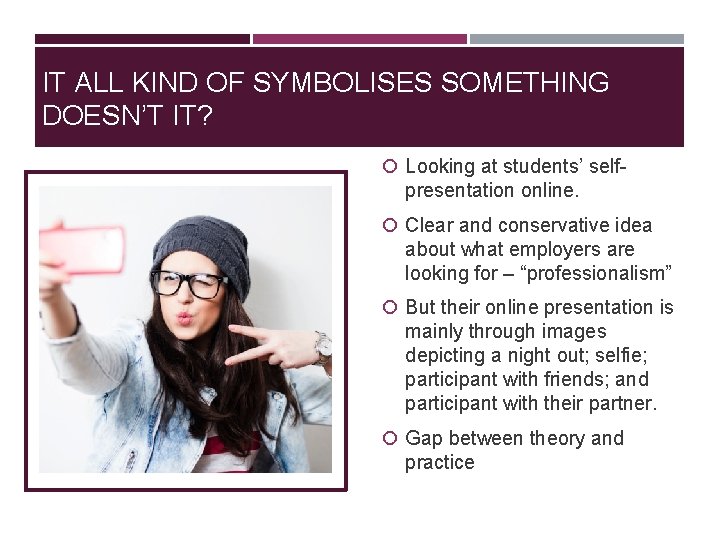
IT ALL KIND OF SYMBOLISES SOMETHING DOESN’T IT? Looking at students’ self- presentation online. Clear and conservative idea about what employers are looking for – “professionalism” But their online presentation is mainly through images depicting a night out; selfie; participant with friends; and participant with their partner. Gap between theory and practice
SOCIAL JUSTICE ISSUES Advantageous career image is not equally distributed. Some people are better looking than others. What constitutes ‘good’ or ‘appropriate’ appearance interacts with power. This results in issues relating to class, race, disability etc. Has a complex relationship with gender and sexuality. People make both conscious (lookism) and sub-conscious decisions based on career image. Is it right to encourage conformity. Should we be ‘norm critical’?
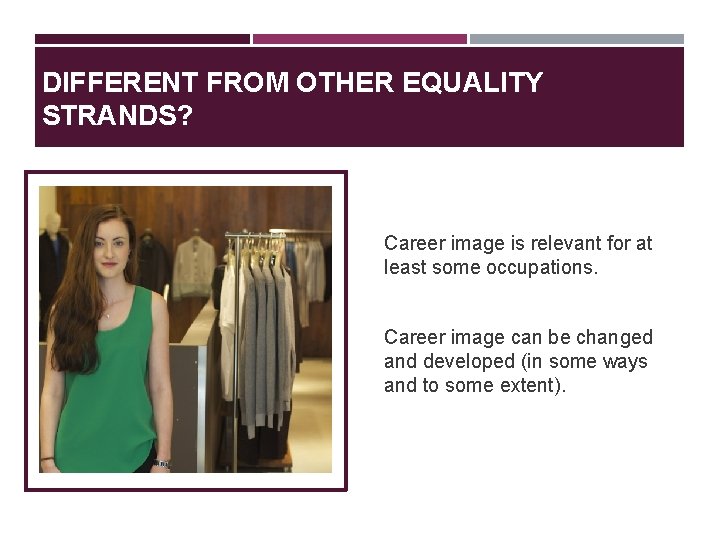
DIFFERENT FROM OTHER EQUALITY STRANDS? Career image is relevant for at least some occupations. Career image can be changed and developed (in some ways and to some extent).
OVERVIEW Career image Practitione r responses Implication s
SO… What should guidance counsellors do about career image?
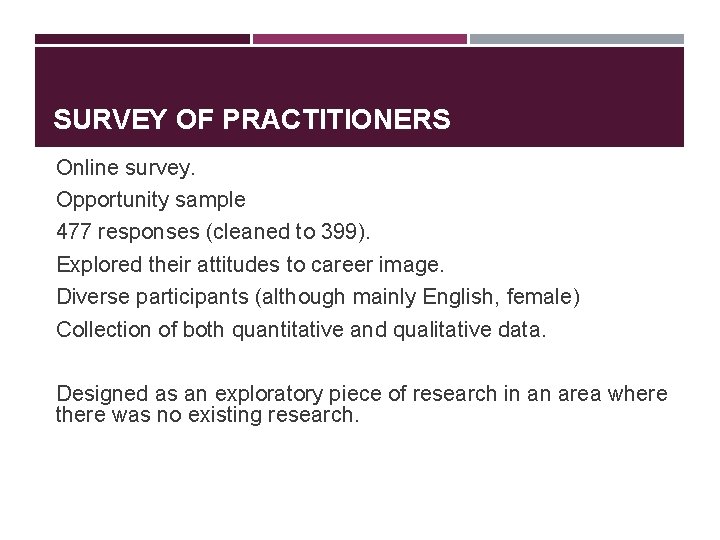
SURVEY OF PRACTITIONERS Online survey. Opportunity sample 477 responses (cleaned to 399). Explored their attitudes to career image. Diverse participants (although mainly English, female) Collection of both quantitative and qualitative data. Designed as an exploratory piece of research in an area where there was no existing research.
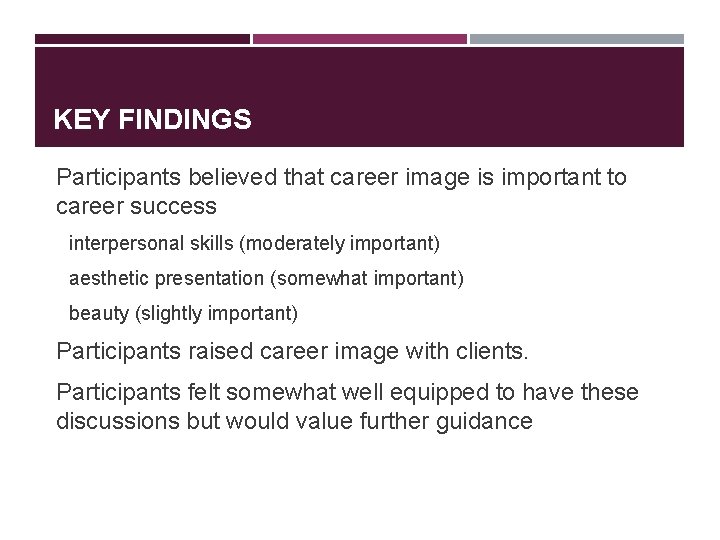
KEY FINDINGS Participants believed that career image is important to career success interpersonal skills (moderately important) aesthetic presentation (somewhat important) beauty (slightly important) Participants raised career image with clients. Participants felt somewhat well equipped to have these discussions but would value further guidance
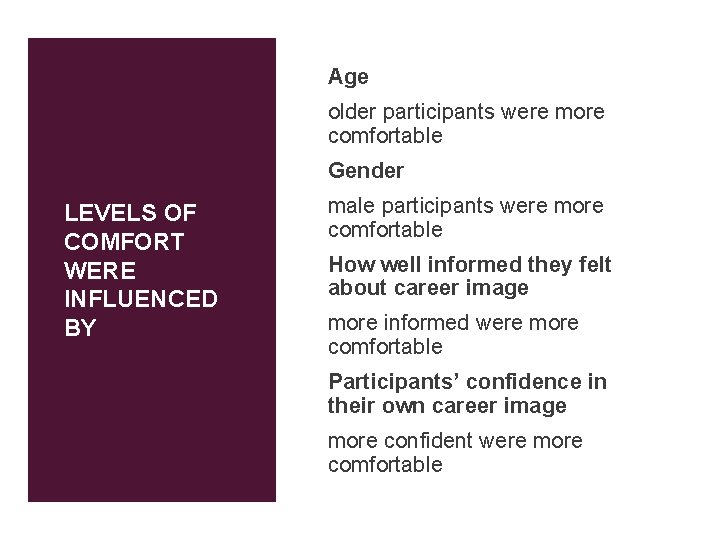
Age older participants were more comfortable Gender LEVELS OF COMFORT WERE INFLUENCED BY male participants were more comfortable How well informed they felt about career image more informed were more comfortable Participants’ confidence in their own career image more confident were more comfortable
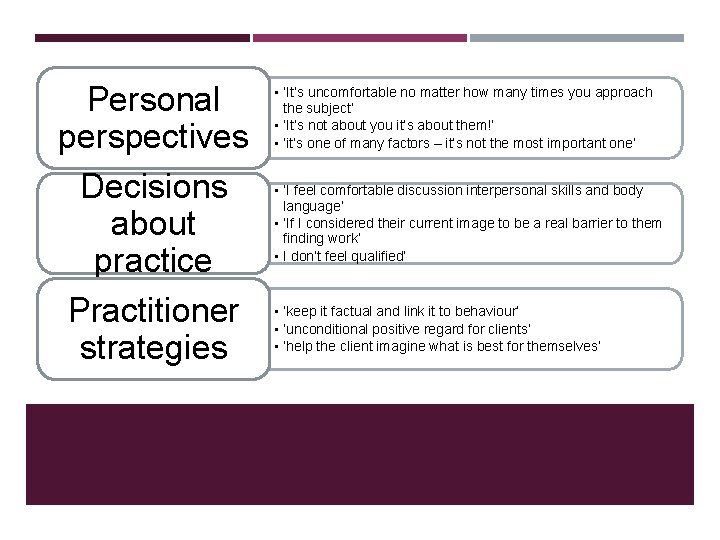
Personal perspectives Decisions about practice Practitioner strategies • ‘It’s uncomfortable no matter how many times you approach the subject’ • ‘It’s not about you it’s about them!’ • ‘it’s one of many factors – it’s not the most important one’ • ‘I feel comfortable discussion interpersonal skills and body language’ • ‘If I considered their current image to be a real barrier to them finding work’ • I don’t feel qualified’ • ‘keep it factual and link it to behaviour’ • ‘unconditional positive regard for clients’ • ‘help the client imagine what is best for themselves’
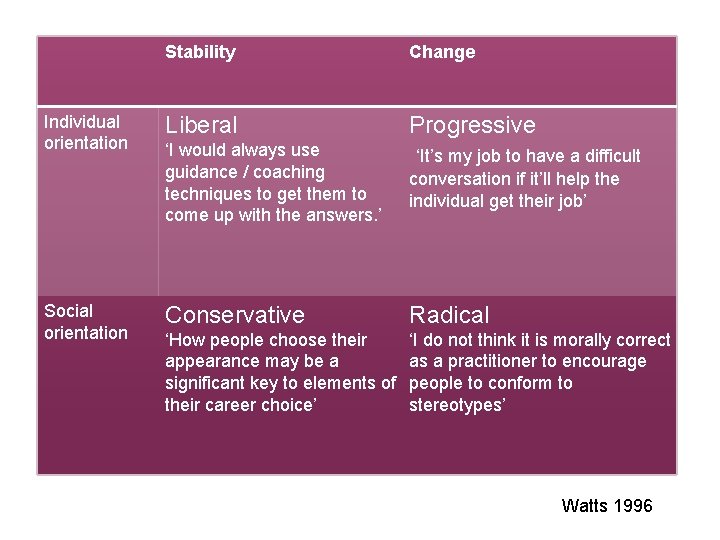
Stability Change Individual orientation Liberal Progressive ‘I would always use guidance / coaching techniques to get them to come up with the answers. ’ ‘It’s my job to have a difficult conversation if it’ll help the individual get their job’ Social orientation Conservative Radical ‘How people choose their appearance may be a significant key to elements of their career choice’ ‘I do not think it is morally correct as a practitioner to encourage people to conform to stereotypes’ Watts 1996
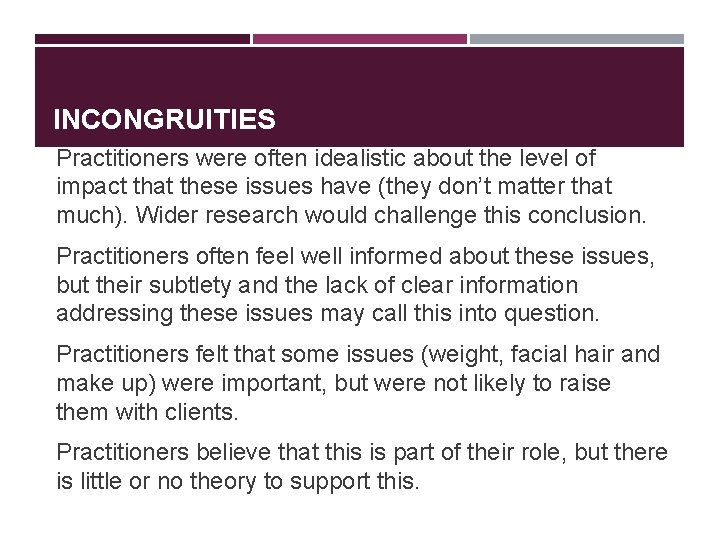
INCONGRUITIES Practitioners were often idealistic about the level of impact that these issues have (they don’t matter that much). Wider research would challenge this conclusion. Practitioners often feel well informed about these issues, but their subtlety and the lack of clear information addressing these issues may call this into question. Practitioners felt that some issues (weight, facial hair and make up) were important, but were not likely to raise them with clients. Practitioners believe that this is part of their role, but there is little or no theory to support this.
OVERVIEW Career image Practitione r responses Implication s
DEVELOPING PRACTICE There is very limited theory, guidance or training on career image. There is a need for further discussion and debate on these issues. Such debate needs to inform professional practice, training and CPD, ethics and theory.
FUTURE RESEARCH There is a need to deepen understanding of these issues. Key areas for future research projects: More quantitative work with more robust sampling approaches. Research looking at career practitioners engagement with these issues with stakeholders other than their clients (e. g. educational institutions and employers). Research based on observation of actual practice. Research looking at how far image consultants give career advice
QUESTIONS Should we be having these conversations with clients? Are we actually well informed? Do we need to develop this kind of knowledge at all? How do we handle the ethics?
REFERENCES Cutts, B. , Hooley, T. and Yates, J. (2015). Graduate dress code: How undergraduates are planning to use hair, clothes and make-up to smooth their transition to the workplace. Industry and Higher Education, 29 (4), 271 -282. Hooley, T. and Cutts, B. (Forthcoming). It all kind of symbolises something doesn’t it? ’” How students present their career image online. Journal of the National Institute for Career Education and Counselling. Hooley, T. & Yates, J. (2015). ‘If you look the part you’ll get the job’: should career professionals help clients to enhance their career image? , British Journal of Guidance & Counselling, 43: 4, 438 -451. Yates, J. & Hooley, T. (forthcoming). Advising on career image. British Journal of Guidance and Counselling. Yates, J. , Hooley, T. and Kaur Bagri, K. (2016). Good looks and good practice: the attitudes of career practitioners to attractiveness and appearance. British Journal of Guidance and Counselling, Online first.
SUMMARY Career image matters to individuals’ career building. Career image raises a range of social justice and theoretical questions which are both intertwined with and distinct from other equality strands. Practitioners are interested in these issues and feel them to be part of their practice. There is a need for a robust discussion about how theory and practice in career guidance can address career image.
TRISTRAM HOOLEY t. hooley@derby. ac. uk @pigironjoe Blog at http: //adventuresincareerdevelopment. wordpress. com