
The Roaring 20s The Social Reforms The Gibson
The Roaring 20’s
The Social Reforms
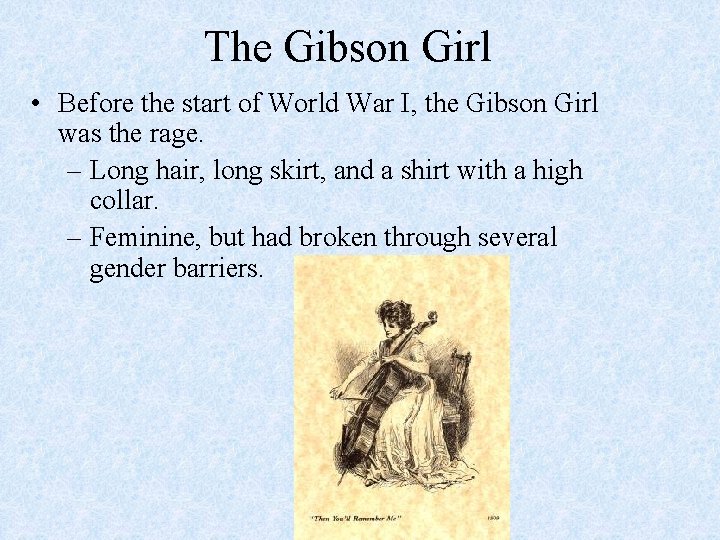
The Gibson Girl • Before the start of World War I, the Gibson Girl was the rage. – Long hair, long skirt, and a shirt with a high collar. – Feminine, but had broken through several gender barriers.
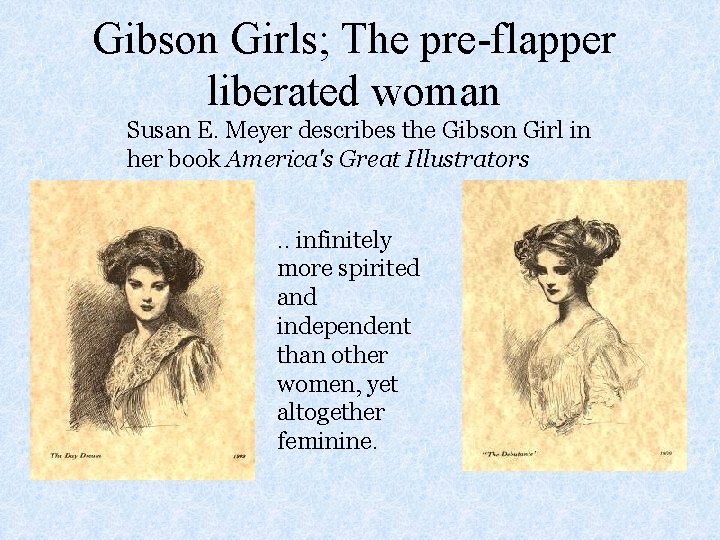
Gibson Girls; The pre-flapper liberated woman Susan E. Meyer describes the Gibson Girl in her book America's Great Illustrators. . infinitely more spirited and independent than other women, yet altogether feminine.
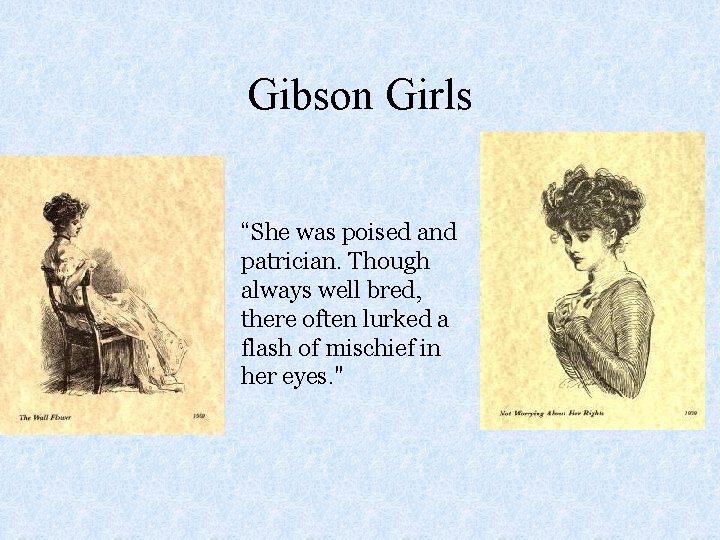
Gibson Girls “She was poised and patrician. Though always well bred, there often lurked a flash of mischief in her eyes. "
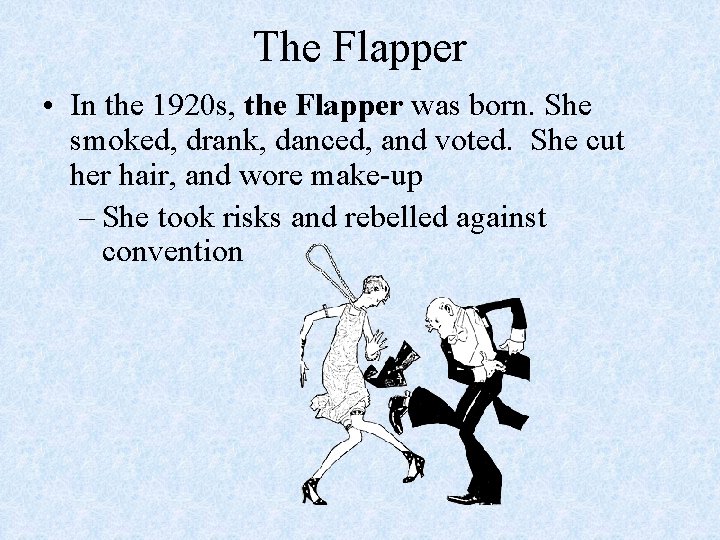
The Flapper • In the 1920 s, the Flapper was born. She smoked, drank, danced, and voted. She cut her hair, and wore make-up – She took risks and rebelled against convention
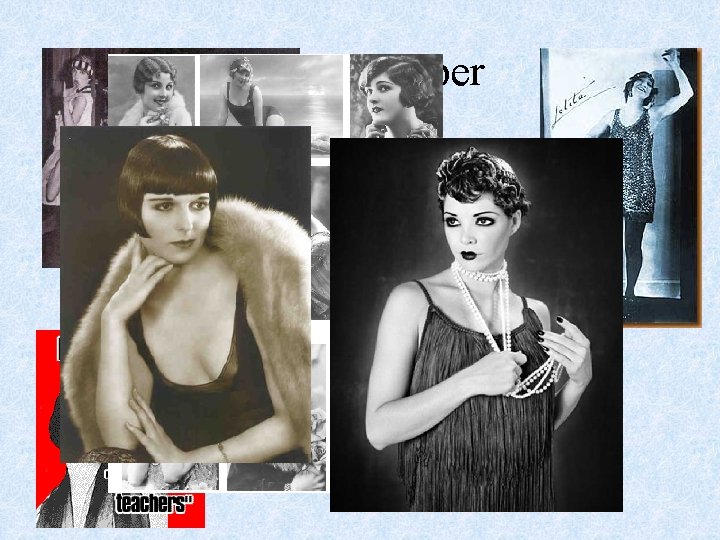
The Flapper
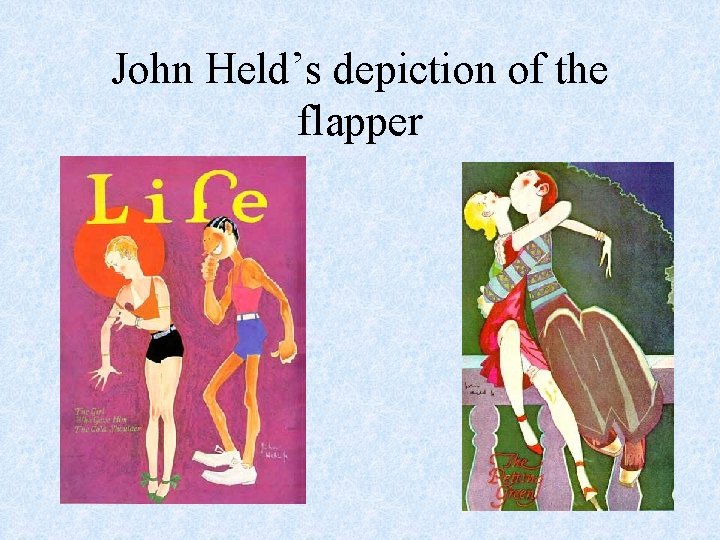
John Held’s depiction of the flapper
Media, Innovations, and the Jazz Age
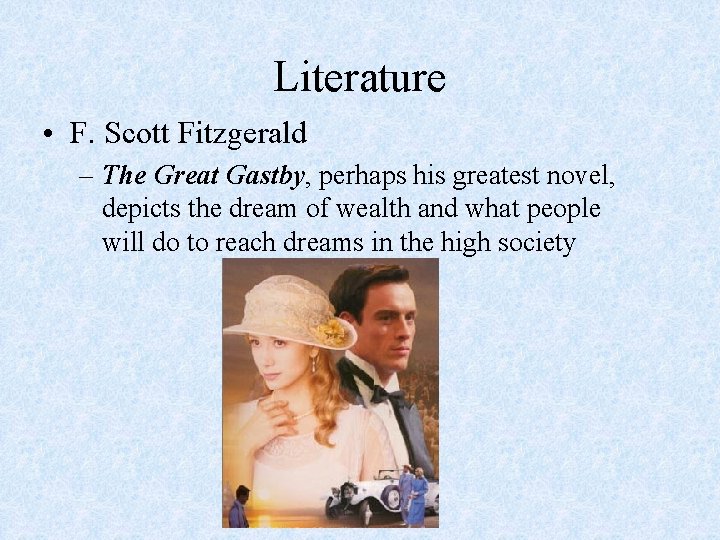
Literature • F. Scott Fitzgerald – The Great Gastby, perhaps his greatest novel, depicts the dream of wealth and what people will do to reach dreams in the high society
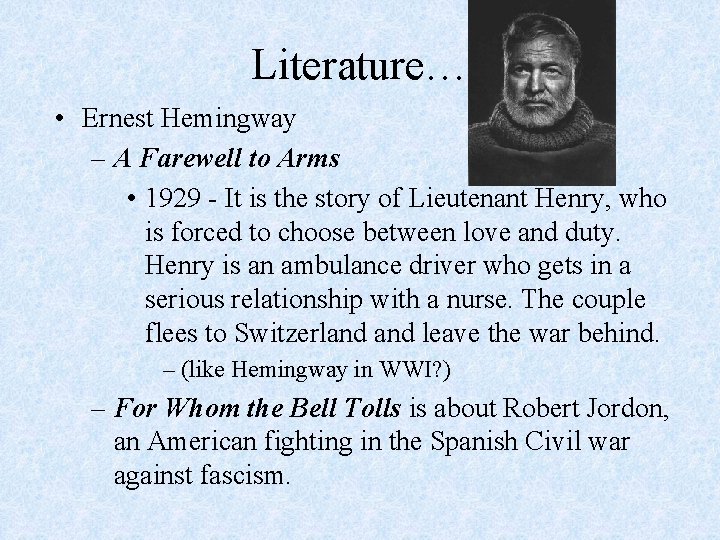
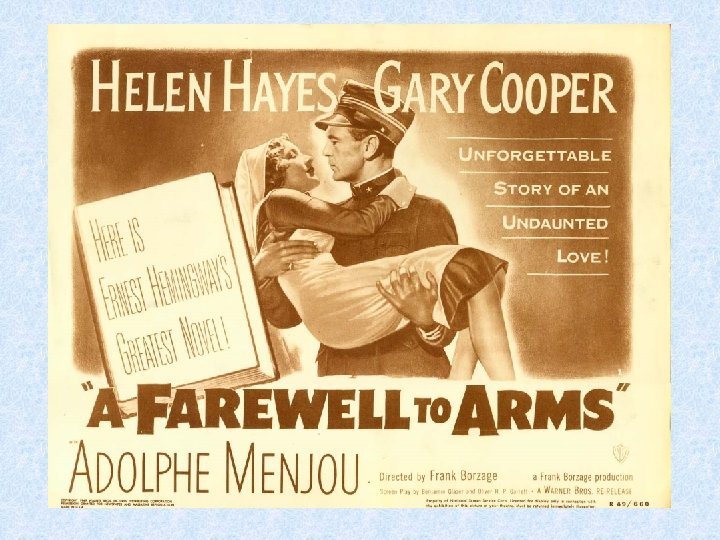
Literature… • Ernest Hemingway – A Farewell to Arms • 1929 - It is the story of Lieutenant Henry, who is forced to choose between love and duty. Henry is an ambulance driver who gets in a serious relationship with a nurse. The couple flees to Switzerland leave the war behind. – (like Hemingway in WWI? ) – For Whom the Bell Tolls is about Robert Jordon, an American fighting in the Spanish Civil war against fascism.
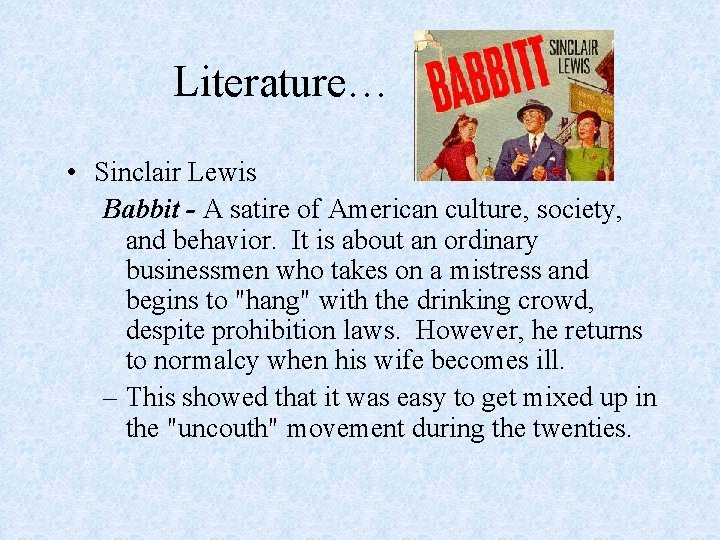
Literature… • Sinclair Lewis Babbit - A satire of American culture, society, and behavior. It is about an ordinary businessmen who takes on a mistress and begins to "hang" with the drinking crowd, despite prohibition laws. However, he returns to normalcy when his wife becomes ill. – This showed that it was easy to get mixed up in the "uncouth" movement during the twenties.
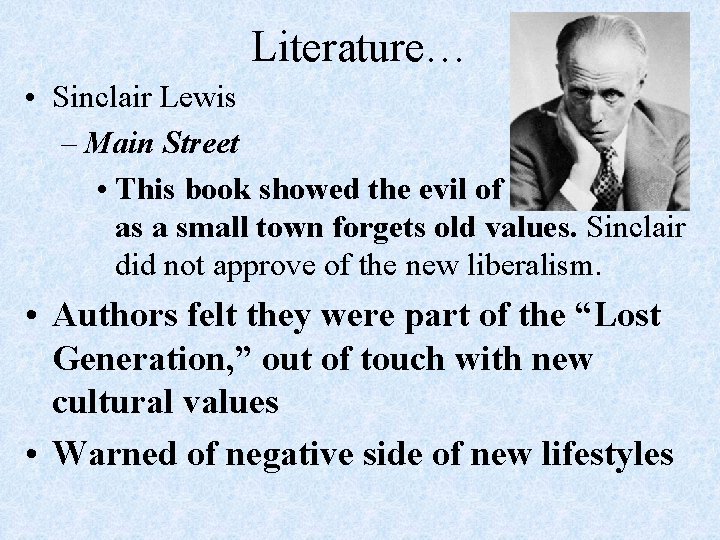
Literature… • Sinclair Lewis – Main Street • This book showed the evil of materialism as a small town forgets old values. Sinclair did not approve of the new liberalism. • Authors felt they were part of the “Lost Generation, ” out of touch with new cultural values • Warned of negative side of new lifestyles
Jazz • By the mid-1920 s, jazz was being played in dance halls and roadhouses and speakeasies all over the country. • Harlem Renaissance (Rebirth of Music) • Jazz grew out of the blues music of black musicians – rooted in spiritual songs of former African slaves • Not well liked by older generations • Brief Jazz Lesson
Jazz • Jazz — and the dancing it inspired — was also said to be having a catastrophic impact on the national character. "Moral disaster is coming to hundreds of young American girls, " reported the New York American, "through the pathological, nerve-irritating, sexexciting music of jazz orchestras. "
Jazz • In Cincinnati, the Salvation Army obtained a court injunction to stop construction of a theater next to a home for expectant mothers on the grounds that "the enforced proximity of a theater and jazz palace" would implant dangerous "jazz emotions" in helpless infants.
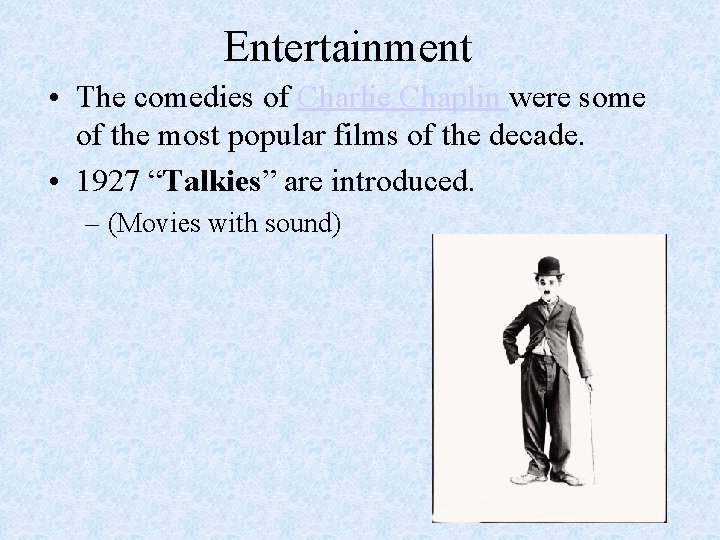
Entertainment • The comedies of Charlie Chaplin were some of the most popular films of the decade. • 1927 “Talkies” are introduced. – (Movies with sound)
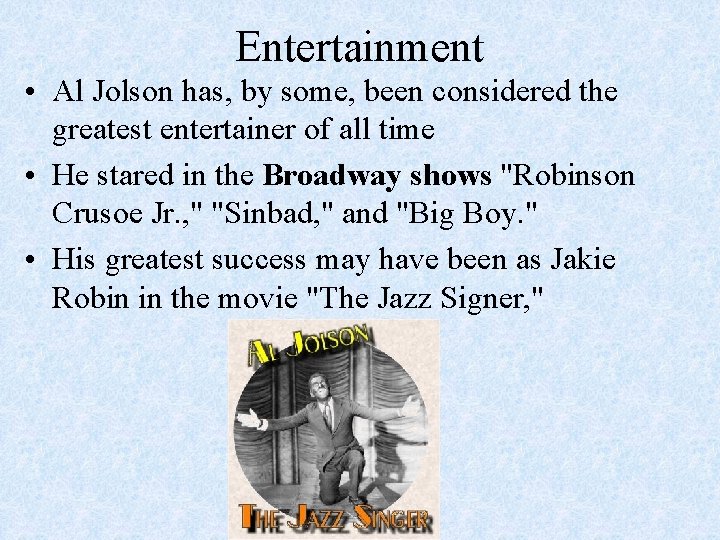
Entertainment • Al Jolson has, by some, been considered the greatest entertainer of all time • He stared in the Broadway shows "Robinson Crusoe Jr. , " "Sinbad, " and "Big Boy. " • His greatest success may have been as Jakie Robin in the movie "The Jazz Signer, "
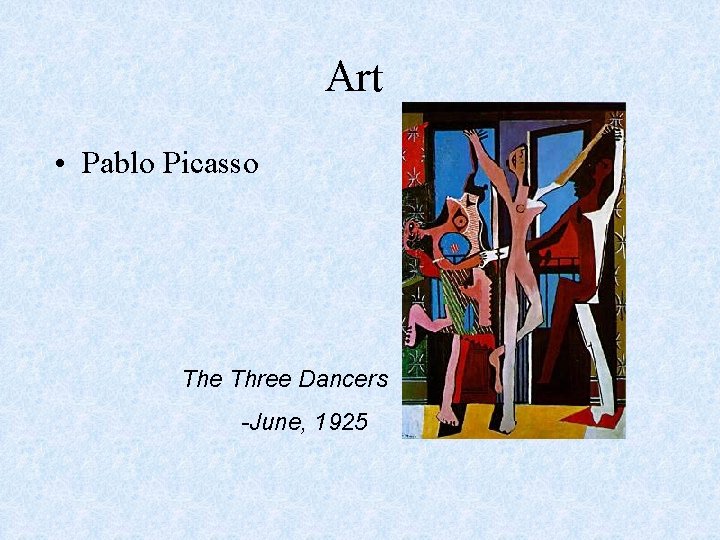
Art • Pablo Picasso The Three Dancers -June, 1925
Inventions • The Automobile – Popular with young people who wanted freedom and excitement. – Virtually every household in America owned an automobile – Automobile helped American industries: • Auto Maintenance • Roads • Travel Industry • Speeding tickets
Henry Ford • Founded the Ford Motor Company • Model-T, – convenient – affordable by most. • First to make full use of Assembly Line • Increased wages to improve employee morale – Improved overall production • Retired in 1945 with $700 Million
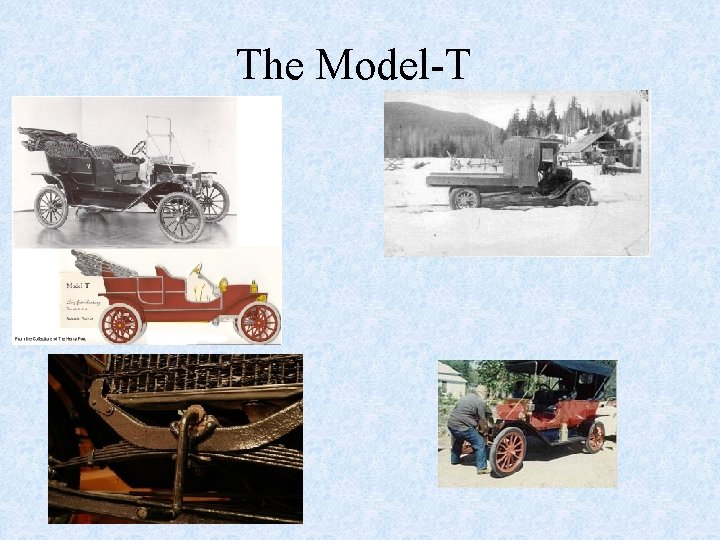
The Model-T
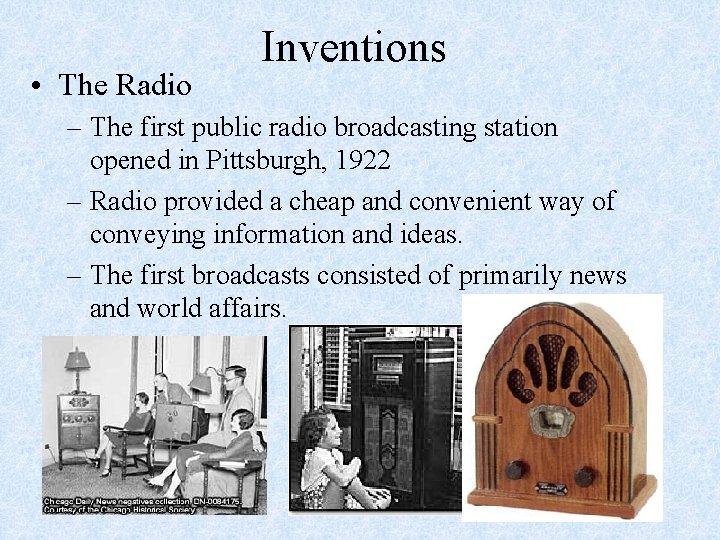
• The Radio Inventions – The first public radio broadcasting station opened in Pittsburgh, 1922 – Radio provided a cheap and convenient way of conveying information and ideas. – The first broadcasts consisted of primarily news and world affairs.
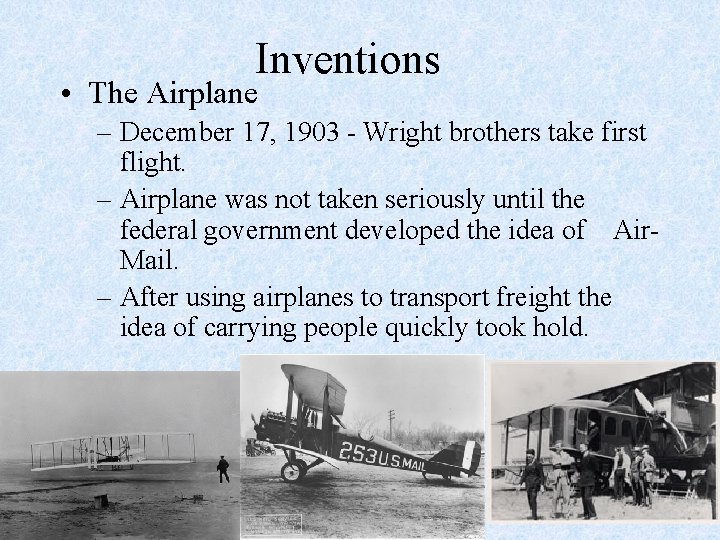
Inventions • The Airplane – December 17, 1903 - Wright brothers take first flight. – Airplane was not taken seriously until the federal government developed the idea of Air. Mail. – After using airplanes to transport freight the idea of carrying people quickly took hold.
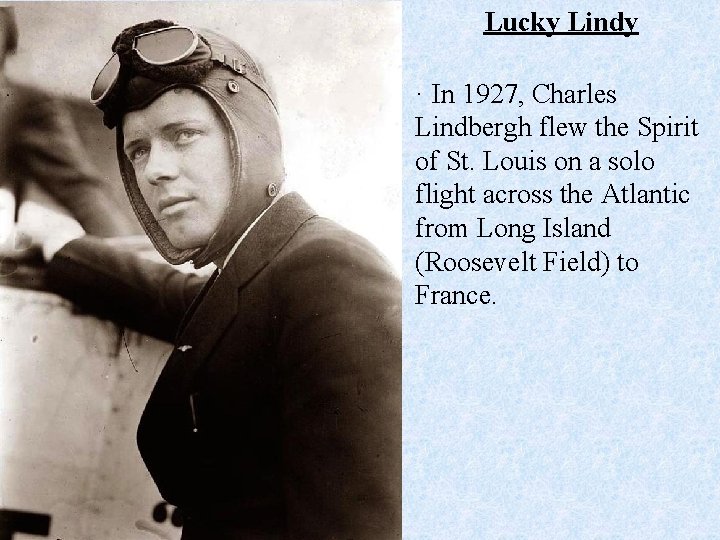
Lucky Lindy · In 1927, Charles Lindbergh flew the Spirit of St. Louis on a solo flight across the Atlantic from Long Island (Roosevelt Field) to France.
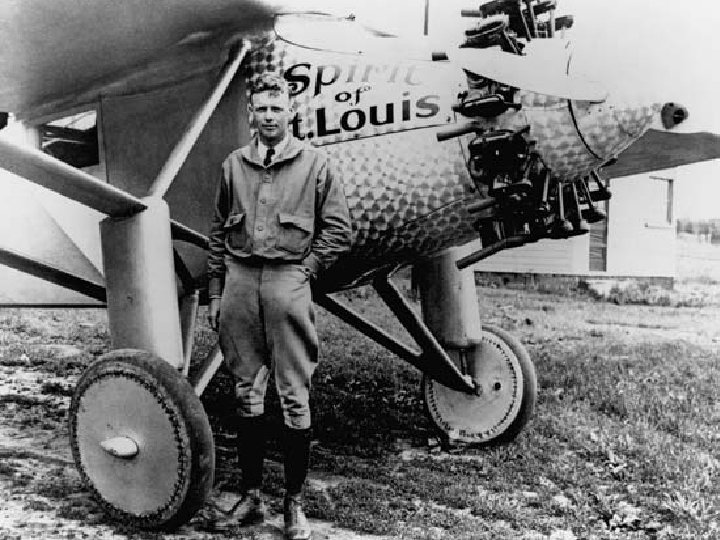

Lindbergh's Transatlantic Flight: New York to Paris Video(31) ()
Quick Write: • Why would a public figure such as Charles Lindbergh make it “feel good to be an American? ” • What happened as a result of his famous achievement?
Cultural Conflicts
Prohibition
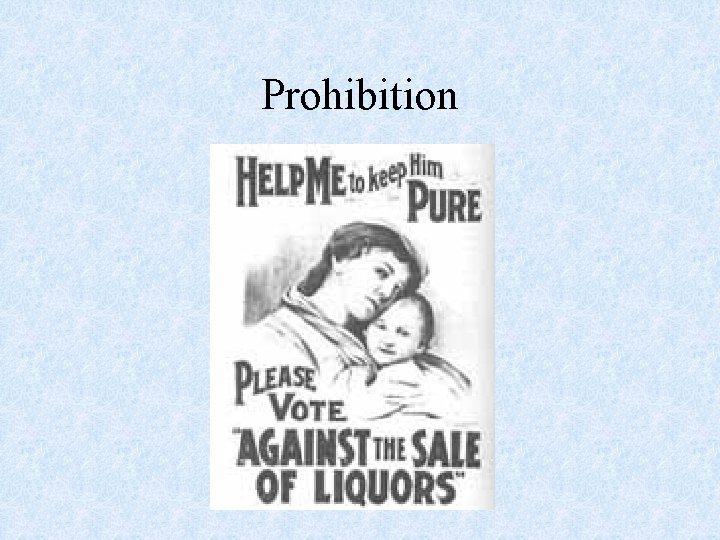
Prohibition • The 18 th Amendment banned the sale, production, consumption and transportation of alcohol in America. • Organized crime grows by providing illegal alcohol – Consumed in Speakeasies (illegal/secret bars) • Each major city had its gangster element – Most famous was Chicago’s Al Capone.
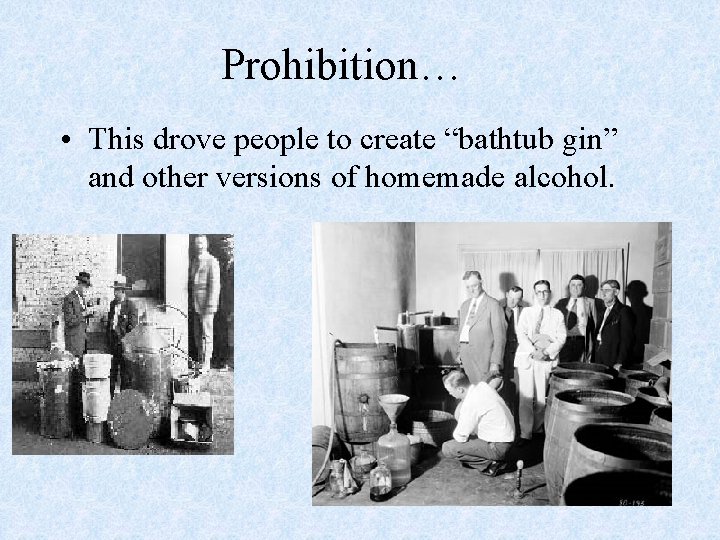
Prohibition… • This drove people to create “bathtub gin” and other versions of homemade alcohol.
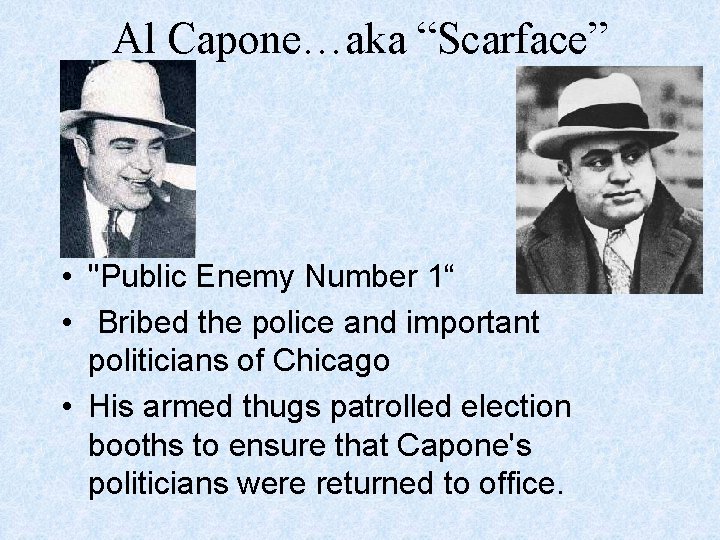
Al Capone…aka “Scarface” • "Public Enemy Number 1“ • Bribed the police and important politicians of Chicago • His armed thugs patrolled election booths to ensure that Capone's politicians were returned to office.
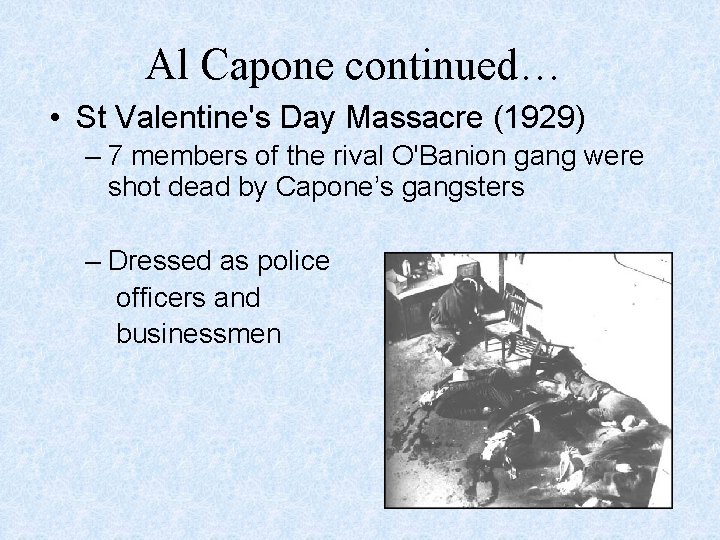
Al Capone continued… • St Valentine's Day Massacre (1929) – 7 members of the rival O'Banion gang were shot dead by Capone’s gangsters – Dressed as police officers and businessmen
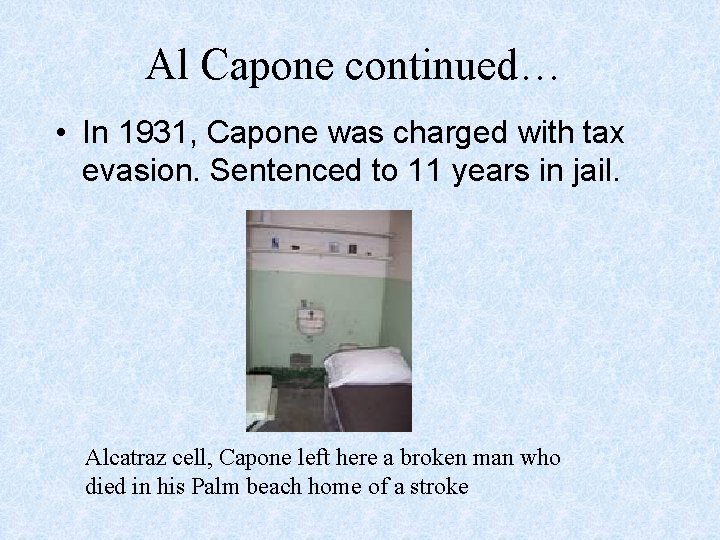
Al Capone continued… • In 1931, Capone was charged with tax evasion. Sentenced to 11 years in jail. Alcatraz cell, Capone left here a broken man who died in his Palm beach home of a stroke
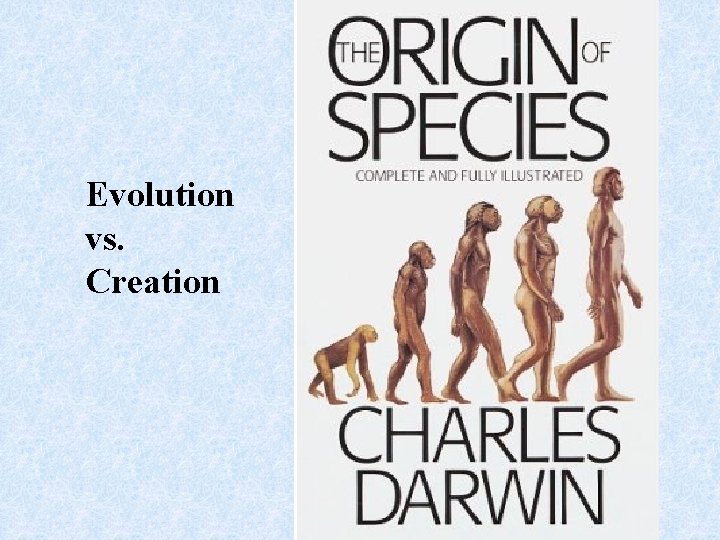
Evolution vs. Creation
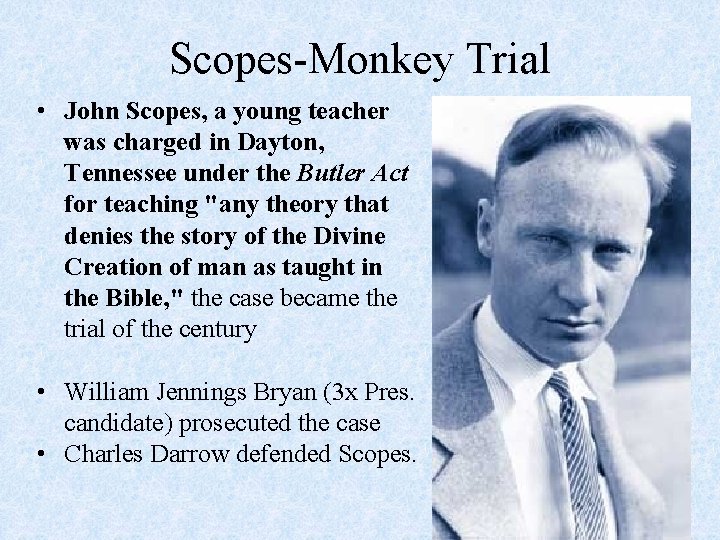
Scopes-Monkey Trial • John Scopes, a young teacher was charged in Dayton, Tennessee under the Butler Act for teaching "any theory that denies the story of the Divine Creation of man as taught in the Bible, " the case became the trial of the century • William Jennings Bryan (3 x Pres. candidate) prosecuted the case • Charles Darrow defended Scopes.
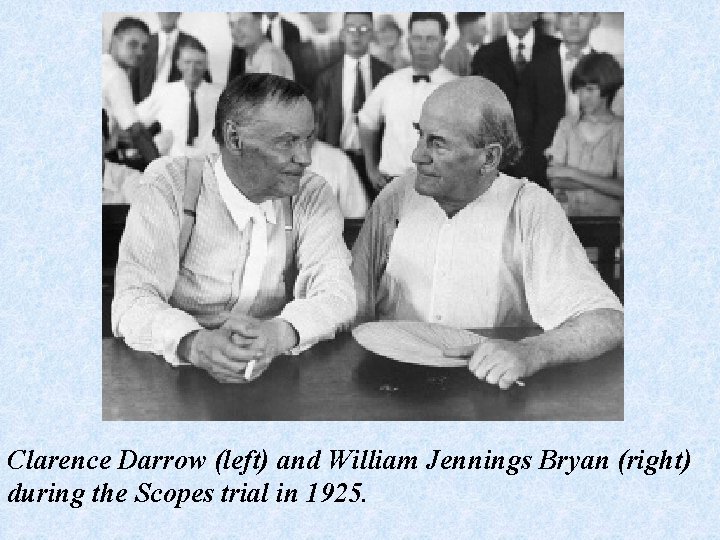
Clarence Darrow (left) and William Jennings Bryan (right) during the Scopes trial in 1925.
Scopes-Monkey Trial…con’t • The trial was stacked against Scopes from the beginning. Ten of the twelve men picked for the jury were regular church goers. During the weekend the trial was adjourned, Bryan gave a sermon in the town's methodist church. One of the listeners was John Raulston, judge in the case.
Scopes-Monkey Trial…con’t • The verdict was only a formality. Scopes was fined $100. • Shows the clash between generations… Traditional Fundamentalism v. s The New Liberalism
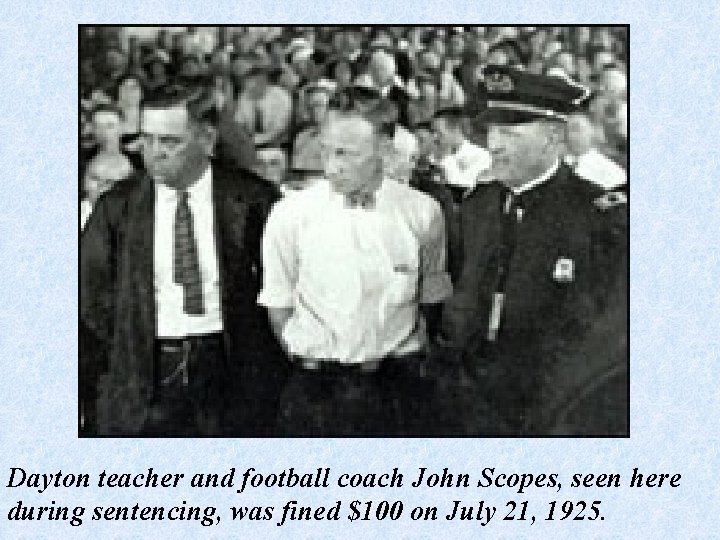
Dayton teacher and football coach John Scopes, seen here during sentencing, was fined $100 on July 21, 1925.
Scopes-Monkey Trial (cont’d) • Traditional Fundamentalism – The “Devine creation of Man” as taught in the bible. – “Adam and Eve and the Garden of Eden” • The New Liberalism – Darwin’s Theory of Evolution – Man has evolved over time from the “Monkey”

The Red Scare
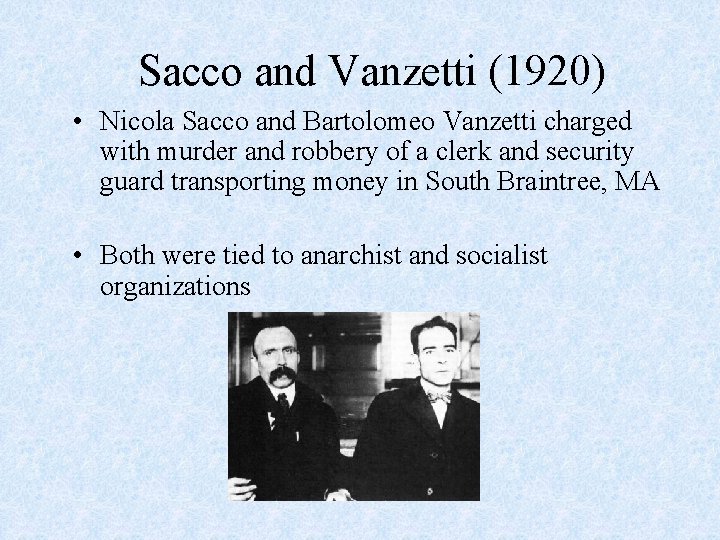
Sacco and Vanzetti (1920) • Nicola Sacco and Bartolomeo Vanzetti charged with murder and robbery of a clerk and security guard transporting money in South Braintree, MA • Both were tied to anarchist and socialist organizations
Sacco and Vanzetti…con’t • Most scholars believe they did not have a fair trial because they were anarchists with criminal connections. • The Judge did not allow all defense evidence in, and the prosecution evidence was allowed regardless of any objection. • This idea of justice persecuting the radicals of the Red Scare caused many Americans to applaud their execution.
The Red Scare • The first Red Scare began as World War I was ending. • Fear that communism would threaten the nation's democratic values. – a system of social organization in which all economic and social activity is controlled by a totalitarian state dominated by a single political party. • The term “Red” comes from the red flag which was used by Russian Revolutionaries called the Bolsheviks – (Led by Vladimir Lenin) • The Espionage Act and the Sedition Act were used to prosecute suspected communists.
The Red Scare (cont’d) • Espionage Act 1917 – prosecuted those convicted of interfering with military recruitment. – Could face 5 -20 years in prison • Sedition Act 1918 - prosecuted individuals who publicly criticized the government — including negative comments about the flag, military or Constitution. – Considered the greatest limit to free speech in U. S. history
The Red Scare (cont’d) • Labor strikes are compared with revolting against the government, which makes people fear communism. • Boston Police Strike – Although told they cannot form a labor union, officers strike and walk out after they are denied a raise. This leads to violence erupting in the streets within hours of their decision. – Governor Calvin Coolidge stated, “There is no right to strike against the public safety of anybody, any where, anytime. ”
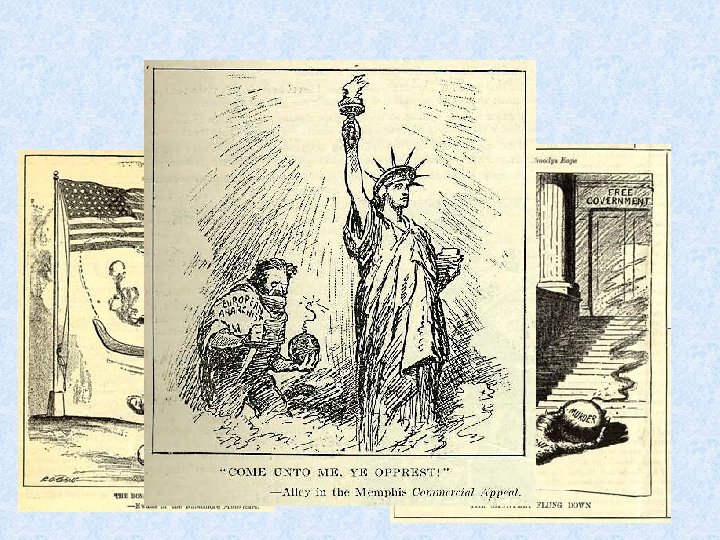
The Red Scare
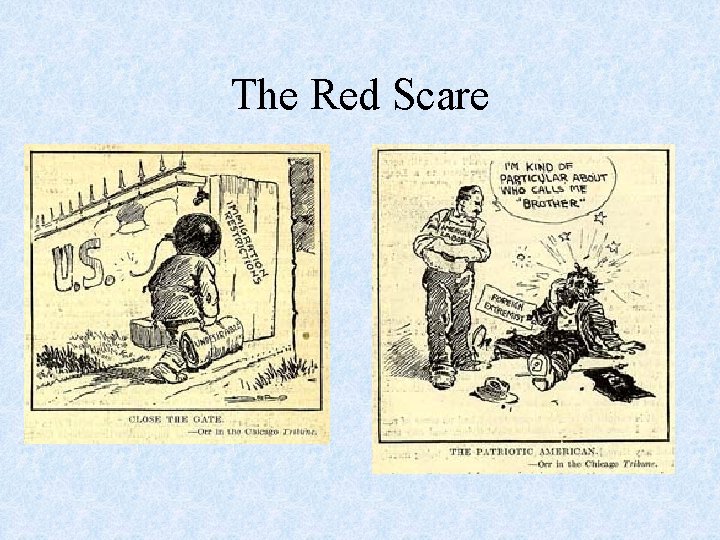
The Red Scare
Quick Write: Many Americans are paranoid about the changes they see in America and begin to react with extreme conservatism. - What do you believe was the next step Americans took in their anti-immigrant movement?

Racism in America

Ku Klux Klan (Greek for group or clan) • Primarily based in the south • Never considered the former slaves as being free • Designed to spread fear and intimidation in the black population • Only WASP’s could belong to it — White Anglo-Saxon Protestants.

KKK continued • Rarely prosecuted for breaking laws – Law officers in the South were often high ranking KKK members • NAACP (National Association for the Advancement of Colored People) – Asked Washington for new laws to help combat the KKK violence but received very little
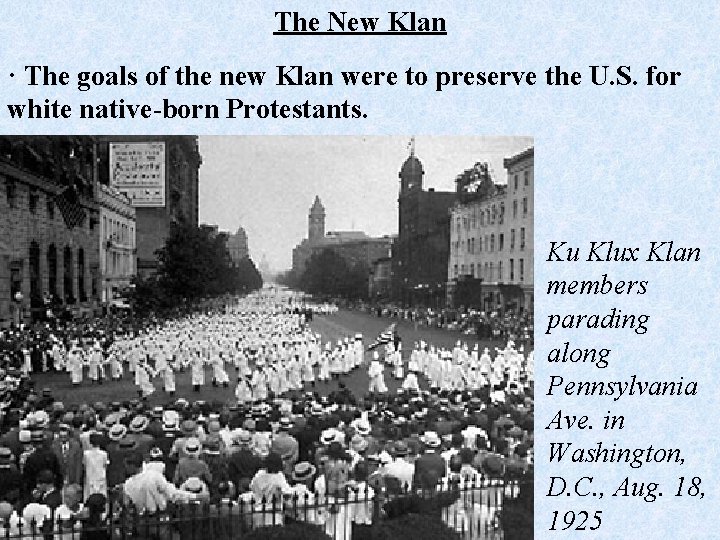
The New Klan · The goals of the new Klan were to preserve the U. S. for white native-born Protestants. Ku Klux Klan members parading along Pennsylvania Ave. in Washington, D. C. , Aug. 18, 1925
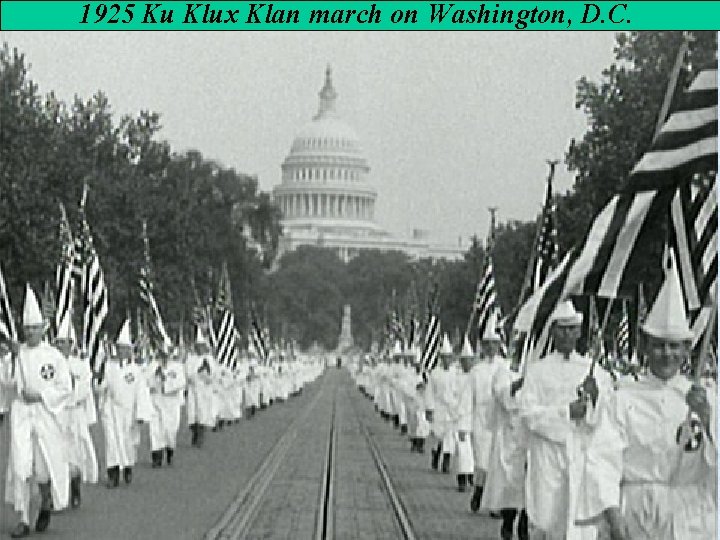
1925 Ku Klux Klan march on Washington, D. C.
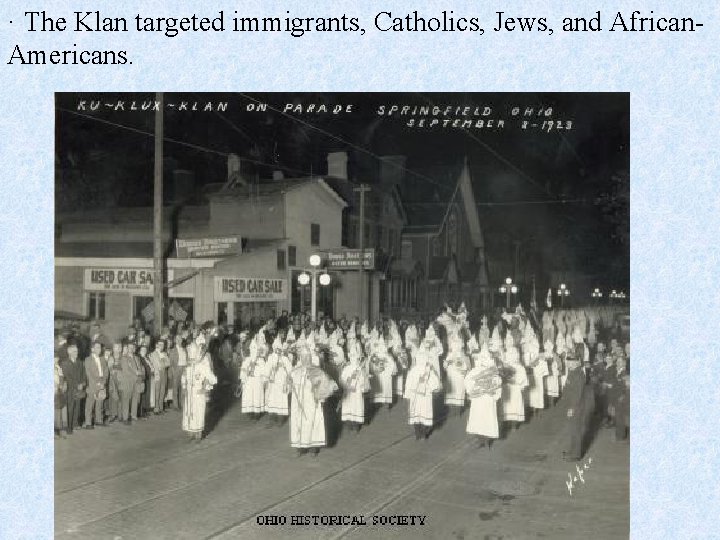
· The Klan targeted immigrants, Catholics, Jews, and African. Americans.
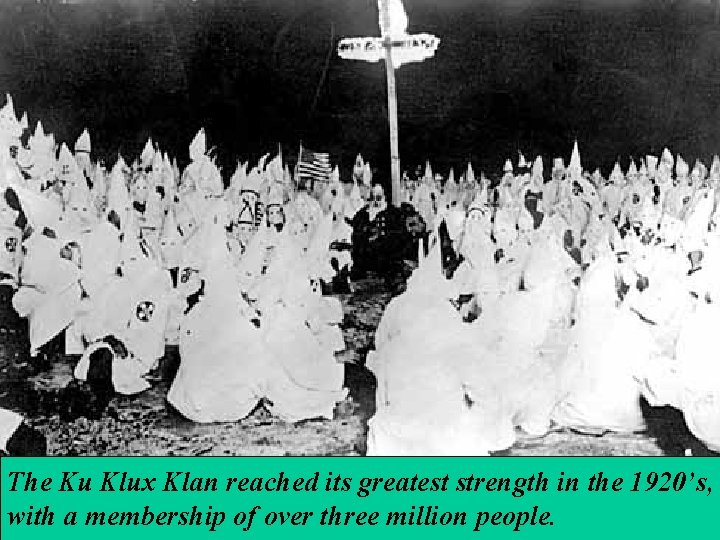
The Ku Klux Klan reached its greatest strength in the 1920’s, with a membership of over three million people.
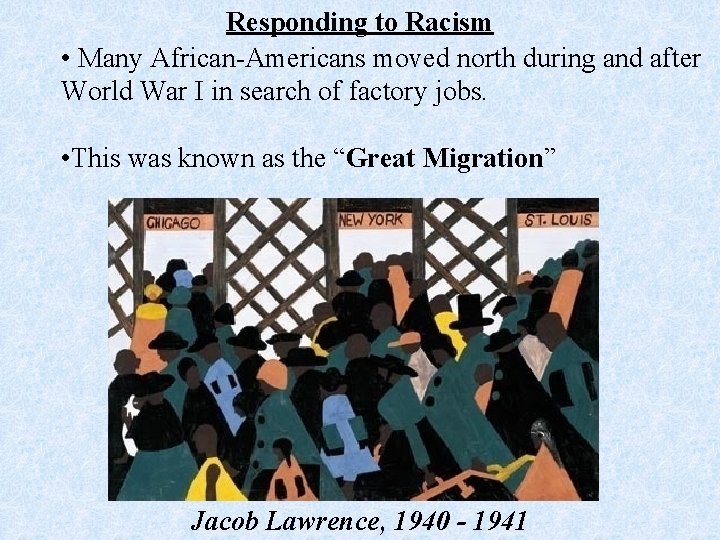
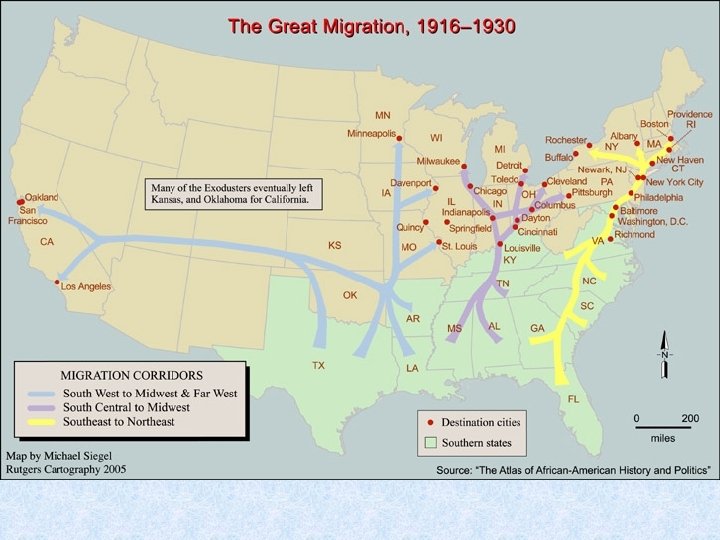
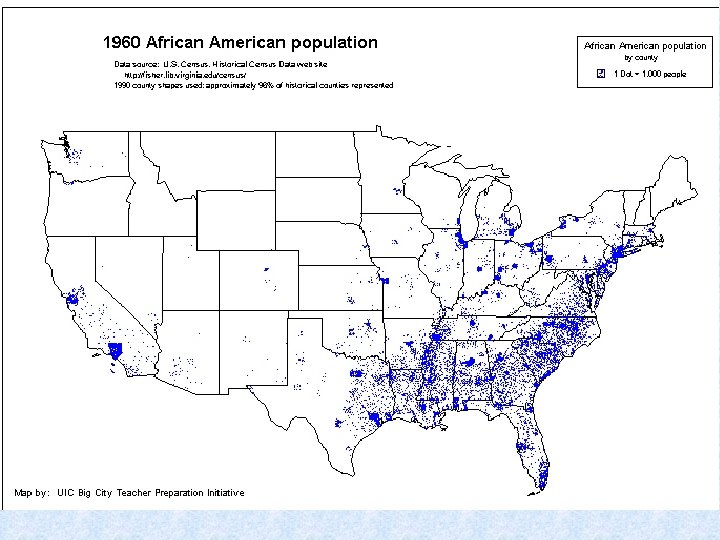
Responding to Racism • Many African-Americans moved north during and after World War I in search of factory jobs. • This was known as the “Great Migration” Jacob Lawrence, 1940 - 1941

A Roaring Economy
A Consumer Economy Wages rose More millionaires Consumer Economy an economy that depends on a large amount of buying by individuals

Buying on Credit Installment plan a system that lets customers make partial payments at set intervals over a period of time Encourages people to: buy products NOW, pay LATER Interest charges provide companies with a way to make money
The Stock Market Speculation A risky way to invest in companies in hopes of making a large amount of money Buying on Margin Allowing investors to purchase stocks for a reduced price You would then borrow the rest of the money, but owe more people or companies When the stock market crashes, those loans cannot be paid back
American Capitalism • Gross National Product • How much the country makes in a year • Rise in annual production of goods – The more the nation produces, the more money they make!
American Capitalism (Cont’d) • Welfare Capitalism – Idea that employers should raise workers wages and provide benefits – Stems from the Social Welfare reforms of the Progressive Era – Raise the minimum standard of living
Signs of Economic Decline • Uneven Prosperity – Rich get richer, poor get poorer – 80% of families had no savings • Personal Debt – Buying on credit, installment plans – people can’t afford to pay bills • Playing the stock market (speculation) and losing – Hoped to get rich, but lost $$$ • Overproduction and under-consumption
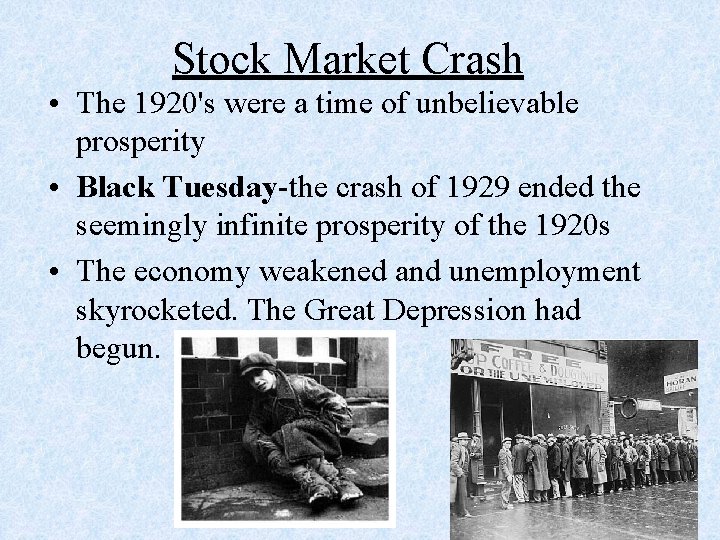
Stock Market Crash • The 1920's were a time of unbelievable prosperity • Black Tuesday-the crash of 1929 ended the seemingly infinite prosperity of the 1920 s • The economy weakened and unemployment skyrocketed. The Great Depression had begun.
- Slides: 70