
THE ROAD TO THE CIVIL WAR Political Problems
THE ROAD TO THE CIVIL WAR
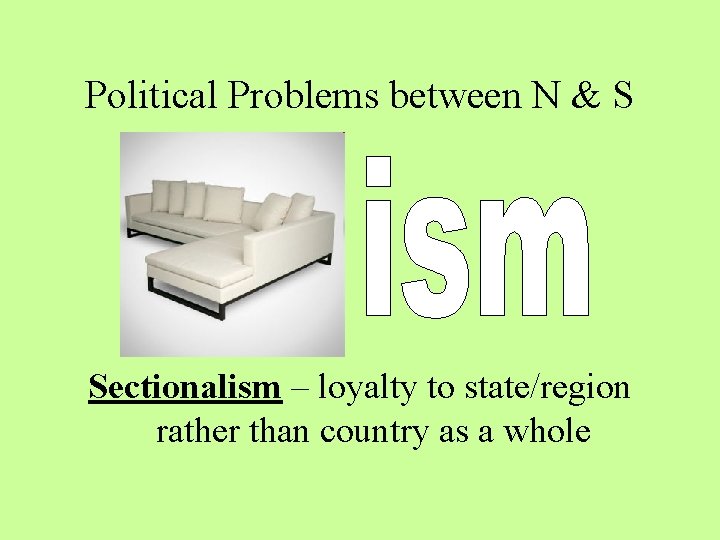
Political Problems between N & S Sectionalism – loyalty to state/region rather than country as a whole
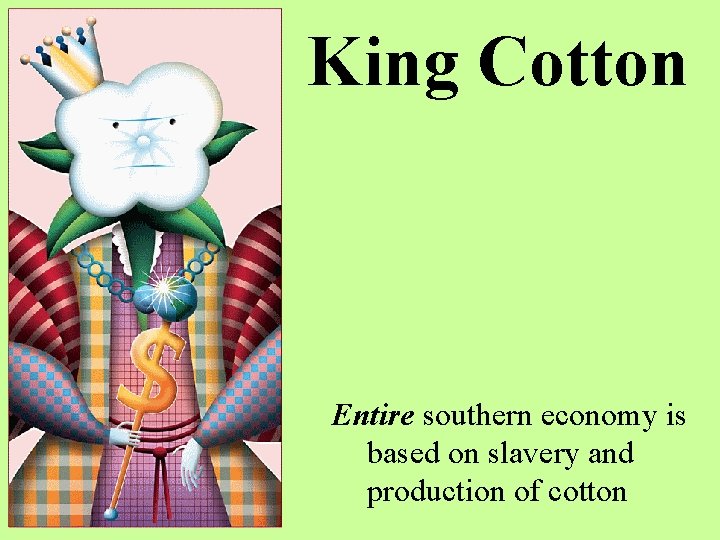
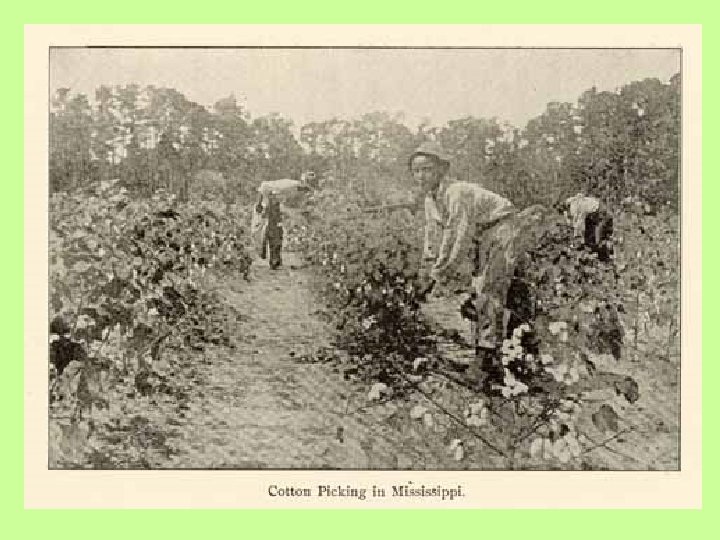
King Cotton Entire southern economy is based on slavery and production of cotton
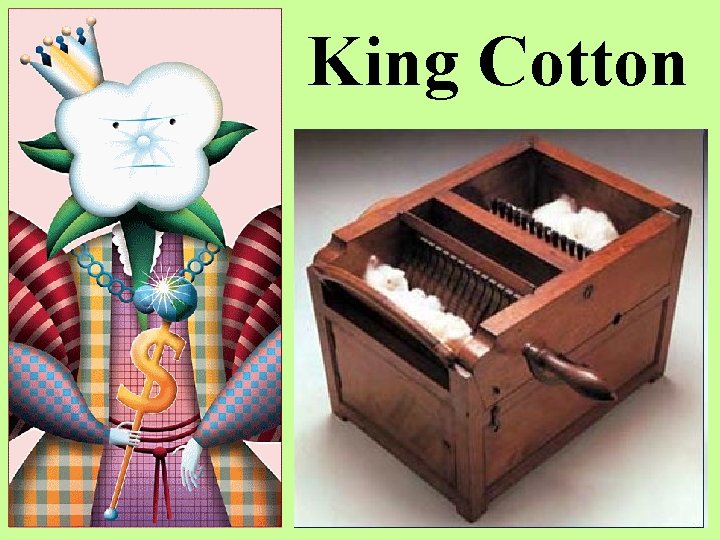
King Cotton
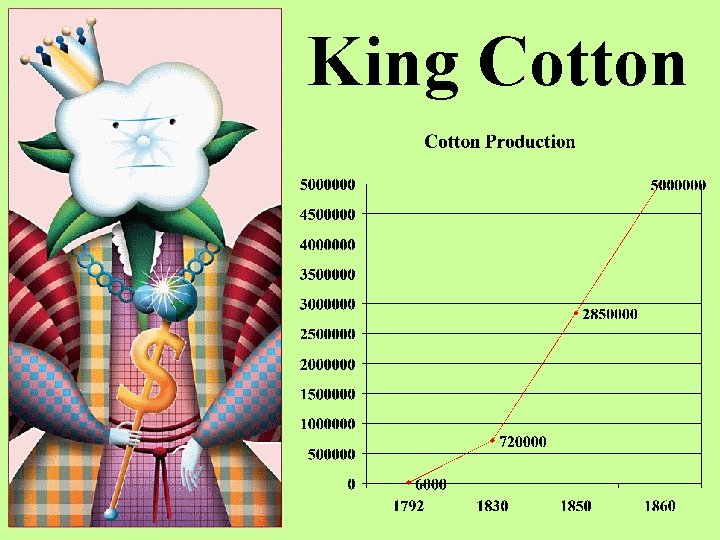
King Cotton
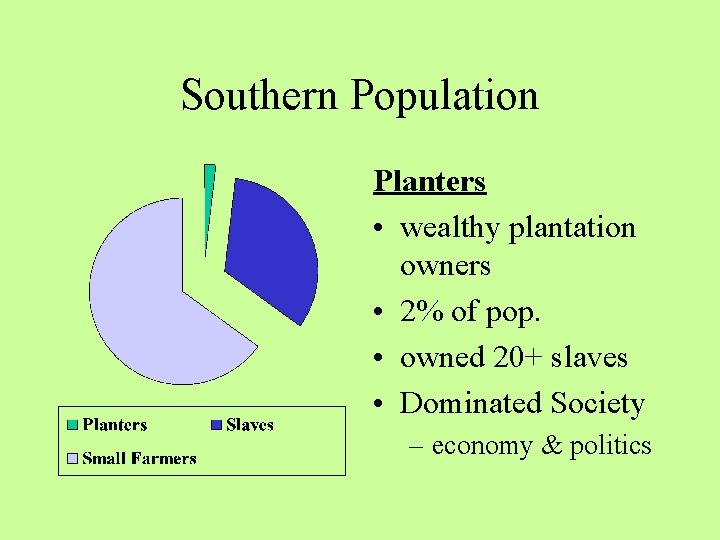
Southern Population Planters • wealthy plantation owners • 2% of pop. • owned 20+ slaves • Dominated Society – economy & politics
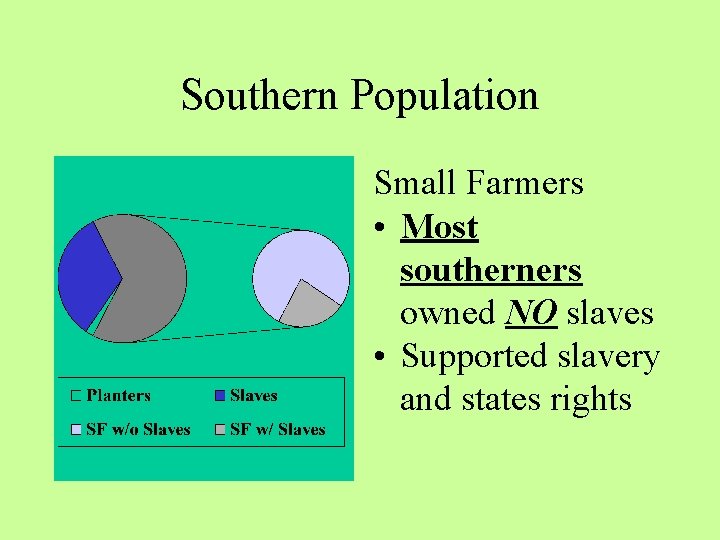
Southern Population Small Farmers • Most southerners owned NO slaves • Supported slavery and states rights
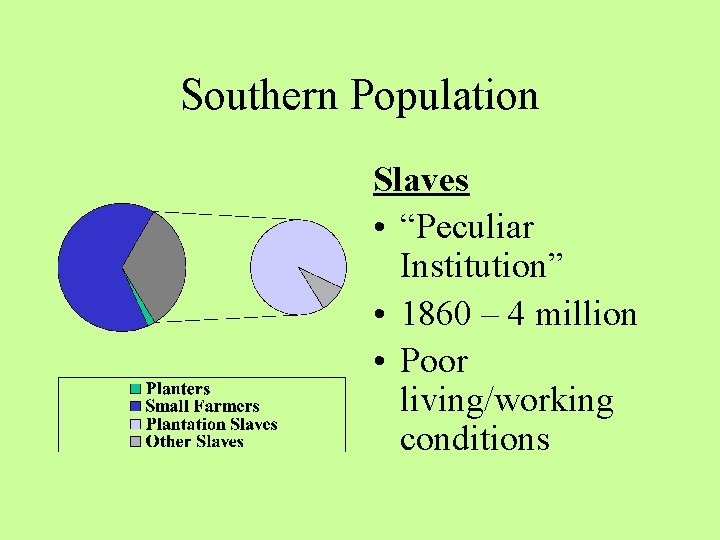
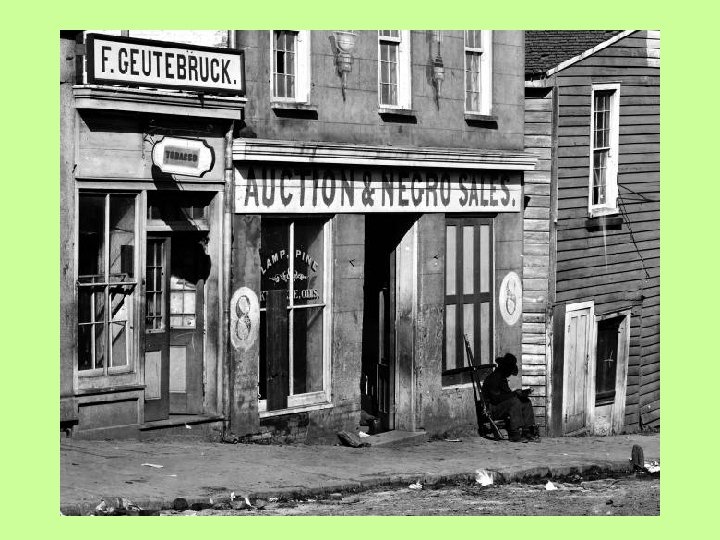
Southern Population Slaves • “Peculiar Institution” • 1860 – 4 million • Poor living/working conditions
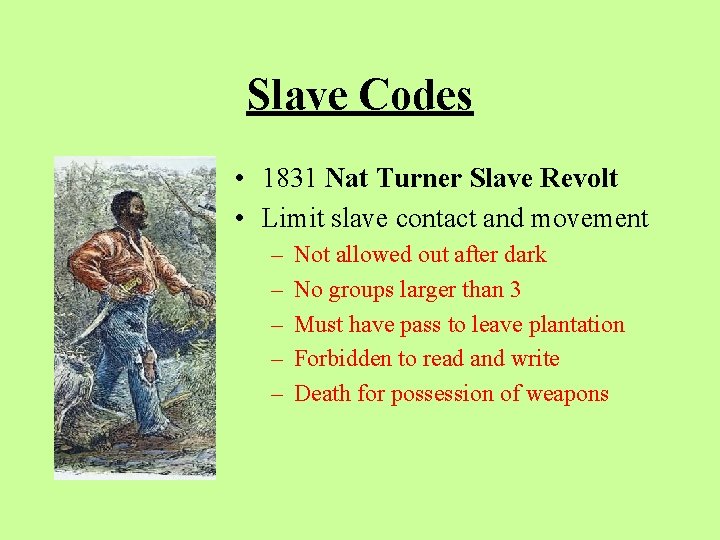
Slave Codes • 1831 Nat Turner Slave Revolt • Limit slave contact and movement – – – Not allowed out after dark No groups larger than 3 Must have pass to leave plantation Forbidden to read and write Death for possession of weapons
The 2 Sides of Slavery • Abolition Movement – Leads to greater division • “A Case for Slavery”
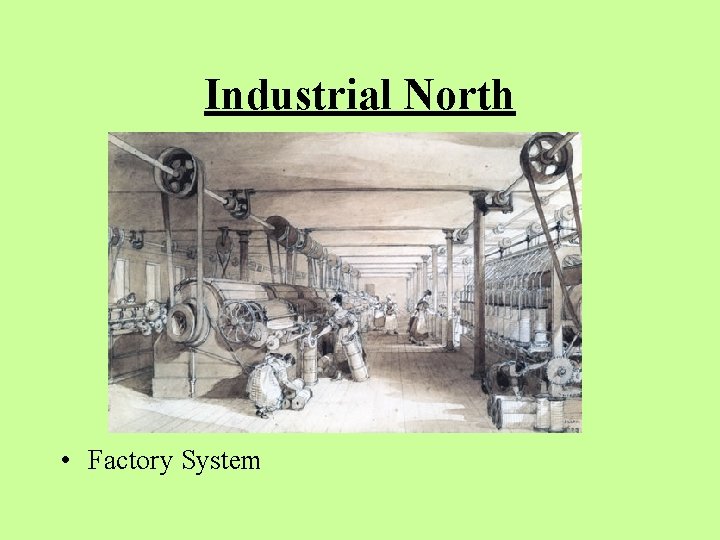
Industrial North • Factory System
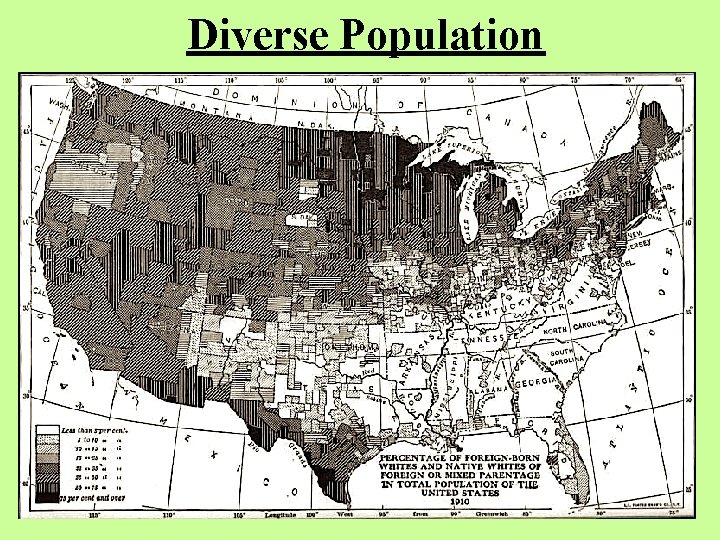
Diverse Population
1. Socially and politically diverse 2. Slavery as a threat to jobs/wages
Solving Sectionalism? A. 1787 – 3/5 ths Compromise. B. 1820 – Missouri Compromise • 36° 30’ dividing line • Limited new area for slavery C. Popular Sovereignty - let the people decide
Achieving Balance • Must maintain balance in Senate • Admit states in pairs/groups – Texas & Florida 1845 (slave states) – Wisconsin & Iowa 1846 (free states) • Oregon Terr. & Mexican Cession starts new argument
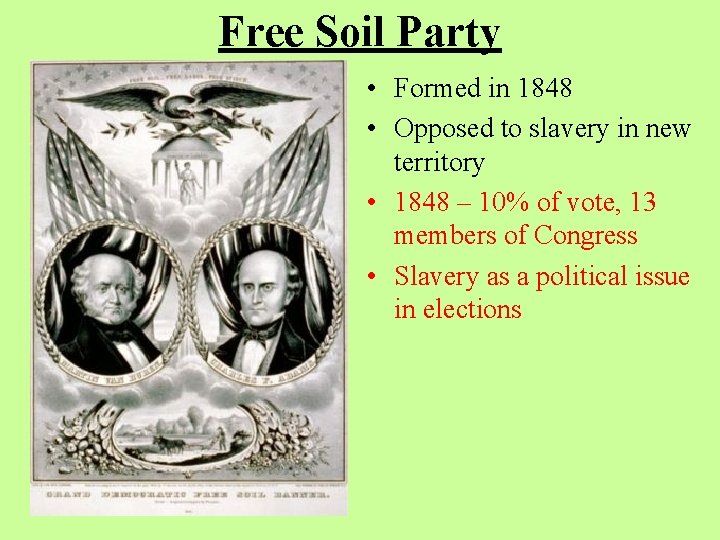
Free Soil Party • Formed in 1848 • Opposed to slavery in new territory • 1848 – 10% of vote, 13 members of Congress • Slavery as a political issue in elections
Compromise of 1850 • Zachary Taylor (Whig) elected President • Compromise of 1850 – CA admitted as free state – Vote on slavery in new territory – Slave trade banned in DC – Fugitive Slave Law passed
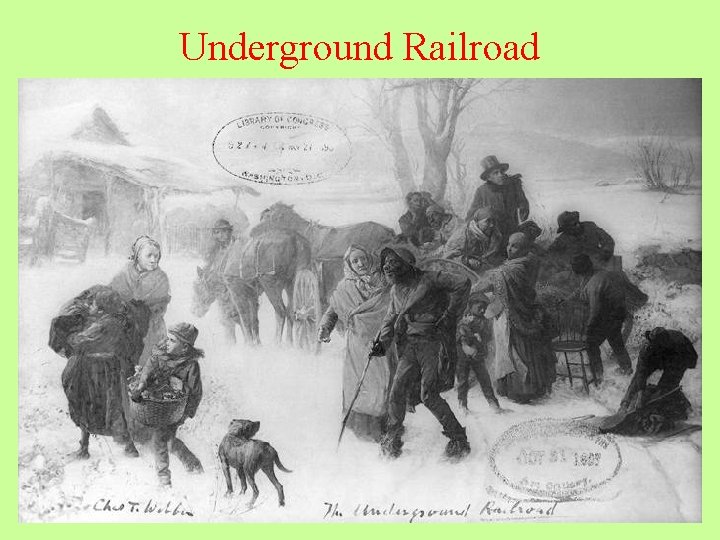
Underground Railroad
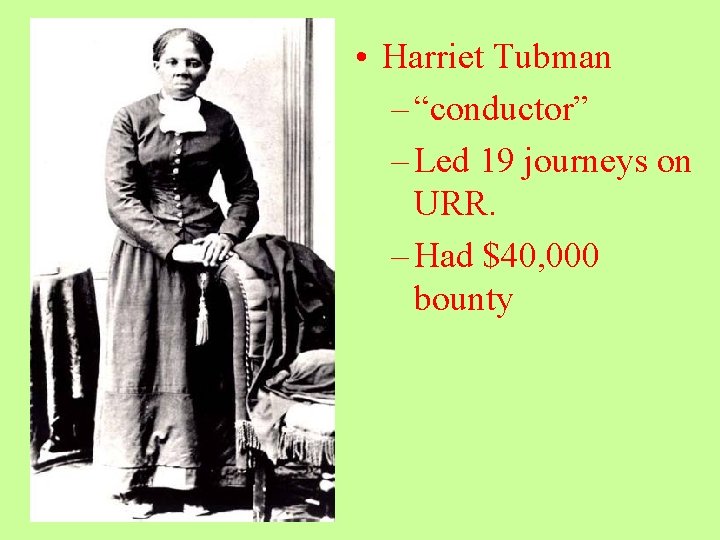
• Harriet Tubman – “conductor” – Led 19 journeys on URR. – Had $40, 000 bounty
Fugitive Slave Law 1. All US citizen must help capture runaway slaves 2. Runaway slaves sent back to South 3. Northerners are outraged • Underground RR stretched into Canada
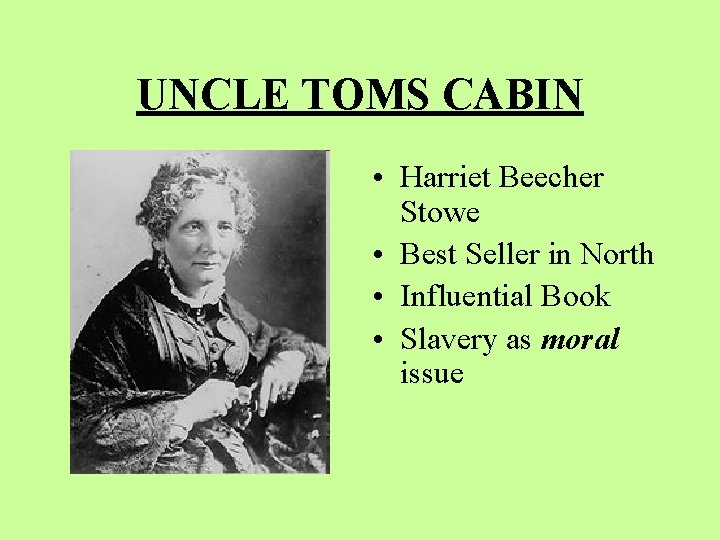
UNCLE TOMS CABIN • Harriet Beecher Stowe • Best Seller in North • Influential Book • Slavery as moral issue
J. Kansas-Nebraska Act- 1854 - Changes law- slavery in all terr. will now be decided by popular sover. - Undid Missouri Compromise
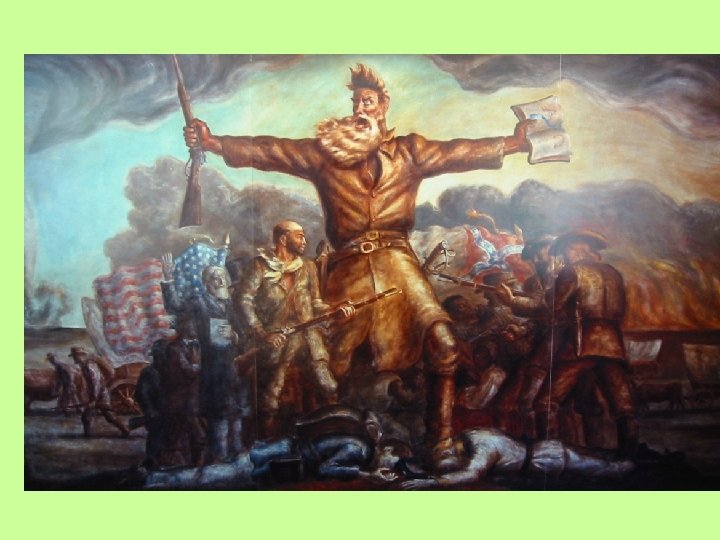
K. Bleeding Kansas-1855/56 • Kansas applies for statehood • Pro- & Anti- Slavery forces flood state to affect vote • Border Ruffians- killed anti-slavery people • John Brown- murders pro-slavery • Over 200 people killed
L. REPUBLICAN PARTY • Created in 1854 (split in Whig party)Keep slavery out of territories/ new states • Election of 1856 - James Buchanan (D) is elected president. • John Fremont (R) does well- South is alarmed- Fear about a Repub. Pres.
M. Violence in Senate • Charles Sumner (abolitionist) is caned by Preston Brooks (proslavery) during a debate. • Sumner is nearly killed
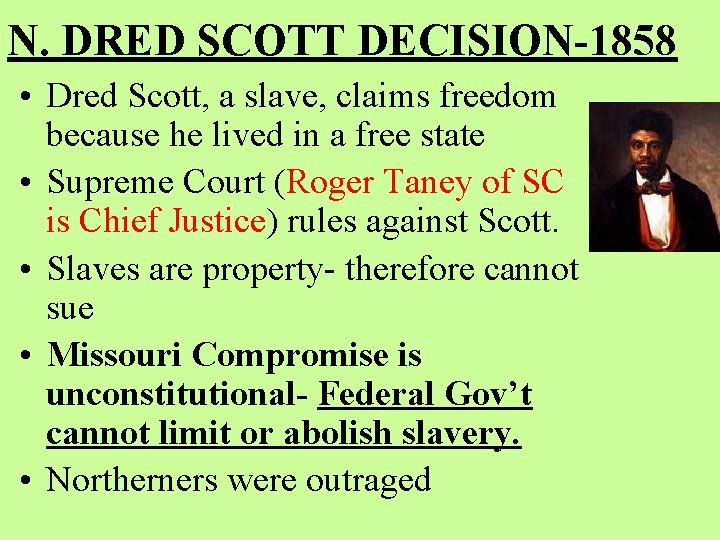
N. DRED SCOTT DECISION-1858 • Dred Scott, a slave, claims freedom because he lived in a free state • Supreme Court (Roger Taney of SC is Chief Justice) rules against Scott. • Slaves are property- therefore cannot sue • Missouri Compromise is unconstitutional- Federal Gov’t cannot limit or abolish slavery. • Northerners were outraged
O. Harper’s Ferry- 1859 • John Brown (Remember Kansas) raids arsenal-plans to use guns for slave revolt- scares South to death, Northerners are actively helping slaves start revolts!? • Robert E. Lee captures Brown- Brown tried for Treason and hanged
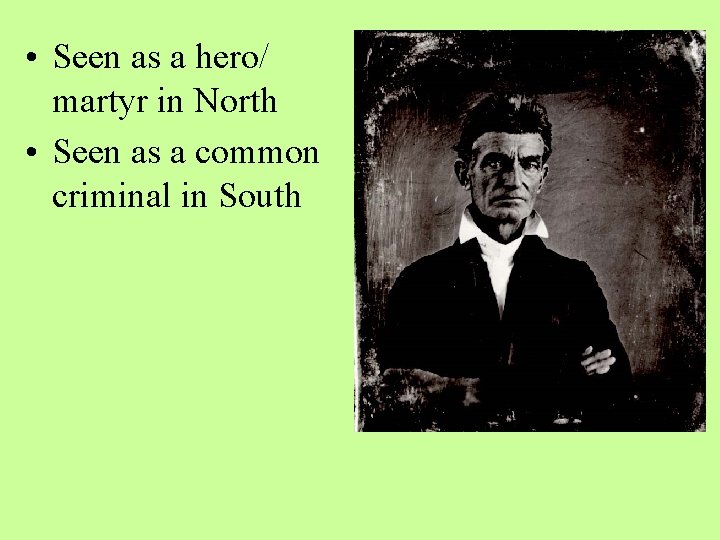
• Seen as a hero/ martyr in North • Seen as a common criminal in South
P. Election of 1860 • 4 Candidates: Lincoln less than 40% of popular vote, but wins electoral votebecomes 16 th president • Lincoln seen as an abolitionist by South- no voice in federal gov’t. • Dec. 20, 1860 - South Carolina secedes • By Lincoln’s inauguration in March, 6 more states will secede
- Slides: 32