
The Rise of Segregation Ch 4 Lesson 5






- Slides: 14
The Rise of Segregation Ch 4 Lesson 5
Resistance and Repression • Review: The End of Reconstruction – Compromise of 1877: Federal troops pulled out of the South in return for a Republican victory in the very close 1876 Election. • After Reconstruction ended, most African Americans in the south still lived in poverty as sharecroppers. • Farmers who pay rent with crops, often to former masters. – Literally “dirt poor” and in chronic debt.
The Exodusters • Benjamin “Pap” Singleton: African Americans will never really get ahead in the south. Move west to Kansas! • “Exodusters”: Between 6, 000 -15, 000 free Afro. Americans moved west. • Est. Colored Farmers National Alliance. • Aligned with the Populist Party. – Bad news for the Democrats, because poor whites + free blacks could be unstoppable. – Democrats used racism to appeal to poor whites, and made it difficult for black people to vote.
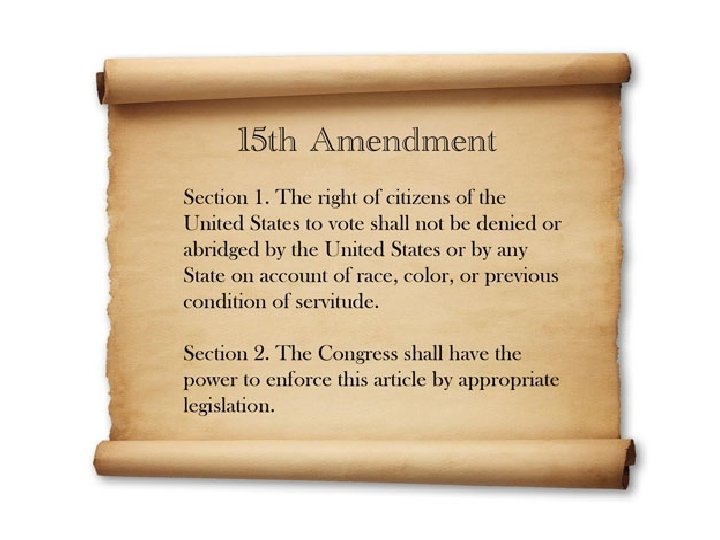
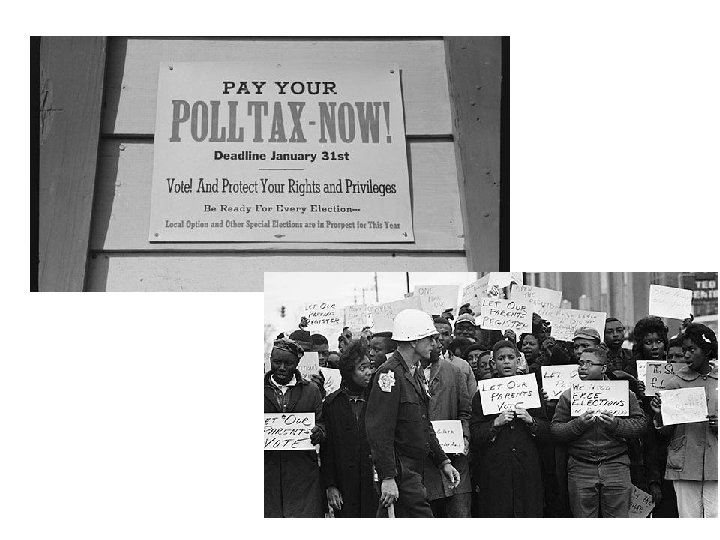
Imposing Segregation • The Loophole on the 15 th Amendment: – Prohibits denying citizens the right to vote “based on race, color, or previous condition of servitude”… – But it doesn’t say you can’t prohibit on another basis! – Southern states began to pass “restrictions” • Poll Tax • Literacy test • Grandfather clause (allowed poor whites to vote). – This happened slowly and gradually- not overnight.
Legalized Segregation • Discrimination was everywhere, but in the South it was legally mandated. – Jim Crow laws enforced segregation. • How was this allowed to happen? • 1875: Civil Rights Act was passed by the Supreme Court. – Prohibits discrimination in public and selecting jurors.
Legalized Segregation • 1883: Supreme Court overturns the Civil Rights Act (one year after the Chinese Exclusion Act). • Supreme Court ruled that no “state” could discriminate against citizens- but private businesses can. – Set the stage for segregation: restaurants, railroad cars, busses, theaters, drinking fountains, schools, hotels…
Plessy v. Ferguson • 1892: Homer Plessy, a black man, challenged a Louisiana law when he was arrested for riding in a whites-only rail car. • Supreme Court upheld the laws and established the “separate but equal” policy that served as a legal basis for Jim Crow for 50 years.
Who is this man?