
The Rise of Nazism World War Is Effect
- Slides: 22
The Rise of Nazism World War I’s Effect on Germany
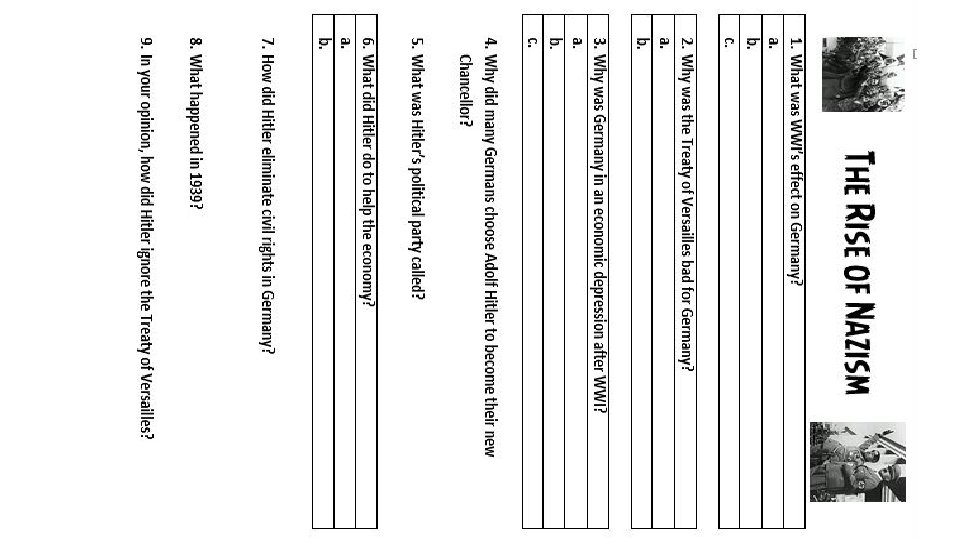
Teachers: • Please print off page 3 and page 22 for your students. • Page 3 – used for note-taking during or after the presentation. • Page 22 – writing extension activity.
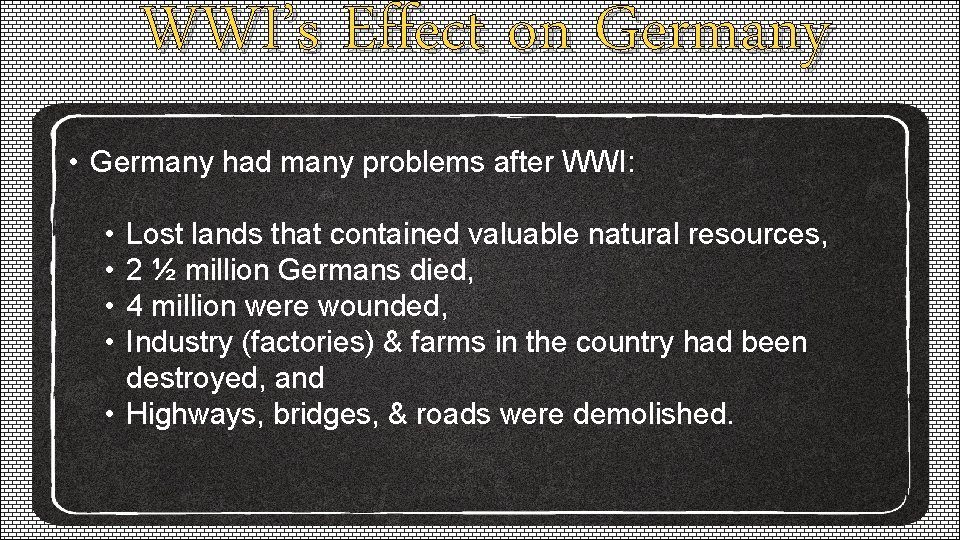
WWI’s Effect on Germany • Germany had many problems after WWI: • • Lost lands that contained valuable natural resources, 2 ½ million Germans died, 4 million were wounded, Industry (factories) & farms in the country had been destroyed, and • Highways, bridges, & roads were demolished.
Solving Germany’s Problems • Government worked to fix these things, but a major obstacle stood in the way… • Treaty of Versailles: o Germany had to pay reparations to the Allied countries for war damages • Millions of dollars were leaving the country for France & Great Britain • Also, because Germany was forbidden to have a large army or navy, many military people lost their jobs
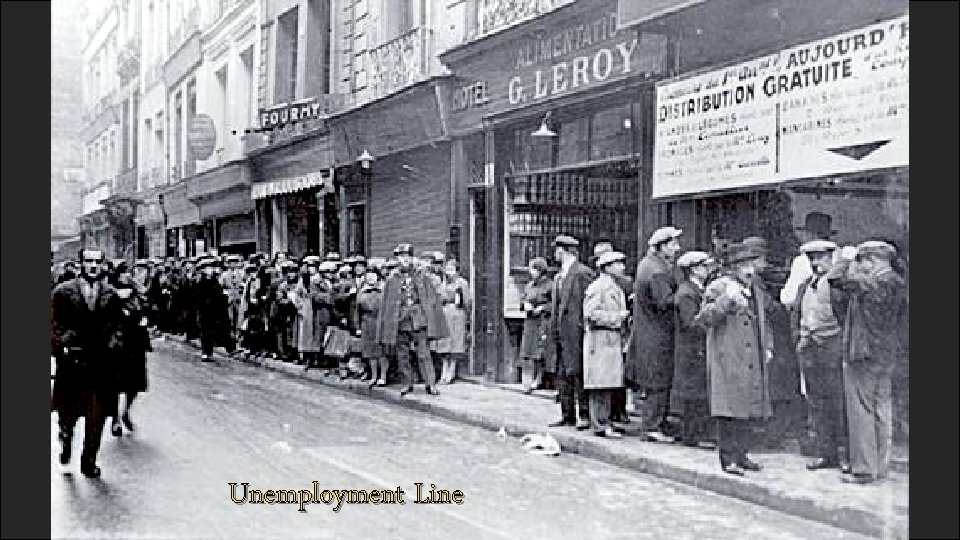
Unemployment Line
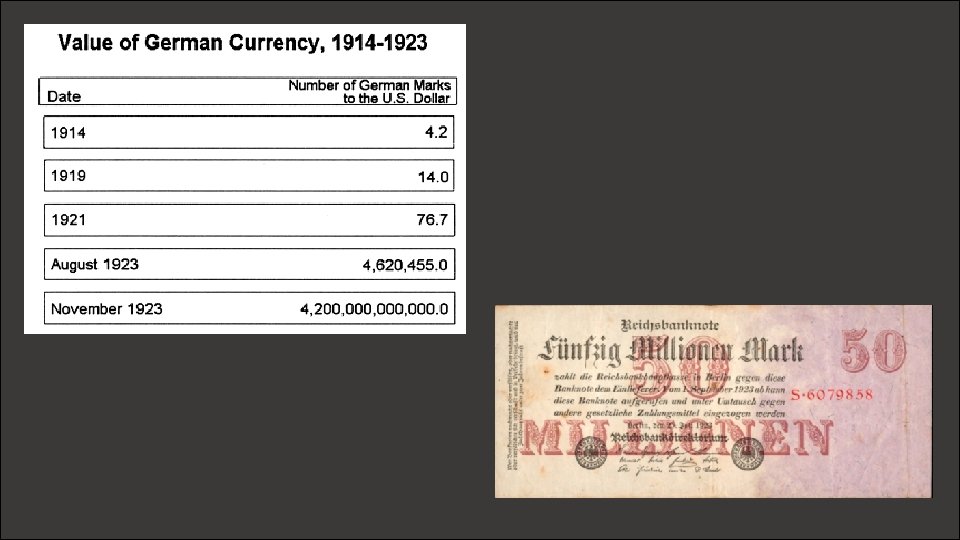
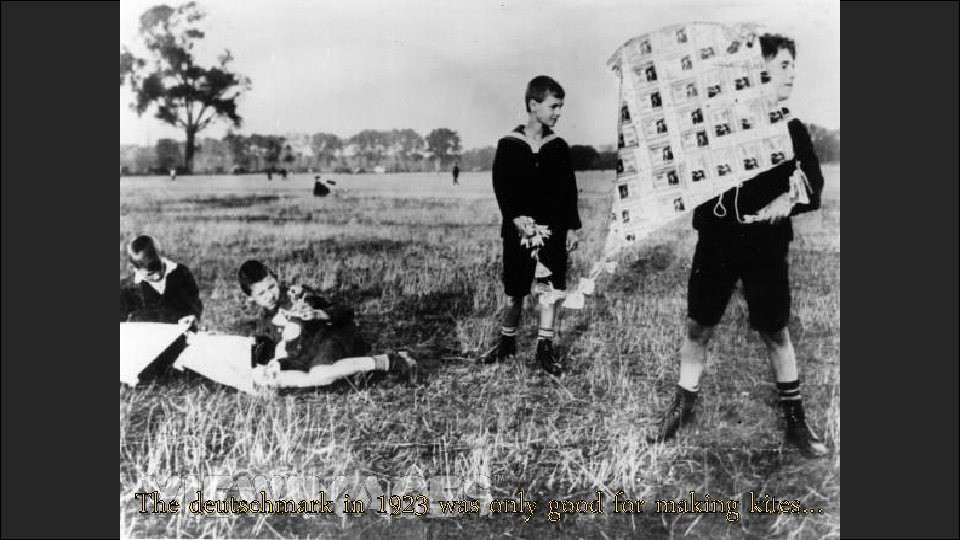
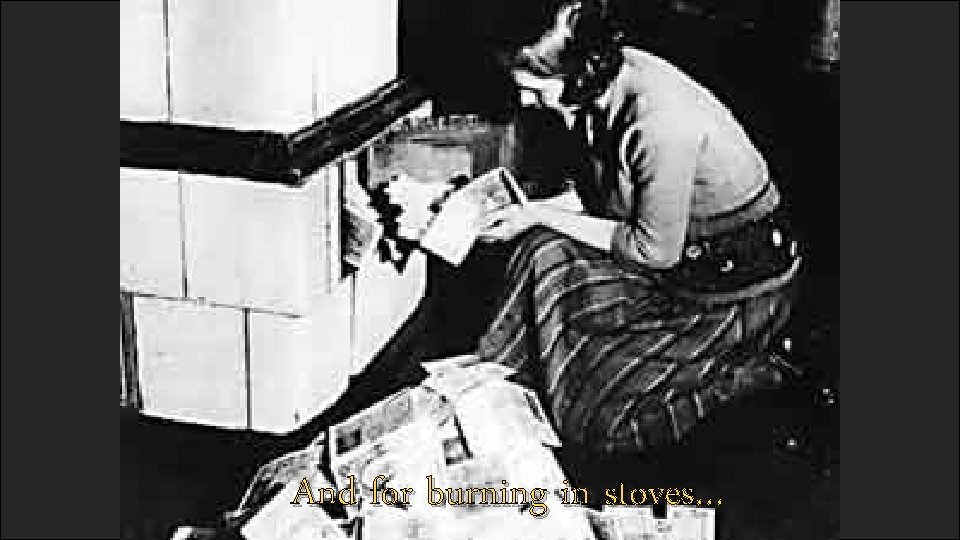
Germany’s Economic Depression • Prices went up as goods became scarce. • Basic items such as food and clothing were not always available. • Men had trouble finding jobs to support their families. • The value of German money became extremely inflated…
The deutschmark in 1923 was only good for making kites…
And for burning in stoves…
Adolf Hitler • As things got worse, people blamed the government… • Adolf Hitler came on the scene with a promise to fix Germany’s problems. o He blamed the Treaty of Versailles for many of the problems. o He also said that Jews were controlling German banks & money. o He blamed Jews for the fact that Germans were not able to make a good living.
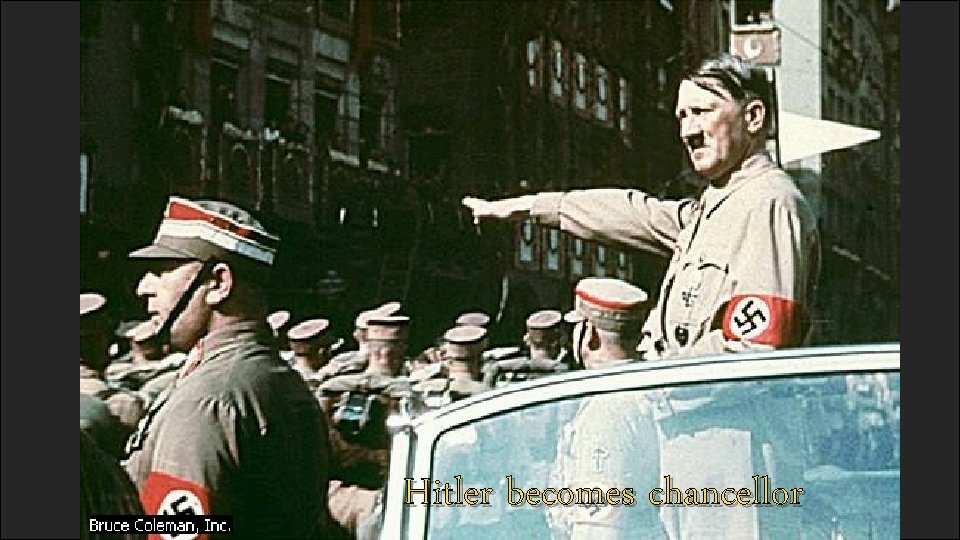
Hitler becomes chancellor
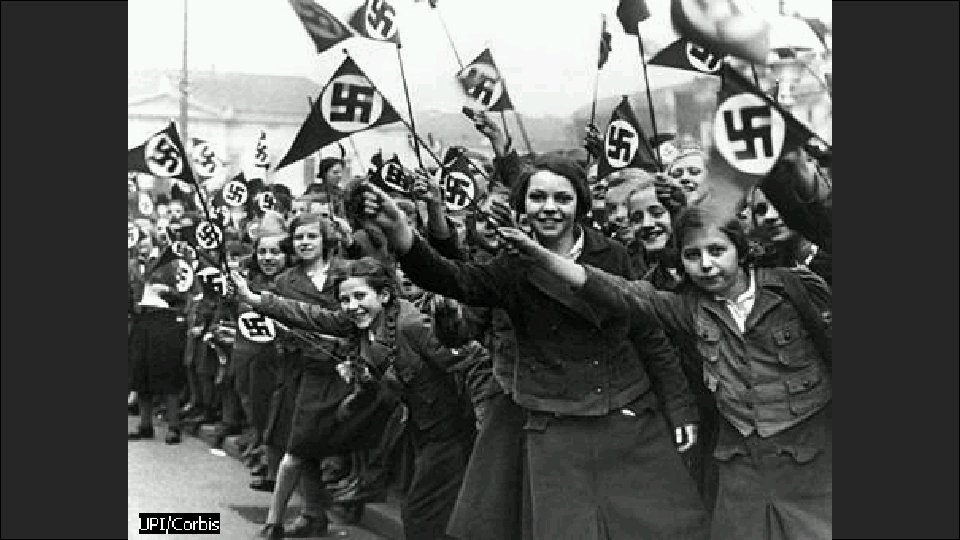
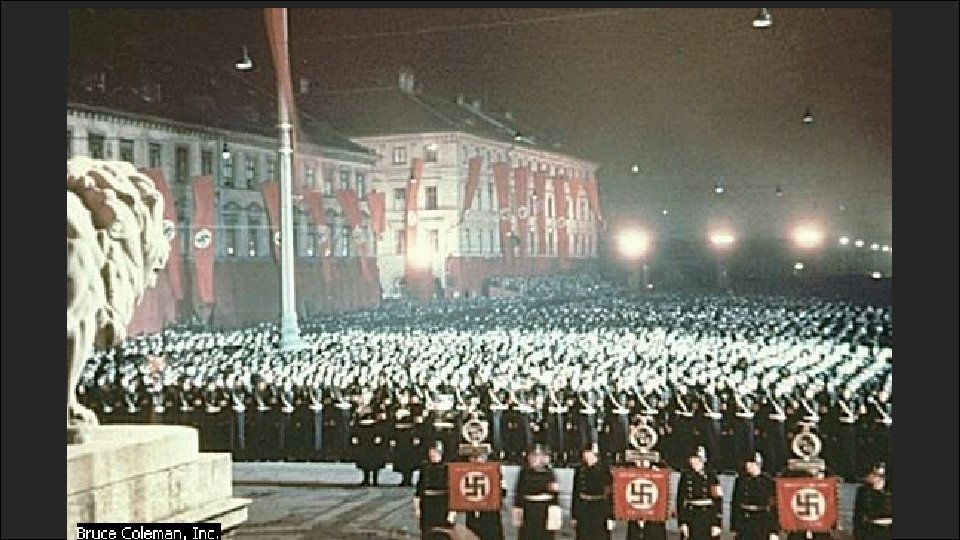
A Change in Government • Hitler was named Chancellor of Germany in 1933. • He made sure that laws were passed to give him more power and he set up an autocratic government (complete control, dictator). • Hitler and his followers, called the National Socialists— or Nazis, soon had all the power in Germany.
Hitler’s New Power • What did Hitler & the Nazis do? • Began to rebuild the military • Opened factories to build weapons • Put unemployed people to work building a superior highway system • The economy improved, but the people lost many of their civil rights…
Hitler’s Actions • Germans who spoke against the Nazis were imprisoned or murdered. • Hitler’s military strength grew, and he began to make plans to go to war. • In 1936, he sent troops into former German territories that were lost in WWI. • By 1938, German troops controlled Austria & Czechoslovakia.
Europe Reacts • Other countries protested, but did nothing to stop Hitler. • In 1939, Germany invaded Poland. • France & Great Britain decided something had to be done and declared war on Germany. • World War II had begun…
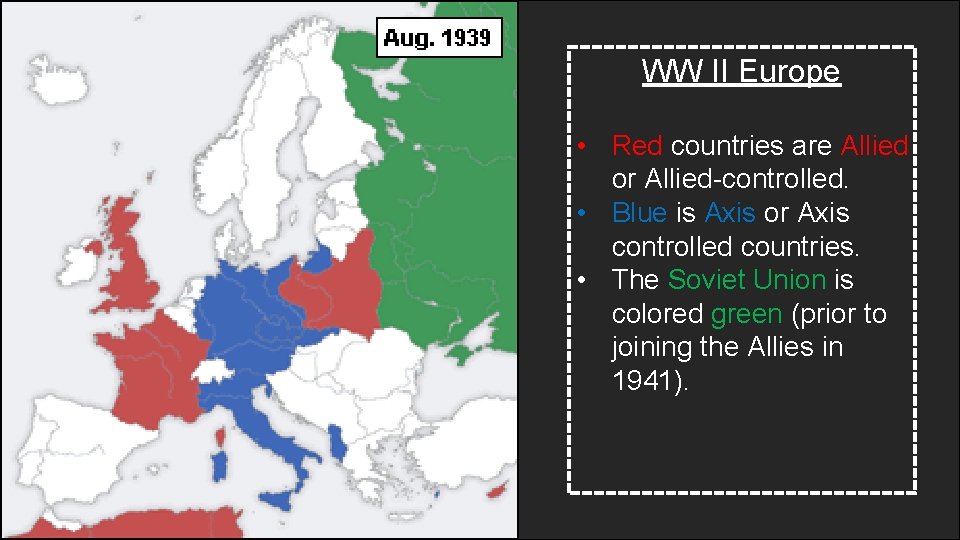
WW II Europe • Red countries are Allied or Allied-controlled. • Blue is Axis or Axis controlled countries. • The Soviet Union is colored green (prior to joining the Allies in 1941).
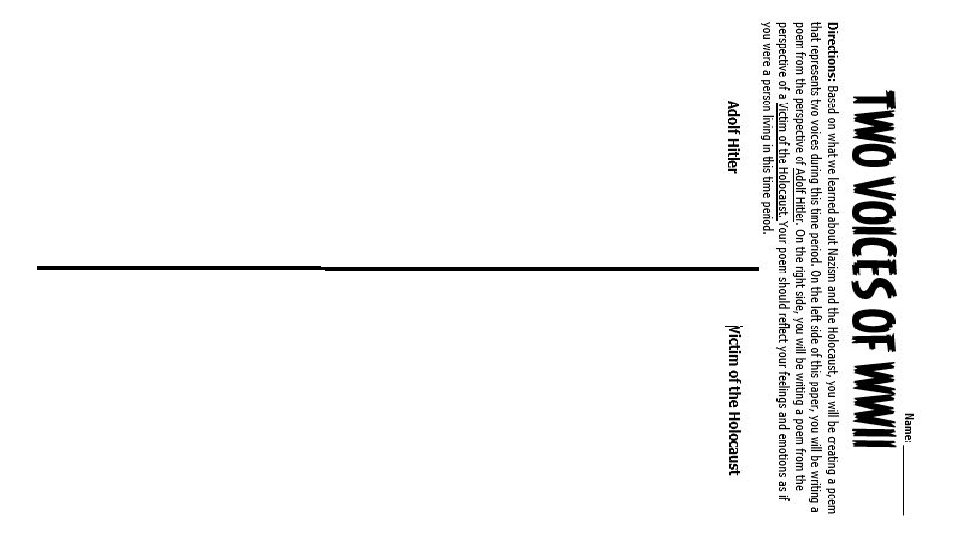
Your Turn • Based on what we have learned about Nazism and the Holocaust, you will be creating a poem that represents two voices during this time period. • On the left side of this paper, you will be writing a poem from the perspective of Adolf Hitler. • On the right side, you will be writing a poem from the perspective of a Victim of the Holocaust. • Your poem should reflect your feelings and emotions as if you were a person living in this time period.