
The Rise of Communism Review Economics Capitalism An

- Slides: 29
The Rise of Communism
Review – Economics • Capitalism – An economic principle that relies on free trade, private ownership, and little to no government interference in business. • Socialism – An economic principle where the government owns the means of production and heavily regulates the economy. • REMEMBER, MOST SOCIETIES HAVE A MIXED ECONOMY (a combination of capitalism and socialism. )
Review – Political Institutions • Democracy – A political institution where the power is in the hands of the people. • Authoritarian – A political institution where power is held by one person or a small group of people.
So what is communism? • Communism is a political institution that usually has an authoritarian government and a mostly socialist economy. • Review Questions: • Who was the father of communism? • What circumstances opened the doors to communism? • Which country was the first to establish a communist government at the end of World War I?
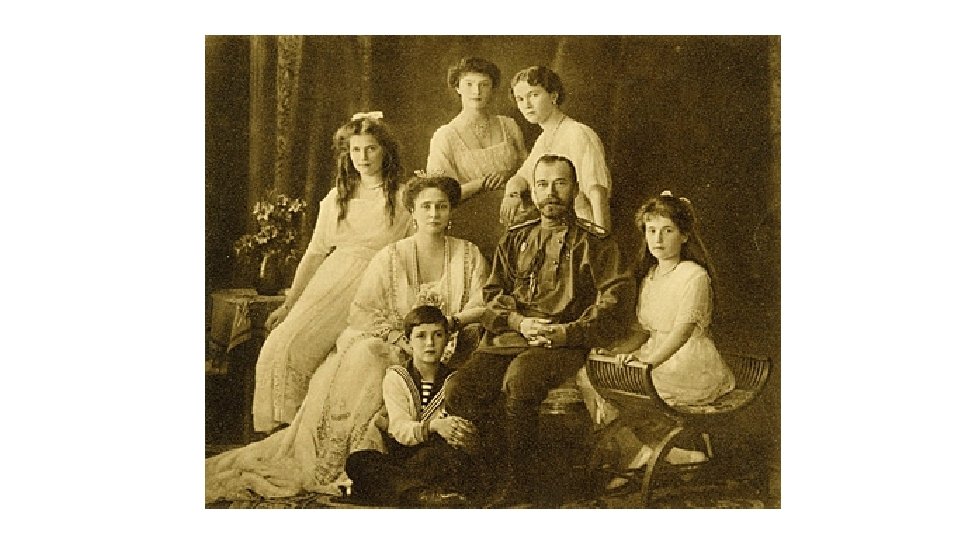
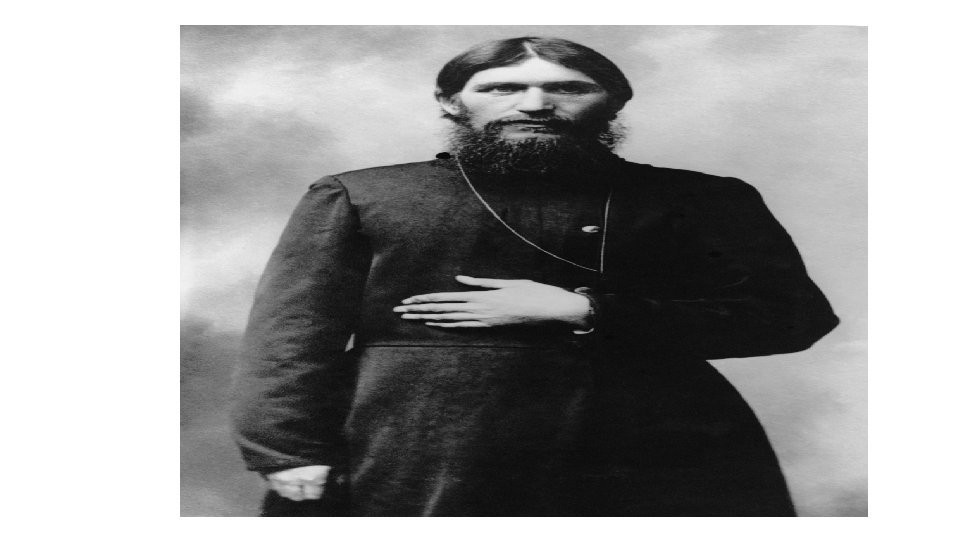
Meet the Romanovs • Nicholas II – The czar (king) of Russia at the beginning of World War I. • Alexandra – The czarina (queen) of Russia (I. e. Nick's wife) • Rasputin – the creepy but trusted "mystic" advisor of Alexandra while Nicholas was away at war. • The czar and czarina also had many children including Alexi who was a hemophiliac and the more famous Anastasia.
Trouble at home • Guiding Question – Think back to other revolutions that we have studied. What typically causes revolution to take place? • There were many factors that caused discontent in Russia: • The Romanov family was one of the last Divine Right monarchies in Europe. • Bloody Sunday Massacre in 1905 • Russia was defeated by the Japanese in the Russo-Japanese war in the same year. • Russia was "backwards" and had not industrialized.
World War I • World War I was the last straw for the Romanov dynasty. • The Russian army suffered huge numbers of casualties and many Russians were looking for a way out of the war. • This, along with the other causes, opened the door for the overthrow of Czar Nicholas and Czarina Alexandra. • However, the new leader of Russia, Aleksandr Kerensky, kept Russia in the war to preserve their honor.
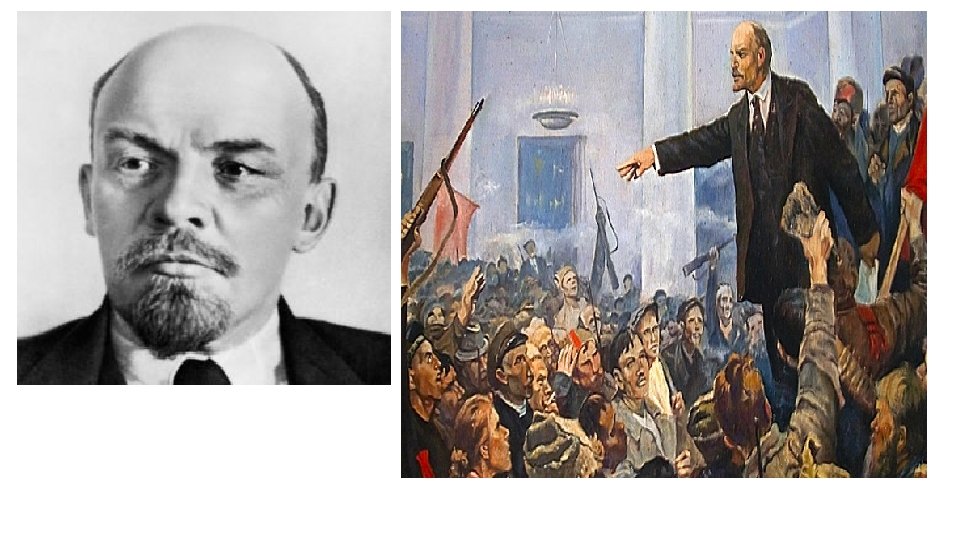
The Rise of the Bolsheviks • The newly formed Russian government was quickly challenged by the soviets (councils composed of representatives from the workers and soldiers) and the Bolsheviks (a political party that called for violent revolution). • When Vladimir Lenin became the leader of the Bolshevik party he encouraged the overthrow of the current government by gaining control within the soviets. • Three slogans summed up the goals of the Bolsheviks: • "Peace, Land, Bread" • "Worker Control of Production" • "All Power to the Soviets"
The October Revolution • By November 6, 1917, Lenin and the Bolsheviks had gained enough power of the soviets to overthrow the provisional government. • However, the fight was far from over. • After renaming themselves the Communists, Lenin withdrew Russia from the way by signing the Treaty of Brest-Litovsk. • However, a civil war still raged within Russia between the Reds (communists) and the Whites (anti-communists).
http: //www. history. com/topics/russianrevolution/videos/historys-burning-questions-theromanovs? m=528 e 394 da 93 ae&s=undefined&f=1&free=false.
Bell ringer day 2 • Have your guided notes out to correct your Anticipation Questions if necessary. • Answer the following question in your notebook: What is the difference between capitalism and socialism?
Russian Civil War • The Red Army, led by Leon Trotsky, was much more organized than the White Army. • They also enacted a policy of war communism, in which the government took control of the banks, seized grain from peasants, and centralized state administration under Communist control. • After months of fighting, the Reds were able to overcome the Whites and murdered the Royal family. • Russia had become the first communist country ever.
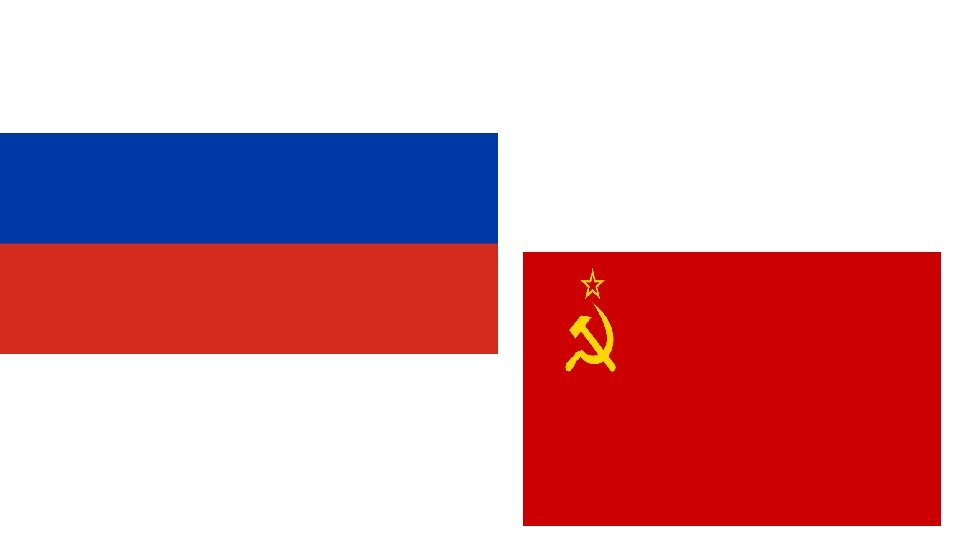
From Russia to the USSR • After winning the Civil War, Lenin struggled to live up to his promises. • People began hoarding food. • A severe drought caused a food shortage. • More than 5 million people died. • By 1920, many Russian were calling for Lenin to step down. • As a result, Lenin instituted his New Economic Policy. This policy brought back many of the old capitalist policies, including the private ownership of some businesses. • By 1922, Russia had begun to rebound and Lenin created a new state called the Union of Soviet Socialist Republics also know as the USSR and the Soviet Union.
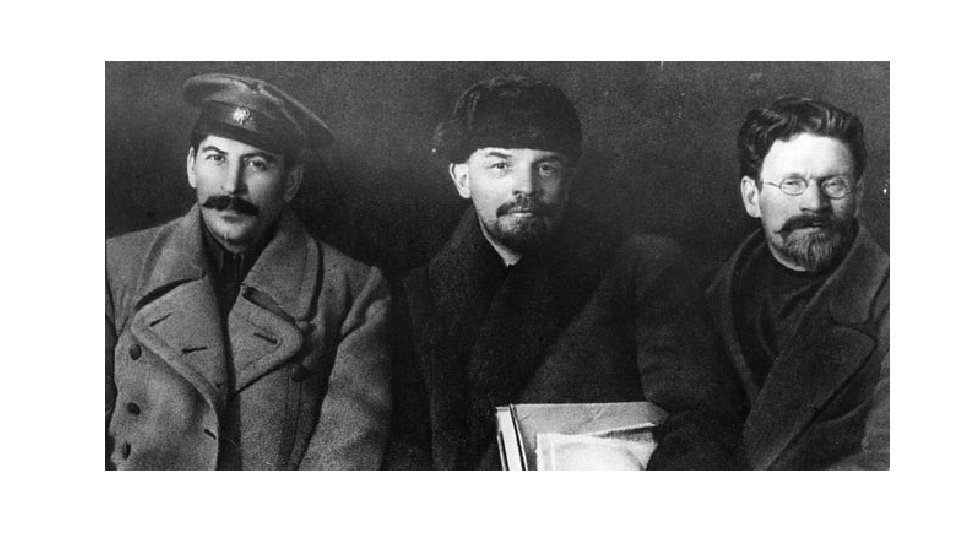
The Death of Lenin • Vladimir Lenin died in 1924. • This created an immense power struggle between members of the Politburo (the Communist Party's main policy making body). • The top contenders were Leon Trotsky and Joseph Stalin. • Stalin was able to purge the government of the "old Bolsheviks" and established a dictatorship. • Trotsky escaped to Mexico, but he was eventually murdered in 1940.
Five Year Plans • Soon after gaining power, Stalin ended Lenin's New Economic Policy. • Instead, he focused on his Five Year Plans. • Wanted to transform Russia from an agricultural country to an industrial country. • The first plan highly increased industry within Russia but at a cost. • Although jobs increased, Stalin spent little money on housing resulting in awful living conditions for the poor.
Further Suffering • Another part of Stalin's plan was the collectivization of agriculture. • Private farms were eliminated and the government owned all land. • Peasants hoarded food and killed livestock which resulted in a famine that killed over 10, 000 people. • He also consolidated his control over the communist party by getting rid of his enemies. This was known as the Great Purge. • Stalin sent his political enemies to gulags in Siberia or had them executed. • Close to 8, 000 more people were either sent to gulags or executed by Stalin.
Bell Ringer Day 3 • Answer essential question #2 from your guided notes: The rise of communism in Russia had both positive and negative aspects. Detail each. • Turn this in at the front when you are finished.
Revolutionary Chaos in China • Similar to Russia, at the beginning of the twentieth century China was behind militarily and technologically. • After the fall of the Qing dynasty, two new revolutionary groups emerged: the Nationalists and the Communists. • The nationalists were led by Sun Yat-Sen who wanted to get rid of foreign powers in China and make the country stronger. • He even agreed to work with the newly formed Chinese Communist Party to make this happen.
Betrayal • In 1925, Sun Yat-Sen died and was replaced by General Chiang Kai. Shek. • Chiang Kai-Shek pretended to support the communist at first but in 1927 he turned on the communist and killed thousands of communist in Shanghai. • This forced leaders of the communist party to go into hiding. While in hiding, Mao Zedong became the top leader in the communist party.
The People's Liberation Army • Soon, Shek's army had Mao's army (called the People's Liberation Army) surrounded in the mountains. • However, Mao and his army used guerrilla tactics (using unexpected methods to fight your enemies) to outsmart his opponents. • "When the enemy advances, we retreat! When the enemy halts and camps, we trouble them! When the enemy tries to avoid battle, we attack! When the enemy retreats, we pursue!"
The Long March • Even with the effective use of guerrilla tactics, Chiang Kai-Shek was able to surround the People's Liberation Army led by Mao. • In one final attempt, Mao and his army broke through the Nationalist forces and began what became known as the Long March. • During this time, 90, 000 communist troops marched 6, 000 miles (24 miles a day) to escape the Nationalist Army. • Finally, a year later, Mao's army reached safety in Northern China, but only 9, 000 troops remained.
Kuomintang • The Kuomintang is a Chinese Nationalists political party that ruled China 1927– 48 and then moved to Taiwan • Led by Sun Yat-sen, and became the ruling party in China. • After Sun's death, the party was led by Chiang Kai-Shek • They lost the civil war with the Communist Party of China in 1949 • The party took control of Taiwan and remains a major political party of the Republic of China based in Taiwan.