
THE RISE OF BIG BUSINESS The Industrial Revolution
THE RISE OF BIG BUSINESS The Industrial Revolution
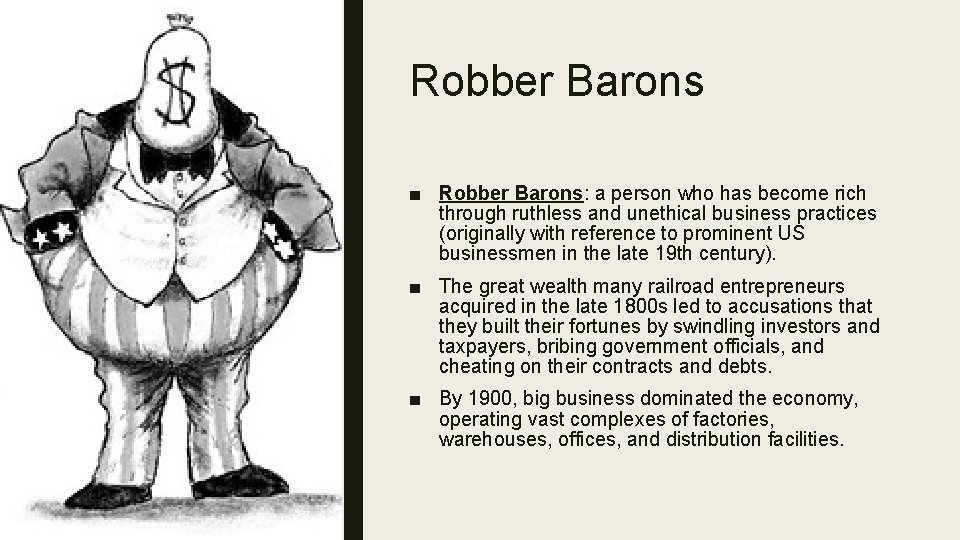
Robber Barons ■ Robber Barons: a person who has become rich through ruthless and unethical business practices (originally with reference to prominent US businessmen in the late 19 th century). ■ The great wealth many railroad entrepreneurs acquired in the late 1800 s led to accusations that they built their fortunes by swindling investors and taxpayers, bribing government officials, and cheating on their contracts and debts. ■ By 1900, big business dominated the economy, operating vast complexes of factories, warehouses, offices, and distribution facilities.
Robber Barons vs. Captains of Industry Robber Barons: Captains of Industry: ■ Entrepreneurs who built monopolies that were unfair to consumers ■ Bought out competitors ■ Entrepreneurs that were seen as serving the nation in a positive way ■ Seen as bad for the economy ■ Stimulated innovation ■ Creating jobs ■ Were charitable
The Role of Corporations ■ Corporation: an organization owned by many people but treated by law as though it were a single person. ■ Stockholders: people who own the corporation because they own shares of ownership called stock. – This raises large amounts of money for big projects while spreading out financial risk.
■ By the 1830 s, states began passing general incorporation laws, allowing companies to become corporations and issue stocks. ■ With money raised from selling stock, corporations would invest in new technologies, hire a large workforce, and purchase many machines. – This greatly hurt small businesses with high operating costs—forcing many out of business.
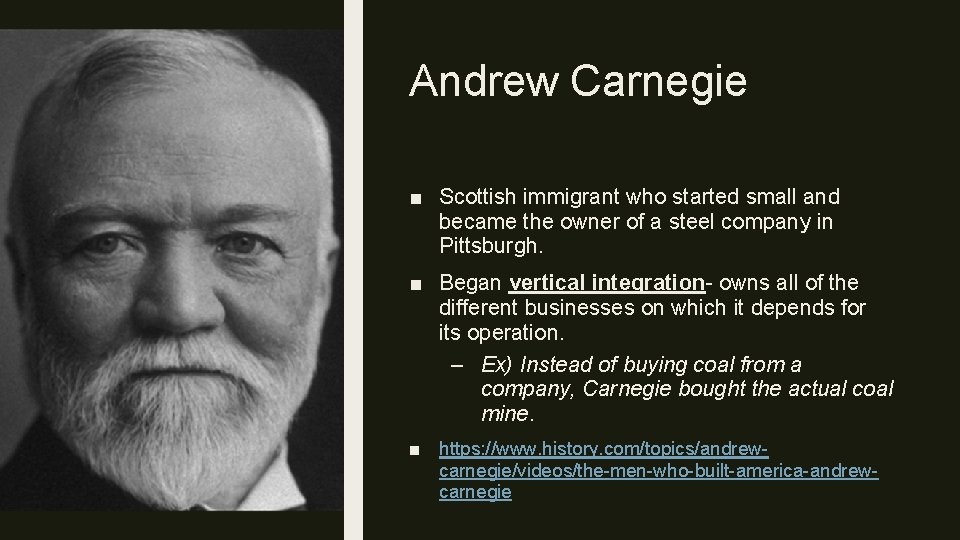
Andrew Carnegie ■ Scottish immigrant who started small and became the owner of a steel company in Pittsburgh. ■ Began vertical integration- owns all of the different businesses on which it depends for its operation. – Ex) Instead of buying coal from a company, Carnegie bought the actual coal mine. ■ https: //www. history. com/topics/andrewcarnegie/videos/the-men-who-built-america-andrewcarnegie
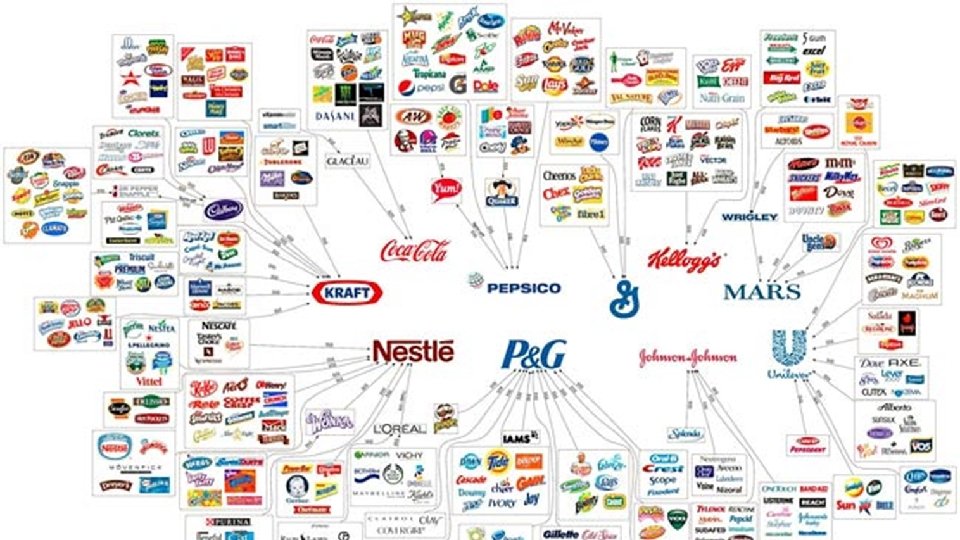
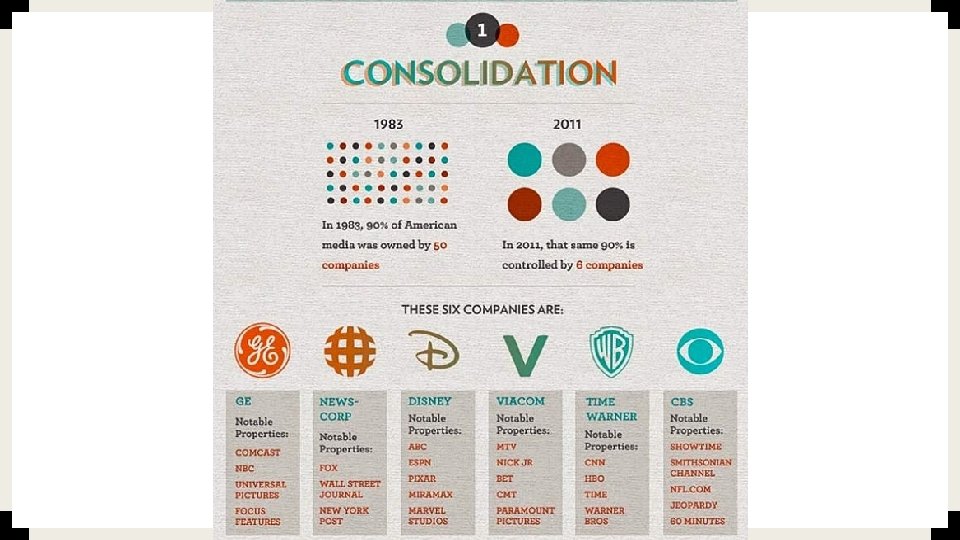
The Consolidation of Industry ■ Definition: When companies join forces on relatively equal terms to form one new company. ■ This concept spread during the Industrial Revolution ■ Vertical Integration: owns all of the different businesses on which it depends for its operation. ■ Horizontal Integration: combining many firms engaged in the same type of business into one, large corporation. Basically, buying-out other companies so you don’t have that competition.
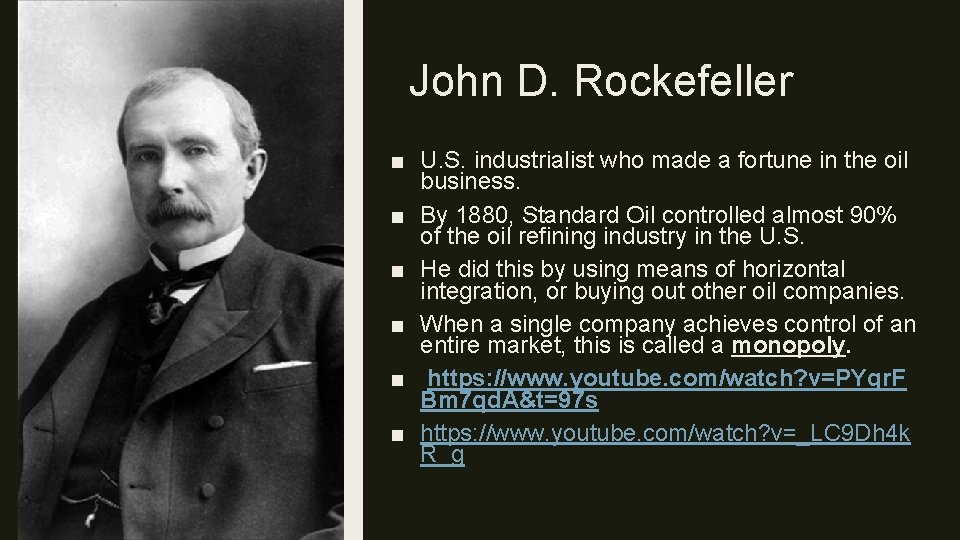
John D. Rockefeller ■ U. S. industrialist who made a fortune in the oil business. ■ By 1880, Standard Oil controlled almost 90% of the oil refining industry in the U. S. ■ He did this by using means of horizontal integration, or buying out other oil companies. ■ When a single company achieves control of an entire market, this is called a monopoly. ■ https: //www. youtube. com/watch? v=PYqr. F Bm 7 qd. A&t=97 s ■ https: //www. youtube. com/watch? v=_LC 9 Dh 4 k R_g
- Slides: 11