
The Rise of Big Business Robber Barons or

The Rise of Big Business Robber Barons or Captains of Industry

How to Eliminate Competition • During the rise of Big Business, several men were able to eliminate their competition and form extremely powerful “Big Businesses” • Ways to eliminate competition? – Trust – Monopoly
Trust • A group of separate companies placed under the control of a single managing group – The managers oversee and control the actions of all the companies • • Set prices Set wages Control distribution Competition is eliminated
Monopoly • Monopoly – One company has exclusive control over their entire industry – They are able to wipe out all of their competition – Two Methods of forming a monopoly: • Vertical Integration • Horizontal Integration
Robber Baron • Negative term that describes a business leader that has built his wealth by lying, cheating and stealing – Robs from the consumers – Abuses employees and workers – Drives competitors out of business (And enjoys it!) – Drains the country of natural resources – Persuades (bribes) government officials to pass favorable business legislation
Captain of Industry • Positive term that describes a business leader that has positively contributed to the country as he built his wealth – Created jobs – Increased availability of goods – Expanded markets – Helped the economy – Was a philanthropists – donates money or goods to a charity • Creates museums, libraries, universities
Robbers or Captains • Two men define the era of “Big Business’ during America’s Industrial Revolution • Andrew Carnegie and U. S. Steel • John D. Rockefeller and Standard Oil Company • Both men controlled their industries by forming monopolies and eliminating the competition
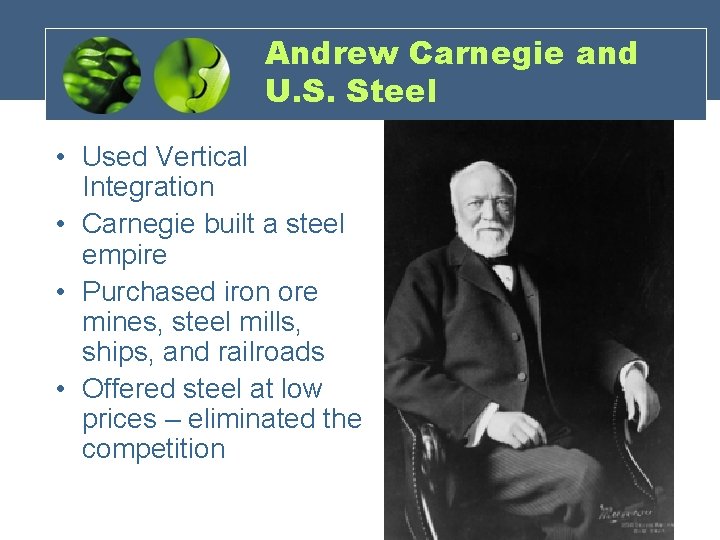
Andrew Carnegie and U. S. Steel • Used Vertical Integration • Carnegie built a steel empire • Purchased iron ore mines, steel mills, ships, and railroads • Offered steel at low prices – eliminated the competition
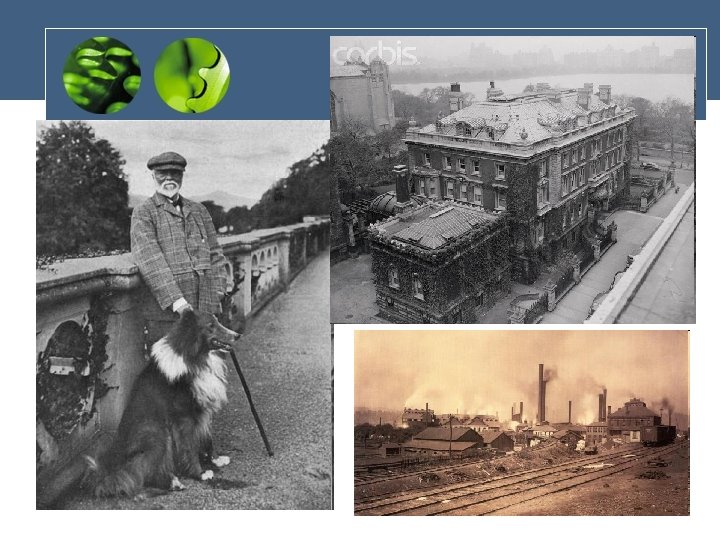
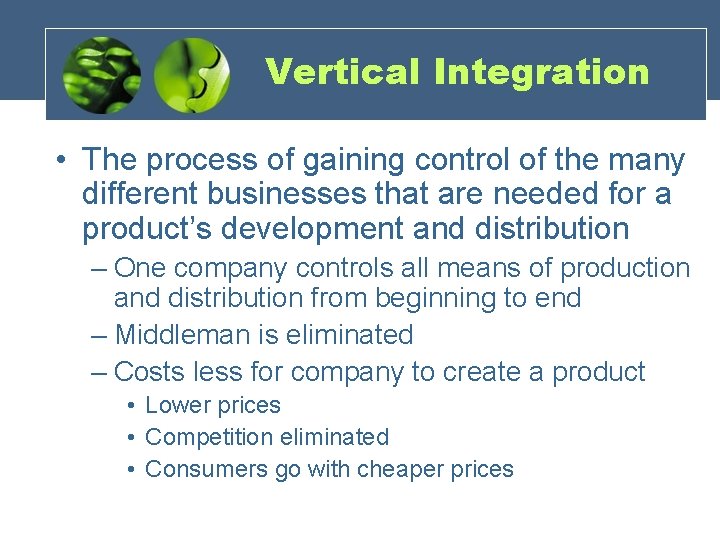
Vertical Integration • The process of gaining control of the many different businesses that are needed for a product’s development and distribution – One company controls all means of production and distribution from beginning to end – Middleman is eliminated – Costs less for company to create a product • Lower prices • Competition eliminated • Consumers go with cheaper prices
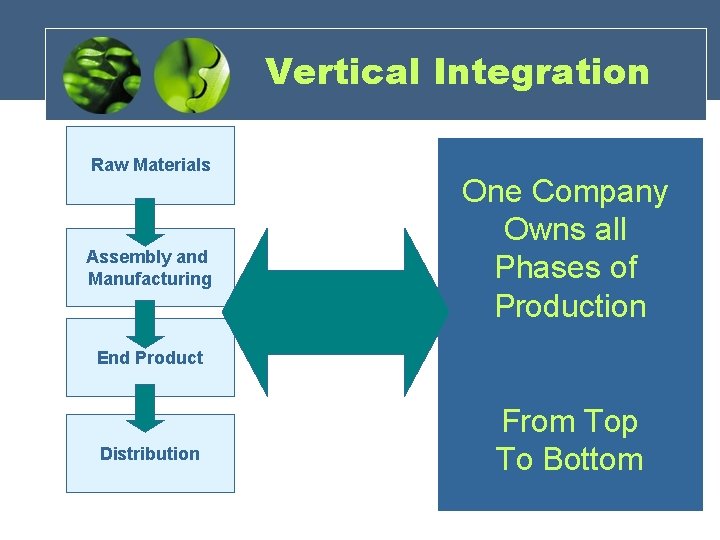
Vertical Integration Raw Materials Assembly and Manufacturing One Company Owns all Phases of Production End Product Distribution From Top To Bottom
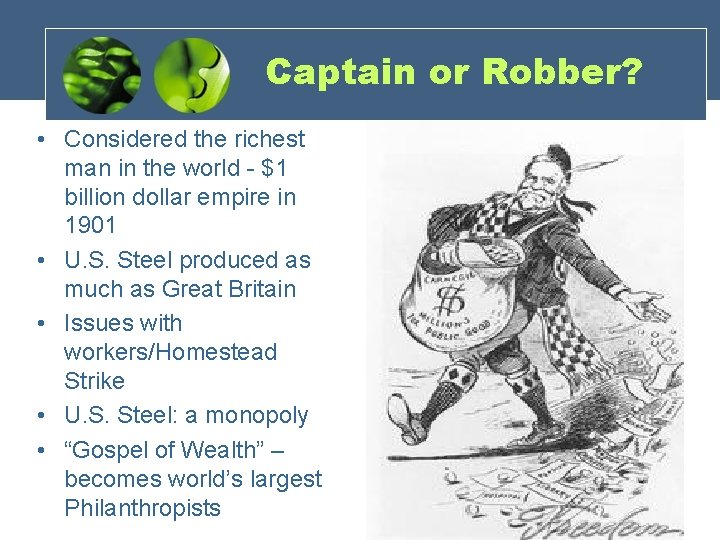
Captain or Robber? • Considered the richest man in the world - $1 billion dollar empire in 1901 • U. S. Steel produced as much as Great Britain • Issues with workers/Homestead Strike • U. S. Steel: a monopoly • “Gospel of Wealth” – becomes world’s largest Philanthropists
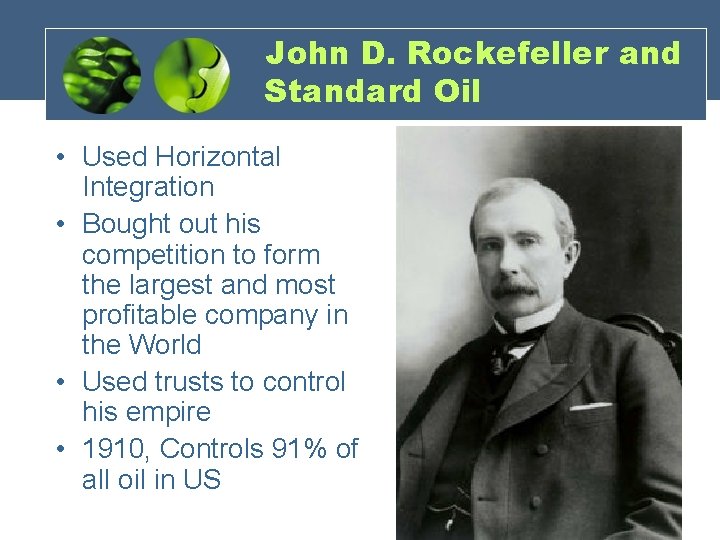
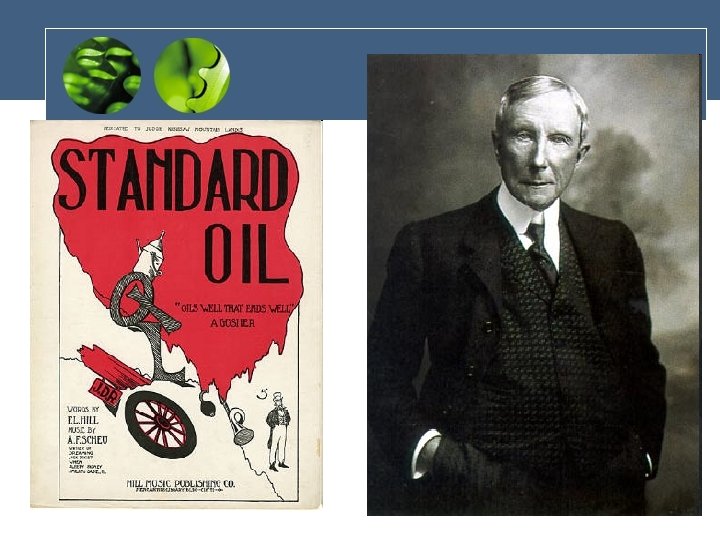
John D. Rockefeller and Standard Oil • Used Horizontal Integration • Bought out his competition to form the largest and most profitable company in the World • Used trusts to control his empire • 1910, Controls 91% of all oil in US
Horizontal Integration • Process of one company buying out the many businesses in the same industry to form one large company – Buy out the competition – If companies refuse to sell, lower prices to undercut the competition – Consumers flock to lower prices – Competition goes bankrupt or is forced to sell
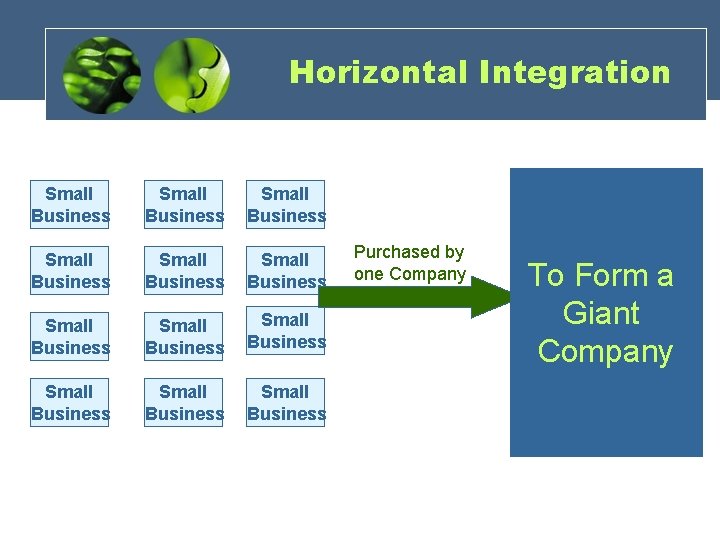
Horizontal Integration Small Business Small Business Small Business Purchased by one Company To Form a Giant Company
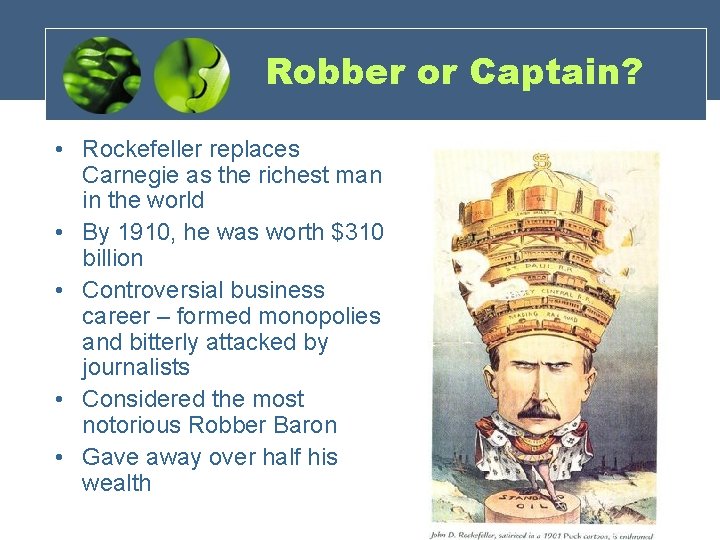
Robber or Captain? • Rockefeller replaces Carnegie as the richest man in the world • By 1910, he was worth $310 billion • Controversial business career – formed monopolies and bitterly attacked by journalists • Considered the most notorious Robber Baron • Gave away over half his wealth
- Slides: 17