
The Right to Know An Overview of Library
The Right to Know An Overview of Library and Archives Canada’s Role in Truth and Reconciliation Johanna Smith Director General, Public Services Branch Library and Archives Canada Presentation to the Canadian Association of Law Libraries May 8, 2017 – Ottawa ON
Library and Archives Canada 2

LAC’s Role during the TRC Mandate • Document Disclosure • TRC National Events 3

TRC Calls to Action • The Right to Know: accessible and available residential schools information • Educational materials • Public programming • Commemoration • Collaboration 4

Legal Research at LAC • Historical evidence related to land claims and other litigation • Neutral facilitation of access • New LAC location in Vancouver, continued access to regional INAC records • Creation of the BC Indigenous Research Forum 5

Access to Information and Privacy • Legal framework: balancing broad access with ATI restrictions, copyright law and privacy rights • Recent changes give authorized band researchers wider access to personal information • Definition of “Government Records” 6
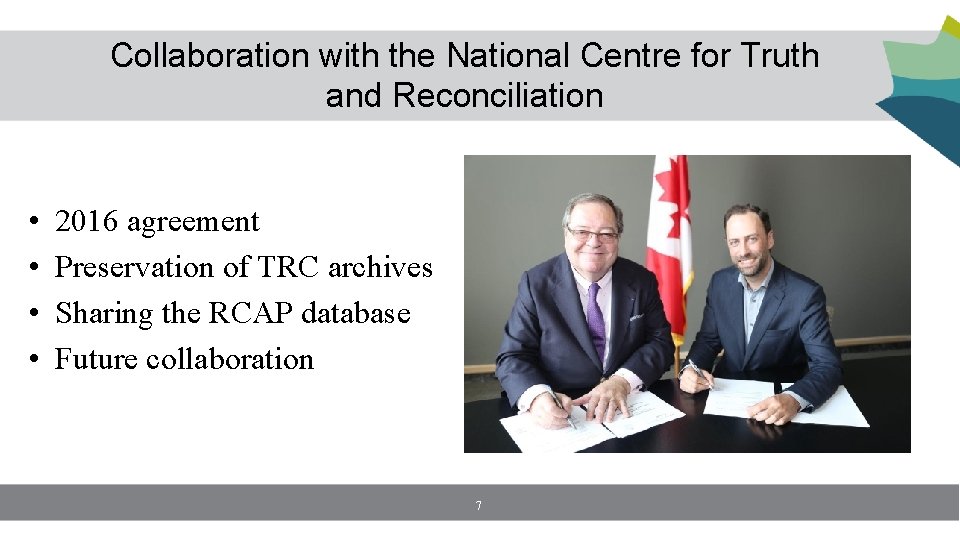
Collaboration with the National Centre for Truth and Reconciliation • • 2016 agreement Preservation of TRC archives Sharing the RCAP database Future collaboration 7
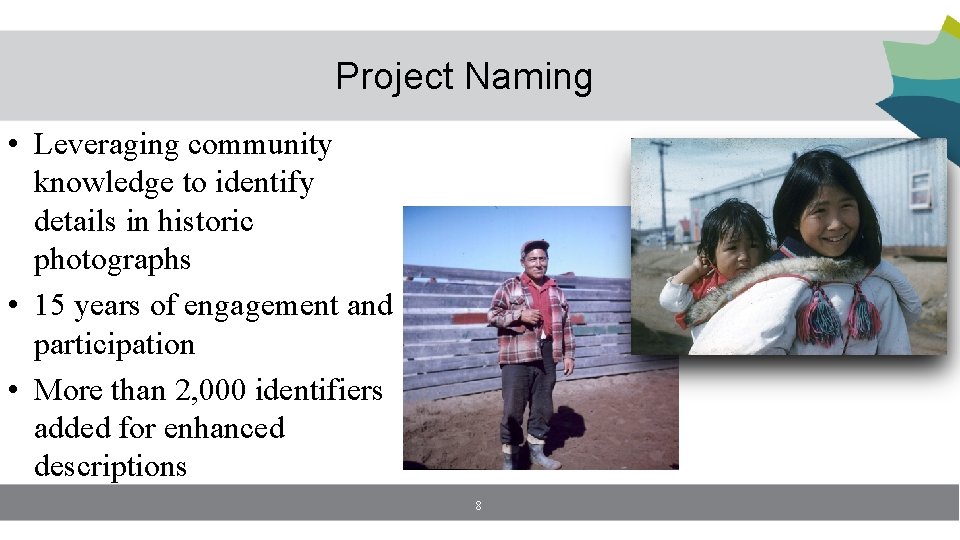
Project Naming • Leveraging community knowledge to identify details in historic photographs • 15 years of engagement and participation • More than 2, 000 identifiers added for enhanced descriptions 8
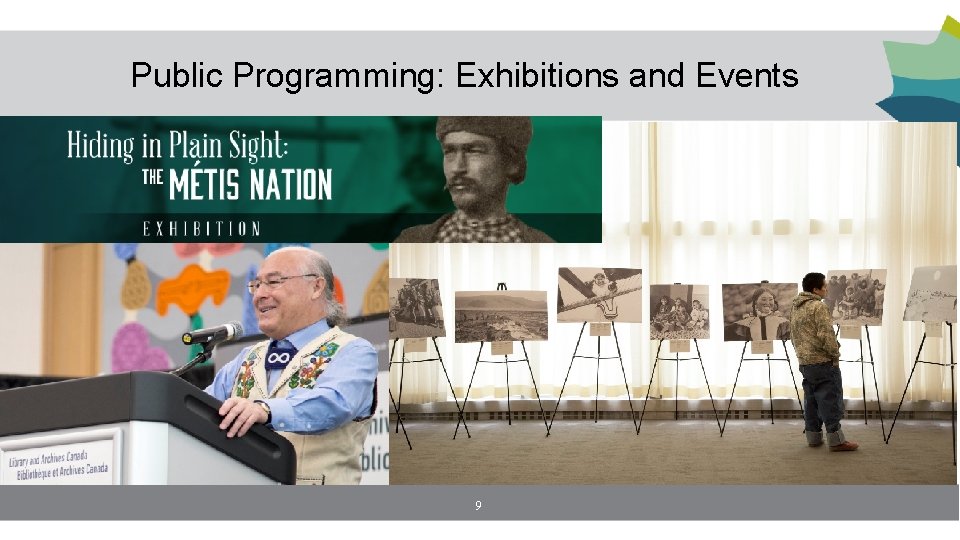
Public Programming: Exhibitions and Events 9
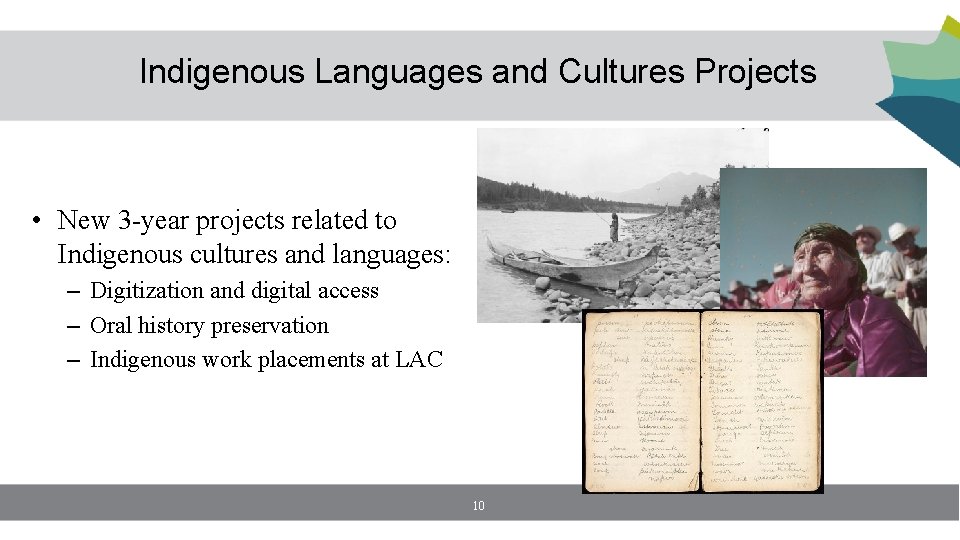
Indigenous Languages and Cultures Projects • New 3 -year projects related to Indigenous cultures and languages: – Digitization and digital access – Oral history preservation – Indigenous work placements at LAC 10
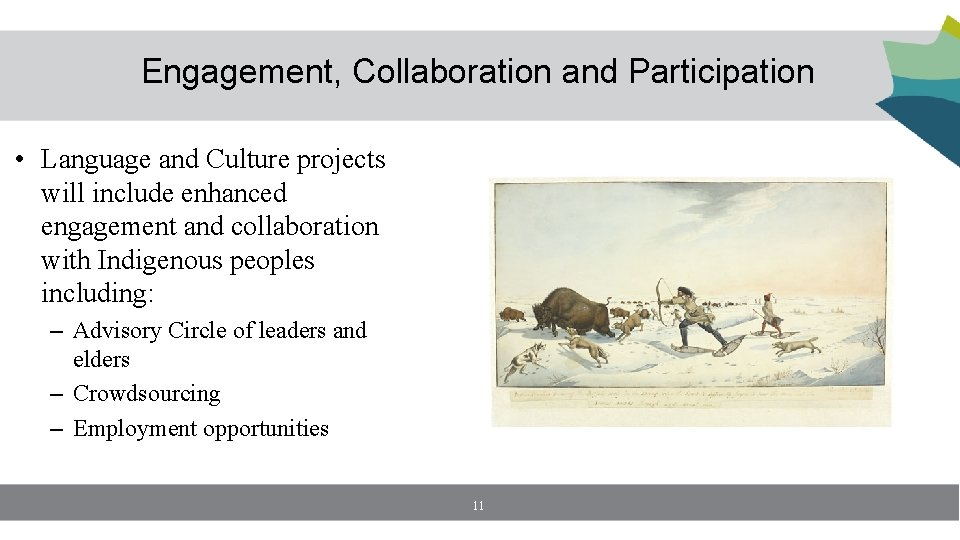
Engagement, Collaboration and Participation • Language and Culture projects will include enhanced engagement and collaboration with Indigenous peoples including: – Advisory Circle of leaders and elders – Crowdsourcing – Employment opportunities 11
- Slides: 12