
The Rhetorical Appeals Pathos Ethos Logos Aim to

- Slides: 14
The Rhetorical Appeals Pathos, Ethos, Logos
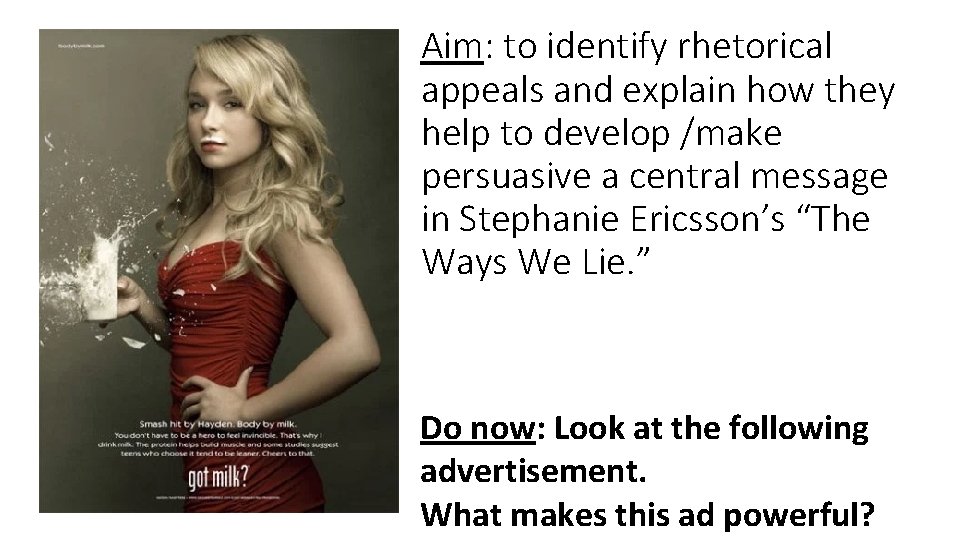
Aim: to identify rhetorical appeals and explain how they help to develop /make persuasive a central message in Stephanie Ericsson’s “The Ways We Lie. ” Do now: Look at the following advertisement. What makes this ad powerful?
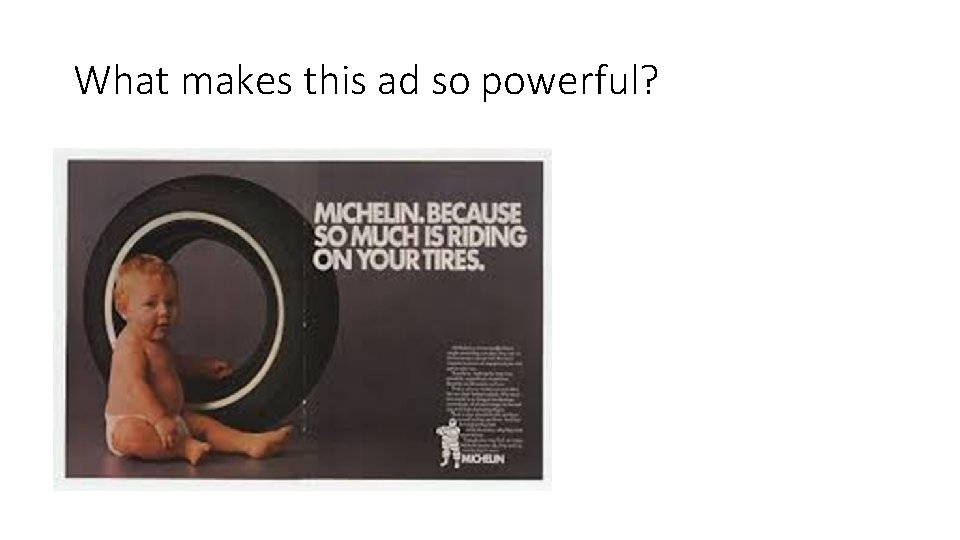
What makes this ad so powerful?
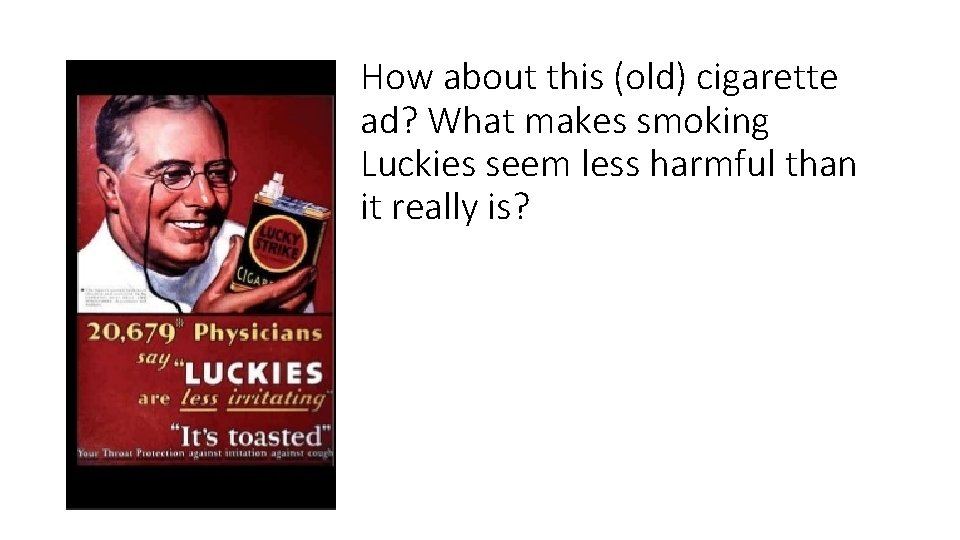
How about this (old) cigarette ad? What makes smoking Luckies seem less harmful than it really is?
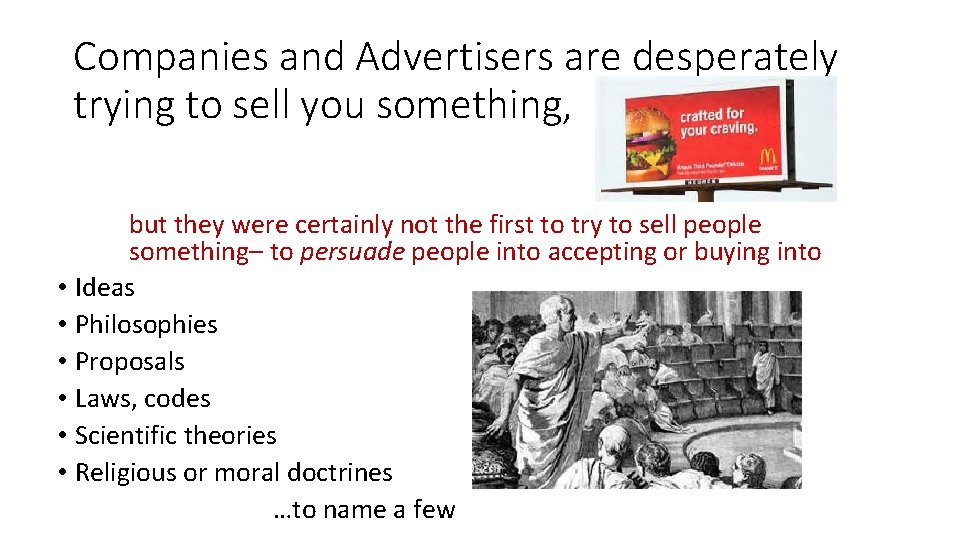
Companies and Advertisers are desperately trying to sell you something, but they were certainly not the first to try to sell people something– to persuade people into accepting or buying into • Ideas • Philosophies • Proposals • Laws, codes • Scientific theories • Religious or moral doctrines …to name a few
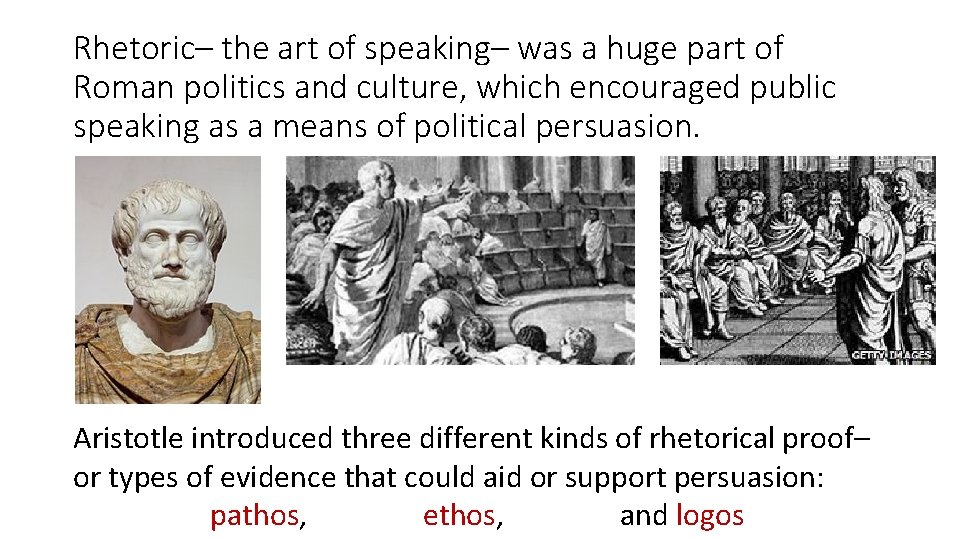
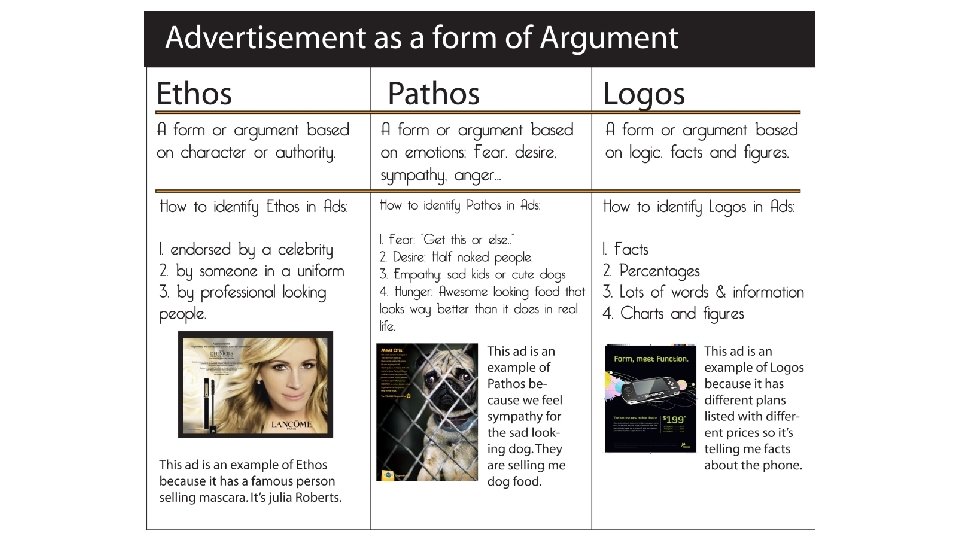
Rhetoric– the art of speaking– was a huge part of Roman politics and culture, which encouraged public speaking as a means of political persuasion. Aristotle introduced three different kinds of rhetorical proof– or types of evidence that could aid or support persuasion: pathos, ethos, and logos
Pathos When a writer or speaker appeals to pathos, he or she is appealing to the audience’s emotions. He or She is attempting to alter, sway, or influence the audience’s judgment by stirring or evoking strong emotion. This is often attempted through the use of: • imagery • vivid detail and images • tone • figurative language • Exaggeration or hyperbole • diction /word-choice • personal anecdotes or stories
Ethos When a writer or speaker appeals to ethos, he or she is trying to get the audience to view or accept him or her as credible, trustworthy, of good character, knowledgeable. This is often attempted by: • emphasizing or displaying shared values or experience (with the audience) • Making oneself out to be an expert or authority • Calling upon other experts or authorities • “Name-dropping” • Speaking in a particular tone or with a particular diction that appeals to the audience (i. e. , an authoritative tone, a humble tone, a formal diction, informal diction) • Storytelling (anecdotes)
Logos When a writer or speaker appeals to logos, he or she is appealing to logic. He or she is trying to persuade the audience by presenting: • Rational ideas • Facts (statistics, figures, historical references)
What appeals do you see at work?
Why is it important to understand /be familiar with the rhetorical appeals? • To be a better, critical thinker, a smarter consumer of information and products (There has never been a more relevant time) • To become better at persuasive argument • To ace you Regents exam Part II: The argumentative essay Part III: Short, analytical text analysis
Stephanie Ericsson’s “The Ways We Lie” Together: Read the intro and answer the following. 1. What is Ericcson’s message about lying? What is her attitude? 1. How do you know? What tells you this in the text? On your own: Read one assigned subsection as follows Right side of the class: Read “The White Lie” Left side of the class: Read “Ignoring the Plain Facts” Answer the following Questions: 1. Define the lie Ericcson discusses in your subsection 2. How does Ericcson feel about this kind of lie? 3. What in the text tells you this? With a partner: Reread and identify a rhetorical appeal at work. 1. What appeal/s (to pathos, ethos, or logos) can you identify? Explain.
Homework Complete the worksheet handed out in class. Select a subsection (one you did not read in class) to read at home. 1. Once again, define the kind of lie Ericsson presents and how she feels about it (her tone, attitude). 2. Identify one or more rhetorical appeal/s at work, making sure to provide evidence and explain. 3. What correlation can you make to Streetcar?