
The Respiratory System The organ system that provides
- Slides: 18
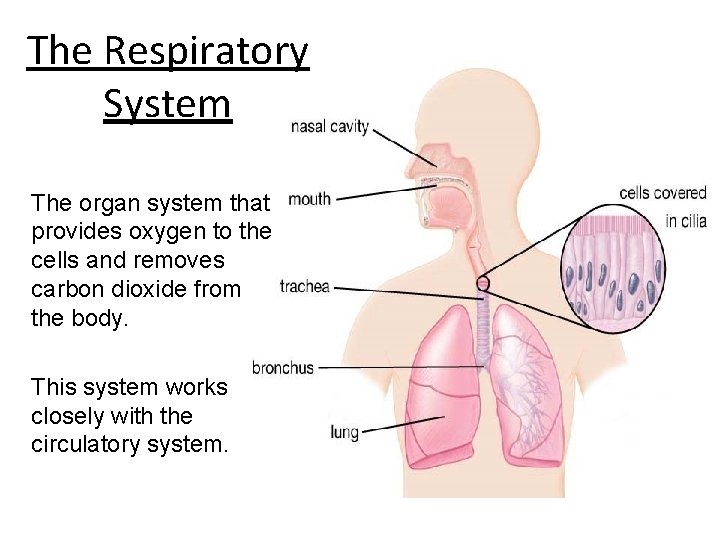
The Respiratory System The organ system that provides oxygen to the cells and removes carbon dioxide from the body. This system works closely with the circulatory system.
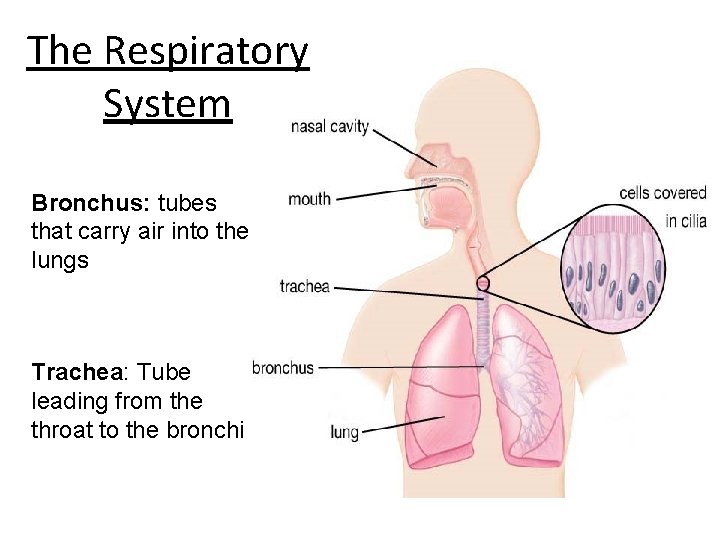
The Respiratory System Bronchus: tubes that carry air into the lungs Trachea: Tube leading from the throat to the bronchi
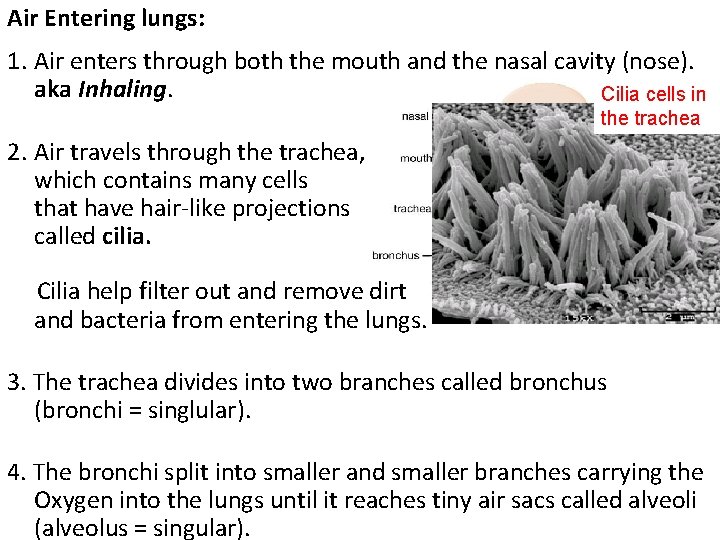
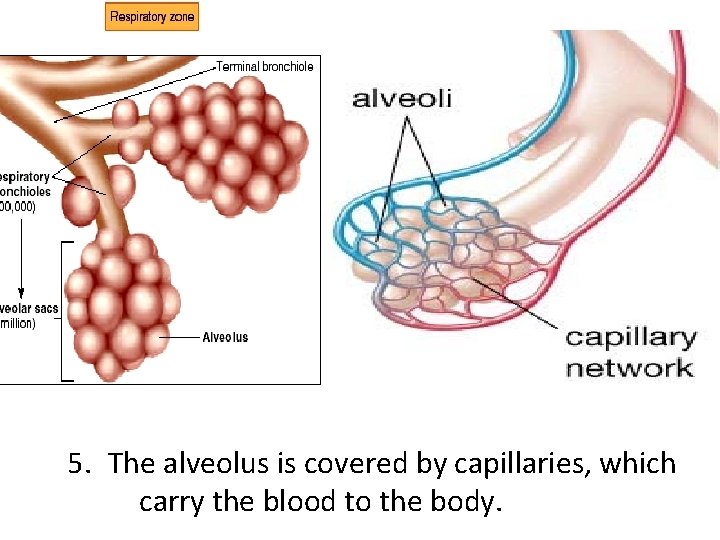
Air Entering lungs: 1. Air enters through both the mouth and the nasal cavity (nose). aka Inhaling. Cilia cells in the trachea 2. Air travels through the trachea, which contains many cells that have hair-like projections called cilia. Cilia help filter out and remove dirt and bacteria from entering the lungs. 3. The trachea divides into two branches called bronchus (bronchi = singlular). 4. The bronchi split into smaller and smaller branches carrying the Oxygen into the lungs until it reaches tiny air sacs called alveoli (alveolus = singular).
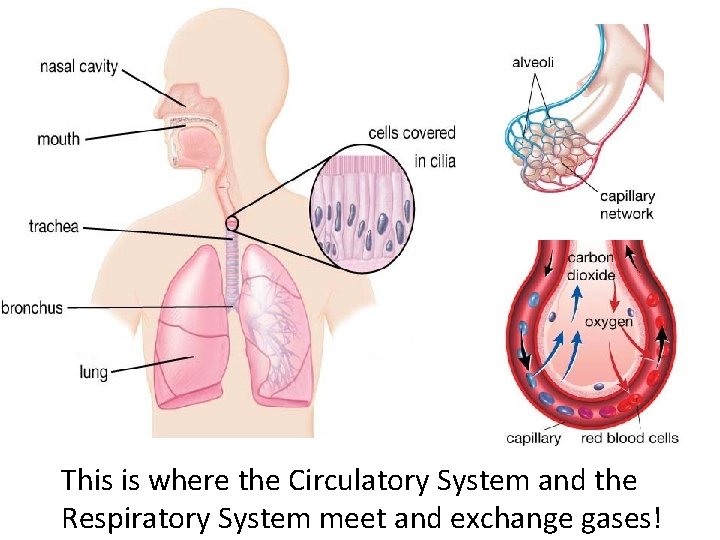
This is where the Circulatory System and the Respiratory System meet and exchange gases!
5. The alveolus is covered by capillaries, which carry the blood to the body.
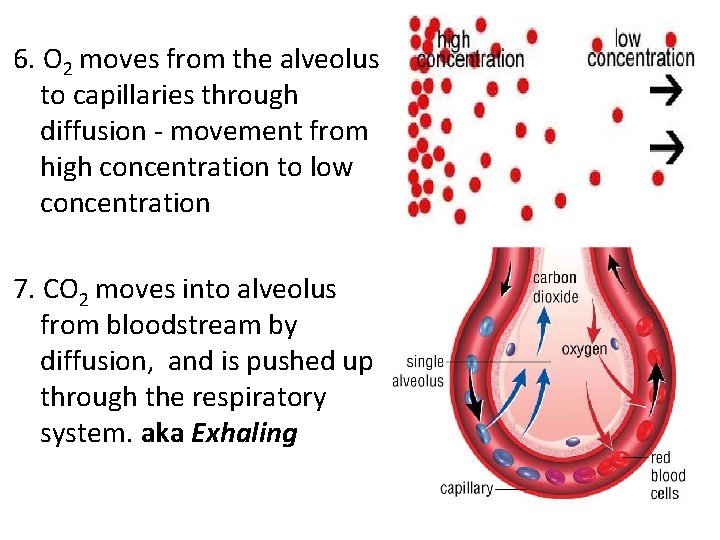
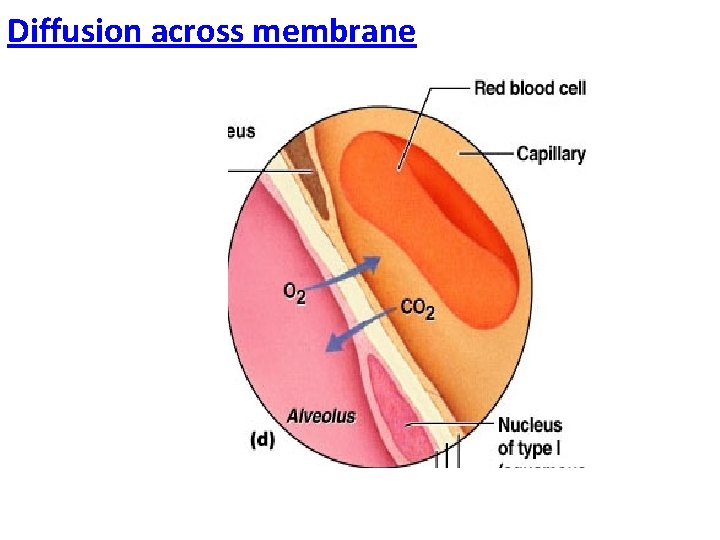
6. O 2 moves from the alveolus to capillaries through diffusion - movement from high concentration to low concentration 7. CO 2 moves into alveolus from bloodstream by diffusion, and is pushed up through the respiratory system. aka Exhaling
Diffusion across membrane
Video Question: How do you know when to inhale and exhale?
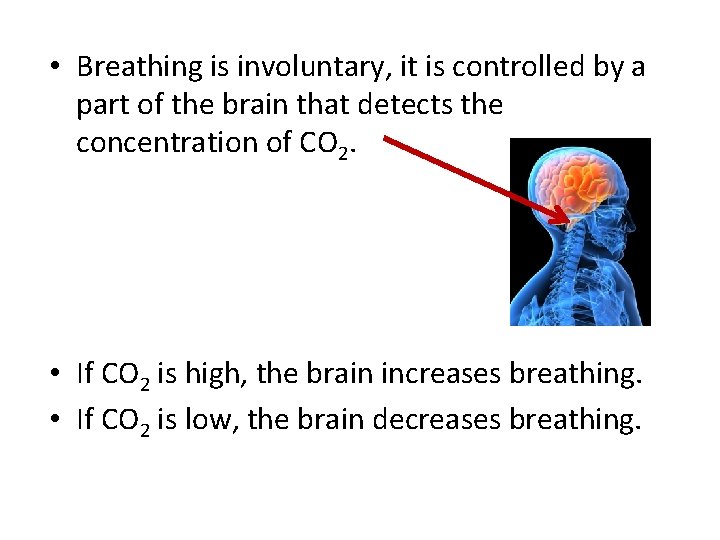
• Breathing is involuntary, it is controlled by a part of the brain that detects the concentration of CO 2. • If CO 2 is high, the brain increases breathing. • If CO 2 is low, the brain decreases breathing.
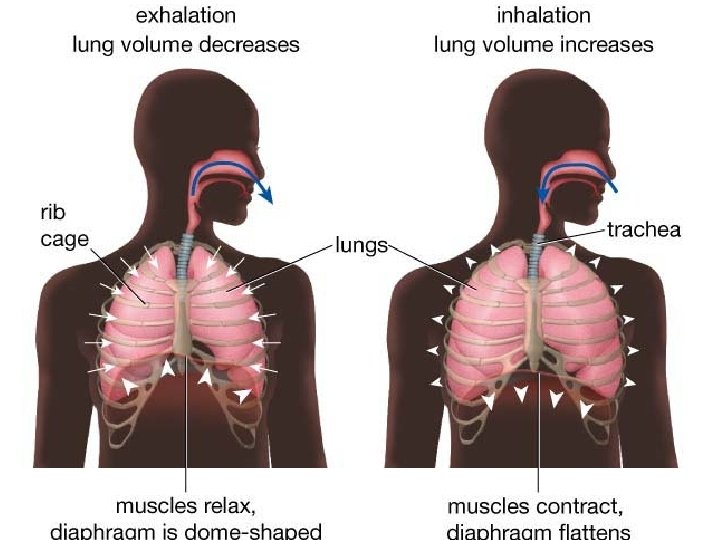
Breathing: • Inhaling: diaphragm muscle contracts, pushing down, allowing air to flow into lungs. Rib cage moves up/out • Exhaling – diaphragm and rib muscles relax and move up/in, pushing air out. Animation Cows lungs Animation 2
Respiratory Diseases: • Asthma • Chronic Bronchitis • Emphysema • Pneumonia • Influenza • Tuberculosis
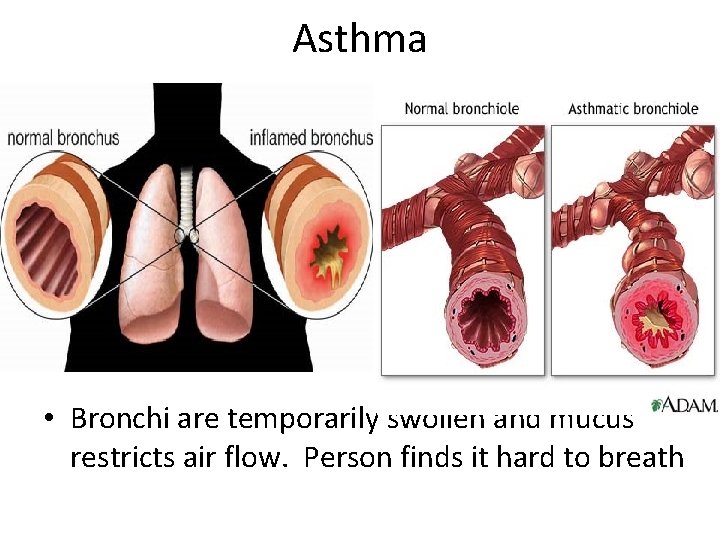
Asthma • Bronchi are temporarily swollen and mucus restricts air flow. Person finds it hard to breath
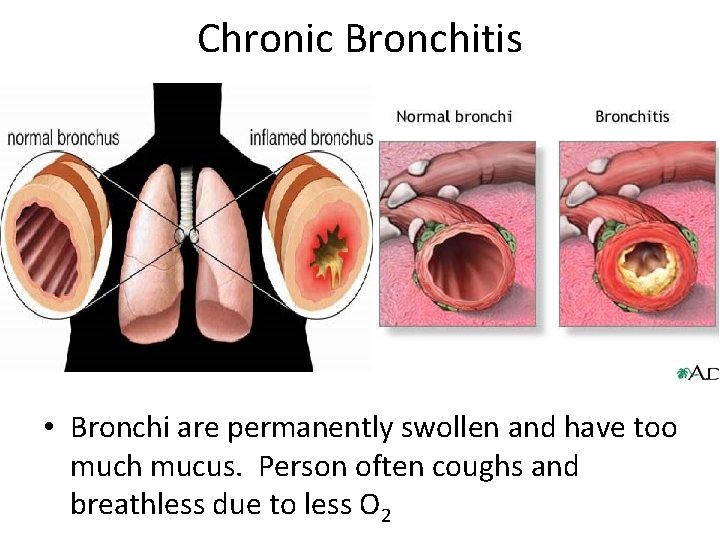
Chronic Bronchitis • Bronchi are permanently swollen and have too much mucus. Person often coughs and breathless due to less O 2
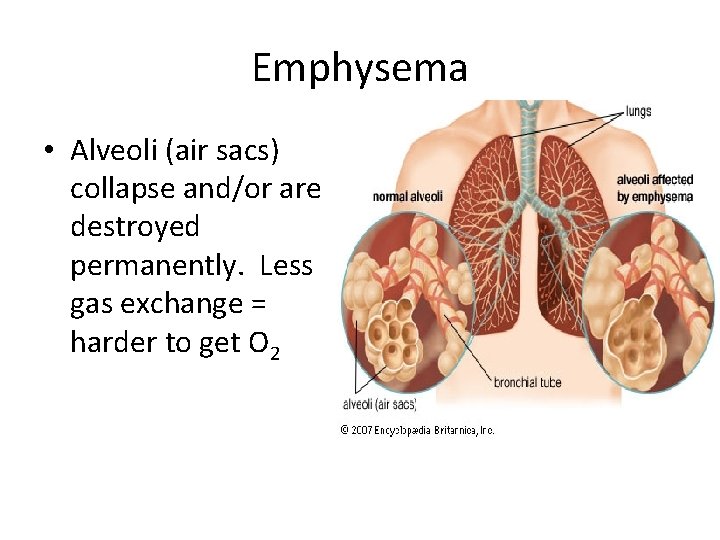
Emphysema • Alveoli (air sacs) collapse and/or are destroyed permanently. Less gas exchange = harder to get O 2
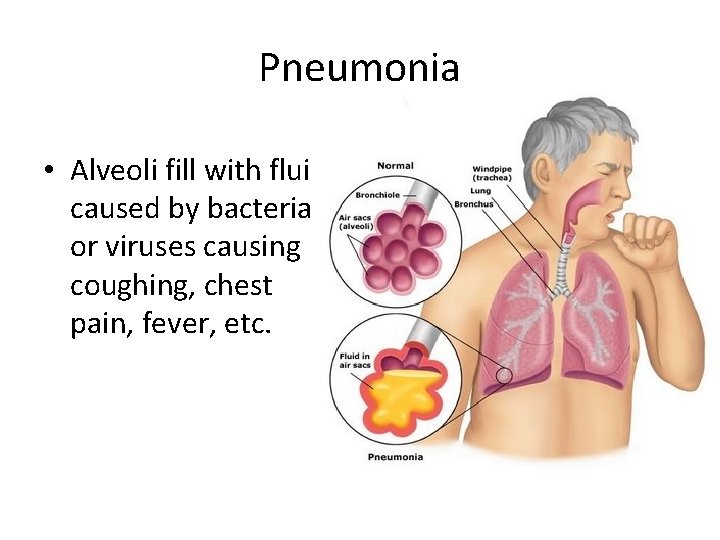
Pneumonia • Alveoli fill with fluid caused by bacteria or viruses causing coughing, chest pain, fever, etc.
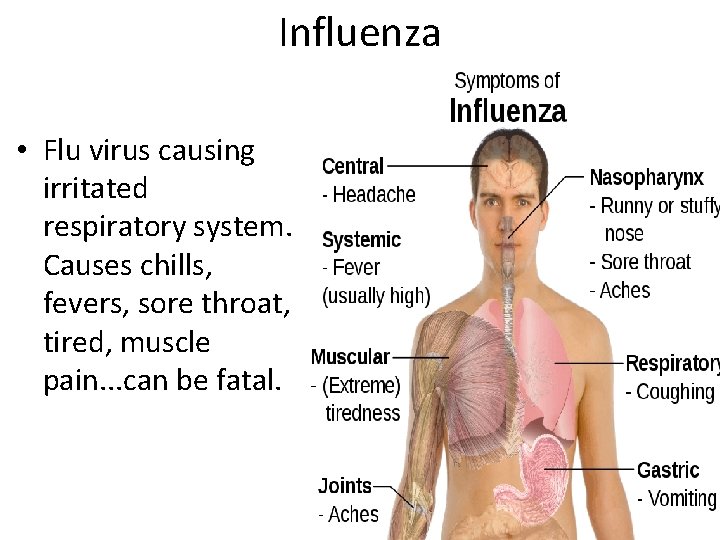
Influenza • Flu virus causing irritated respiratory system. Causes chills, fevers, sore throat, tired, muscle pain. . . can be fatal.
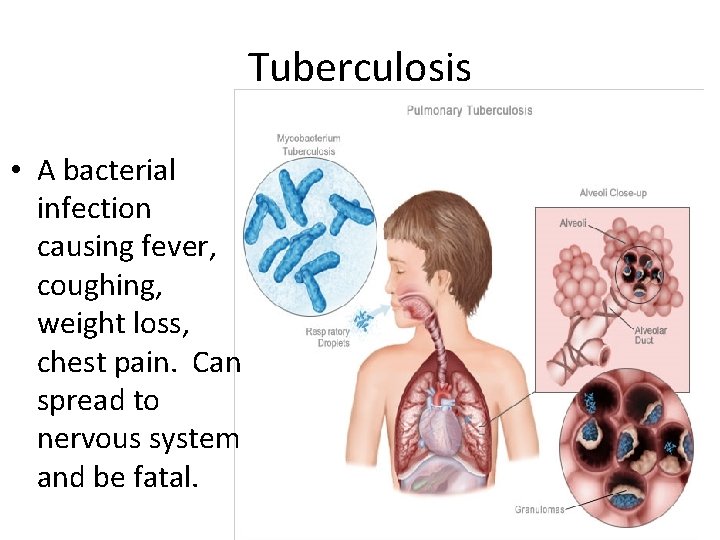
Tuberculosis • A bacterial infection causing fever, coughing, weight loss, chest pain. Can spread to nervous system and be fatal.