
The Respiratory System Internal Systems and Regulation Video
- Slides: 12
The Respiratory System Internal Systems and Regulation
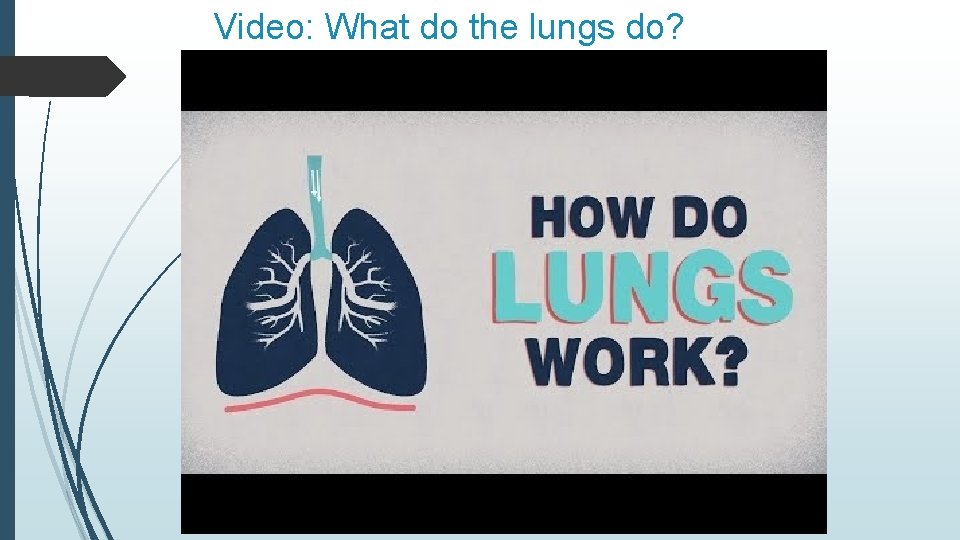
Video: What do the lungs do?
Mammalian Respiration is made up of 4 parts: 1. Breathing – inspiration (inhalation) and expiration (exhalation) 2. External Respiration – gas exchange between air and blood 3. Internal Respiration – gas exchange between blood and cells of the surrounding tissue 4. Cellular Respiration – metabolic reactions/processes in cells Respiratory Tract Upper and Lower
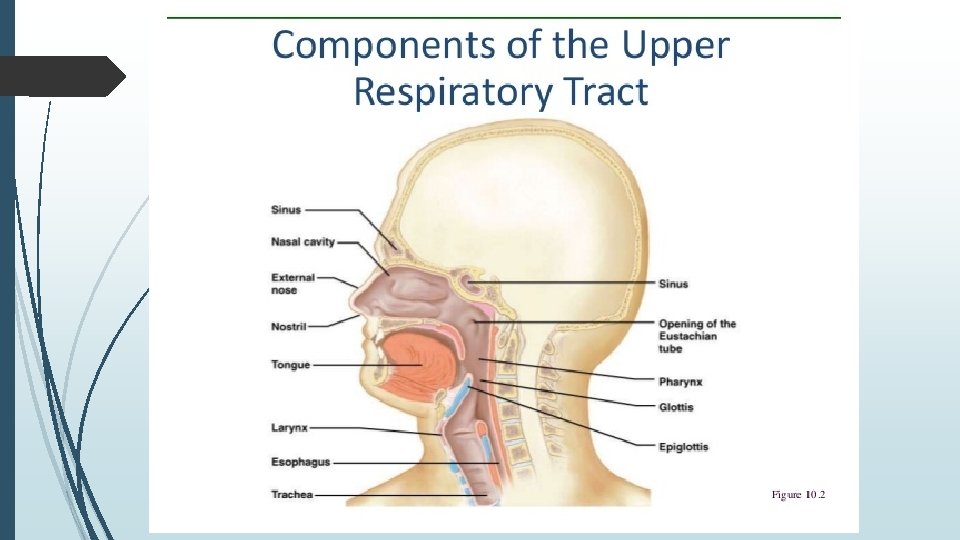
Upper Respiratory Tract Nostrils Air is passed into the nasal passages 1. Turbinates (thin bones in nasal passage) secrete mucous to moisten the air 2. Many capillaries warm incoming air 3. Tiny hairs filter foreign particles Pharynx – connects mouth and nasal cavity to trachea and esophagus Glottis – opening of the trachea Epiglottis – protects the glottis as it is a flap like structure and prevents food from entering trachea
Upper Respiratory Tract Larynx – voice box Holds the vocal cords using a cartilaginous material When breathing, muscles attached to the folds are relaxed and when we prepare to speak the muscles contract bringing the folds closer together and they vibrate. (p. 286, fig. 2) Trachea – windpipe Supported by cartilage rings keep it open Cilia-tiny hairs on cells help sweep debris back into pharynx Most structures in upper respiratory tract are lined with mucous traps particles, keeps cells lining cavities moist
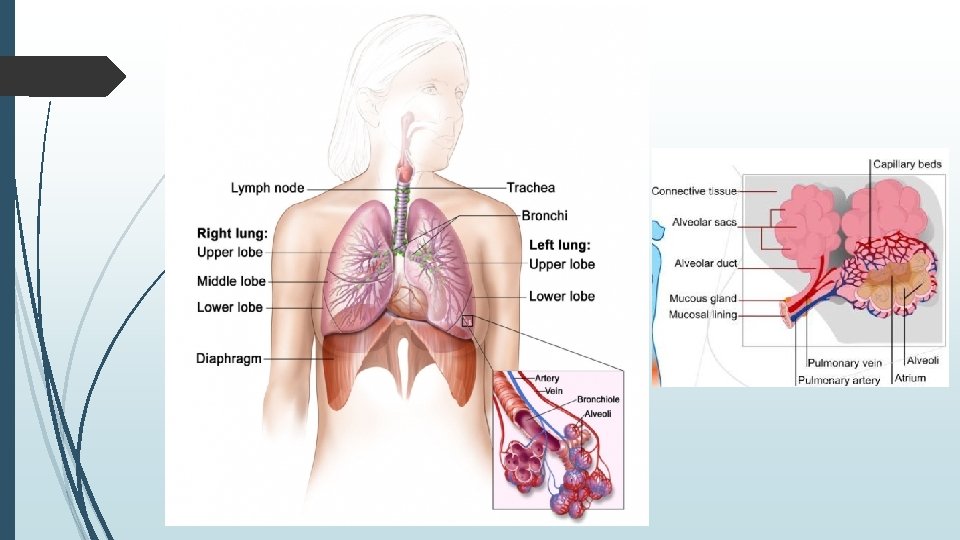
Lower Respiratory Tract Trachea branches into bronchi Each bronchus subdivides into bronchioles Each bronchiole ends in a cluster of tiny sacs known as alveoli, surrounded by capillaries This is where gas exchange (external respiration) takes place Gases diffuse between air and blood according to concentration gradients. O 2 and CO 2 move from areas of high to low concentration Each lung contains ~150 million alveoli: provides enough surface area to cover half a tennis court!
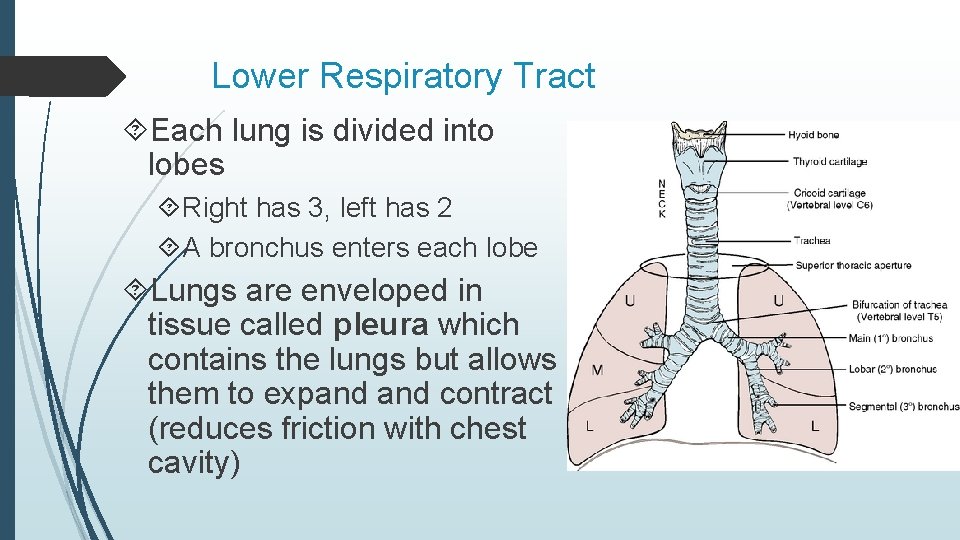
Lower Respiratory Tract Each lung is divided into lobes Right has 3, left has 2 A bronchus enters each lobe Lungs are enveloped in tissue called pleura which contains the lungs but allows them to expand contract (reduces friction with chest cavity)
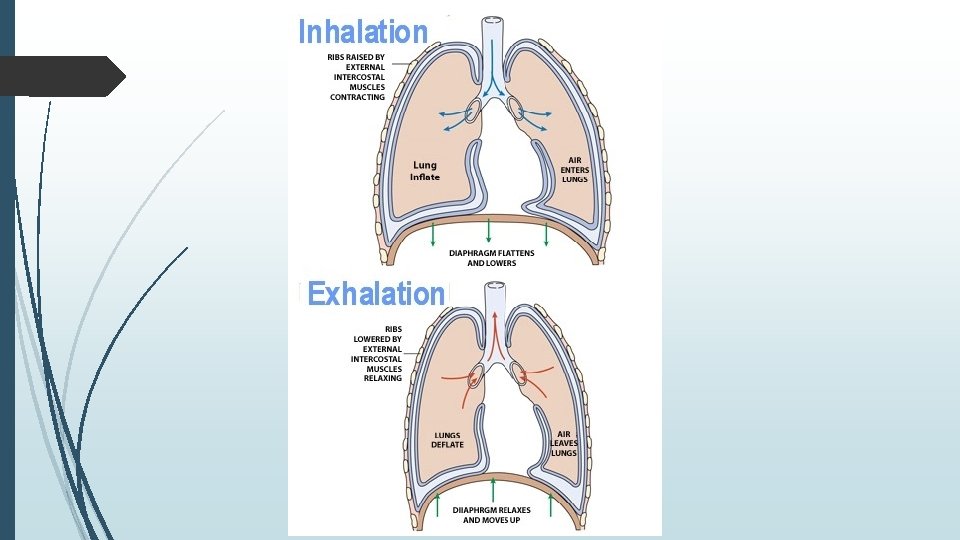
Mechanics of Breathing Two muscular structures allow ventilation: 1. Intercostal muscles – muscles that run between the ribs of the rib cage 2. Diaphragm – dome-shaped sheet of muscle that separates chest cavity from abdominal cavity Both work in unison to move air in and out of the lungs to allow ventilation.
In order to breathe, we need: 1. Lungs with a moist respiratory surface Ø Need water (mucous) for oxygen to dissolve into before it can diffuse into cells 2. A means of forcibly bringing air into contact with the lung surface. 3. A circulatory system to move the gases around the body.