
The Reproductive System Copyright 2009 Pearson Education Inc
- Slides: 25
The Reproductive System Copyright © 2009 Pearson Education, Inc. , publishing as Benjamin Cummings
The Reproductive System § Gonads—primary sex organs § Testes in males § Ovaries in females § Gonads produce gametes (sex cells) and secrete hormones § Sperm—male gametes (Spermatogenesis) § Ova (eggs)—female gametes (Oogenesis) Copyright © 2009 Pearson Education, Inc. , publishing as Benjamin Cummings
Functions 1. Produces, nurtures and transports gametes (ova/sperm) 2. Secrets hormones 3. Provide a means for fertilization 4. Provides an environment for maturation of a zygote (female reproductive system only) Copyright © 2009 Pearson Education, Inc. , publishing as Benjamin Cummings
Divisions of the Male Reproductive System A. Testes B. Duct System C. Accessory Glands D. External Genitalia We will discuss each of these in more detail Copyright © 2009 Pearson Education, Inc. , publishing as Benjamin Cummings
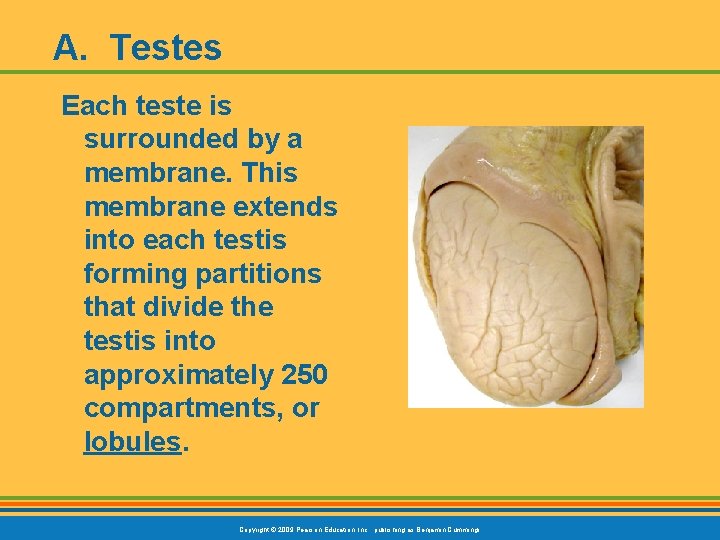
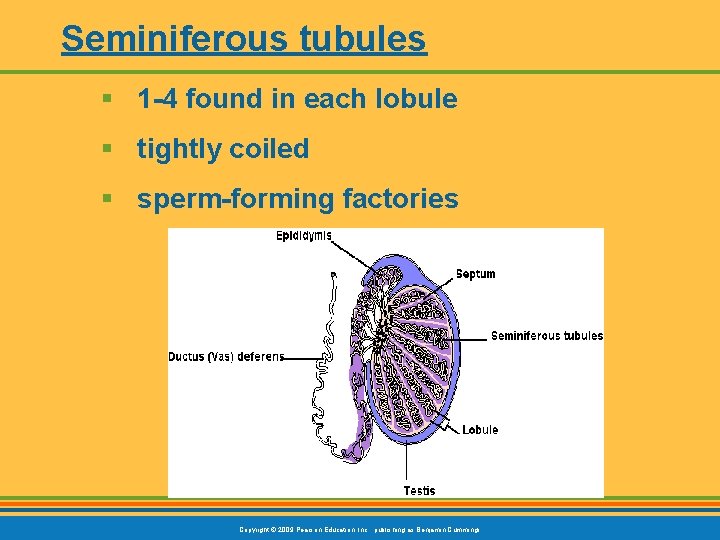
A. Testes Each teste is surrounded by a membrane. This membrane extends into each testis forming partitions that divide the testis into approximately 250 compartments, or lobules. Copyright © 2009 Pearson Education, Inc. , publishing as Benjamin Cummings
Seminiferous tubules § 1 -4 found in each lobule § tightly coiled § sperm-forming factories Copyright © 2009 Pearson Education, Inc. , publishing as Benjamin Cummings
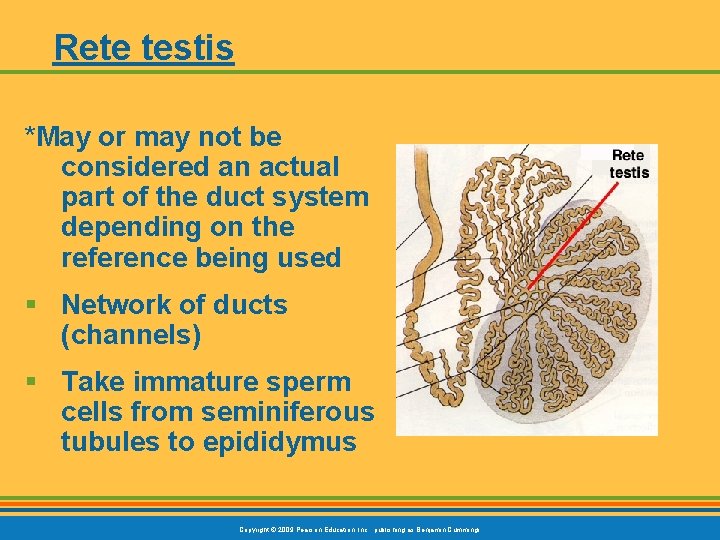
Rete testis *May or may not be considered an actual part of the duct system depending on the reference being used § Network of ducts (channels) § Take immature sperm cells from seminiferous tubules to epididymus Copyright © 2009 Pearson Education, Inc. , publishing as Benjamin Cummings
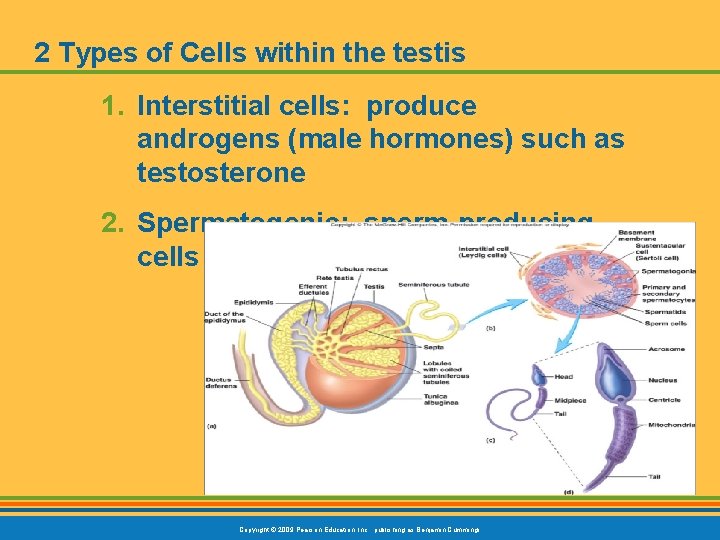
2 Types of Cells within the testis 1. Interstitial cells: produce androgens (male hormones) such as testosterone 2. Spermatogenic: sperm-producing cells Copyright © 2009 Pearson Education, Inc. , publishing as Benjamin Cummings
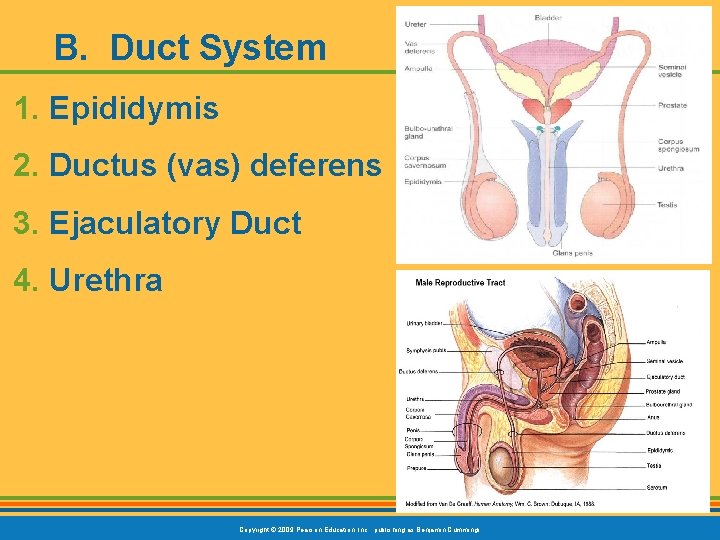
B. Duct System 1. Epididymis 2. Ductus (vas) deferens 3. Ejaculatory Duct 4. Urethra Copyright © 2009 Pearson Education, Inc. , publishing as Benjamin Cummings
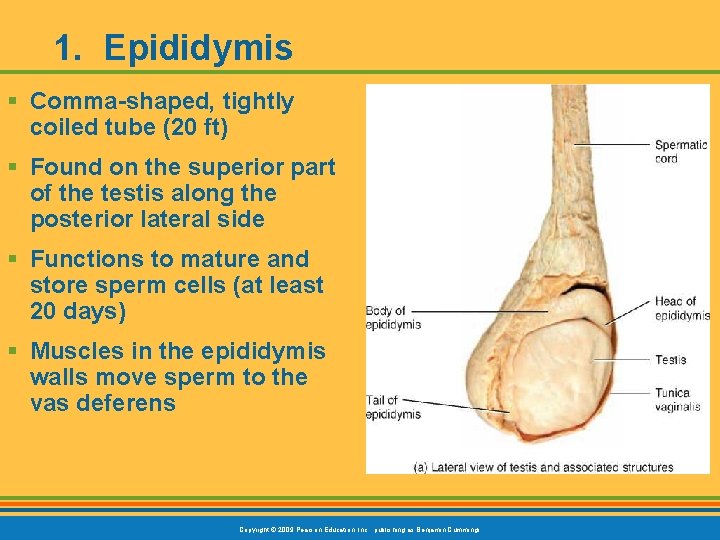
1. Epididymis § Comma-shaped, tightly coiled tube (20 ft) § Found on the superior part of the testis along the posterior lateral side § Functions to mature and store sperm cells (at least 20 days) § Muscles in the epididymis walls move sperm to the vas deferens Copyright © 2009 Pearson Education, Inc. , publishing as Benjamin Cummings
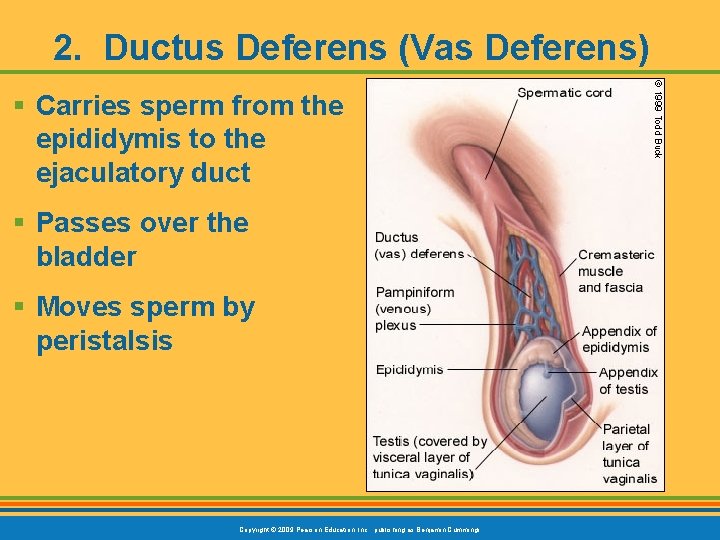
2. Ductus Deferens (Vas Deferens) § Carries sperm from the epididymis to the ejaculatory duct § Passes over the bladder § Moves sperm by peristalsis Copyright © 2009 Pearson Education, Inc. , publishing as Benjamin Cummings
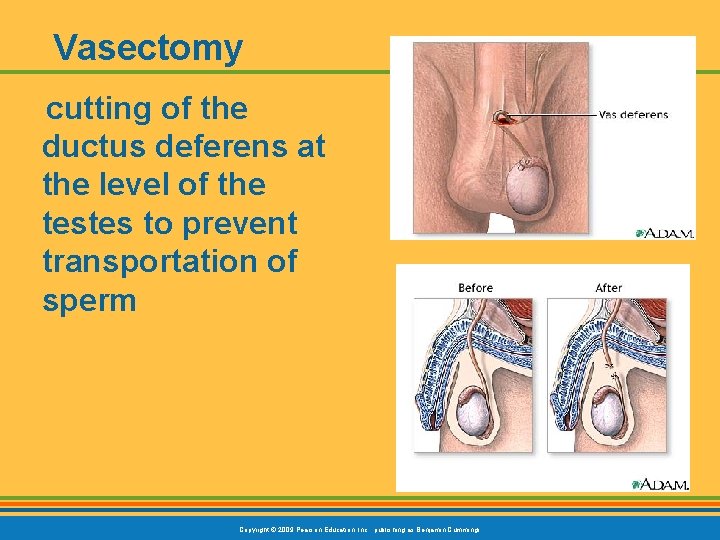
Vasectomy cutting of the ductus deferens at the level of the testes to prevent transportation of sperm Copyright © 2009 Pearson Education, Inc. , publishing as Benjamin Cummings
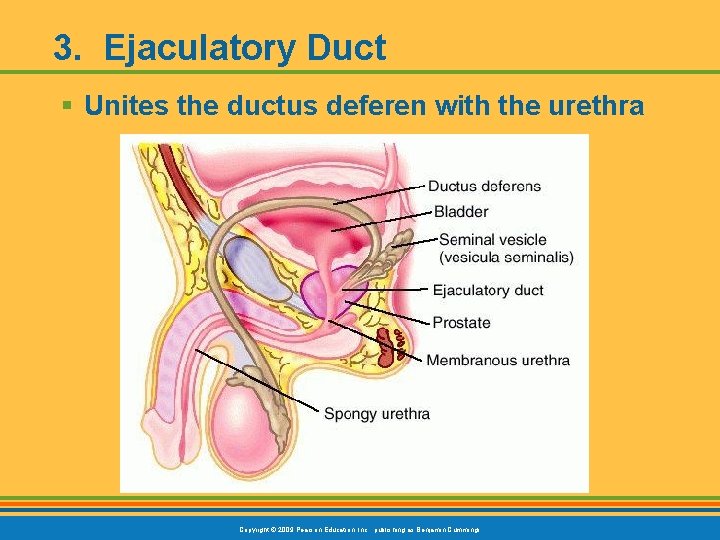
3. Ejaculatory Duct § Unites the ductus deferen with the urethra Copyright © 2009 Pearson Education, Inc. , publishing as Benjamin Cummings
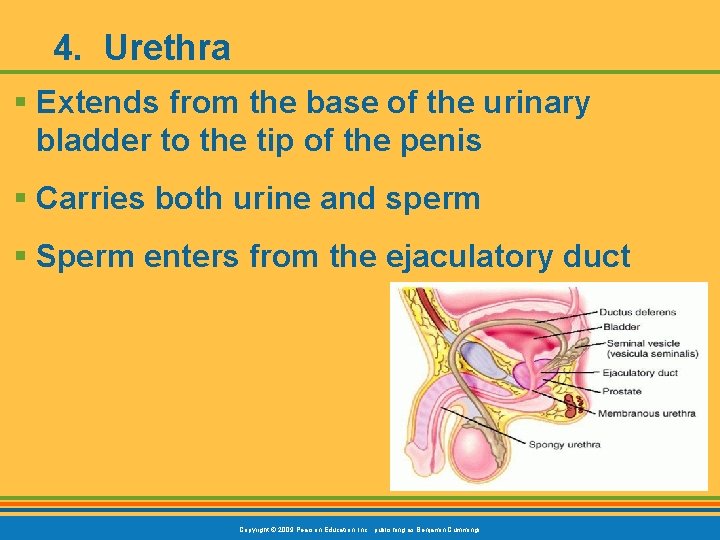
4. Urethra § Extends from the base of the urinary bladder to the tip of the penis § Carries both urine and sperm § Sperm enters from the ejaculatory duct Copyright © 2009 Pearson Education, Inc. , publishing as Benjamin Cummings
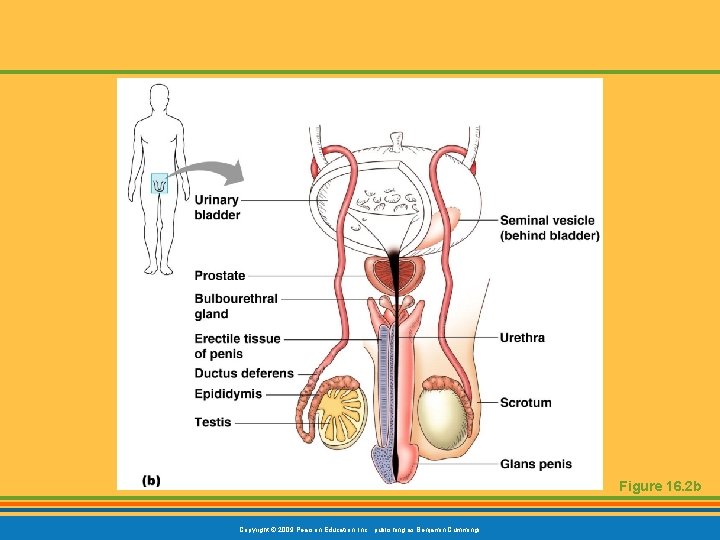
Figure 16. 2 b Copyright © 2009 Pearson Education, Inc. , publishing as Benjamin Cummings
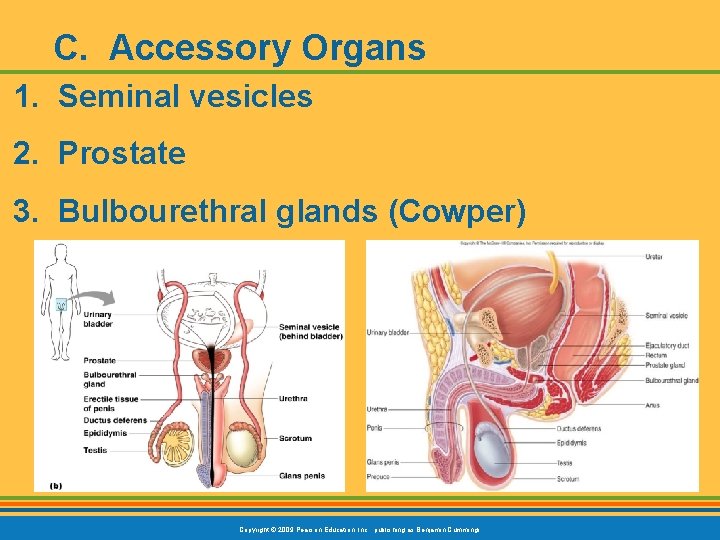
C. Accessory Organs 1. Seminal vesicles 2. Prostate 3. Bulbourethral glands (Cowper) Copyright © 2009 Pearson Education, Inc. , publishing as Benjamin Cummings
1. Seminal Vesicles § Located at the base of the bladder § Produces a thick, yellowish secretion (60% of semen) § Fructose (sugar) § Vitamin C § Prostaglandins (hormones) § Other substances that nourish and activate sperm Copyright © 2009 Pearson Education, Inc. , publishing as Benjamin Cummings
2. Prostate § Encircles the upper part of the urethra § Secretes a milky fluid § Helps to activate sperm § Enters the urethra through several small ducts Copyright © 2009 Pearson Education, Inc. , publishing as Benjamin Cummings
3. Bulbourethral Glands § Pea-sized gland inferior to the prostate § Produces a thick, clear mucus § Cleanses the urethra of acidic urine § Serves as a lubricant during sexual intercourse § Secreted into the penile urethra Copyright © 2009 Pearson Education, Inc. , publishing as Benjamin Cummings
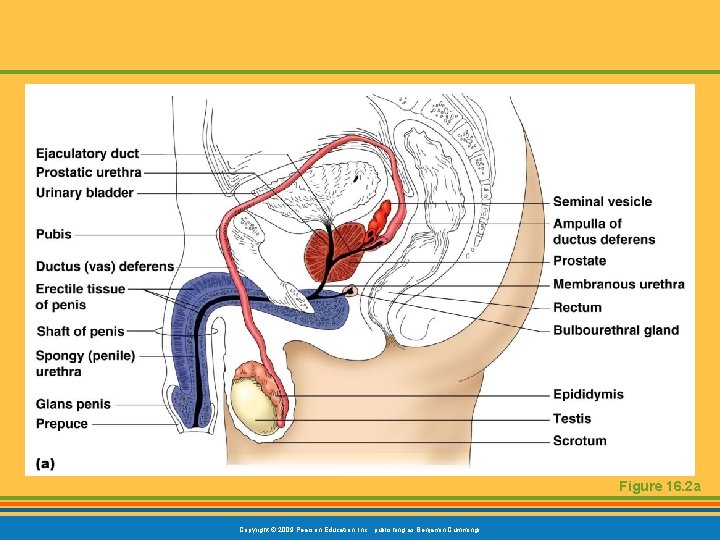
Figure 16. 2 a Copyright © 2009 Pearson Education, Inc. , publishing as Benjamin Cummings
Semen § Mixture of sperm and accessory gland secretions § Advantages of accessory gland secretions § Fructose provides energy for sperm cells § Alkalinity of semen helps neutralize the acidic environment of vagina § Semen inhibits bacterial growth § Elements of semen enhance sperm motility Copyright © 2009 Pearson Education, Inc. , publishing as Benjamin Cummings
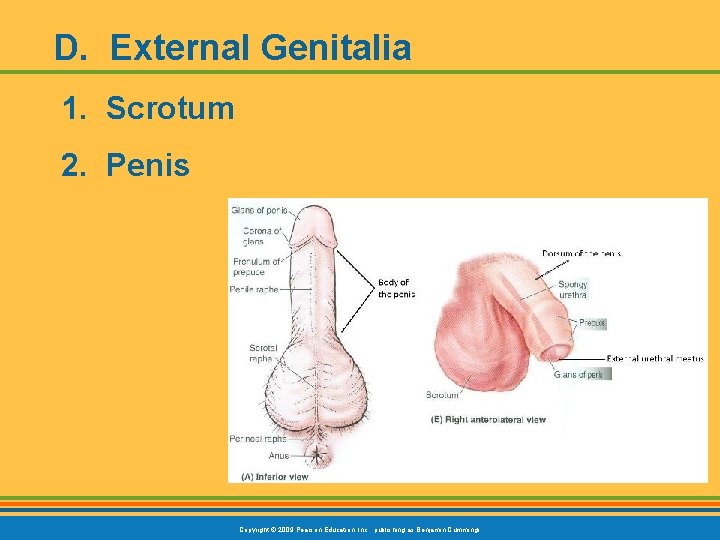
D. External Genitalia 1. Scrotum 2. Penis Copyright © 2009 Pearson Education, Inc. , publishing as Benjamin Cummings
1. Scrotum § Divided sac of skin outside the abdomen § Maintains testes at 3°C lower than normal body temperature to protect sperm viability § Muscles move testes up toward body or lower away from body Copyright © 2009 Pearson Education, Inc. , publishing as Benjamin Cummings
2. Penis § Delivers sperm into the female reproductive tract § Regions of the penis § Shaft § Glans penis (enlarged tip) § Prepuce (foreskin) § Folded cuff of skin around proximal end § Often removed by circumcision Copyright © 2009 Pearson Education, Inc. , publishing as Benjamin Cummings
§ Internally there are three areas of spongy erectile tissue around the urethra § Erections occur when this erectile tissue fills with blood during sexual excitement Copyright © 2009 Pearson Education, Inc. , publishing as Benjamin Cummings