
THE REPRODUCTIVE SYSTEM AND HUMAN GENETICS ABDULLAH A
THE REPRODUCTIVE SYSTEM AND HUMAN GENETICS ABDULLAH A. ALRUMAYH BSC EMS, MSC CARDIOVASCULAR, LECTURER DEPARTMENT OF BASIC SCIENCES, PSCEMS HTTP: //FAC. KSU. EDU. SA/AALRUMAYH@KSU. EDU. SA
LEARNING OBJECTIVES 1. List the essential and accessory reproductive organs of the male and female, describing the general function of each. 2. Name the hormones necessary for the formation of gametes. 3. Describe the difference between spermatogenesis and oogenesis.
LEARNING OBJECTIVES 4. Describe three layers of the uterine wall. 5. Briefly describe the life cycle of an oocyte. 6. Describe the menstrual cycle in terms of changes in hormone levels and the condition of the endometrium.
LEARNING OBJECTIVES 7. Define the following terms: diploid, haploid, gametes, endometrium, genetic disease, homologous chromosomes, autosomes, sex chromosomes, genes, alleles, genotype, phenotype, homozygous, and heterozygous. 8. Identify and describe the structures that constitute the external genitalia in both sexes. 9. Name the parts of a sperm cell. 10. Beginning with fertilization, describe the major developmental changes during gestation. 11. Describe the structure and function of the placenta and umbilical cord. 12. State the length of an average gestation period.
LEARNING OBJECTIVES 13. Describe the stages of labor. 14. Describe the difference between fetal circulation/respiration and adult circulation/respiration. 15. Describe the major changes that take place in an infant at birth. 16. Discuss the difference between dominant and recessive traits. 17. List some important genetic diseases found in out-of-hospital care. 18. Explain how genes can cause disease.
INTRODUCTION The only body system not essential to survival Male and female reproductive systems are very different. The reproductive system is linked with genetics. Certain reproductive organs secrete hormones needed for development and maintenance of secondary sex characteristics and for reproduction.
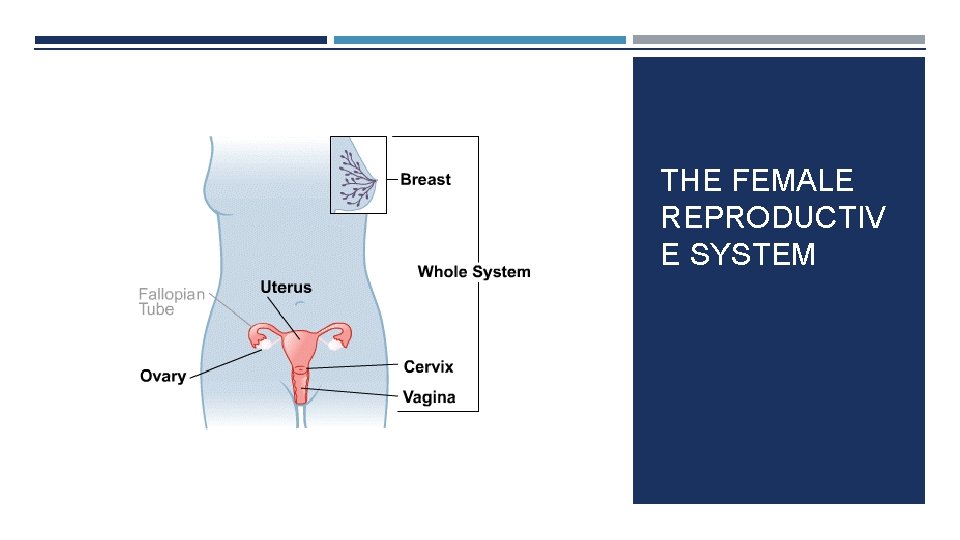
THE FEMALE REPRODUCTIV E SYSTEM
FEMALE REPRODUCTIVE SYSTEM Oocytes – female sex cells (egg cells) produced and maintained by the female reproductive organs The female reproductive organs: Transport oocytes to the site of fertilization Provide a nurturing environment for the developing fetus Give birth to a child Produce female sex hormones
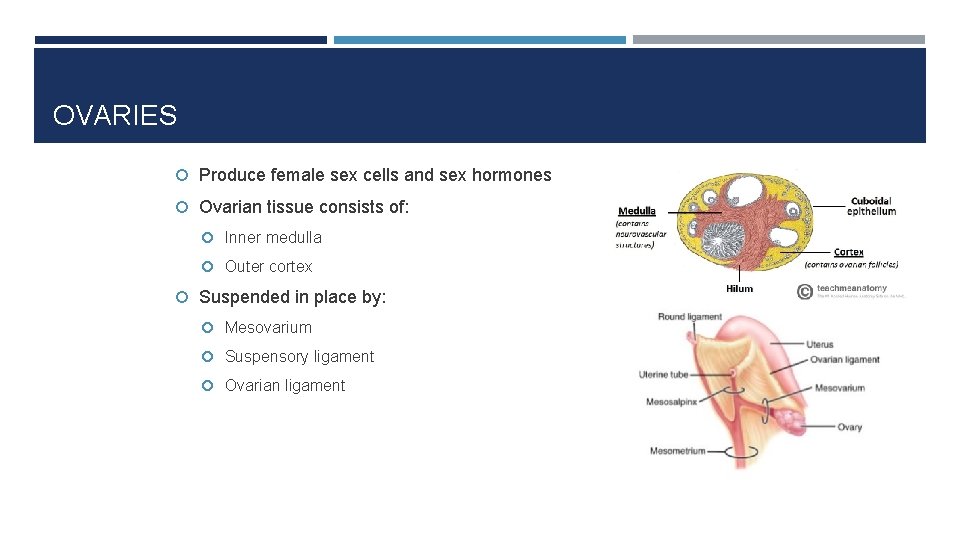
OVARIES Produce female sex cells and sex hormones Ovarian tissue consists of: Inner medulla Outer cortex Suspended in place by: Mesovarium Suspensory ligament Ovarian ligament
OVARIES Three main functions: Produce oocytes Immature female gametes (egg or ovum) Secrete female sex hormones Including estrogens and progestins Secrete inhibin Involved in the feedback control of pituitary follicle-stimulating hormone production
OVARIES Oogenesis Maturation process undergone by oocytes Results in production of an ovum Ovum Female gamete or mature egg q During the reproductive years of a woman's life, the pituitary gland releases hormones at roughly monthly intervals that affect the ovaries
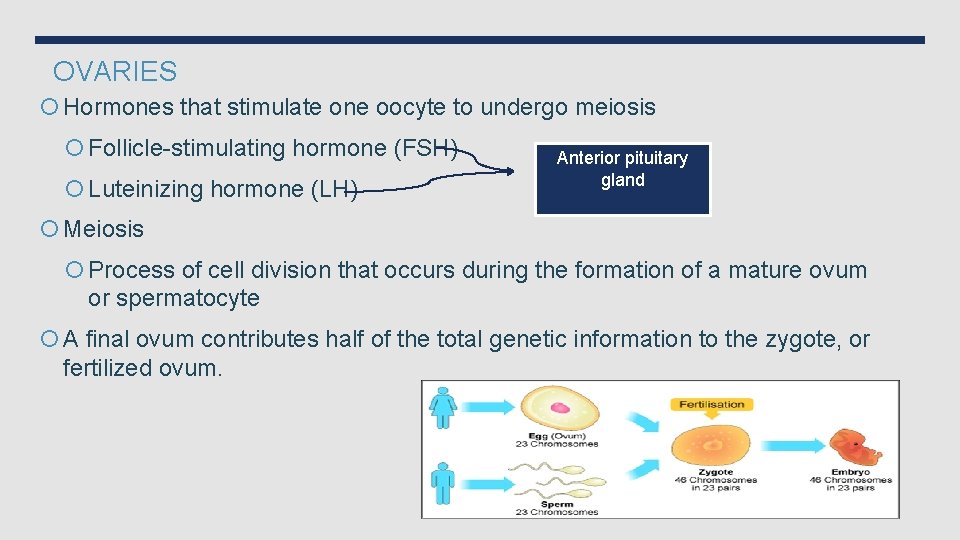
OVARIES Hormones that stimulate one oocyte to undergo meiosis Follicle-stimulating hormone (FSH) Luteinizing hormone (LH) Anterior pituitary gland Meiosis Process of cell division that occurs during the formation of a mature ovum or spermatocyte A final ovum contributes half of the total genetic information to the zygote, or fertilized ovum.

FALLOPIAN TUBES Long, slender tubes that pass medially to the uterus, penetrating its wall, and opening into the uterine cavity Fertilization Usually occurs in one of the fallopian tubes Infundibulum > catch egg Ostium Fimbriae > the dividing space
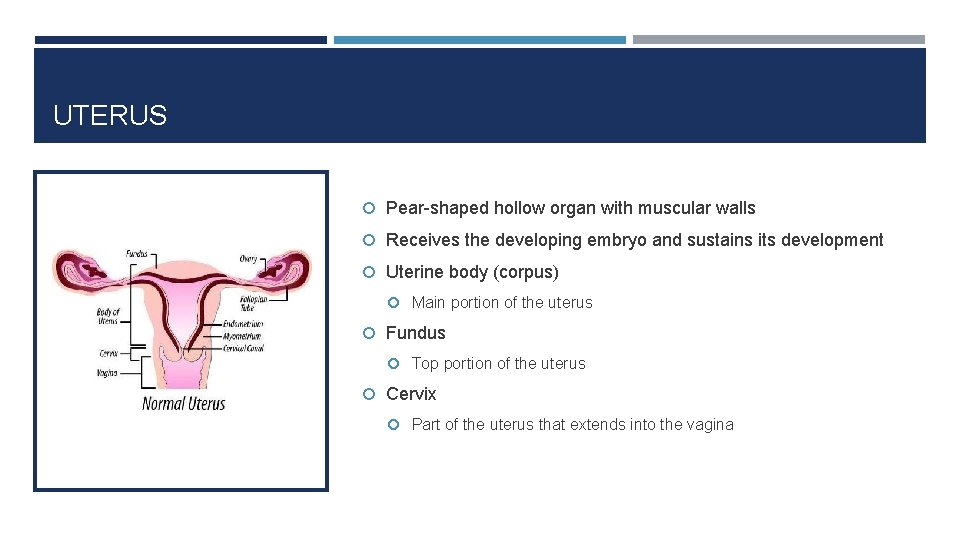
UTERUS Pear-shaped hollow organ with muscular walls Receives the developing embryo and sustains its development Uterine body (corpus) Main portion of the uterus Fundus Top portion of the uterus Cervix Part of the uterus that extends into the vagina
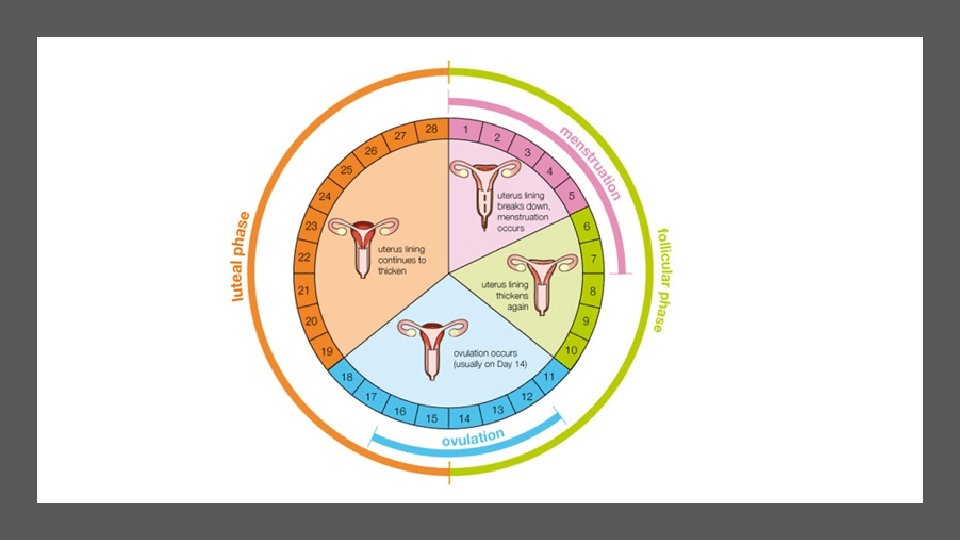
MENSTRUAL CYCLE During the menstrual cycle, an ovum matures, forming a graafian follicle. Graafian follicle Developed ovum At ovulation, this follicle ruptures through the surface of the ovary. If fertilization occurs, the fertilized egg proceeds through fallopian tube to implant in the uterus. If fertilization does not occur, a series of hormonal changes causes the corpus luteum to be sloughed, along with the uterine lining. Corpus luteum Remnants of the graafian follicle
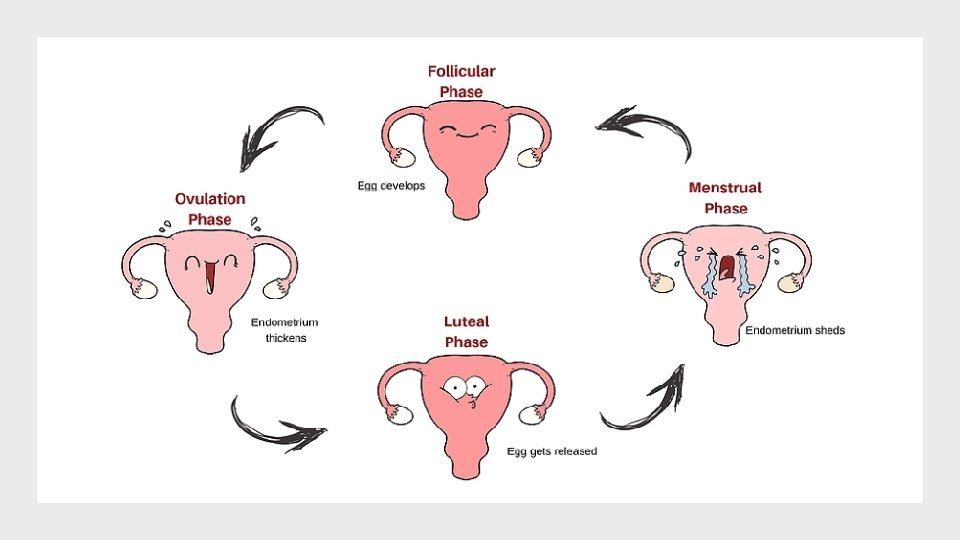
MENSTRUAL CYCLE Recurring cycle Menarche Time of first menstrual cycle Menopause Ending of menses During each cycle, the lining of the uterus proliferates in preparation for pregnancy. Sheds if pregnancy does not occur Average cycle is 28 days.
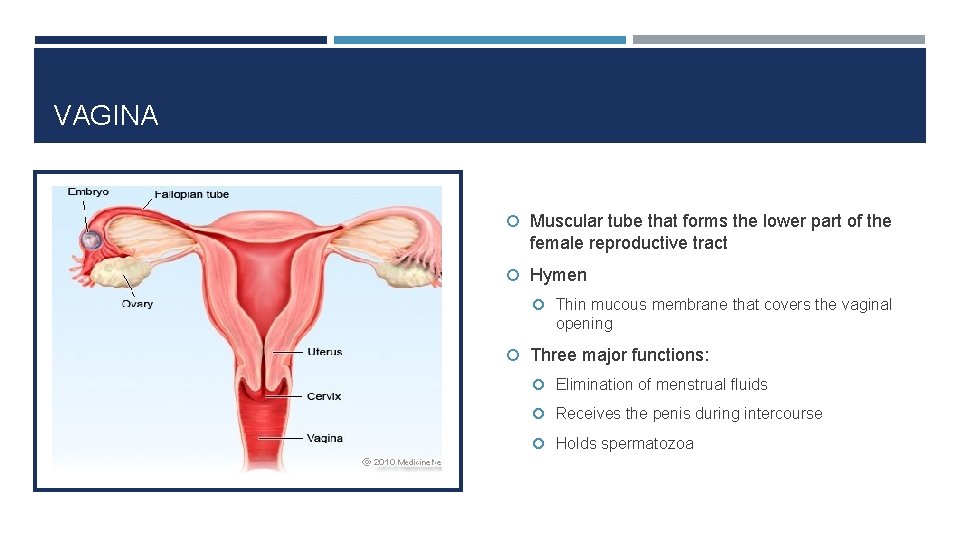
VAGINA Muscular tube that forms the lower part of the female reproductive tract Hymen Thin mucous membrane that covers the vaginal opening Three major functions: Elimination of menstrual fluids Receives the penis during intercourse Holds spermatozoa
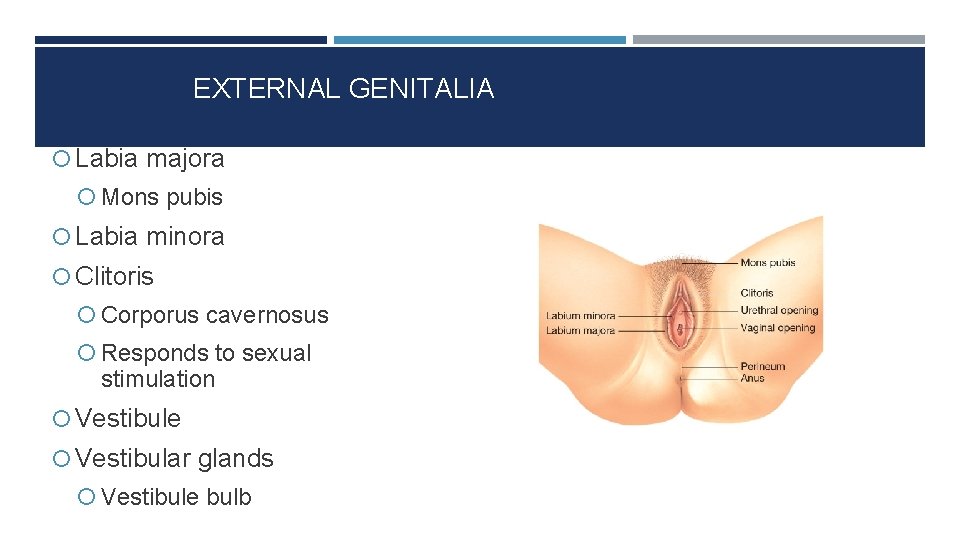
EXTERNAL GENITALIA Labia majora Mons pubis Labia minora Clitoris Corporus cavernosus Responds to sexual stimulation Vestibule Vestibular glands Vestibule bulb
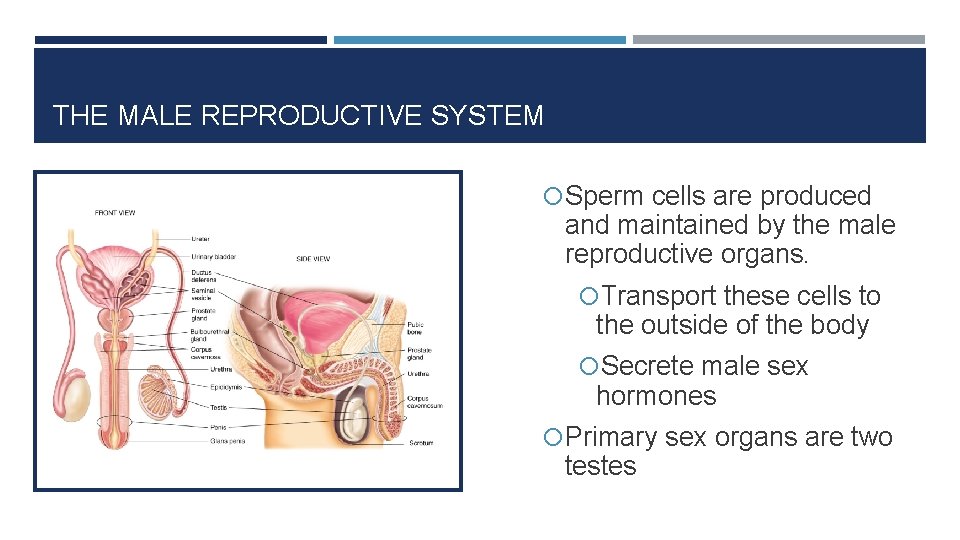
THE MALE REPRODUCTIVE SYSTEM Sperm cells are produced and maintained by the male reproductive organs. Transport these cells to the outside of the body Secrete male sex hormones Primary sex organs are two testes
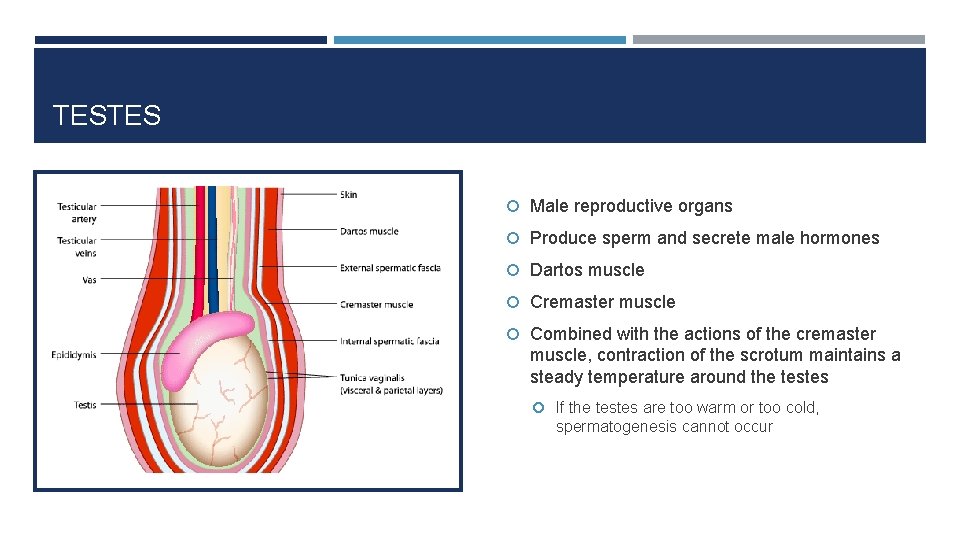
TESTES Male reproductive organs Produce sperm and secrete male hormones Dartos muscle Cremaster muscle Combined with the actions of the cremaster muscle, contraction of the scrotum maintains a steady temperature around the testes If the testes are too warm or too cold, spermatogenesis cannot occur
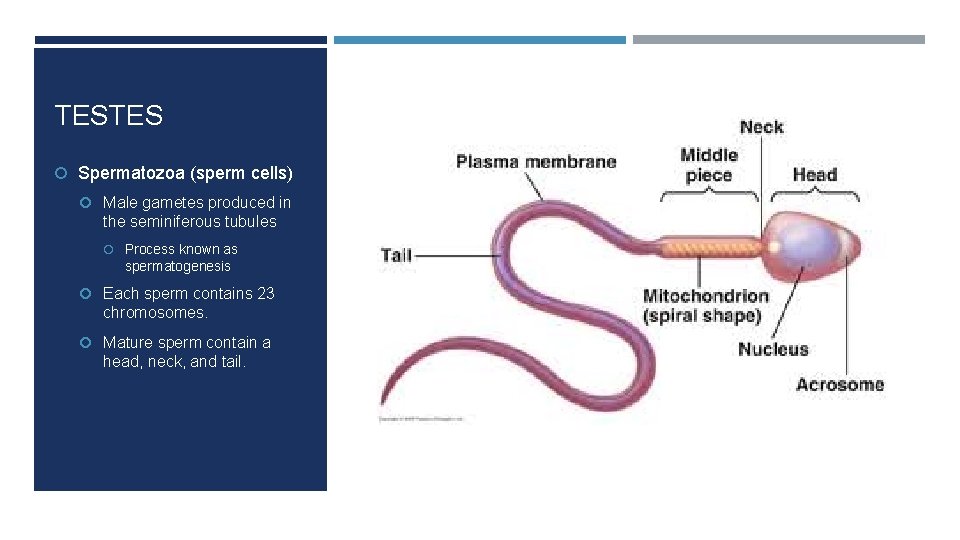
TESTES Spermatozoa (sperm cells) Male gametes produced in the seminiferous tubules Process known as spermatogenesis Each sperm contains 23 chromosomes. Mature sperm contain a head, neck, and tail.
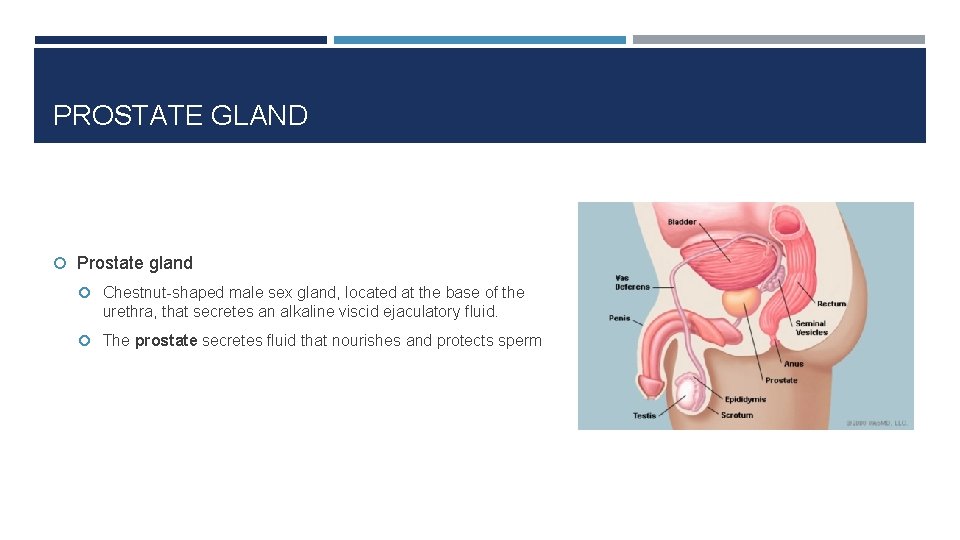
PROSTATE GLAND Prostate gland Chestnut-shaped male sex gland, located at the base of the urethra, that secretes an alkaline viscid ejaculatory fluid. The prostate secretes fluid that nourishes and protects sperm
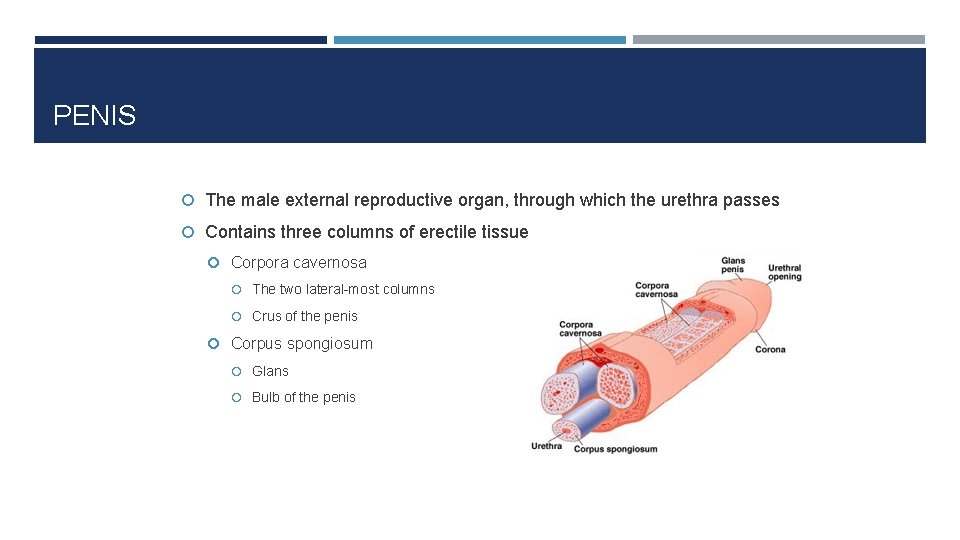
PENIS The male external reproductive organ, through which the urethra passes Contains three columns of erectile tissue Corpora cavernosa The two lateral-most columns Crus of the penis Corpus spongiosum Glans Bulb of the penis
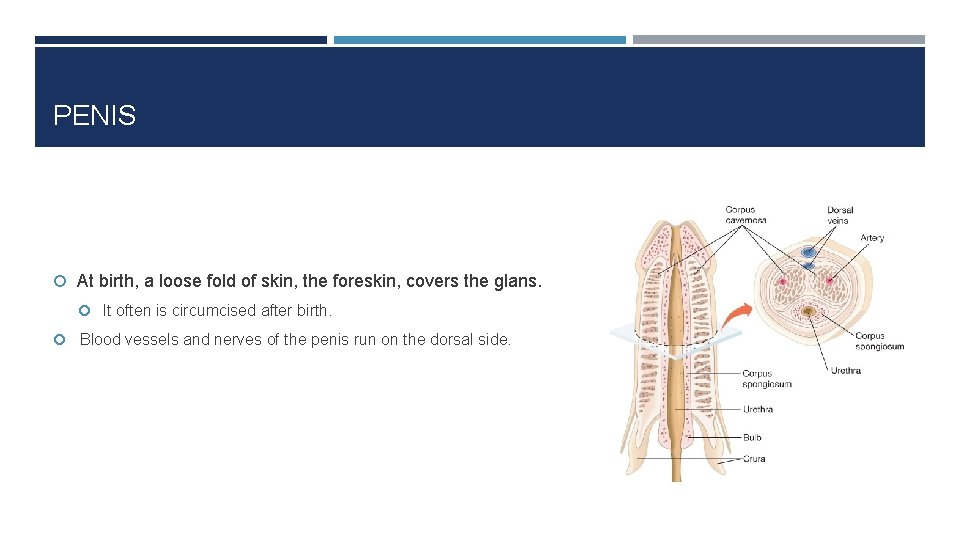
PENIS At birth, a loose fold of skin, the foreskin, covers the glans. It often is circumcised after birth. Blood vessels and nerves of the penis run on the dorsal side.
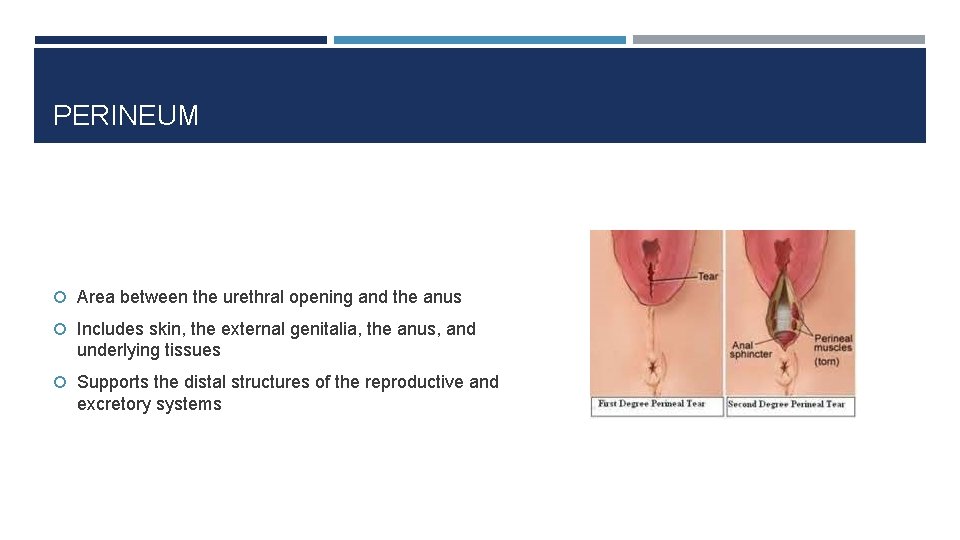
PERINEUM Area between the urethral opening and the anus Includes skin, the external genitalia, the anus, and underlying tissues Supports the distal structures of the reproductive and excretory systems
PREGNANCY Fertilization Occurs when sperm and an ovum meet in the fallopian tube The zygote that results moves through the fallopian tube toward the uterus. At the same time, it undergoes progressive cell divisions. When the zygote contains approximately 32 cells, it usually implants into the uterine wall.
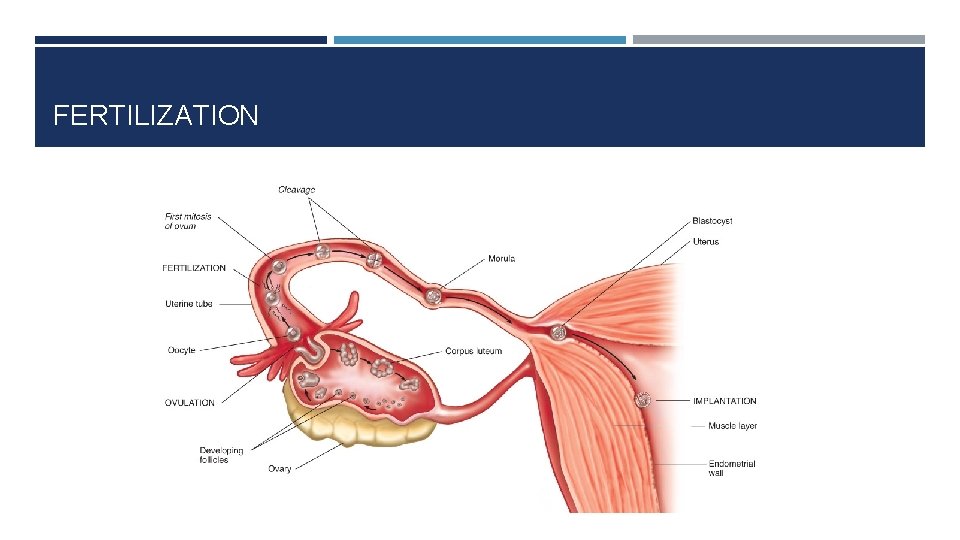
FERTILIZATION
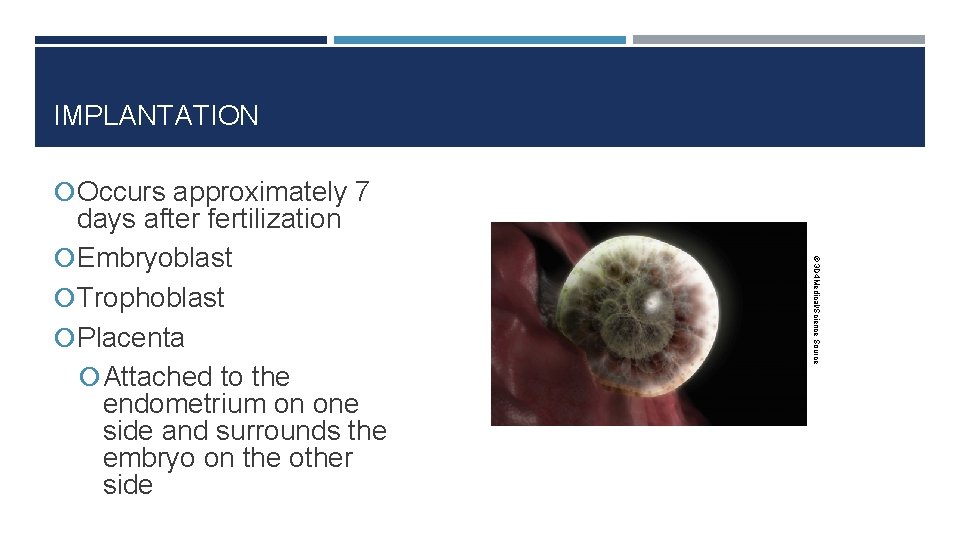
IMPLANTATION Occurs approximately 7 © 3 D 4 Medical/Science Source days after fertilization Embryoblast Trophoblast Placenta Attached to the endometrium on one side and surrounds the embryo on the other side
GESTATION Gestation is the process of fetal development Stimulated by production of the hormone h. CG by the trophoblast Human chorionic gonadotropin (h. CG) Hormone that stimulates the corpus luteum to produce progesterone Essential for normal continuation of the pregnancy Process of fetal development following fertilization of an egg First week of gestation Fertilized egg moves along the fallopian tube, dividing continuously, and implants into the uterine wall Normal human gestation period is 266 days
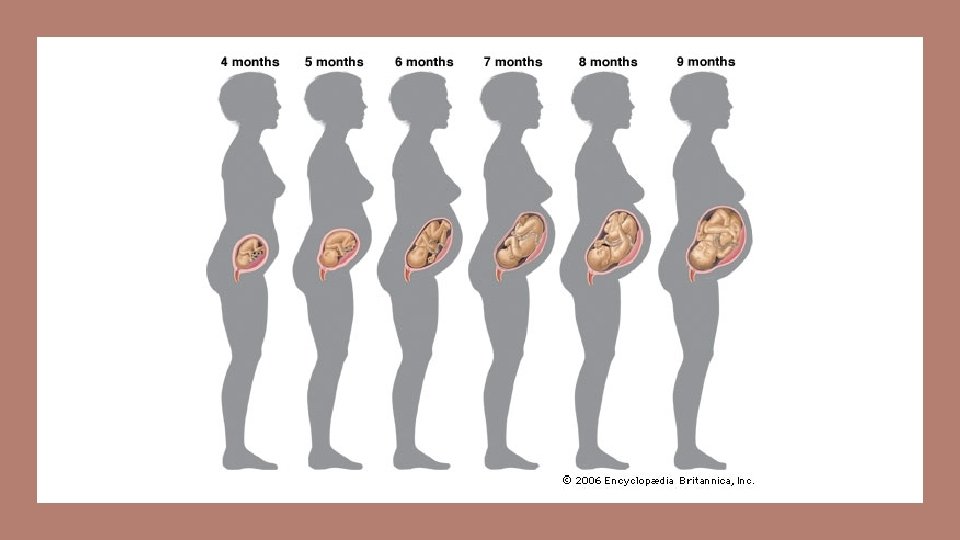
GESTATION Divided into three trimesters First trimester Extends to week 12 Major events include: A positive pregnancy test result Palpable uterine fundus at the pubic symphysis at week 12 Audible fetal heart tones noted on Doppler ultrasound
GESTATION Second week of gestation The amniotic membranes develop to form the amniotic sac The placenta and membranes that surround and protect the developing embryo Amniotic sac The sac formed from the amniotic membranes
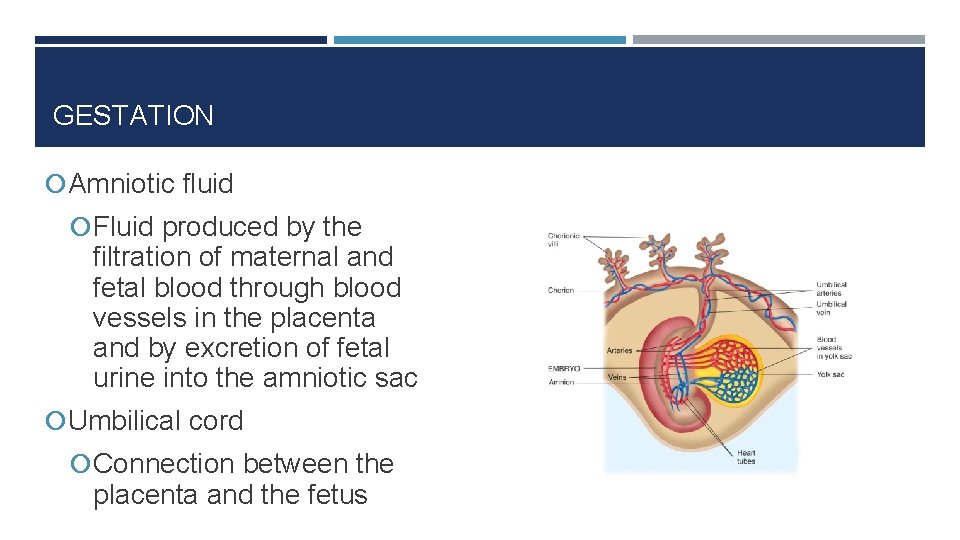
GESTATION Amniotic fluid Fluid produced by the filtration of maternal and fetal blood through blood vessels in the placenta and by excretion of fetal urine into the amniotic sac Umbilical cord Connection between the placenta and the fetus
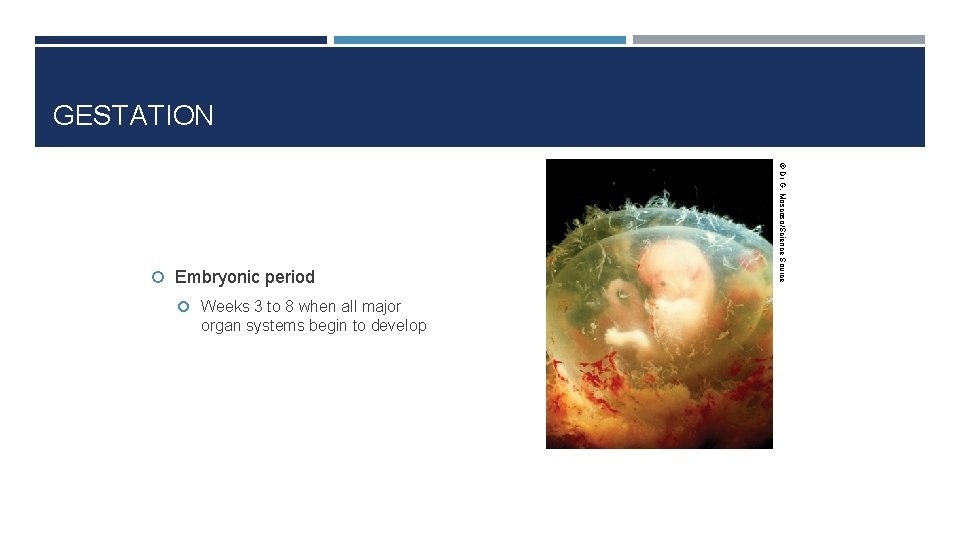
GESTATION Weeks 3 to 8 when all major organ systems begin to develop © Dr G. Moscoso/Science Source Embryonic period
GESTATION Second trimester Extends from week 13 through week 27 Major events include: Fetal heart tones become audible with a fetoscope Female and male fetal external genitalia may be distinguished by ultrasound Lungs become capable of respiration
GESTATION Third trimester Extends from week 28 until term, or week 40 Major events include: The presence of a papillary light reflex in the fetus Descent of the fetal head to the pelvic inlet Rupture of the fetal membranes
Scientists are still uncertain exactly what initiates labor Likely due to a combination of maternal and fetal stimuli LABOR Consists of three stages: First stage – uterine wall begins to contract and the cervix dilates Second stage – birth of the baby occurs Third stage – placenta is expelled
THE FETUS The lungs are fluid-filled and nonfunctioning All oxygen and carbon dioxide exchange takes place through the placenta Fetus is attached to the placenta by the umbilical cord Oxygenated blood from the mother's circulation Travels through the placenta, into the fetus Then back into the placenta Fetal waste diffuses into the mother's bloodstream for eventual excretion
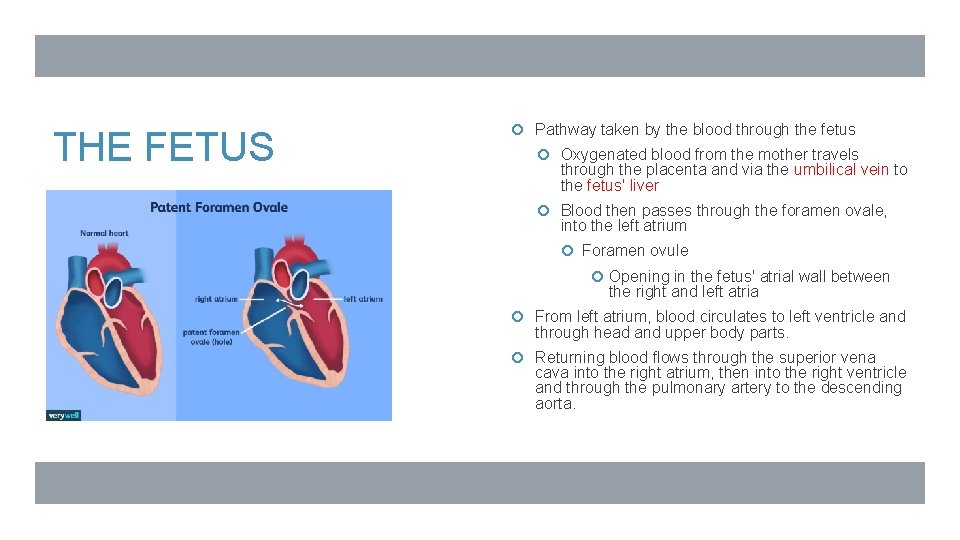
THE FETUS Pathway taken by the blood through the fetus Oxygenated blood from the mother travels through the placenta and via the umbilical vein to the fetus' liver Blood then passes through the foramen ovale, into the left atrium Foramen ovule Opening in the fetus' atrial wall between the right and left atria From left atrium, blood circulates to left ventricle and through head and upper body parts. Returning blood flows through the superior vena cava into the right atrium, then into the right ventricle and through the pulmonary artery to the descending aorta.
THE FETUS From the descending aorta, blood circulates through the lower body parts. Blood that flows through the umbilical arteries back to the placenta carries the fetal waste.
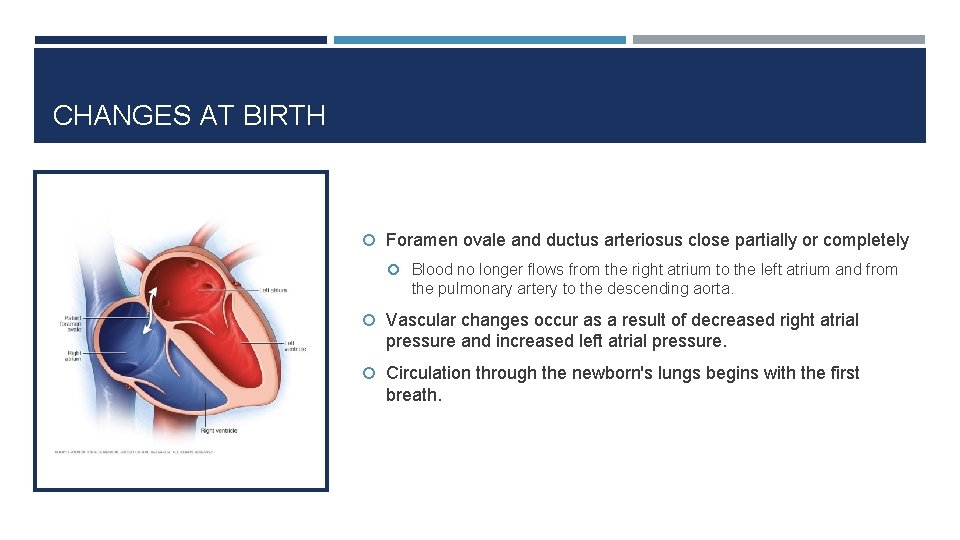
CHANGES AT BIRTH Foramen ovale and ductus arteriosus close partially or completely Blood no longer flows from the right atrium to the left atrium and from the pulmonary artery to the descending aorta. Vascular changes occur as a result of decreased right atrial pressure and increased left atrial pressure. Circulation through the newborn's lungs begins with the first breath.
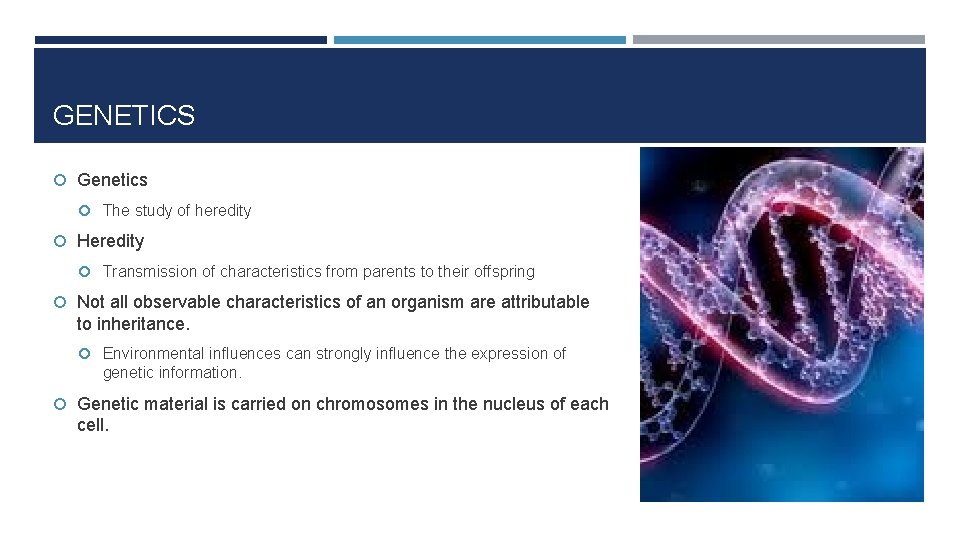
GENETICS Genetics The study of heredity Heredity Transmission of characteristics from parents to their offspring Not all observable characteristics of an organism are attributable to inheritance. Environmental influences can strongly influence the expression of genetic information. Genetic material is carried on chromosomes in the nucleus of each cell.
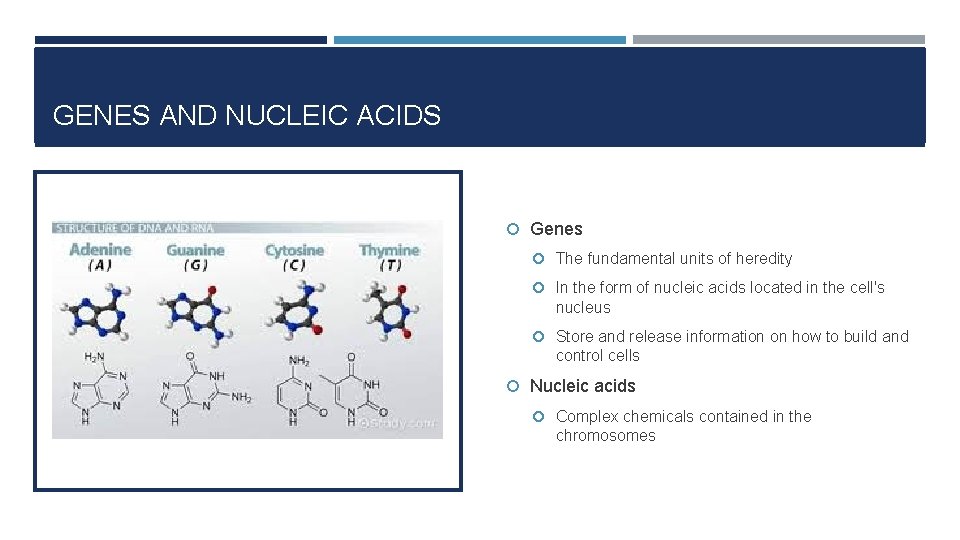
GENES AND NUCLEIC ACIDS Genes The fundamental units of heredity In the form of nucleic acids located in the cell's nucleus Store and release information on how to build and control cells Nucleic acids Complex chemicals contained in the chromosomes
GENES AND NUCLEIC ACIDS Deoxyribonucleic acid (DNA) Complex chemical that carries the so-called genetic code Ribonucleic acid (RNA) Made from DNA in the cell's nucleus RNA then moves to the cytoplasm of the cell The central dogma of life Hypothesis ascribed to Francis Crick “DNA leads to RNA, which leads to proteins, which leads to cells”
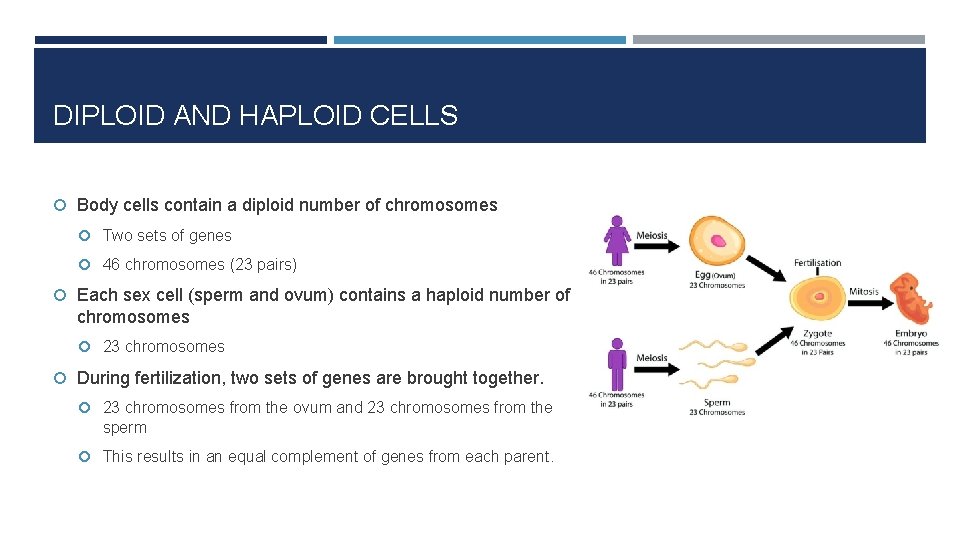
DIPLOID AND HAPLOID CELLS Body cells contain a diploid number of chromosomes Two sets of genes 46 chromosomes (23 pairs) Each sex cell (sperm and ovum) contains a haploid number of chromosomes 23 chromosomes During fertilization, two sets of genes are brought together. 23 chromosomes from the ovum and 23 chromosomes from the sperm This results in an equal complement of genes from each parent.
AUTOSOMAL AND SEX-LINKED TRAITS Body cells and sex cells contain two different types of chromosomes Autosomes carry genes that code for numerous body proteins independent of sex Sex chromosomes code for proteins that determine sex, as well as for other proteins Two sex chromosomes X Y
AUTOSOMAL AND SEX-LINKED TRAITS Each ovum contains one X chromosome Each spermatocyte contains either an X or a Y chromosome Once fertilized, the zygote can have: Two X chromosomes (XX) = female embryo X and Y chromosome (XY) = male embryo
AUTOSOMAL AND SEX-LINKED TRAITS Traits are classified by the type of chromosome on which they reside. Autosomal-linked traits reside in genes located on autosomes. Sex-linked traits reside in genes located on the sex chromosomes.
ALLELES AND TRAITS Allele Each single gene contributed by one parent for any particular characteristic For many inherited features, there may be more than one potential allele. Each parent contributes one gene (allele) for each inherited characteristic. Recessive trait Dominant trait
ALLELES AND TRAITS Letters are used to indicate various alleles The dominant allele is written in upper case. The recessive allele is written in lower case. Each gamete carries one allele. The fertilized egg has two alleles. One allele from each parental gamete
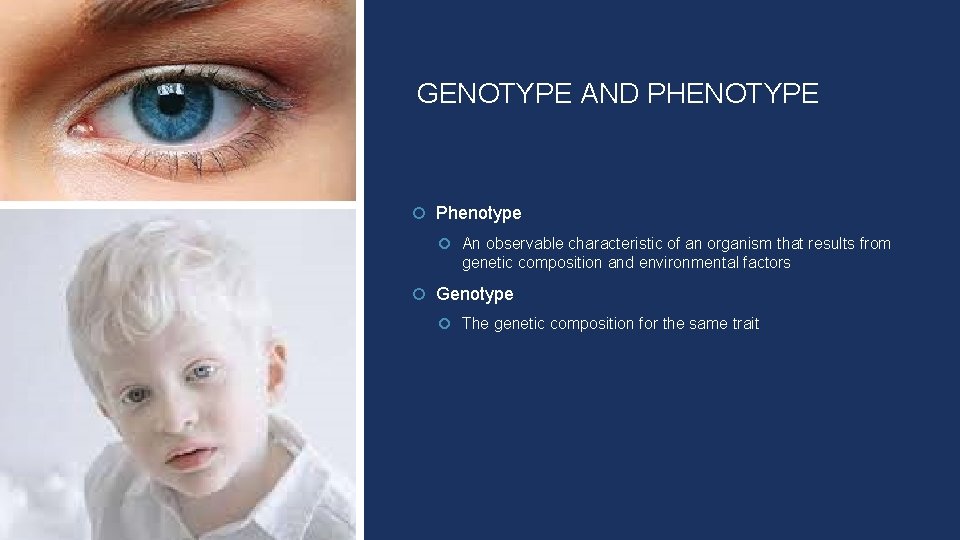
GENOTYPE AND PHENOTYPE Phenotype An observable characteristic of an organism that results from genetic composition and environmental factors Genotype The genetic composition for the same trait
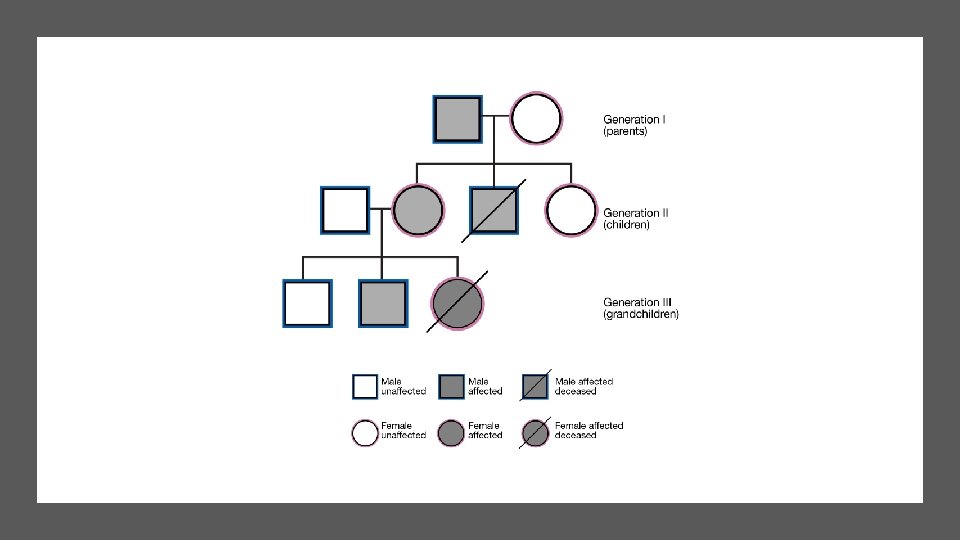
GENOTYPE AND PHENOTYPE Dominant trait If either or both dominant alleles are present in the genotype, the trait has an observable phenotype Recessive trait/characteristic Only visible clinically (have an observable phenotype) when the genotype is composed of two recessive alleles for that particular trait
REF. https: //www. youtube. com/watch? v=RFDat. Cchpus&t=2 s (Female reproductive) https: //www. youtube. com/watch? v=-XQcn. O 4 i. X_U&t=3 s (Male reproductive) https: //www. youtube. com/watch? v=SUd. AEGXLO-8&t=3 s (Sex & fertilization) https: //www. youtube. com/watch? v=Bts. Sb. Z 85 yi. Q&t=3 s (pregnancy & development)
- Slides: 56