
The Renaissance in Italy Setting the Stage BRING
The Renaissance in Italy
Setting the Stage: • BRING ON THE CHANGE: • Middle Ages failed the people: – Wars ravaged nations – Plague was disastrous and killed many • The Church was questioned • In N Italy—writers and artists expressed the topics in paintings and stories with new style
The Renaissance • Meaning: – Rebirth – “revival of art and learning” • Started in Northern Italy – Thriving cities – Wealthy merchant class – Classical heritage (Greece and Rome) • Strived to revive the culture of classical Greece and Rome, but instead created new culture
Medici Bank and Family • 1397 -1494 • the most respected bank of its time during its prime • Was based in Florence, then spread to parts of Italy and Europe • Because of wealth, became politically powerful in Florence, then throughout Europe (in different forms) • Ex: two queen regents of France

The Medici Influence Giovanni di Bicci de’ Medici—founded to Medici Bank Catherine de’ Medici, regent of France— 1547 -1559 Maria de’ Medici, regent of France— 1600 -1610
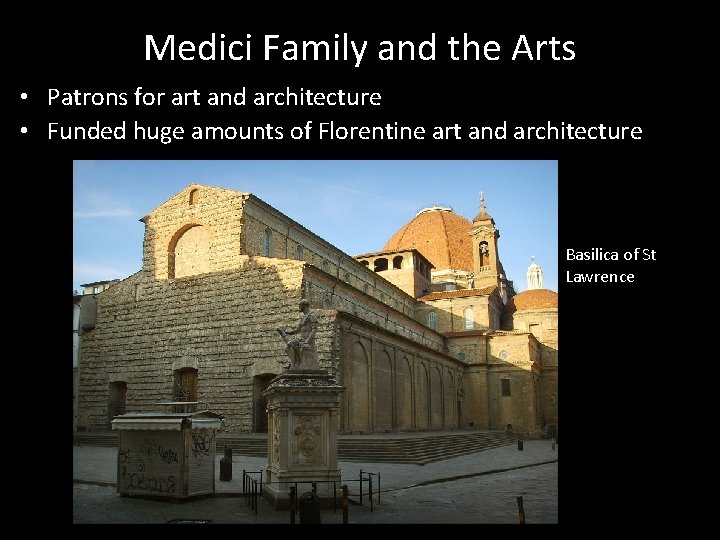
Medici Family and the Arts • Patrons for art and architecture • Funded huge amounts of Florentine art and architecture Basilica of St Lawrence
Changing Values • Humanism— – Study of classical texts led to this – Focus of human potential, importance of individuality and achievements – The HUMANITIES: • History, literature, philosophy
Changing Values • Arts— – Patrons: the wealthy, church leaders, other important figures • Pleasure— – God did not mind people enjoying luxuries – Still mostly devout Catholics, but became secular Secular—worldly, rather than spiritual
Changing Values • Upper class Men and Women— – Men: • Create art and push for excellence in education • “universal man” or “renaissance man” • Arts and education: charming, witty, well educated, dance, sing, play music and write poetry. • Physical: skilled rider, wrestler and swordsman
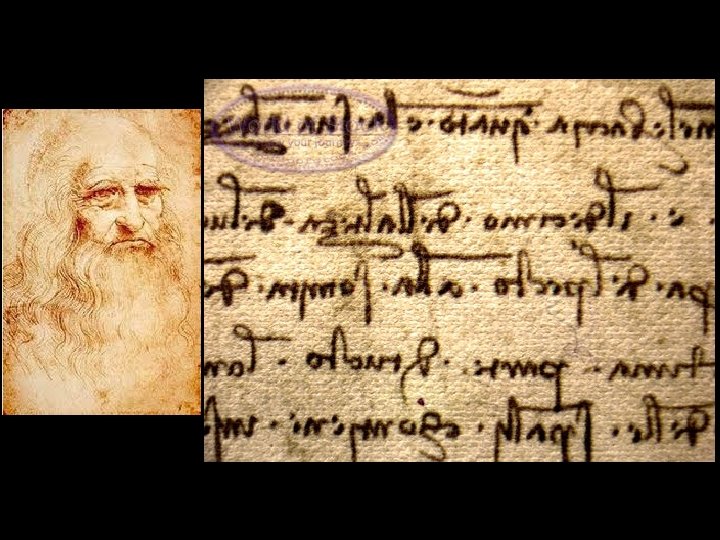
“Renaissance Man” • A man who is a master of many different important areas of study • Examples: • Leonardo da Vinci—painter, sculptor, inventor, scientist (always called “The Renaissance Man” • Michelangelo Buonarroti—painter, sculptor, architect, and poet
Changing Values • Upper class Men and Women: – Women: • Not expected to seek fame, but instead expected to inspire and support art (patronize) • Seek well rounded education and charm
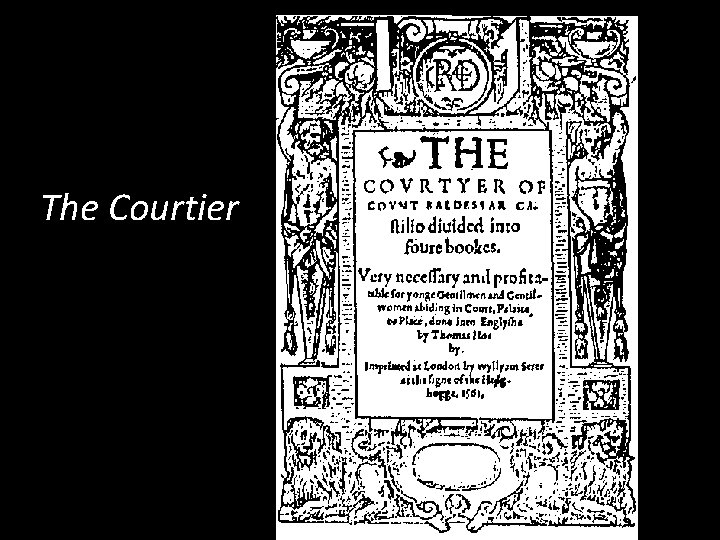
The Courtier
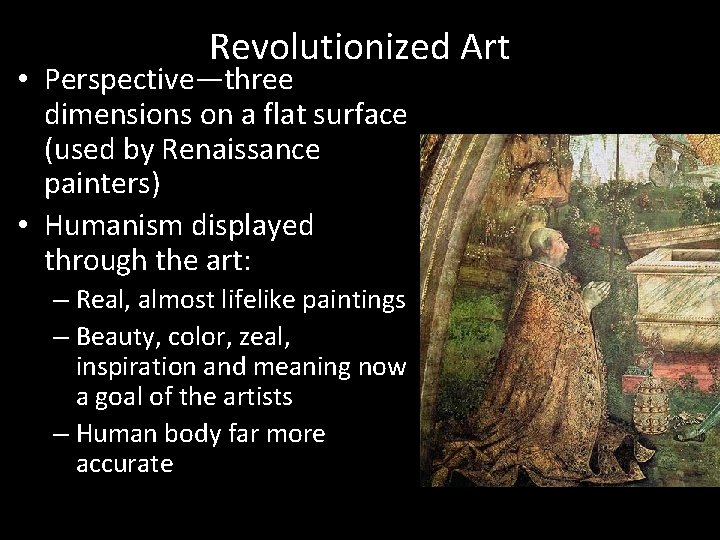
Revolutionized Art • Perspective—three dimensions on a flat surface (used by Renaissance painters) • Humanism displayed through the art: – Real, almost lifelike paintings – Beauty, color, zeal, inspiration and meaning now a goal of the artists – Human body far more accurate
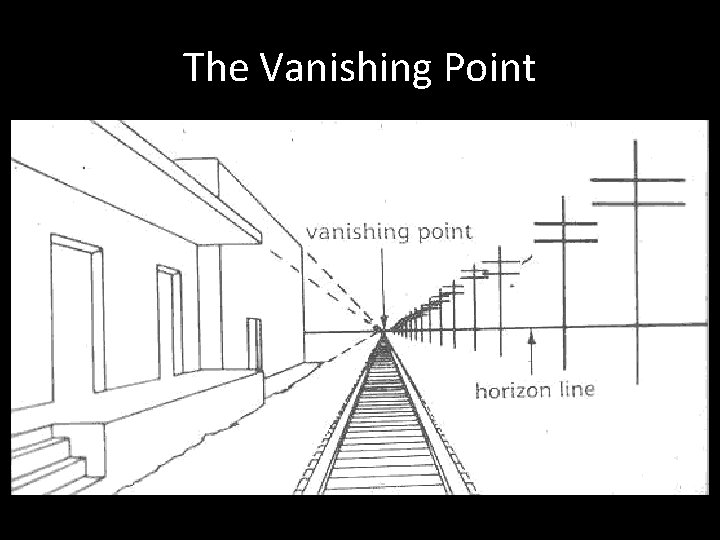
The Vanishing Point
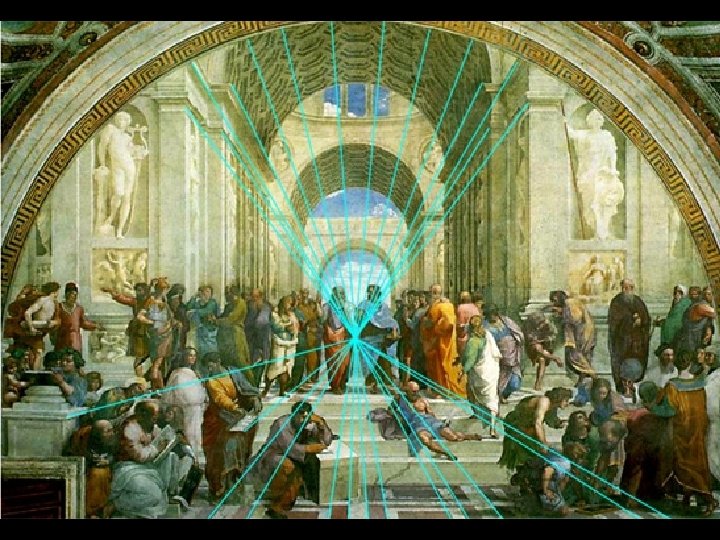

• http: //www. youtube. com/watch? v=4 mg. SPi. Ai Bj. U--This is the Renaissance
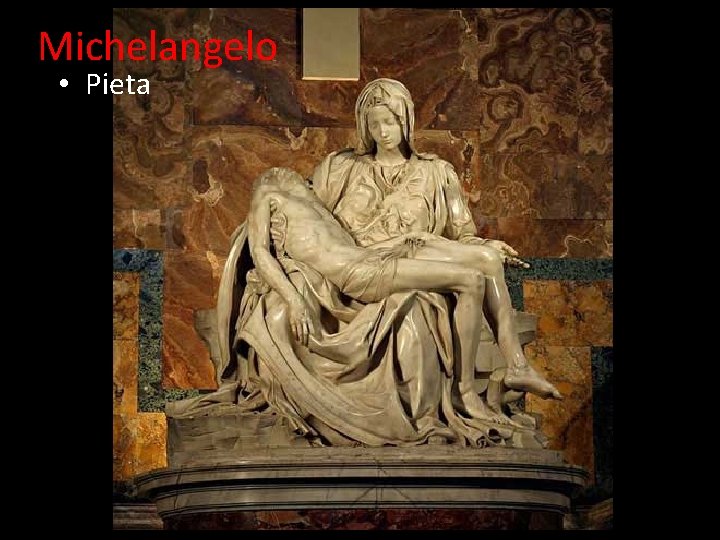
Michelangelo • Pieta
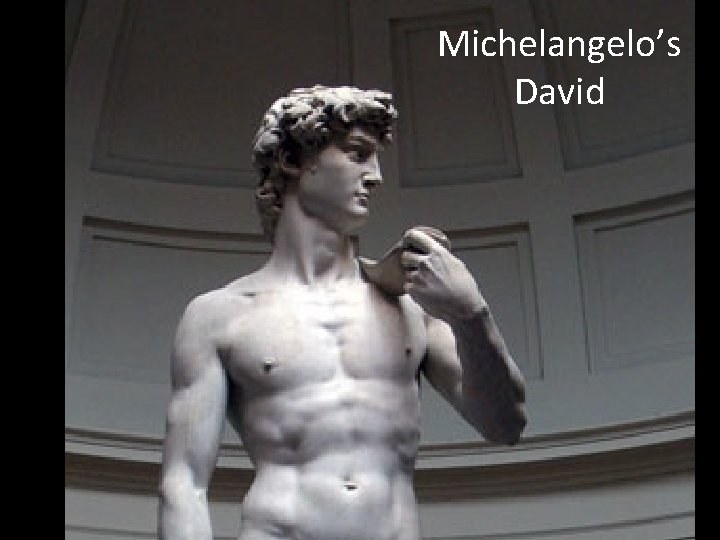
Michelangelo’s David
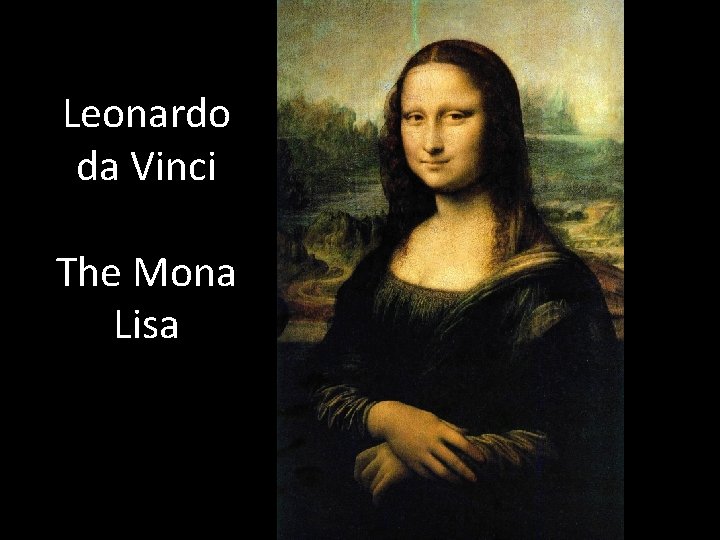
Leonardo da Vinci The Mona Lisa
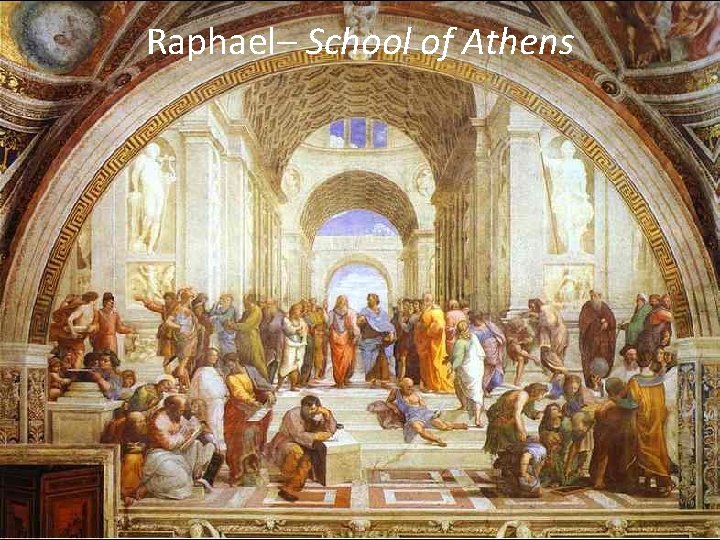
Raphael– School of Athens
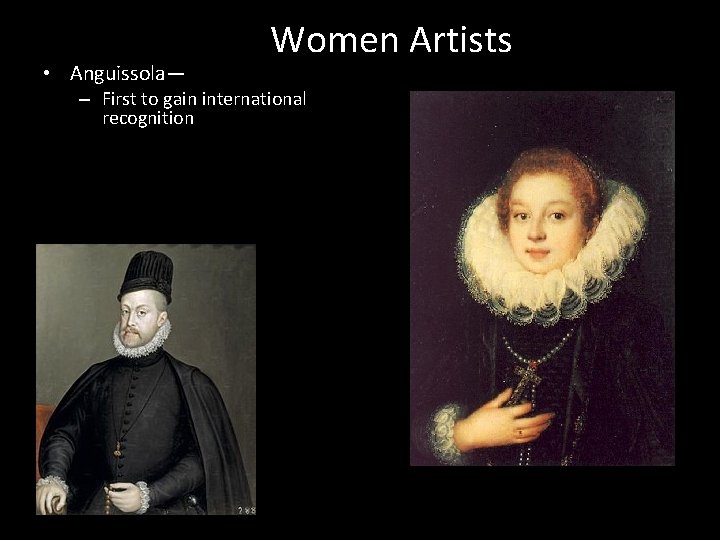
• Anguissola— Women Artists – First to gain international recognition
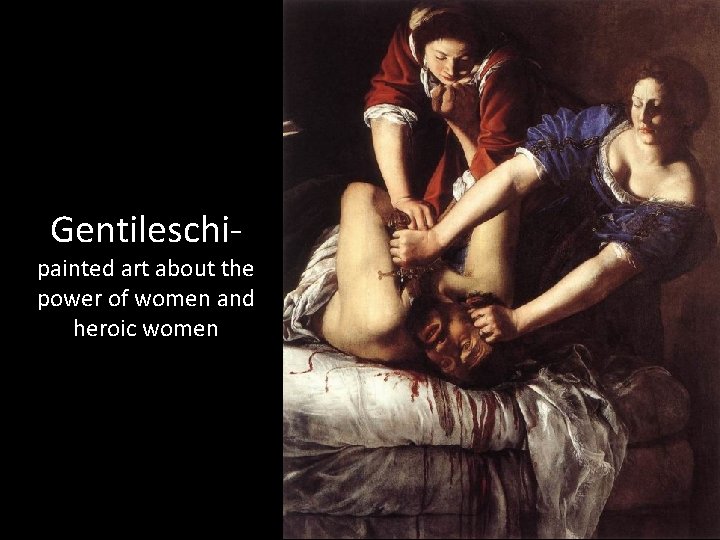
Gentileschi- painted art about the power of women and heroic women
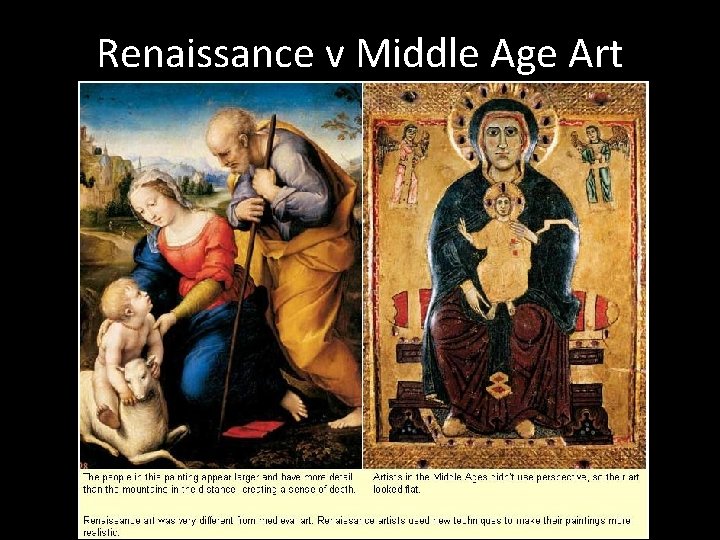
Renaissance v Middle Age Art
Revolutionized Writing • Vernacular writing vs Latin • Vernacular = native language • Dante did this in Middle Ages, most Renaissance writers adopted this
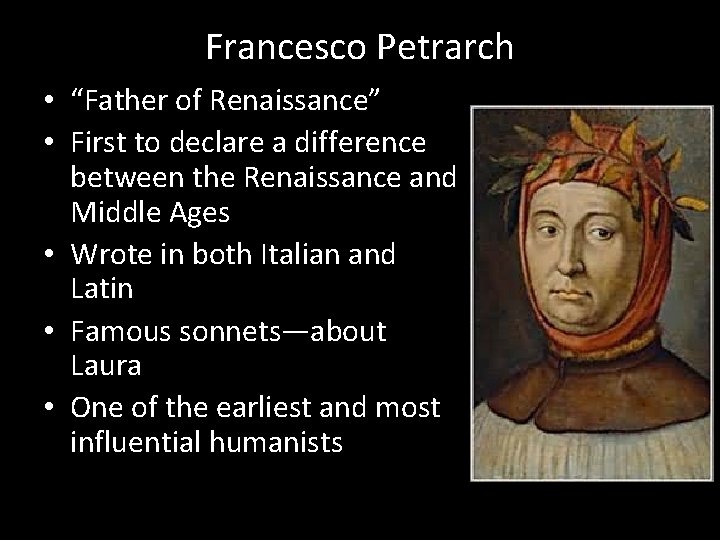
Francesco Petrarch • “Father of Renaissance” • First to declare a difference between the Renaissance and Middle Ages • Wrote in both Italian and Latin • Famous sonnets—about Laura • One of the earliest and most influential humanists
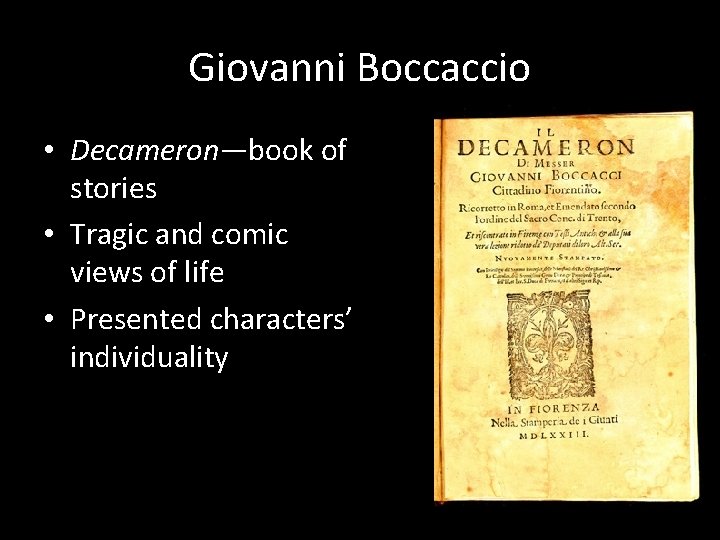
Giovanni Boccaccio • Decameron—book of stories • Tragic and comic views of life • Presented characters’ individuality
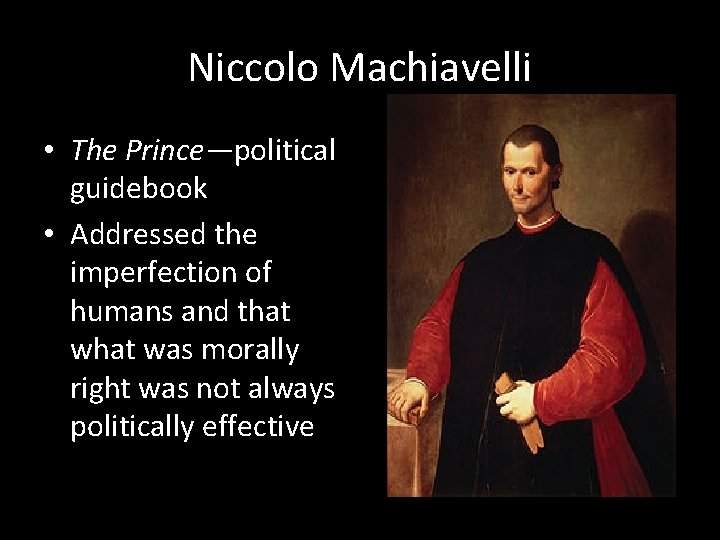
Niccolo Machiavelli • The Prince—political guidebook • Addressed the imperfection of humans and that was morally right was not always politically effective
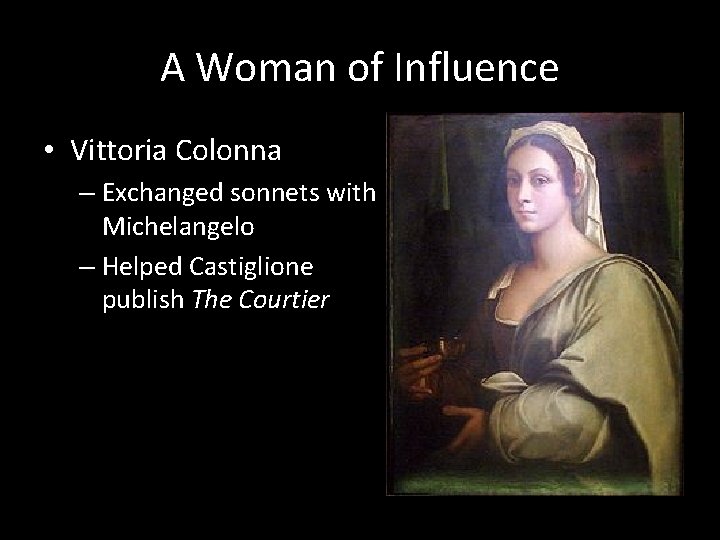
A Woman of Influence • Vittoria Colonna – Exchanged sonnets with Michelangelo – Helped Castiglione publish The Courtier
Results of Italian Renaissance • New art and literature styles • New values—importance of individual
The Renaissance Spreads North
THE NORTHERN RENAISSANCE HANDOUT
• 1. Why does the Renaissance matter now? • Renaissance ideas are a strong part of modern thought (ex: importance of individual) • 2. How did Leonardo da Vinci, Michelangelo, and Raphael show the Renaissance spirit in their art? • Demonstrated—interest in classical culture, curiosity about the world, belief in human potential • 3. What types of people would visit Italy, return to their homeland spread the Renaissance beyond Italy? • Scholars, students and merchants
• 4. Why did European population decline in the late 1300 s? • The bubonic plague • 5. What two countries fought in the Hundred Years’ War? • England France • 6. As wealth increased in Northern Europe, so did _______________. • Patronage • PATRON: a person who gives financial or other support to a person, organization, cause, or activity
• 7. Northern traditions made the Italian Renaissance and Northern Renaissance slightly different. One example of a difference between artists was that northern artists were interested in ______. • Realism (the style of representing familiar things as they actually are ) • 8. Why did some Italian artists leave Italy for Northern Europe? • 1494—French king claimed throne of Naples (southern Italy), war ensued in Northern Italy, artists fled. • MORE SPECIFICALLY—This was the First Italian War of Charles VIII’s Italian War.
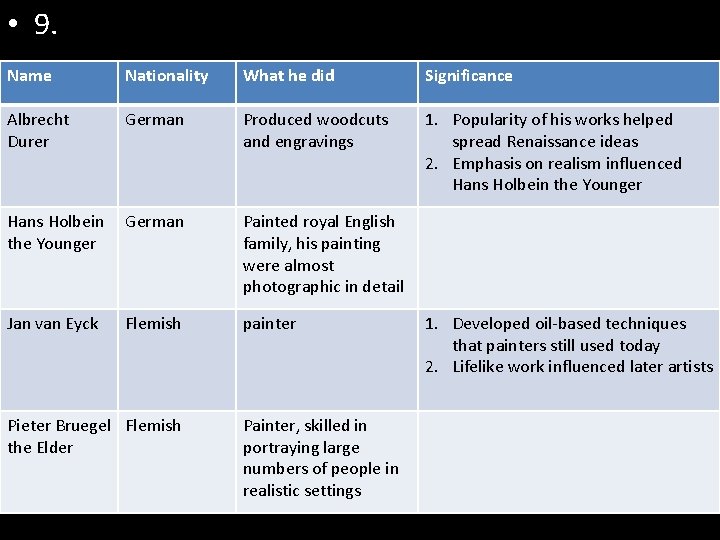
• 9. Name Nationality What he did Significance Albrecht Durer German Produced woodcuts and engravings 1. Popularity of his works helped spread Renaissance ideas 2. Emphasis on realism influenced Hans Holbein the Younger German Painted royal English family, his painting were almost photographic in detail Jan van Eyck Flemish painter Pieter Bruegel Flemish the Elder Painter, skilled in portraying large numbers of people in realistic settings 1. Developed oil-based techniques that painters still used today 2. Lifelike work influenced later artists
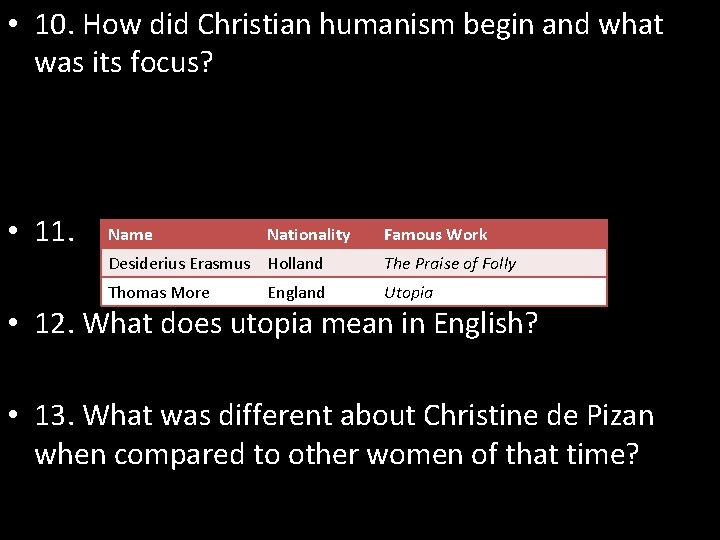
• 10. How did Christian humanism begin and what was its focus? • Northern humanists were critical of the failure of the church, producing a new movement. Focus = reform of society Nationality Famous Work • 11. Name Desiderius Erasmus Holland The Praise of Folly Thomas More Utopia England • 12. What does utopia mean in English? • Ideal place • 13. What was different about Christine de Pizan when compared to other women of that time? • Highly educated and earned living as a writer
• 14. Using the excerpt of The Book of The City of Ladies, in your own words, explain what she is saying. • Not all opinions of men are right, women are being held back and this is because of men and, etc • 15. The Renaissance in England is known as the ____________named after who? • Elizabethan Age, named after Queen Elizabeth I • 16. Who was the most famous writer of this time? List three of his most famous plays. • William Shakespeare (Macbeth, Hamlet, Othello, Romeo and Juliet, King Lear, A Midsummer Night’s Dream, The Taming of the Shrew)
• 17. Why was movable type practical for Europeans but not the Chinese? • The Chinese had thousands of letters, but Europeans had only a small amount • 18. Why was Gutenberg’s printing press significant? • Enabled one man to produce hundreds of copies, making books cheap enough so that many people could buy them • 19. The European Renaissance shifted focus from around the __________ and also gave rise of _________. • Church, democratic ideas
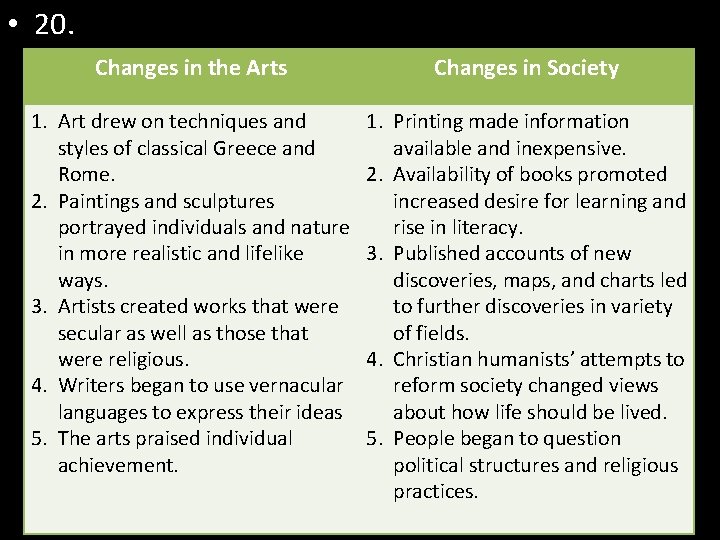
• 20. Changes in the Arts Changes in Society 1. Art drew on techniques and styles of classical Greece and Rome. 2. Paintings and sculptures portrayed individuals and nature in more realistic and lifelike ways. 3. Artists created works that were secular as well as those that were religious. 4. Writers began to use vernacular languages to express their ideas 5. The arts praised individual achievement. 1. Printing made information available and inexpensive. 2. Availability of books promoted increased desire for learning and rise in literacy. 3. Published accounts of new discoveries, maps, and charts led to further discoveries in variety of fields. 4. Christian humanists’ attempts to reform society changed views about how life should be lived. 5. People began to question political structures and religious practices.
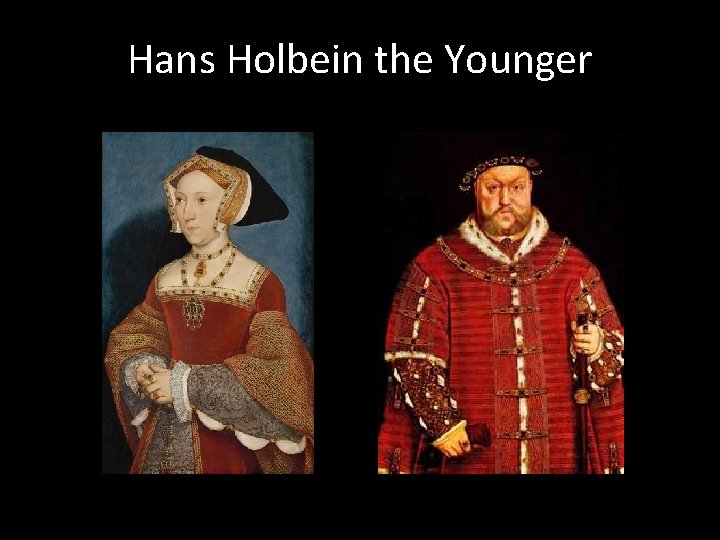
Hans Holbein the Younger
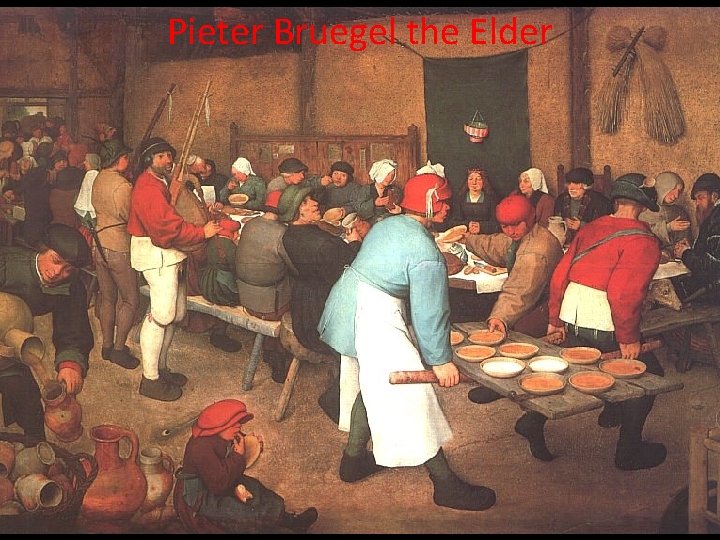
Pieter Bruegel the Elder
- Slides: 42