
The Renaissance 1350 1600 It had long since
- Slides: 58
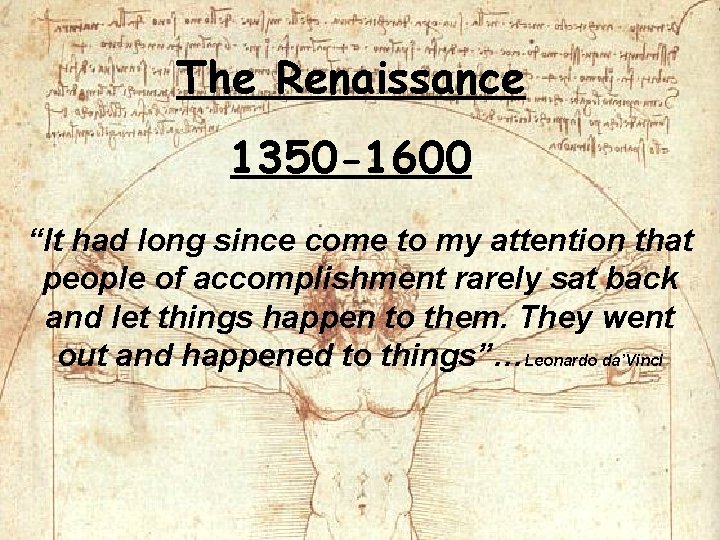
The Renaissance 1350 -1600 “It had long since come to my attention that people of accomplishment rarely sat back and let things happen to them. They went out and happened to things”…Leonardo da’Vinci
A Return to a Time of Cultural Prosperity The Renaissance (French for "rebirth”) was a cultural movement that spanned roughly from AD 1350 to 1600, beginning in Florence Italy during the Late Middle Ages and later spread to the rest of Europe.
A Return to a Time of Cultural Prosperity As a cultural movement, the Renaissance encompassed a revival of learning based on knowledge from Classical Greece & Rome This intellectual transformation has resulted in the Renaissance being viewed as a bridge between the Middle Ages and the Modern era.
A Return to a Time of Cultural Prosperity Although the Renaissance saw changes in many intellectual areas, as well as social and political upheaval, it is perhaps best known for its artistic developments and contributions.
A New Way of Thinking Beginning in Italy and spreading to the rest of Europe by the 16 th century, Renaissance influence affected literature, philosophy, art, politics, science, religion, and other aspects of intellectual inquiry.
A New Way of Thinking In all, the Renaissance could be looked at as an attempt by intellectuals (the educated) to study and improve the secular (nonreligious) view of the world
A New Way of Thinking Renaissance scholars employed a new way of thinking (the humanist method), where they searched for realism and human emotion in art and emphasized individualism & individual talents.
A New Way of Thinking Humanism was a deep interest in the achievement of man — both man’s past achievements as well as potential future achievements. For the first time, scholars did not try to connect classical writings to Christian teaching, rather, they tried to understand them on their own terms.
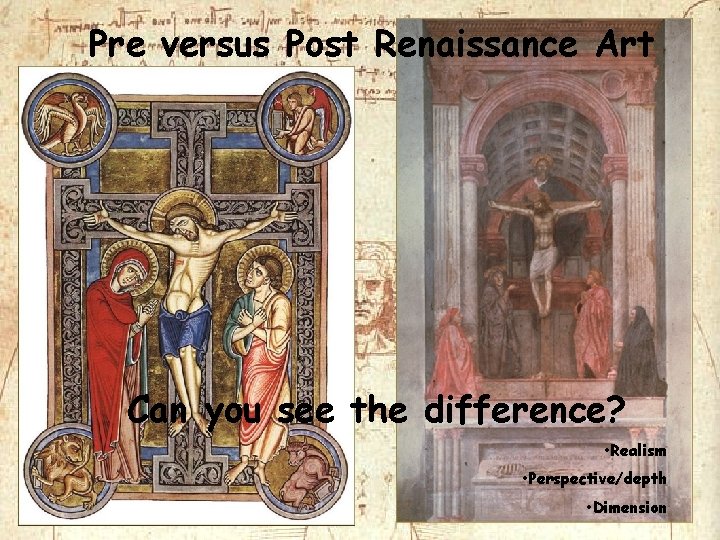
Pre versus Post Renaissance Art Can you see the difference? • Realism • Perspective/depth • Dimension
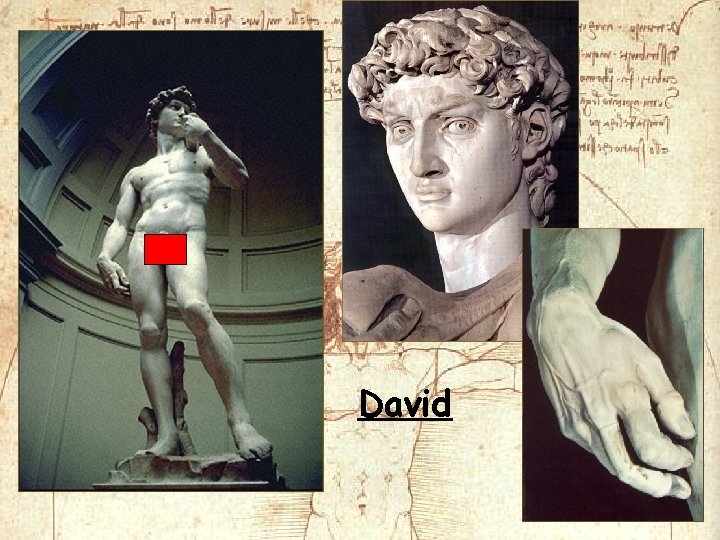
David
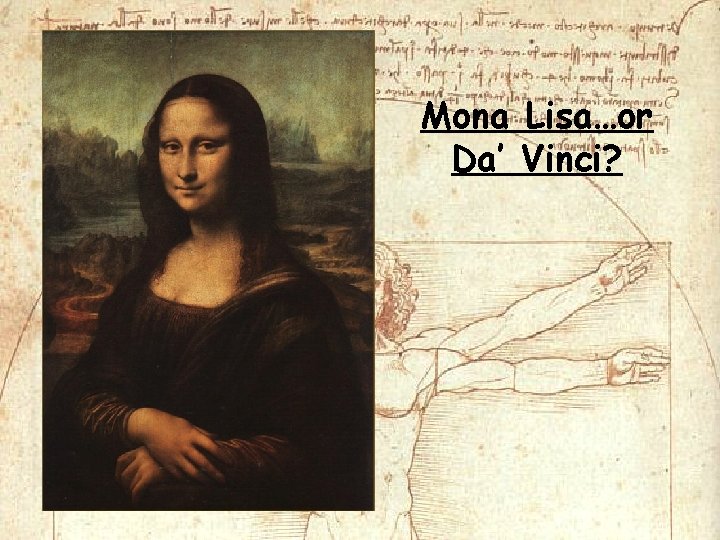
Mona Lisa…or Da’ Vinci?
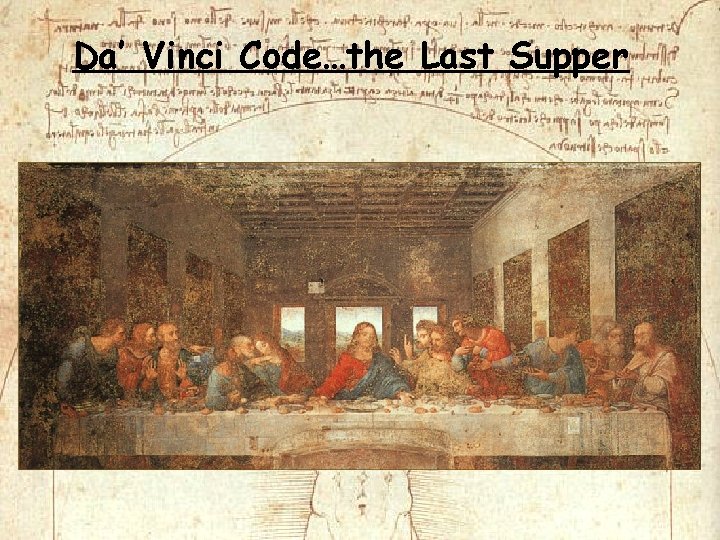
Da’ Vinci Code…the Last Supper
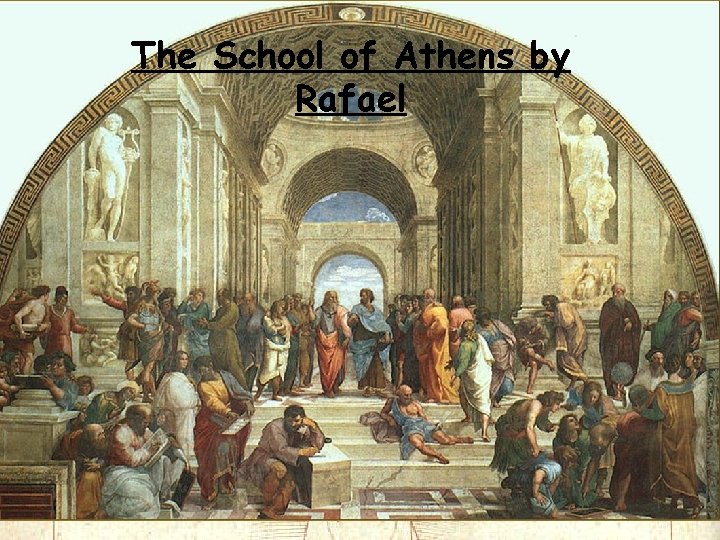
The School of Athens by Rafael
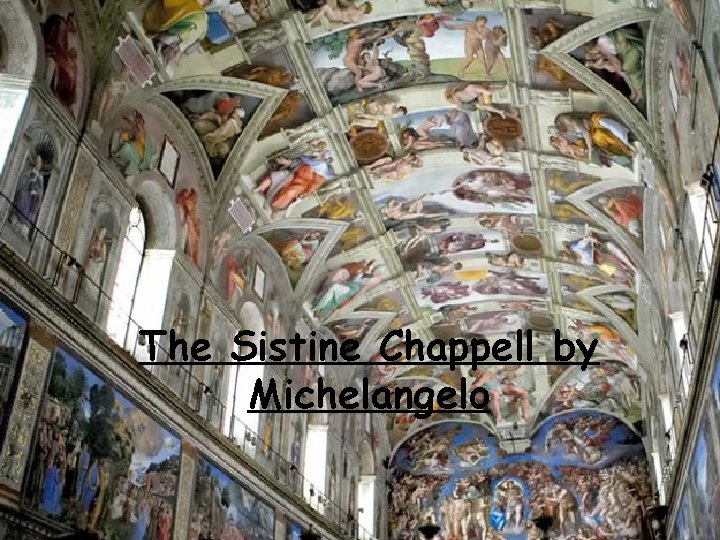
The Sistine Chappell by Michelangelo
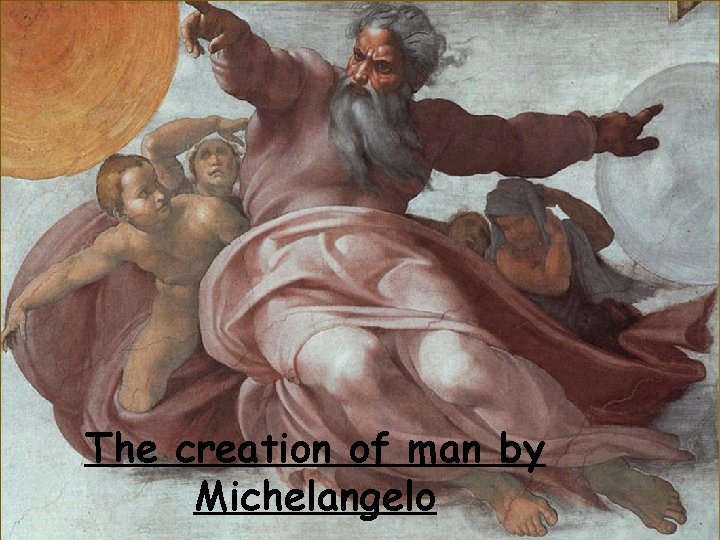
The creation of man by Michelangelo
Why Italy? Fifteenth-century Italy was one of the most urbanized areas in Europe. Many of its cities stood among the ruins of ancient Roman buildings; it seems likely that the classical nature of the Renaissance was linked to its origin in the Roman Empire's heartland. People were inspired by what man was possible of creating.
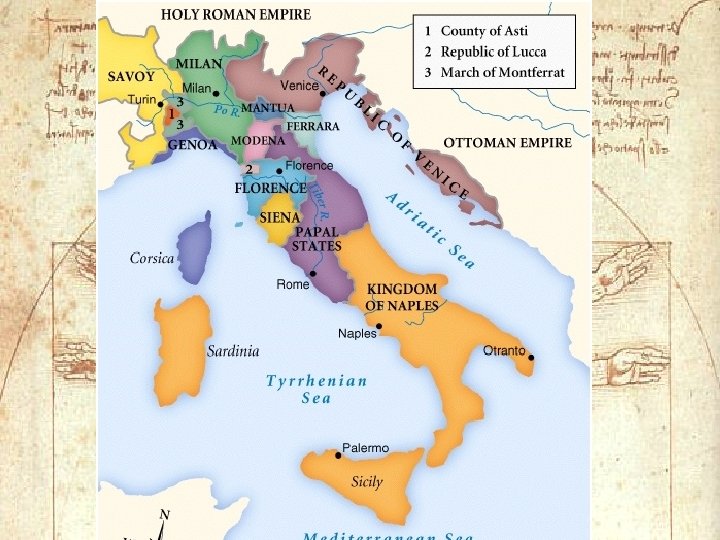
Why Italy? The unusual social climate in Italy allowed for the emergence of a rare cultural development. Italy was divided into smaller city states and territories: the Kingdom of Naples controlled the south, the Republic of Florence and the Papal States at the center, the Genoese and the Milanese to the north and west respectively, and the Venetians to the east.
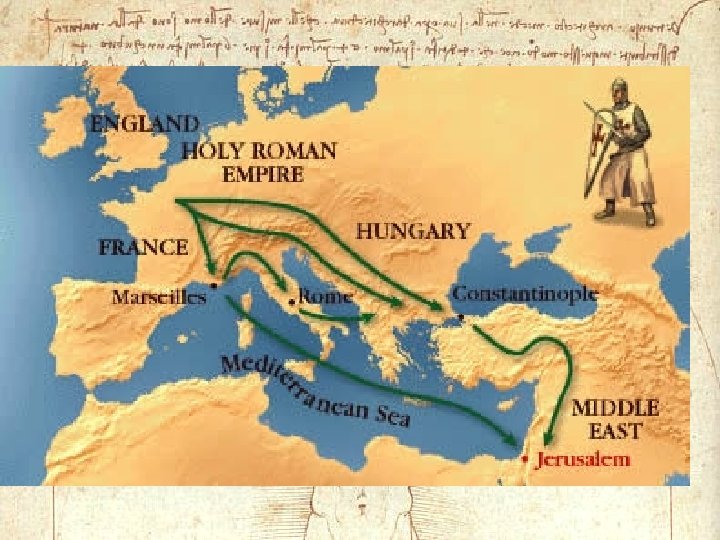
Why Italy? . During the Renaissance, money &art went hand in hand. Artists depended totally on patrons (those who buy art) while the patrons needed art show off their status. Wealth was brought to Italy in 14 th, 15 th and 16 th century by expanding trade into Asia and Europe & the increased flow of luxuries from the Eastern world brought during Crusades.
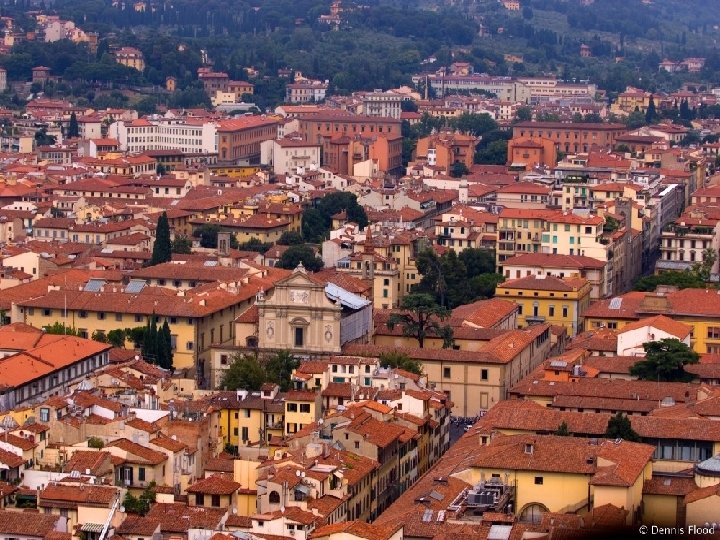
Why Florence Italy? In Florence, most historians recognize the role played by the de’ Medici (a banking and patronizing family) in stimulating the arts. Lorenzo de' Medici (1449– 1492) was the man behind an enormous amount of arts patronage and encouraged his countryman to buy works from Florence's leading artists.
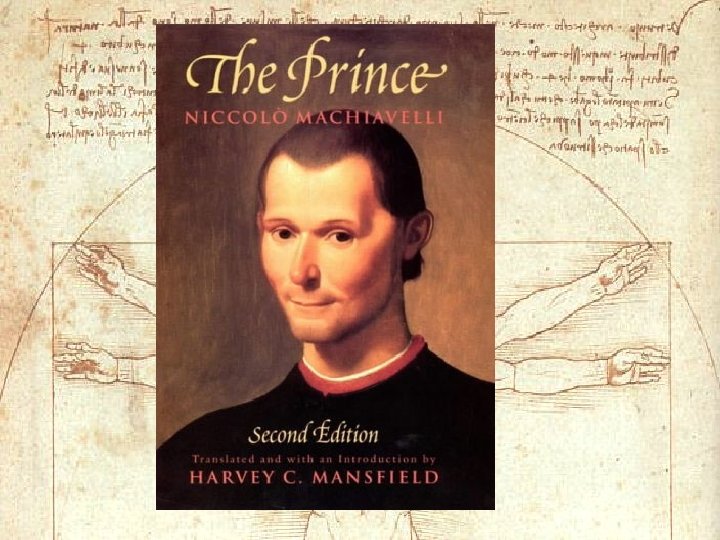
Niccolo Machiavelli? Like artists, writers also changed their subject matter. They began to express their own thoughts and feelings. Niccolo Machiavelli took a new approach to understanding government. He wrote a book called The Prince. He focused on telling rulers how to expand their power.
Niccolo Machiavelli? • He believed that it was better for a ruler to be feared than to be loved. • He also believed that the “ends justified the means” or that a ruler should do what was politically effective, even if it was illegal or not morally right to maintain power.
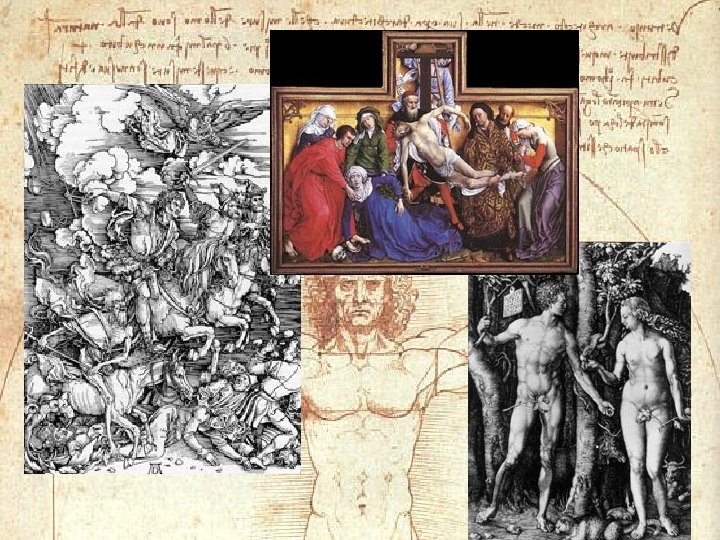
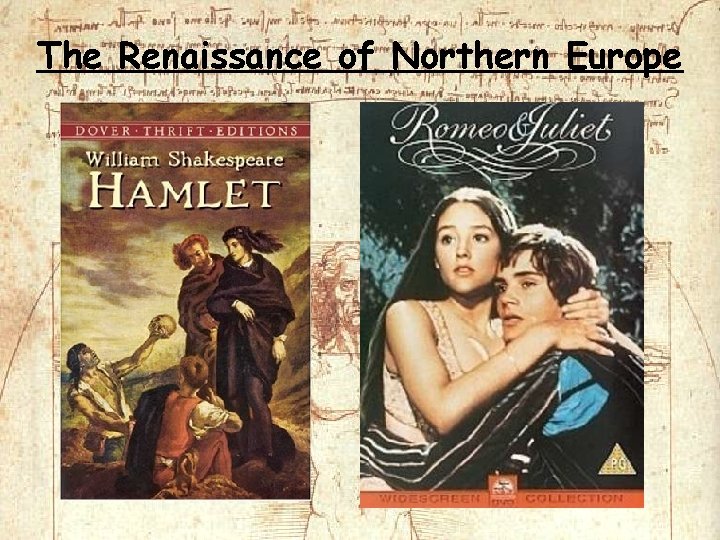
The Renaissance of Northern Europe By 1450, the bubonic plague was over in northern Europe and the Hundred Years’ War between France and England was ending. This allowed new ideas from Italy to spread to northern Europe were they quickly adopted. Here, too, rulers and merchants used their money to sponsor artists. But the Northern Renaissance had a difference, educated people combined classical learning with an interest in religious ideas too.
The Renaissance of Northern Europe Writers of the Northern Renaissance combined humanism with a deep Christian faith. They urged reforms in the Church, they tried to make people more devoted to God and they also wanted society to be more fair.
The Renaissance of Northern Europe
Legacy of the Renaissance One reason that learning spread so rapidly during the Renaissance was the improved version of the invention of movable type, Chinese printing.
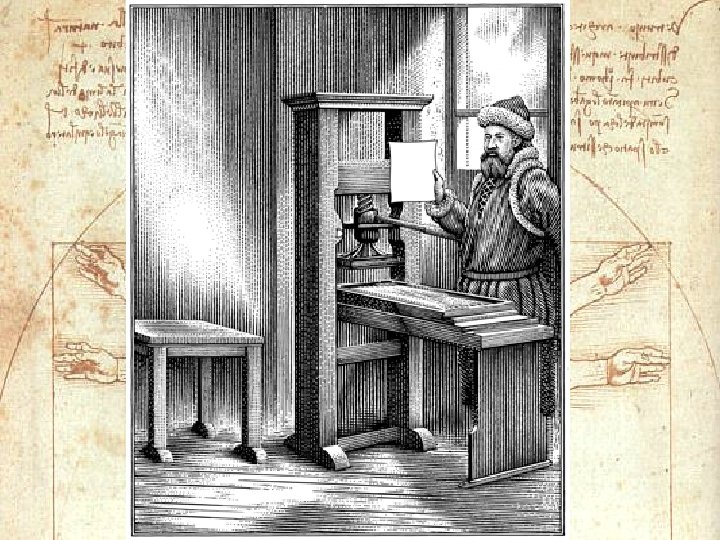
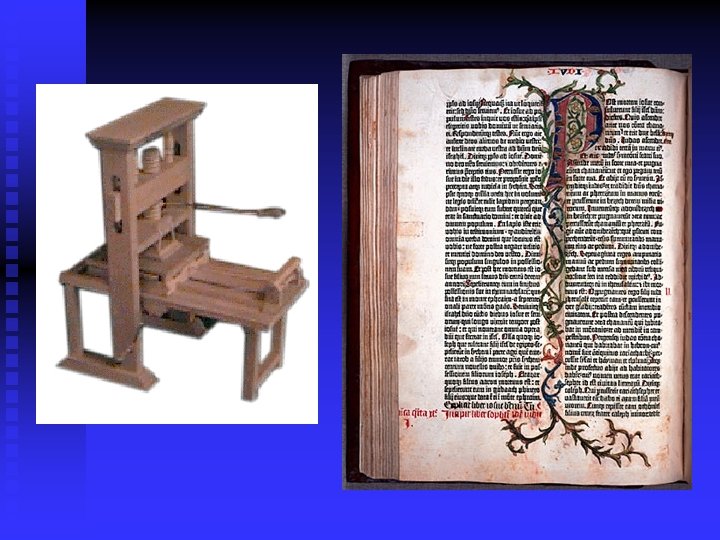
Legacy of the Renaissance • In 1440, a German, Johann Gutenberg, used this same practice to invent his printing press. He produced his first book — the Gutenberg Bible — in 1455 • By 1500, presses in Europe had printed nearly 10 million books
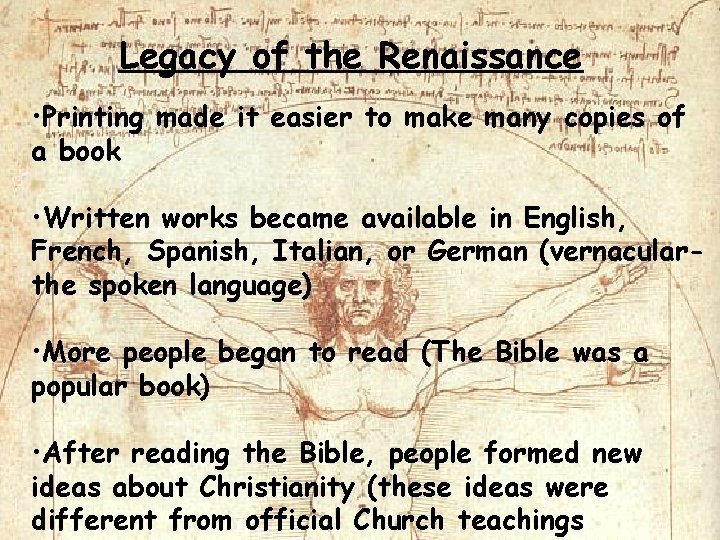
Legacy of the Renaissance • Printing made it easier to make many copies of a book • Written works became available in English, French, Spanish, Italian, or German (vernacularthe spoken language) • More people began to read (The Bible was a popular book) • After reading the Bible, people formed new ideas about Christianity (these ideas were different from official Church teachings
Inventions of the Renaissance
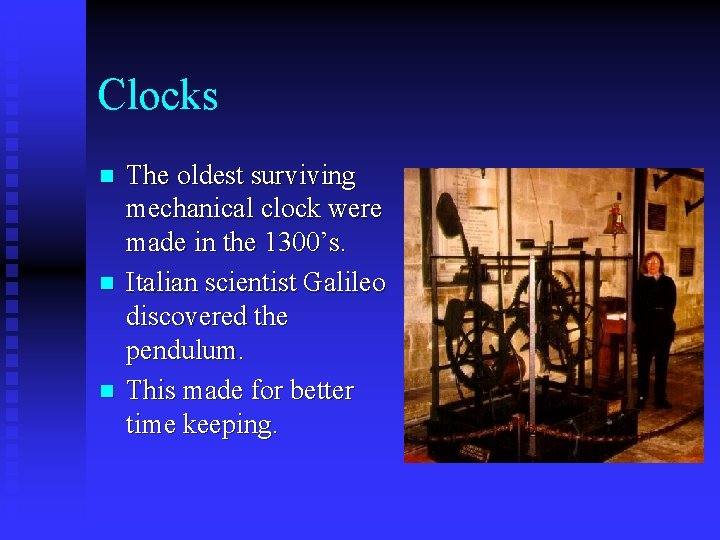
Clocks n n n The oldest surviving mechanical clock were made in the 1300’s. Italian scientist Galileo discovered the pendulum. This made for better time keeping.
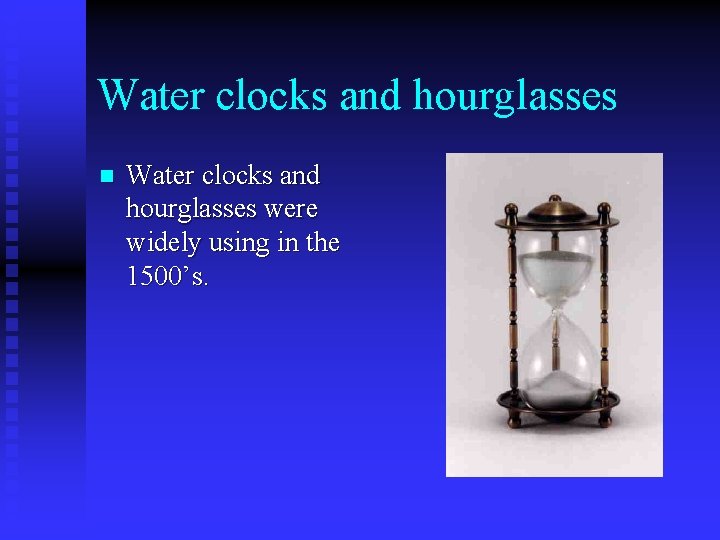
Water clocks and hourglasses n Water clocks and hourglasses were widely using in the 1500’s.
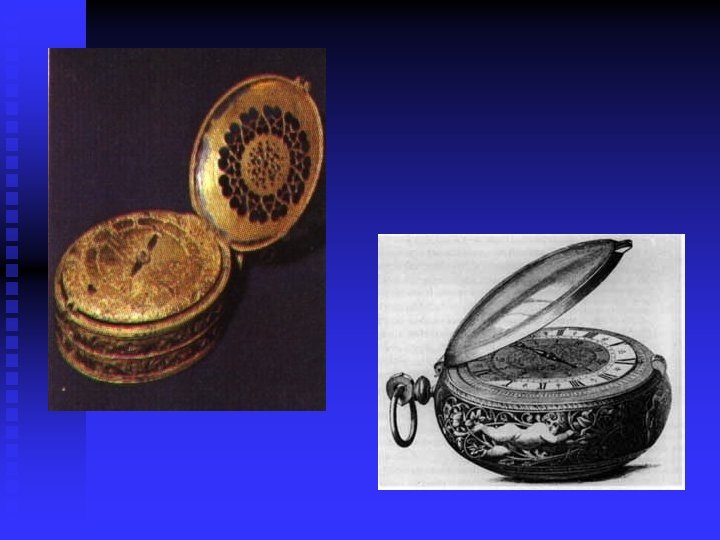
The Watch (portable timepiece) n n n The portable watch was invented by German Peter Henlein in 1505 He created his watch to be spring powered making it much smaller. This watch was a pocket watch. The wrist watch didn’t come into widespread use until the 1800’s.
Printing n n The Chinese were the first to invent printing in 868. In the mid-1400’s, Johan Gutenberg of Germany invented a printing press using moveable type. Now books could be printed with greater speed and less effort. The Gutenberg Bible is considered one of the first books ever printed.
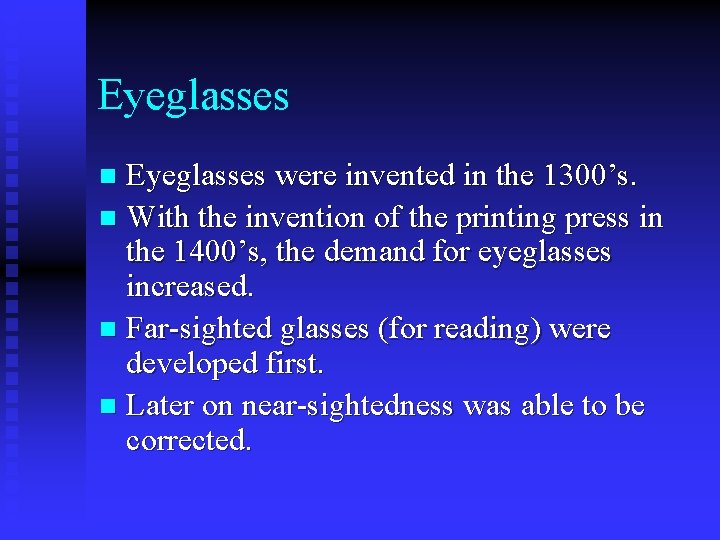
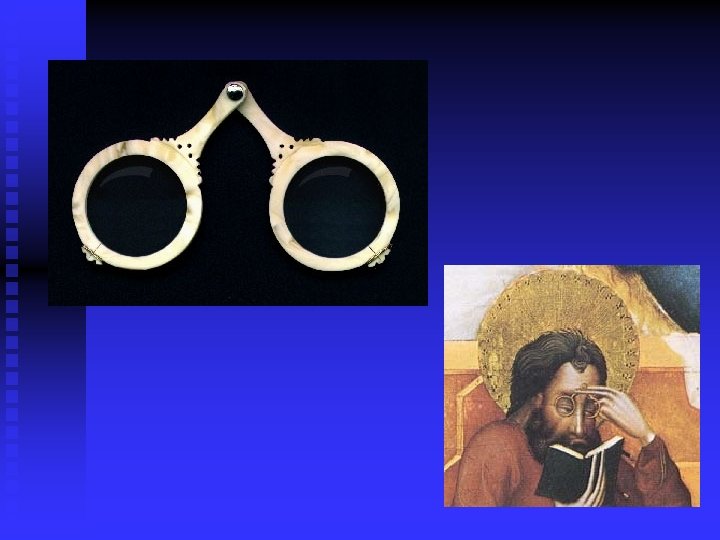
Eyeglasses were invented in the 1300’s. n With the invention of the printing press in the 1400’s, the demand for eyeglasses increased. n Far-sighted glasses (for reading) were developed first. n Later on near-sightedness was able to be corrected. n
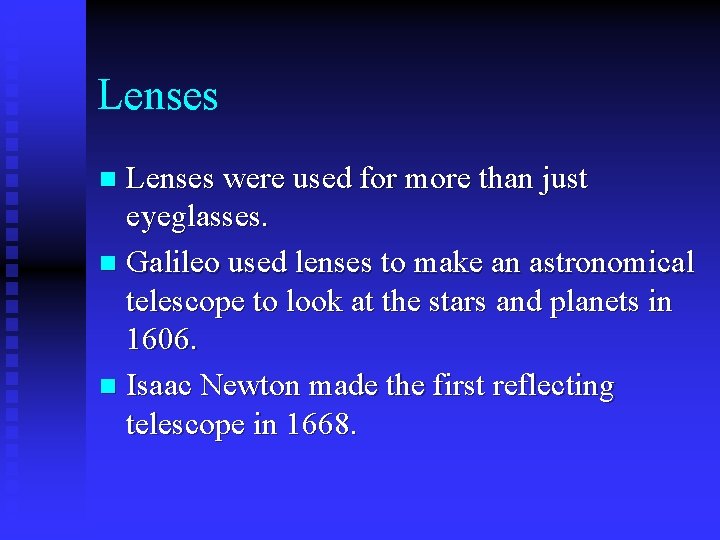
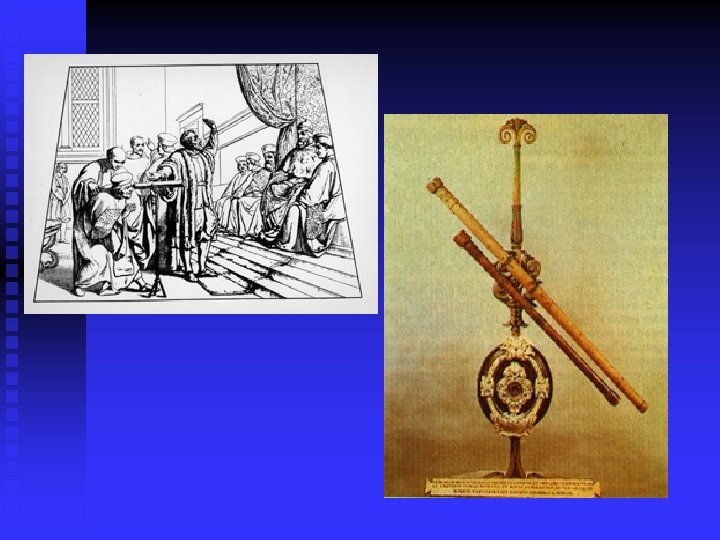
Lenses were used for more than just eyeglasses. n Galileo used lenses to make an astronomical telescope to look at the stars and planets in 1606. n Isaac Newton made the first reflecting telescope in 1668. n
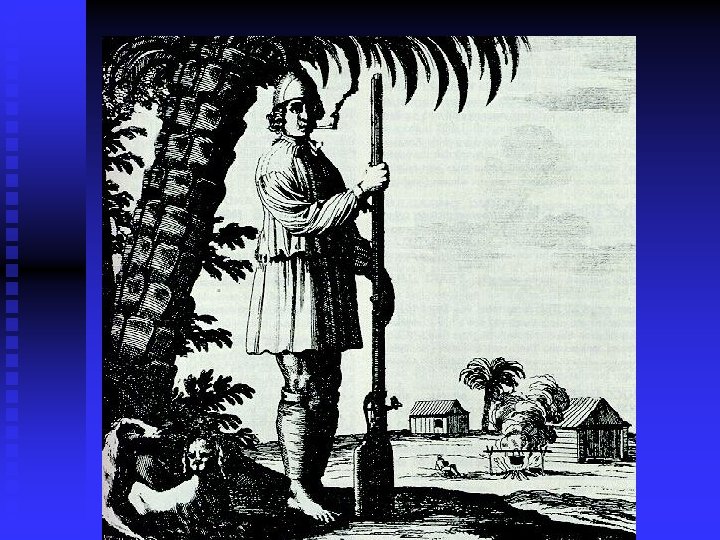
The Musket The musket was the first usable rifle that soldiers could carry into battle. n It was developed in Spain in the 1500’s. n It could fire a metal ball that could seriously kill or hurt someone. n The first muskets were very large weighing 40 pounds and being over 6 feet long. n They were very hard to use. n
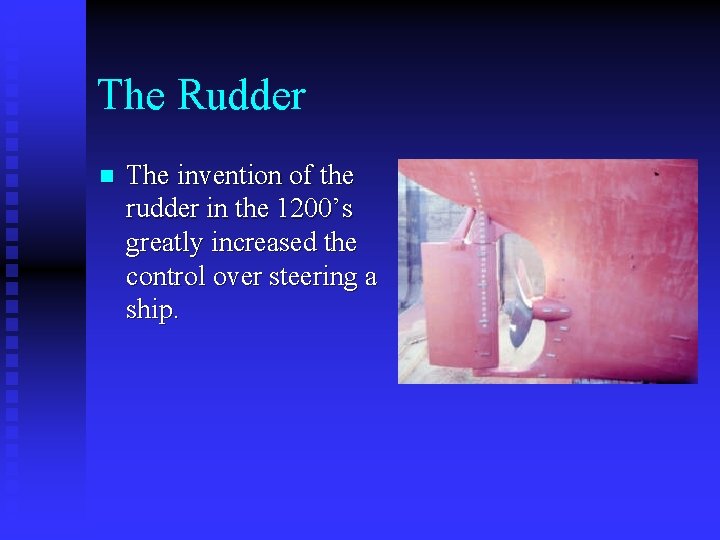
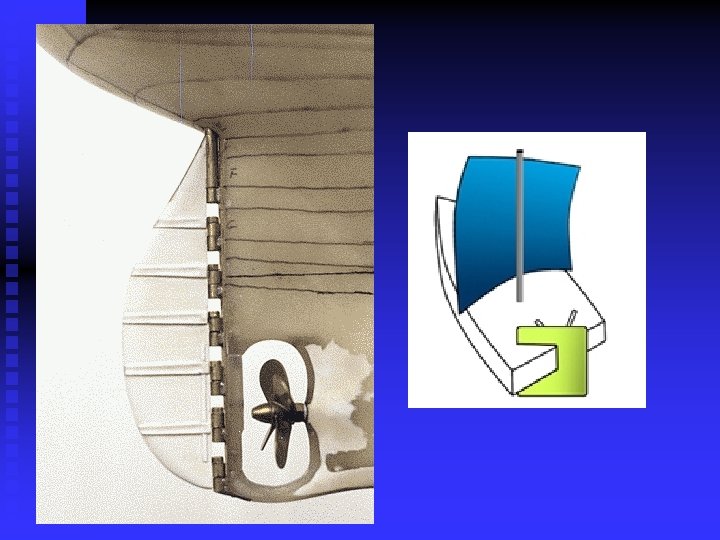
The Rudder n The invention of the rudder in the 1200’s greatly increased the control over steering a ship.
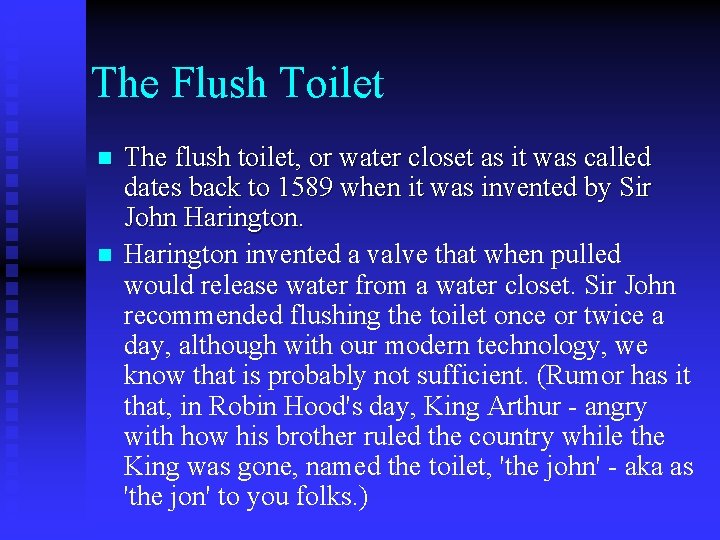
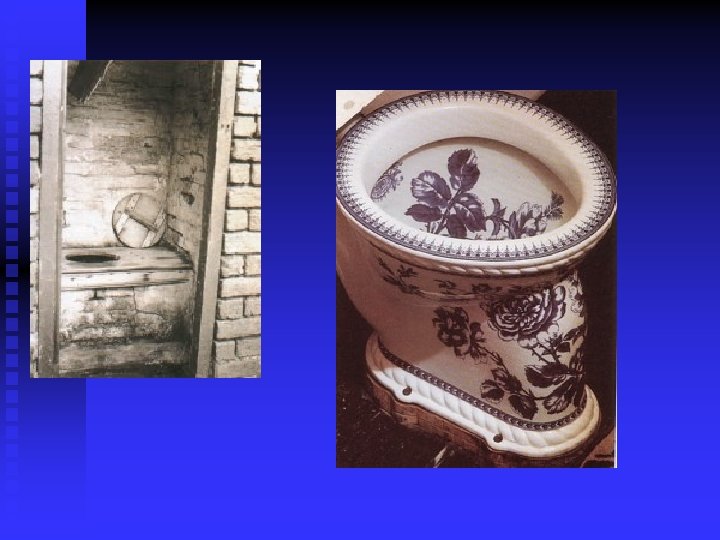
The Flush Toilet n n The flush toilet, or water closet as it was called dates back to 1589 when it was invented by Sir John Harington invented a valve that when pulled would release water from a water closet. Sir John recommended flushing the toilet once or twice a day, although with our modern technology, we know that is probably not sufficient. (Rumor has it that, in Robin Hood's day, King Arthur - angry with how his brother ruled the country while the King was gone, named the toilet, 'the john' - aka as 'the jon' to you folks. )
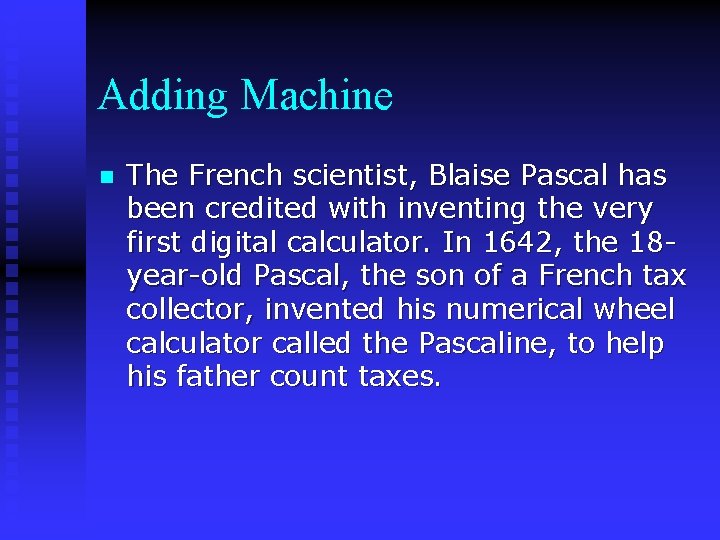
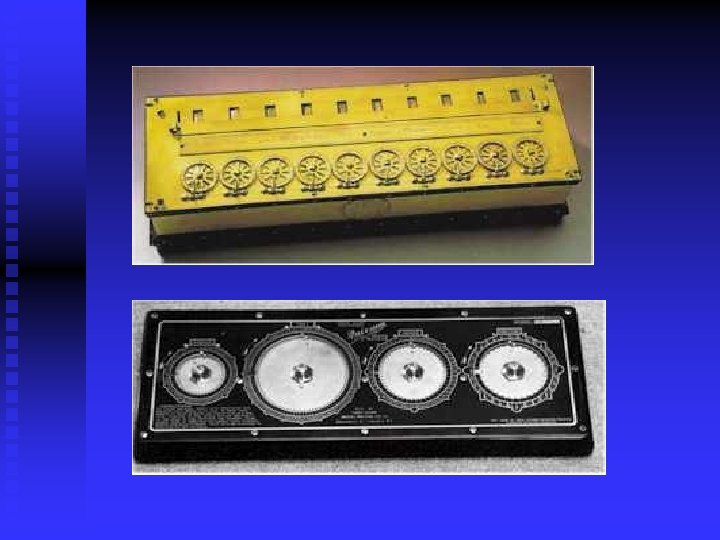
Adding Machine n The French scientist, Blaise Pascal has been credited with inventing the very first digital calculator. In 1642, the 18 year-old Pascal, the son of a French tax collector, invented his numerical wheel calculator called the Pascaline, to help his father count taxes.
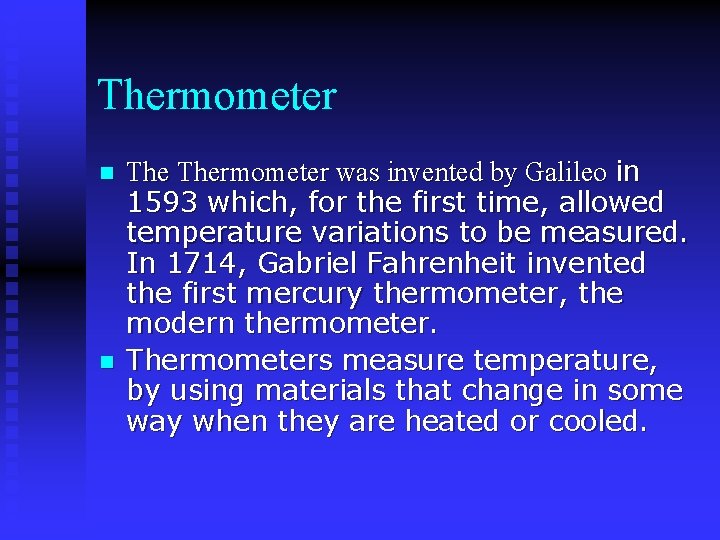
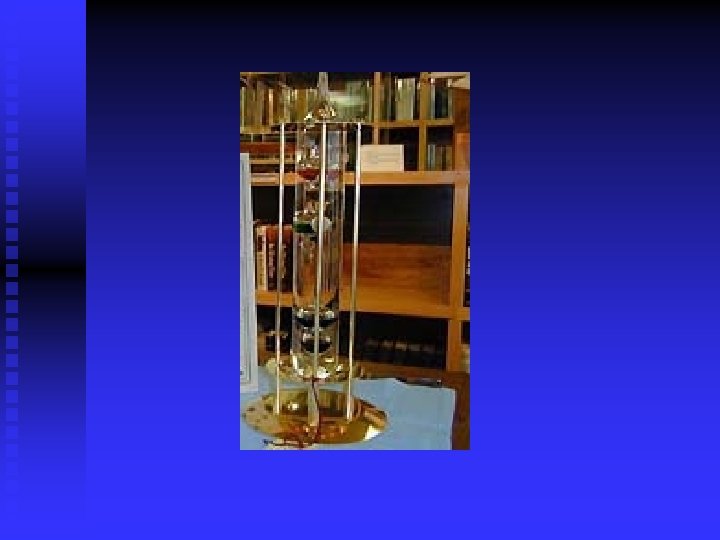
Thermometer n n Thermometer was invented by Galileo in 1593 which, for the first time, allowed temperature variations to be measured. In 1714, Gabriel Fahrenheit invented the first mercury thermometer, the modern thermometer. Thermometers measure temperature, by using materials that change in some way when they are heated or cooled.
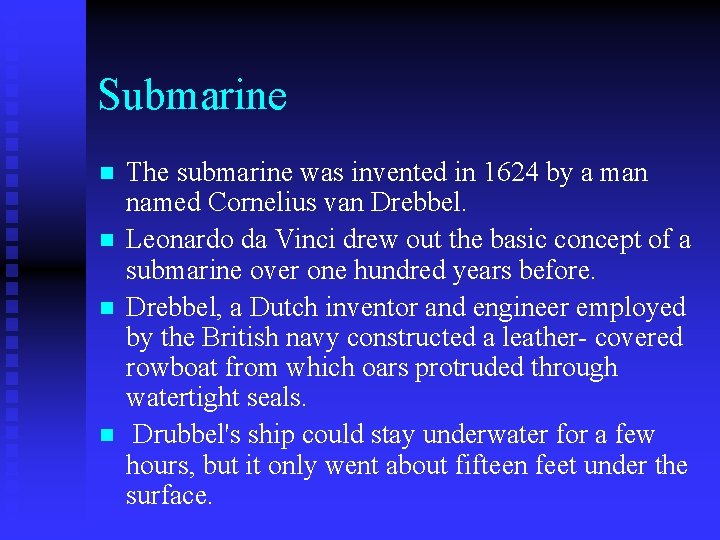
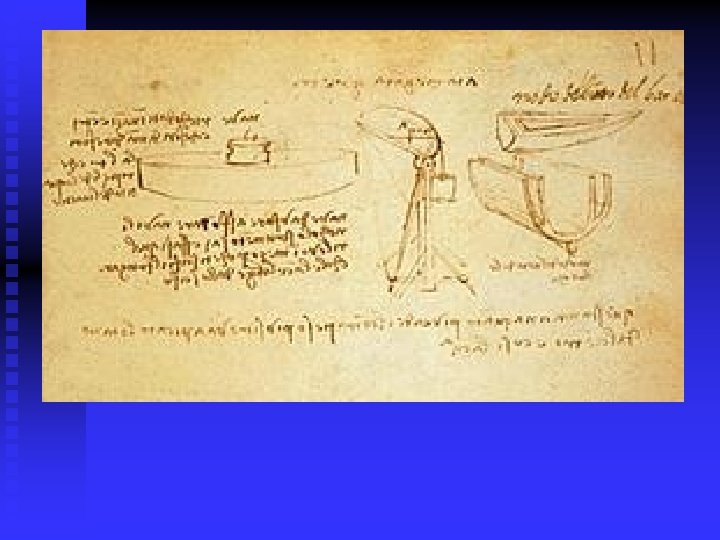
Submarine n n The submarine was invented in 1624 by a man named Cornelius van Drebbel. Leonardo da Vinci drew out the basic concept of a submarine over one hundred years before. Drebbel, a Dutch inventor and engineer employed by the British navy constructed a leather- covered rowboat from which oars protruded through watertight seals. Drubbel's ship could stay underwater for a few hours, but it only went about fifteen feet under the surface.
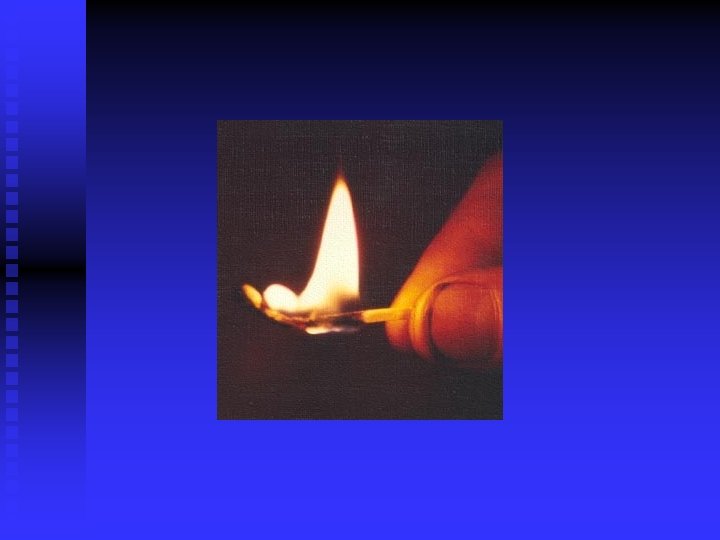
The Match n n Fire - our worst enemy, our best friend - was difficult to create until Robert Boyle invented the match in 1680. Although fire could be made by rubbing sticks together or by striking flint to steel, this was a time consuming process. Boyle discovered that when phosphorus and sulfur were rubbed together, they would burst into flame. Although convenient, Boyle's matches were not very safe, because sometimes they accidentally went up in flames while in a pocket. (Warm surprise!) With some improvements and a little fine tuning, this invention led to your modern safety match many years later.