
THE REALITY OF REENTRY Laura Saintey NCRT Marie



- Slides: 38
THE REALITY OF REENTRY Laura Saintey, NCRT Marie Francis, CCAP Karen Keith
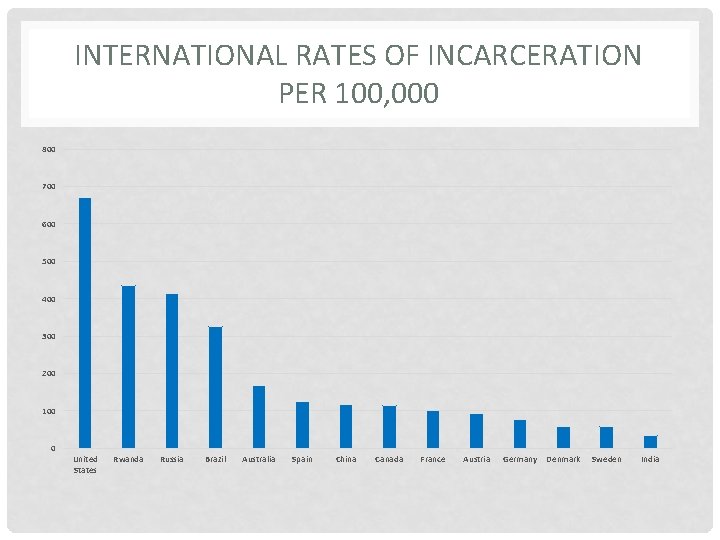
INTERNATIONAL RATES OF INCARCERATION PER 100, 000 800 700 600 500 400 300 200 100 0 United States Rwanda Russia Brazil Australia Spain China Canada France Austria Germany Denmark Sweden India
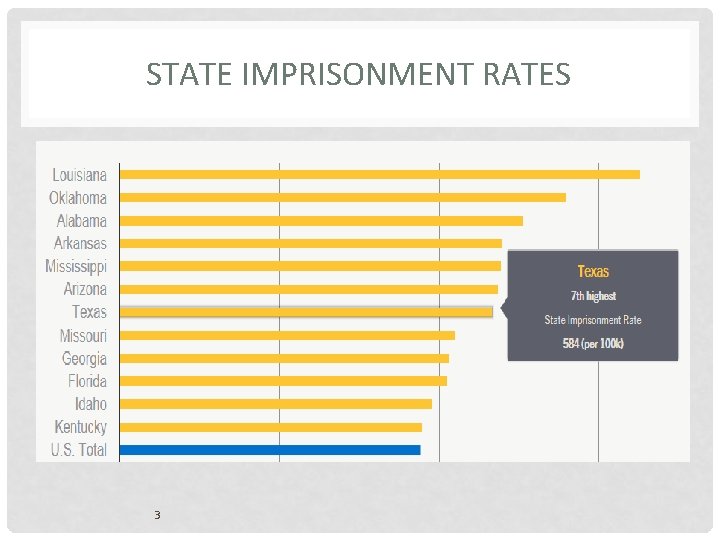
STATE IMPRISONMENT RATES 3
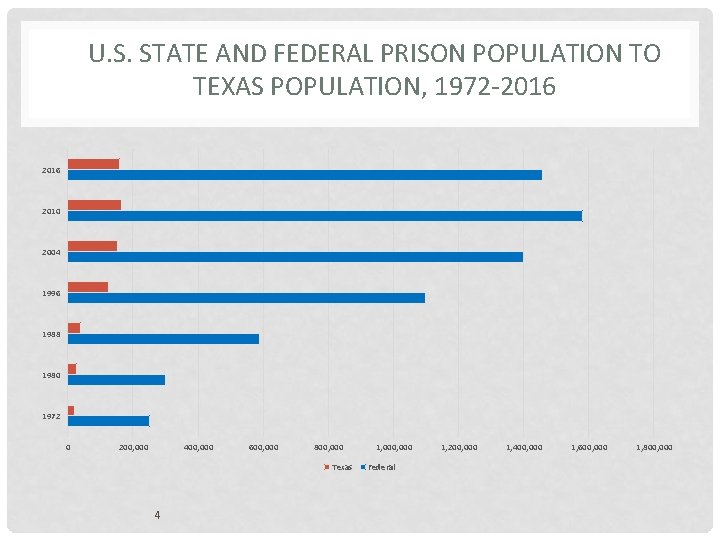
U. S. STATE AND FEDERAL PRISON POPULATION TO TEXAS POPULATION, 1972 -2016 2010 2004 1996 1988 1980 1972 0 200, 000 400, 000 600, 000 800, 000 Texas 4 1, 000 Federal 1, 200, 000 1, 400, 000 1, 600, 000 1, 800, 000
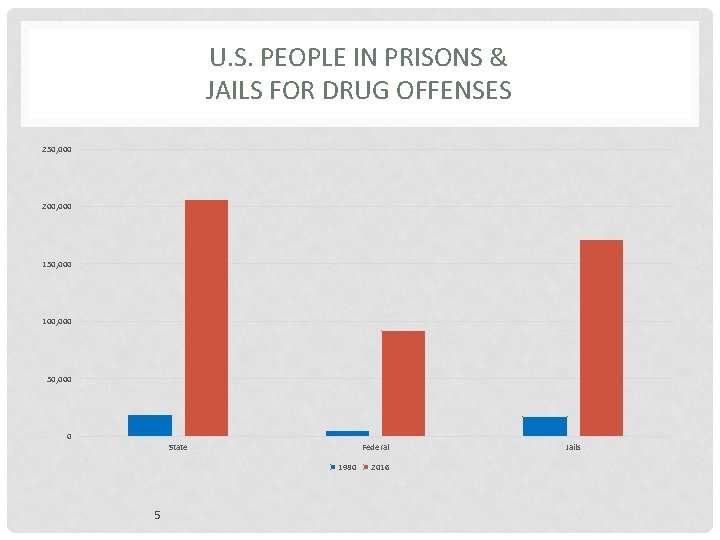
U. S. PEOPLE IN PRISONS & JAILS FOR DRUG OFFENSES 250, 000 200, 000 150, 000 100, 000 50, 000 0 State Federal 1980 5 2016 Jails
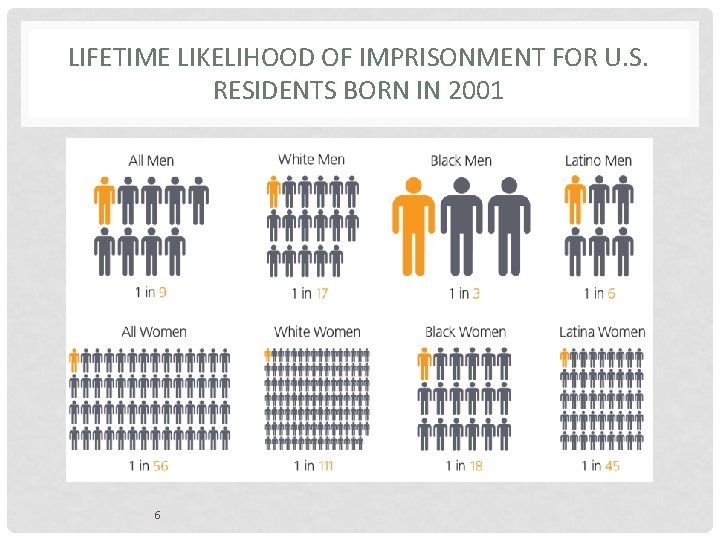
LIFETIME LIKELIHOOD OF IMPRISONMENT FOR U. S. RESIDENTS BORN IN 2001 6
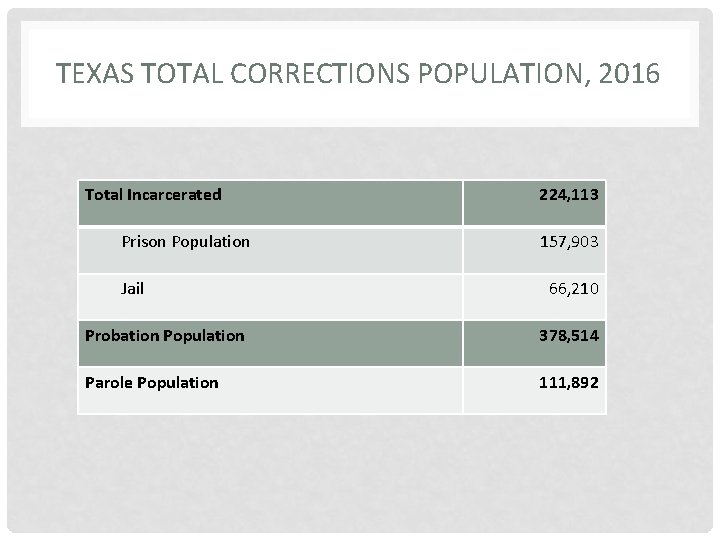
TEXAS TOTAL CORRECTIONS POPULATION, 2016 Total Incarcerated Prison Population Jail 224, 113 157, 903 66, 210 Probation Population 378, 514 Parole Population 111, 892
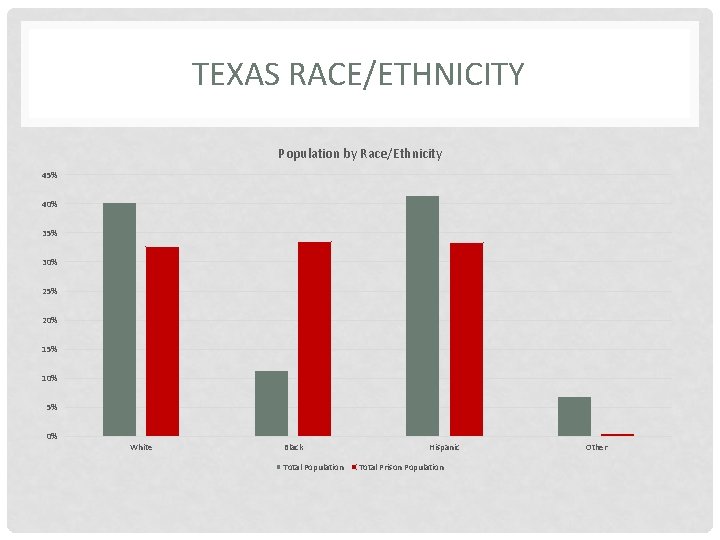
TEXAS RACE/ETHNICITY Population by Race/Ethnicity 45% 40% 35% 30% 25% 20% 15% 10% 5% 0% White Black Total Population Hispanic Total Prison Population Other
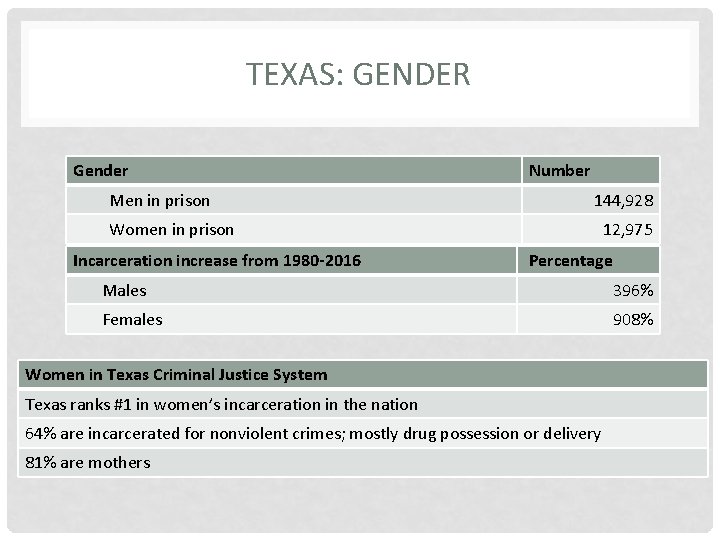
TEXAS: GENDER Gender Men in prison Number 144, 928 Women in prison Incarceration increase from 1980 -2016 12, 975 Percentage Males 396% Females 908% Women in Texas Criminal Justice System Texas ranks #1 in women’s incarceration in the nation 64% are incarcerated for nonviolent crimes; mostly drug possession or delivery 81% are mothers
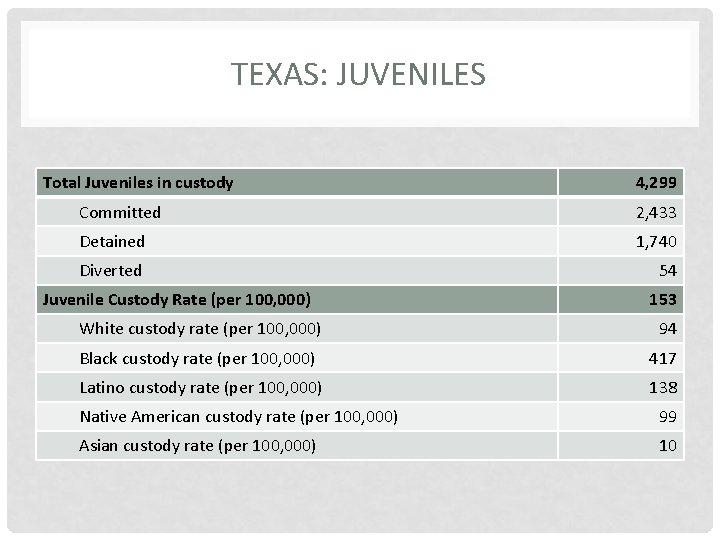
TEXAS: JUVENILES Total Juveniles in custody 4, 299 Committed 2, 433 Detained 1, 740 Diverted 54 Juvenile Custody Rate (per 100, 000) 153 White custody rate (per 100, 000) 94 Black custody rate (per 100, 000) 417 Latino custody rate (per 100, 000) 138 Native American custody rate (per 100, 000) 99 Asian custody rate (per 100, 000) 10
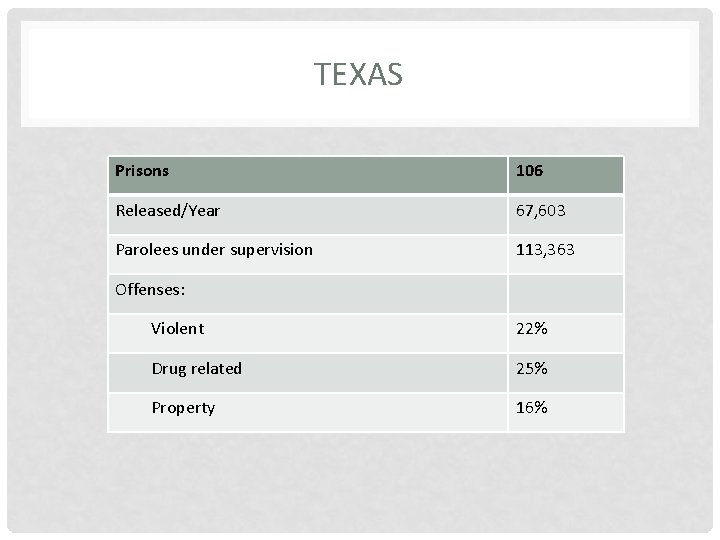
TEXAS Prisons 106 Released/Year 67, 603 Parolees under supervision 113, 363 Offenses: Violent 22% Drug related 25% Property 16%
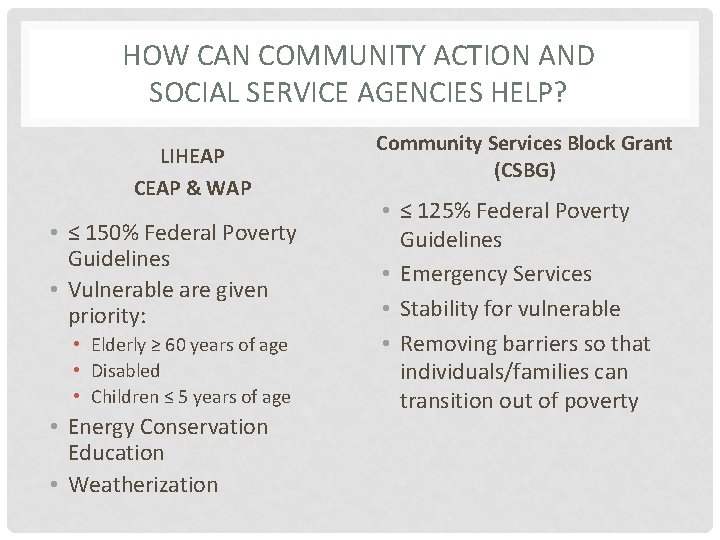
HOW CAN COMMUNITY ACTION AND SOCIAL SERVICE AGENCIES HELP? LIHEAP CEAP & WAP • ≤ 150% Federal Poverty Guidelines • Vulnerable are given priority: • Elderly ≥ 60 years of age • Disabled • Children ≤ 5 years of age • Energy Conservation Education • Weatherization Community Services Block Grant (CSBG) • ≤ 125% Federal Poverty Guidelines • Emergency Services • Stability for vulnerable • Removing barriers so that individuals/families can transition out of poverty
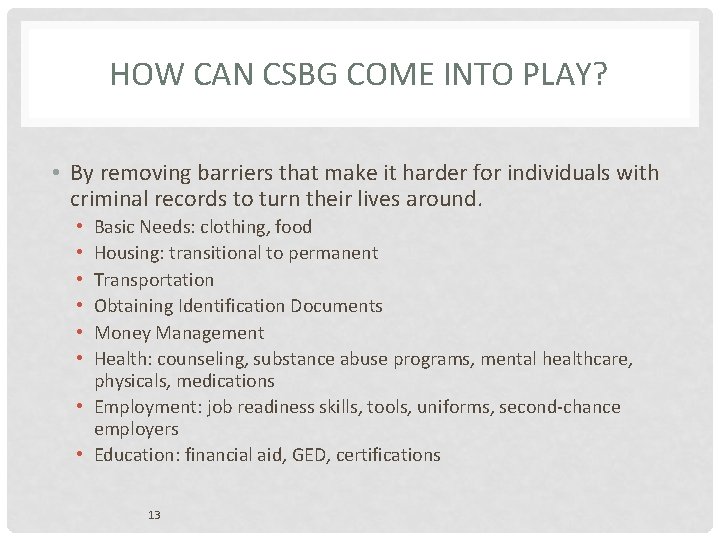
HOW CAN CSBG COME INTO PLAY? • By removing barriers that make it harder for individuals with criminal records to turn their lives around. Basic Needs: clothing, food Housing: transitional to permanent Transportation Obtaining Identification Documents Money Management Health: counseling, substance abuse programs, mental healthcare, physicals, medications • Employment: job readiness skills, tools, uniforms, second-chance employers • Education: financial aid, GED, certifications • • • 13
IDENTIFICATION How do we find out if the person in your office was formerly incarcerated? Many won’t tell you, as they are embarrassed and afraid of rejection. • Work history: is there a large gap in their work history? Ask why…. • Self-Assessment: do they address certain barriers, such as inability to rent an apartment? No access to documents such as picture ID or voter registration card? Ask why…. • Housing: where do they live? Is it with relatives? Is it in a halfway house? Transitional housing? A shelter? Ask why….
COMPLEX TRANSITION WITH BARRIERS • • • Difficult transition from incarceration to the community Limited housing options Substance abuse Mental health issues Lack of adequate education Poor or non-existent job skills
COLLATERAL CONSEQUENCES • Not limited to only those who have been incarcerated but also to those with misdemeanors. • They last indefinitely, even after an individual is “rehabilitated”. • Denial to access government benefits and program participation (student loans, housing, contracting, voting, civic engagement). • Affects employment and business opportunities.
CSBG’S ROLE • Assist in securing documentation, such as birth certificates, picture IDs, driver’s license etc. • Housing deposit • Skills training/education • Employment • Nutrition • Medical Access • Mental health Access • Substance Abuse
PARTNERSHIPS • • • One agency alone cannot do it all Developing partnerships is crucial Key players Stakeholder input Funding and leveraging
THE FUTURE • • No “box” on employment applications Better legislation Better communication with court system Better police interaction and involvement
WHAT DOES REENTRY LOOK LIKE?
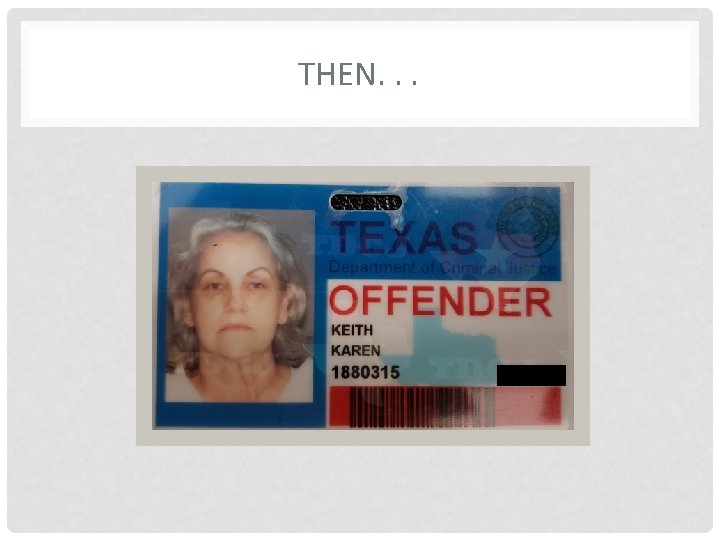
THEN. . .
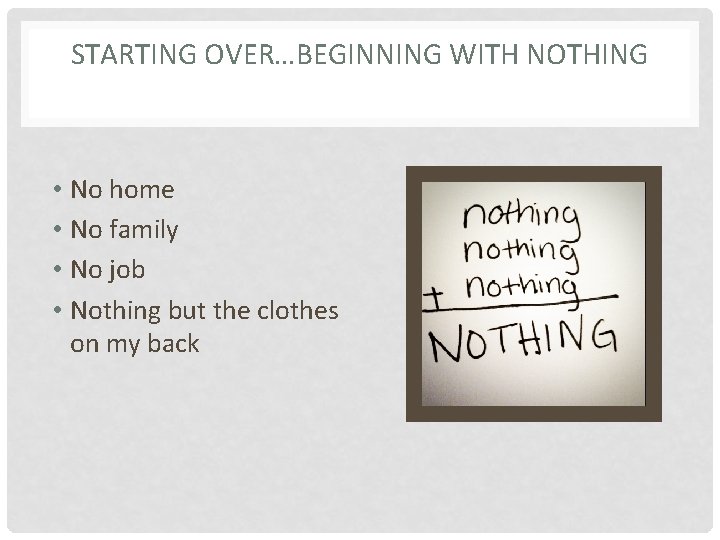
STARTING OVER…BEGINNING WITH NOTHING • No home • No family • No job • Nothing but the clothes on my back
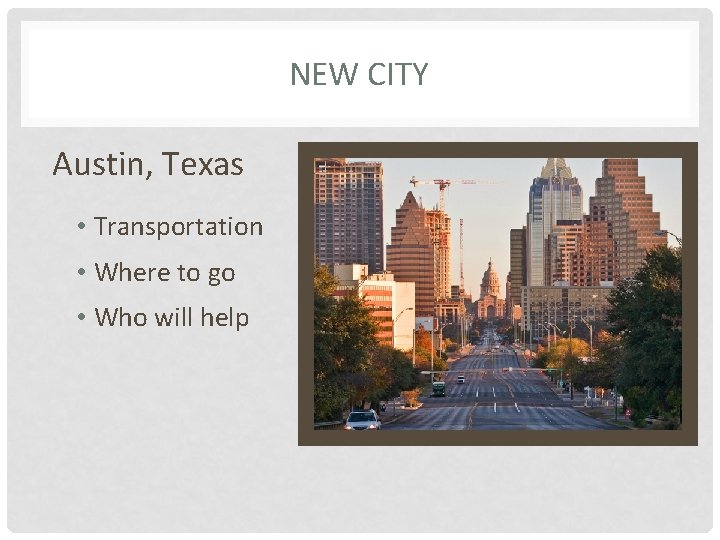
NEW CITY Austin, Texas • Transportation • Where to go • Who will help
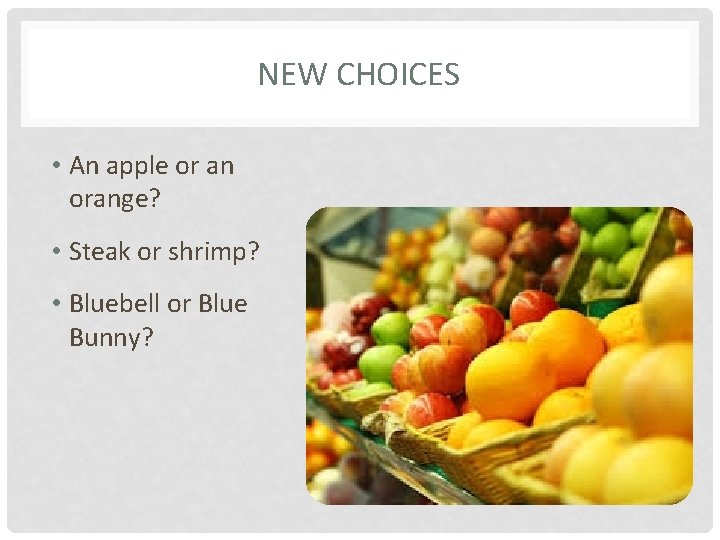
NEW CHOICES • An apple or an orange? • Steak or shrimp? • Bluebell or Blue Bunny?
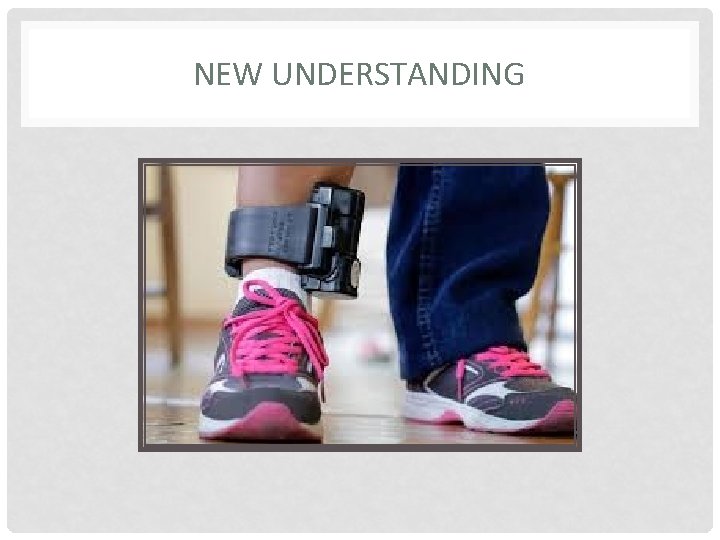
NEW UNDERSTANDING
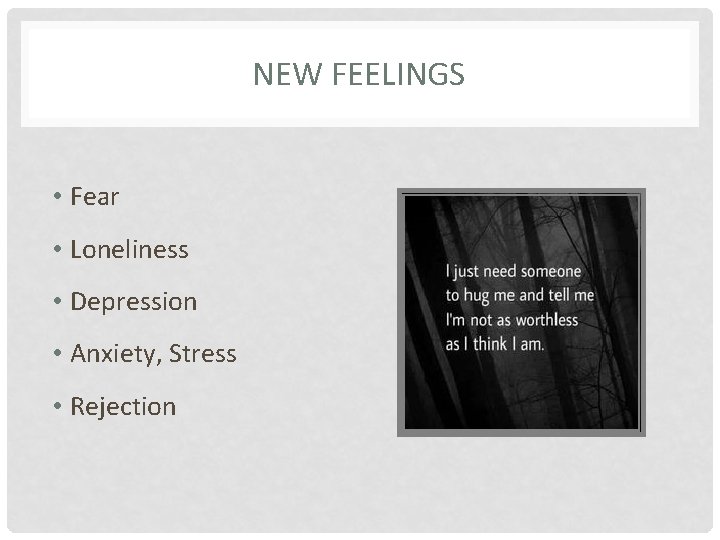
NEW FEELINGS • Fear • Loneliness • Depression • Anxiety, Stress • Rejection
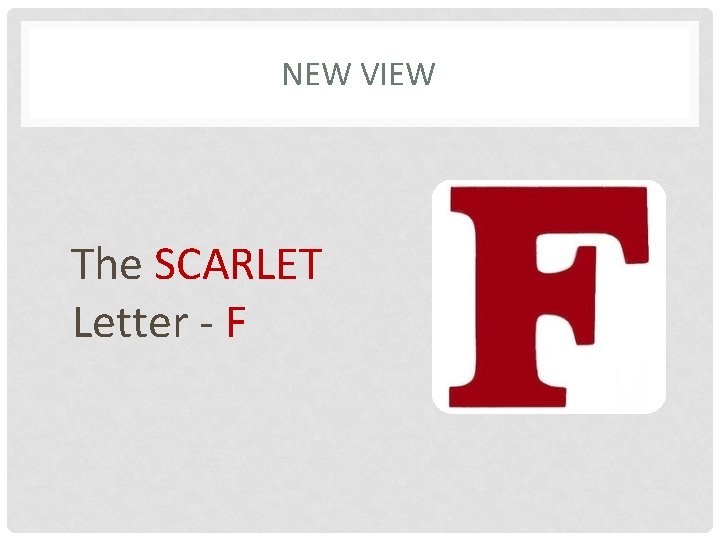
NEW VIEW The SCARLET Letter - F
NEW PEOPLE AND OLD PEOPLE Big Daddy Margie & David Brittny & Vera Lauren Annette Dara Helen Kenneth Kelly Reggie Darwin Doug Terri Brooke Michael Gavin Laura Jason Naomi Rita Cris Rocky Talina Jim The Chad Jan Cindy Page Sue Jen Sheryl Linda Kathy
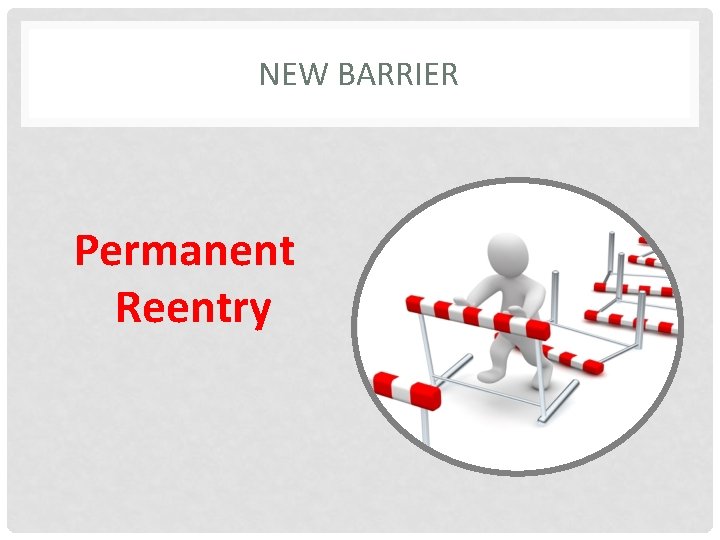
NEW BARRIER Permanent Reentry
COMMUNITY ACTION AND SOCIAL SERVICES AGENCIES • Who are you? • Where are you? • What do you do?
NEW JOB • Goodwill Staffing Group – a temporary assignment • Where does it lead?
NEW OPPORTUNITY How does a single cup of coffee change your life and the path you thought you would be on?
NEW HOME A friend who takes you to lunch and ensures you now are safe and welcomes you home – at her home – and the day you realize you are really home.
NEW PURPOSE Prison – the choice was did I let it change me for good purposes or ruin me for good?
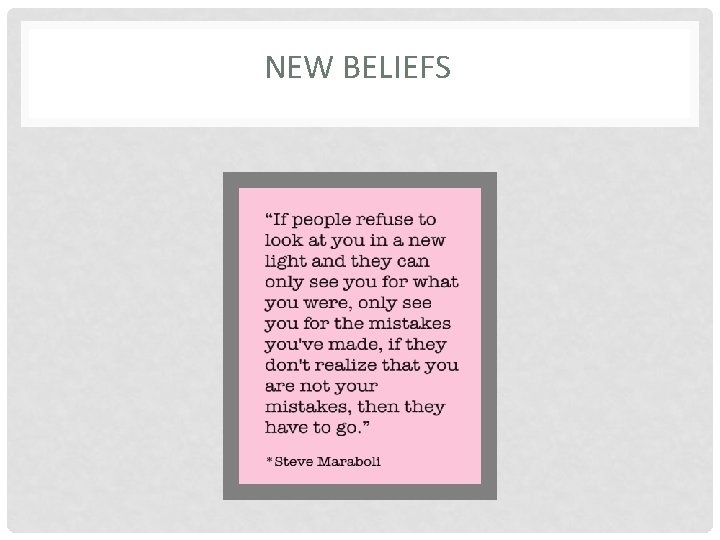
NEW BELIEFS
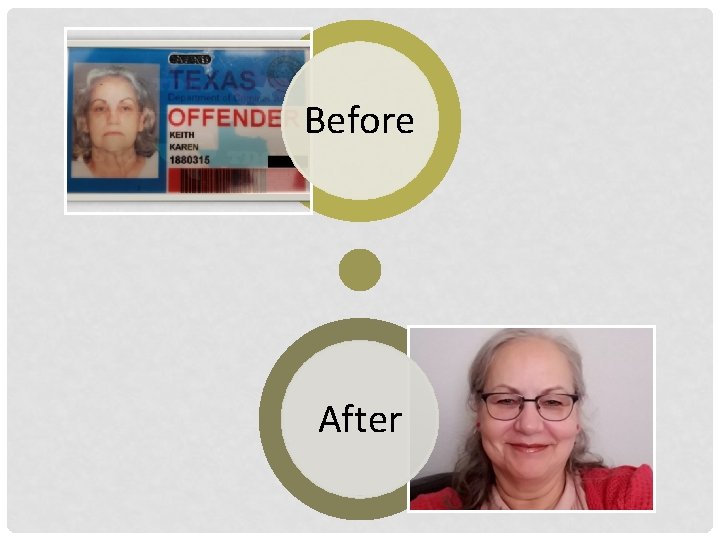
Before After
1
QUESTIONS? Marie D. Francis, CCAP marie. francis@fortworthtexas. gov Laura Saintey, NCRT laura. saintey@tdhca. state. tx. us Karen Keith karen. keith@tdhca. state. tx. us