
The Psychology of Effective Game Design Jesse Schell




- Slides: 51
The Psychology of Effective Game Design Jesse Schell Entertainment Technology Center Carnegie Mellon University
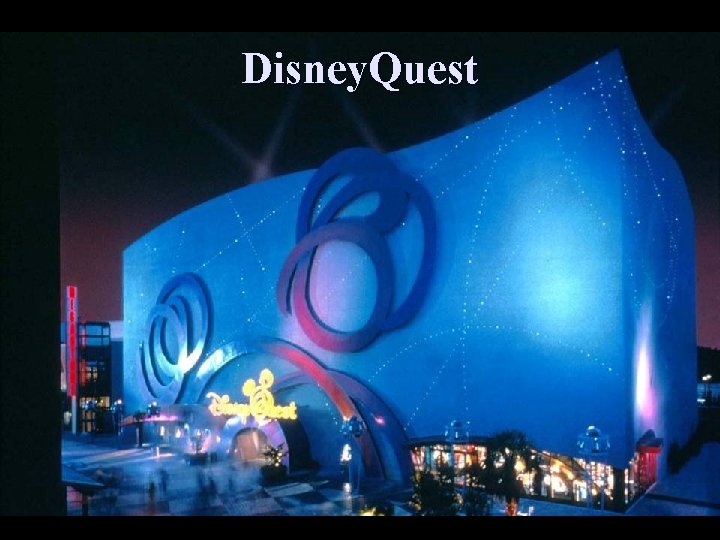
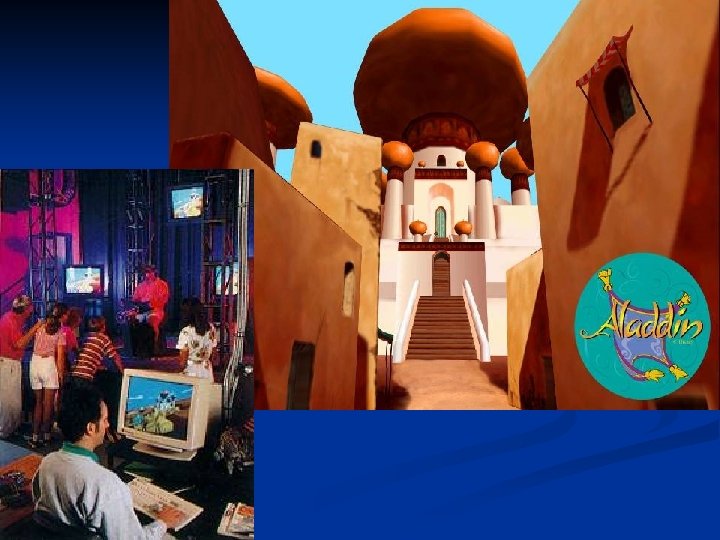
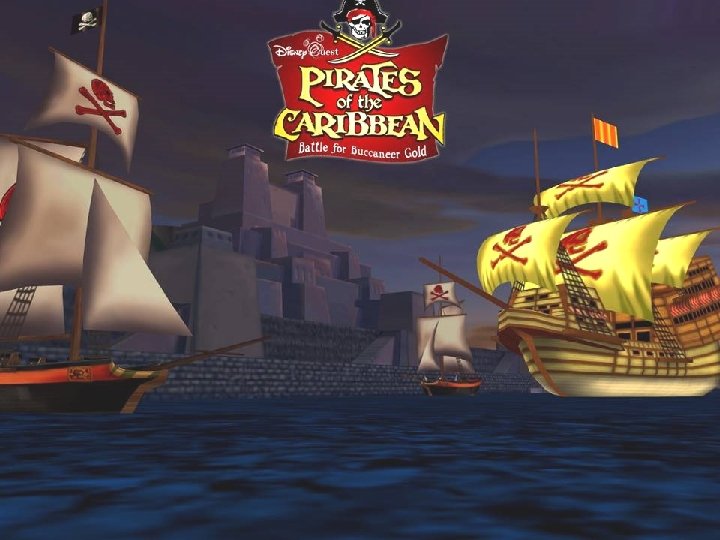
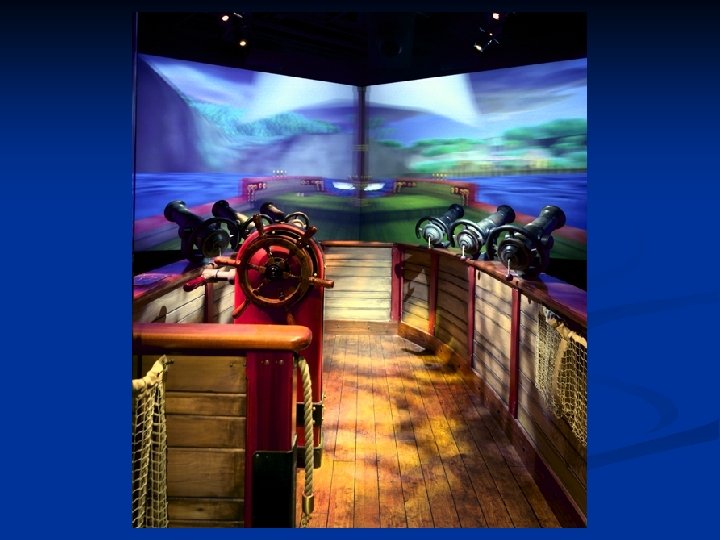
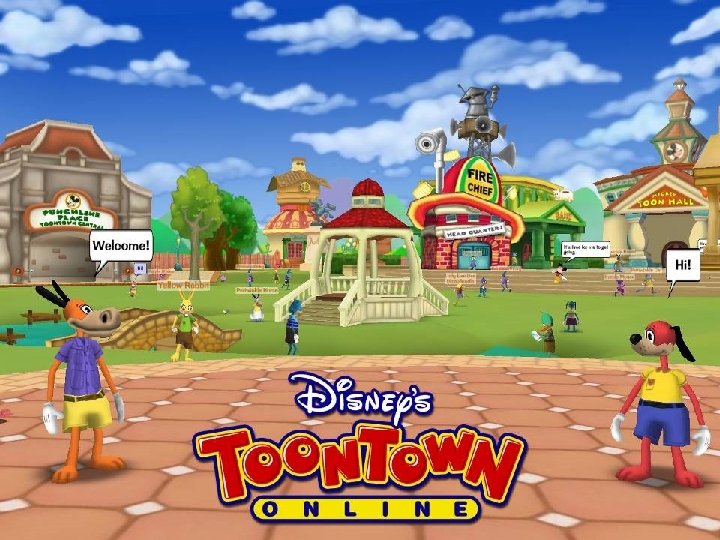
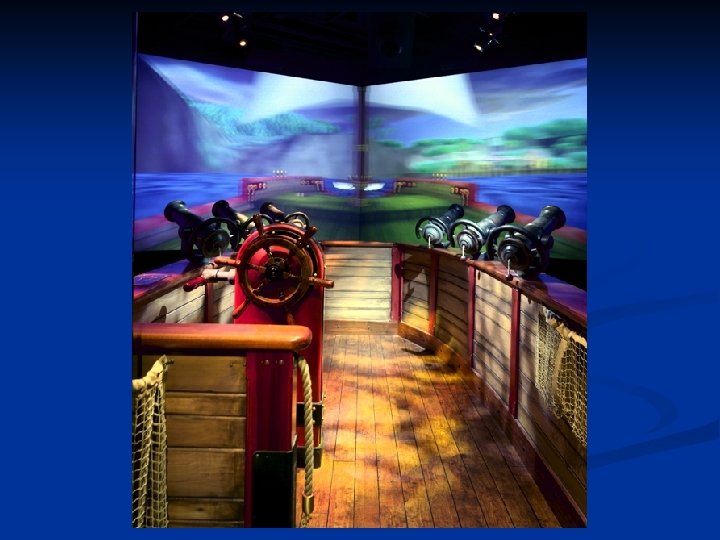
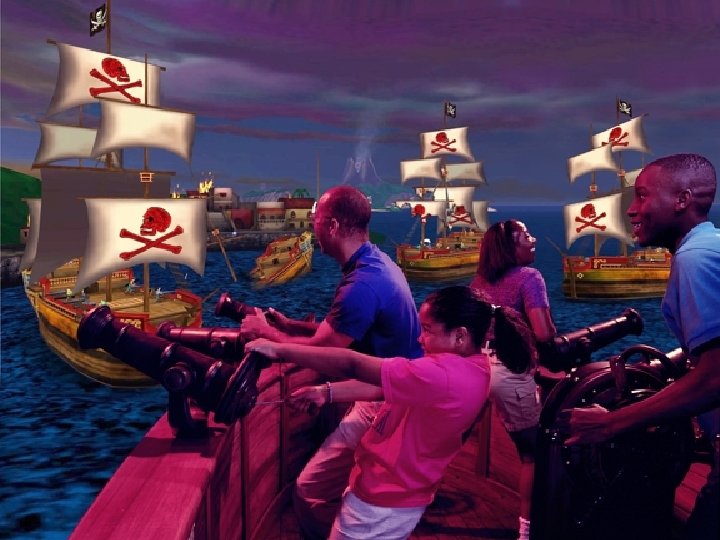
Disney. Quest
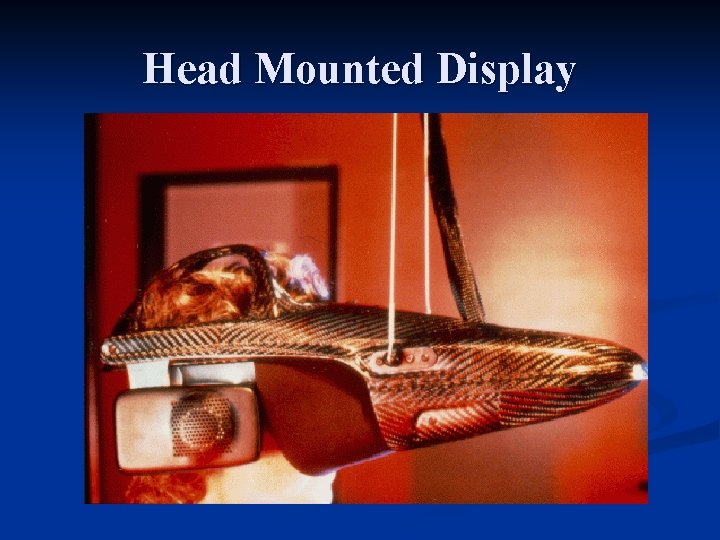
Head Mounted Display
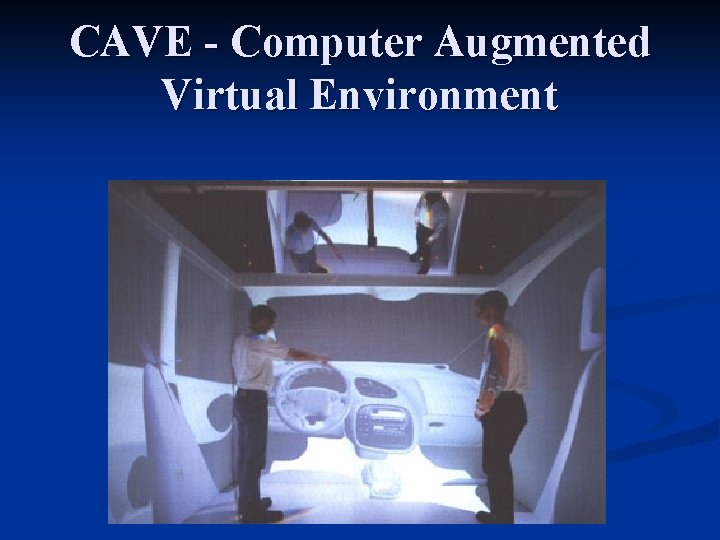
CAVE - Computer Augmented Virtual Environment
Masters of Entertainment Technology at CMU’s ETC Two year professional Master’s program n About 80 students n 40% Art Students n 40% Computer Science Students n 20% Miscellaneous n Interdisciplinary teams creating real innovations for real clients n
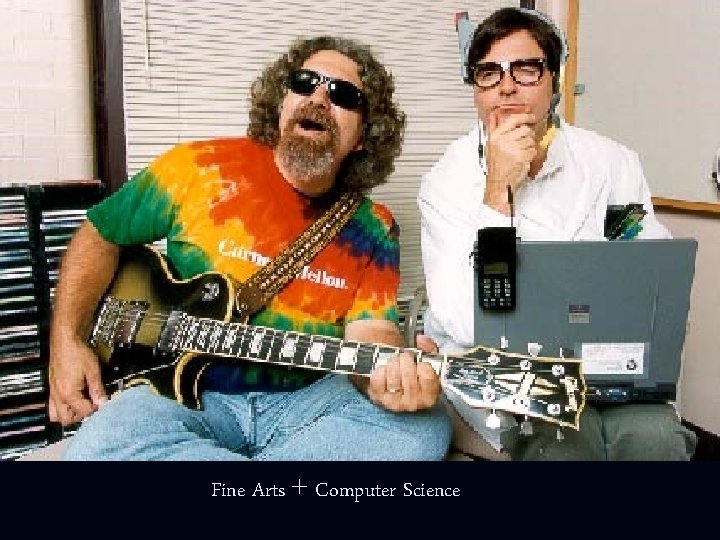
Fine Arts + Computer Science
Are Digital Games important for Education? n n n “People who distinguish between education and entertainment don’t know much about either” - Marshall Mc. Luhan When people are having fun, they are more engaged. Can this translate to better learning? Online games are becoming a core social experience Children think of digital games as a way to play with reality Film was the literature of the 20 th century… Will games become the literature of the 21 st century?
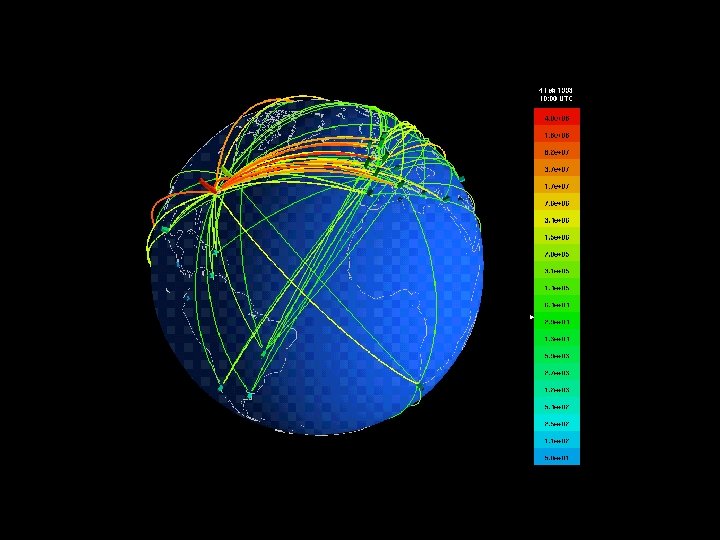
What about distribution?
Definitions What is fun? n Just pleasure? n Pleasure with surprises! n What is play? n Just manipulation? n Manipulation that indulges curiosity! n
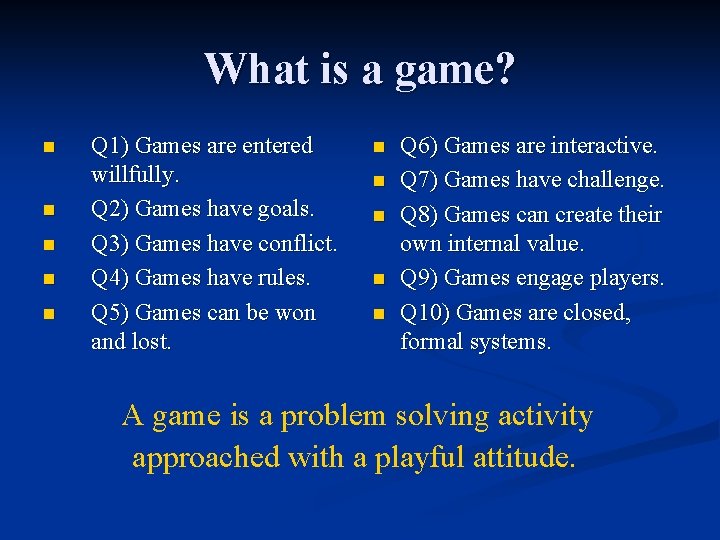
What is a game? n n n Q 1) Games are entered willfully. Q 2) Games have goals. Q 3) Games have conflict. Q 4) Games have rules. Q 5) Games can be won and lost. n n n Q 6) Games are interactive. Q 7) Games have challenge. Q 8) Games can create their own internal value. Q 9) Games engage players. Q 10) Games are closed, formal systems. A game is a problem solving activity approached with a playful attitude.
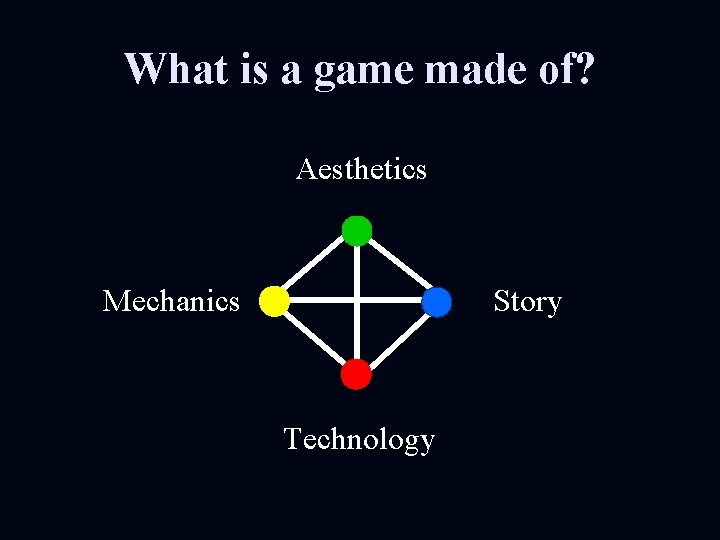
What is a game made of? Aesthetics Mechanics Story Technology
How do I design a game? Two key questions: n What is the player’s goal? n What is the player’s challenge? n
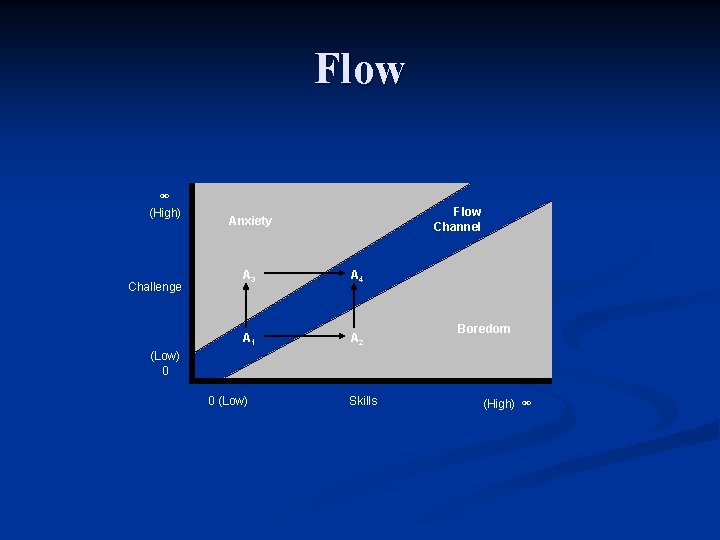
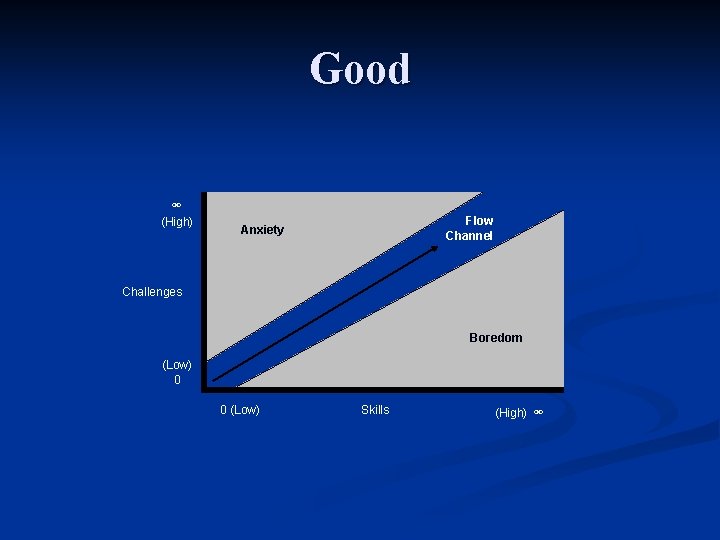
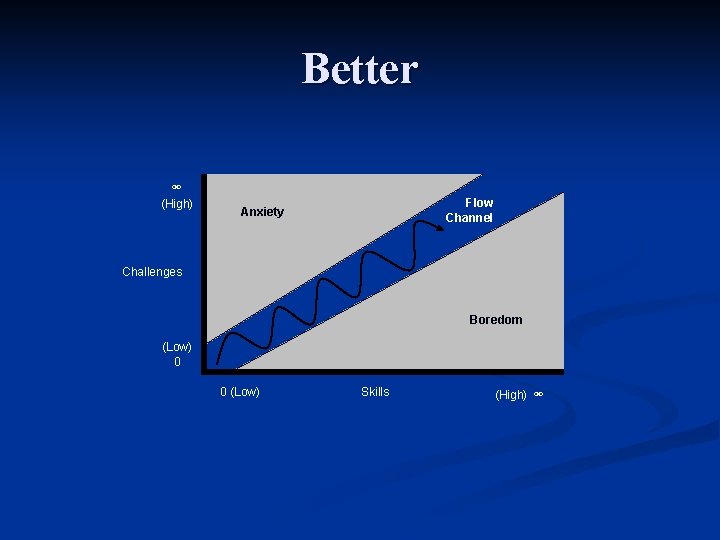
Flow ∞ (High) Challenge Flow Channel Anxiety A 3 A 4 A 1 A 2 Boredom (Low) 0 0 (Low) Skills (High) ∞
Good ∞ (High) Flow Channel Anxiety Challenges Boredom (Low) 0 0 (Low) Skills (High) ∞
Better ∞ (High) Flow Channel Anxiety Challenges Boredom (Low) 0 0 (Low) Skills (High) ∞
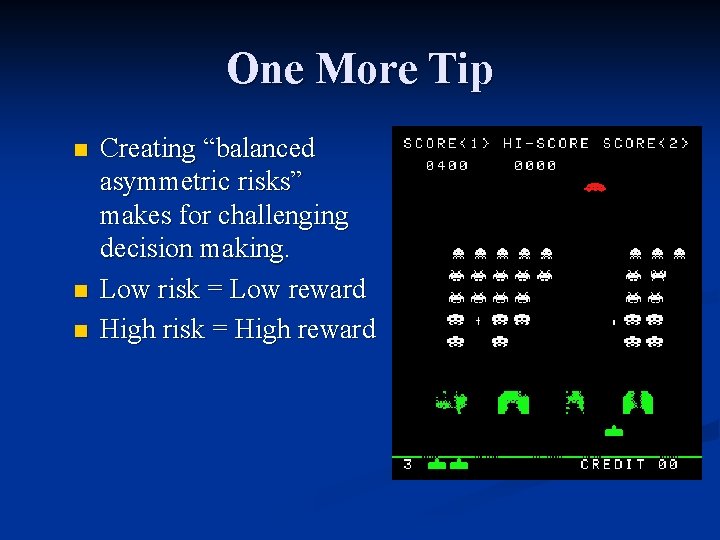
One More Tip n n n Creating “balanced asymmetric risks” makes for challenging decision making. Low risk = Low reward High risk = High reward
What can games teach best? n Systems of relationships, not easily visualized by description alone.
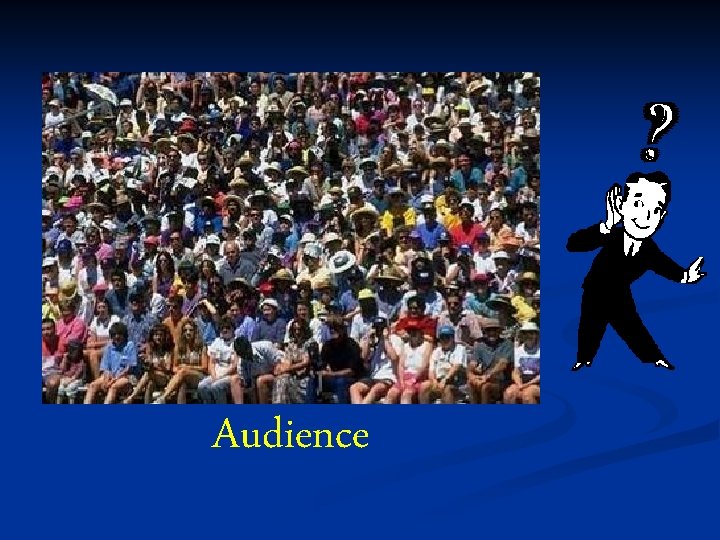
Audience
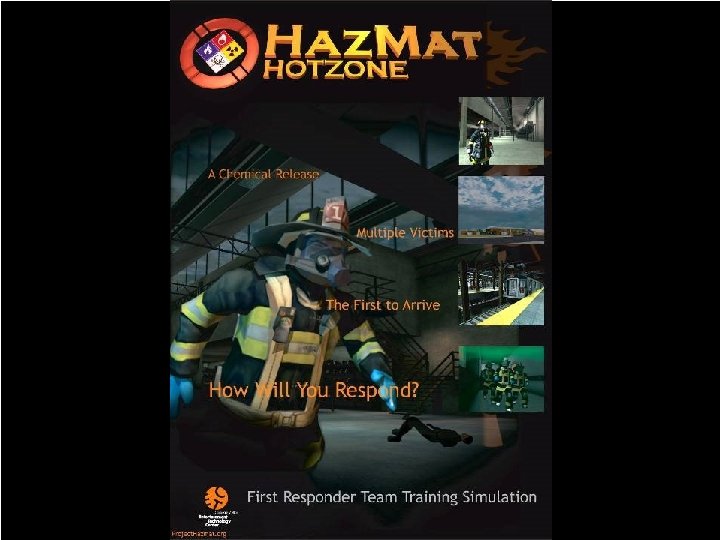
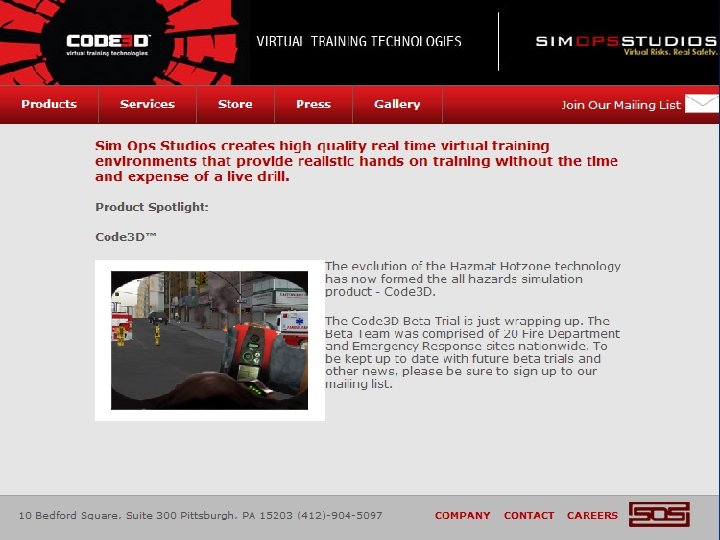
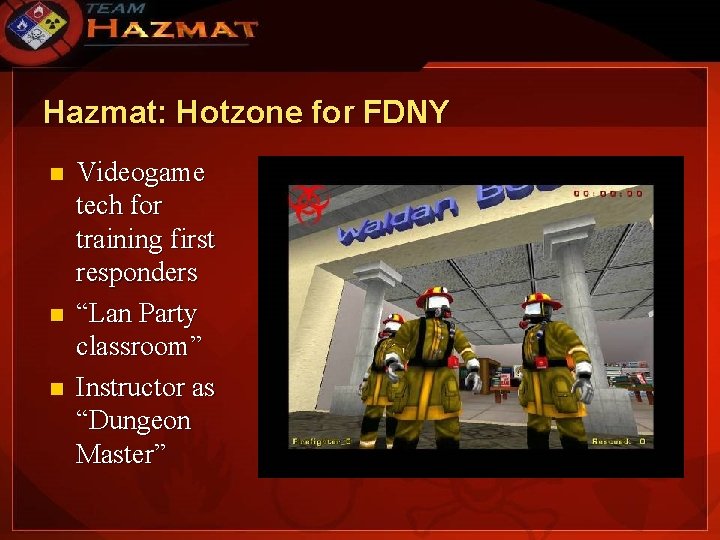
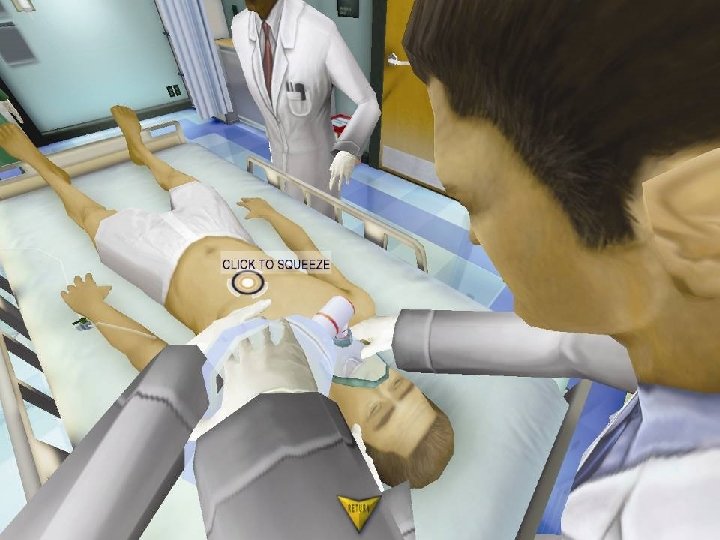
Hazmat: Hotzone for FDNY n n n Videogame tech for training first responders “Lan Party classroom” Instructor as “Dungeon Master”
Finally “Education and entertainment ultimately have the same goal: making memories. ” - Michael Macedonia
Questions? Email: jschell@cmu. edu Open Source Game Engine: www. panda 3 d. com ETC: www. etc. cmu. edu