
THE PROGRESSIVE MOVEMENT A RESPONSE TO THE PROBLEMS
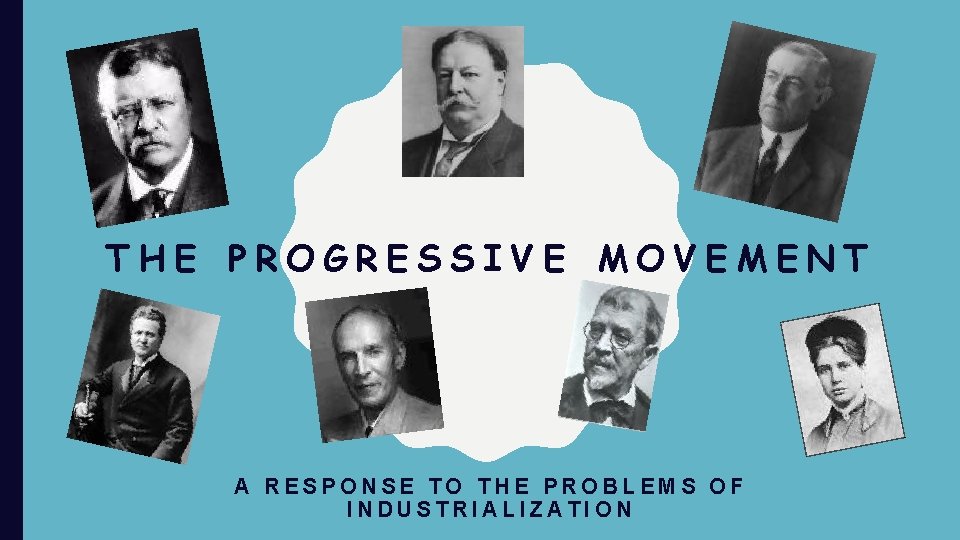
THE PROGRESSIVE MOVEMENT A RESPONSE TO THE PROBLEMS OF INDUSTRIALIZATION
THE JUNGLE/TRIANGLE SHIRTWAIST FIRE • Could what you read in The Jungle occur today? • What is now in place to prevent an event like the Triangle Shirtwaist Fire from occurring?

PROGRESSIVISM “In a progressive country, change is constant: change is inevitable. ” “Those who cannot change their mind cannot change anything. ” “We cannot solve today’s problems using the mindset that created them. ”
ORIGINS OF PROGRESSIVISM • Earlier reform movements that focused on correcting society’s problems: a. temperance b. abolition c. nativism d. women’s rights e. Populism f. settlement movement g. labor unions h. socialists
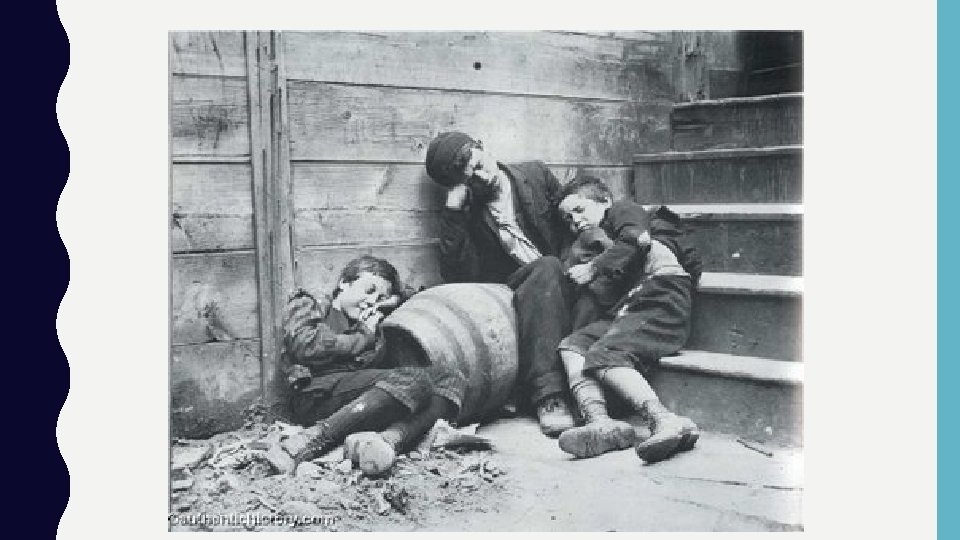
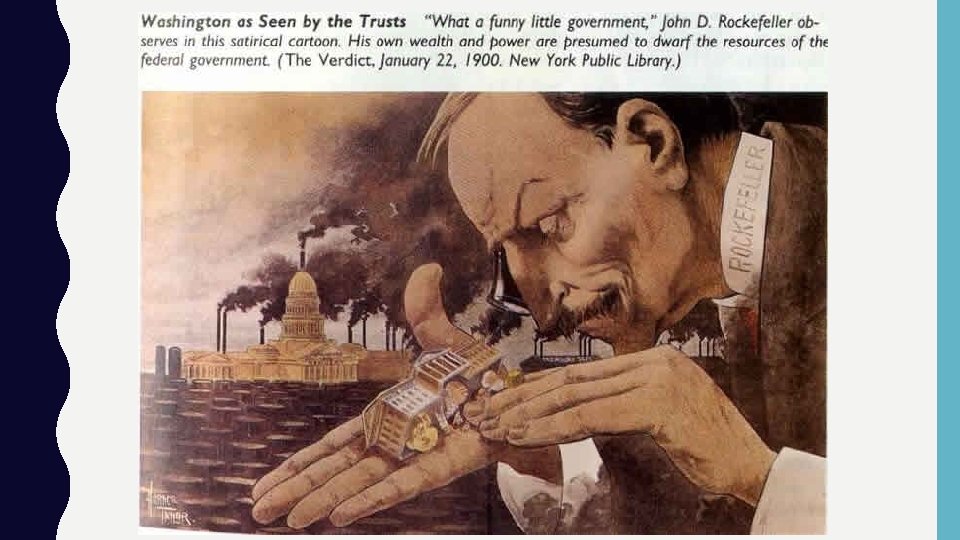
PROBLEMS IN THE LATE 1800 S • • • Poor housing Crime Unsafe work conditions/low wages Child labor Unsafe products Racism Political corruption/machines Restricted voting rights High tariffs Powerful trusts/corrupt businesses Poverty
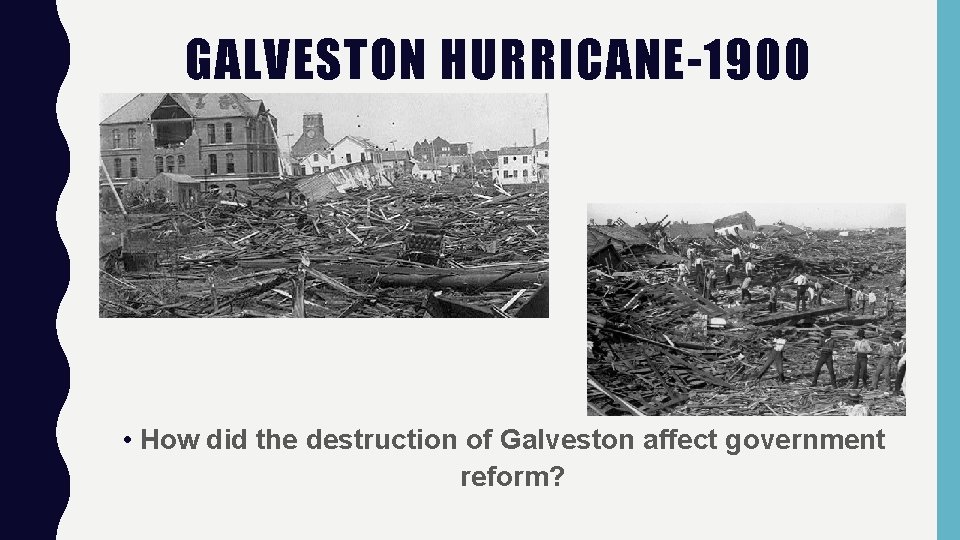
GALVESTON HURRICANE-1900 • How did the destruction of Galveston affect government reform?
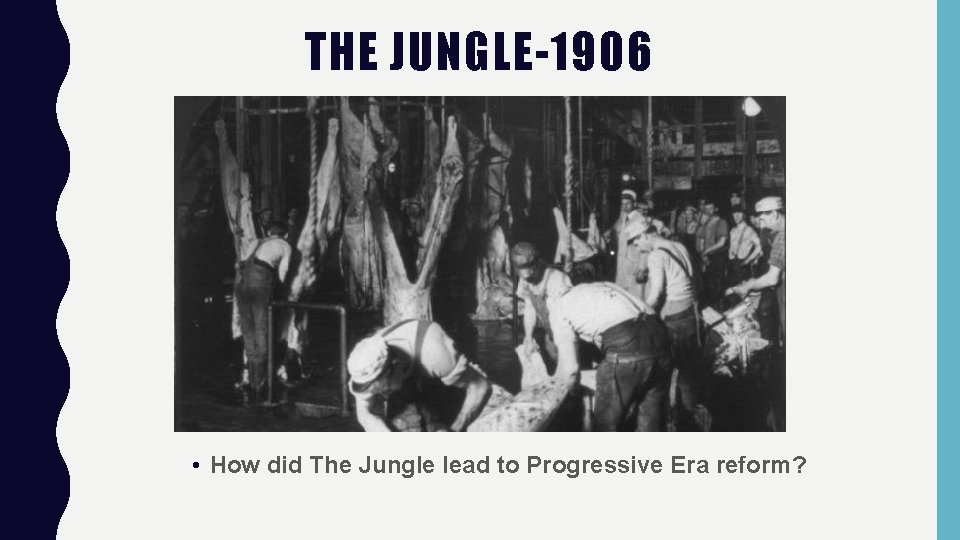
THE JUNGLE-1906 • How did The Jungle lead to Progressive Era reform?
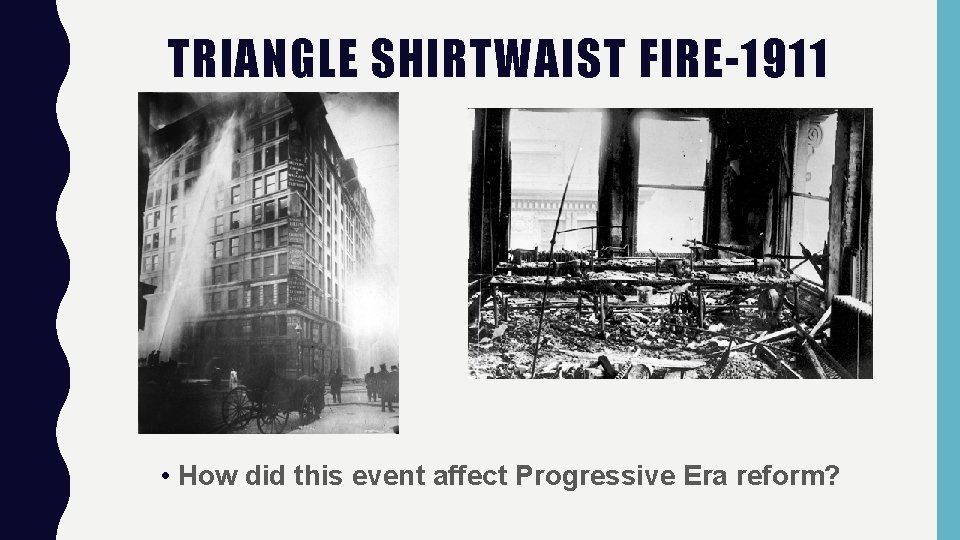
TRIANGLE SHIRTWAIST FIRE-1911 • How did this event affect Progressive Era reform?
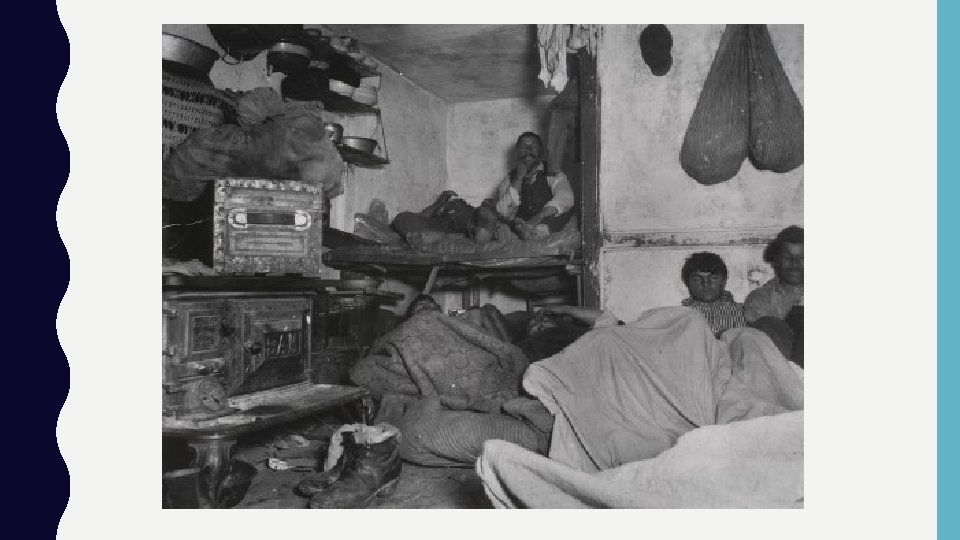
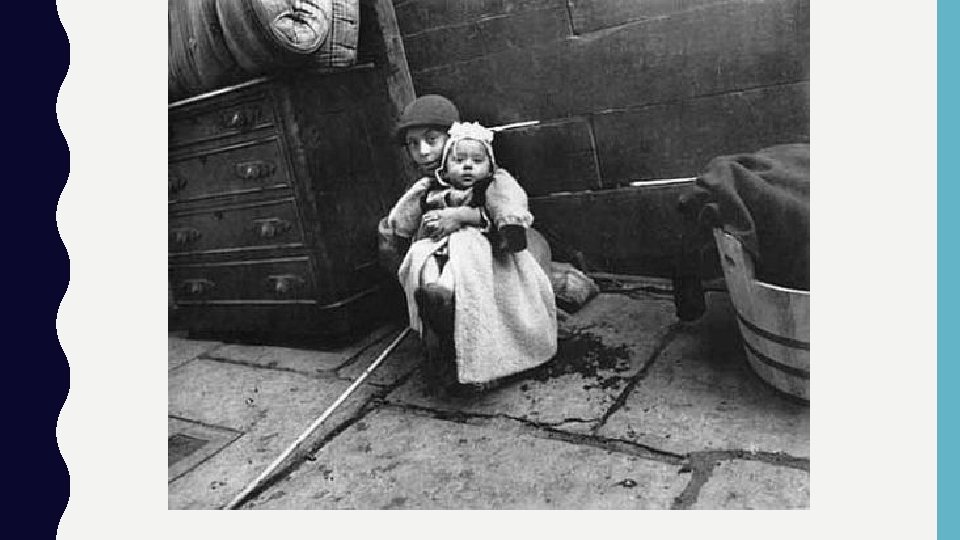
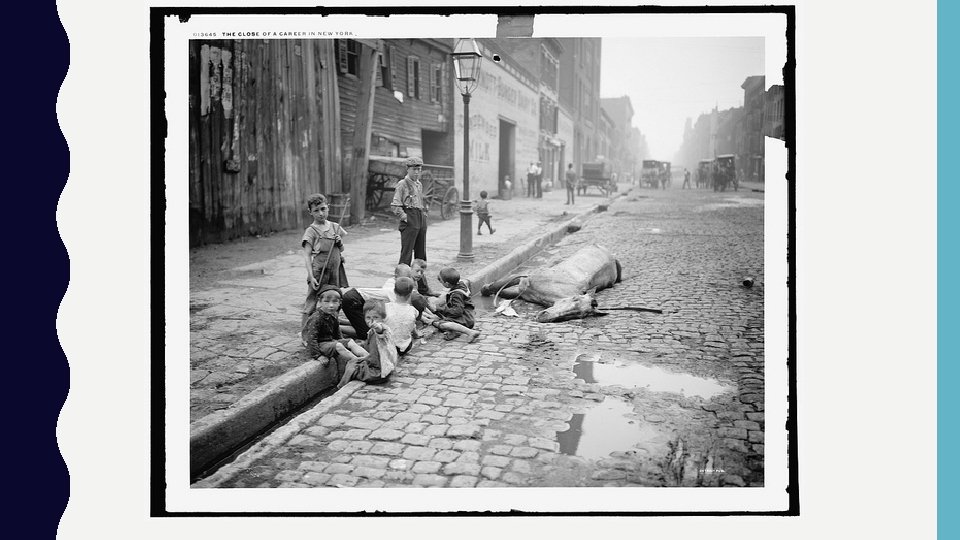
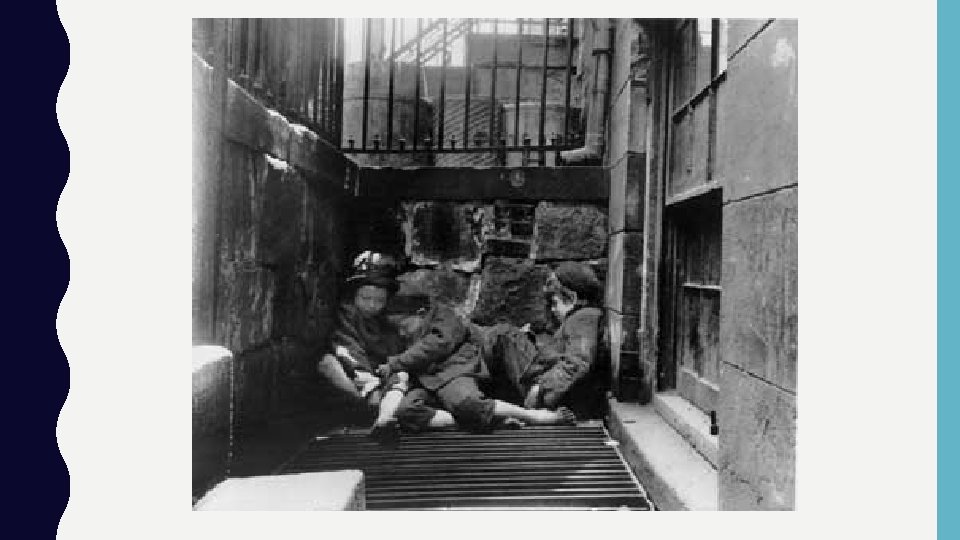
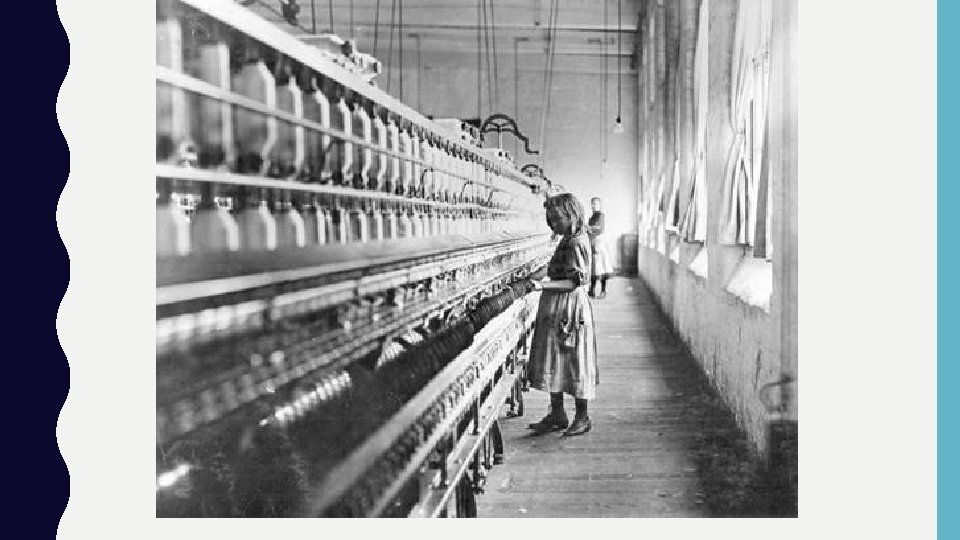
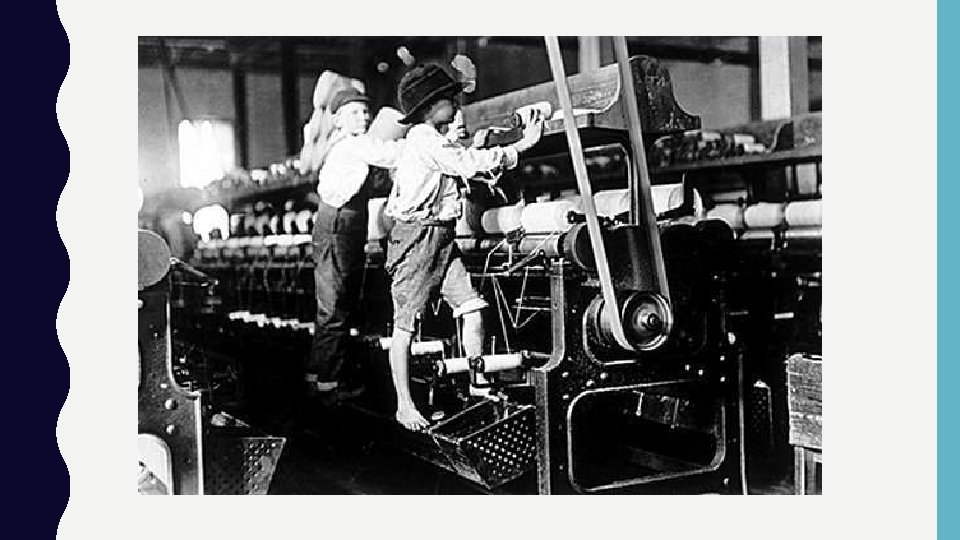
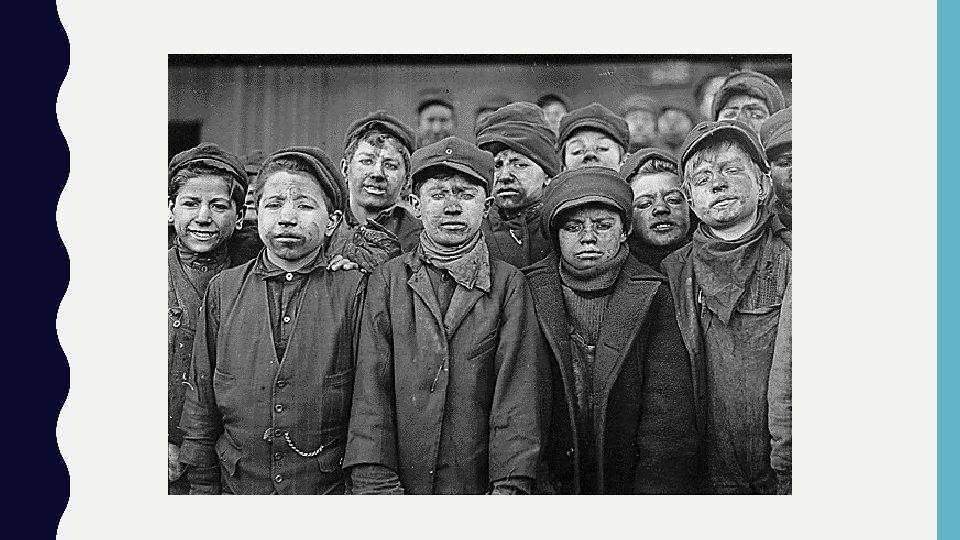
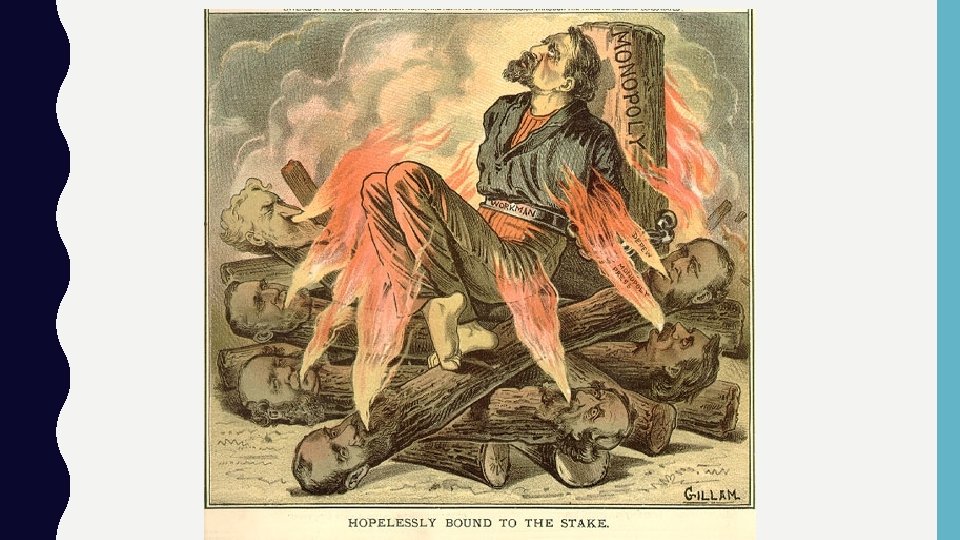
PROGRESSIVE GOALS/BELIEFS a. To make the government less corrupt b. To regulate business for the common good c. To provide social services to citizens d. To provide a safe place for citizens to work and live e. To work within the capitalist system to bring about change
WHO WERE THE PROGRESSIVES? a. Usually middle class b. White c. Males and females d. native-born citizens e. educated
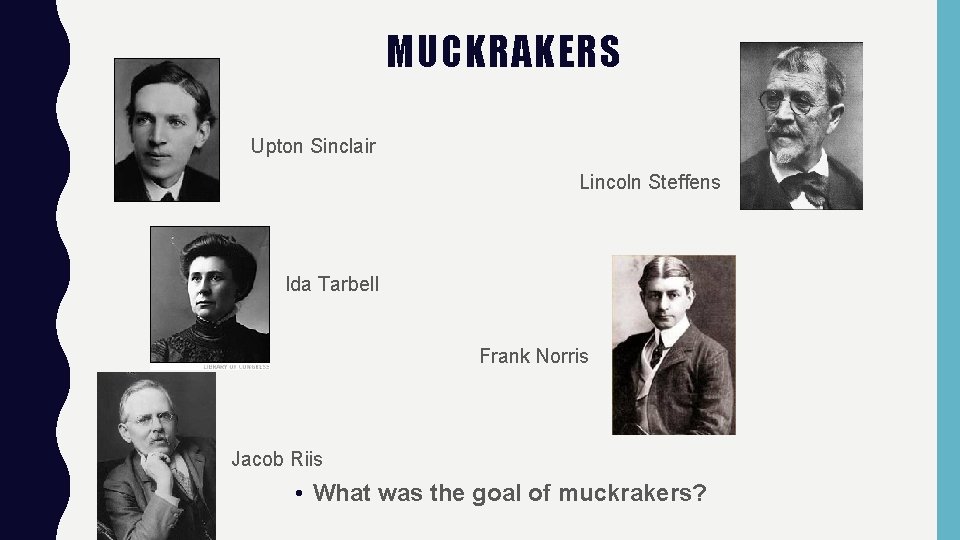
MUCKRAKERS Upton Sinclair Lincoln Steffens Ida Tarbell Frank Norris Jacob Riis • What was the goal of muckrakers?
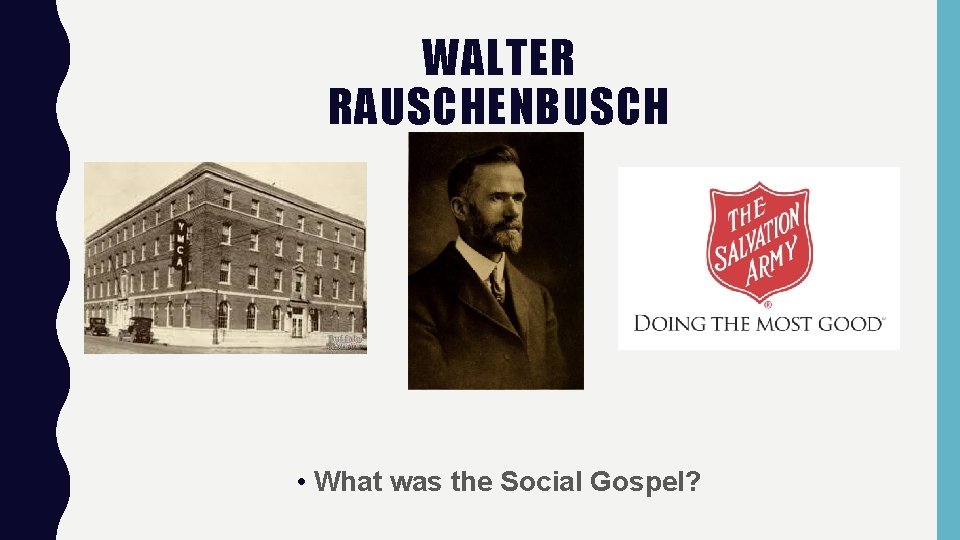
WALTER RAUSCHENBUSCH • What was the Social Gospel?
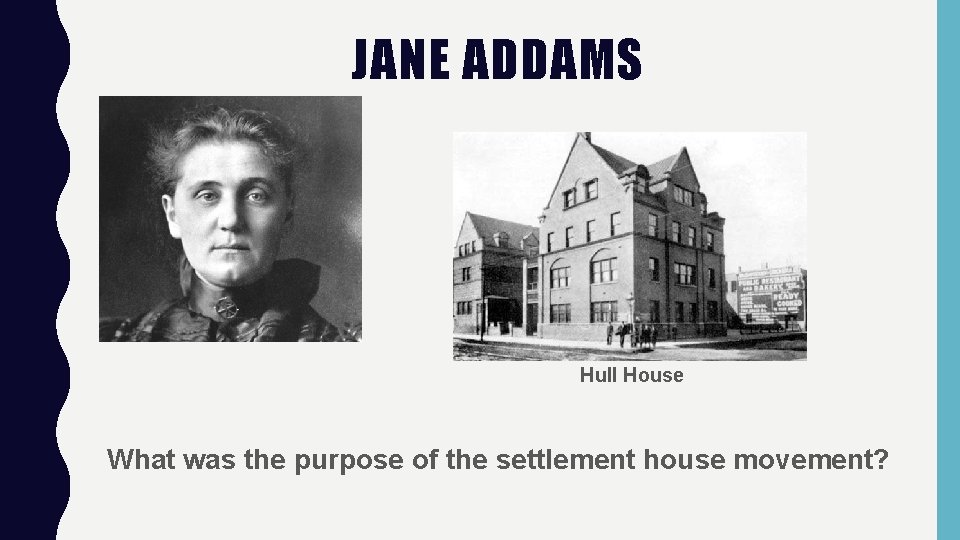
JANE ADDAMS Hull House What was the purpose of the settlement house movement?
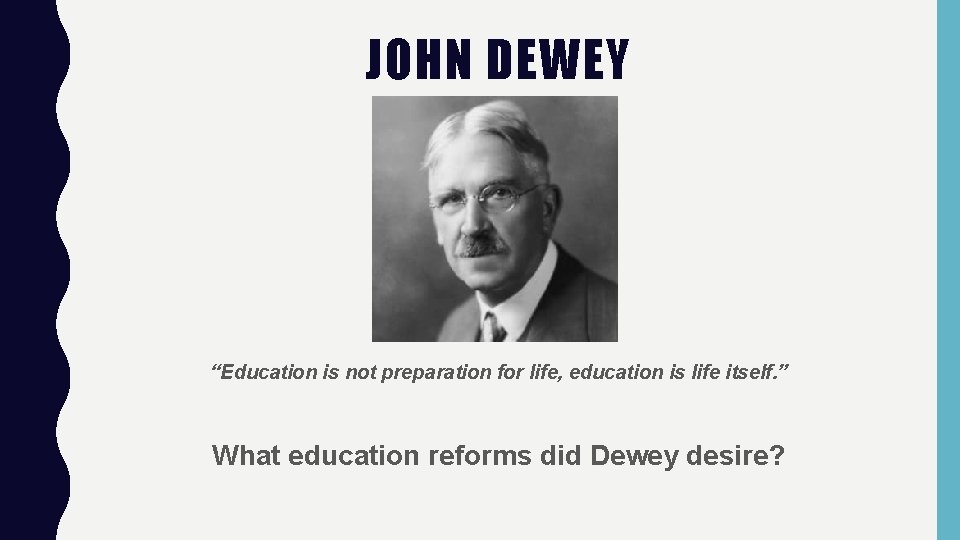
JOHN DEWEY “Education is not preparation for life, education is life itself. ” What education reforms did Dewey desire?
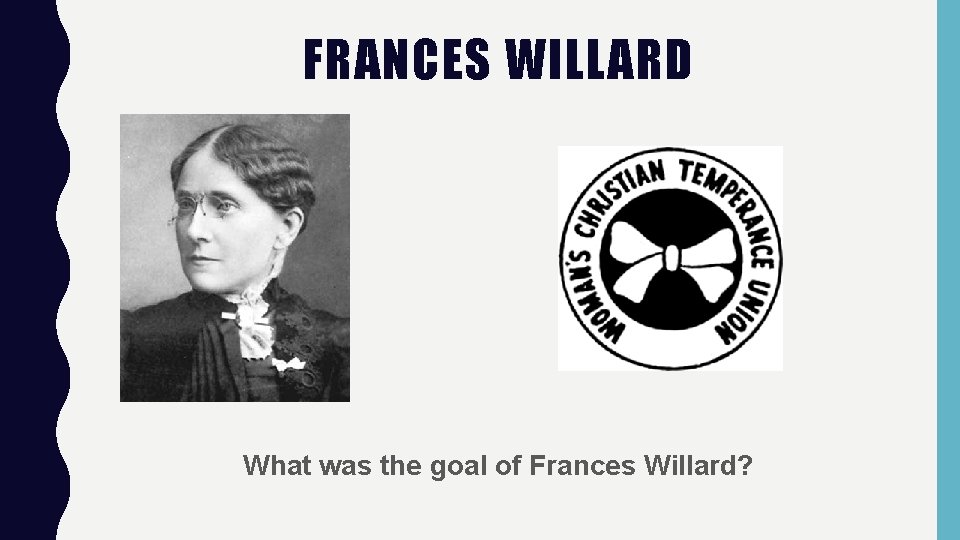
FRANCES WILLARD What was the goal of Frances Willard?
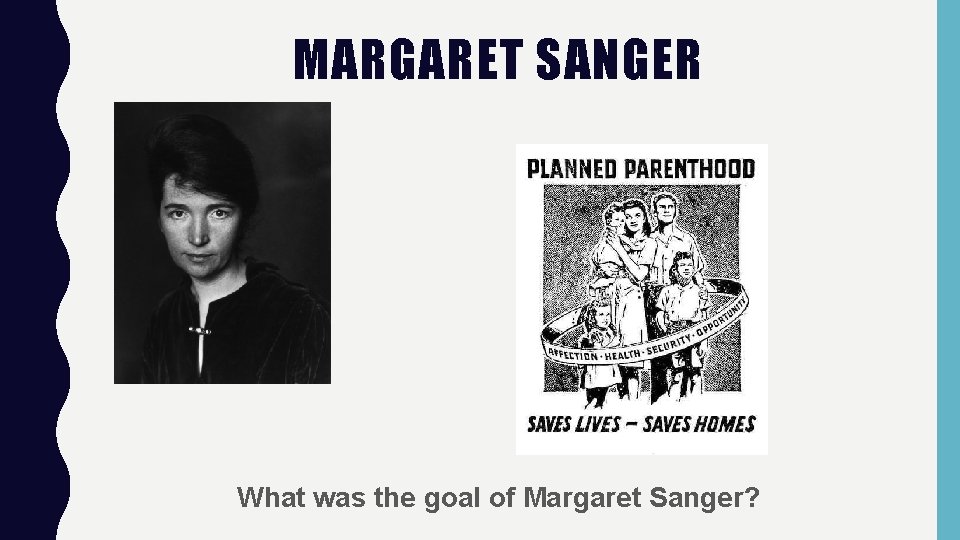
MARGARET SANGER What was the goal of Margaret Sanger?
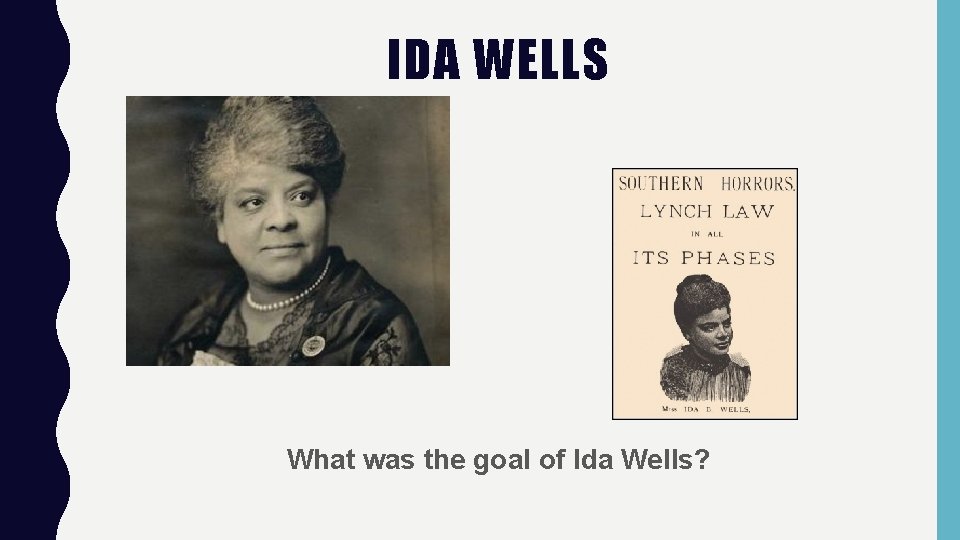
IDA WELLS What was the goal of Ida Wells?
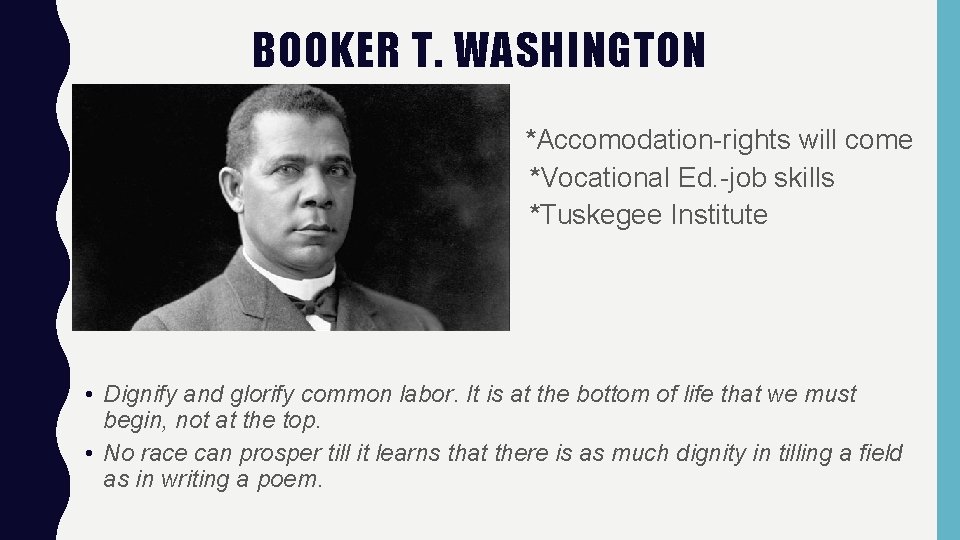
BOOKER T. WASHINGTON *Accomodation-rights will come *Vocational Ed. -job skills *Tuskegee Institute • Dignify and glorify common labor. It is at the bottom of life that we must begin, not at the top. • No race can prosper till it learns that there is as much dignity in tilling a field as in writing a poem.
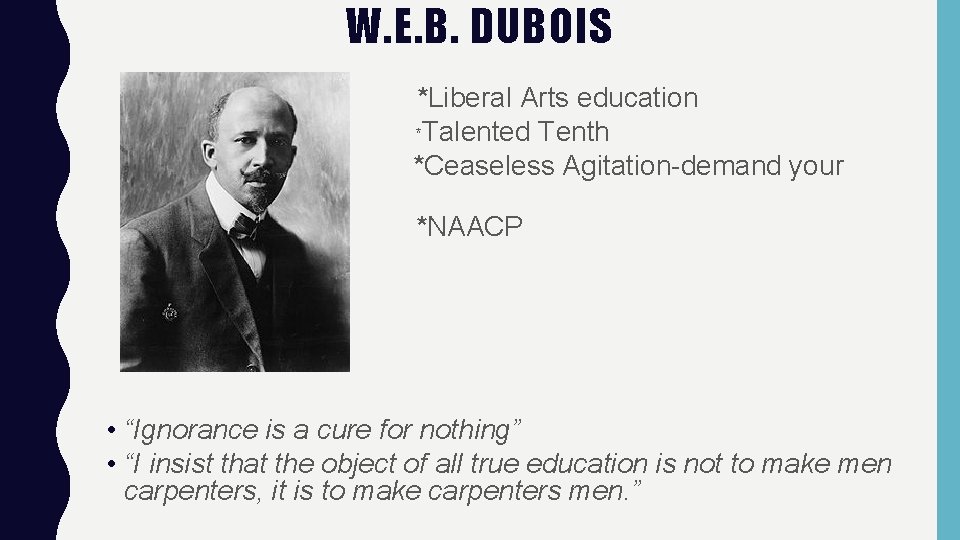
W. E. B. DUBOIS rights *Liberal Arts education *Talented Tenth *Ceaseless Agitation-demand your *NAACP • “Ignorance is a cure for nothing” • “I insist that the object of all true education is not to make men carpenters, it is to make carpenters men. ”
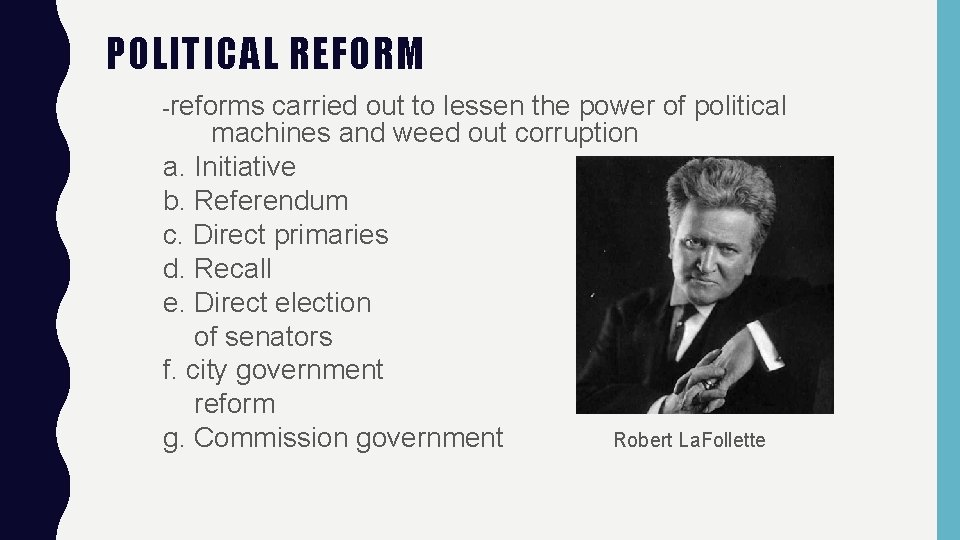
POLITICAL REFORM -reforms carried out to lessen the power of political machines and weed out corruption a. Initiative b. Referendum c. Direct primaries d. Recall e. Direct election of senators f. city government reform g. Commission government Robert La. Follette
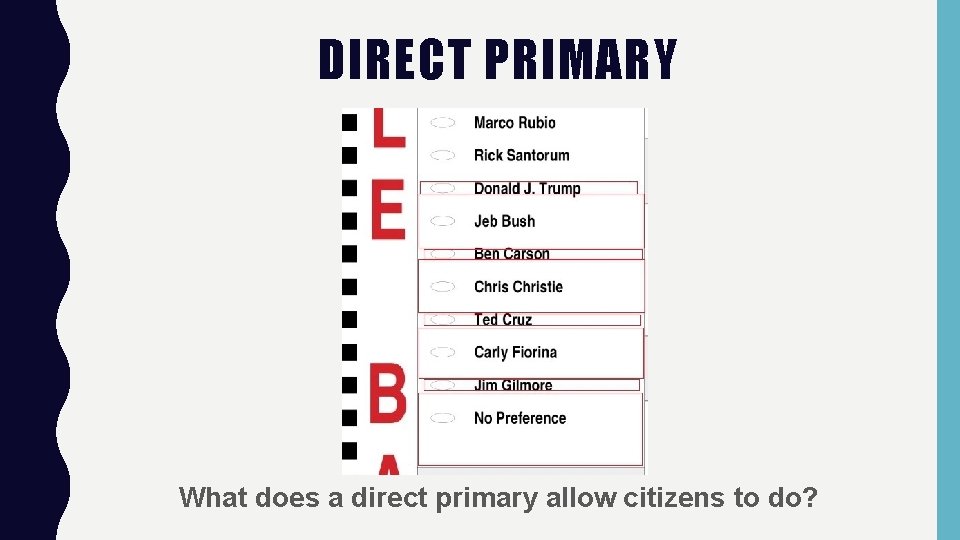
DIRECT PRIMARY What does a direct primary allow citizens to do?
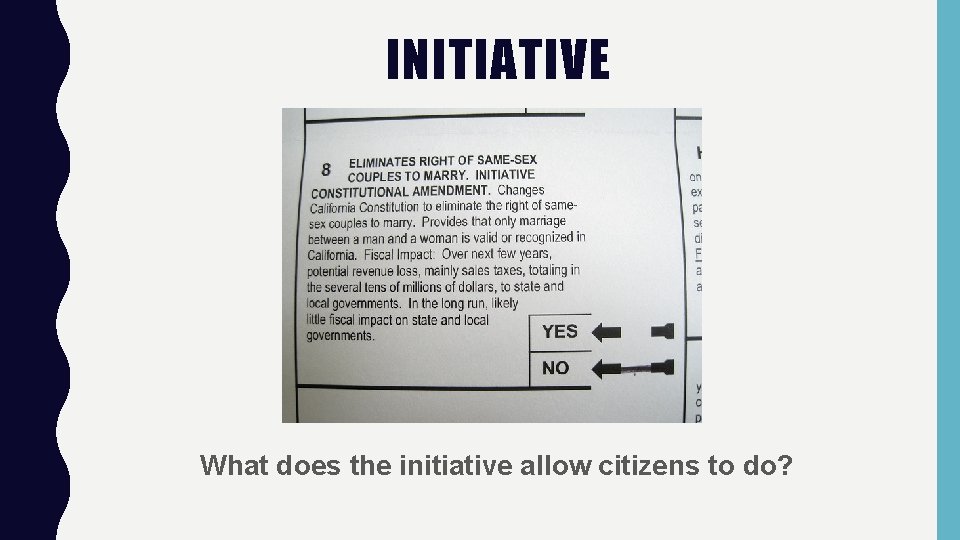
INITIATIVE What does the initiative allow citizens to do?
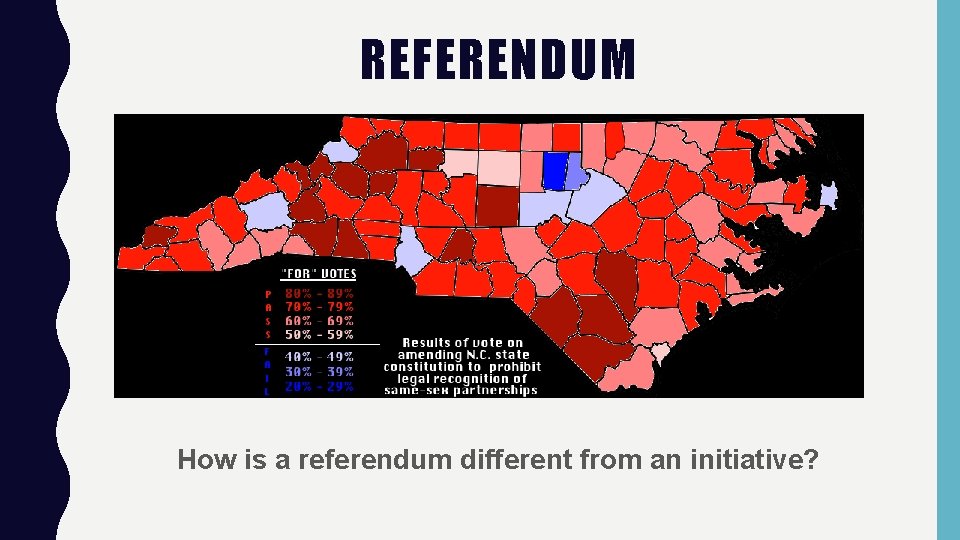
REFERENDUM How is a referendum different from an initiative?
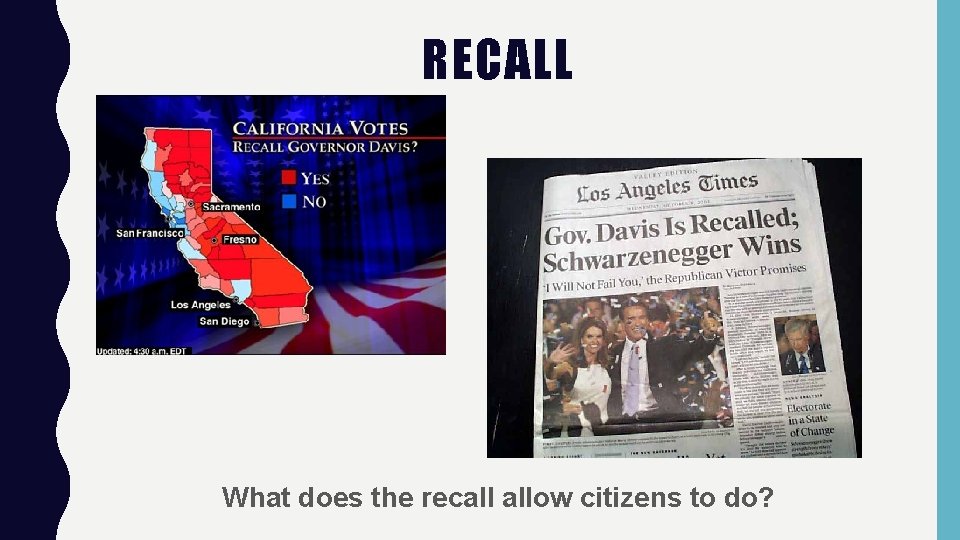
RECALL What does the recall allow citizens to do?
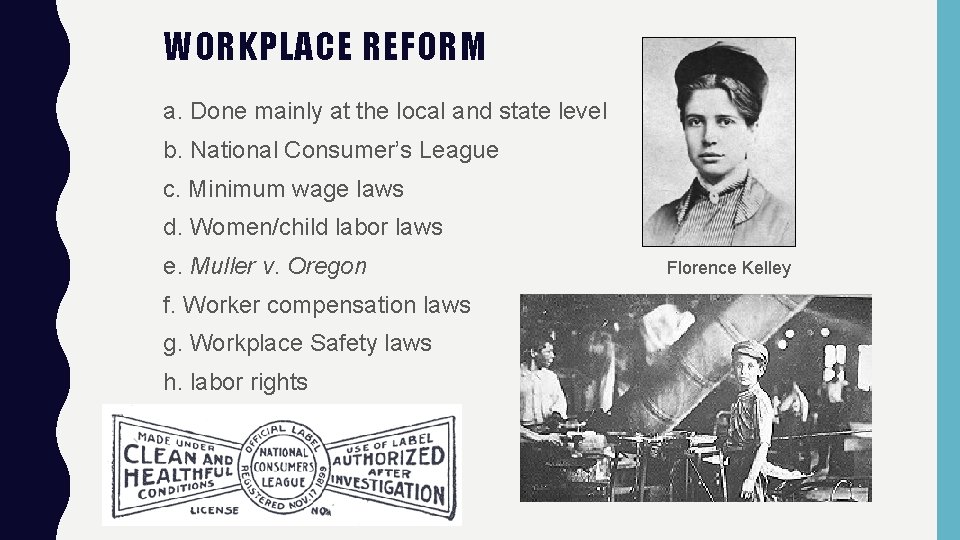
WORKPLACE REFORM a. Done mainly at the local and state level b. National Consumer’s League c. Minimum wage laws d. Women/child labor laws e. Muller v. Oregon f. Worker compensation laws g. Workplace Safety laws h. labor rights Florence Kelley
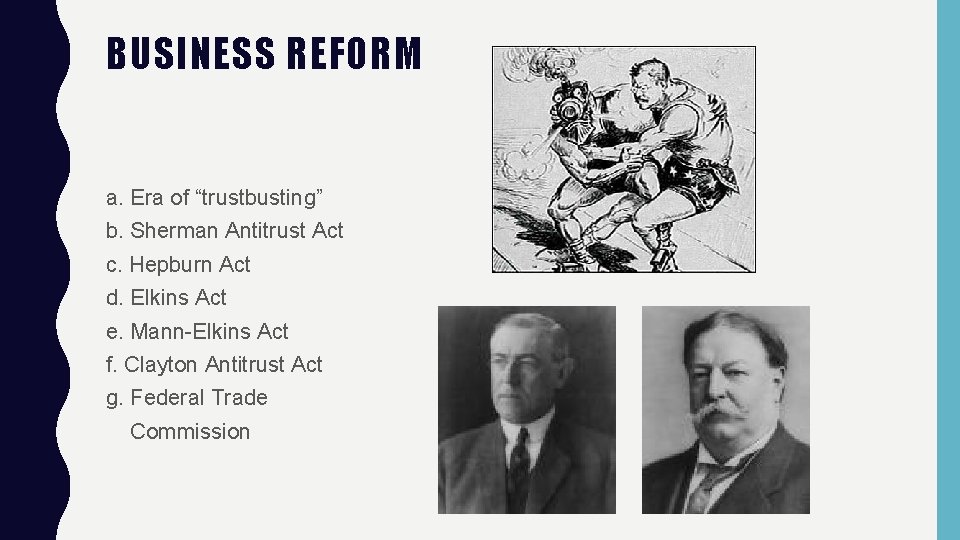
BUSINESS REFORM a. Era of “trustbusting” b. Sherman Antitrust Act c. Hepburn Act d. Elkins Act e. Mann-Elkins Act f. Clayton Antitrust Act g. Federal Trade Commission
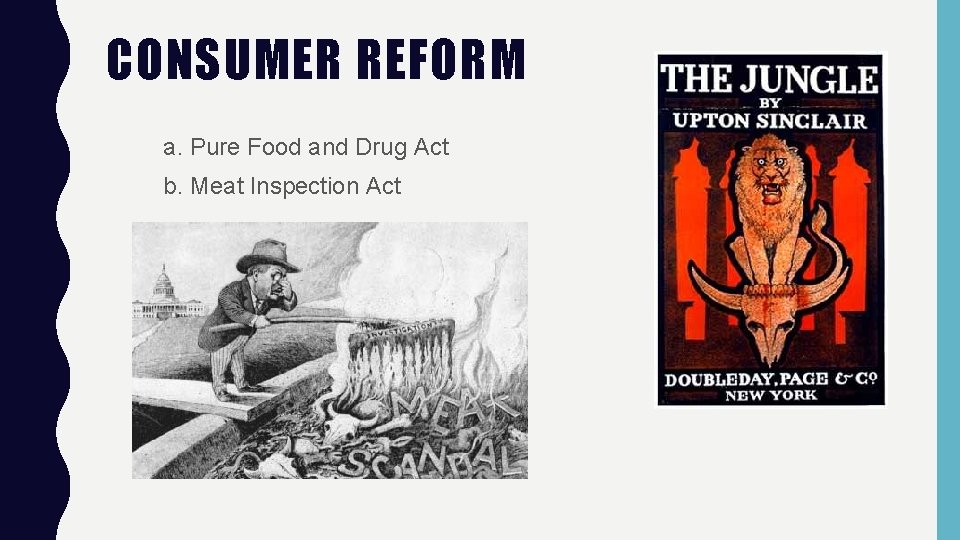
CONSUMER REFORM a. Pure Food and Drug Act b. Meat Inspection Act
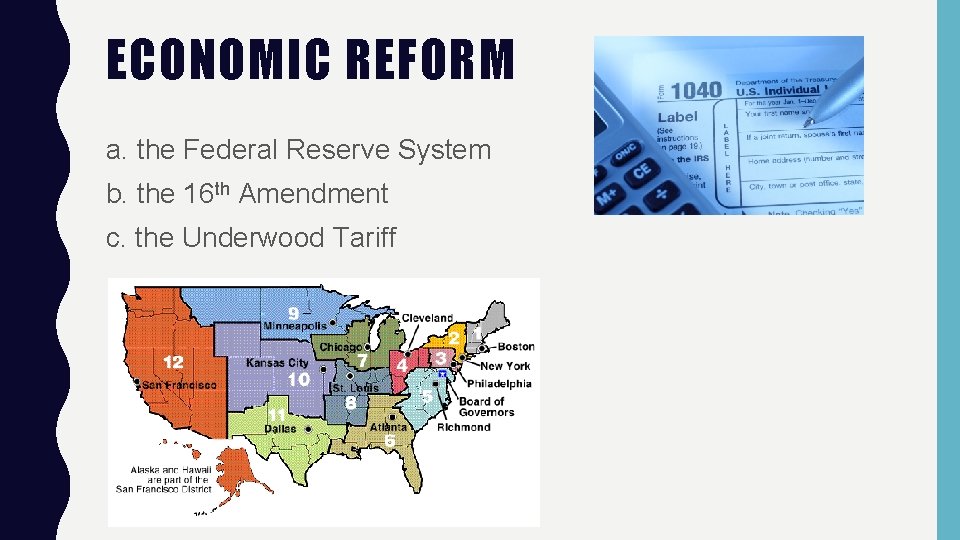
ECONOMIC REFORM a. the Federal Reserve System b. the 16 th Amendment c. the Underwood Tariff
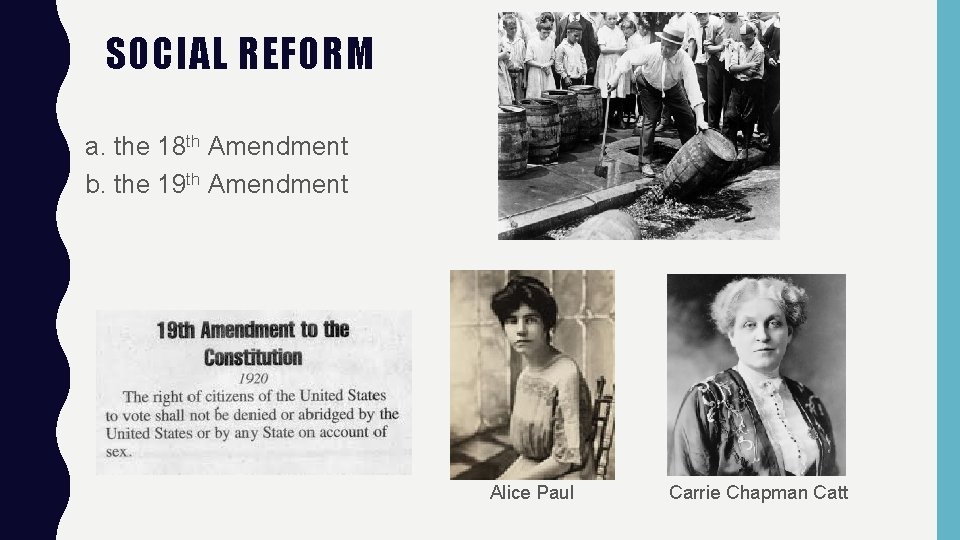
SOCIAL REFORM a. the 18 th Amendment b. the 19 th Amendment Alice Paul Carrie Chapman Catt
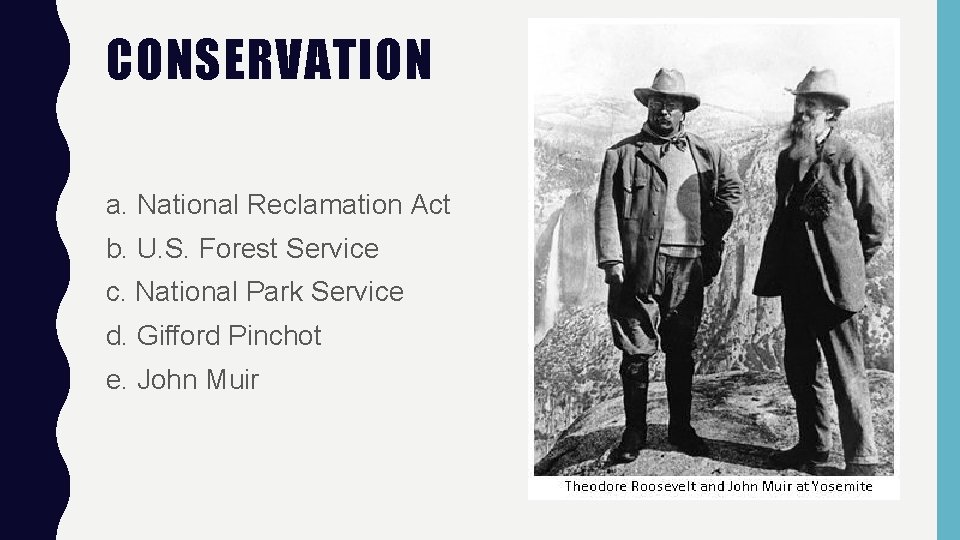
CONSERVATION a. National Reclamation Act b. U. S. Forest Service c. National Park Service d. Gifford Pinchot e. John Muir
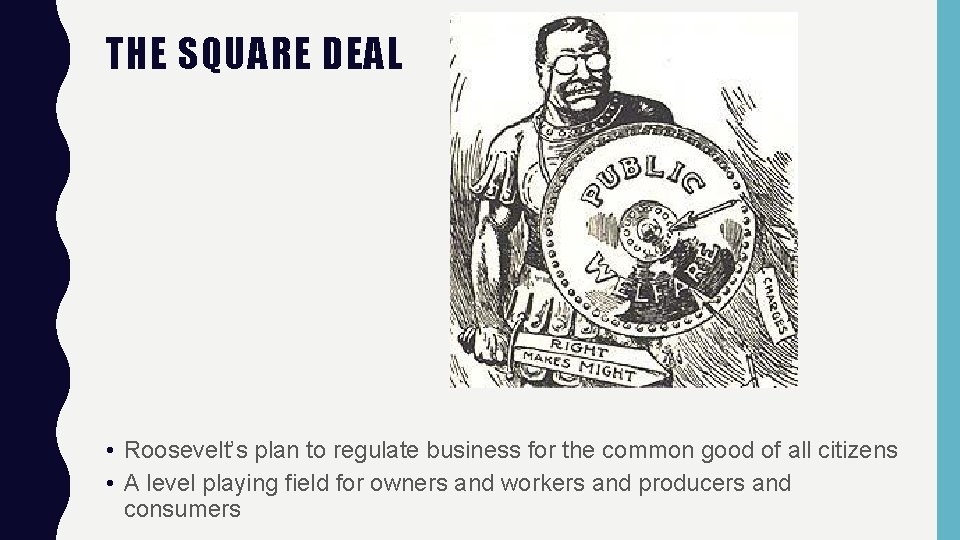
THE SQUARE DEAL • Roosevelt’s plan to regulate business for the common good of all citizens • A level playing field for owners and workers and producers and consumers
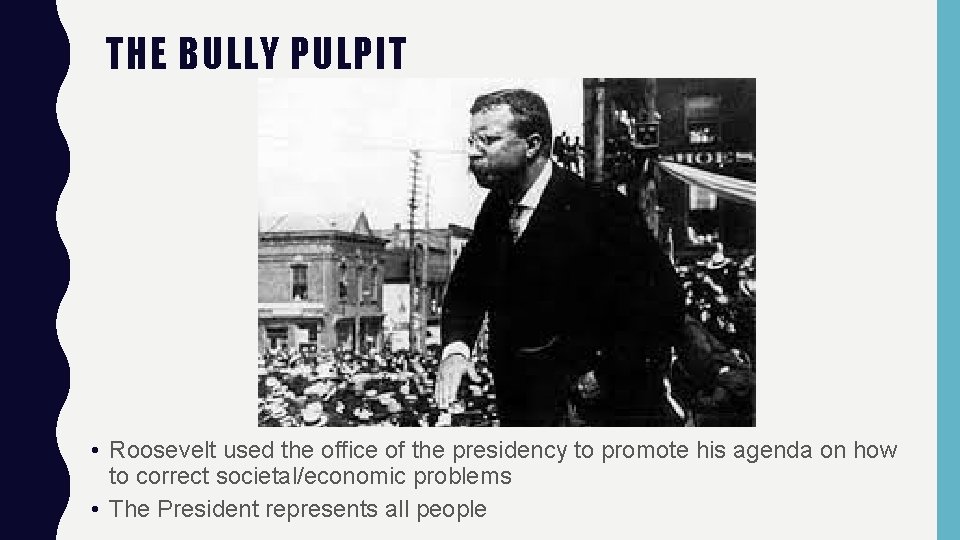
THE BULLY PULPIT • Roosevelt used the office of the presidency to promote his agenda on how to correct societal/economic problems • The President represents all people
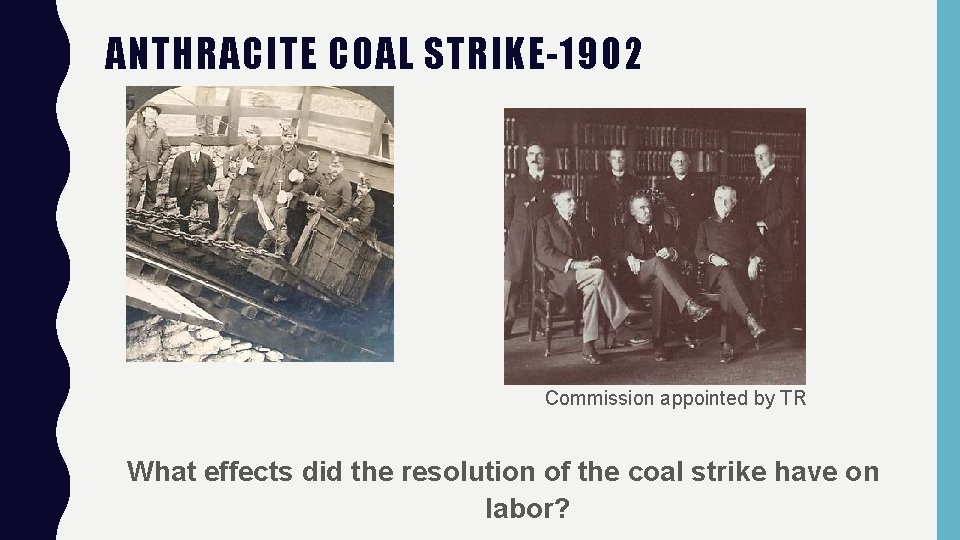
ANTHRACITE COAL STRIKE-1902 Commission appointed by TR What effects did the resolution of the coal strike have on labor?
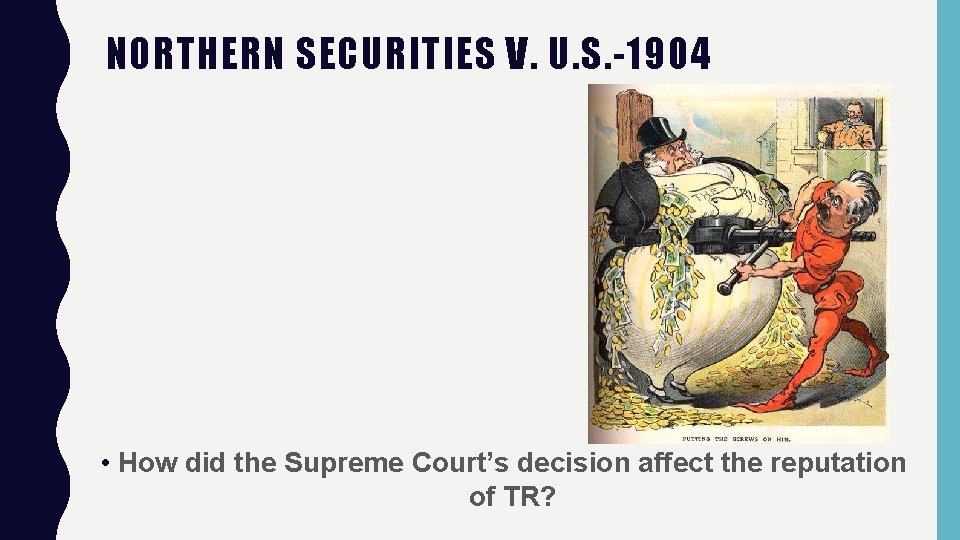
NORTHERN SECURITIES V. U. S. -1904 • How did the Supreme Court’s decision affect the reputation of TR?
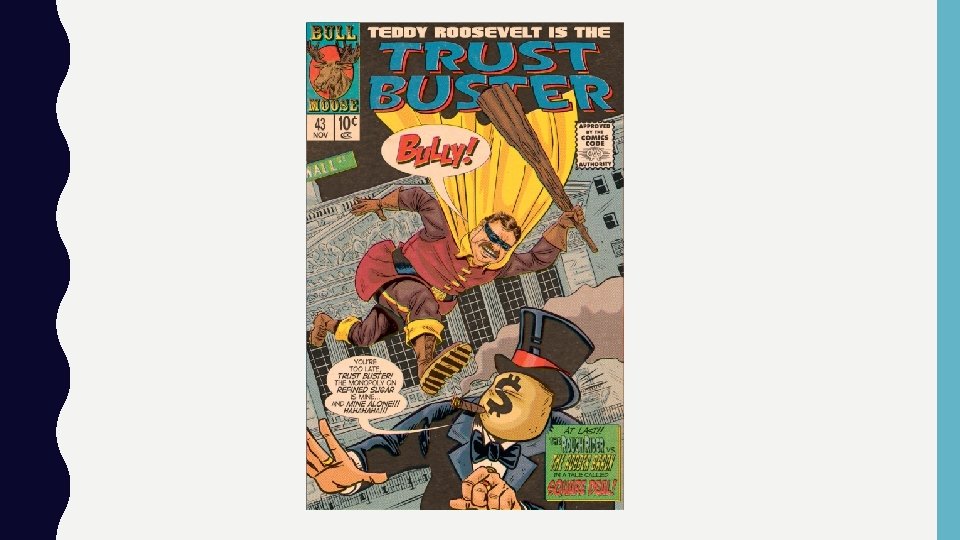
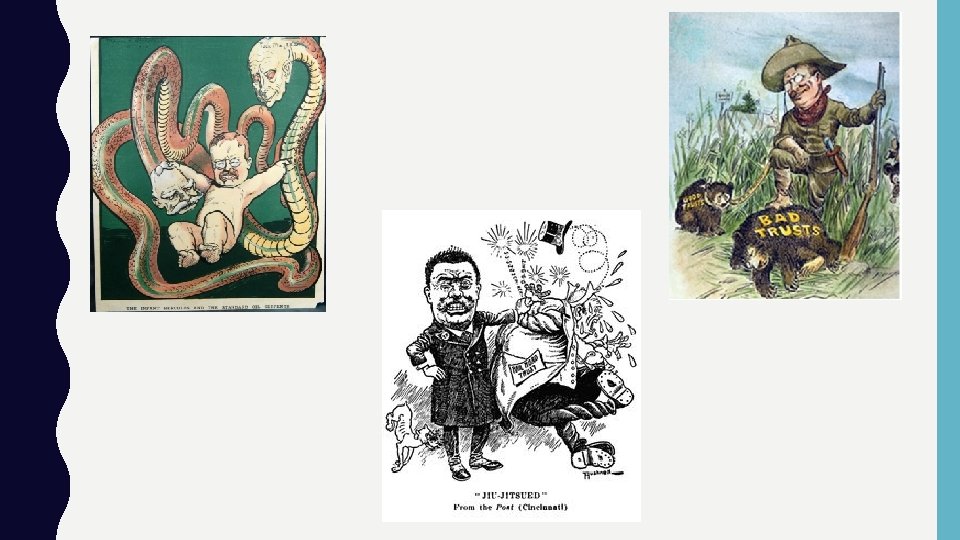
• Who you gonna call? • TRUSTBUSTERS!!
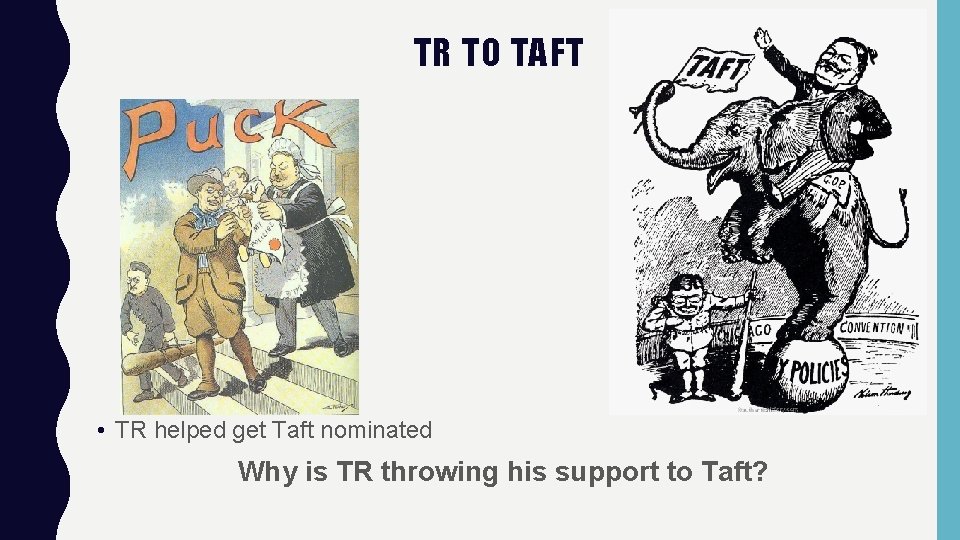
TR TO TAFT • TR helped get Taft nominated Why is TR throwing his support to Taft?
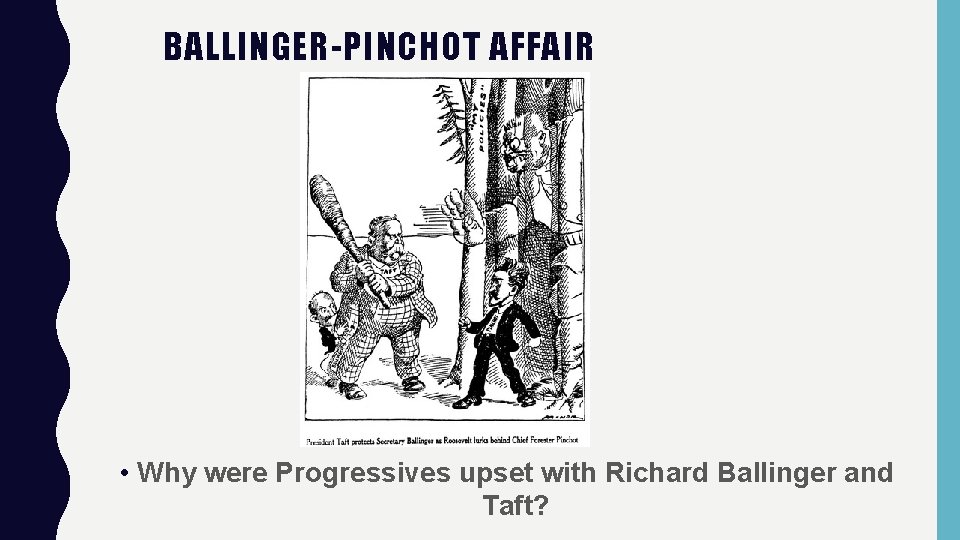
BALLINGER-PINCHOT AFFAIR • Why were Progressives upset with Richard Ballinger and Taft?
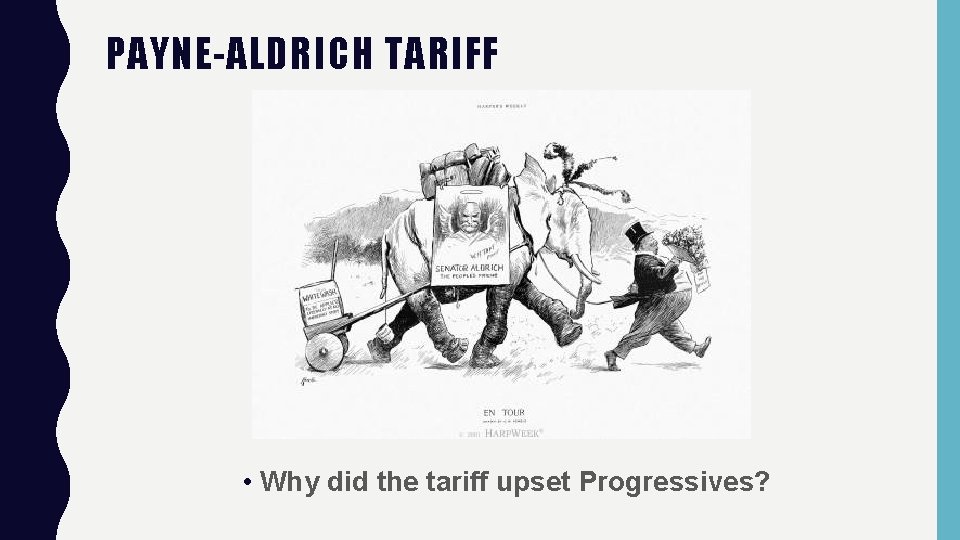
PAYNE-ALDRICH TARIFF • Why did the tariff upset Progressives?
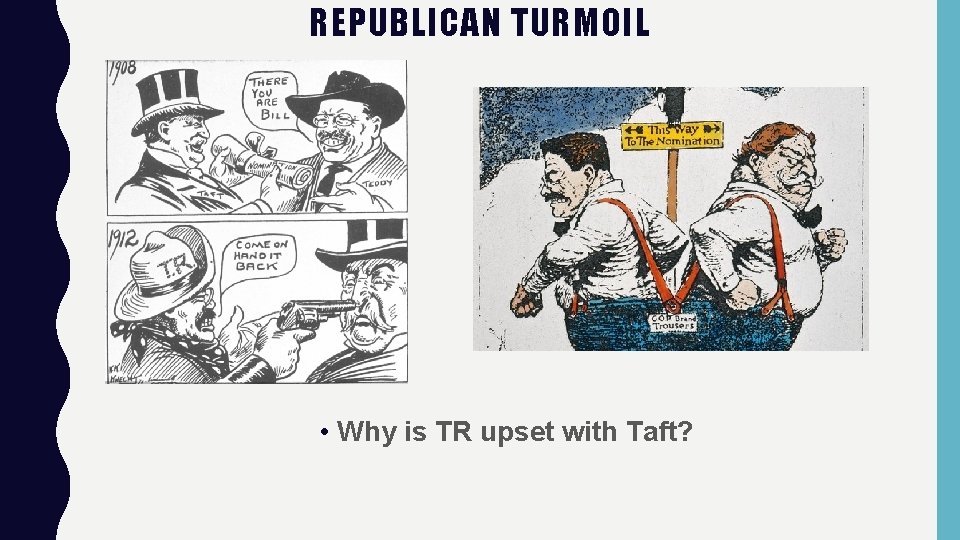
REPUBLICAN TURMOIL • Why is TR upset with Taft?
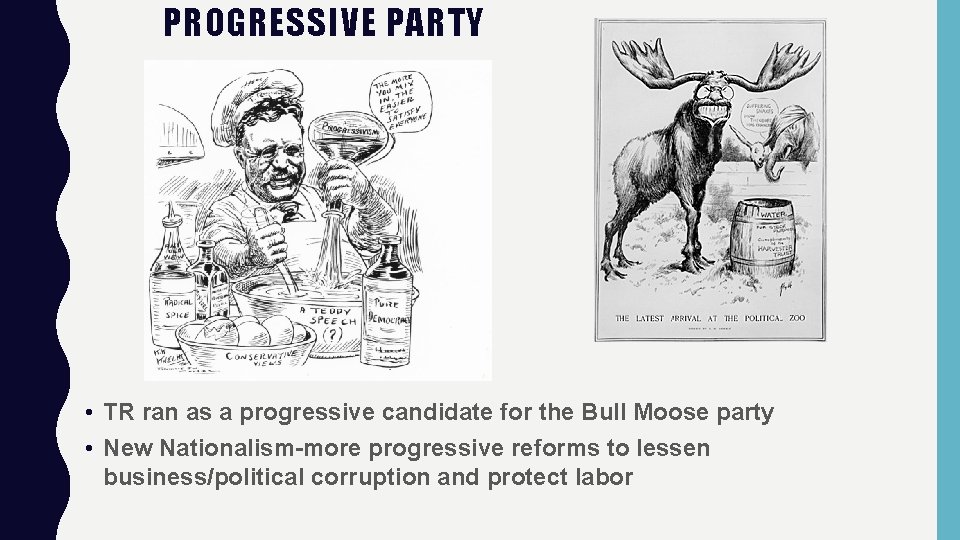
PROGRESSIVE PARTY • TR ran as a progressive candidate for the Bull Moose party • New Nationalism-more progressive reforms to lessen business/political corruption and protect labor
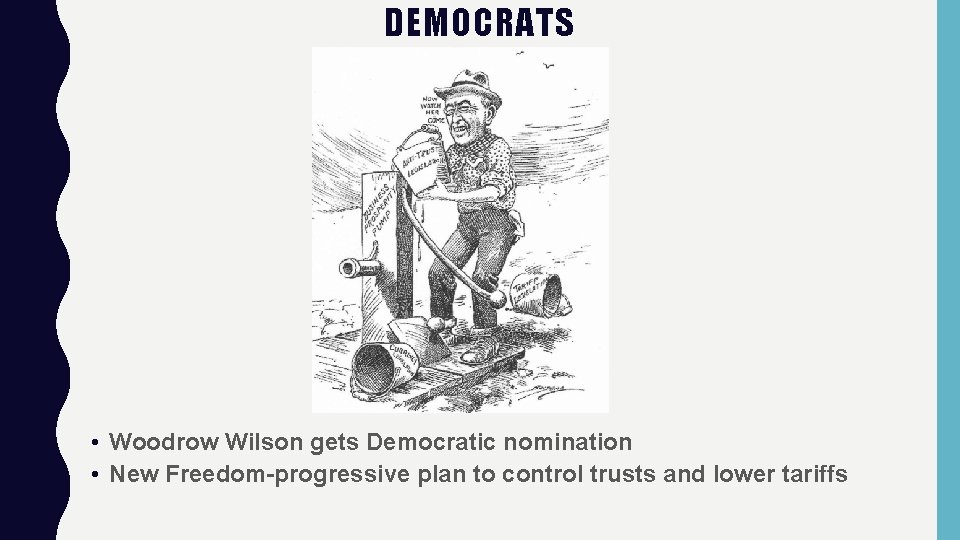
DEMOCRATS • Woodrow Wilson gets Democratic nomination • New Freedom-progressive plan to control trusts and lower tariffs
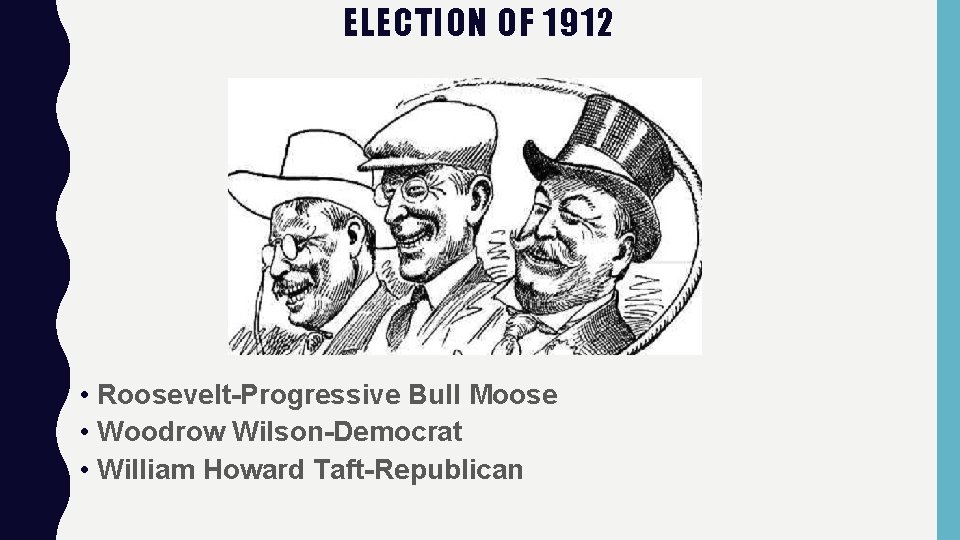
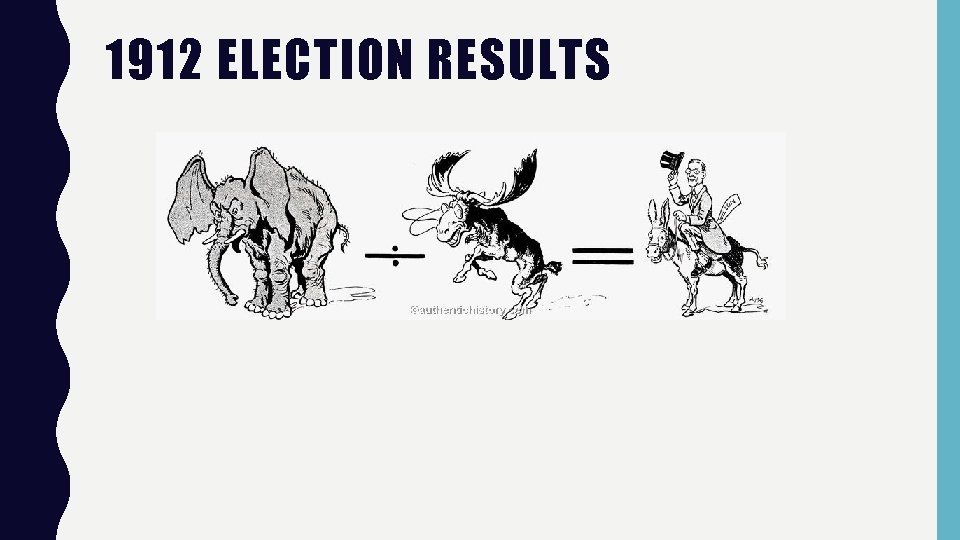
ELECTION OF 1912 • Roosevelt-Progressive Bull Moose • Woodrow Wilson-Democrat • William Howard Taft-Republican
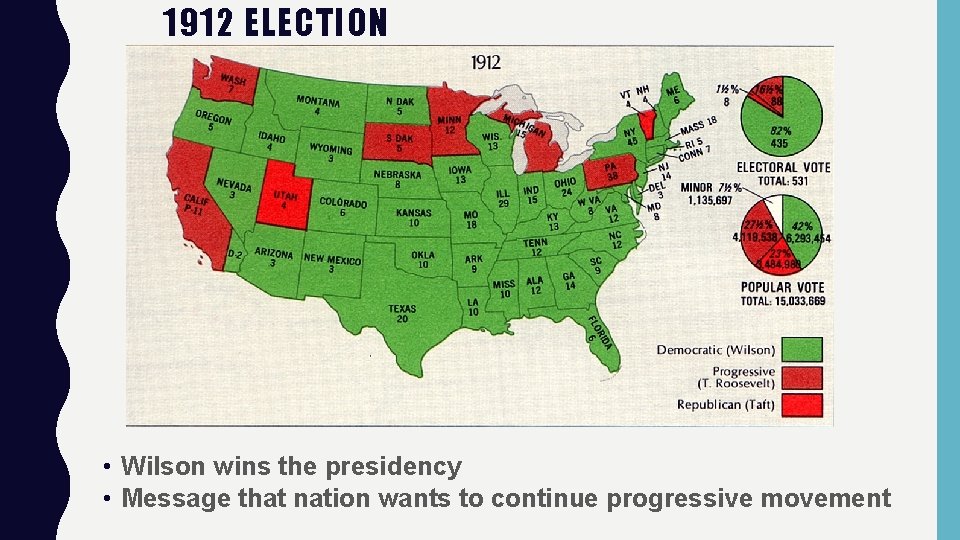
1912 ELECTION • Wilson wins the presidency • Message that nation wants to continue progressive movement
1912 ELECTION RESULTS
CAUSES OF PROGRESSIVISM • Poverty • Trusts/monopolies • Poor living conditions • Poor working conditions • Crime • Environmental damage • Corrupt government
EFFECTS OF PROGRESSIVISM • • Increased business regulations End of laissez-faire Conservation/preservation of the environment Increased voting rights Improved living conditions Better working conditions Government responsibility for the welfare of its people Increased political participation for citizens
LIMITS OF PROGRESSIVISM a. reforms were focused on urban problems, thus farm relief was not a major goal. b. nothing done to help minorities or lessen discrimination. c. nativism was still prevalent.
ESSENTIAL QUESTIONS • Why did the Progressive Era begin in the late 1800 s? • What reforms occurred during the Progressive Era?
- Slides: 59