
The Professional Aspects of Mixed Mode for Runway
- Slides: 27
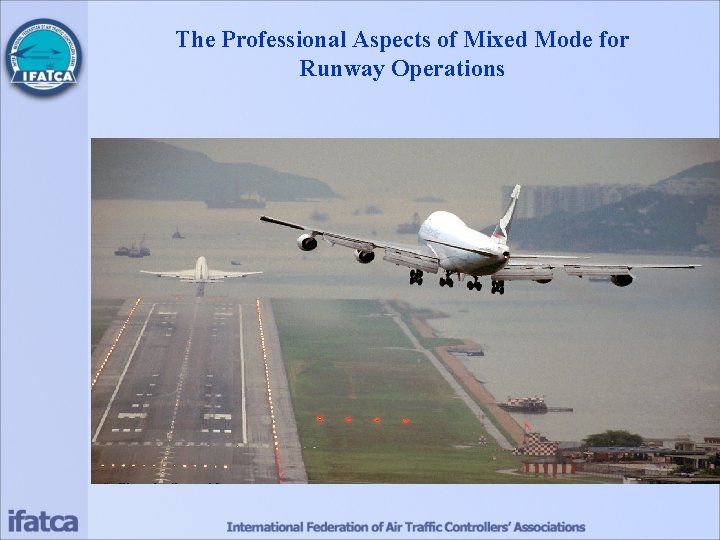
The Professional Aspects of Mixed Mode for Runway Operations
Mixed Mode • IFATCA: Mixed mode operations are defined as ATM Operations that require different procedures due to variances in airspace users characteristics and/or ATM design within the same area of controller responsibility. • Context of the paper. The mixing of arrivals and departures on the same runway at multiple runway airfields.
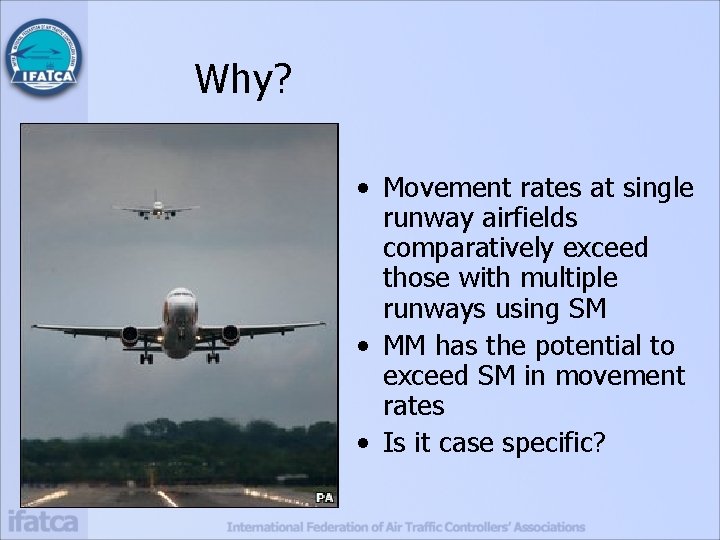
Why? • Movement rates at single runway airfields comparatively exceed those with multiple runways using SM • MM has the potential to exceed SM in movement rates • Is it case specific?
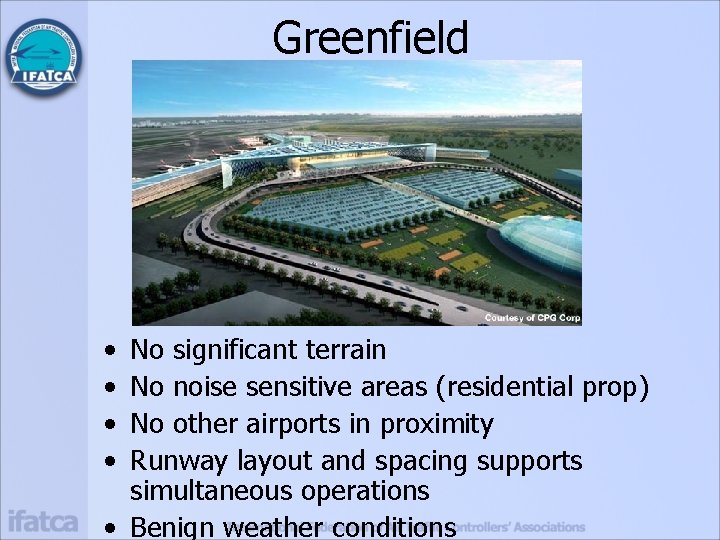
Greenfield • • No significant terrain No noise sensitive areas (residential prop) No other airports in proximity Runway layout and spacing supports simultaneous operations • Benign weather conditions
Green field Vs Reality • Terrain: - impact on missed approaches • Weather • Airspace: -proximity of other airfields and approach and arrival paths • Airfield: - physical dimensions • Noise sensitivity with population • Ability of ATM to absorb an increase
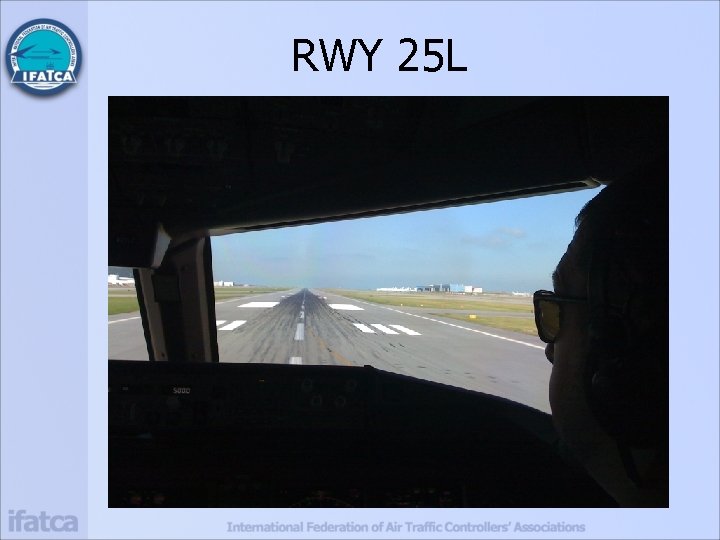
RWY 25 L
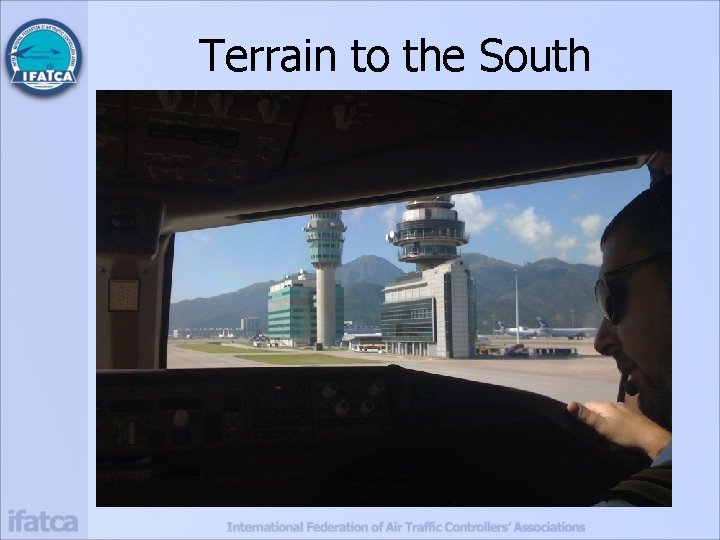
Terrain to the South
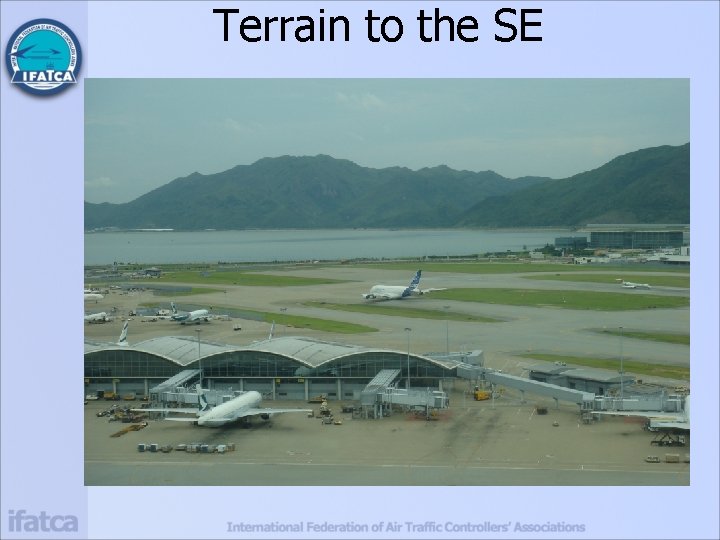
Terrain to the SE
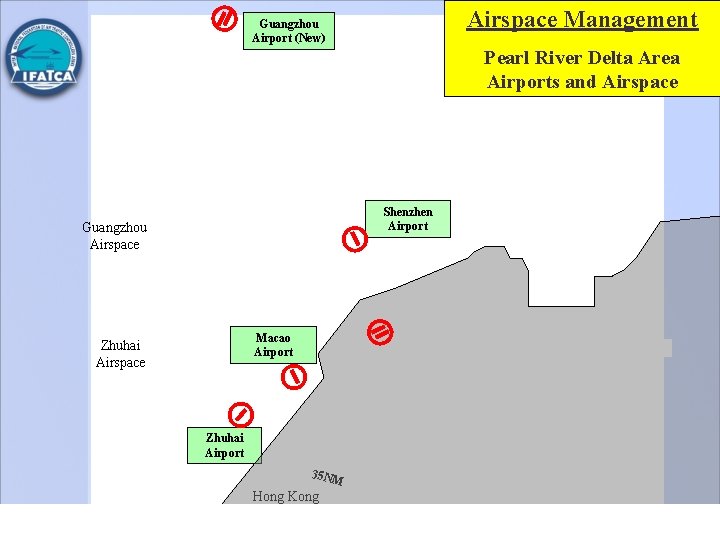
Airspace Management Guangzhou Airport (New) Pearl River Delta Area Airports and Airspace Shenzhen Airport Guangzhou Airspace Macao Airport Zhuhai Airspace Zhuhai Airport 35 NM Hong Kong Airspace
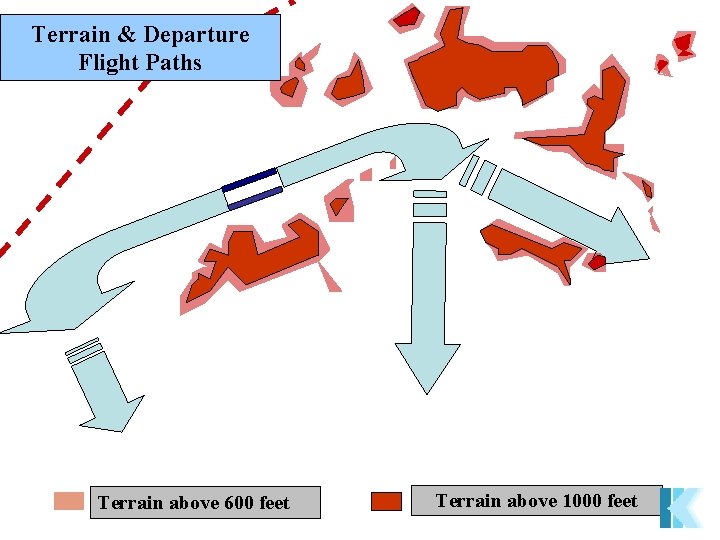
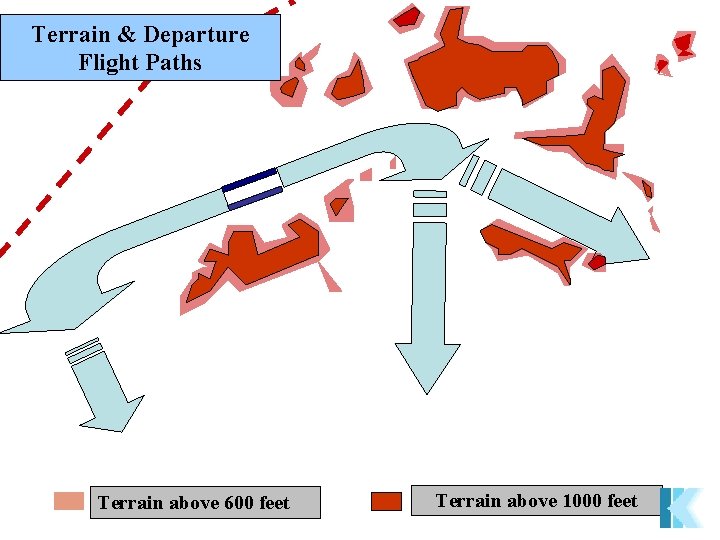
Terrain & Departure Flight Paths Terrain above 600 feet a Terrain above 1000 feet
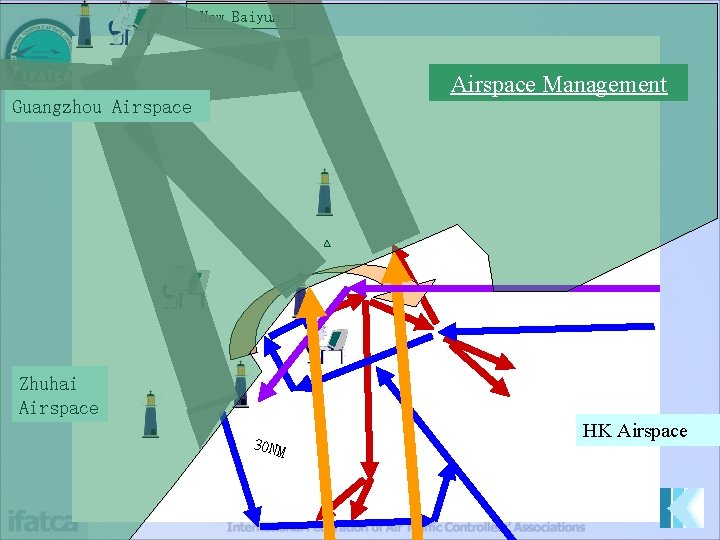
New Baiyun Airspace Management Guangzhou Airspace Zhuhai Airspace 30 NM HK Airspace
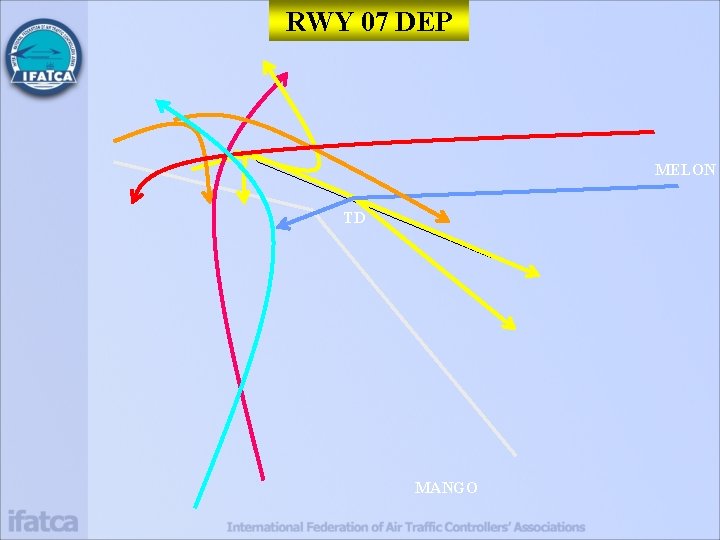
RWY 07 DEP MELON TD MANGO
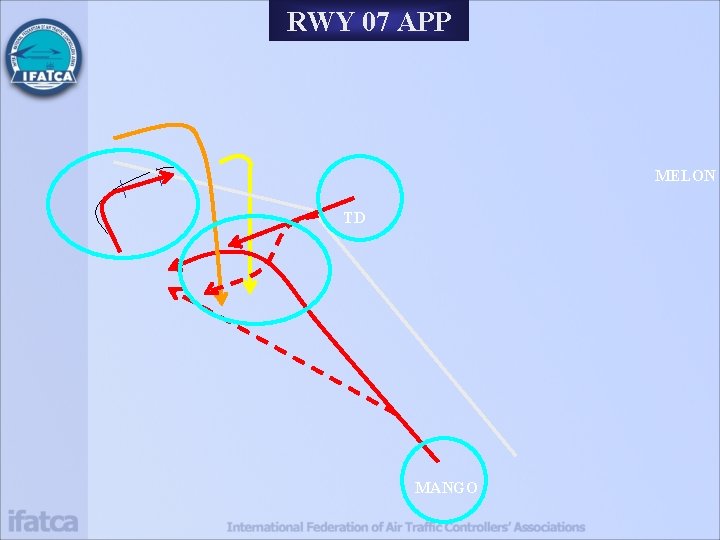
RWY 07 APP MELON TD MANGO
Airfield/equipment limitations • Can simultaneous/independent operations be conducted? (ICAO requirements) • Separation of missed approach and departure paths during MM • Will terrain permit clearing of a ‘non plundering’ aircraft with simultaneous MM arrivals? • Equipment…………………PRM?
Terrain & Departure Flight Paths Terrain above 600 feet a Terrain above 1000 feet
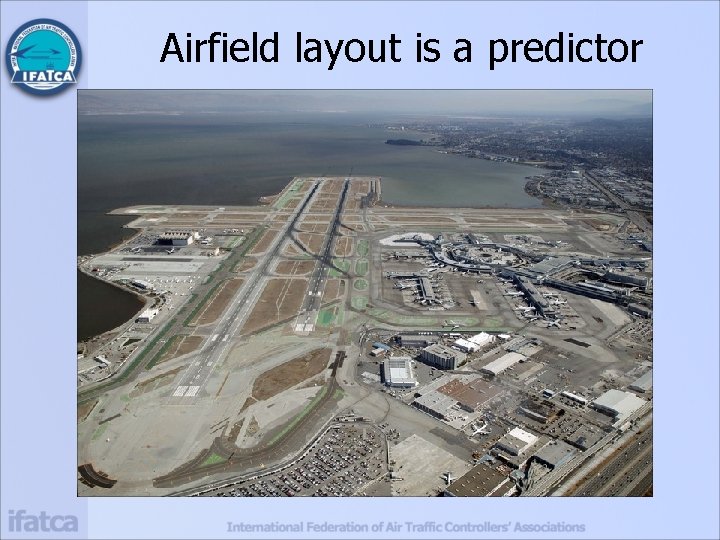
Airfield layout is a predictor
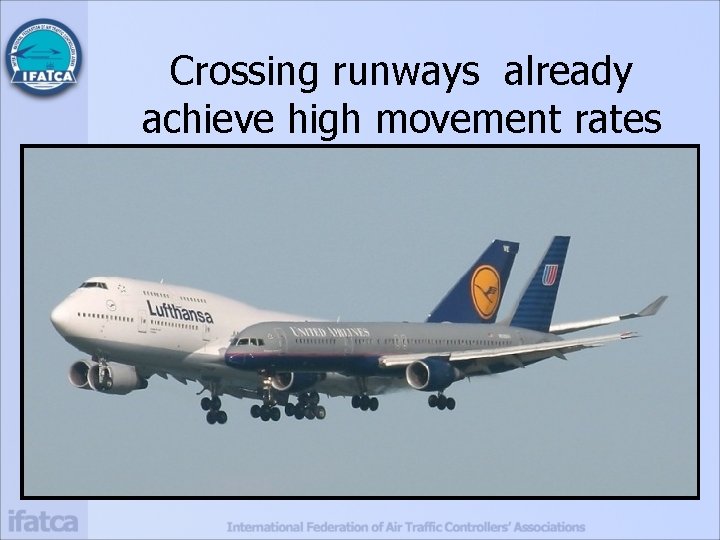
Crossing runways already achieve high movement rates
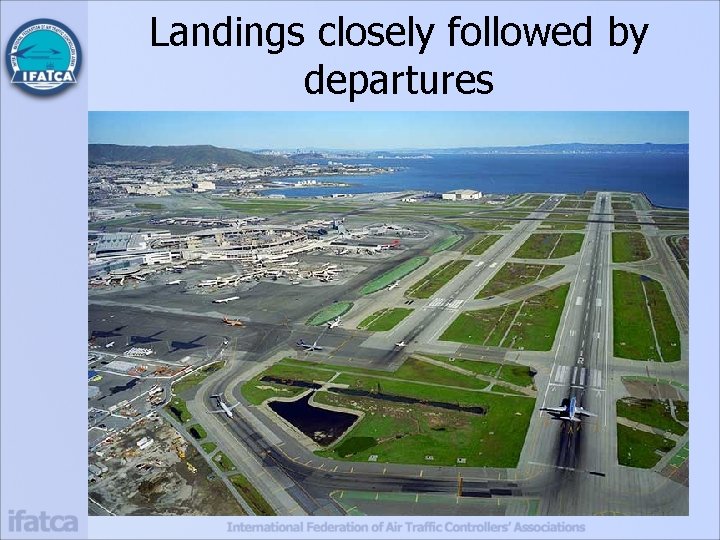
Landings closely followed by departures
Considerations • Safety: - Segregated mode • Reduction in Separation • Wake turbulence category • Weather conditions • Human Factors
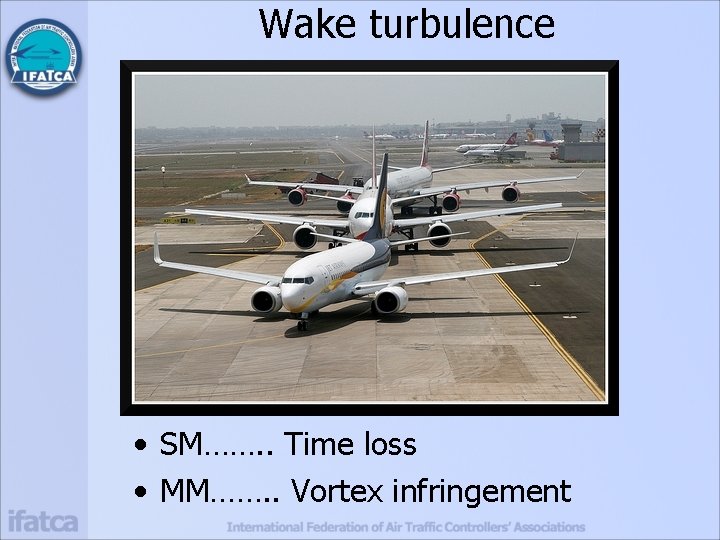
Wake turbulence • SM……. . Time loss • MM……. . Vortex infringement
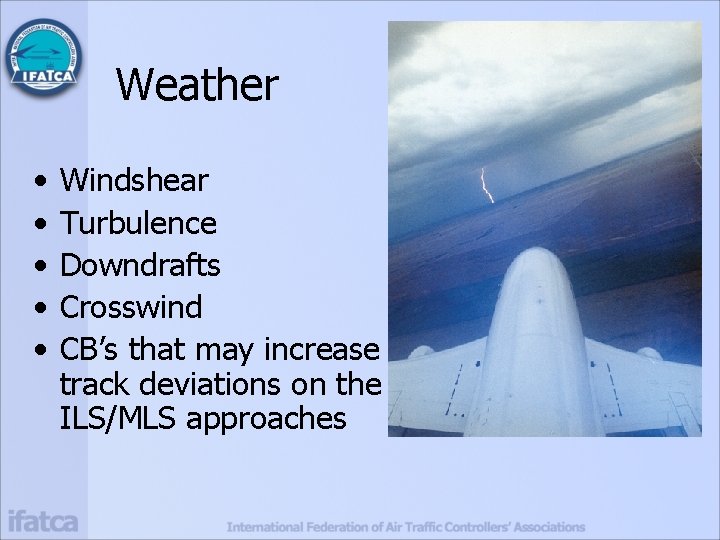
Weather • • • Windshear Turbulence Downdrafts Crosswind CB’s that may increase track deviations on the ILS/MLS approaches
Human Factors • Landings and take-offs are statistically the most hazardous phase of flight • Combining arrivals and departures removes the inherent safety of SM • MM increases risk & workload and has the potential to degrade predictability
Variables • Actual gain vs. theoretical gain • Traffic in the ILS sensitive area • Sidestep and missed approach procedure • Complex flow control with an unpredictable acceptance rate
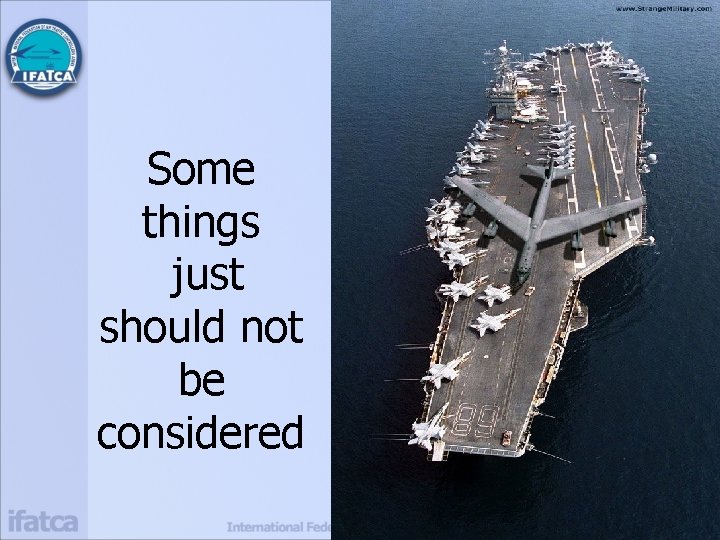
Some things just should not be considered
Recommendations • • Airspace/Terrain Limitations Physical dimensions permitting independent parallel approaches Human Factors resulting from procedural changes Procedures in the event of adverse weather Noise implications accompanying a change Reduction in separation Ability of the system to absorb an increase of traffic both ground airborne Missed approach procedures in the event of a late assignment of runway change
Draft recommendation that the paper be accepted as information.
Any Questions?