
The Presidency 7 Roots of the Office of
- Slides: 39
The Presidency 7
Roots of the Office of President of the United States 7. 1 ¤ Fear of executive power ¤ Presidential Qualifications and Terms of Office ¤ Twenty-Second Amendment (term limits) ¤ Impeachment ¤ Executive privilege ¤ Rules of Succession
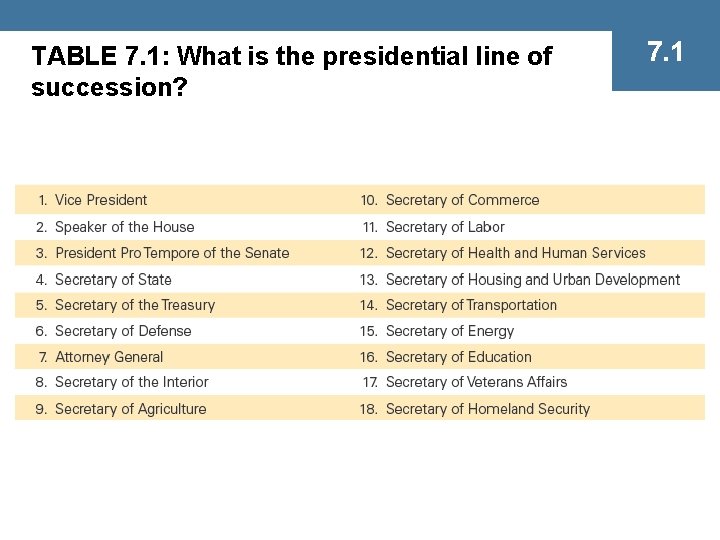
TABLE 7. 1: What is the presidential line of succession? 7. 1
Constitutional Powers of the President Appointment Power to Convene Congress Power to Make Treaties Veto Power to Preside over the Military as Commander in Chief ¤ Pardoning Power ¤ ¤ ¤ 7. 2
Appointment Power ¤ Ambassadors ¤ Judges ¤ Cabinet 7. 2
Power to Convene Congress ¤ Used on extraordinary occasions n e. g. , Treaty ratification ¤ State of the Union 7. 2
Power to Make Treaties ¤ ¤ Treaties require Senate approval Fast track trade agreements Executive agreements Receive ambassadors 7. 2
Veto Power ¤ “Qualified negative” n Can be overruled by Congress ¤ Line-item veto… 7. 2
Power to Preside over the Military as Commander in Chief ¤ Most important executive power ¤ War Powers Resolution (1973) n Controversy over Vietnam War n Presidents must now seek prior approval to use force 7. 2
Pardoning Power ¤ Check on judicial branch ¤ Can be issued before or after conviction ¤ Cannot be used for impeachment 7. 2
Creating the Modern Presidency ¤ Franklin D. Roosevelt (FDR) n Great Depression n New Deal n World War II 7. 3
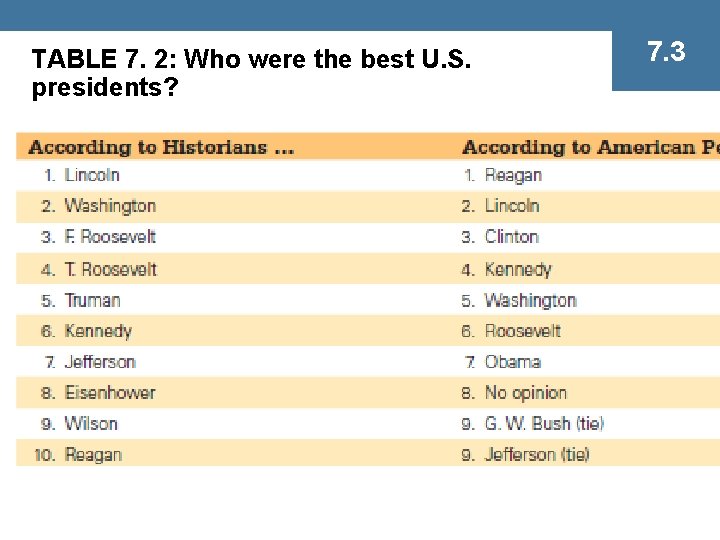
TABLE 7. 2: Who were the best U. S. presidents? 7. 3
Presidential Establishment ¤ ¤ ¤ Vice President Cabinet First Lady Executive Office of the President (EOP) White House Staff 7. 4
Vice President ¤ Balancing the ticket ¤ Increasing role in modern presidency 7. 4
Cabinet ¤ Traditional, not mandated ¤ Heads of federal agencies and executive departments n n Agriculture Commerce Labor Education 7. 4
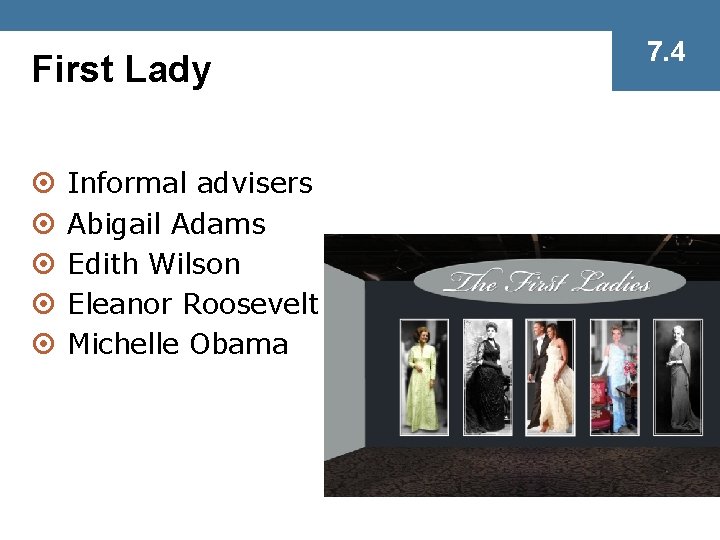
First Lady ¤ ¤ ¤ Informal advisers Abigail Adams Edith Wilson Eleanor Roosevelt Michelle Obama 7. 4
Executive Office of the President (EOP) ¤ ¤ ¤ ¤ 7. 4 National Security Council (NSC) Council of Economic Advisers (CEA) Office of Management and Budget (OMB) Office of the Vice President Office of the U. S. Trade Representative Economic Recovery Advisory Board “Czars”
White House Staff ¤ ¤ Personal assistants Senior aides Chosen for loyalty Chief of staff 7. 4
Presidential Leadership and the Importance of Public Opinion ¤ Presidential Leadership and Personality ¤ Going Public ¤ President and Public Opinion 7. 5
Presidential Leadership and Personality ¤ What makes a president great? ¤ Leadership style n Powers of persuasion ¤ Lincoln and FDR 7. 5
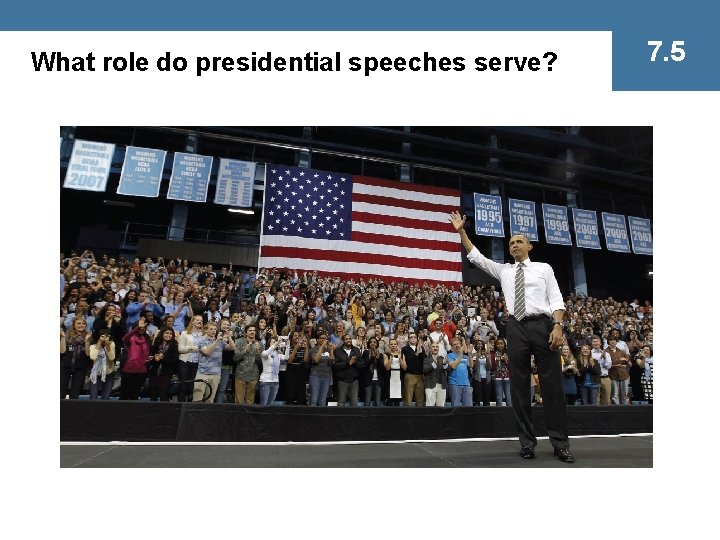
What role do presidential speeches serve? 7. 5
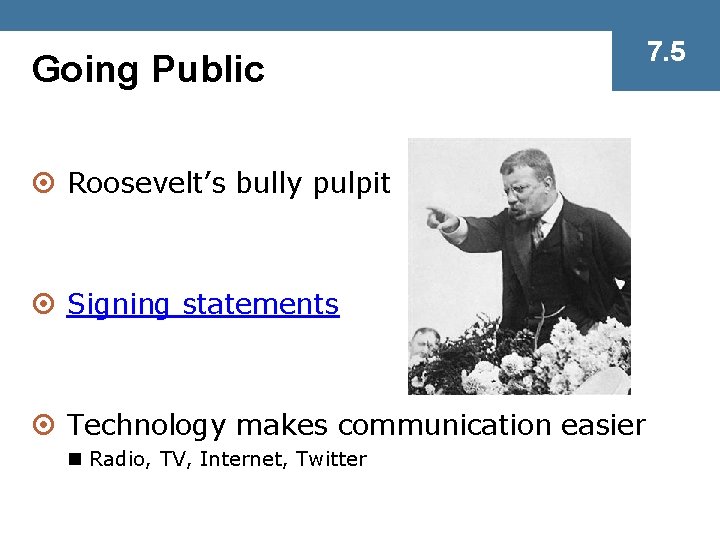
Going Public ¤ Roosevelt’s bully pulpit ¤ Signing statements ¤ Technology makes communication easier n Radio, TV, Internet, Twitter 7. 5
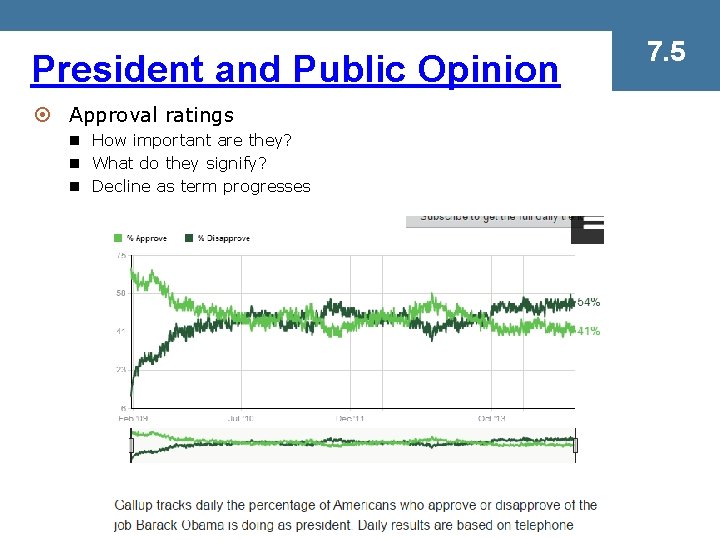
President and Public Opinion ¤ Approval ratings n How important are they? n What do they signify? n Decline as term progresses 7. 5
The Executive Branch and the Federal Bureaucracy 8
Roots of the Federal Bureaucracy 8. 1 ¤ The Civil War and the Growth of Government ¤ From the Spoils System to the Merit System ¤ Regulating Commerce ¤ The World Wars and the Growth of Government
The Civil War and the Growth of Government ¤ Civil War changes n Creation of the Department of Agriculture n Creation of the Pension Office n Authorization of thousands more employees ¤ Permanent changes to the bureaucracy 8. 1
From the Spoils System to the Merit System ¤ Patronage system (“spoils system”) n Federal jobs given to loyal supporters ¤ Merit system n Jobs given according to ability ¤ Civil Service system n Current system based on merit 8. 1
Regulating Commerce ¤ Growth of big business n Unfair business practices ¤ Additional departments n Reaction to railroad shipping rates n Protect workers and small businesses from big businesses ¤ Sixteenth Amendment n Federal income tax 8. 1
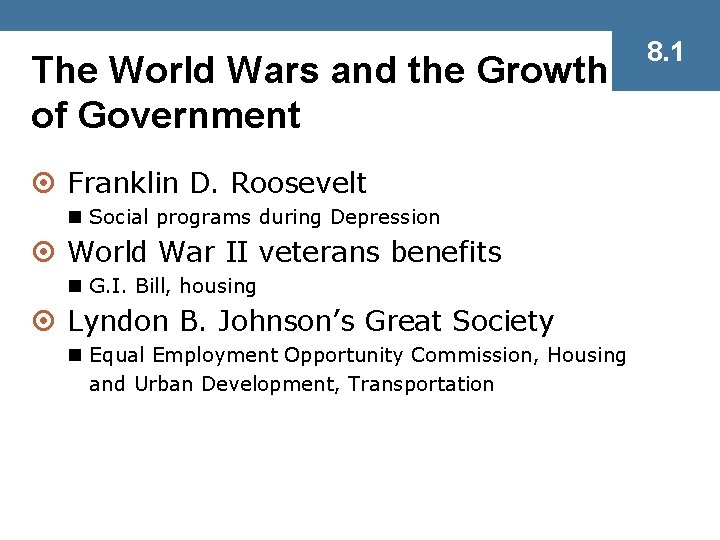
The World Wars and the Growth of Government ¤ Franklin D. Roosevelt n Social programs during Depression ¤ World War II veterans benefits n G. I. Bill, housing ¤ Lyndon B. Johnson’s Great Society n Equal Employment Opportunity Commission, Housing and Urban Development, Transportation 8. 1
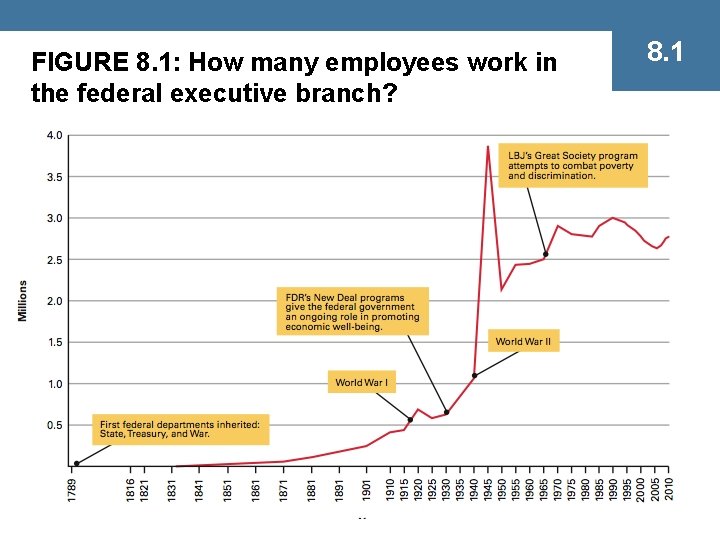
FIGURE 8. 1: How many employees work in the federal executive branch? 8. 1
The Modern Bureaucracy ¤ Who Are Bureaucrats? ¤ Formal Organization ¤ Government Workers and Political Involvement 8. 2
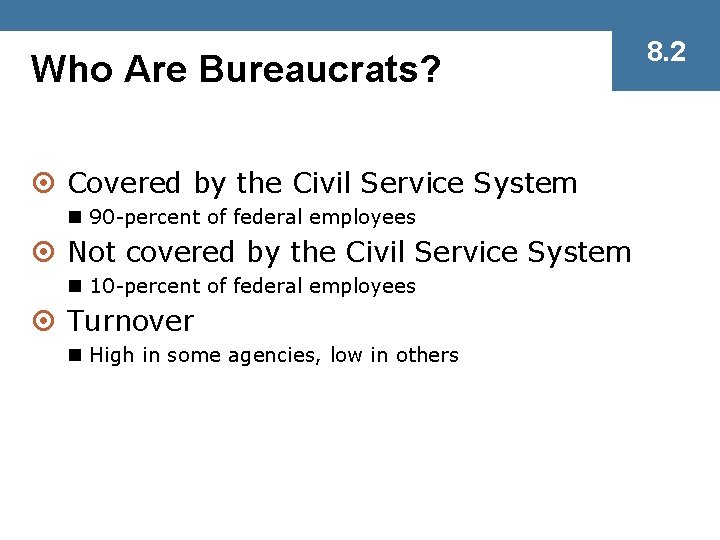
Who Are Bureaucrats? ¤ Covered by the Civil Service System n 90 -percent of federal employees ¤ Not covered by the Civil Service System n 10 -percent of federal employees ¤ Turnover n High in some agencies, low in others 8. 2
Formal Organization ¤ ¤ Cabinet departments Independent executive agencies Independent regulatory commissions Government corporations 8. 2
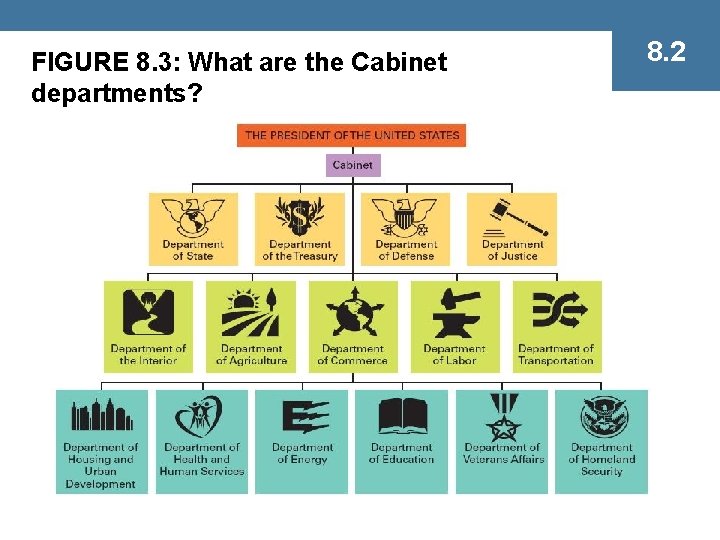
FIGURE 8. 3: What are the Cabinet departments? 8. 2
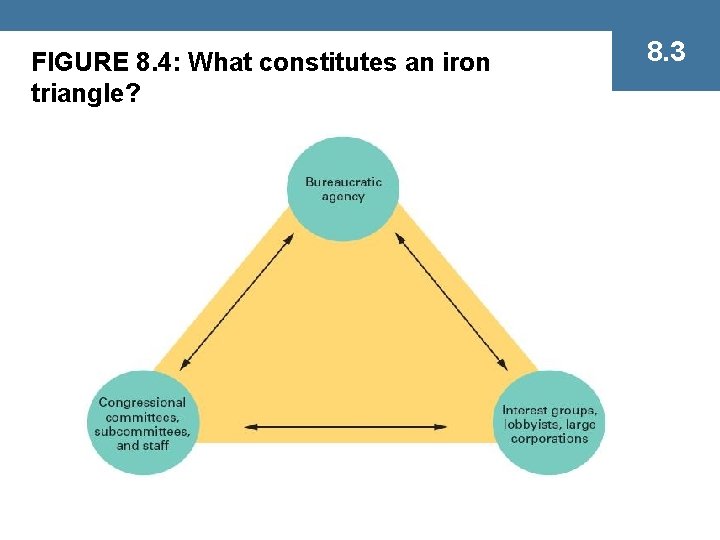
How the Bureaucracy Works ¤ Weber’s characteristics of bureaucracies ¤ German sociologist Max Weber believed bureaucracies were rational ways for complex societies to organize themselves. Such bureaucracies would include a chain of command, division of labor, clear lines of authority, a goal orientation that helped shape the organization’s structure, impersonality, in which all employees are treated fairly, and productivity. ¤ Iron triangles of implementation 8. 3
FIGURE 8. 4: What constitutes an iron triangle? 8. 3
Making Policy ¤ Rule making n Administrative discretion n Quasi-legislative process n Regulations have force of law ¤ Administrative adjudication n Quasi-judicial process 8. 3
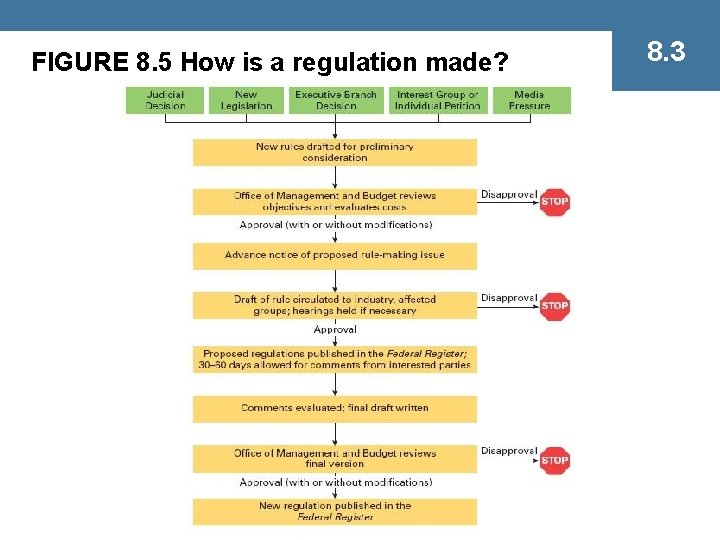
FIGURE 8. 5 How is a regulation made? 8. 3
Video: Thinking Like a Political Scientist http: //media. pearsoncmg. com/ph/hss/SSA_SHA RED_MEDIA_1/polisci/presidency/Seg 4_Bureaucr acy_v 2. html 8. 4