
The Practical History of Photography History of Photography
- Slides: 16
The Practical History of Photography
History of Photography in 40 Photographs Part of the National Media Museum, Bradford
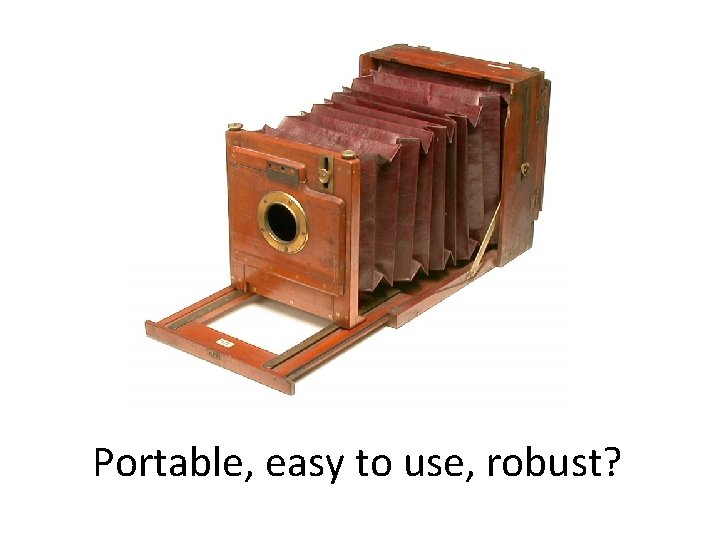
Portable, easy to use, robust?
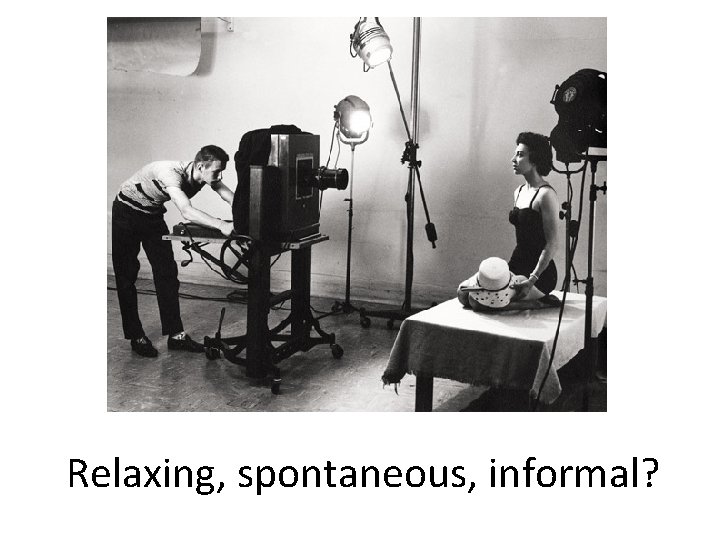
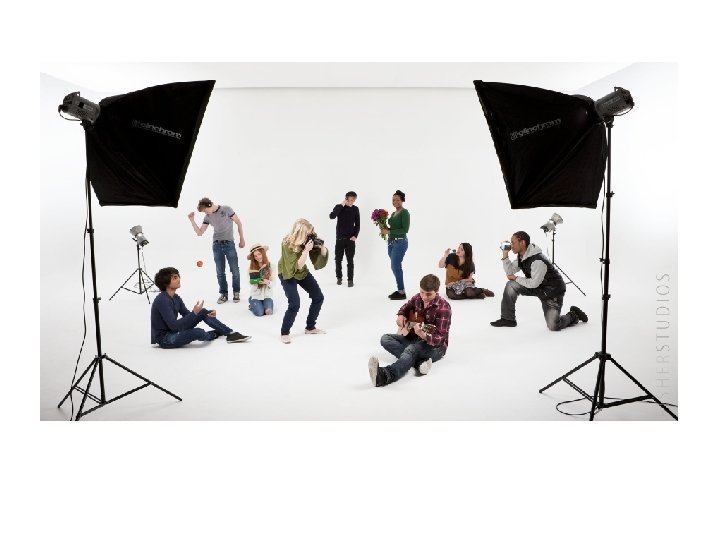
Relaxing, spontaneous, informal?
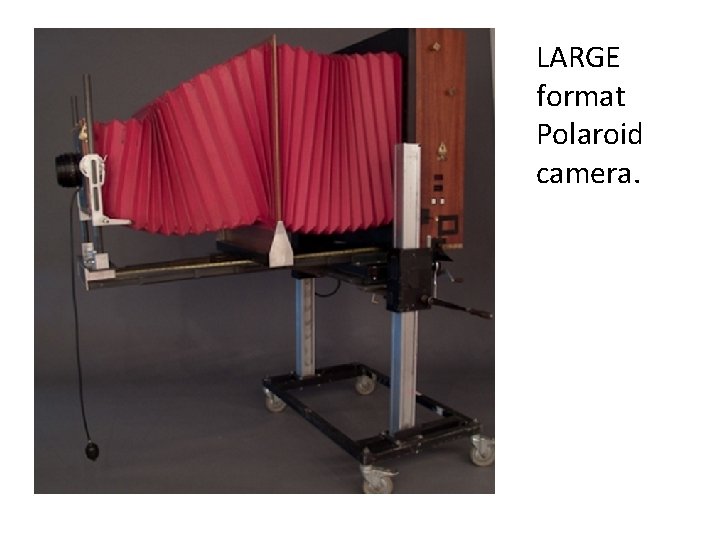
LARGE format Polaroid camera.
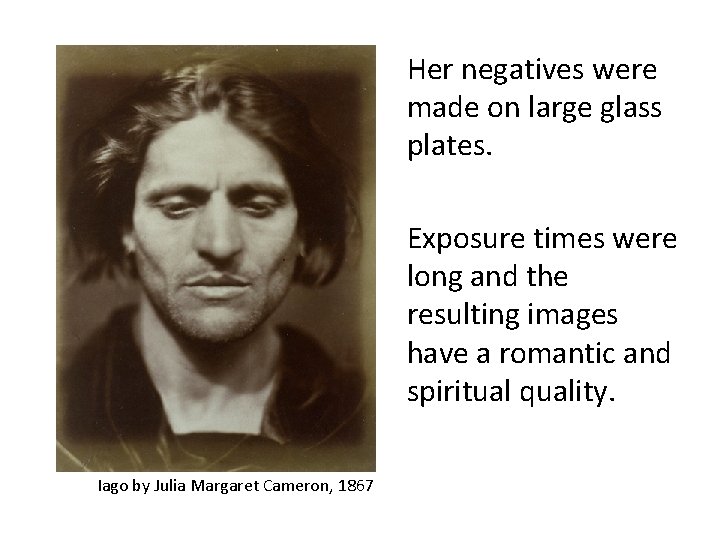
Her negatives were made on large glass plates. Exposure times were long and the resulting images have a romantic and spiritual quality. Iago by Julia Margaret Cameron, 1867
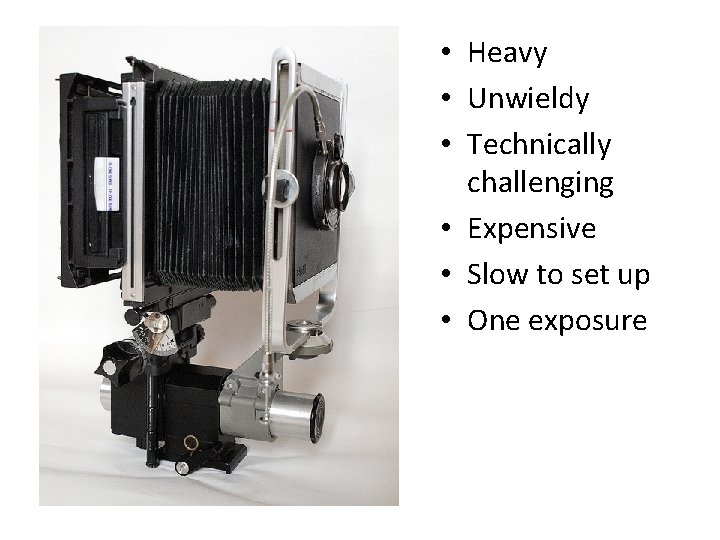
• Heavy • Unwieldy • Technically challenging • Expensive • Slow to set up • One exposure
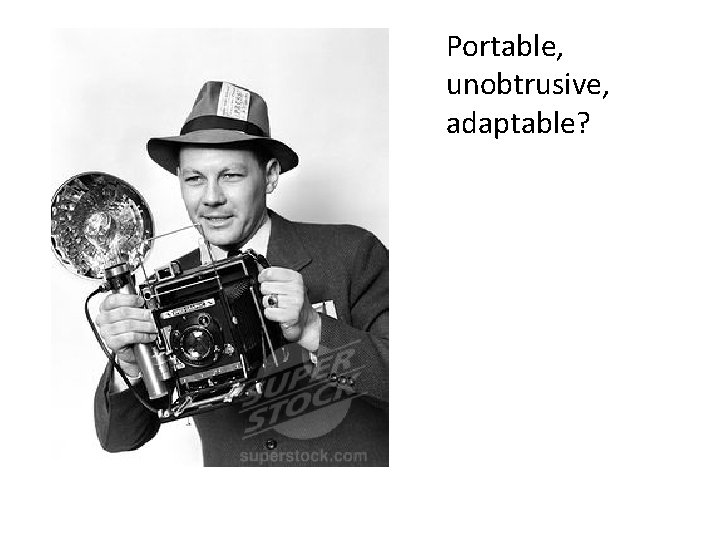
Portable, unobtrusive, adaptable?
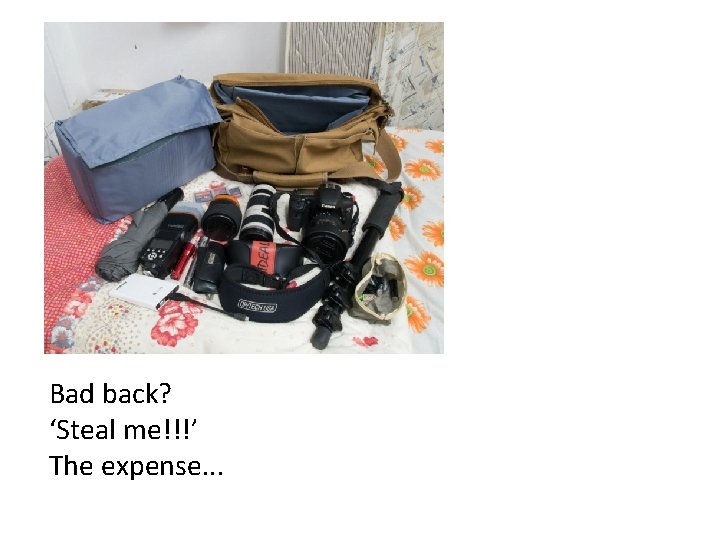
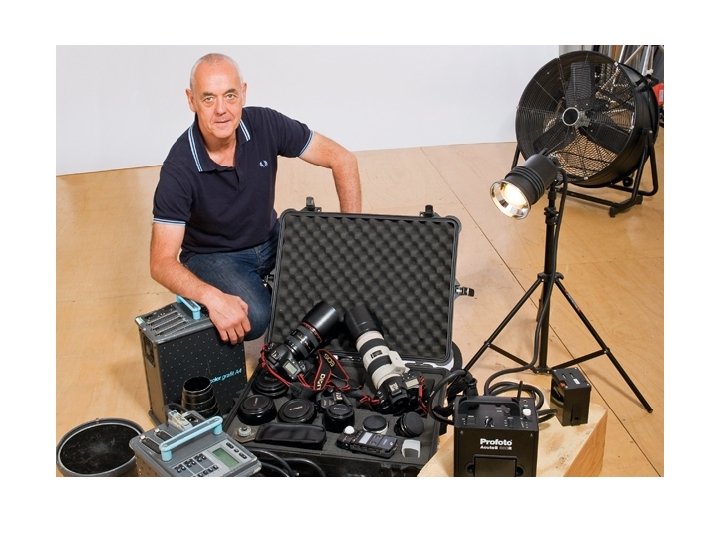
Bad back? ‘Steal me!!!’ The expense. . .
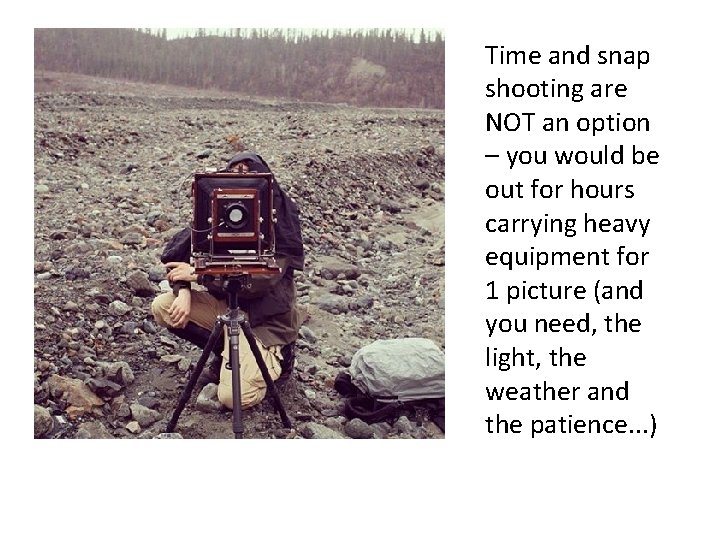
Time and snap shooting are NOT an option – you would be out for hours carrying heavy equipment for 1 picture (and you need, the light, the weather and the patience. . . )
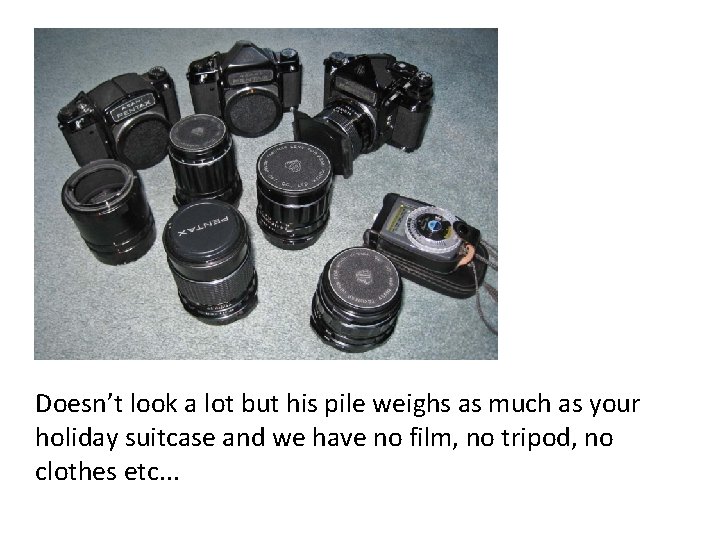
Doesn’t look a lot but his pile weighs as much as your holiday suitcase and we have no film, no tripod, no clothes etc. . .
If you are looking at photographers that are predigital (ideally you are. . . ) – Consider the following • carrying film; • heavier metal lenses and cameras; • carrying lights/flashguns; • carrying batteries; • looking after film (not too hot and not too cold); • film (ISO) was much slower (less light sensitive) than digital pro-SLRs (a sports photographer in the 1990 s would have a maximum ISO of perhaps 3200 – the Nikon D 4 has a maximum of 204, 800).
Also consider the contextual stuff – • Why were the pictures taken? • Who were the influences? • Were the pictures created for a political reason? • What were the circumstances for the pictures being created? 3000 words – NOT ENOUGH!!!