
The Power of Light Shadow In Islamic Art


- Slides: 43
The Power of Light & Shadow In Islamic Art AVI 3 M Grade 11 Visual Arts
Background - Islamic principles and teachings - a way of life, religious code and legal system established by Muhammad (c 570 -632) - The teachings were revealed to him over a period of many years beginning in 610 and they became the text known as the Qur’an - Primary premise is monotheism (Allah) and the recognition of Muhammad as Allah’s last prophet (others were Abraham, Moses and Jesus) - The Qur’an and the Traditions take a firm stances against idolatry and the worship of images
- Decoration stressed the importance of unity, logic and order - Influenced by Islamic classical traditions and enhanced during the 7 th. C by Islamic mathematicians, astronomers and other scientists - Paintings and decorative elements generally do not utilize linear perspective or shadows, they are typically flat and two-dimensional
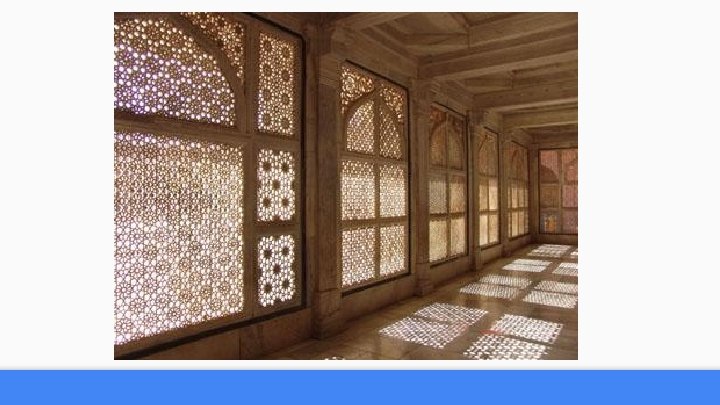
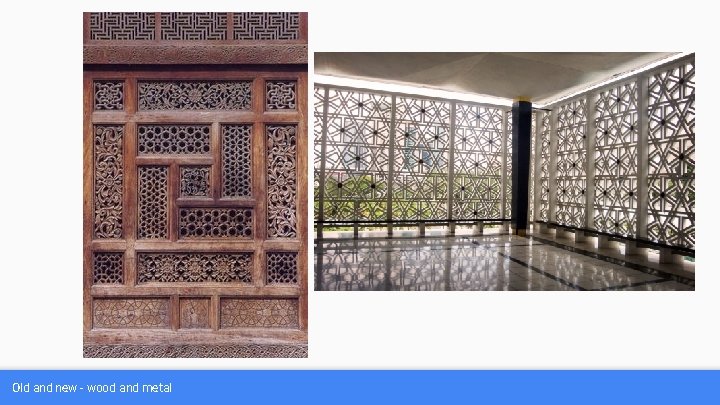
Screens - ancient and contemporary - First designed to protect pots of water from the heat of the sun, the lattice designs, and the play of light and shadow, are breath taking - Subdued the strong desert sunlight, but also cooled buildings as they permitted breezes to enter homes in the summer that were freshened because their fine wood absorbed the humidity from the air
Old and new - wood and metal
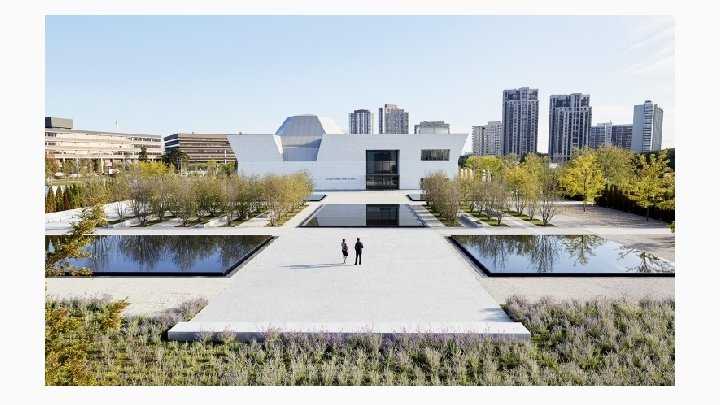
The Museum and Site - Architect Fumihiko Maki used light as his inspiration - Not only is light ever-present in the building, but depending on the time of day or season, light will animate the building in myriad ways - Throwing patterns on the exterior walls of Brazilian granite - Landscape architect is Vladimir Djurovic
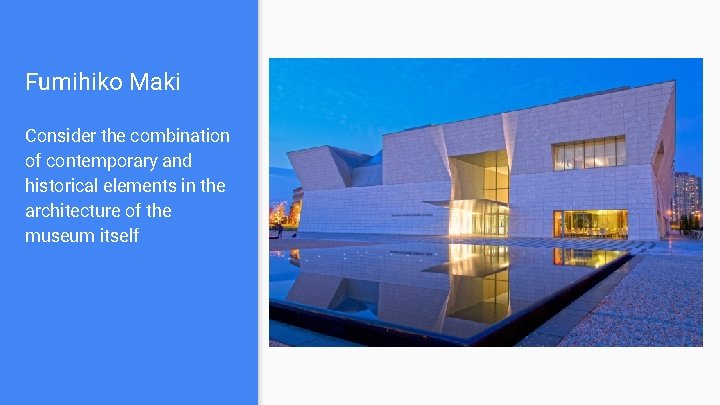
Fumihiko Maki Consider the combination of contemporary and historical elements in the architecture of the museum itself
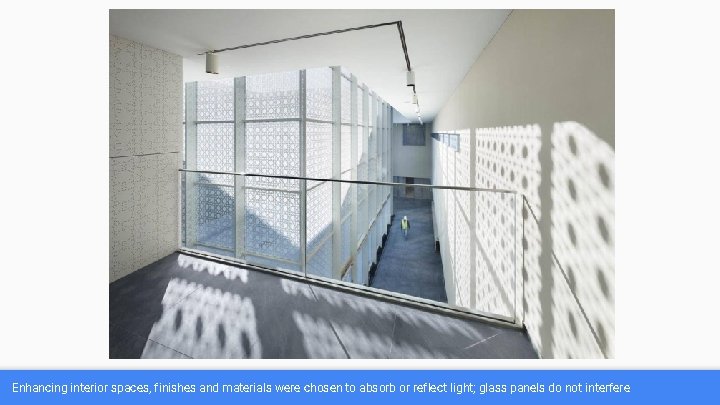
Enhancing interior spaces, finishes and materials were chosen to absorb or reflect light; glass panels do not interfere
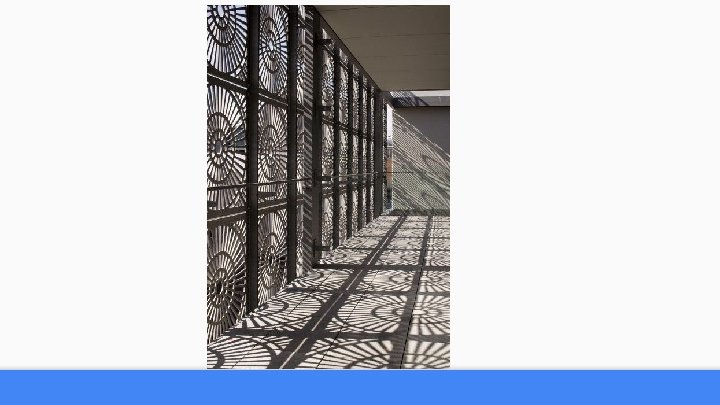
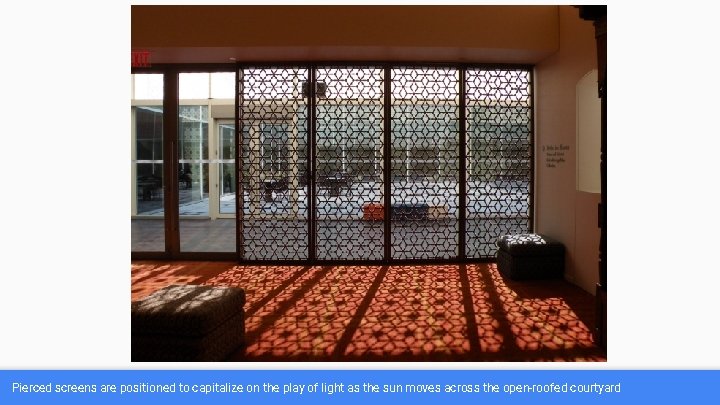
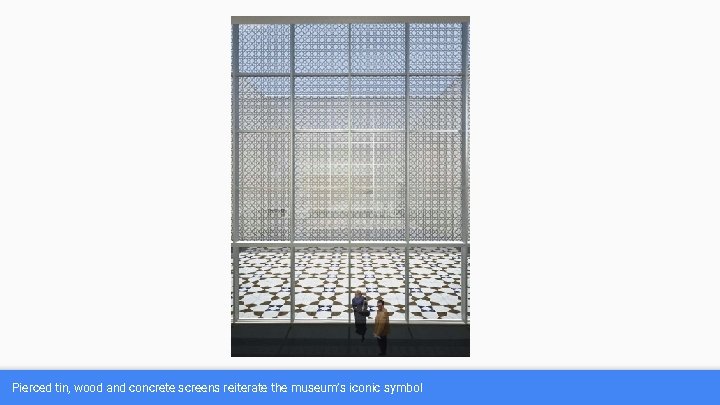
Pierced screens are positioned to capitalize on the play of light as the sun moves across the open-roofed courtyard
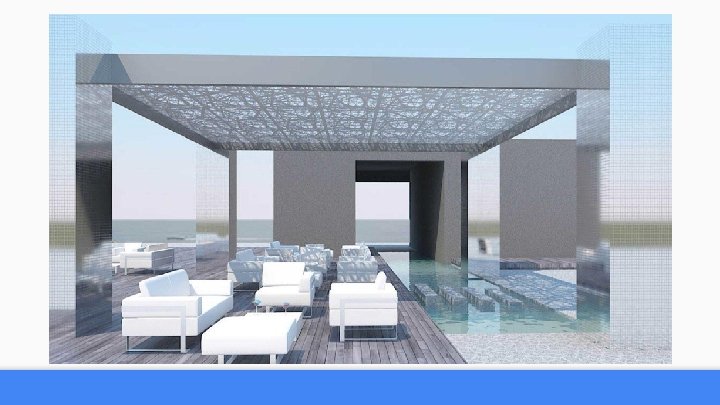
Pierced tin, wood and concrete screens reiterate the museum’s iconic symbol
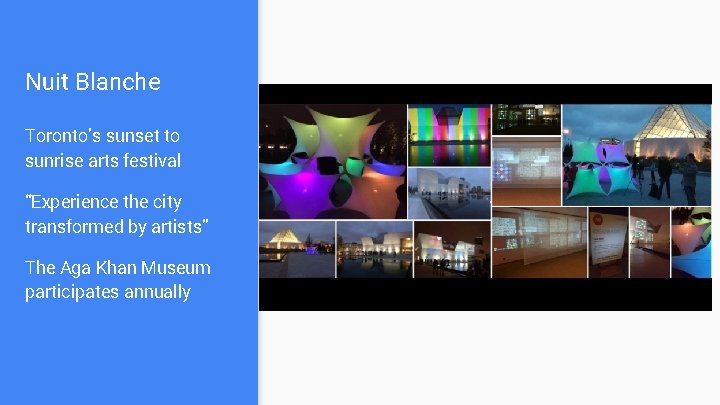
Nuit Blanche Toronto’s sunset to sunrise arts festival “Experience the city transformed by artists” The Aga Khan Museum participates annually
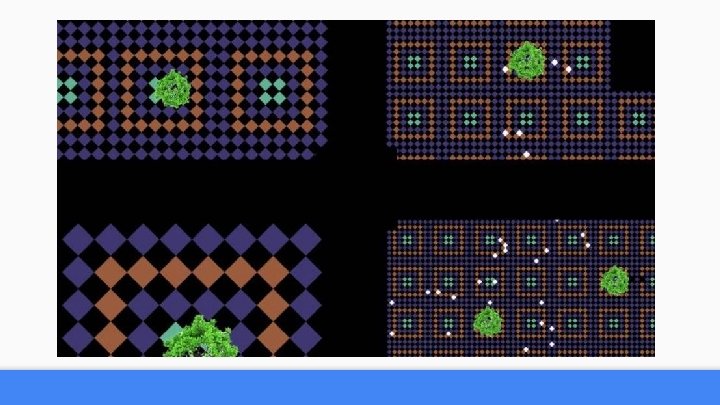
Char Bagh - Refers to the Persian style quadrilateral garden divided by walkways or flowing water - In this installation, a large scale digital garden is projected on the facade of the museum and audiences interact using cellphones to add new content in real-time - The structure becomes a metaphor working with open data investigating socio-political territories; data is collected from around the world, thematically curated hashtags examine how the ethical use of social
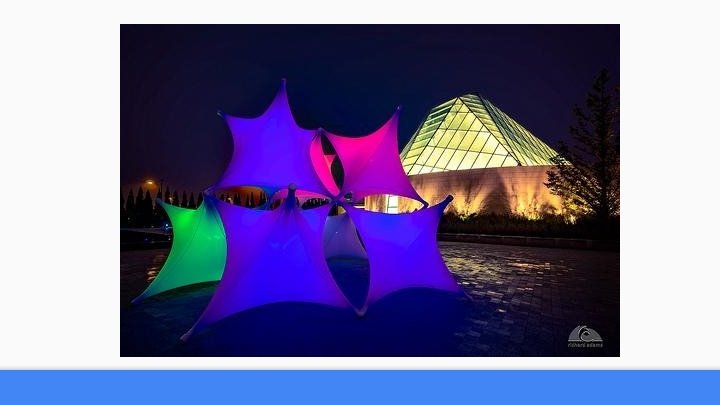
Sparks - Lights, sounds, shadows and people at the Aga Khan park - Built from a hard structure and covered in soft stretchy fabric, several individual “sparks” are clustered together to create new space inside - Light glows from each piece, filtered through the soft fabric - Shadows from the visitors dance in the lights as their bodies are silhouetted against the glowing design
Contemporary Shadow Artists - Traditional and street or guerilla artists from around the world are using light and shadow as their main medium of expression
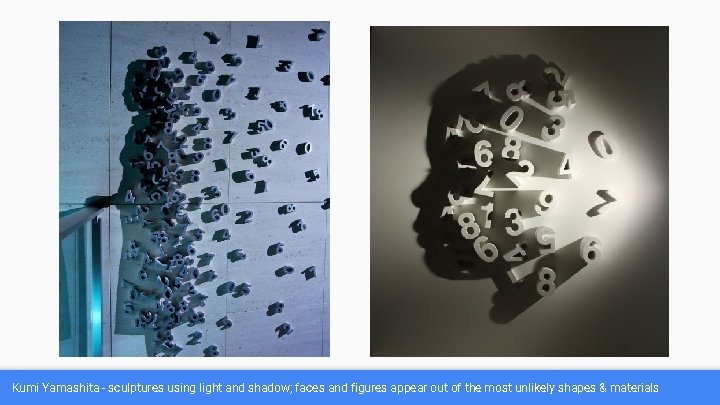
Kumi Yamashita - sculptures using light and shadow; faces and figures appear out of the most unlikely shapes & materials
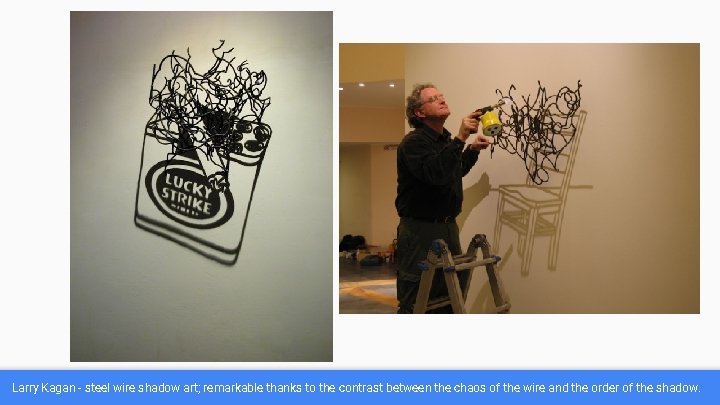
Larry Kagan - steel wire shadow art; remarkable thanks to the contrast between the chaos of the wire and the order of the shadow.
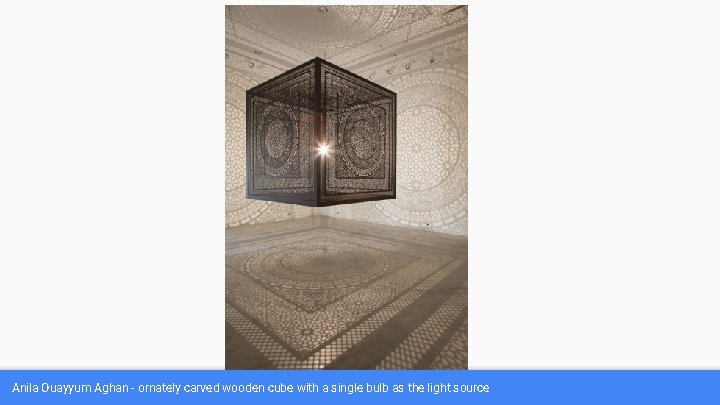
Anila Ouayyum Aghan - ornately carved wooden cube with a single bulb as the light source
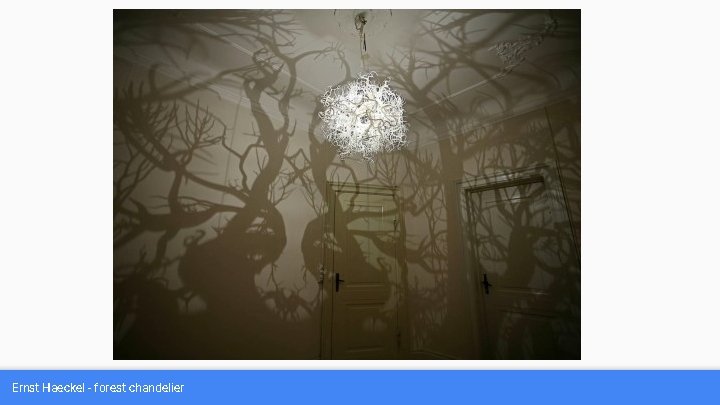
Ernst Haeckel - forest chandelier
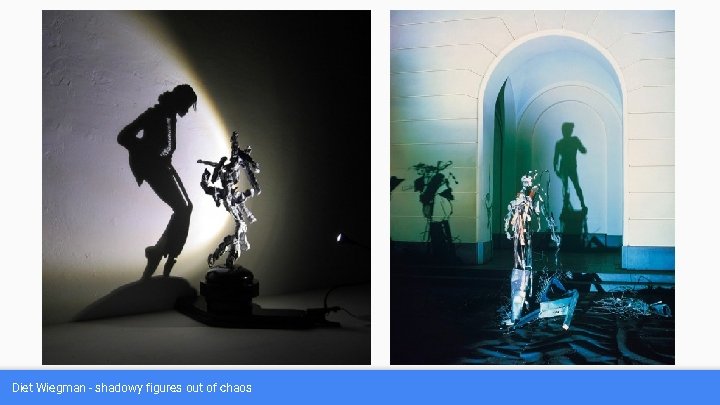
Diet Wiegman - shadowy figures out of chaos
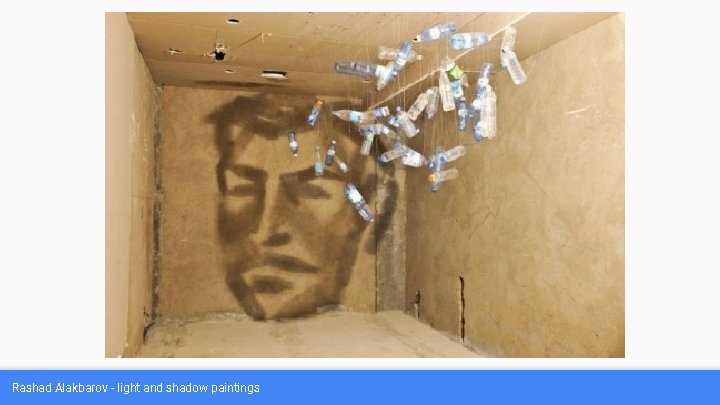
Rashad Alakbarov - light and shadow paintings
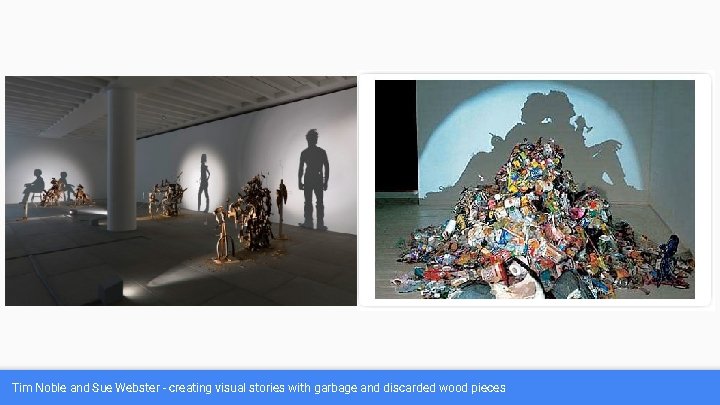
Tim Noble and Sue Webster - creating visual stories with garbage and discarded wood pieces
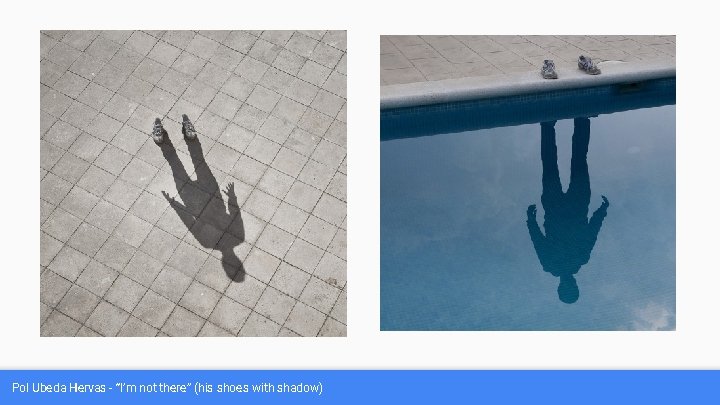
Pol Ubeda Hervas - “I’m not there” (his shoes with shadow)
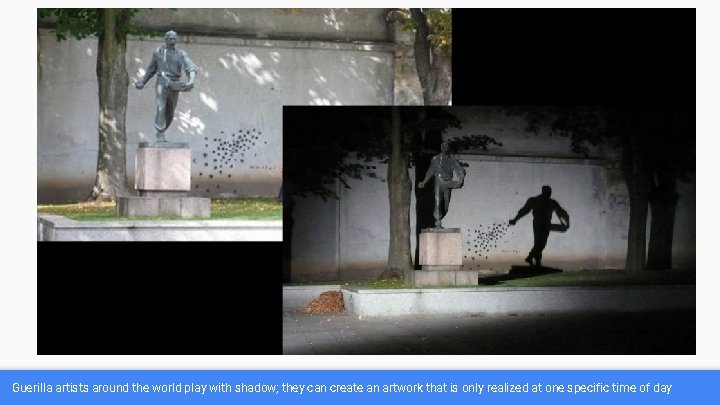
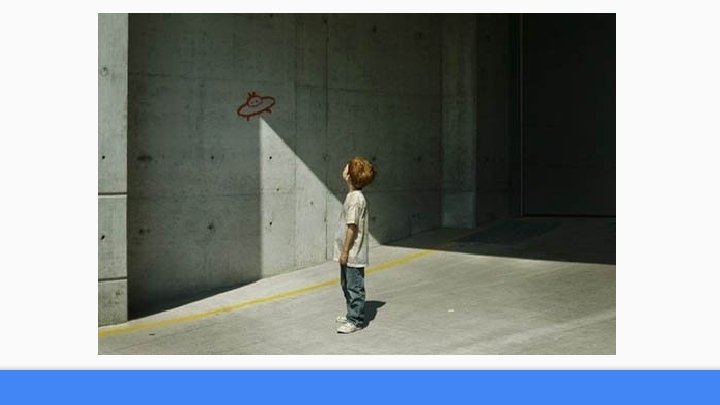
Guerilla artists around the world play with shadow; they can create an artwork that is only realized at one specific time of day
Student Challenges - There are so many ways that students can use light and shadow to create artworks - The inquiry challenge is: How can you create an artwork that reflects your understanding of light and shadow in Islamic art and makes connections to your own personal identity and values, or a more contemporary society?
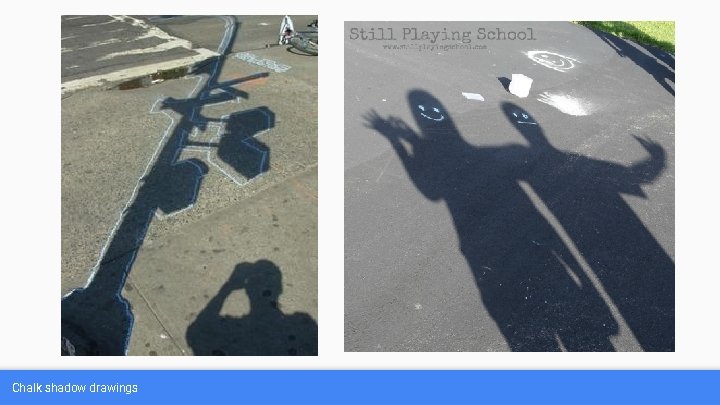
Chalk shadow drawings
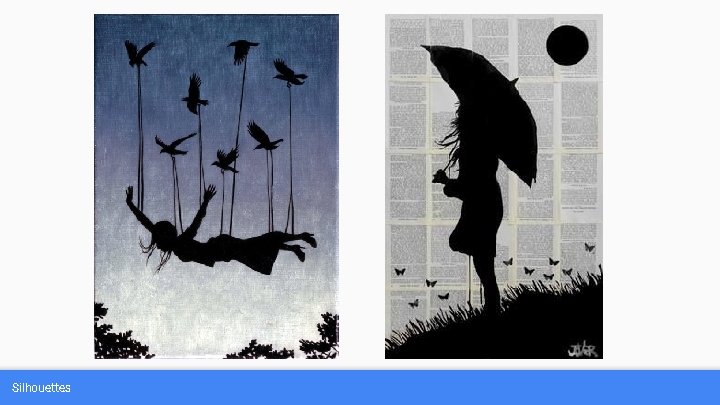
Silhouettes
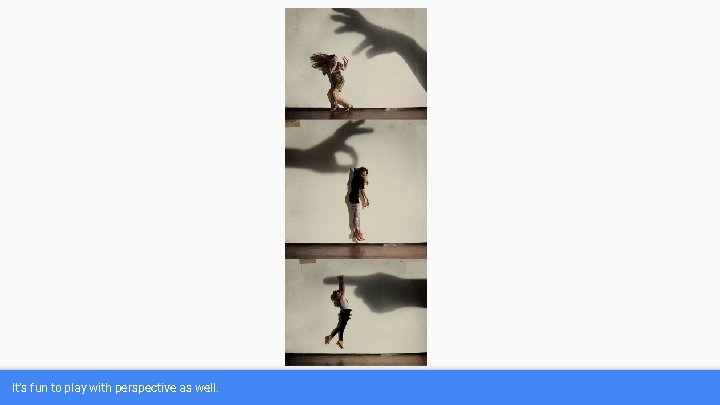
It’s fun to play with perspective as well.
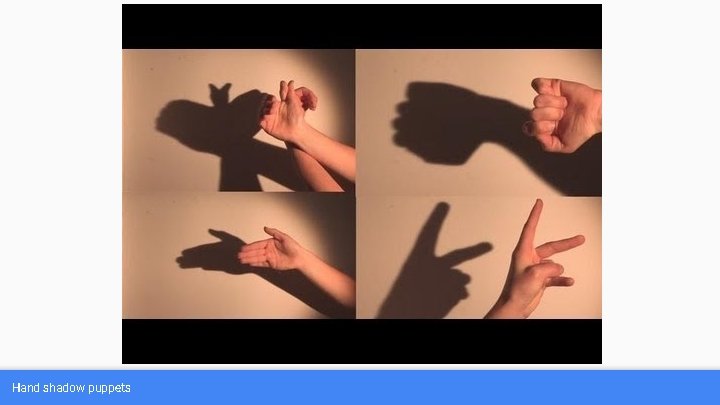
Hand shadow puppets
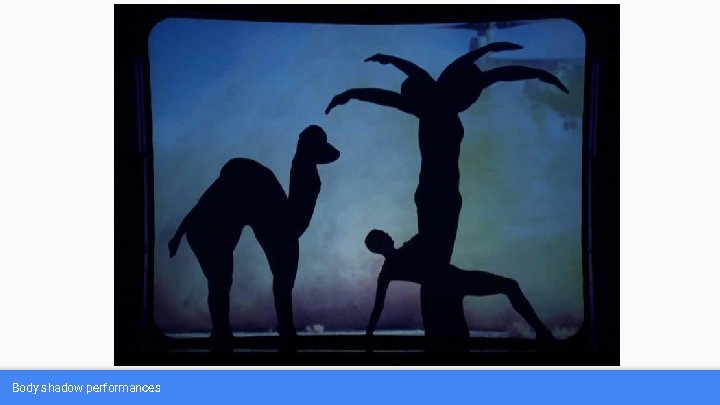
Body shadow performances
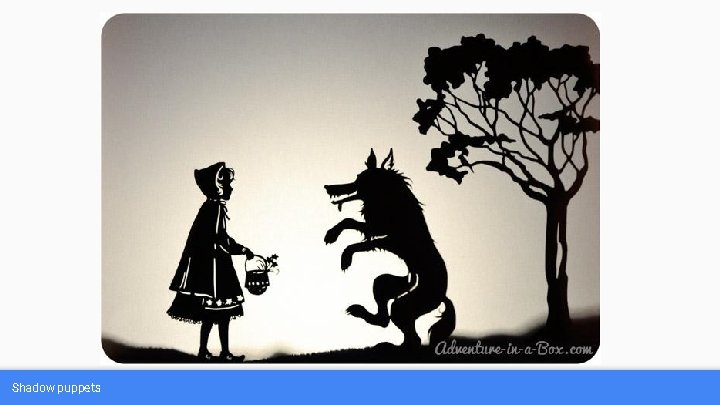
Shadow puppets
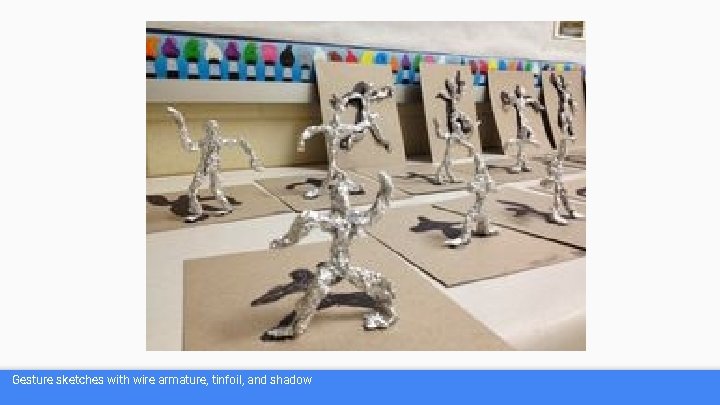
Gesture sketches with wire armature, tinfoil, and shadow
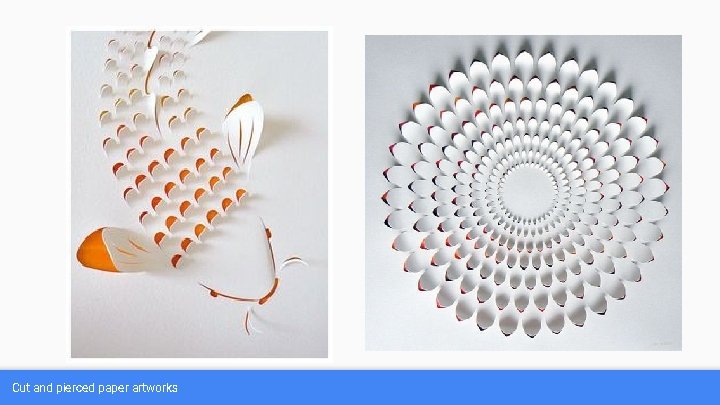
Cut and pierced paper artworks
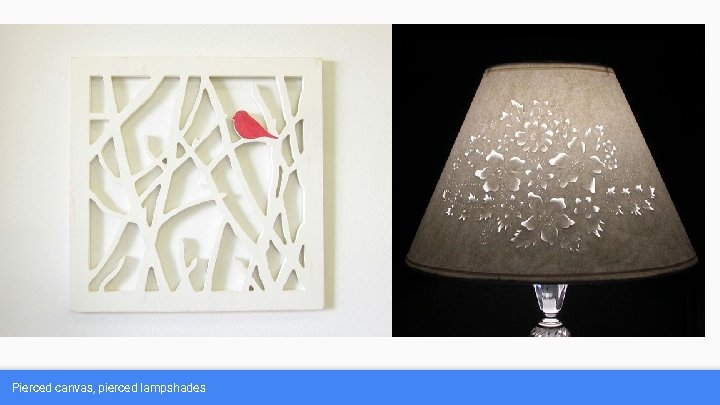
Pierced canvas, pierced lampshades
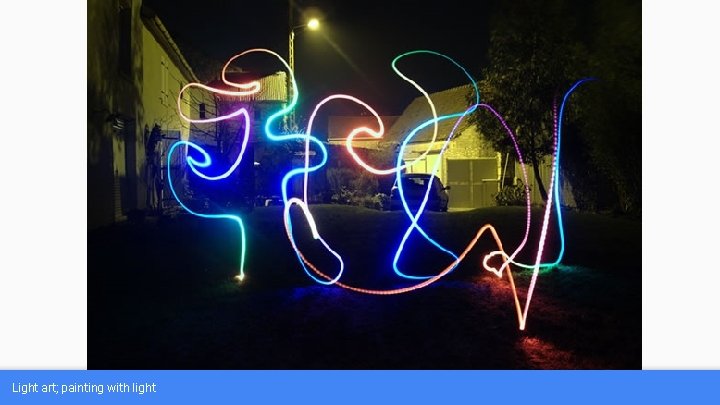
Light art; painting with light
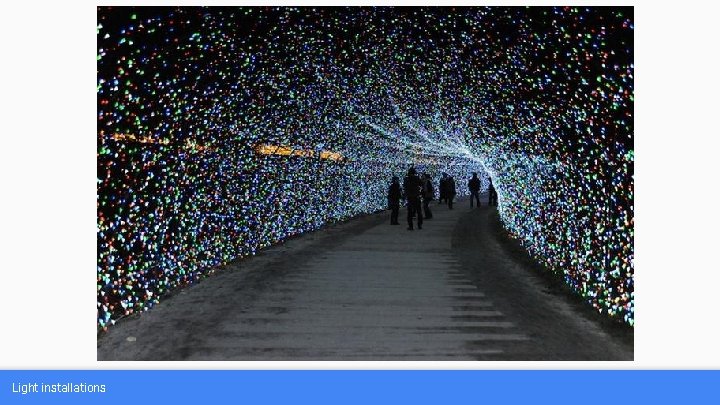
Light installations