
The PostNicene Era 325 590 AD Roman Empire
- Slides: 23
The Post-Nicene Era 325 -590 AD
Roman Empire Embraces Christianity • • Arianism and Orthodoxy Constantine – New Capital – Mediator – Evangelist – Sacral State • • • Constantine’s Sons Julian “The Apostate” (360 -363) Theodosius I, The Great (378 -395)
Theodosius I, The Great (378 -395) • • • First genuinely orthodox emperor, established Christianity as state religion Presses Roman Senate to affirm Christ Outlaws: attendance at pagan temples, pagan sacrifices, idol worship, etc Encourages destruction of pagan temples – gives property to churches Large numbers of pagans convert to Christianity
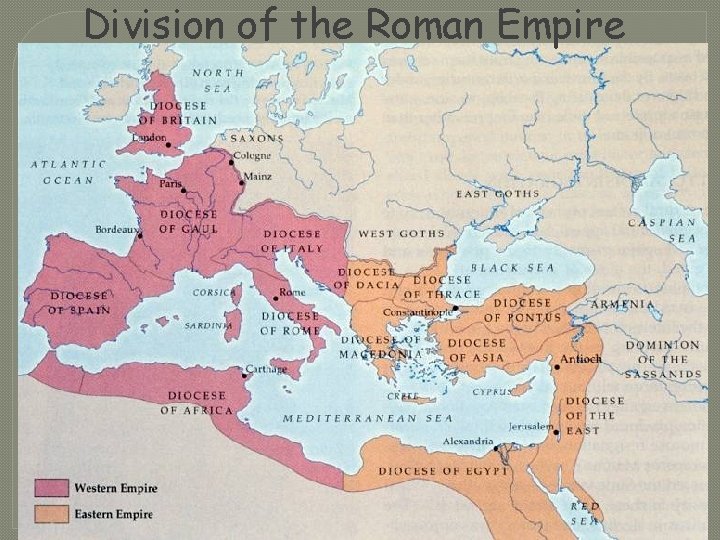
Division of the Roman Empire
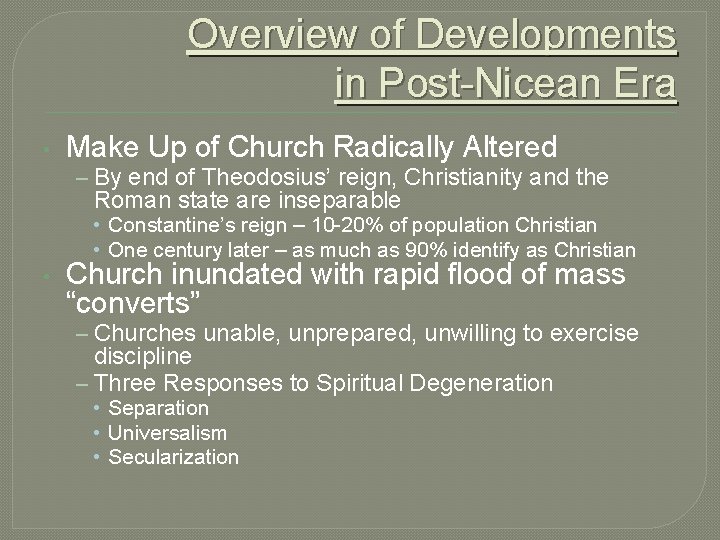
Overview of Developments in Post-Nicean Era • Make Up of Church Radically Altered – By end of Theodosius’ reign, Christianity and the Roman state are inseparable • Constantine’s reign – 10 -20% of population Christian • One century later – as much as 90% identify as Christian • Church inundated with rapid flood of mass “converts” – Churches unable, unprepared, unwilling to exercise discipline – Three Responses to Spiritual Degeneration • Separation • Universalism • Secularization
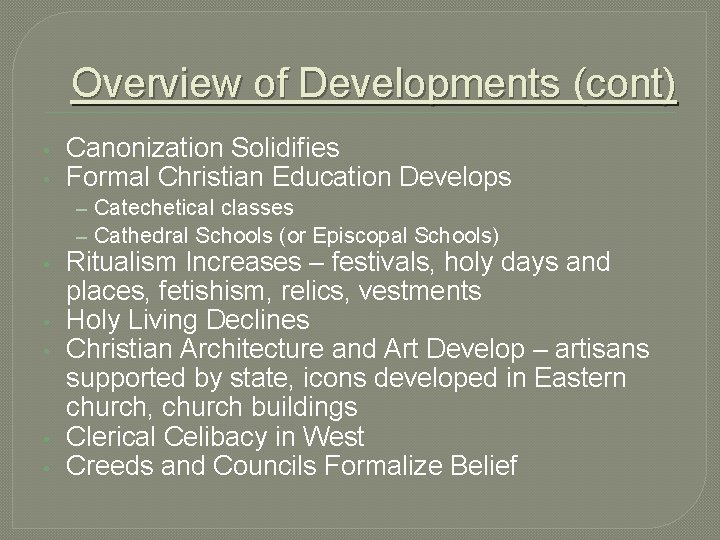
Overview of Developments (cont) • • Canonization Solidifies Formal Christian Education Develops – Catechetical classes – Cathedral Schools (or Episcopal Schools) • • • Ritualism Increases – festivals, holy days and places, fetishism, relics, vestments Holy Living Declines Christian Architecture and Art Develop – artisans supported by state, icons developed in Eastern church, church buildings Clerical Celibacy in West Creeds and Councils Formalize Belief
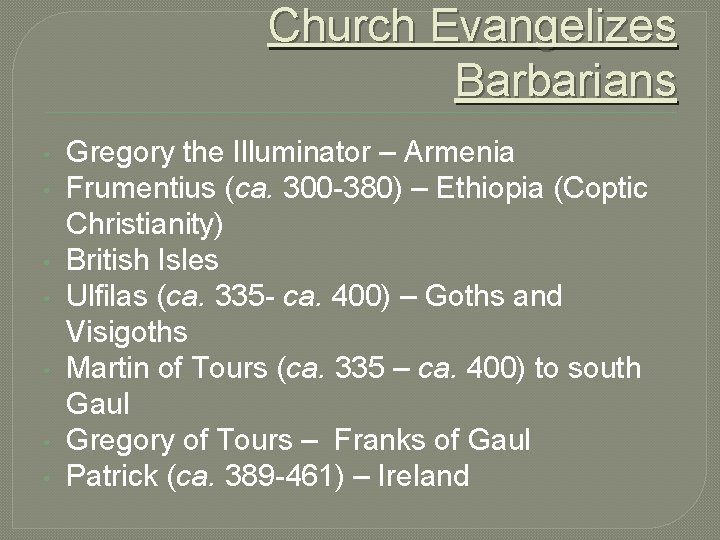
Church Evangelizes Barbarians • • Gregory the Illuminator – Armenia Frumentius (ca. 300 -380) – Ethiopia (Coptic Christianity) British Isles Ulfilas (ca. 335 - ca. 400) – Goths and Visigoths Martin of Tours (ca. 335 – ca. 400) to south Gaul Gregory of Tours – Franks of Gaul Patrick (ca. 389 -461) – Ireland
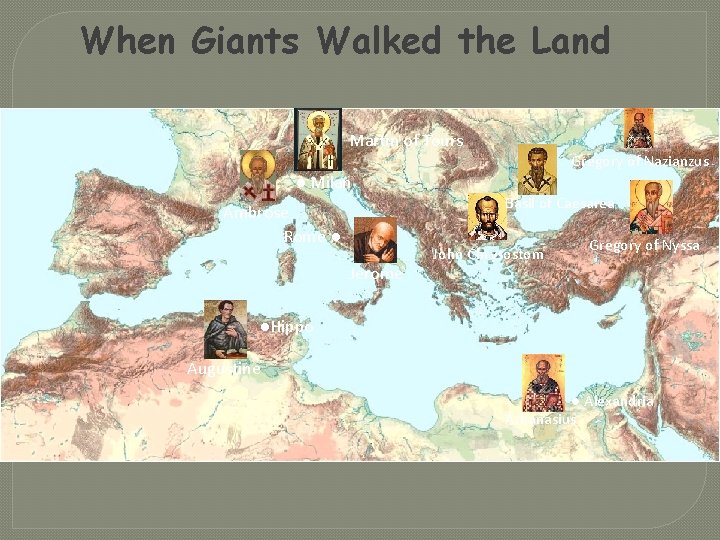
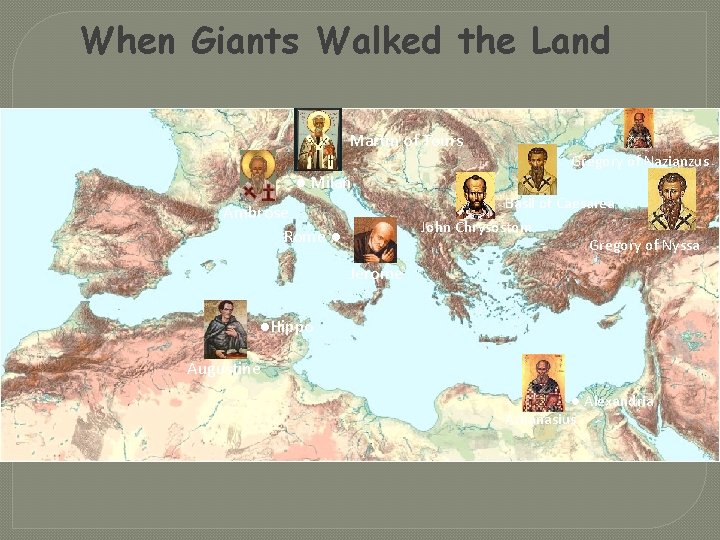
When Giants Walked the Land Martin of Tours ● Milan Ambrose Rome ● Jerome Gregory of Nazianzus Basil of Caesarea John Chrysostom Gregory of Nyssa ●Hippo Augustine ● Alexandria Athanasius
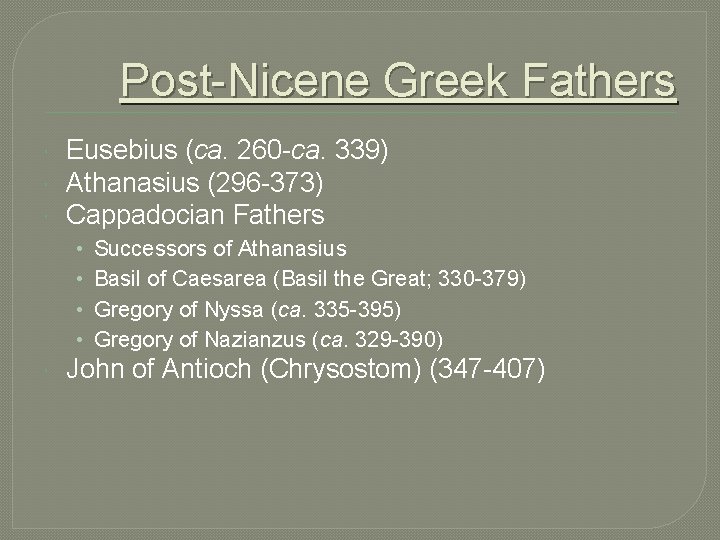
Post-Nicene Greek Fathers Eusebius (ca. 260 -ca. 339) Athanasius (296 -373) Cappadocian Fathers • • Successors of Athanasius Basil of Caesarea (Basil the Great; 330 -379) Gregory of Nyssa (ca. 335 -395) Gregory of Nazianzus (ca. 329 -390) John of Antioch (Chrysostom) (347 -407)
Athanasius • • “Martin Luther of the 4 th C” Influence – Champion of the deity and humanity of Christ and deity of Holy Spirit against Arianism – Apologetics – Life of St Anthony • Pastoral Ministry – Service over Politics – Theological Orientation – Self-Discipline and Austerity – Perseverance and Courage
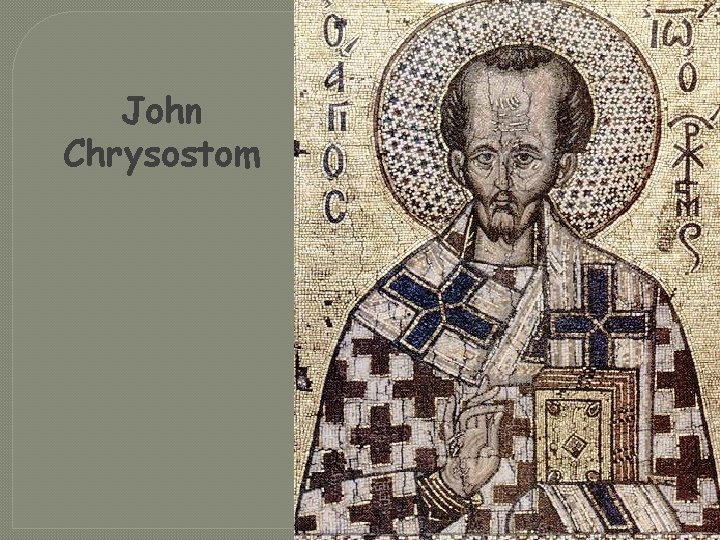
John Chrysostom
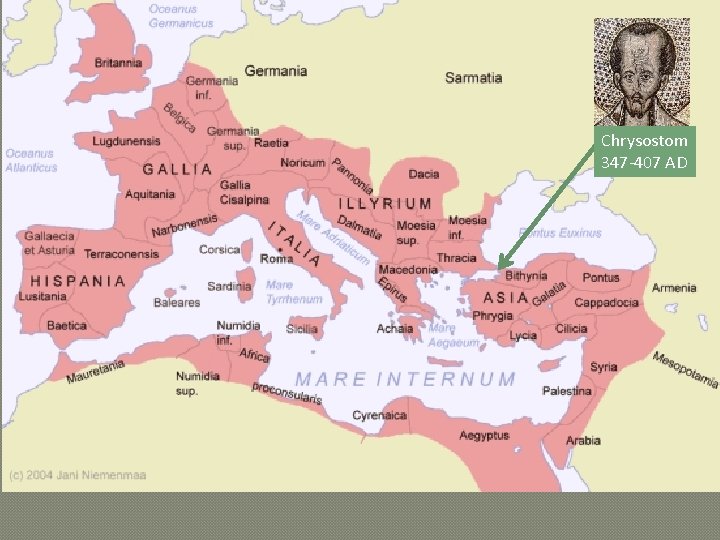
Chrysostom 347 -407 AD
John of Antioch (Chrysostom) Upbringing and Education Antioch Constantinople Quintessential Preacher Defender of Nicene Orthodoxy Prophet of Morality in Word and Deed Martyrdom
When Giants Walked the Land Martin of Tours ● Milan Ambrose Rome ● Gregory of Nazianzus Basil of Caesarea John Chrysostom Gregory of Nyssa Jerome ●Hippo Augustine ● Alexandria Athanasius
Post-Nicene Latin Fathers Ambrose (ca. 339 -397) Jerome (347 -420) Augustine (354 -430)
Ambrose Highly educated and gifted Entrance into Ministry Strong Defender of Nicene Orthodoxy Gifted Leader and Administrator of Church Affairs Church over State Hymnody Ministry to Augustine
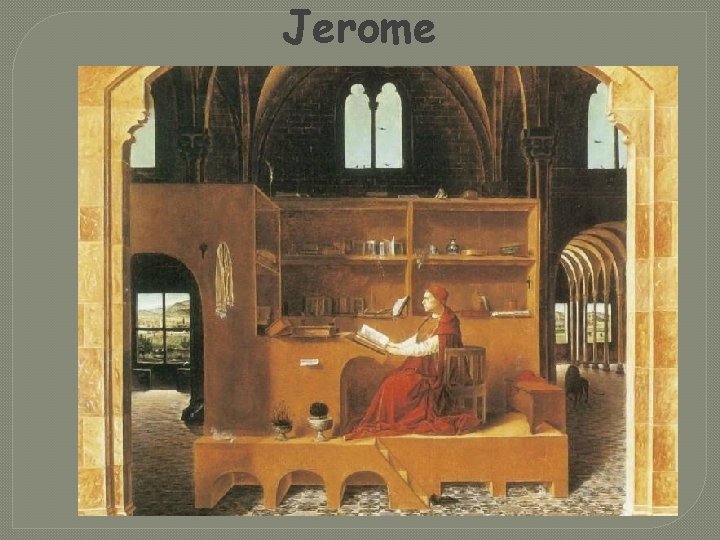
Jerome
Jerome • • Education in Italy Hermit in Syria Establishes Monastery in Bethlehem Prolific Linguist and Author – Masters Greek and Hebrew – Biographer – Exegetical Commentator – Influences every theological battle of his day including Arianism • • Translates Latin Vulgate Theological Weaknesses
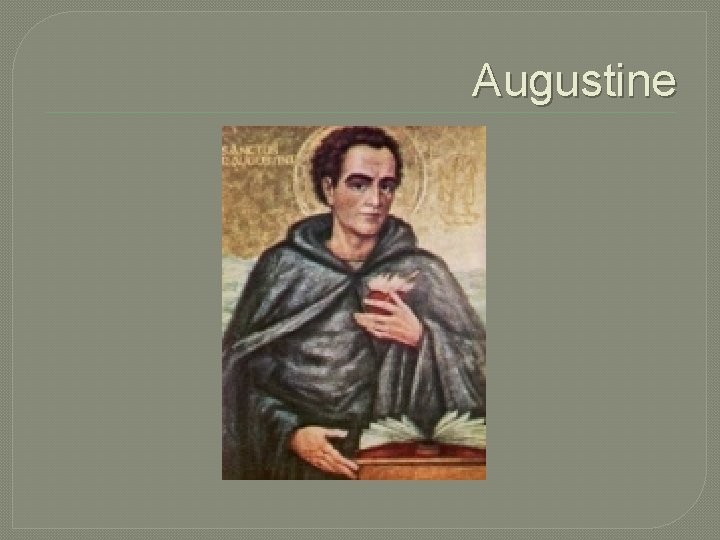
Augustine
Augustine Highly Influential in Church and Western History Upbringing Devotee to Manichaeism Sojourn in Milan and Conversion to Christianity Bishop of Hippo Regius (North Africa) Labored Against Manichees, Donatists, Pagans, Pelagius Prolific Author on Christian Doctrine Theological Legacy
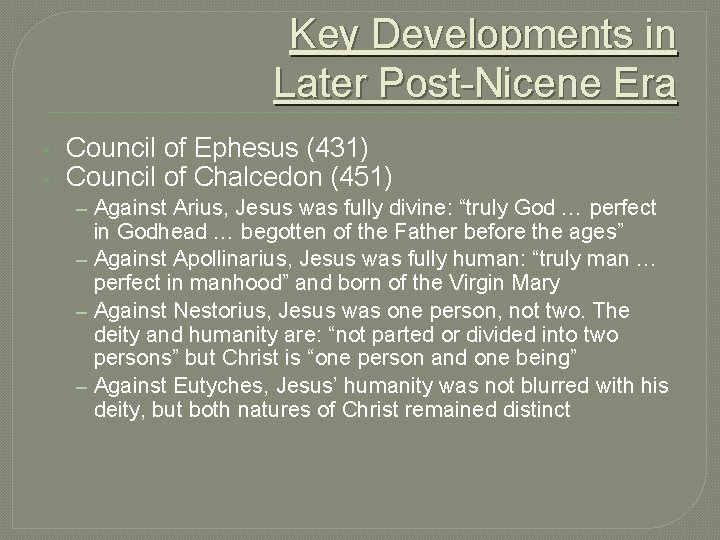
Key Developments in Later Post-Nicene Era • • Council of Ephesus (431) Council of Chalcedon (451) – Against Arius, Jesus was fully divine: “truly God … perfect in Godhead … begotten of the Father before the ages” – Against Apollinarius, Jesus was fully human: “truly man … perfect in manhood” and born of the Virgin Mary – Against Nestorius, Jesus was one person, not two. The deity and humanity are: “not parted or divided into two persons” but Christ is “one person and one being” – Against Eutyches, Jesus’ humanity was not blurred with his deity, but both natures of Christ remained distinct
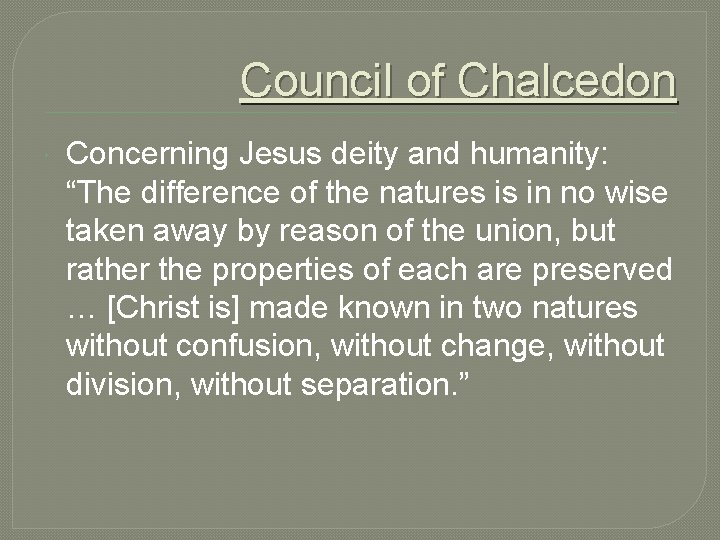
Council of Chalcedon Concerning Jesus deity and humanity: “The difference of the natures is in no wise taken away by reason of the union, but rather the properties of each are preserved … [Christ is] made known in two natures without confusion, without change, without division, without separation. ”
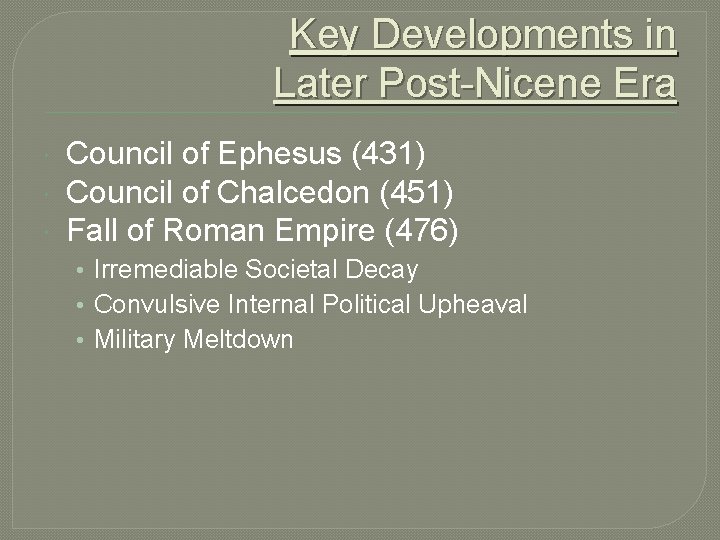
Key Developments in Later Post-Nicene Era Council of Ephesus (431) Council of Chalcedon (451) Fall of Roman Empire (476) • Irremediable Societal Decay • Convulsive Internal Political Upheaval • Military Meltdown